
REVIEW · ELLA TOURS
Ella: Traditional Sri Lankan Cooking Class
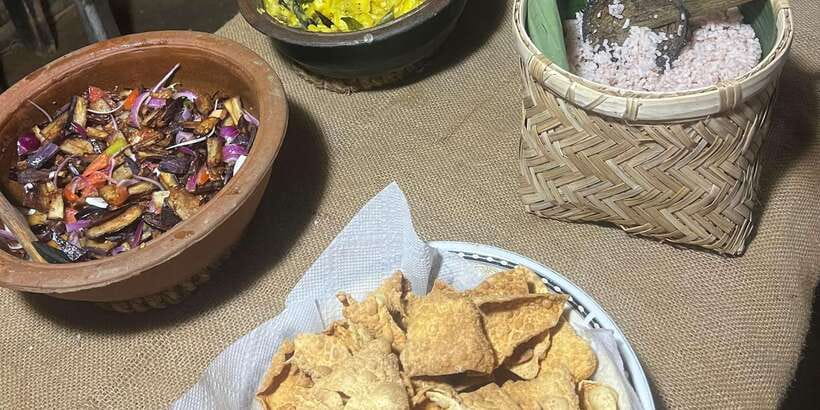
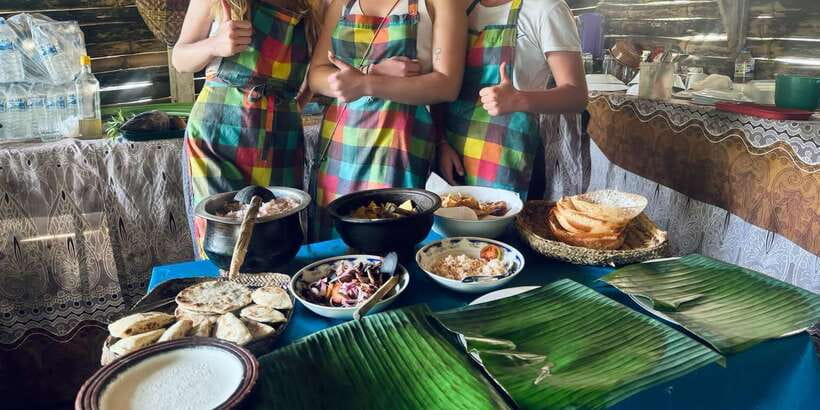
Banana leaves turn dinner into a lesson. In Ella’s traditional Sri Lankan cooking class, I like the open-air kitchen setup and the way you cook hoppers, rice and curry, string hoppers, and honey roti with step-by-step help from Ranjani. I also like the banana-leaf meal at the end, so you eat like locals and waste less food.
This is a hands-on, small-group session, with instruction in English and Singhalese. You’ll work with fresh ingredients, learn how the spices are used, then sit down to eat what you made.
One thing to know first: the class is set up as a shared cooking experience, so if you want individual workstations and one-on-one pacing, you may feel slightly rushed or crowded.
In This Review
- Key things I’d plan around
- Ella’s Traditional Sri Lankan Cooking Class in Plain Terms
- Where to check in at Chamathka Cooking Class
- First stop inside the open-air kitchen
- What you’ll cook: hoppers, rice and curry, string hoppers, honey roti
- Hoppers: small pancakes with a big payoff
- Rice and curry: the rhythm of Sri Lankan eating
- String hoppers: quick, delicate, and fun to learn
- Honey roti: the sweet touch that makes it feel complete
- How Ranjani teaches: step-by-step plus real ingredient talk
- Hands-on, but shared
- The meal: eat off banana leaves and skip wasting
- Group size: limited to 8, but expect it to feel close
- Price and value: why $19 feels like a deal in Ella
- Take-home recipes on WhatsApp
- Who this class is best for
- Should you book Ella’s Traditional Sri Lankan Cooking Class?
- FAQ
- Where do I check in for the cooking class?
- How long is the class?
- What time do classes usually run in Ella?
- What languages does the instructor speak?
- Is the meal included?
- How do I get the recipes after class?
Key things I’d plan around
- Open-air kitchen feel: cooking with fresh air and views of the greenery around Ella
- Banana-leaf eating: a practical local custom that also changes how the meal feels
- Core dishes you’ll make: hoppers, rice and curry, string hoppers, honey roti, plus dishes that may vary
- Spice and ingredient talk: health benefits and uses of herbs and spices, not just recipes
- Small group setup: limited to 8 participants, but some sessions can still feel tight
Ella keeps giving. A few more we walked
- Ella: Drop to Tangalle/Hiriketiya/Mirissa/Galle & Yala Tour
★ 4.9 · 518 reviews - Ella: Little Adam’s Peak, Nine Arches Bridge & Waterfalls
★ 4.9 · 402 reviews - ELLA: Drop to Tangalle/Hiriketiya/Mirissa/Galle & Yala Tour
★ 4.1 · 336 reviews - From Ella: Drop to Tangalle/Hiriketiya/Mirissa & Yala Safari
★ 4.8 · 296 reviews
Ella’s Traditional Sri Lankan Cooking Class in Plain Terms
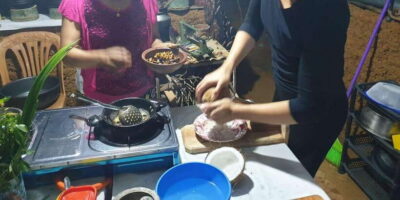
If you’re in Ella and tired of tours that feel like watching someone else cook, this class is built around doing. You get a real Sri Lankan kitchen setup, with an open-air feel, fresh produce in front of you, and an instructor who guides you through the why, not just the how.
The best part is the payoff. You don’t just taste a small bite of something. You cook multiple dishes and then eat a proper meal, often off banana leaves, which makes the whole thing feel more like dinner with a lesson than a staged demo.
Where to check in at Chamathka Cooking Class
Your day starts with a simple check-in at the Chamathka Cooking Class. You should plan on getting there under your own power, since transportation is not included.
Timing-wise, classes are normally held at 11:00 AM and 5:00 PM, and the provider may be flexible if you contact them in advance. In practice, that means you can usually fit this into a casual lunch or dinner window while you’re already based in or near Ella.
First stop inside the open-air kitchen
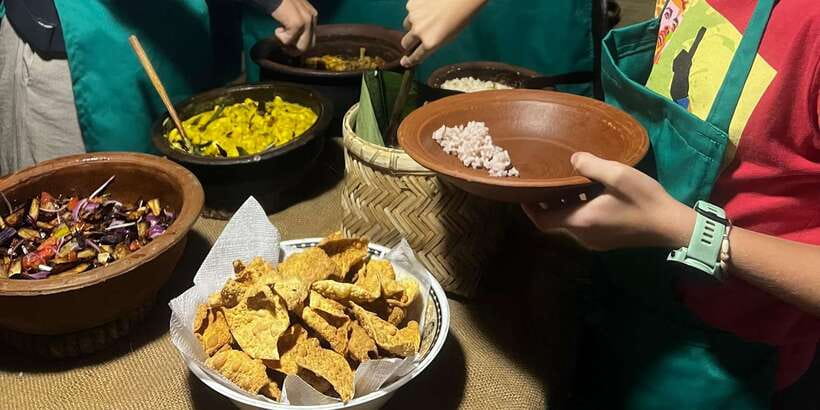
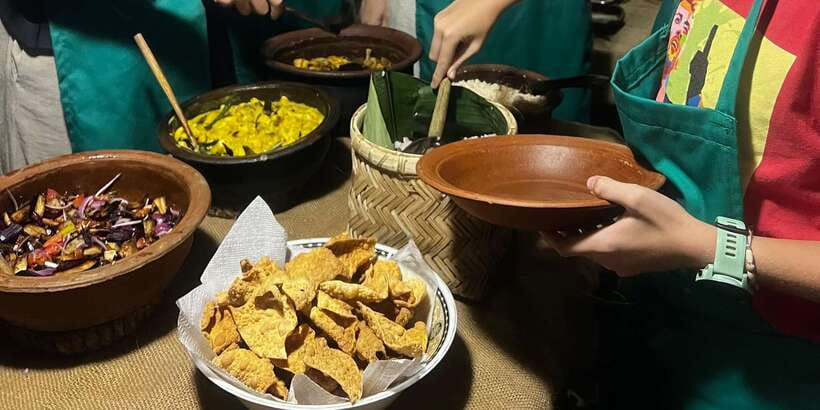
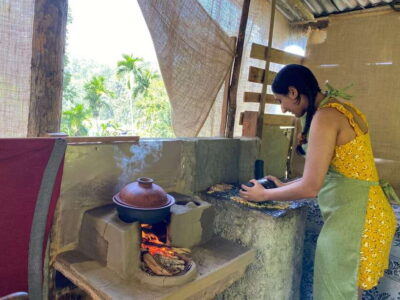
You’ll be greeted by the instructor and brought into an open-air kitchen. This matters more than it sounds. When cooking in a warm, humid climate, ventilation changes how comfortable you feel while chopping, stirring, and frying. It also keeps the experience feeling local and unforced instead of like a closed room with a single “show kitchen” vibe.
Then you start with ingredients. You’re introduced to fresh items and taught how they work in Sri Lankan cooking, including the roles of spices, herbs, coconut products, and staples like rice flour and batter bases.
And yes, there is a cultural “kitchen life” element here. Expect traditional tools and techniques rather than modern shortcuts. One participant even described older equipment that felt almost comically intense, especially for coconut prep. The point is: you’re seeing how the food is actually made, not just how it gets plated.
Hungry still? More kitchens to sit in
What you’ll cook: hoppers, rice and curry, string hoppers, honey roti
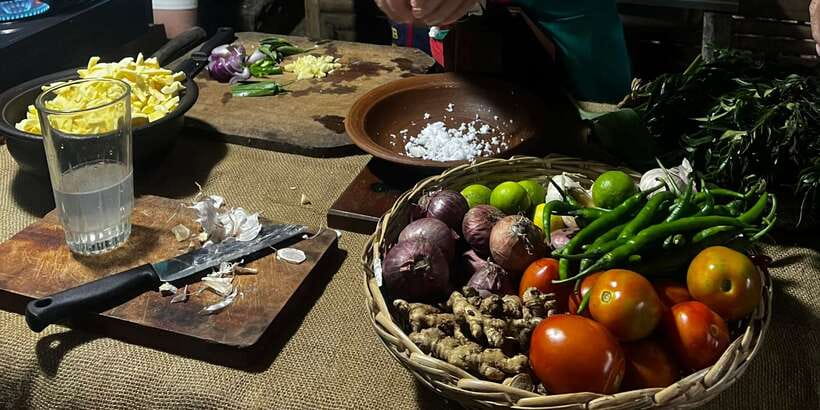
The class centers on classic Sri Lankan comfort food. The four headline dishes commonly include:
- Hoppers (bowl-shaped pancakes)
- Rice and curry
- String hoppers
- Honey roti
That list is your roadmap. Depending on the group and what’s available, the menu can expand, and you may also make dishes such as dal, sambol, papadam, curries, or vegetable sides. Some sessions include choices like chicken curry or aubergine salad, and at least one person noted the instructor worked around dietary needs, including vegan options.
Hoppers: small pancakes with a big payoff
Hoppers can sound simple, but the texture is the whole game. You’ll learn batter basics and how the pan heat affects the result. The goal is that signature airy edge with a soft, comforting interior.
This is one of the dishes you can carry home best because it teaches you the batter logic. Even if you later tweak ingredients for what you can find, you’ll understand what matters for the final texture.
Rice and curry: the rhythm of Sri Lankan eating
Rice and curry in Sri Lanka isn’t one flavor. It’s a whole plate system: rice plus multiple curries and sides that balance heat, sourness, sweetness, and crunch.
In class, you learn that rhythm step by step. It’s not just cooking one pot. You’re building a meal, then assembling it so it tastes right together. That’s why the meal at the end feels so satisfying.
String hoppers: quick, delicate, and fun to learn
String hoppers are made using rice flour batter pressed into thin strands and steamed. The learning curve is more about technique and timing than complicated ingredients.
You’ll get a real feel for how Sri Lankan cooks manage thin textures that can turn gummy or break if handled wrong. If you like foods that look simple but require skill, this is the one.
Honey roti: the sweet touch that makes it feel complete
Honey roti adds warmth and sweetness. The batter and cooking method need attention so the roti stays tender and doesn’t dry out.
It’s also a good reminder that Sri Lankan cooking often balances savory spices with sweet or honey notes. It makes the final meal feel complete, not just spicy.
How Ranjani teaches: step-by-step plus real ingredient talk
The instructor in this experience is Ranjani. Across many accounts, people highlight the same pattern: clear explanations, lots of patience, and a focus on spices beyond flavor.
You’ll hear about the health benefits of herbs and spices and why certain ingredients get used in specific ways. Whether you’re a spice nerd or you just want food that tastes great, this part is genuinely useful. It helps you understand what to buy and how to swap later when you’re cooking at home.
A practical example: coconut and coconut milk show up in multiple ways, and once you understand that role in the kitchen, it stops being a confusing label on a packet. It becomes an ingredient with a purpose.
Hands-on, but shared
Most of the time, you’re actively participating. You chop, season, mix, and get turns helping with tasks. But this class is not set up like each person has their own kitchen station where you cook entirely alone.
One participant even made the distinction clearly: some attendees take turns while the instructor demonstrates certain techniques at one main workstation. That means the class feels more communal than “personal chef training.”
If you’re the type who wants full control over every step, you might feel like you’re waiting your turn sometimes. If you’re okay with a group rhythm, it can be a lot of fun and easier to follow.
The meal: eat off banana leaves and skip wasting

When everything is ready, you sit down and eat what you cooked. A big signature touch is eating off banana leaves, which is a traditional style that reduces waste and makes the meal feel more hands-on and grounded.
The meal format also explains why people consistently call the food a highlight. You don’t just taste one small dish. You usually get enough portions to actually enjoy the flavors across the plate, and there can be extra food.
That matters at this price point. If you’re in Ella for a few days and want one activity that ends with a satisfying lunch or dinner, this delivers.
Group size: limited to 8, but expect it to feel close
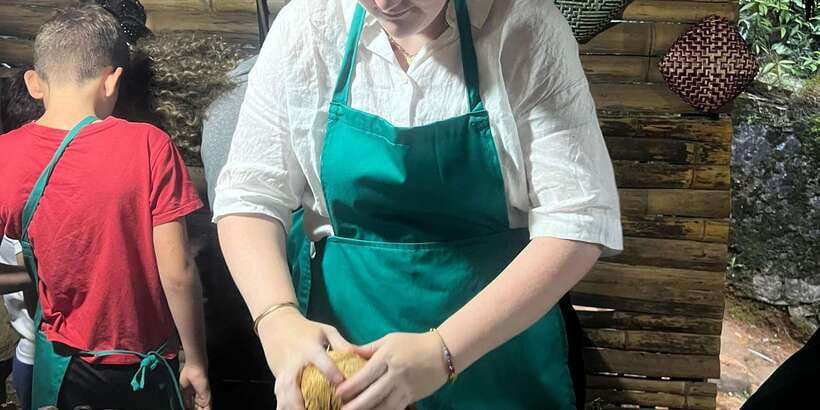
The activity is marketed as a small group, limited to 8 participants. Still, some sessions have been described as crowded.
So here’s my practical advice. If you’re sensitive to tight spaces or you hate shoulder-to-shoulder kitchen moments, consider choosing the time slot that fits your day best and ask the provider what the group size looks like on that schedule. Worst case, you can treat it as a lively, communal cooking dinner rather than a calm workshop.
Also, because it’s shared, it’s smart to come in ready to help. People who jump in tend to get the most out of the hands-on portion.
Price and value: why $19 feels like a deal in Ella
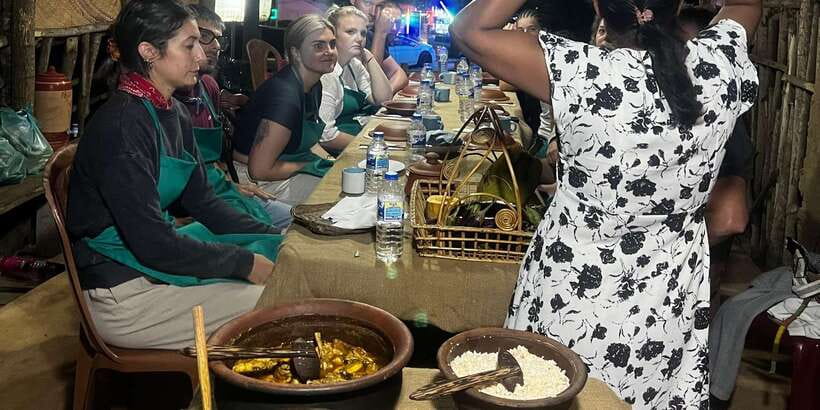
At $19 per person for about 2 hours, the value is strong for two reasons.
First, you’re not paying only for instruction. You’re also getting a full meal and ingredients. Even if you only care about eating great Sri Lankan food, the class is still a good deal because it ends with multiple dishes you can’t easily replicate in a hurry.
Second, the instruction is practical. Many people don’t remember a lecture about spices. They remember what they made and how it tasted. When you’re guided through hoppers, curry components, and the assembly logic of Sri Lankan eating, you’re taking away skills you can use at home.
Add bottled water to that, and it’s a pretty straightforward value proposition: pay a small amount, get a real meal, and come away with techniques and recipes.
Take-home recipes on WhatsApp
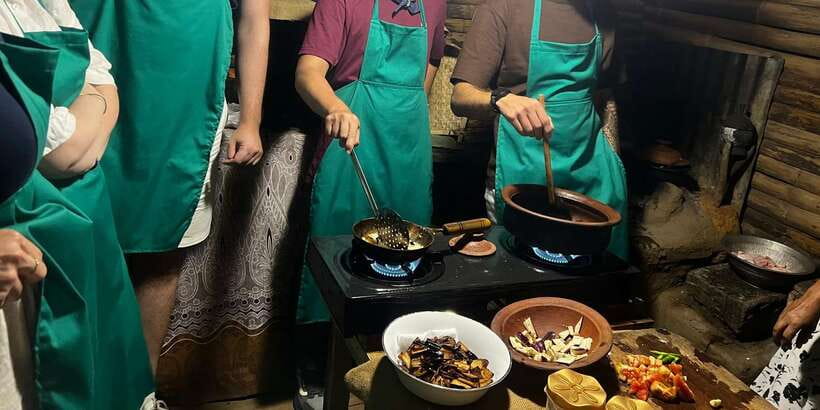
You’ll get recipes sent digitally after the class, sent through WhatsApp. That’s not a small detail. Recipes are what turn a fun evening into a home-cooking habit.
Some participants also described receiving links and even a PDF cookbook upon request. So if you want a more usable format for your kitchen, you can ask about a downloadable PDF during or after the class.
Either way, the WhatsApp follow-up helps you keep the recipes in reach while the flavors are still fresh in your mind.
Who this class is best for
This is a great fit if you:
- Want a hands-on Sri Lankan cooking class in Ella that ends with a satisfying meal
- Enjoy learning how spices and ingredients work, not just memorizing a recipe
- Prefer a more local kitchen feel, like open-air cooking and banana-leaf eating
- Like small-group social energy, where you can chat with others while you cook
It may not be your best fit if you:
- Want individual workstations and private instruction
- Are very uncomfortable in tight kitchen spaces
- Expect a strictly Western-style cooking class layout
Also, if you have dietary needs, ask ahead. At least one participant reported the instructor considered dietary differences and adjusted so that a vegan guest could eat all but one dish. That’s a strong sign of flexibility, but it’s still smart to confirm what will work for you.
Should you book Ella’s Traditional Sri Lankan Cooking Class?
Book it if you want your time in Ella to include both great food and real cooking skill building. The open-air kitchen, the classic dish lineup like hoppers and rice and curry, and the banana-leaf meal combine into an experience that feels practical, not performative.
Skip it only if you strongly prefer solo cooking stations or a very quiet, spacious workshop environment. Otherwise, this is one of the best ways to take Sri Lankan flavors home without guessing, and it’s priced low enough that even if you’re mostly in it for the meal, you still come out ahead.
If you do book, message the provider about timing options and any diet concerns before you go. That one step helps you match the class to your schedule and your appetite.
FAQ
Where do I check in for the cooking class?
You check in with staff at the Chamathka Cooking Class.
How long is the class?
The class duration is 2 hours.
What time do classes usually run in Ella?
Classes normally take place at 11:00 AM and 5:00 PM, but the provider can be flexible on the time if you contact them in advance.
What languages does the instructor speak?
The instructor speaks English and Singhalese.
Is the meal included?
Yes. You cook and then eat a meal that is included in the experience, along with bottled water.
How do I get the recipes after class?
Recipes are sent digitally through WhatsApp.
More Tour Reviews in Ella Sri Lanka
More Kitchens to Sit In
Ella, Three More Ways
Still browsing Ella Sri Lanka? Start here
- Sri Lanka private tour package 10 Days. and luxury hotel★ 5.0 · 3 reviews
- From Tangalle / Hiriketiya : Yala Safari tour & Drop – Ella★ 3.0 · 3 reviews
- Explore Ella: Rock Hike, Loop, Falls, Nine arch & Train View★ 5.0 · 3 reviews
- Ella Sri Lanka , Private Photoshoot | Photography Tours★ 5.0 · 3 reviews
- Ella Full-Day Tour from Mirissa/Ahangama/Hikkaduwa/Bentota★ 4.6 · 3 reviews
Ella Tours, compared.
 ★ 4.5Kandy to Ella Train Tickets – Reserved SeatsFrom $26523 reviews
 ★ 4.9Ella: Little Adam’s Peak, Nine Arches Bridge & WaterfallsFrom $37402 reviews
 ★ 5.0Ella: Sri Lankan Cooking Class with Neranji at HomestayFrom $19276 reviews
 ★ 5.0Ella : Cooking class with amazing Spice Garden TourFrom $32239 reviews
 ★ 4.5Ella: Ella Rock, 9 Arch, Little Adams Peak, & Waterfall TourFrom $34190 reviews
 ★ 4.8From Ella: Yala National Park Safari Tour in a 4×4From $49155 reviews
 ★ 4.6From Mirissa / Galle / Tangalle to Yala Safari & Drop- EllaFrom $11124 reviews
 ★ 5.0Ella Sri Lanka : Mom’s Kitchen Cooking classFrom $20113 reviews
Browse the lists this tour appears in