
REVIEW · TEA FACTORY & PLANTATION TOURS
Haputale:Glorious Tuk Tuk Ride to Lipton’sSeat & Tea Factory
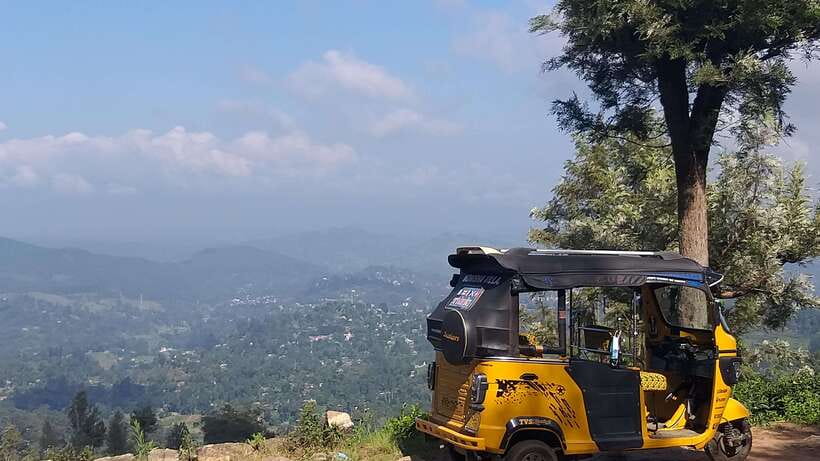
Tea hills, but in a tuk tuk. This half-day tour mixes Sri Lanka’s tea-country views with stops at Lipton’s Seat and a real look inside Dambatenne Tea Factory. You get a guided English experience in a private group, plus hands-on time with tea pluckers and a tea tasting that makes the whole day feel purposeful, not just scenic.
Two things I especially like: the ride gives you moving viewpoint time without a stiff bus schedule, and the day ends with a factory tour that connects what you see in the fields to what happens to the leaves. One possible drawback to plan for: you’ll be doing some walking on uneven ground, so you’ll want comfortable shoes and you should avoid this if you have back issues (and it’s not suitable for wheelchair users).
In This Review
- Key Highlights You’ll Actually Care About
- First Stop: Bandarawela or Haputale, Then Straight Into Tea Country
- The Tuk Tuk Ride Through Plantations: Comfort, Views, and How to Prepare
- Lipton’s Seat and the Thomas Lipton Statue: The Photo Stop That Means Something
- Tea Plucking and Picnic Time: Where the Day Feels Most Local
- Dambatenne Tea Factory: Turning Tea-Field Looks Into Real Processes
- Tea Tasting: The Small Ending That Makes It All Coherent
- Price and Value: What $35 Buys You in a Tea Country Day
- Who This Tuk Tuk Tea Tour Suits Best (And Who Might Skip It)
- Practical Tips That Make the Day Smoother
- Should You Book This Tuk Tuk Tea Tour?
- FAQ
- Where does pickup happen?
- How long is the tour?
- Is this tour private or shared?
- What’s included in the price?
- Do I need to pay for food during the tour?
- What should I bring?
- Is it suitable for everyone?
Key Highlights You’ll Actually Care About
- Tea-country tuk tuk ride that keeps the day flexible and scenic without feeling rushed
- Lipton’s Seat viewpoint with a life-sized Thomas Lipton statue and panoramic photo time
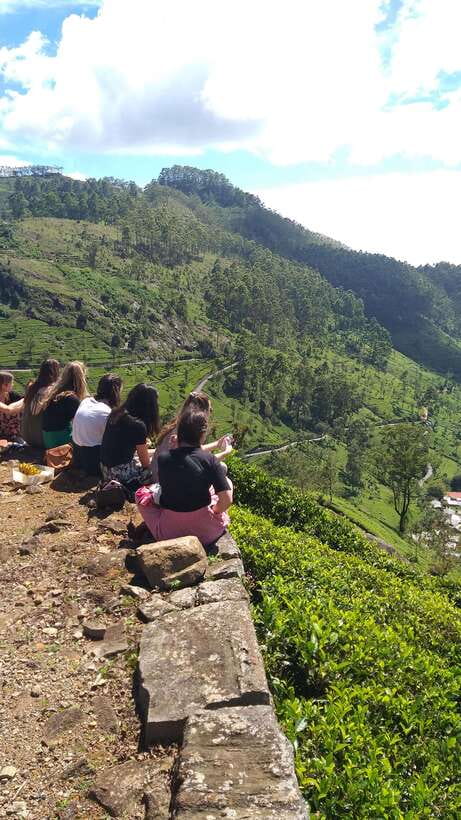
- Tea plucking with local tea pluckers, plus the chance to try plucked leaves
- Picnic in the plantation with an easier, more local-feeling rhythm
- Dambatenne Tea Factory tour showing processing stages like fermentation, rolling, drying, cutting, sieving, and grading
- Tea tasting after the visit, so you leave with context, not just souvenirs
More tea, bush to cup
- Tuk-Tuk Safari Liptons seat,Tea Fields Hike,TeaFactory Tour
★ 4.8 · 46 reviews
First Stop: Bandarawela or Haputale, Then Straight Into Tea Country
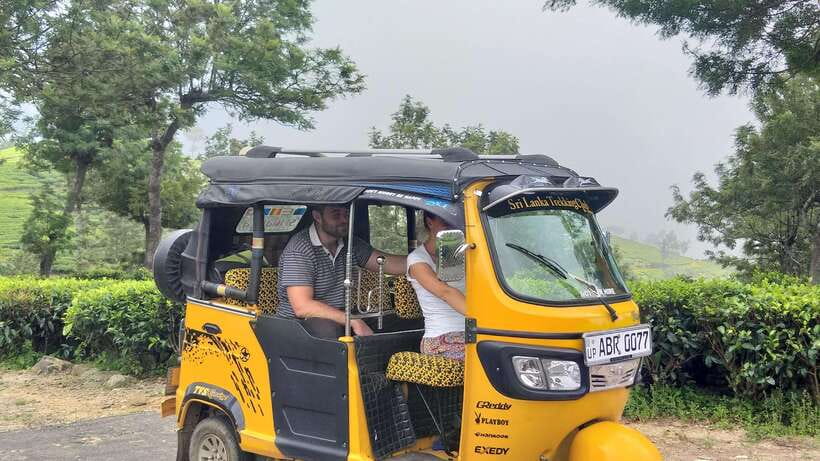
This tour starts with pickup from either Bandarawela or Haputale. That matters because it shapes the feel of the day. You start close to the highlands tea belt, then the tuk tuk carries you into plantation roads where the views open up fast, without you needing to coordinate multiple taxis or transfers.
Timing is simple: you’re out for about 5 hours. The schedule naturally concentrates most of your travel time around the big sightseeing block at Lipton’s Seat, with the calmer, more human parts of the day later, when you’re slower-paced in the plantation and factory. If you like a plan you can follow without feeling like you’re marching, this format works.
Also, it’s a private group with a live guide in English. That’s a practical plus in places like tea country, where it helps to understand what you’re looking at. You’ll get context on tea’s place in Sri Lanka, and you can ask questions while you’re walking or standing for photos.
The Tuk Tuk Ride Through Plantations: Comfort, Views, and How to Prepare
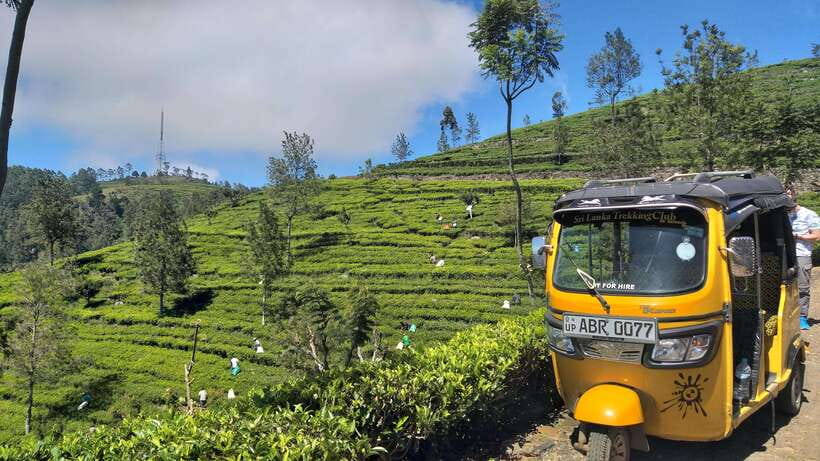
The headline is the tuk tuk ride. It’s not just transportation. It’s part of the show. Tea hills can look similar from a distance, but when you’re moving between viewpoints and rows, you notice details: the slope patterns, the way workers access different patches, and how the fields step up along the contours.
Because this is still a ride through working terrain, bring the basics seriously. You’ll want comfortable shoes for short walks and uneven ground, plus a hat, sunscreen, and water. Weather can swing between bright sun and cooler cloud cover, and tea-country air can feel different once you’re higher up. If you show up underprepared, that’s when the experience starts to feel like work.
One more real-world point: it’s not a crawl-through-every-row kind of day. It’s a guided highlight route. So if you’re hoping for every plantation footpath and every tea terrace detail, you might want something longer or more hiking-focused. If you want the classic sights with a hands-on tea connection, this is well matched.
Lipton’s Seat and the Thomas Lipton Statue: The Photo Stop That Means Something
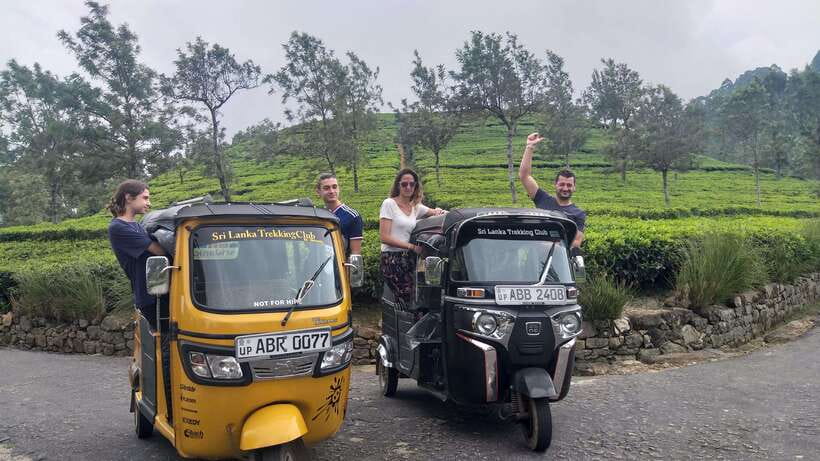
Lipton’s Seat is the kind of viewpoint where you can tell why it became famous. The route puts you in the right mood first, then you arrive for photo time, sightseeing, and a bit of walking. It’s also the stop that ties the landscape to a story you can actually explain on the ride back.
The viewpoint is named for Thomas Lipton, the Scottish businessman who moved to British Ceylon in 1890. You’ll sit on a bench near a life-sized statue of Lipton, then take in panoramic views from there. This is one of those places that can be purely visual if you don’t have context, but with a guide, it becomes a shortcut into tea history.
What I like about this stop for your planning: it’s a compact way to understand how tea became linked to power and export in the colonial era. You don’t need a museum ticket to get that background. You also get a scenic viewpoint without spending your whole day in one location.
A consideration: it’s a viewpoint, so you’ll want your camera ready and your sun protection on. If it’s extremely hot or windy, that changes how comfortable the stop feels. Still, it’s a solid use of the main sightseeing block.
Tea Plucking and Picnic Time: Where the Day Feels Most Local
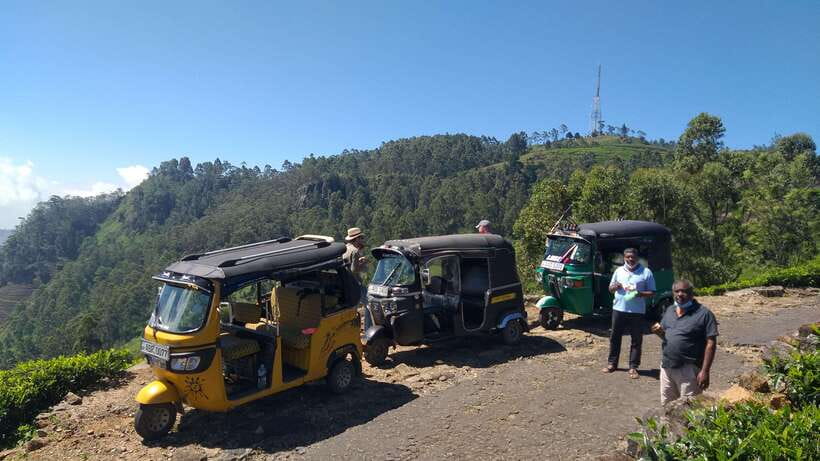
After Lipton’s Seat, the pace shifts. You head into a picnic in the tea plantation, and you also get time to meet the tea community in a way that feels more grounded than a “look but don’t touch” stop.
This is where you can join the tea pluckers. You’ll see tea ladies plucking, learn a bit about the work, and have the chance to try plucking yourself. That hands-on moment is one of the strongest reasons this tour feels more than sightseeing, because you start noticing how careful the picking is and how the work is done efficiently across the bushes.
Then there’s the picnic. It’s included, and it helps the day feel human instead of rushed. Eating in a tea plantation changes the mood instantly. You’re not just passing through. You’re pausing where the industry happens.
One useful detail from real experiences: guides can go the extra mile with family-friendly touches. For example, a guide named Nazar has been described as particularly warm, even taking a few minutes to let a child of about seven try driving the tuk tuk during the day. That sort of small flexibility can matter if you’re traveling with kids.
A possible drawback to factor in: you’re in a plantation setting, so it can be brighter, warmer, and more exposed than you expect. Wear breathable clothing you don’t mind getting a little dusty, and keep water close.
Dambatenne Tea Factory: Turning Tea-Field Looks Into Real Processes
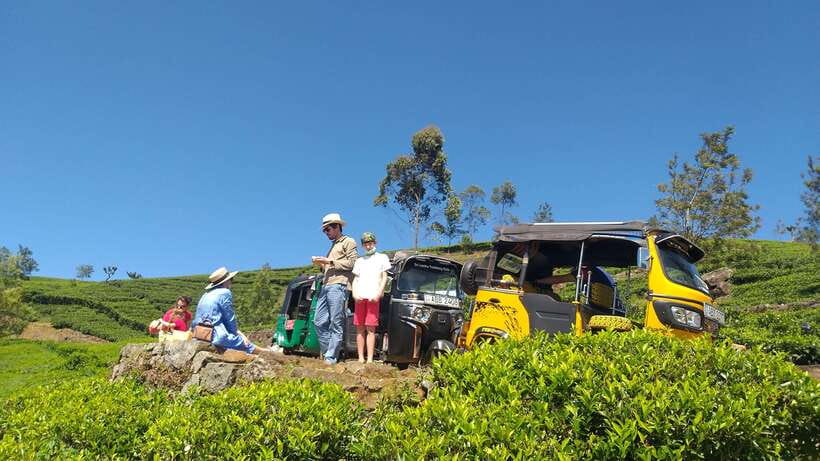
The Dambatenne Tea Factory visit is the part that turns your day from “nice sights” into “now I understand what I saw.” The tour focuses on the steps involved in processing tea, including fermentation, rolling, drying, cutting, sieving, and grading.
Seeing those stages makes everything click. When you’re in the plantation, you watch leaves being picked. At the factory, you see why timing and handling matter, and how raw leaves become the tea you’ll drink later. Even if you only catch parts of the process in plain language, the flow of work helps you connect the dots.
The factory visit is about one hour with a guided look. That duration is realistic. It’s long enough to learn the main stages and take a few notes, but not so long that you feel stuck indoors waiting around.
One practical consideration: factory operations can be affected by harvest schedules. On at least some visits, production may be paused because workers are out in the fields. When that happens, a good guide can still make the tour feel complete by arranging for the right parts of the process to be shown and explained. The key point for you: don’t assume the factory will always be in full-speed mode every day. But you can still get a meaningful explanation, especially if your guide is proactive.
Tea Tasting: The Small Ending That Makes It All Coherent
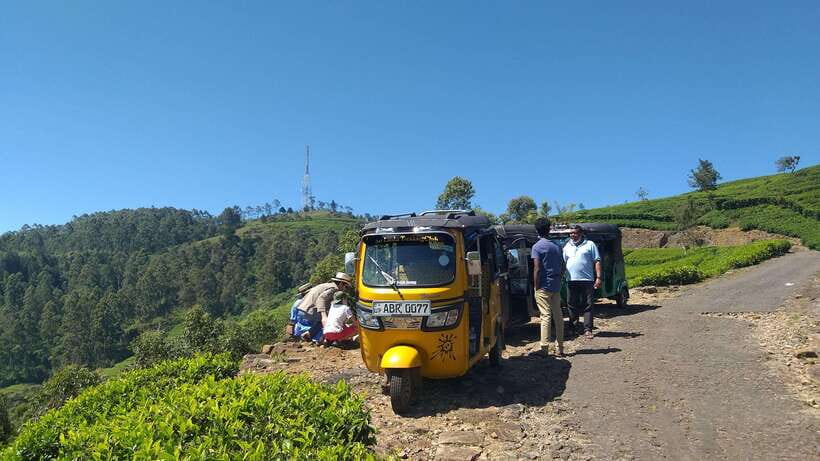
After the factory, you get a cup of local tea. This is more important than it sounds. Without tasting, factory tours can feel abstract. With tasting, you start thinking about what you just learned: different steps in processing influence the final character of tea.
You’ll likely taste something that matches the factory’s output and regional style. Even if you’re not a tea nerd, it gives you a concrete finish. And if you’re the type who buys souvenirs, this tasting is what helps you choose confidently rather than buying blindly.
Price and Value: What $35 Buys You in a Tea Country Day
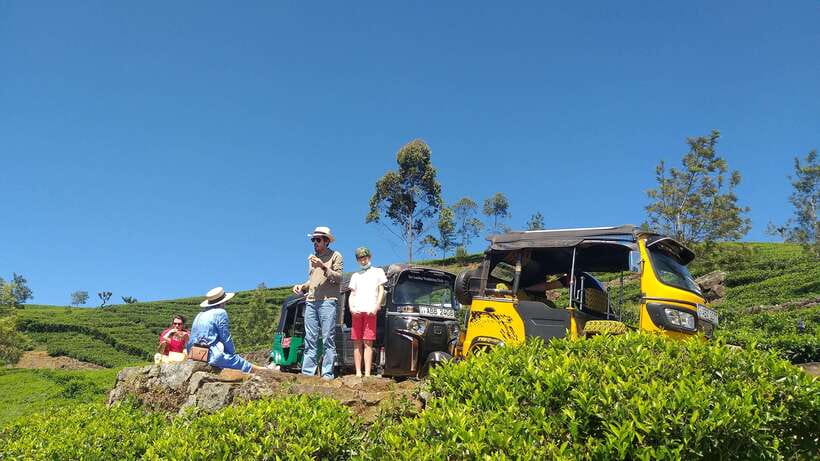
At about $35 per person for roughly 5 hours, the value comes from the combination. This price isn’t just for a viewpoint and a factory. It covers the tuk tuk ride through tea plantations, stops at Lipton’s Seat, the Dambatenne Tea Factory tour, the picnic, and a tea tasting, plus the opportunity to pluck tea with local tea pluckers.
That blend is why it feels fair. If you tried to piece it together alone, you’d spend time arranging transport, paying for separate activities, and figuring out where to stop for viewpoint time and tea experiences. Here, it’s packaged into a single flow with one guide in English.
Also, it’s a private group, so you’re not sharing the experience with strangers in a way that can make questions harder. If you’re traveling as a couple or a small family, that private format is usually where half-day tours start to feel worth it.
In short: if you want a tea-country introduction with hands-on elements, this price makes sense for what’s included.
Who This Tuk Tuk Tea Tour Suits Best (And Who Might Skip It)
This tour is a great fit if you want:
- A scenic, moving tea experience without spending all day on long hikes
- A mix of history (Thomas Lipton and tea’s legacy) and practical production steps
- A chance to pluck tea and take a plantation picnic break
- A guide-led day with explanation in English
It may not be the best match if:
- You have back problems, since you’ll walk and hike a bit and be on uneven terrain
- You’re wheelchair users, because it’s not listed as suitable
- You’re pregnant, because walking and plantation conditions make it a no for safety and comfort
If you love photography, you’ll appreciate the Lipton’s Seat photo time. If you love learning, you’ll enjoy the factory process overview. If you love local interaction, the tea plucking and picnic are the heart of the day.
Practical Tips That Make the Day Smoother
A few small things make a big difference on tea days:
- Wear comfortable shoes you can walk in on uneven ground
- Bring a hat, sunscreen, and water for sun exposure
- Pack a camera if you care about viewpoint shots and factory visuals
- Wear clothing suitable for walking, and be ready for varying weather
One rule to remember: no smoking during the tour.
If you’re planning pickup, you’ll want to share your exact pickup location and your preferred time so the tuk tuk setup lines up well. That’s one of those behind-the-scenes details that keeps the day from getting stressful at the start.
Should You Book This Tuk Tuk Tea Tour?
If your ideal day in Sri Lanka’s highlands is half travel, half learning, and a hands-on tea connection, I’d say yes. The biggest reason to book is the way the tour links three parts: the plantation view, the tea story tied to Thomas Lipton at Lipton’s Seat, and the real steps inside Dambatenne Tea Factory. Add in the plucking and the picnic, and you get a tour that feels active, not just observational.
If you hate walking, need wheelchair access, or have back issues, skip it and look for a more accessible tea experience. Otherwise, this is a strong choice for a compact, worthwhile tea-country day.
FAQ
Where does pickup happen?
Pickup is available from either Bandarawela or Haputale. You’ll share your exact pickup location and preferred time in advance.
How long is the tour?
The tour duration is about 5 hours.
Is this tour private or shared?
It’s a private group experience.
What’s included in the price?
Inclusions include the tuk tuk ride through tea plantations, visits to Lipton’s Seat and Dambatenne Tea Factory, the opportunity to pluck tea, a picnic in the plantation, and a tea tasting session.
Do I need to pay for food during the tour?
Meals and drinks beyond what’s mentioned are not listed as included, but a picnic in the tea plantation and a cup of local tea are included.
What should I bring?
Bring comfortable shoes, a hat, a camera, sunscreen, and water.
Is it suitable for everyone?
It is not suitable for pregnant women, people with back problems, or wheelchair users.
More Tour Reviews in Haputale
More Three-Wheeler Runs
Bush to Cup, Continued
Still browsing Haputale? Start here
- Tuk-Tuk Safari Liptons seat,Tea Fields Hike,TeaFactory Tour★ 4.8 · 46 reviews
Tea Factory & Plantation Tours, compared.
 ★ 4.9Nuwara Eliya Tuk-Tuk Tour Tea Picking,Tasting &Ramboda FallsFrom $46207 reviews
 ★ 4.7Nuwara Eliya: Tea Factory and Pickle Waterfalls Tuk Tuk TourFrom $33113 reviews
 ★ 4.4From Colombo: Kandy, Pinnawala and Tea Factory Full-Day TripFrom $5599 reviews
 ★ 4.8Ella: Tea Factory, Train, and Nine Arch Day Tour with PickupFrom $14098 reviews
 ★ 5.0Ella Private Day Trip with Train Ride & Tea Factory-All InclusiveFrom $19061 reviews
 ★ 5.0Day trip to ELLA & LIPTON’s SEAT with Train Ride [ALL INCLUSIVE]From $13554 reviews
 ★ 5.0Nuwaraeliya Tea Factory and WaterFall Tour’s With DMJ ToursFrom $3646 reviews
 ★ 4.8Tuk-Tuk Safari Liptons seat,Tea Fields Hike,TeaFactory TourFrom $6046 reviews
Browse the lists this tour appears in