
REVIEW · PIGEON ISLAND SNORKELING TOURS
Snorkeling Trip To Pigeon Island
Turtles and sharks in three hours. I love how easy the setup is, and I also love the real wildlife you might see, like blacktip reef sharks and turtles, right off shore. The only real drawback is that the $17 price can feel mismatched once you add the park entrance tickets.
This trip works because it keeps things simple. You get the key snorkeling gear, a safety jacket, bottled water, and a shared boat and return ride, so you are not scrambling. The catch, based on what you will actually experience, is that you should expect a more self-directed snorkel rather than a full-on guided reef tour.
One more heads-up before you go: from October to March, rougher seas or rain can force cancellations, so build in flexibility.
In This Review
- Key things to know before you go
- Why Pigeon Island snorkeling feels like an easy marine safari
- Price reality check: $17 plus park admission and why it matters
- Meeting at Pigeon Island Tours: what happens before you hit the water
- The marine magic: what you are likely to see around Pigeon Island
- The 3-hour snorkel window: how to make your time count
- Boat ride and safety: the parts you will feel, not just read
- Gear checklist for comfortable snorkeling in Sri Lanka
- Rules for reef protection: what you cannot bring or do
- Who should book this trip, and who should skip it
- When to go: rough-sea season and ticket timing
- My booking verdict: should you book Pigeon Island with this operator?
- FAQ
- Is the snorkeling mask included?
- How long is the trip?
- What does the $17 price include?
- Are Pigeon Island National Park entrance tickets included?
- Do I get a snorkeling guide?
- Do they offer skip the ticket line?
- Is hotel pickup included?
- What should I bring?
- What is not allowed during the activity?
- Can I book if I am traveling October to March?
- Who is this trip not suitable for?
Key things to know before you go
- Chance of turtles and blacktip reef sharks in Pigeon Island Marine National Park
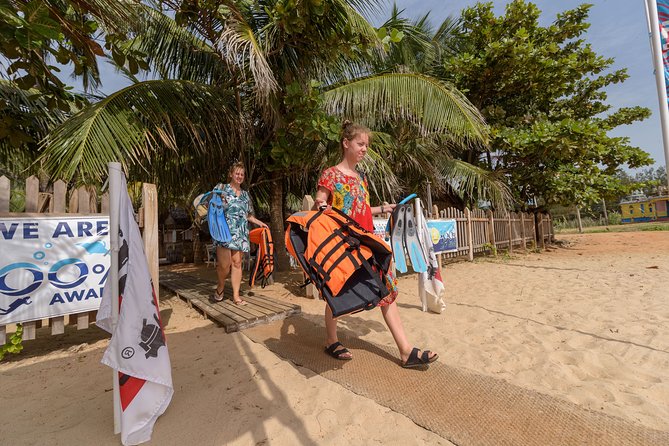
- Gear is included: mask, fins, and a safety jacket, plus 1000ml bottled water
- You mostly snorkel independently once you are on the island, since a snorkeling guide is not included
- Coral conditions may vary, with some areas recovering from earlier natural disruptions
- Park tickets are separate, and they are a big part of the total cost
- No hotel pickup, so plan to get yourself to the meeting point
Why Pigeon Island snorkeling feels like an easy marine safari
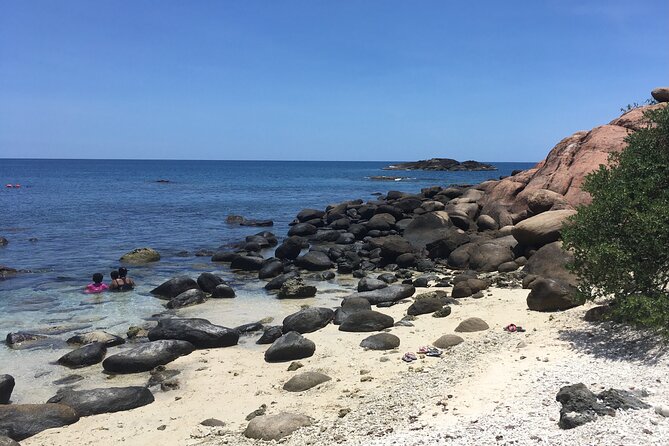
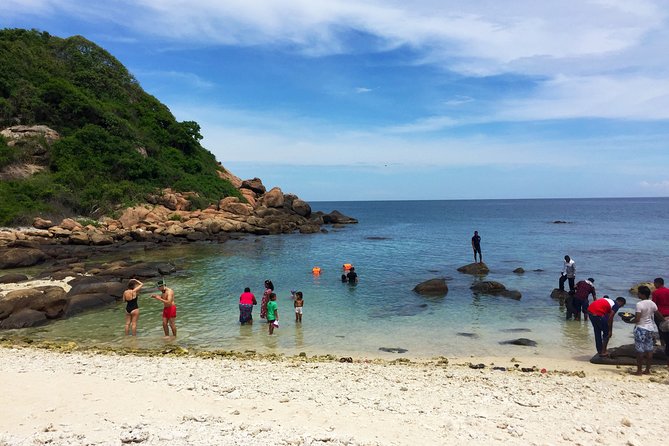
Pigeon Island National Park is set up for the kind of snorkeling day you can actually pull off while in Sri Lanka. You are not doing a long, complicated logistics puzzle. The trip is built around a boat ride to the marine protected area, a solid snorkel window, then a return to shore.
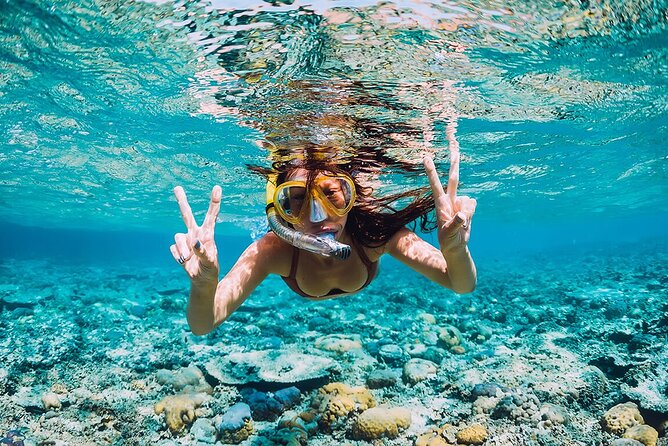
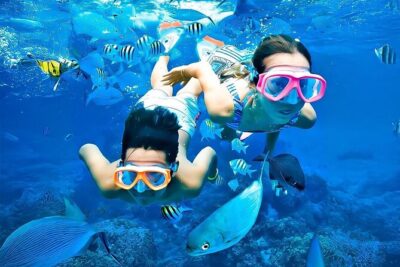
What makes this spot special is that the sea life is right there in front of you. The water is where the action lives: colorful parrotfish and damselfish drift through the shallows, and you might spot sweetlips hanging in the current like they own the place. Then there are the wow-factor encounters, like rays, turtles, and blacktip reef sharks, depending on the day and conditions.
I also like the pacing. Three hours on the island gives you time to settle in, float around, and get your bearings without feeling rushed. If you are not a confident swimmer, that extra space to practice your breathing and finning is a big deal.
Price reality check: $17 plus park admission and why it matters
At first glance, $17 per person sounds like a steal. But here is the math that actually affects your budget: the tour price does not include the National Park entrance tickets.
The park admission is listed as approximately USD 48 per adult and USD 28 per child. So the total you pay is often much higher than that $17 headline number. When people feel disappointed with value, it is usually because they expected that the tour price covered the whole day.
On top of that, you will pay those tickets separately at the ticket office after you meet at the tour spot and check equipment. You should plan to bring cash for the park entry and also have some extra buffer in case the process takes longer than expected.
The upside is that your included cost is real. You are getting masks, fins, safety jackets, a shared boat and return ride, plus bottled water. So if you compare this to arranging your own boat transport and renting gear, it starts to make more sense.
My practical advice: calculate total cost based on park tickets first. If the all-in price still works for you, then the $17 part is not the story. The story is the snorkel time and the chance at turtles and sharks.
Meeting at Pigeon Island Tours: what happens before you hit the water
This trip starts at Pigeon Island Tours, near Nilaveli (about 3 km from Nilaveli Beach). There is no hotel pickup listed, so you will need to get yourself to the meeting point.
If you are using Google Maps and you cannot find the exact location, the instructions are clear: use the Pigeon Island Tours pin and follow the guide lines. If you still get stuck, you are told to contact the team right away via WhatsApp.
Before the boat, you will do the practical stuff:
- Complete payment for the park entrance tickets at the ticket office
- Check your snorkeling equipment
- Collect your snorkeling gear and bottled water
- Then head to the boat starting point for transfer to Pigeon Island
This part matters more than people think. A good equipment check can save you from an itchy mask, a loose strap, or fins that do not fit well. Since a dedicated snorkeling guide is not included, getting set up correctly at the start helps you enjoy the water once you are on the island.
The host or greeter is listed as English-speaking, which is helpful for basic safety and clarifying what to do next.
The marine magic: what you are likely to see around Pigeon Island
Underwater here is all about motion, current, and fish behavior. The park area is known for clear, marine life action close to where you enter the water.
Expect the common cast:
- Colorful corals and reef structures
- Eels
- Small groups of different fish, including boxfish
- Parrotfish and damselfish passing as you drift
- Sweetlips that appear to stand elegantly in the flow
- Butterflyfish and bannerfish dancing through the water
And then you are hoping for the big guests:
- Turtles, with some luck
- Rays, again depending on the day
- Blacktip reef sharks, also possible
One important reality check: coral health can vary. You might see plenty of fish even if some coral areas look less lush than you hoped, because fish often still use the reef structure. The park is also recovering from earlier natural disruptions, so some coral can look more muted while other patches are alive and colorful.
What I like about this experience is that it rewards relaxed snorkeling. You do not need to be a spearfisher or a speed-swimmer. The description is built around letting yourself drift while fish swim past. If you try to fight the current, you will burn energy and miss the calm drift that makes the viewing comfortable.
The 3-hour snorkel window: how to make your time count
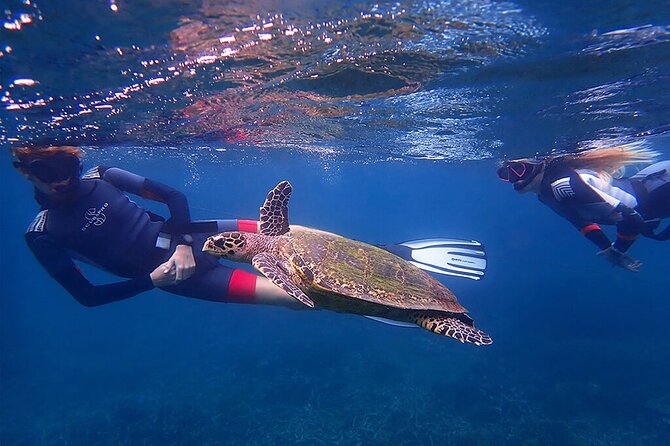
The total experience is listed as 3 hours, and you should expect about 3 hours on the island for swimming. That is long enough to do two solid snorkel passes, then a slower third pass if you want.
Here is how I would play it:
- Spend the first chunk adjusting your mask and fin comfort, then just float and look for fish first.
- Midway through, focus on scanning the edges of reef structure, where fish tend to gather.
- Save time at the end for gentle drift spots where you can watch behavior without overexerting.
Also, because blacktip reef sharks and turtles are not guaranteed, you want to stay patient. If you see one turtle early, great. If you do not, do not sprint around like it is a scavenger hunt. The best wildlife watching often happens when you slow down and let the water do the work.
If you prefer smaller crowds, aiming for an earlier departure can help. The plan is designed for all ages with a safety jacket, and the experience can feel calmer when fewer people are in the water at once.
Boat ride and safety: the parts you will feel, not just read
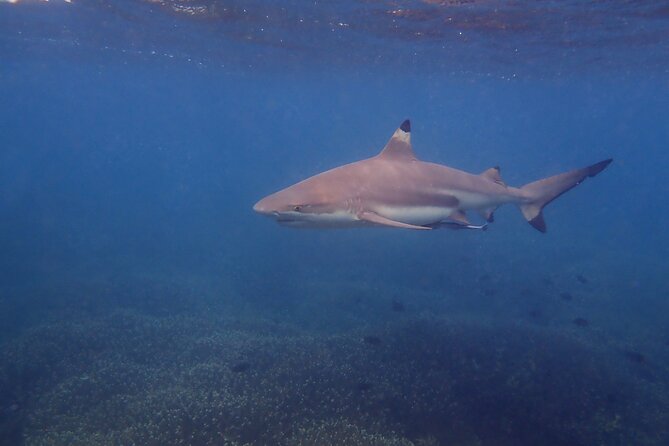
Since this includes a shared boat and return trip, your ride experience affects your whole mood. The gear you get includes a safety jacket, which is an important detail for comfort and confidence, especially if you are not an expert swimmer.
Also included:
- Snorkeling mask
- Snorkeling fins
- Safety jacket
- Shared boat ride and return
- 1000ml bottled drinking water per person
Two things to keep in mind. First, you are not told about hotel transport, so you are responsible for being on time at the meeting point. Second, conditions can change seasonally. From October to March, you are asked to contact the operator before booking because rough seas or rain may cause cancellations. If you go during that period, having flexible travel timing is a real advantage.
If you are sensitive to choppy water, plan to bring a change of clothes. The tour does not include food, so you may also want to eat before you arrive, then keep water close by during the trip.
Gear checklist for comfortable snorkeling in Sri Lanka
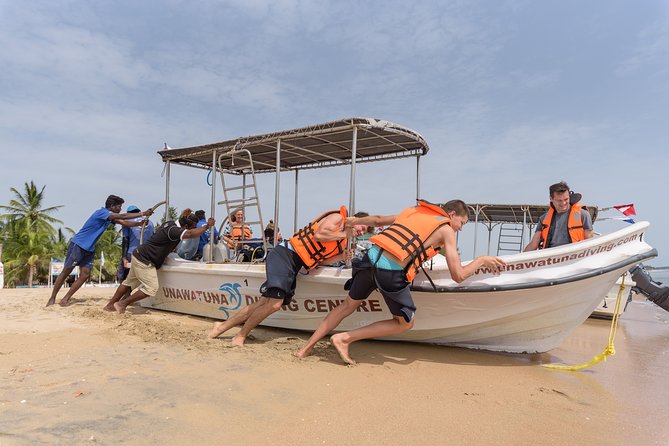
You will get mask, fins, and a safety jacket, but you still need your basics. Bring:
- Sunglasses
- Sun hat
- Change of clothes
- Camera
- Biodegradable sunscreen
- Cash
Biodegradable sunscreen is a big deal for reef-friendly snorkeling, and it is specifically recommended in what you are told to bring. Also, since flash photography is listed as not allowed, consider that your camera settings might need a bit more daylight or steadier handling underwater.
If you wear contacts, the mask time can be longer than you expect. A snug mask plus good fit is the best fix. And if you are prone to getting cold, bring a light layer for after you exit the water, because you will spend part of the day on boats and on shore.
Rules for reef protection: what you cannot bring or do
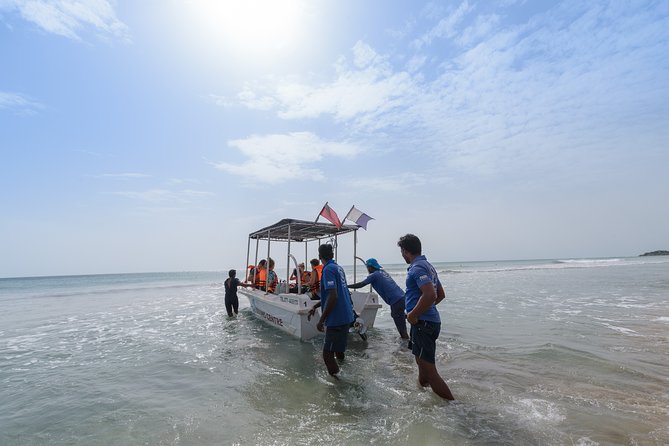
This is one of those trips that feels smooth because the rules protect the experience and the ecosystem. You are told not to bring or do several things, including:
- Pets
- Drones
- Food
- Fishing
- Flash photography
- Alcohol and drugs
- Glass objects
- Littering
- Feeding animals
- Fireworks
- Explosive substances
- Alcoholic drinks in the vehicle
- Making fire
- Nudity
The practical takeaway is simple. Keep your focus on snorkeling, water safety, and respectful behavior around wildlife. No feeding and no fishing means the marine life keeps its natural habits and you are more likely to see it without disturbance.
Also, since food is not included and feeding animals is not allowed, plan to eat before you go and just rely on the bottled water provided.
Who should book this trip, and who should skip it
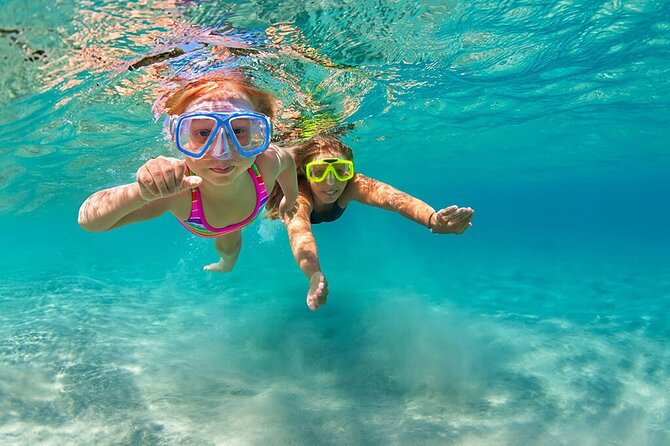
This trip is described as suitable for people of all ages, with safety features included. That said, there are specific people who are not suitable:
- Pregnant women
- People with high blood pressure
- People over 70 years
If any of these apply, I would not gamble on comfort or safety. The boat ride and time in the water can be physically demanding even if it looks easy from shore.
Who this suits best:
- You want to snorkel in a protected marine area without complex planning
- You want the possibility of turtles and blacktip reef sharks
- You prefer a small, straightforward day built around equipment plus time in the water
If you are the type who wants a constant guide describing every fish and every coral, note that a snorkeling guide is not included. You may still get basic help at the start, but the snorkeling itself is meant to be your time.
When to go: rough-sea season and ticket timing
Season matters here. You are specifically told to contact the operator before booking between October and March, because rough seas or rain may cause cancellations.
April to September is presented as the best season for visiting the park entrance area, with the note that during that time you can book directly without inquiry. Even then, park entrance tickets are still separate, and you will pay them after you arrive at the meeting point.
Ticket timing is another practical factor. The process runs like this: you meet first, complete ticket payment and equipment check, then you go by boat to Pigeon Island. After about 3 hours on the island, you return.
So if you are trying to fit this into a tight day, give yourself buffer time to handle ticket payment and equipment fitting before the boat departs.
My booking verdict: should you book Pigeon Island with this operator?
If your top goal is a simple snorkel day with a real chance of turtles and blacktip reef sharks, I think this is a solid choice. The included gear and safety jacket reduce friction, and three hours on the island gives you the breathing room to enjoy the water rather than rush through it.
I would book it with two expectations set upfront:
- Park entrance tickets are extra, so check your all-in cost before you fall in love with the $17 number.
- You are not buying a full guided reef lecture. You are buying equipment, transport, and time in a marine park where you snorkel mostly on your own.
If you go in the right season, bring the right gear, and accept that coral conditions can vary, you are likely to come away with a memorable wildlife moment. For many people, that is exactly what a snorkeling day should deliver.
FAQ
Is the snorkeling mask included?
Yes. The snorkeling mask is included, along with snorkeling fins, a safety jacket, and 1000ml bottled drinking water per person.
How long is the trip?
The duration is listed as 3 hours, with about 3 hours spent on the island for swimming.
What does the $17 price include?
The included items are snorkeling mask, swimming fins, safety jacket, shared boat and return trip, and bottled drinking water. National Park entrance tickets and food are not included.
Are Pigeon Island National Park entrance tickets included?
No. Park entrance tickets are not included and you pay separately at the Pigeon Island Tours meeting flow, at the ticket office. The approximate cost is USD 48 per adult and USD 28 per child.
Do I get a snorkeling guide?
A snorkeling guide is not included.
Do they offer skip the ticket line?
Yes. The activity includes skip the ticket line.
Is hotel pickup included?
No. Hotel pick-up and drop-off are not included. You should plan to meet at Pigeon Island Tours.
What should I bring?
Bring sunglasses, a sun hat, change of clothes, a camera, biodegradable sunscreen, and cash.
What is not allowed during the activity?
Pets and drones are not allowed, and there is no food, fishing, flash photography, or feeding animals. Alcohol and drugs are also prohibited, along with glass objects, littering, fire, explosive substances, and nudity.
Can I book if I am traveling October to March?
The instructions say you should contact before booking between October and March because rough seas or rain may cause cancellations.
Who is this trip not suitable for?
It is not suitable for pregnant women, people with high blood pressure, and people over 70 years.
Pigeon Island Snorkeling Tours, compared.
 ★ 3.5Snorkeling at Pigeon IslandFrom $4266 reviews
 ★ 4.5From Uppuveli Beach: Pigeon Island Snorkeling TourFrom $5058 reviews
 ★ 5.0Snorkeling Trip to Pigeon IslandFrom $4224 reviews
 ★ 4.0Pigeon Island Snorkeling – Swim with Sharks & TurtlesFrom $1613 reviews
 ★ 4.5Pigeon Island Snorkeling Tour From Uppuveli BeachFrom $508 reviews
 ★ 4.5Trincomalee : Whale & dolphin watching +pigeon island tourFrom $1853 reviews
Browse the lists this tour appears in