
REVIEW · UDAWALAWE SAFARIS
Tangalle/Hiriketiya: Udawalawa Safari & Elephant Orphanage
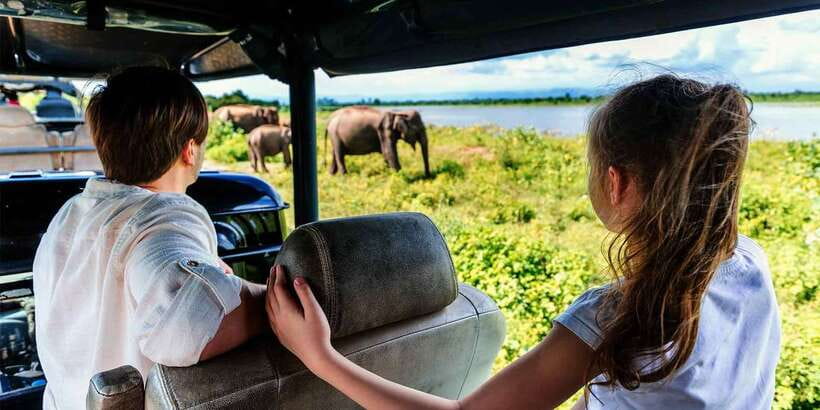
Elephants, crocodiles, and a very tight feeding schedule make this day special. You start with hotel pickup from Tangalle/Hiriketiya, drive to the Elephant Transit Home, then head into Udawalawa National Park for a jeep safari packed with wildlife sightings.
I like that the trip is built around two different animal experiences: up-close baby elephants during the feeding window and a bumpy, open-air style safari afterward. I also love the simple logistics, especially the air-conditioned transport and the hotel round-trip transfer. The one drawback to keep in mind is that timing can be imperfect, since at least one recent pickup ended up late, so you should stay flexible with the day’s schedule.
In This Review
- Key points you should know
- Tangalle and Hiriketiya pickup to Udawalawa: the drive matters
- Elephant Transit Home feeding session: close, fast, and worth it
- Udawalawa National Park jeep safari: where elephants and crocodiles share space
- What animals you can realistically expect (and how to look for them)
- Entrance fees and timing: the small snag to plan for
- Price and value: why $67 can make sense here
- Who should book this Udawalawa safari and elephant feeding day
- Should you book it?
- FAQ
- How long is the tour?
- Where does the tour start?
- How long do I spend feeding the baby elephants?
- Is there a jeep safari included?
- What animals can I see during the safari?
- Are entrance fees included in the price?
- What transport is provided?
- Does the guide speak English?
- Are there any timing or schedule limits?
- What is the cancellation policy?
Key points you should know
- 30 minutes feeding time with baby elephants at the Elephant Transit Home, timed to their daily routine
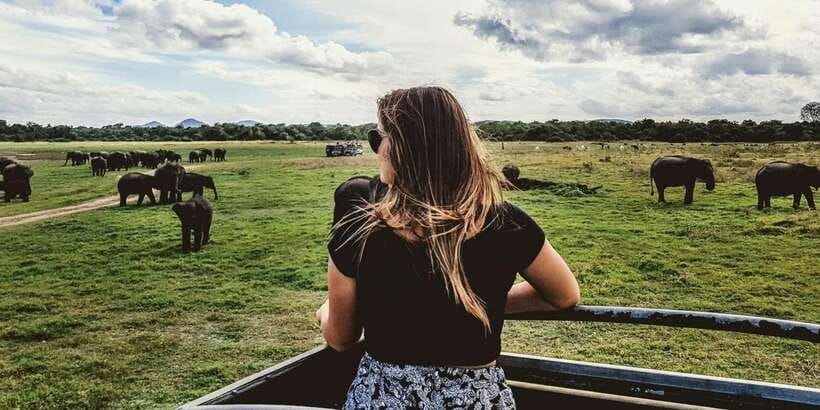
- Udawalawa jeep safari in the national park, where elephants and other animals share the same water-rich habitat
- More than elephants on your route, including crocodiles, wild boars, sambars, and many birds and reptiles
- English live guide/driver support to help you spot animals and understand what you are seeing
- Entrance fees are extra, so your total cost will depend on park charges
The quieter south, a few more
- From: Hiriketiya/ Tangalle – YALA Safari Tour
★ 4.9 · 9 reviews - From Ella: Shuttle to Tangalle/Hiriketiya w Udawalawe Safari
★ 4.7 · 6 reviews
Tangalle and Hiriketiya pickup to Udawalawa: the drive matters
This is a half-day style outing stretched into a full working wildlife day, and the timing starts with pickup from your hotel area in Tangalle or Hiriketiya. You hop into an air-conditioned vehicle with a professional driver, and then you head toward Udawalawa National Park.
Plan on roughly a 2-hour drive to reach the Elephant Transit Home. The good part is that the drive is not wasted. In at least one real trip, the driver added an authentic stop for coffee and hoppers during the transfer, which makes the morning feel more like travel than just transportation.
Since the whole day is organized around animal feeding and safari timing, being punctual on your end helps. If your hotel is outside easy pickup zones or your morning starts slow, you can end up feeling rushed later.
Elephant Transit Home feeding session: close, fast, and worth it
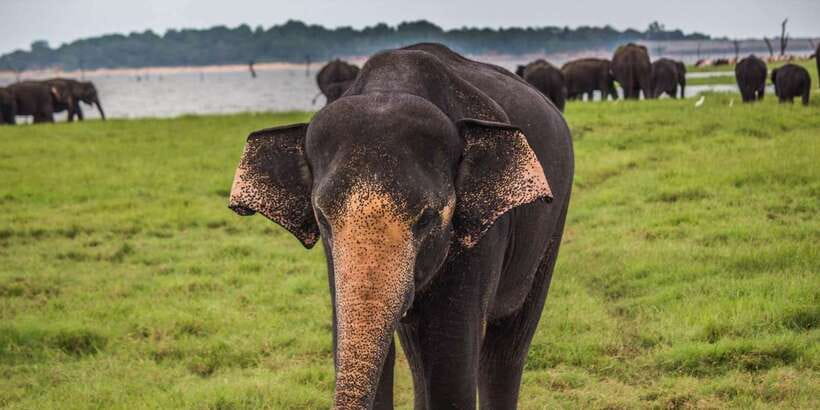
The standout moment here is the visit to the Udawalawa Elephant Transit Home during feeding time. Your schedule includes about 30 minutes at the home, which is long enough to see the babies clearly and watch how caretakers manage feeding without turning it into a long, distracted stop.
Feeding is not constant. One trip detail that comes through clearly is that feeding happens only three times per day, which is why getting the timing right is such a big deal. When you time it well, you are not just looking at elephants in the distance, you are watching a real caretaking routine up close.
What I like about this setup for your day is the balance. The transit home visit gives you an emotional, human-scale animal experience. Then the safari shifts you back into the wild, where the animals live on their own clock.
A practical tip: bring something simple to stay comfortable. The feeding window is short, and you will want to focus, not fuss.
Udawalawa National Park jeep safari: where elephants and crocodiles share space
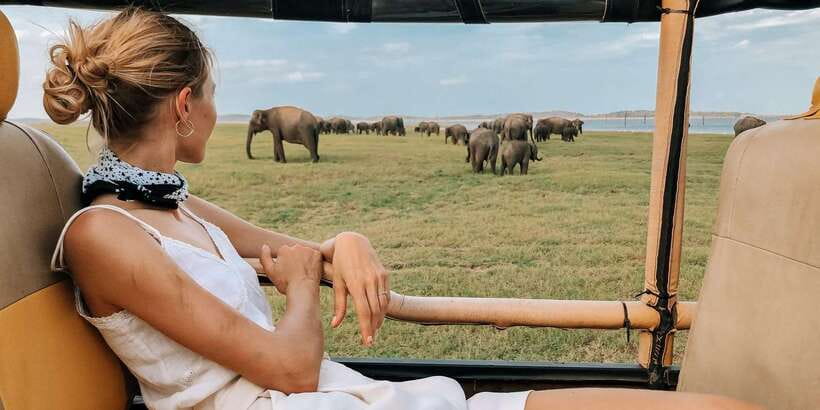
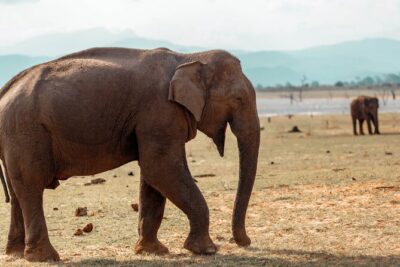
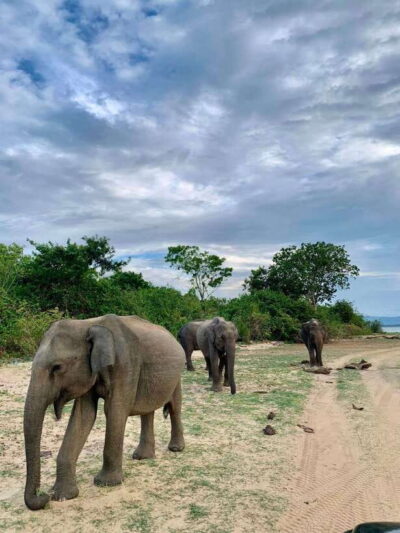
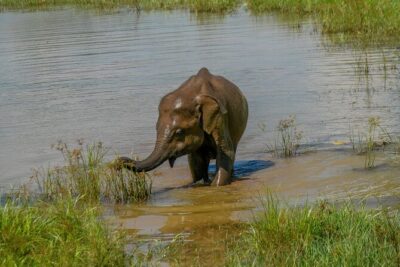
After the transit home, you continue on to Udawalawa National Park for the jeep safari. This part is built around the park’s reputation for elephants, and the reason is simple: the park supports large numbers of elephants thanks to abundant water sources. When water is reliable, animals cluster, and your chances of seeing wildlife improve.
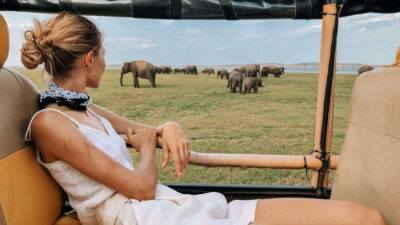
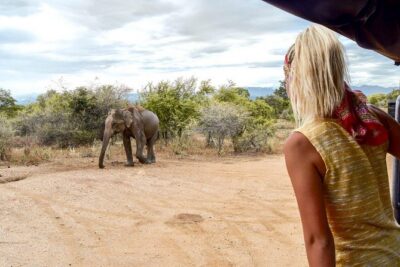
The safari itself is in a jeep format with a guided route. You are not strolling through the grass looking for movement. Instead, you are traveling by vehicle and stopping when your guide spots activity.
This is also where crocodiles show up in your day. The route description includes the chance to see crocodiles as well as wild boars, deer, sambars, hares, mongoose, and more. Snakes are part of the mix too, with the park listed as home to 30 species of snakes. Even if you do not see every category, it’s a useful reminder that Udawalawa is not just an elephant show.
Safari rhythm matters. You get more value when you treat the drive like a slow hunt: keep your eyes moving, pay attention to calls and movement, and let the guide lead the stops.
What animals you can realistically expect (and how to look for them)
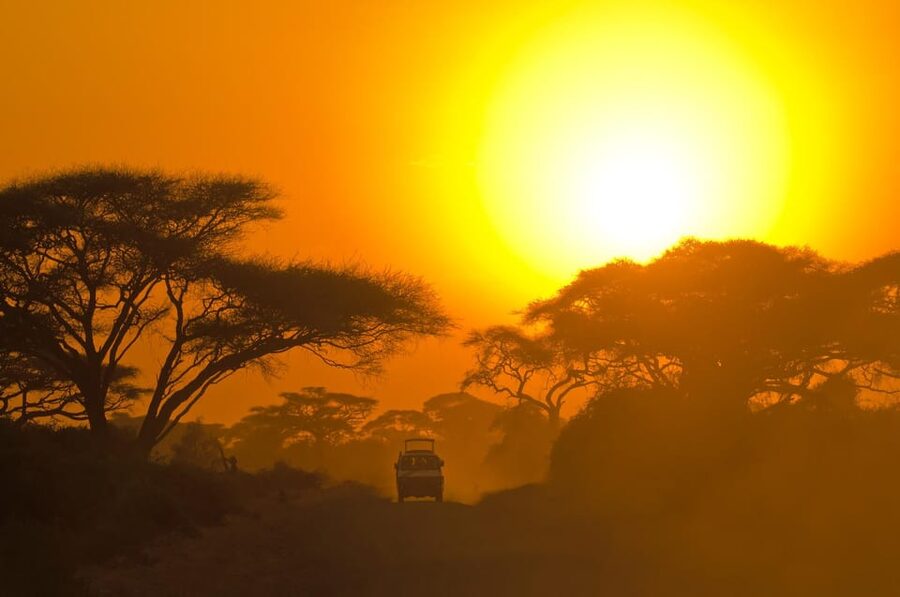
The tour description gives a long list of potential sightings, but you should treat it as a realistic menu, not a guarantee. Still, it is a strong sign you are going somewhere with dense wildlife.
Here are the kinds of animals and wildlife categories you are specifically told you can encounter:
- Elephants in the park, with the safari focused on its thriving population
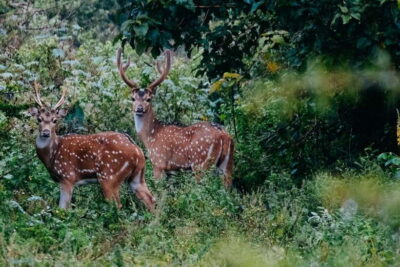
- Wild buffalos and spotted deers
- Barking deers and sambars
- Wild boars, plus hares and mongoose
- Crocodiles
- Snakes, with 30 species mentioned
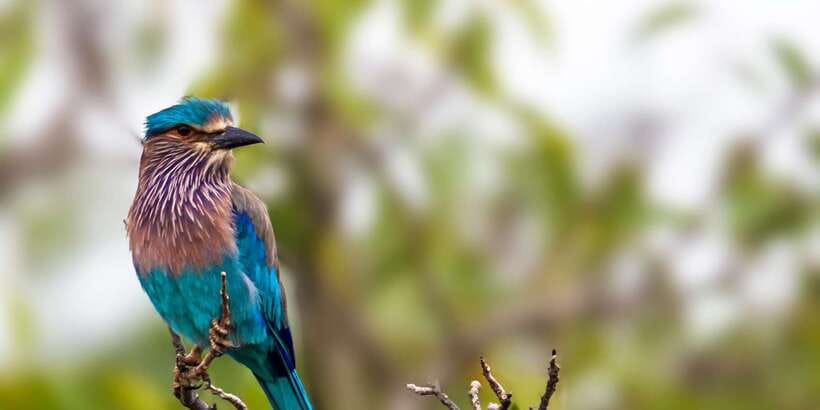
- Butterflies and birds, with 50 species of butterflies mentioned
To improve your odds, I suggest you stay patient with timing and lighting. Animals often show themselves after a pause, not during the first few minutes of a stop. If you can, bring a light layer and keep your phone use sensible, so you are not missing motion while you are zooming in.
One thing that stood out in actual experience is that the guide helped with spotting animals and explaining what you were seeing. In one case, the guide was called Shira and helped connect species names to what the group was looking at. Even without that specific person, the key point for you is that a good guide turns a safari from random driving into understanding.
Entrance fees and timing: the small snag to plan for
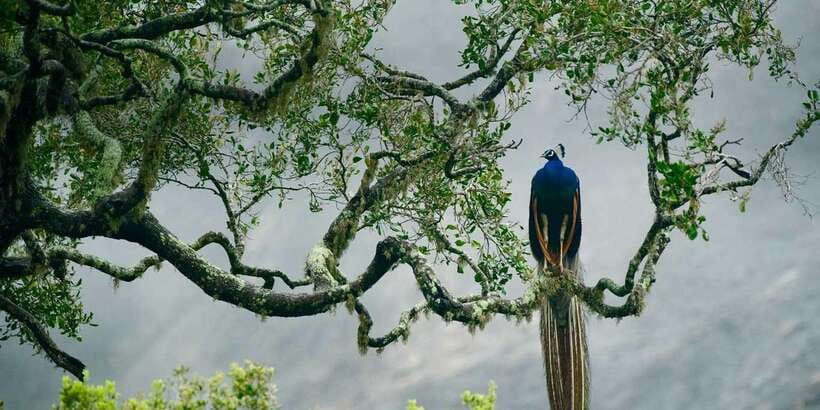
The tour includes transport, the jeep safari, the Elephant Transit Home visit, and the guide support. The one clear catch is that entrance fees to Udawalawa National Park are not included in the package price. That means your final spend could rise once you arrive.
Because the park fees are extra, I recommend budgeting a bit of flexibility for that line item. If you have a tight total budget, it helps to ask your booking message for the expected entrance charges before you go.
Timing is the other consideration. The trip runs about 7 hours total, with pickup in the Tangalle/Hiriketiya area, a drive to the transit home, then the safari, then the return transfer. One recent account noted a transfer delay over an hour, which is rare but real enough that you should plan your day with buffer time.
If you are connecting to another activity right after, aim for a later start or a low-stress backup plan.
Price and value: why $67 can make sense here
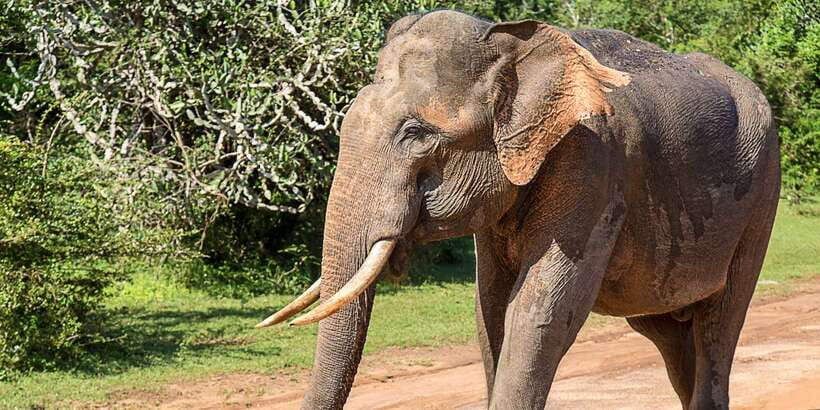
At $67 per person, this tour is trying to bundle several things that usually cost separately in Sri Lanka: hotel pickup and drop-off, air-conditioned transport, a jeep safari, and the transit home visit.
To judge value, look at what is actually included:
- Air-conditioned vehicle transport
- Hotel pickup and drop-off from the Tangalle/Hiriketiya area
- Jeep safari at Udawalawa National Park
- Elephant Transit Home visit
- Professional driver/guide, plus an English live guide
What’s not included is the park entrance fee. Once you add that, the price still looks reasonable if you would otherwise need to arrange transport and a safari separately.
This is also one of those tours where the value comes from timing. The transit home feeding window is short, and the safari is built as part of the same planned route. When you get that structure right, you spend more time watching animals and less time coordinating rides.
Who should book this Udawalawa safari and elephant feeding day
This tour is a strong fit if you want a wildlife day without the hassle of planning transport on your own. It also works well if you are staying around Tangalle or Hiriketiya and you do not want to spend your day figuring out how to reach the park.
I’d especially recommend it if:
- You want elephants plus other wildlife in the same day
- You like guided spotting, so you spend less time guessing and more time learning
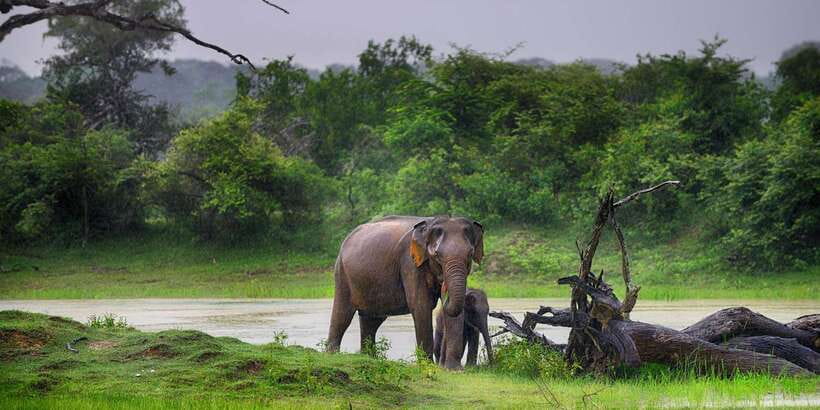
- You are curious about orphaned elephants through a formal transit home setting
It might not fit as well if you hate tight schedules. The feeding visit is only about 30 minutes, and the day is built around specific timing. If you want slow and flexible, you may feel the day is structured.
Should you book it?
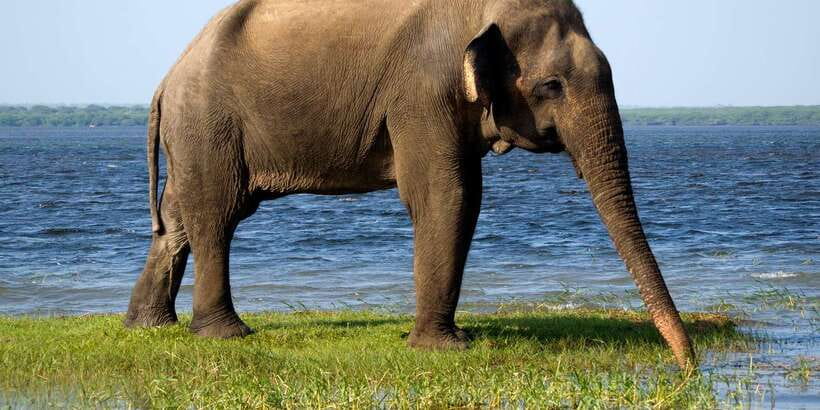
Yes, I would book this if you want a practical Udawalawa experience with built-in transport and a short, well-timed baby elephant feeding visit followed by a real jeep safari. The mix of elephants, crocodiles, deer species, and reptile and butterfly diversity makes it a strong wildlife choice for your limited time in Sri Lanka’s south.
Just go in with two expectations set up front: entrance fees are extra, and animal days can run on slightly imperfect timing. If you can stay flexible, this is a solid way to turn a half-day jump off from Tangalle/Hiriketiya into an animal-focused day you will remember.
FAQ
How long is the tour?
The duration is listed as 7 hours.
Where does the tour start?
The tour starts with hotel pickup from the Tangalle/Hiriketiya area.
How long do I spend feeding the baby elephants?
You have about 30 minutes at the Elephant Transit Home during the feeding time.
Is there a jeep safari included?
Yes. The tour includes a jeep safari at Udawalawa National Park.
What animals can I see during the safari?
The information lists possibilities including wild buffalos, spotted deers, barking deers, wild boars, sambars, hares, mongoose, crocodiles, and many birds and butterflies.
Are entrance fees included in the price?
No. Entrance fees to Udawalawa National Park are not included.
What transport is provided?
You get round-trip transport by an air-conditioned vehicle, including hotel pickup and drop-off.
Does the guide speak English?
Yes. The tour includes a live tour guide in English.
Are there any timing or schedule limits?
The tour duration is 7 hours, and it includes travel time plus the scheduled transit home feeding window. Check availability for starting times.
What is the cancellation policy?
You can cancel up to 24 hours in advance for a full refund.
Udawalawe: The Other Runs
The Quiet South
Still browsing Matara? Start here
- From Ella: Shuttle to Tangalle/Hiriketiya w Udawalawe Safari★ 4.7 · 6 reviews
- From: Hiriketiya/ Tangalle – YALA Safari Tour★ 4.9 · 9 reviews
Udawalawe Safaris, compared.
 ★ 4.9Udawalawe National Park: Elephant Safari with Expert GuideFrom $30641 reviews
 ★ 4.9Udawalawe: National Park Safari & Elephant Transit Home TourFrom $21183 reviews
 ★ 4.8Udawalawa National Park Safari Tour with Experienced GuidesFrom $19122 reviews
 ★ 5.0Udawalawe National Park Entrance Ticket with Private SafariFrom $27115 reviews
 ★ 4.8Hikkaduwa/Galle/Weligama/Mirissa/Tangalle: Udawalawa SafariFrom $27114 reviews
 ★ 4.7From Mirissa/Galle/Hikkaduwa: Udawalawa National Park SafariFrom $27106 reviews
 ★ 5.0Udawalawe National Park Wildlife Safari ToursFrom $4078 reviews
 ★ 5.0Udawalawe Safari DayTrip frm Bentota/Kalutara/Ahungalla/HikkaduwaFrom $20077 reviews
Browse the lists this tour appears in