
REVIEW · COLOMBO TOURS
Three Ancient Kingdoms Tour | from Colombo
This route hits Sri Lanka’s ancient heartland fast, with an early start that pays off later in the day. I love how the day links three kingdoms through one theme: the Sacred Tooth Relic moving with power struggles. I also like that you get hands-on ruin time, not just quick photo stops, especially at Yapahuwa. One thing to consider is that you’ll be doing some climbing on rock-fortress steps, so moderate fitness helps.
You’re touring in a tight 10-hour window with hotel pickup, air-conditioned transport, and an English-speaking chauffeur guide. The value is strong at $85 per person because the big pieces are handled for you, from the driving to the guiding, while entrance fees and food stay on you. It’s a good fit if you want real sites in the Northwestern Province without planning anything day-of.
In This Review
- Key Highlights You’ll Actually Feel
- A 6:00 am Start That Sets the Tone for a 10-hour Day
- Dambadeniya Ancient Kingdom Museum: Palaces, Moats, and a Tooth Relic Story
- Yapahuwa Rock Fortress: A Sigiriya Feel, Different Details, Real Stairs
- Panduwasnuwara: The 12-hectare City and Panda Wewa’s Engineering Clout
- Another Yapahuwa Stop: Why This Citadel Moved the Capital in Crisis
- Price and Logistics: Is $85 Good Value?
- Comfort, Timing, and Packing That Actually Helps
- Who This Tour Suits Best
- Should You Book the Three Ancient Kingdoms Tour?
- FAQ
- What time does the tour start from Colombo?
- How long is the Three Ancient Kingdoms tour?
- Is hotel pickup and drop-off included?
- Are entrance fees included in the tour price?
- What about food and drinks during the day?
- Is this tour private or shared with others?
- What if weather is bad?
Key Highlights You’ll Actually Feel
- Early 6:00 am pickup gives you a long, structured day instead of a rushed half-tour
- Tooth Relic connections connect Dambadeniya, Panduwasnuwara, and Yapahuwa into one clear story
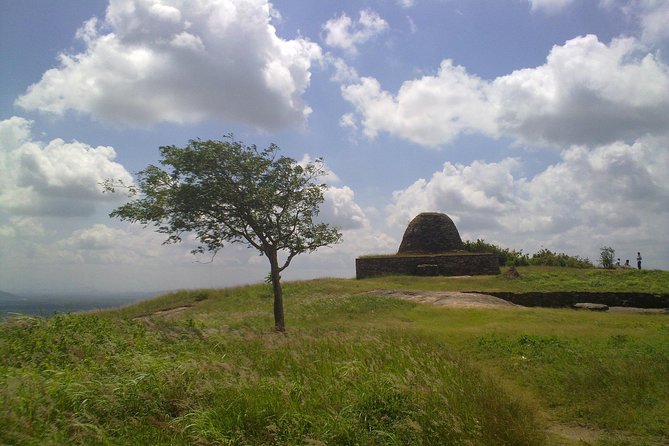
- Yapahuwa’s rock fortress climb brings you to stupa ruins above the lowlands
- Panda Wewa reservoir shows how engineering shaped daily life, not just kings and temples
- Private group format means your guide can pace the day around your group
More of Colombo, once the first list runs out
- Colombo: Private Tuk-Tuk City Tour with All Entry Fees
★ 4.9 · 2,154 reviews - Colombo Tuk Tuk City Tour -Sightseeing Entry Fees & Food Included
★ 5.0 · 678 reviews - Colombo Private Tuk-Tuk City Tour with All Entry Fees Included
★ 5.0 · 524 reviews - Colombo: Private Tuk-Tuk City Tour with Guide & All Tickets
★ 4.9 · 471 reviews
A 6:00 am Start That Sets the Tone for a 10-hour Day
This is a one-day, from-Colombo route that runs about 10 hours. You start at 6:00 am with pickup from Colombo hotels, and you’ll be heading north-west right away. If you hate waking up early for “just one museum,” this will either work for you or annoy you. The catch is that the earliest start helps you fit in three major sites plus extra Yapahuwa context.
The day is built around driving time and a few focused visits rather than constant stops. That matters because Sri Lanka’s ruins sites are spread out, and you want enough time on location to look carefully. You’ll also want to plan for a snack routine: food and drinks are not included.
For the pace, keep in mind you’re doing more than flat walks. There’s a fortress climb at Yapahuwa, plus stairs and uneven surfaces around ancient sites. Your best bet is wearing shoes you trust and carrying water. You’ll get a 1-liter water bottle per person, which is helpful in practice.
Dambadeniya Ancient Kingdom Museum: Palaces, Moats, and a Tooth Relic Story
Your first major stop is Dambadeniya, reached after about two hours of driving from Colombo. You leave at 6:00 am, and the tour recommends a packed breakfast because you’ll be on the road for a while. It’s one of those simple tips that makes the day smoother, especially before you’re fully warmed up.
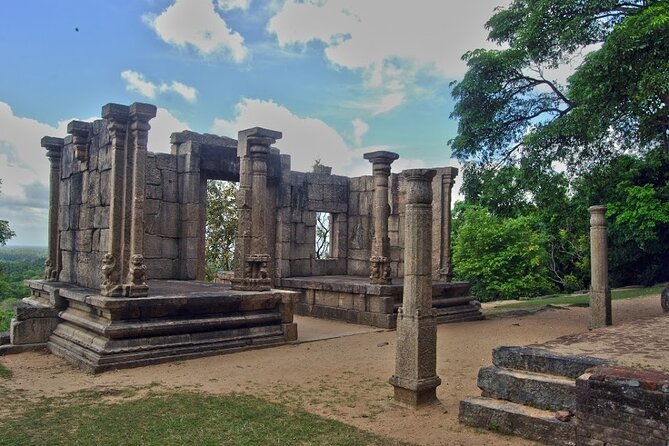
At the Dambadeniya Ancient Kingdom Museum, you get around one hour on site. The admission is listed as free for this stop, which is a nice early win. Here’s what makes it more than a quick ruin visit: the site connects to the mid-13th century peak of the Dambadeniya kingdom.
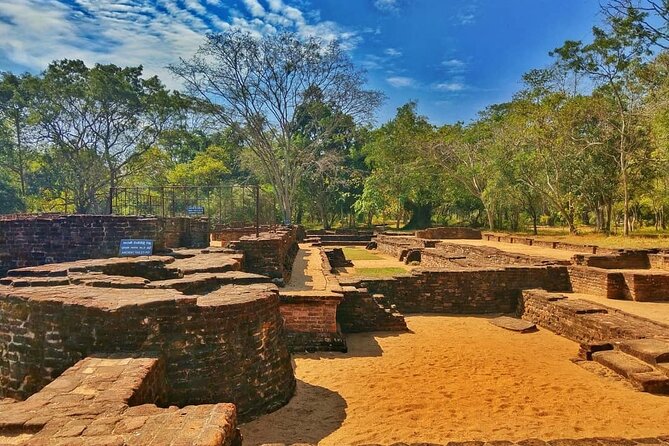
The highlight is the royal palace complex. You’re meant to notice the layout, including gardens, walls, and moats. Even if the structures are partly gone, the shape still tells you how power and protection worked. It’s also tied to the Temple of the Tooth story. The remains of the old Temple of the Tooth have been excavated, where the Tooth Relic was previously housed.
You’ll also hear the name King Parakramabahu II, which helps anchor the place in something specific. He’s described as a peaceful ruler who pushed Sinhalese literature to new heights. His epic poetic works are named as Kavisilumina and Visuddi Marga Sannasa. Whether you’re a literature nerd or not, it’s a useful angle because it reminds you this kingdom wasn’t only about walls and relics.
Practical note: because you’re starting the day with driving and an early visit, keep your camera ready but don’t sprint. One hour can feel short, but taking it slowly helps you see how the ruins relate to each other.
Yapahuwa Rock Fortress: A Sigiriya Feel, Different Details, Real Stairs
Next you leave Dambadeniya at 9:00 am and arrive at Yapahuwa around 10:30 am. You get about two hours here, which is a good amount of time for a proper look and a climb. Entrance fees are not included at this stop, so expect to pay separately at the site.
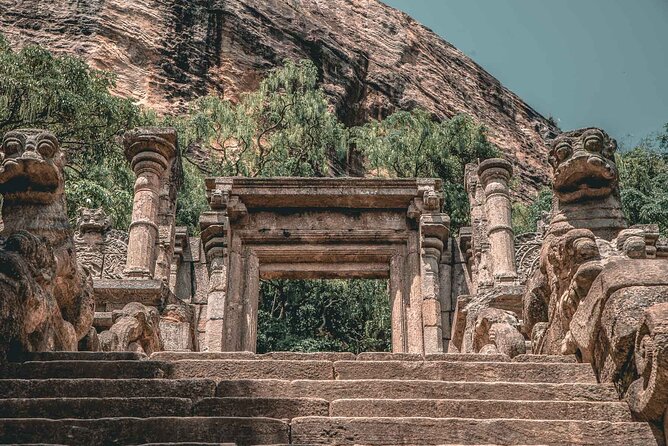
Yapahuwa’s story comes right after Dambadeniya, when Dravidian invasions forced new political moves. The fortress was built on a giant rock, and the tour frames it as having a style similar to Sigiriya rock fortress. But the important part for you is that it’s not a copy. The architecture is described as completely different, with wide staircases, stone sculptures, and detailed carvings on pillars.
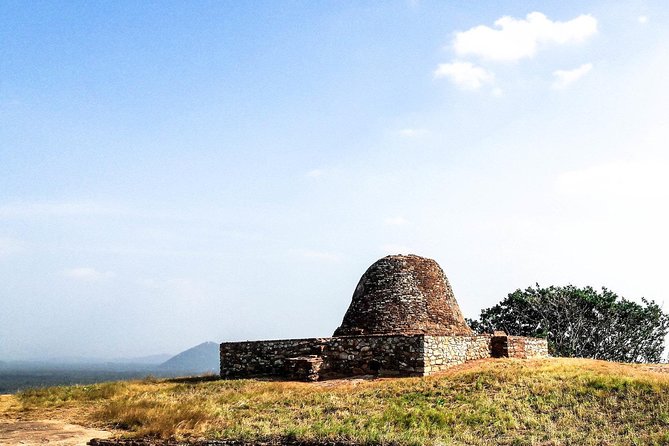
This is also a Buddhist monastery site later on. That means you’re not only looking at a defensive rock fortress, you’re seeing how religious life used the same dramatic space. You’ll be able to climb to the fortress level and view ruins of the stupa on the summit.
One detail worth keeping in mind while you’re there: the stupa has statues and imagery associated with the Kandyan era. So even though the fortress is medieval, the site kept evolving, and you’re seeing layers of time in the carvings and remnants. That kind of layering is one reason this stop feels more alive than a single-era ruin.
The drawback? The fortress climb. Even if your fitness is “moderate,” stairs and uneven ground will slow you down a bit. Going with a steady pace and not rushing photo stops will make the difference between enjoying the view and feeling wrecked early in the day.



Panduwasnuwara: The 12-hectare City and Panda Wewa’s Engineering Clout
From Yapahuwa, the drive to Panduwasnuwara takes up to an hour and a half. You’ll spend about one hour at this stop. Entrance fees are not included here either, so budget extra for site tickets.
Panduwasnuwara is described as an early kingdom, with capital status traced back to the 5th century BC. Then, later in the 12th century, the area was used again, so you get a mix of ruins from different periods. For you, that means it can be a little less straightforward than places that are neatly one-time-period. But it’s also why the site feels real. History wasn’t tidy.
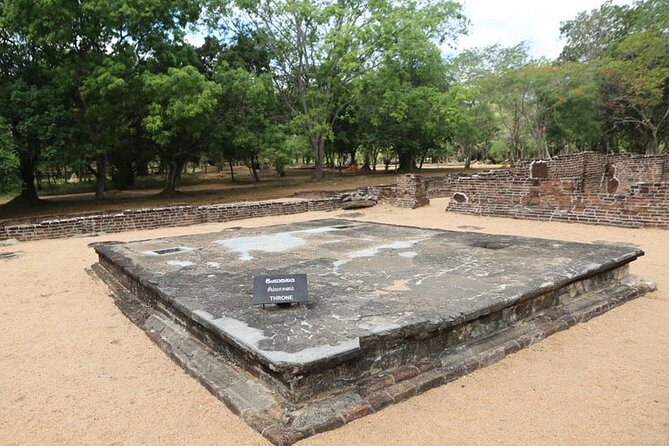
The ruins spread across almost 12 hectares, so there’s room to wander and understand scale. You’re meant to focus on a few big highlights.
First is a recently restored monument, described as a two-storied former Temple of the Tooth. Second are the ruins of the royal palace. Third is Panda Wewa, an artificial reservoir described as one of the earliest irrigation systems made by man. That last one matters more than it sounds. Irrigation systems are how settlements survive. If you only look at temples and palaces, you miss how people actually lived.
There’s also a museum at Panduwasnuwara, and the tour indicates you’ll visit it. If ruins are confusing, a museum stop can help you connect what you’re seeing outside to a broader timeline.
Your best tip here is simple: walk the site with your guide’s story, not just your own agenda. With a one-hour window, you’ll get more meaning by looking at how the reservoir and palace relate to each other than by trying to see every broken stone.
Another Yapahuwa Stop: Why This Citadel Moved the Capital in Crisis
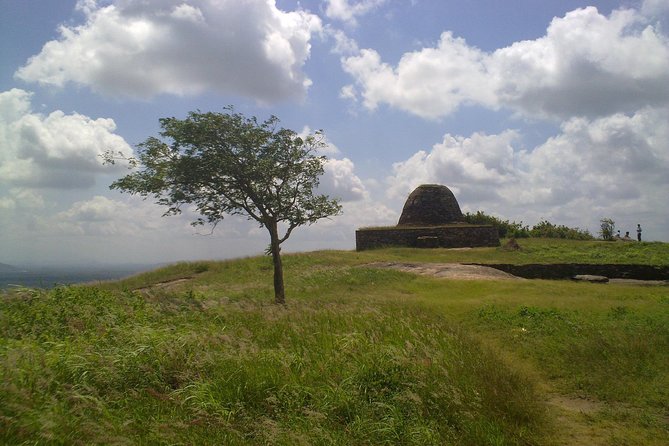
The final stop is labeled Yapahuwa Ancient Kingdom, with only about 30 minutes on site. That’s short, but it’s not pointless. This stop is about context, and it fills in why Yapahuwa mattered beyond the rock fortress climb.
The citadel is described as lying midway between Kurunagala and Anuradhapura, built around a granite rock that rises abruptly about a hundred meters above the surrounding lowlands. Even if you’re only spending half an hour, you can understand the strategic value quickly. When your capital can be protected by vertical terrain, you can buy time.
The timeline you’re given is dramatic. In 1272, King Bhuvenakabahu transferred the capital from Polonnaruwa to Yapahuwa due to Dravidian invasions from South India, bringing the Sacred Tooth Relic along. Then after the king died in 1284, the Pandyans invaded again and succeeded in capturing the Sacred Tooth Relic. After that, Yapahuwa was largely abandoned and inhabited by Buddhist monks and religious ascetics.
This is where the day’s theme clicks for you. Across three stops, the Sacred Tooth Relic is treated as more than a religious object. It’s connected to legitimacy, political power, and the pressure to move capitals under threat.
Because this stop is brief, it’s not the place to get lost in details. Let the guide explain the political sequence, then use the time to get oriented to the rock and its setting. You’ll leave with a better mental map for what you already saw at the fortress.
Price and Logistics: Is $85 Good Value?
At $85 per person, this tour is priced like a solid day-trip deal from Colombo, especially because it includes pickup and drop-off and a chauffeured vehicle. Transport is often what quietly kills value on independent planning. Here, you’re paying for driving time, an air-conditioned vehicle, and an English-speaking chauffeur guide.
You’re also getting a 1-liter water bottle per person. That’s small, but it keeps you from doing the math every time you stop for drinks. Plus, you’re using a mobile ticket, and group discounts are mentioned. If you’re traveling with friends and can align schedules, that can shave extra cost.
What you should plan financially for: entrance fees and food. Entrance tickets are marked as not included for multiple stops, so you’ll likely pay at least at Yapahuwa rock fortress and Panduwasnuwara. Also, food and drinks are not included, so your packed breakfast idea should turn into a simple lunch plan, ideally before you’re hungry and distracted.
Another practical factor is how the tour is structured as private, for your group only. That matters because a private format can mean less waiting for random schedules. You also get more flexibility in how long you linger at a ruin detail versus moving on.
Based on the structure, I think the $85 works best if you want a guided route through major ancient sites without renting a car or trying to coordinate drivers yourself.
Comfort, Timing, and Packing That Actually Helps
This tour runs about 10 hours with multiple drives. You’re looking at an early start and a day that ends after you’ve stacked sightseeing across several locations. The good news is that air-conditioned transport and pickup are built in, so you’re not stuck doing street-level logistics between sites.
You should think about your “day kit.” Bring a packed breakfast because the first drive is about two hours. After that, plan your food timing since food is not included. I’d also bring a light layer if you get sensitive to AC or early morning air.
For clothing and shoes, this tour asks for moderate physical fitness. That is your clue that you should expect stairs, uneven ground, and climbing at Yapahuwa. Comfortable shoes beat fancy sandals every time. If you’re prone to sore knees, go slower on the fortress stairs and take your breaks early, not when you feel pressure.
One more point: confirmation is received at booking, and the tour notes it operates with good weather. That doesn’t mean every day will be perfect, but it does mean you should watch the forecast and be ready for adjustments if conditions are poor.
Who This Tour Suits Best
This is a strong pick if you like ancient sites but also want a clear storyline. The Sacred Tooth Relic thread connects kingdoms in a way that makes the ruins more meaningful than just scattered stones. If you enjoy seeing how religion and politics move together, this route will feel coherent.
It also suits you if you’re short on time in Sri Lanka and want a focused day from Colombo. Instead of piecing together multiple destinations yourself, you get a single itinerary covering Dambadeniya, Yapahuwa, and Panduwasnuwara, with extra Yapahuwa context at the end.
If you want a leisurely day with lots of cafe stops, this probably won’t fit. This is structured sightseeing with travel time between stops, and you’ll feel that in your schedule.
Should You Book the Three Ancient Kingdoms Tour?
I’d book this tour if you want value, a guided route, and the chance to see three major ancient kingdom sites in one day. The strongest reasons are the connections between the sites, the chance to climb at Yapahuwa, and the engineering and royal palace remnants at Panduwasnuwara. The route is also backed by a high satisfaction rating and a consistent theme in the way guidance is described, with guides who explain clearly and adapt to the pace.
I’d hesitate if you dislike early mornings or if climbing ruins stairs sounds miserable. Also, if you hate managing extra costs, remember entrance fees and food are not included.
If your goal is a smart, story-driven ancient day trip from Colombo, this one is a practical choice, and it’s the kind of tour that helps you leave with more than pictures. You’ll leave with a map in your head of how Dambadeniya, Yapahuwa, and Panduwasnuwara relate.
FAQ
What time does the tour start from Colombo?
The tour starts at 6:00 am with hotel pickup from Colombo.
How long is the Three Ancient Kingdoms tour?
The duration is approximately 10 hours.
Is hotel pickup and drop-off included?
Yes. Hotel pickup and drop-off from Colombo hotels are included.
Are entrance fees included in the tour price?
Entrance fees are not included. Some stops are listed as free, but others are explicitly not included.
What about food and drinks during the day?
Food and drinks are not included. The tour recommends bringing a packed breakfast for the first drive.
Is this tour private or shared with others?
It is private. Only your group will participate.
What if weather is bad?
The experience requires good weather. If it is canceled due to poor weather, you will be offered a different date or a full refund.
More Tours in Colombo
More Tour Reviews in Colombo
Colombo, Keep Exploring
Still browsing Colombo? Start here
- Safari Day Tour to Sigiriya Lion Rock and Golden Cave Temple★ 5.0 · 3 reviews
- Shore Excursion Colombo Port to Mount Lavinia Beach & Colombo city For 4 – 6 Pax★ 4.5 · 3 reviews
- Airport Taxi Transfers from Colombo Airport to Mirissa★ 5.0 · 3 reviews
- Private Car Hire with Driver-Guide for 03 Days Round Tour★ 5.0 · 3 reviews
- 7 Days Sri Lanka Safari Tour★ 5.0 · 3 reviews
Colombo Tours, compared.
 ★ 4.9Colombo: Private Tuk-Tuk City Tour with All Entry FeesFrom $232,154 reviews
 ★ 4.7From Colombo: Sigiriya and Dambulla Day Trip with SafariFrom $53842 reviews
 ★ 5.0Colombo Tuk Tuk City Tour -Sightseeing Entry Fees & Food IncludedFrom $34678 reviews
 ★ 5.0Colombo Private Tuk-Tuk City Tour with All Entry Fees IncludedFrom $32524 reviews
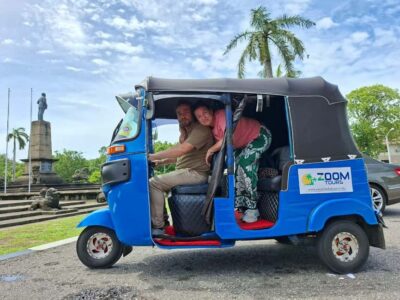 ★ 4.9Colombo: Private Tuk-Tuk City Tour with Guide & All TicketsFrom $22471 reviews
 ★ 4.9Colombo Local Food Tour by Tuk Tuk – All InclusiveFrom $36261 reviews
 ★ 5.0Tuk Trip is Very Cheap in Colombo (All-inclusive ) city tourFrom $24260 reviews
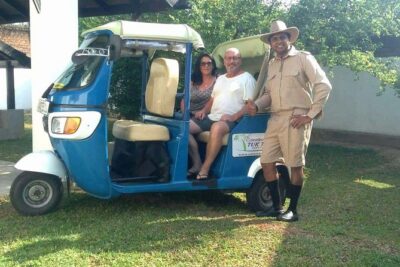 ★ 5.0Colombo Bay Tuk Tuk City TourFrom $35244 reviews