
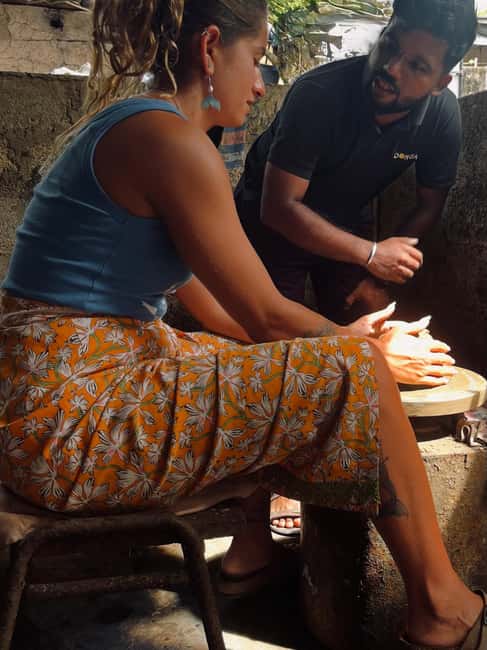
REVIEW · WELIGAMA TOURS
Weligama: Pottery Workshop with Tea and Snacks
Spin clay at a Sri Lankan potter’s home. This hands-on workshop in Kotapola near Weligama gives you real time on a potter’s wheel and a relaxed end with tea and local sweetmeats. You’ll learn the pottery process as you go, not just watch someone else work.
Two things you should know up front: it’s done in a traditional potter’s home setting (not a western studio), and you should not expect glazing or instant kiln firing during your session. Instead, you’ll make and shape your own piece, then take home a finished souvenir piece from the master potters.
In This Review
- Key Highlights Worth Booking for
- Getting There: From Kumbalgama Railway Station to a Working Potters Home
- Workshop Flow: Clay Prep, Wheel Work, and What the Class Actually Includes
- Learning Pottery Traditions in Sri Lanka, Without Museum-Style Lectures
- Your Hands on the Wheel: Real Skill, Real Patience
- The Take-Home Surprise: What You Can Keep From the Masters
- Tea and Local Sweetmeats: The Best Part Is the Conversation
- Price and Value: Is $40 Worth 2.5 Hours?
- Practical Expectations: This Is Not a Western Studio
- Rules and Etiquette: Simple Stuff That Helps the Day Run Smoothly
- Language and Group Style: English and French, Private Pace
- Who Should Book This Workshop, and Who Might Skip It
- Should You Book the Weligama Pottery Workshop in Kotapola?
- FAQ
- Where do I meet for the workshop?
- How long is the experience?
- What does the $40 price include?
- Do I get to use the potter’s wheel?
- Is glazing or instant kilning available during the class?
- What pottery can I take home?
- Are tea and local snacks provided?
- What languages are the instructors speaking?
- Is the workshop wheelchair accessible?
- Is alcohol or intoxication allowed?
Key Highlights Worth Booking for
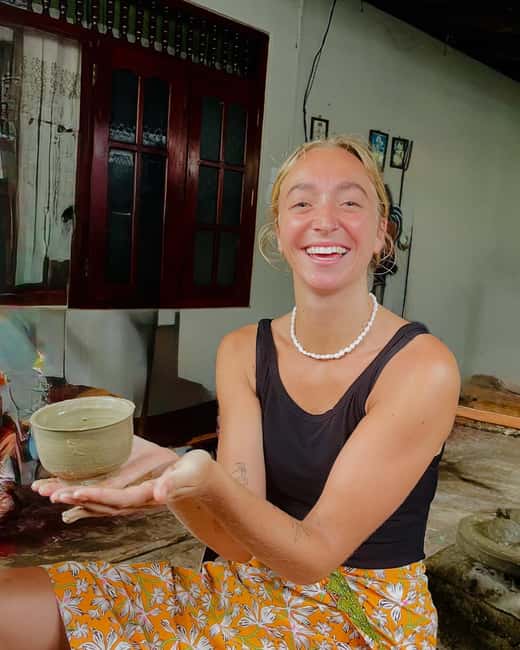
- Hands-on potter’s wheel time on a spinning wheel in a working home setting
- Sri Lanka pottery history and process explained in clear English or French
- Tea plus local sweetmeats at the end, with time to chat
- A take-home souvenir piece made by the master potters (since glazing or kiln work isn’t part of the session)
- Family-friendly extras for kids, including paint for mini-pot decorating
Weligama, past the surf break
- Surf & Stay – Private Surf Lesson Experience in Weligama
★ 4.5 · 29 reviews - From Weligama : Udawalawa National Park Safari Tour
★ 4.9 · 8 reviews - From Mirissa/ Weligama : Udawalawe Safari – Day Trip
★ 5.0 · 7 reviews - From Galle/Weligama/Mirissa/Matara: Day Trip to Sinharaja
★ 5.0 · 5 reviews
Getting There: From Kumbalgama Railway Station to a Working Potters Home
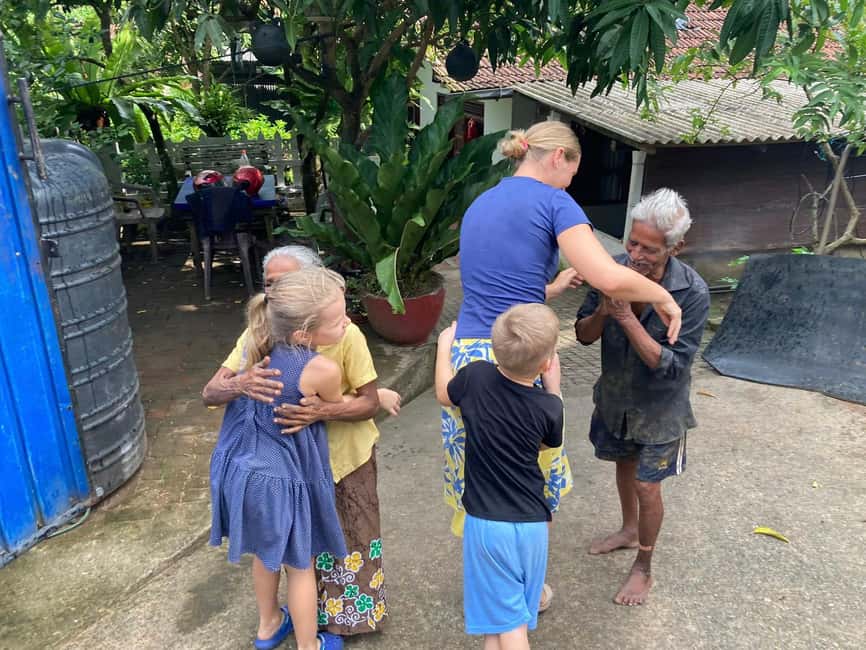
Your day starts at Kumbalgama Railway Station, where a host representative meets you. It’s a simple setup, and you won’t spend time guessing where to go once you arrive. This is one of those activities where local direction matters, because the workshop is in a real potter’s home environment, not a polished tourist complex.
The setting is part of the point. You’ll feel the rhythm of daily life around pottery work, and that changes how the instruction lands. When someone has been making pieces for decades and explains the steps in person, it sticks.
This is also a private group experience. If you prefer smaller, calmer attention over a crowd, that’s a big plus. The timing is built for a comfortable half-afternoon, with about 2.5 hours total from start to return.
Workshop Flow: Clay Prep, Wheel Work, and What the Class Actually Includes
The core of the experience is the making. You start with learning how clay is prepared for the wheel and how pottery work is handled before firing. You’ll get a practical sense of the process, from getting the clay ready to working the form on the wheel.
Then comes the moment you’ll remember, your time at the potter’s wheel. This isn’t a quick spin-and-smile demo. You’ll work through shaping your own piece, guided step by step. People often come expecting art class vibes, but the real satisfaction here is the focused, manual skill you build in one session.
One important expectation check: the class does not include glazing or instant kilning. That means you’re not doing the final finishing stage during those 2 hours. Plan for the session to feel like shaping and forming, with the fired, finished souvenir handled separately.
The hands-on time is followed by 30 minutes of local snacks, plus tea at the end. That pacing is smart. It gives your hands a break and your mind time to absorb what you learned.
Learning Pottery Traditions in Sri Lanka, Without Museum-Style Lectures
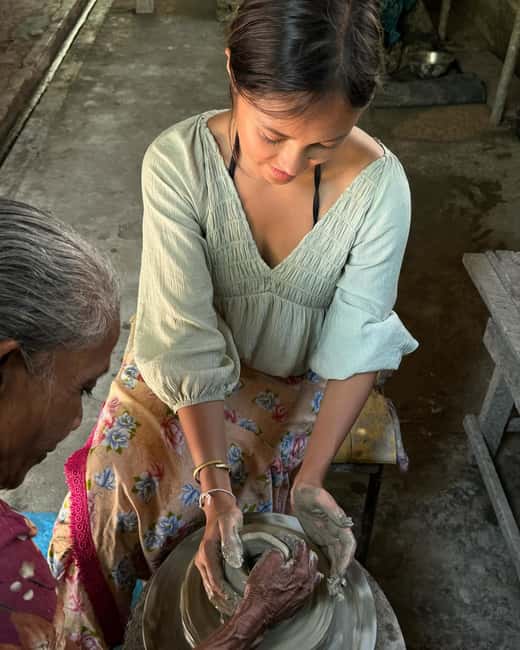
A big part of the value is the way the pottery story is explained. You’ll learn about the history and process of pottery making in Sri Lanka, and the explanation is tied directly to what you’re doing with the clay.
In practical terms, that means you’re not memorizing facts. You’re connecting why each step matters. Why clay prep changes how the wheel behaves. Why the shaping stage needs patience. Why firing and finishing are separate phases of the craft.
The workshop is hosted by a couple who have been crafting pottery since their teenage years. That long involvement shows in how they teach: it feels like instruction from people who do this work as part of life, not as a staged performance for visitors.
Language support helps too. Your instructor speaks English and French, so you can follow the process clearly and ask questions without guesswork.
Other hands-on sessions in Weligama

Your Hands on the Wheel: Real Skill, Real Patience
I like hands-on workshops where you do actual work, not just touch something once. This one is built for that. You’ll spend time learning the wheel movements and controlling the form as the clay spins.
You should also go in with realistic expectations about speed. Pottery is slow by nature. The session pace is designed so you can get a feel for the wheel without feeling rushed into a final product before you’re ready.
If you’re the type who worries about doing it wrong, try to relax. The class focus is learning technique and understanding the process, not producing a perfect vase in one sitting. The satisfaction comes from the moment your piece starts to take shape under your hands.
One more practical tip: wear clothing you don’t mind getting a little dirty. This isn’t a studio where you change into pristine smocks and everything stays spotless. You’re working with clay, so plan for that reality.
The Take-Home Surprise: What You Can Keep From the Masters
Here’s the truth that helps you decide: because glazing and kilning aren’t available during the workshop, you likely won’t walk out with your own fully finished, fired, and decorated piece made from your session. What you take home is a pottery piece made by the master potters.
That souvenir matters more than it sounds. It keeps the craft authentic and avoids the usual tourist shortcut. You get to support local artisans, and you still leave with a finished object that reflects the kiln and finishing phase you didn’t do in class.
If you want to buy extra pottery later, that’s optional. Personal purchases of pottery are not included, so you only take extra pieces if you choose to.
Kids get their own small creative win too: they’re provided paint to decorate mini-pots. That’s a nice way for younger visitors to participate without needing to handle wheel work.
Tea and Local Sweetmeats: The Best Part Is the Conversation
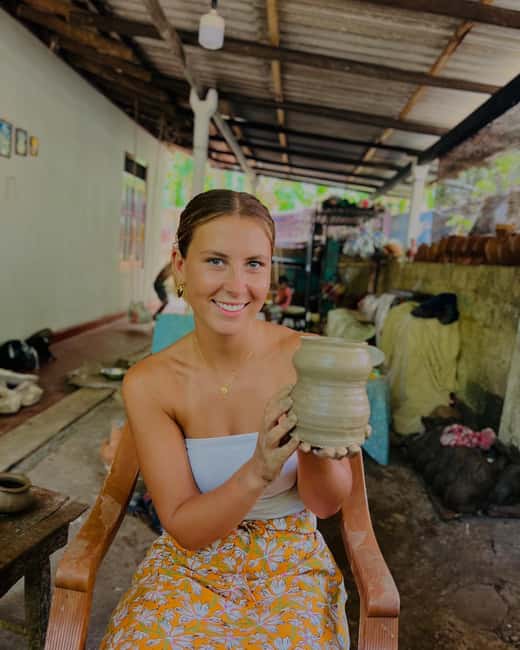
After the wheel work, you’ll enjoy tea and local sweetmeats. This is more than a snack stop. It’s the moment the experience shifts from making to connecting.
People remember workshops most when they feel human. Here, the hospitality tends to be warm and personal, and tea gives everyone an easy reason to slow down. It’s also when you can ask questions about day-to-day pottery life, training, and how the craft is passed along.
If you enjoy travel moments that aren’t just a transaction, this tea break delivers. It’s one of those small touches that makes the workshop feel complete.
And if you’re traveling with kids, the snack phase is a good energy reset. The pace is friendly, and the mini-pot painting option helps families keep everyone involved.
Price and Value: Is $40 Worth 2.5 Hours?
At $40 per person for about 2.5 hours, this workshop is priced to be fair for a real artisan experience. You’re paying for more than clay time.
You’re getting:
- instruction on clay preparation and wheel technique
- history and process context (so it makes sense, not just a hands-on activity)
- tea and local sweetmeats
- a take-home souvenir made by the master potters
- kid supplies for mini-pot decoration
In other words, the price supports the full loop: teaching, making, hospitality, and finishing through the potters’ system. And because it’s organized around helping local potters earn a better income, the value feels tied to the community rather than just the event itself.
One caution: if you’re expecting a western-style pottery studio with glazing or kiln work for your exact piece, you might feel shorted. But if you treat this as a craft lesson plus artisan souvenir, it’s strong value.
Practical Expectations: This Is Not a Western Studio
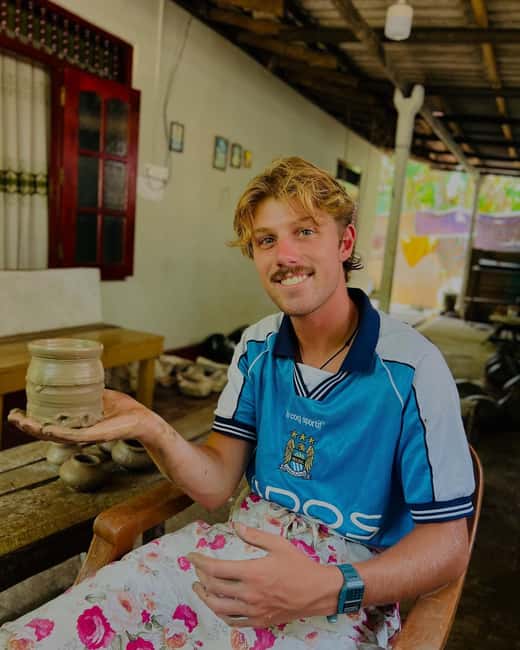
It’s important to set the right mental picture. This is not a polished, standardized pottery classroom. The workshop happens in a traditional potter’s home setting, which can feel more intimate and more real.
The upside is obvious: you’ll see how pottery fits into actual household work rhythms. The downside is that facilities and comforts won’t be identical to what you’d find in a purpose-built tourist studio.
Also, the class does not offer instant kiln firing or glazing. You’re learning the formative stage and leaving with a finished piece from the masters. That structure is normal for traditional studio craft, but it matters for your expectations.
If you want to take photos, do so respectfully. And keep in mind that you are a guest in a working home environment.
Rules and Etiquette: Simple Stuff That Helps the Day Run Smoothly
The workshop has clear boundaries. Alcohol and drugs aren’t allowed, and intoxication is not permitted. You also should avoid bringing sharp objects or weapons.
Clothing rules are included as well, including no nudity and no see-through clothing. It’s not meant to be harsh, it’s meant to keep the activity safe and comfortable for everyone in a home setting.
If you’re traveling with a group, follow the no-alcohol rule and keep the mood calm. Pottery is a hands-on craft, so it’s best done when everyone can focus.
Language and Group Style: English and French, Private Pace
You’ll be guided in English or French. That’s a big deal for a craft workshop, because pottery instruction is physical, but it also relies on understanding the steps and the reasons behind them.
This experience is also wheelchair accessible and listed as a private group. If you want a quieter pace where questions get answered without squeezing into a group schedule, this setup fits well.
If you’re visiting with friends or family, the private style makes it easier to move through the process at a comfortable tempo. It’s a good option when you want a shared cultural activity without the chaos of a large class.
Who Should Book This Workshop, and Who Might Skip It
This is a great pick if you:
- enjoy hands-on crafts where you actually shape something
- like understanding local traditions instead of just taking a photo
- want an artisan-made souvenir that comes from real work, not mass production
- travel with kids who can paint mini-pots
You might skip it if you:
- expect glazing and kiln finishing during the session for your own exact creation
- only want a modern studio setup with standardized tools and finishes
Also, it’s not suitable for babies under 1 year. For families, the kid activity helps keep smaller visitors involved.
Should You Book the Weligama Pottery Workshop in Kotapola?
I think you should book this if you want a craft experience that feels rooted in everyday life. The best part is the mix of wheel time, clear explanation, and a genuine wrap-up with tea and snacks. The souvenir piece from the master potters is part of the design, not a consolation prize.
Don’t book it expecting a western “make a cup, glaze it, and leave with your exact finished item” class. This workshop is built around the process, plus artisan finishing handled separately.
If you like practical learning and warm hospitality, it’s an easy yes.
FAQ
Where do I meet for the workshop?
You meet at Kumbalgama Railway Station. A host representative will meet you there.
How long is the experience?
The workshop lasts about 2.5 hours in total, including time for pottery, snacks, and the tea break.
What does the $40 price include?
For $40 per person, you get the hands-on pottery workshop, history and process explanation, clay preparation, time on the potter’s wheel, tea and local sweetmeats, and a pottery piece made by the master potters. Kids also get paint for mini-pots.
Do I get to use the potter’s wheel?
Yes. A key part of the experience is time on the potter’s wheel so you can create your own pottery piece during the workshop.
Is glazing or instant kilning available during the class?
No. Glazing or instant kilning is not available, so your session focuses on preparation and wheel work.
What pottery can I take home?
You take home a pottery piece made by the master potters. Personal purchases of pottery are not included, but you can buy additional pieces if you choose.
Are tea and local snacks provided?
Yes. You’ll have tea and local sweetmeats, and there is also time for local snacks during the experience.
What languages are the instructors speaking?
The instructor provides the workshop in English and French.
Is the workshop wheelchair accessible?
Yes. The experience is listed as wheelchair accessible and is also offered as a private group.
Is alcohol or intoxication allowed?
No. Alcohol and drugs are not allowed, and intoxication is not permitted.
Hands-On in Weligama
More Tour Reviews in Weligama
Weligama Beyond the Break
Still browsing Weligama? Start here
- From Galle/Weligama/Mirissa/Matara: Day Trip to Sinharaja★ 5.0 · 5 reviews
- From Mirissa/ Weligama : Udawalawe Safari – Day Trip★ 5.0 · 7 reviews
- From Weligama : Udawalawa National Park Safari Tour★ 4.9 · 8 reviews
- Ella: Transfer to Hikkaduwa & Yala Safari Tour★ 4.5 · 11 reviews
- Surf & Stay: Private Surf Lesson in mirissa★ 4.4 · 15 reviews
Weligama Tours, compared.
 ★ 4.8Hikkaduwa/Galle/Weligama/Mirissa/Tangalle: Yala Safari TourFrom $45263 reviews
 ★ 5.0Ride a Wave Surf School Weligama Sri LankaFrom $20161 reviews
 ★ 4.8Hikkaduwa/Galle/Weligama/Mirissa/Tangalle: Udawalawa SafariFrom $27114 reviews
 ★ 4.5Surf & Stay – Private Surf Lesson Experience in WeligamaFrom $3529 reviews
 ★ 4.8Mirissa/Weligama/Galle/Tangalle: Drop to Ella & Yala SafariFrom $4327 reviews
 ★ 3.4Galle/Unawatuna/Weligama/Mirissa: Yala National Park SafariFrom $8325 reviews
 ★ 5.0Udawalawa Safari Drive From Galle, Weligama, Mirissa & DickwellaFrom $8018 reviews
 ★ 5.0Udawalawe National Park Safari from WeligamaFrom $9214 reviews
Browse the lists this tour appears in