
REVIEW · WILPATTU SAFARIS
Wilpattu National Park: Morning or Afternoon Safari
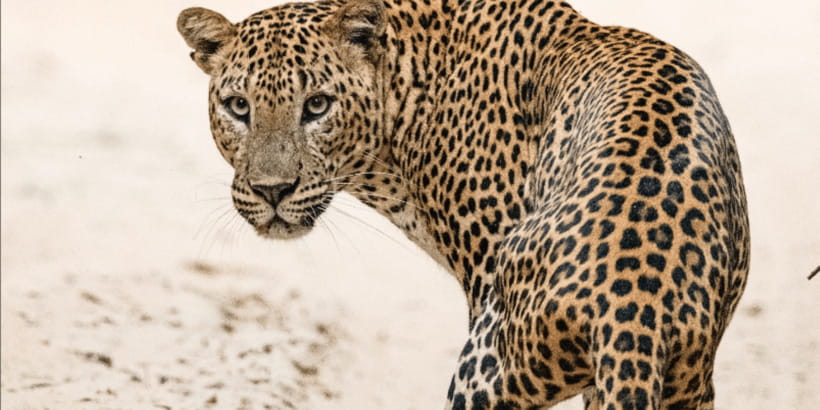
Leopards are the reason you come to Wilpattu. This 4×4 jeep safari turns a long day into focused wildlife time, with complimentary pickup and drop-off and a route built around some of the park’s best-known viewing areas.
I like that the experience is designed to give you real chances at wildlife, not just a drive in the dark. You’ll spend about 4 hours inside Wilpattu, guided to places like Kudiramale Point, Pomparippu, and the Villu areas, where leopards, elephants, deer, sloth bears, and birds can all show up. One key consideration: animal sightings are never guaranteed, and your day can swing based on conditions and how effectively your driver and guide spot wildlife.
In This Review
- Key things to know before you go
- Why Wilpattu works for wildlife lovers, especially for leopards
- Morning or afternoon safari, how the timing affects your day
- Pickup and drop-off: how the routes from Colombo, Negombo, and Anuradhapura shape the experience
- Entering Wilpattu: what the first park drive is really like
- Kudiramale Point, Pomparippu, and the Villu areas: what each stop is for
- Kudiramale Point
- Pomparippu
- The Villu areas
- What you can realistically expect to see: leopards, elephants, deer, bears, birds
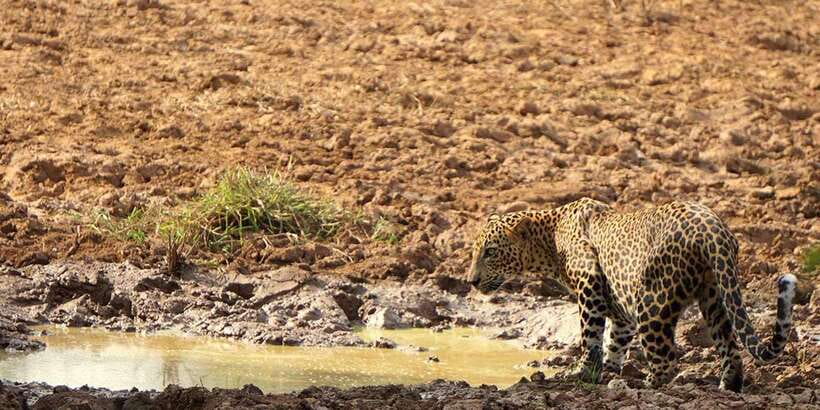
- Leopards
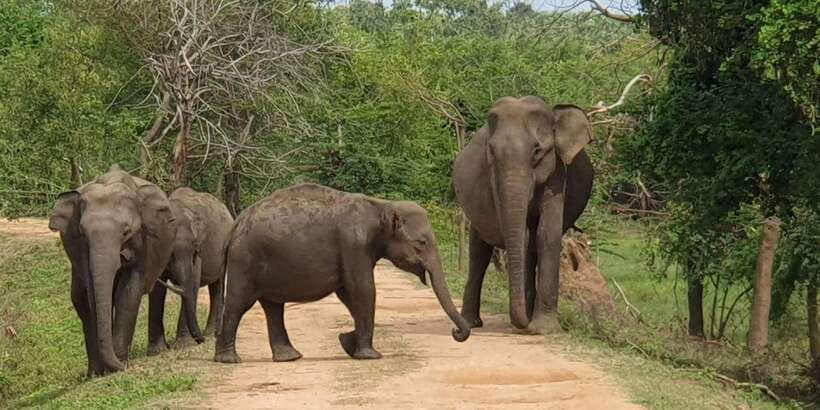
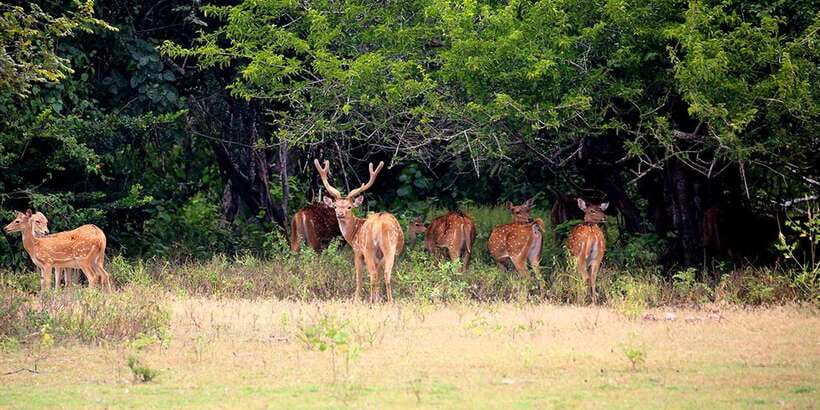
- Elephants and deer
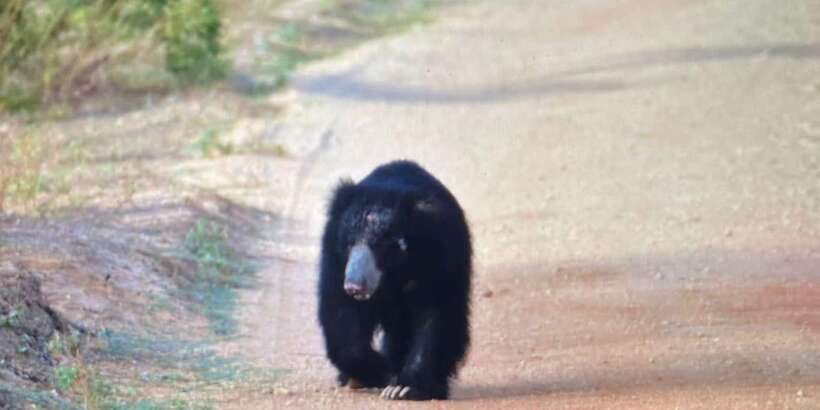
- Sloth bears
- Birds, monkeys, and other movement
- 4×4 jeeps, binoculars, and photo time that actually helps
- Guides and English: where the experience can rise or fall
- Price and value: $35 plus park tickets, so plan your real budget
- Who this Wilpattu safari is best for
- Should you book the Wilpattu Morning or Afternoon Safari with Tiger Safaris?
- FAQ
- How long is the Wilpattu safari?
- Where can the safari pickup happen?
- Where will the safari drop you off?
- Are park entry tickets included in the price?
- What about food and drinks?
- Will I have an English guide?
- Can I take pictures during the safari?
- What vehicle will I use?
- Are there any restrictions on who can join?
- Can I get a refund if my plans change?
Key things to know before you go
- Leopard-focused planning: the route is aimed at Wilpattu’s reputation for leopard sightings.
- 4×4 comfort with wildlife time: a spacious safari jeep keeps the ride steady on rough tracks.
- Binoculars included: you get binoculars with the safari, which helps when sightings are distant.
- Named stops inside the park: Kudiramale Point, Pomparippu, and Villu areas are part of the plan.
- Photography is allowed: bring your camera mindset, since you’re meant to take pictures during the safari.
- Guide quality can vary: English and spotting skill can be inconsistent, so you should plan with that in mind.
Wilpattu drives worth a second look
- Wilpattu National Park Jeep Safari from Negombo / Waikkal (All Inclusive)
★ 5.0 · 112 reviews - From Negombo: Wilpattu National Park Safari Guided Day Tour
★ 3.8 · 55 reviews - Safari at Wilpattu National Park from Negombo (All inclusive day tour)
★ 5.0 · 20 reviews - All inclusive Private safari at Wilpattu National park from Negombo
★ 4.5 · 6 reviews
Why Wilpattu works for wildlife lovers, especially for leopards
Wilpattu National Park is one of Sri Lanka’s larger older parks, and it’s the kind of place where wildlife sightings feel like a real event. The park’s mix of dense scrub, open grassy stretches, and water areas means you’re not stuck driving through one flat-looking habitat all day. That variety matters because different animals use different spaces.
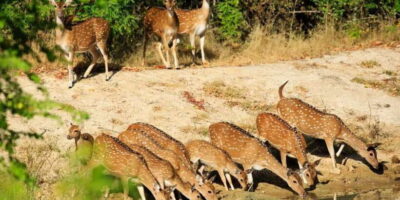
This safari is built around that logic. The goal is pretty clear: maximize your odds of seeing leopards while also keeping a close eye out for elephants, spotted deer, sloth bears, and many bird species. Even when you do not get the big-cat jackpot, the “supporting cast” can still make the day feel full, like deer groups, bird activity, and other mammals appearing when you least expect them.
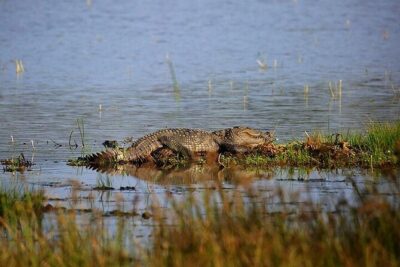
And yes, sometimes you’ll get lucky. A couple of past experiences mention standout sightings like a female leopard, plus elephants, crocodiles, monkeys, deer, and peafowl. But I treat those as bonuses, not promises. On any safari, the best you can do is show up prepared, stay patient, and let the day unfold.
Morning or afternoon safari, how the timing affects your day
This experience is offered as a morning or afternoon safari, and the exact starting time depends on availability. That matters because your day rhythm changes.
- If you go morning, you’ll be done earlier and can keep the rest of your trip plan moving.
- If you go afternoon, you’ll likely match better with road travel between towns, then return to your hotel later.
Either way, the time inside Wilpattu is around 4 hours. The rest of the day is travel and pickup, which is why choosing morning versus afternoon is more about logistics and energy than about guaranteed wildlife outcomes.
If you want a smoother day, pick the slot that minimizes how many long stretches you do back-to-back. A safari is more enjoyable when you are not rushing or mentally exhausted before you reach the park.
Pickup and drop-off: how the routes from Colombo, Negombo, and Anuradhapura shape the experience
This safari includes pickup and drop-off, and you get multiple starting options. The pickup choices include Nochchiyagama, Sinharagama, Galkadawala, Anuradhapura, Negombo, and Colombo. Drop-off options include the same set of towns.
One practical detail: the included pickup and drop-off coverage is specifically listed for Wilpattu, Nochchiyagama, Sinharagama, and Negombo. So if you’re coming from Colombo or Anuradhapura, double-check that your exact pickup and drop-off are included in what you’re booking, not just available as an option.
You’ll also want to be ready on time. Your plan says to wait in the hotel lobby about 10 minutes before your scheduled pickup.
From a value point of view, this matters. With a tour like this, the difference between a smooth pickup and a stressful one is huge. When pickup and drop-off run on schedule, it keeps the day from feeling like “just transport to a jeep.”
Other safaris we sat through
Entering Wilpattu: what the first park drive is really like
Once you enter the park, you’re not looking at a single type of scenery. You’ll pass through a mix of dense scrublands, open grassy plains, and water areas (including lakes and Villu zones). These water-linked areas are especially interesting because many animals follow food and movement patterns around water.
As you drive, your guide is meant to steer the safari toward higher-yield zones. You’re also told to keep an eye out for a range of animals, not just leopards. That includes elephants, sloth bears, spotted deer, and bird species you may not notice if you’re staring only at the horizon.
A good safari rhythm is simple:
- Drive slowly.
- Pause when the guide spots activity.
- Re-check the same area from different angles.
- Keep scanning, especially in spots where animals would feel safe.
Whether that rhythm happens well can depend on the people running the safari. Some past experiences praised fast, attentive driving and strong wildlife spotting. Others described delays for conversations and less focus on scanning. So, if you care deeply about wildlife-finding, pay attention to the first hour, not just the final hour.
Kudiramale Point, Pomparippu, and the Villu areas: what each stop is for
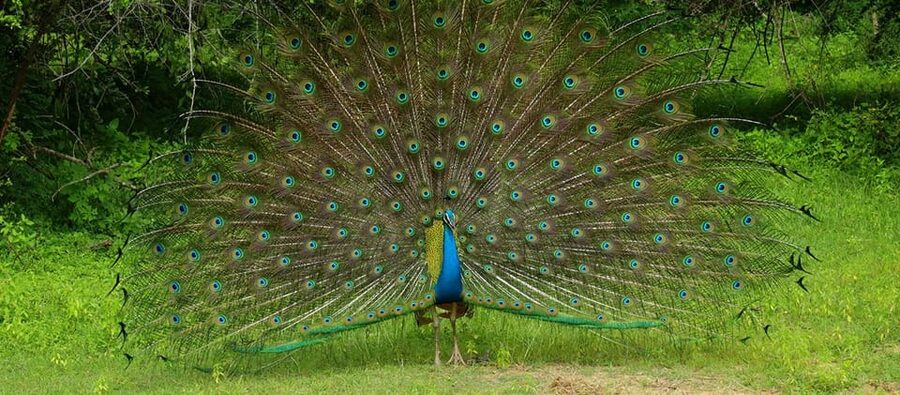
This safari name-checks several key areas inside Wilpattu. Those stops are more than trivia. They reflect the fact that animals use different micro-habitats.
Kudiramale Point
Kudiramale Point is one of the named viewing areas. Points like this tend to matter because guides can use vantage and positioning to read movement patterns. If you’re hoping for leopards, this is exactly the kind of stop where they might be visible or signaled by activity nearby.
Pomparippu
Pomparippu is another named area on the plan. Water-adjacent zones can create wildlife “routes,” meaning animals may appear as they travel, feed, or move between cover and water. Even if you do not get the biggest sighting, these zones often deliver birds and smaller mammals.
The Villu areas
The Villu areas are water-linked. That’s important in Wilpattu because water areas can draw animals from surrounding cover. If you’re an animal-first person, these are likely to be your “keep watching, something will happen” segments.
Important reality check: you are not buying a guaranteed checklist. You’re buying guided searching. That’s why the quality of guiding and driving is so important to your final experience.
What you can realistically expect to see: leopards, elephants, deer, bears, birds
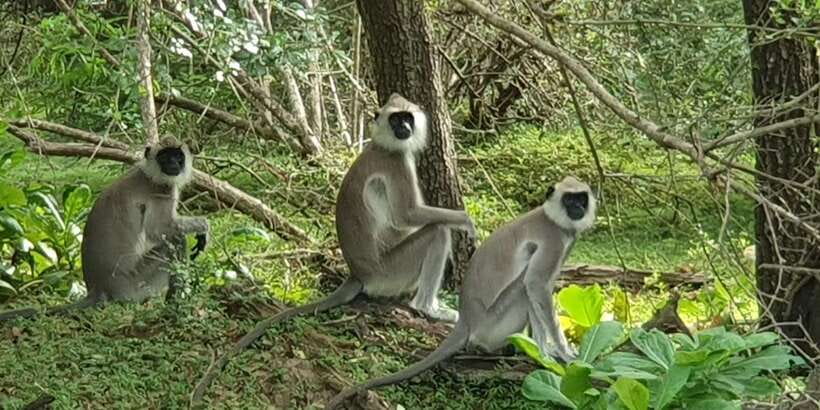
Your safari is explicitly aiming for a wide range of wildlife. Here’s what the plan sets expectations around, and how that can feel in practice.
Leopards
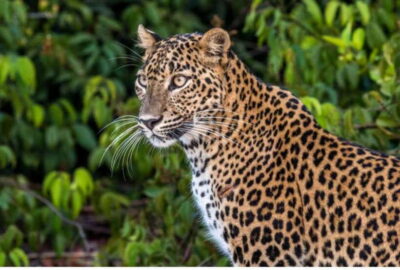
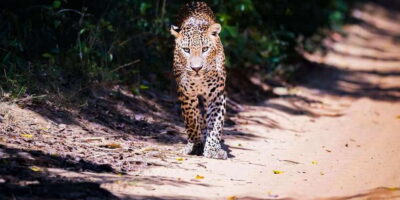
Leopards are the headline. Wilpattu is known for leopards, and this tour leans into that reputation. Sometimes you get a major moment, like seeing a leopard clearly. Other times, you may end the safari without the big-cat sighting. That’s not a failure of the park, it’s how wildlife viewing works.
If leopards are your top goal, consider this a “high-odds attempt,” not a guaranteed meeting.
Elephants and deer
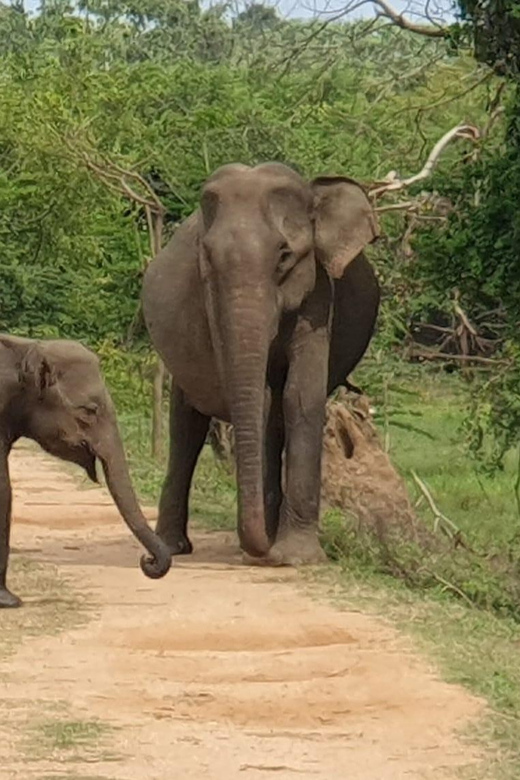
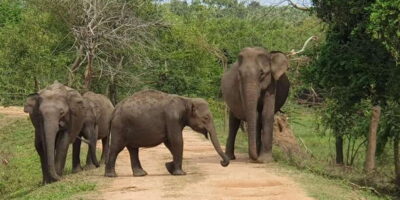
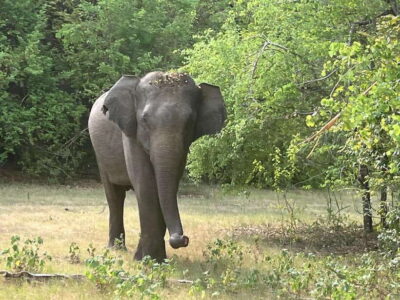
Elephants and deer are also part of the target list. In real safari outcomes shared from past bookings, deer and elephants show up often enough to keep the day feeling worthwhile, even if the leopard moment doesn’t happen.
Sloth bears
Sloth bears are mentioned as a possible sighting. But sloth bears are not something you should count on. If you do see one, it will feel like a true extra, not the main plot.
Birds, monkeys, and other movement
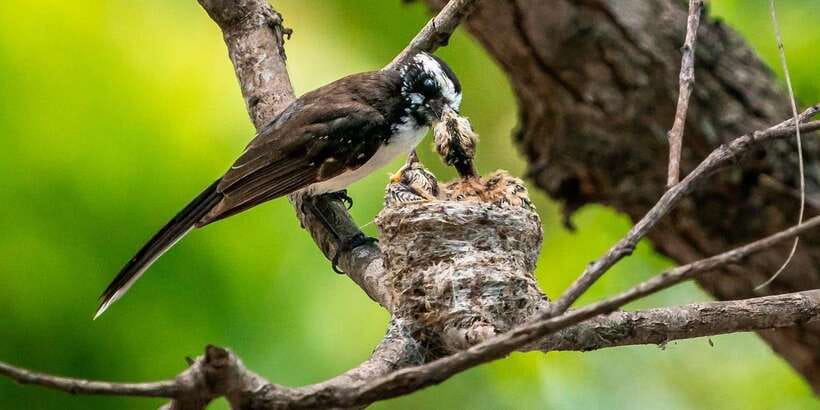
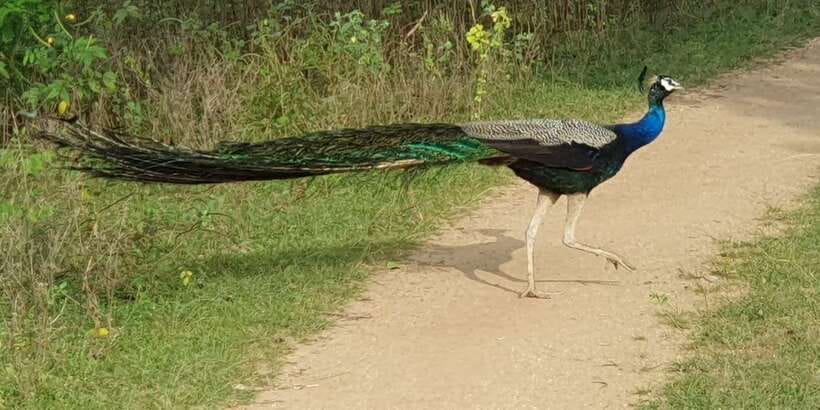
Birds are specifically mentioned in the tour expectations, and past sightings include peafowl and other activity, plus monkeys in some cases. This is where patience pays off. When birds are active, other animals may also be nearby, either feeding or moving through the same space.
4×4 jeeps, binoculars, and photo time that actually helps
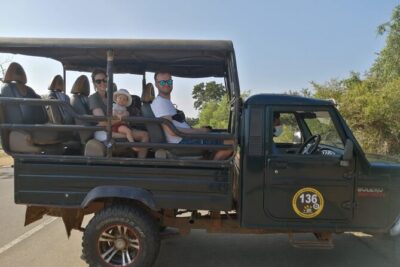
You travel in a comfortable, spacious safari jeep with a 4×4 safari setup. That’s not just a comfort detail. Rough roads and uneven ground mean a stable, capable vehicle matters for spotting. If you’re bouncing around too much, you miss subtle movement.
You also get binoculars included. This is one of those small inclusions that changes how you experience the drive. When you see a shape far off, binoculars let you confirm what it is, instead of guessing.
And yes, you can take pictures during the safari. That’s great because you’re not just learning about the animals, you’re recording the moment. Use your photo time wisely:
- Photograph from where you’re allowed to pause.
- Don’t block other views if people are scanning.
- If your guide pauses for a reason, treat it like a high-value minute.
Guides and English: where the experience can rise or fall
This safari includes an English live tour guide and an optional audio guide in English. On paper, that’s excellent.
In real-world terms, your day can still vary based on how well the guide performs in the field. Some experiences highlight guides who are friendly and able to provide lots of wildlife knowledge and background on the park and animals. Others describe issues like poor English, lack of confidence in identifying species, and less attention on spotting.
Here’s how you protect yourself without getting stressed:
- Ask early what language you’ll get in the jeep and confirm you’ll be able to understand the key explanations.
- If possible, set your expectation with the team that you want a wildlife-first safari, not a long session of unrelated conversation.
- Use the binoculars and your own scanning, because even the best guide cannot manufacture animal movement.
The best safaris feel like a partnership: your guide reads the park, and you follow the cues.
Price and value: $35 plus park tickets, so plan your real budget
The listed price is $35 per person, with the duration running roughly 5 to 10 hours. That range usually means pickup time plus about 4 hours in the park.
But here’s the math you should do before you book. National park entry tickets are not included, and they’re about $37. Food and drinks are also not included.
So your real baseline cost tends to be:
- Safari price: $35 per person
- Park entry: about $37 per person
- Food and drinks: depends on you
That doesn’t mean it’s overpriced. It means you should plan like an adult and budget the entry ticket too. When pickup is smooth, jeep comfort is good, and spotting focus is strong, the value feels solid because you’re paying for a guided, vehicle-based search in a big park.
If your main budget priority is keeping costs low, the best strategy is to bring your own snack or plan where you’ll eat later, since meals are not included.
Who this Wilpattu safari is best for
This is a strong fit if you:
- Want a wildlife-focused day in Wilpattu, with explicit attention on leopard sightings.
- Like the structure of having named in-park areas to look out for, like Kudiramale Point, Pomparippu, and Villu zones.
- Prefer a guided safari with a vehicle built for rough tracks.
It may be less ideal if you:
- Need highly polished English guiding in every minute of the drive, since language and spotting style can vary.
- Are visiting with the expectation that you will definitely see every target animal. The park does not work like that.
Also, this safari is not suitable for pregnant women, based on the activity rules you’re given.
Should you book the Wilpattu Morning or Afternoon Safari with Tiger Safaris?
If your heart is set on a Wilpattu safari with leopard odds, I think it’s worth booking, with one smart adjustment to your mindset. Treat this as a guided search with a good plan, not a guaranteed wildlife bingo card.
Book it if:
- You’re excited by the idea of trying for leopards and also seeing elephants, deer, sloth bears, and birds when the day allows.
- You want pickup and drop-off that protects your time.
- You appreciate binoculars and photo time inside the park.
Skip or reconsider if:
- You know you will be unhappy with inconsistent guide English or inconsistent spotting performance.
- You cannot handle the natural uncertainty of wildlife viewing on any given day.
If you do book, the best move is to choose the morning or afternoon slot that fits your travel flow, then go in with patience. Wilpattu is doing what it does best, wildlife finds you when it wants to. Your job is to stay alert, stay ready, and let the jeep roll you through the best chances the park offers.
FAQ
How long is the Wilpattu safari?
The safari duration is listed as 5 to 10 hours, with sightseeing in Wilpattu lasting about 4 hours.
Where can the safari pickup happen?
Pickup location options listed include Nochchiyagama, Sinharagama, Galkadawala, Anuradhapura, Negombo, and Colombo. The included pickup and drop-off are specifically listed for Wilpattu, Nochchiyagama, Sinharagama, and Negombo.
Where will the safari drop you off?
Drop-off location options listed include Sinharagama, Galkadawala, Nochchiyagama, Anuradhapura, Negombo, and Colombo.
Are park entry tickets included in the price?
No. National park entry tickets are not included and are about $37.
What about food and drinks?
Food and drinks are not included.
Will I have an English guide?
Yes. There is a live tour guide in English, and there is also an optional audio guide in English.
Can I take pictures during the safari?
Yes. You can take pictures of wildlife during the safari.
What vehicle will I use?
You travel in a 4×4 safari jeep, described as spacious and comfortable.
Are there any restrictions on who can join?
Alcohol and drugs are not allowed. The activity is not suitable for pregnant women.
Can I get a refund if my plans change?
Free cancellation is available up to 24 hours in advance for a full refund. You can also reserve now and pay later.
More Safaris in Negombo
More Tour Reviews in Negombo
Into Wilpattu
Still browsing Negombo? Start here
- Colombo Airport (BIA) to Galle Private Airport Transfer★ 5.0 · 3 reviews
- Airport Pick-up from Colombo Airport to Kandy★ 5.0 · 3 reviews
- Airport transfer to Arugambay★ 5.0 · 3 reviews
- 8 Days Tour Sri Lanka (Hotels, Breakfast, Dinner & Luxury Car)★ 5.0 · 3 reviews
- 9 Days Guided Tour Through Sri Lanka★ 5.0 · 4 reviews
Wilpattu Safaris, compared.
 ★ 5.0Wilpattu National Park Jeep Safari from Negombo / Waikkal (All Inclusive)From $152112 reviews
 ★ 4.3Wilpattu National park – Morning or Afternoon SafariFrom $3057 reviews
 ★ 3.8From Negombo: Wilpattu National Park Safari Guided Day TourFrom $10555 reviews
 ★ 4.4From Anuradhapura: All Inclusive Full Day Safari at WilpattuFrom $11750 reviews
 ★ 4.7Wilpattu National Park Safari Tour from ColomboFrom $10539 reviews
 ★ 4.4Wilpattu National Park: Private SafariFrom $3538 reviews
 ★ 4.5Wilpattu National park – Full day Safari (06:00am – 18:00pm)From $9538 reviews
 ★ 4.5Anuradhapura: Full-Day Wilpattu All Inclusive Private SafariFrom $9024 reviews
Browse the lists this tour appears in