
REVIEW · COLOMBO TOURS
Authentic Sinhalese Cooking Class in Colombo with a Local Family
A home kitchen in Colombo beats restaurant hopping. I love how you cook with host Shasikala’s family in their home kitchen, and I love the Kirulapone Market ingredient hunt, but there is no hotel pickup, so you will need to handle getting to the meeting point.
This is a true private class, so only your group cooks together at a calm pace. Pick lunch or dinner, and your menu can shift with the season, which helps you eat what local cooks are actually using right now.
In This Review
- Key highlights at a glance
- Meeting Shasikala in Dehiwala, Then Getting Cooking Fast
- The Optional Kirulapone Market Walk (And Why It Matters)
- Inside the Family Kitchen: How the Class Actually Works
- The Three Dishes You’ll Cook, and What to Focus On
- Seasonal vegetable dish
- Coconut sambol
- Fish or chicken curry
- Customizing the Menu, Lunch vs Dinner, and Special Diets
- What You’ll Eat at the End (And the Real Takeaway)
- A small extra you might appreciate
- Price, Value, and Timing for a 3-Hour Home Visit
- Practical Tips Before You Go (So It Stays Fun)
- Who Should Book This Cooking Class (And Who Might Skip It)
- FAQ
- What dishes will I learn to cook?
- Is there a market visit?
- Can I choose lunch or dinner?
- Can the class accommodate vegetarian, vegan, or halal meals?
- Where do we meet, and is pickup included?
- What is the cancellation policy?
- Should You Book This Colombo Home Cooking Class?
Key highlights at a glance
- Kirulapone Market first: see and shop for fruits, vegetables, spices, seafood, and meat, then use what you pick
- Old-school home kitchen: the cooking happens in Shasikala’s traditional family setup, not a demo studio
- Three dishes from scratch: seasonal vegetable, coconut sambol, plus fish or chicken curry
- Private, hands-on time: you learn by doing, with your group only
- Taste as you go: you may snack on locally grown fruit, and you’ll taste while preparing your meal
- Dietary options by request: vegetarian, vegan, and halal meals are available when you ask ahead
More of Colombo, once the first list runs out
- Colombo: Private Tuk-Tuk City Tour with All Entry Fees
★ 4.9 · 2,154 reviews - Colombo Tuk Tuk City Tour -Sightseeing Entry Fees & Food Included
★ 5.0 · 678 reviews - Colombo Private Tuk-Tuk City Tour with All Entry Fees Included
★ 5.0 · 524 reviews - Colombo: Private Tuk-Tuk City Tour with Guide & All Tickets
★ 4.9 · 471 reviews
Meeting Shasikala in Dehiwala, Then Getting Cooking Fast
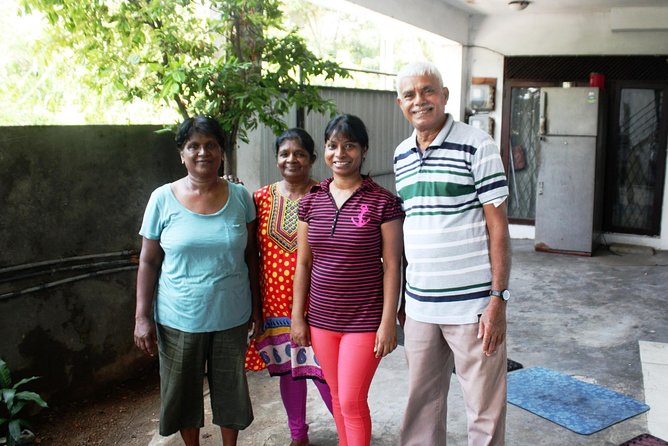
You start at Mayura Mawatha in Dehiwala-Mount Lavinia. The class ends back at the same meeting point, so plan a simple round trip and do not count on hotel pickup or drop-off.
I like that the experience is built around a real home in Bellanthara, Dehiwala, not a staged “cooking school” vibe. When Shasikala welcomes you in, you typically start with a drink like milk tea or fresh juice, then the family gets pulled into the story of the food. It helps you relax, and it makes the cooking feel like you are joining daily life rather than watching a performance.
Also, because it is private, you can ask questions as you cook, not just at the end. That matters with Sri Lankan flavors, where small choices like spice roasting, coconut handling, and chili balance can change the whole result.
The Optional Kirulapone Market Walk (And Why It Matters)
If you choose the market tour option, you meet Shasikala, then take a tuk tuk to the nearby local market. Once you are there, you walk through and take in the sights, sounds, and smells while you spot what local shoppers are buying.
This is not just window-shopping. You may taste a few locally grown fruits, and you can purchase a seasonal vegetable that you will later cook together. That gives the class a real through-line: you are not only learning recipes, you are learning how ingredients get chosen in daily life.
A market stop also helps you understand spice. In Sri Lanka, “spice” is never one thing. It is whole spices, ground spice blends, and the way they are treated in cooking. Even if you do not get a chemistry lesson, you will start noticing how strong aromas show up when spices are fresh, and how different cuts of seafood or chicken change what the curry needs.
Inside the Family Kitchen: How the Class Actually Works
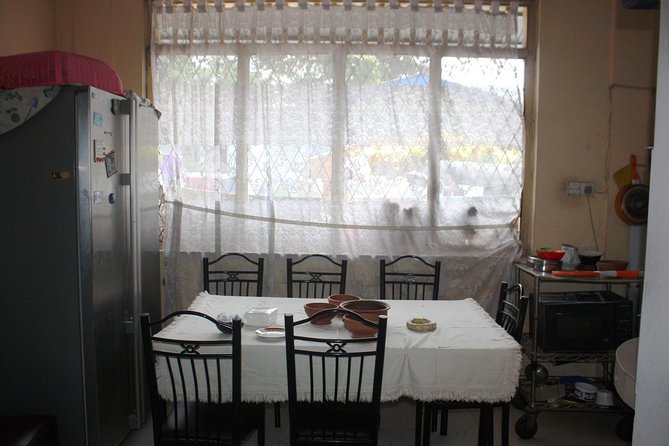
Cooking takes place in Shasikala’s home kitchen, described as an old, traditional cooking space. That detail sounds simple, but it changes the feel. You are not standing in front of a screen. You are moving in a working kitchen, where the flow of cooking is tied to how the family cooks at home.
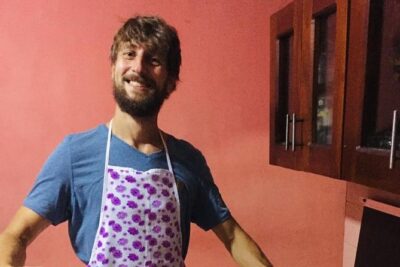
The hands-on part runs for about one hour inside the 3-hour experience window. You will make three Sinhalese dishes from scratch, learning as you go. Your instructor guides you through cooking steps, while you do the chopping, mixing, and stove work.
You will start by learning a seasonal vegetable dish and coconut sambol. Then you move into fish or chicken curry, depending on what you choose. This order makes sense, because sambol and the curry teach you two different skill sets: one is about flavor building with coconut, and the other is about developing a curry base that supports protein.
Hungry still? More kitchens to sit in


The Three Dishes You’ll Cook, and What to Focus On
You will cook three dishes, and the exact vegetable can vary with the season. Still, the core set is consistent, which makes it easier to recreate at home.
Seasonal vegetable dish
This is your first lesson in how Sri Lankan cooking treats vegetables. You are not just boiling or roasting. You are building flavor around the vegetable, then letting it absorb spices and seasoning.
What to watch for: pay attention to how your kitchen times the vegetable so it stays tender, not mushy. A seasonal vegetable can be delicate, so timing matters.
Coconut sambol
Coconut sambol is one of those dishes that looks straightforward until you actually try to balance it. You are working with coconut, and you learn how it should taste, not just how it should look.
What to watch for: focus on the texture. Sambol is not meant to be bland coconut. You want seasoning and bite to show up right away, so it does not taste heavy or flat.
Fish or chicken curry
Your third dish is a fish or chicken curry. This is where the class gives you the big payoff, because curry is the part most people struggle to recreate.
What to watch for: the flavor base. Curry improves as the sauce develops, and the stove steps you learn here are likely the same ones you will use for future Sri Lankan meals at home.
Customizing the Menu, Lunch vs Dinner, and Special Diets
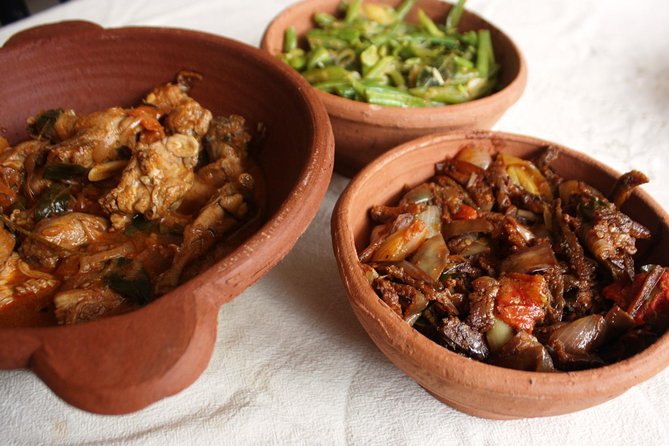
One of the smartest parts of this experience is that you can customize your menu. You also get a choice between lunch and dinner class times.
That flexibility matters if you are building a Colombo day. Lunch works well if you want something calmer early in the afternoon. Dinner makes sense if you are pairing your day with other activities, then finishing with a proper home-cooked meal.
Dietary needs are handled by request. Shasikala can offer vegetarian, vegan, and halal meals if you advise at booking. That is important because Sri Lankan cooking often uses animal products or dairy-like ingredients by default. In this class setting, asking ahead is the difference between forcing substitutions on the spot and cooking something that still tastes right.
What You’ll Eat at the End (And the Real Takeaway)
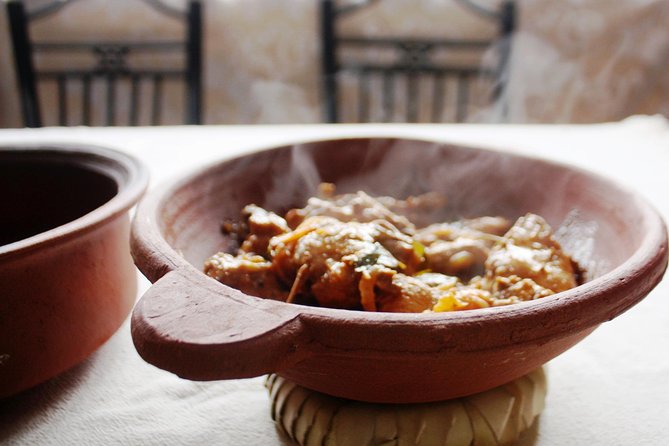
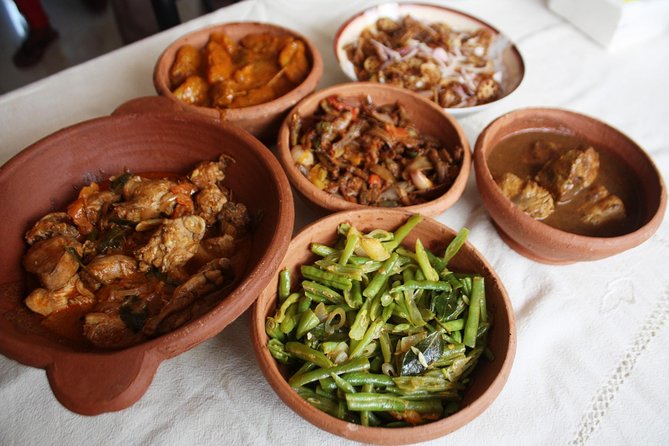
At the end, you enjoy the meal you helped prepare together. This is one of the most satisfying parts of a cooking class: you do not leave with a worksheet, you leave with dinner.
I love experiences like this because you get both the food and the “why.” You learn enough during cooking to understand how the dishes connect: sambol adds brightness and texture, the curry carries depth, and the vegetable dish brings balance to the plate.
Based on what people share after this class, the food tends to land as genuinely memorable, even compared with restaurant meals across Sri Lanka. If you care about flavor, not just a photo moment, you will appreciate that the meal comes from real household habits, not a production kitchen.
A small extra you might appreciate
In at least one account, Shasikala also arranged a tuk tuk to help people get back quickly and safely, and fresh herbs were shared to take home. You should not count on a specific takeaway every time, but it fits the warm host energy that comes through in the experience.
Price, Value, and Timing for a 3-Hour Home Visit
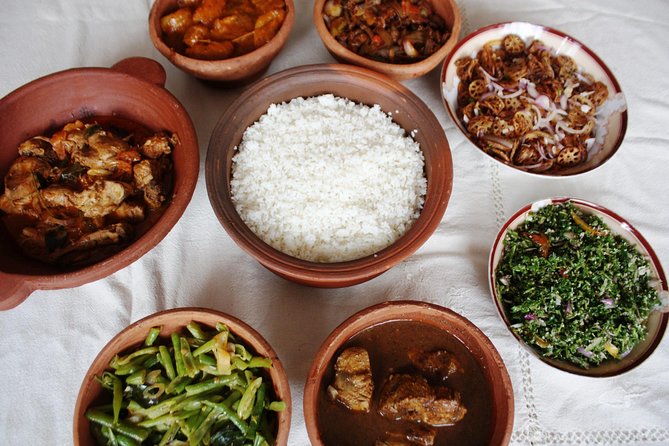
The price is $148 per person for about 3 hours. That is not cheap, but it is also not “paying for a chef in a studio.” You are paying for a private experience in someone’s home, including instruction, ingredients, and your meal.
Here is how I judge the value:
- Private instruction: only your group participates, which usually means you actually learn instead of just hovering.
- Hands-on teaching: about one hour is active cooking, not just watching.
- Market option adds value: if you choose the market tour, you spend time shopping for ingredients and tasting fruit along the way.
- Everything folded in: taxes, fees, handling charges, non-alcoholic beverages, and gratuities are included.
The biggest timing note is logistics. There is no hotel pickup, so you want to know how you will reach Mayura Mawatha. If you are relying on public transportation, plan extra buffer time so you arrive relaxed, not rushed.
Practical Tips Before You Go (So It Stays Fun)
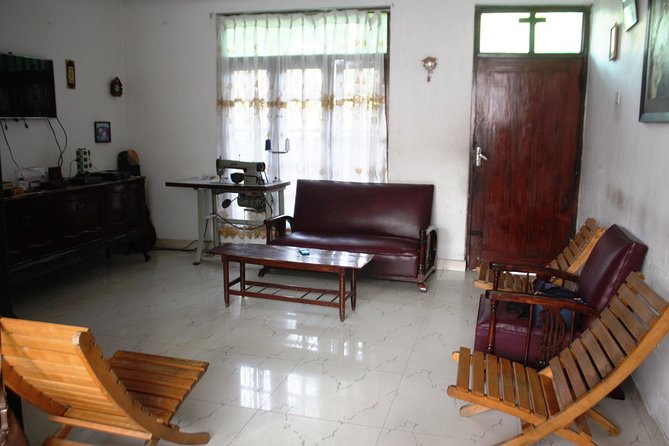
A home kitchen class runs differently than a restaurant visit. You will do real work, and you will likely be moving around a kitchen space.
Here are practical things to keep the experience smooth:
- Wear comfortable clothes you do not mind getting a little spice smell on.
- If you have allergy needs, tell the host at booking. The class can adjust, but you have to do it early.
- If you are choosing the market tour option, remember you will take a tuk tuk to the market, so build that travel time into your plans.
Also, since menus can vary by season, expect that what you cook might differ from what you see in pictures online. That is a feature, not a bug, because it is tied to what ingredients are available and at their best.
Who Should Book This Cooking Class (And Who Might Skip It)
Book this if:
- You want real Sinhalese home cooking taught by someone who lives the food, not just performs it.
- You like ingredient learning, especially the spice and coconut side of Sri Lankan cuisine.
- You prefer private experiences where you can ask questions while you cook.
- You want lunch or dinner in a Colombo day that is more personal than a typical restaurant meal.
Consider skipping if:
- You strongly prefer hotel pickup and drop-off. Here, you meet at the starting point and end back there.
- You want a commercial, high-production cooking class with lots of extra activities beyond cooking and eating. This is specifically described as a visit into a local’s home to meet a local expert cook and share culture through the meal.
FAQ
What dishes will I learn to cook?
You will learn to make three Sinhalese dishes: a seasonal vegetable, coconut sambol, and fish or chicken curry.
Is there a market visit?
You can choose a market tour option. If you choose it, you will visit a local neighborhood market with Shasikala, and you may taste locally grown fruit and purchase a seasonal vegetable to cook later.
Can I choose lunch or dinner?
Yes. You can pick between lunch and dinner class times.
Can the class accommodate vegetarian, vegan, or halal meals?
Yes. Shasikala can offer vegetarian, vegan, and halal meals on request. You should advise at booking.
Where do we meet, and is pickup included?
The start location is Mayura Mawatha, Dehiwala-Mount Lavinia, Sri Lanka. Hotel pickup and drop-off are not included, and the activity ends back at the meeting point.
What is the cancellation policy?
You can cancel for free up to 24 hours before the experience’s start time for a full refund. If you cancel less than 24 hours before the start time, the amount paid is not refunded.
Should You Book This Colombo Home Cooking Class?
I think you should, if your idea of a great trip includes learning how locals cook in their own rhythm. The mix of a home-kitchen class, optional market shopping, and three dishes you actually cook and eat makes this feel like a complete experience, not just a quick activity.
If you are comfortable getting to the meeting point on your own and you want a meal you can recreate at home, this is a strong choice. It is also a great fit for food-focused couples, families, or solo travelers who want a more human side of Colombo than what you get from a standard tour.
More Tour Reviews in Colombo
More Kitchens to Sit In
Colombo, Keep Exploring
Still browsing Colombo? Start here
- Safari Day Tour to Sigiriya Lion Rock and Golden Cave Temple★ 5.0 · 3 reviews
- Shore Excursion Colombo Port to Mount Lavinia Beach & Colombo city For 4 – 6 Pax★ 4.5 · 3 reviews
- Airport Taxi Transfers from Colombo Airport to Mirissa★ 5.0 · 3 reviews
- Private Car Hire with Driver-Guide for 03 Days Round Tour★ 5.0 · 3 reviews
- 7 Days Sri Lanka Safari Tour★ 5.0 · 3 reviews
Colombo Tours, compared.
 ★ 4.9Colombo: Private Tuk-Tuk City Tour with All Entry FeesFrom $232,154 reviews
 ★ 4.7From Colombo: Sigiriya and Dambulla Day Trip with SafariFrom $53842 reviews
 ★ 5.0Colombo Tuk Tuk City Tour -Sightseeing Entry Fees & Food IncludedFrom $34678 reviews
 ★ 5.0Colombo Private Tuk-Tuk City Tour with All Entry Fees IncludedFrom $32524 reviews
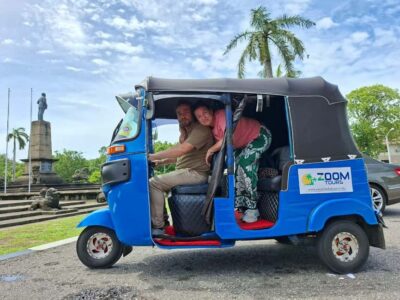 ★ 4.9Colombo: Private Tuk-Tuk City Tour with Guide & All TicketsFrom $22471 reviews
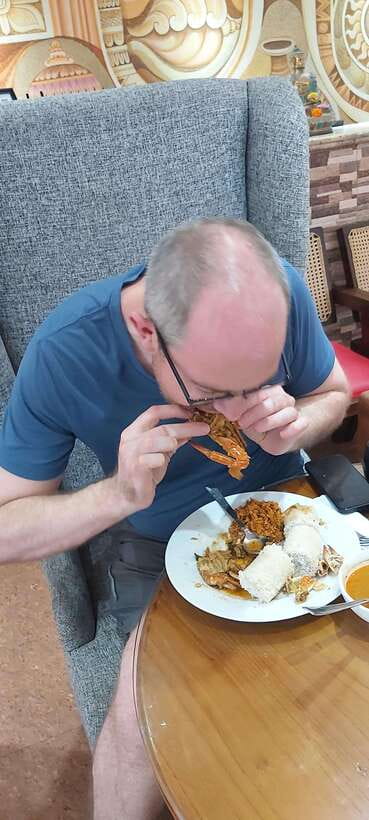 ★ 4.9Colombo Local Food Tour by Tuk Tuk – All InclusiveFrom $36261 reviews
 ★ 5.0Tuk Trip is Very Cheap in Colombo (All-inclusive ) city tourFrom $24260 reviews
 ★ 5.0Colombo Bay Tuk Tuk City TourFrom $35244 reviews
Browse the lists this tour appears in