
REVIEW · SRI LANKAN COOKING CLASSES
Cooking Class Sri Lanka with Locals
Fresh spice, real homes, no gimmicks. This Colombo cooking class turns a market run into a hands-on meal with ANU and Dhanuka in their family kitchen. I love the way you pick ingredients together, then cook with natural local spices, and I love that you eat what you make, for both lunch and dinner. One thing to plan for, it needs good weather since part of the experience includes an outdoor market visit.
The best part is the feel of a true local home experience, not a studio. You also get flexibility, you can choose your preferred timing for the class slot, and it’s private for your group. The main drawback is practical, drop-off is not included, so you’ll want a quick taxi or rideshare lined up for the end.
In This Review
- Key things to know before you go
- A Market-First Start That Makes the Cooking Click
- Meeting ANU and Dhanuka in a Real Colombo Home Kitchen
- Shopping for Sri Lankan Ingredients, and Why Coconut Comes Up So Often
- Natural Spices, Traditional Methods, and Building Your Own Menu
- Lunch and Dinner: Eating What You Cook, Not Just Watching
- The 4-Hour Rhythm, and How Timing Helps You Plan
- Getting There in Colombo: Pickup Included, Drop-Off Not Included
- Price and Value: What $40 Buys You in the Real World
- Who This Cooking Class Suits Best (and Who Should Think Twice)
- Should You Book Cooking Class Sri Lanka with Locals?
- FAQ
- What is included in the cooking class?
- How long is the Cooking Class Sri Lanka with Locals experience?
- Is pickup included?
- Is drop-off included?
- Is this class private or shared?
- Can I choose the timing of the activity?
- What happens after I book?
- Is there a refund if plans change?
- What if the weather is bad?
Key things to know before you go
- Market-first format so you start by choosing produce and sampling local fruit
- Local family hosts with instruction from ANU and Dhanuka plus family help
- Natural spices only with an emphasis on traditional flavor methods
- Lunch and dinner included so you get full value for a half-day class
- Pickup included, drop-off not so plan your return from the meeting area
- Weather matters since the experience requires good conditions
Hungry still? More kitchens to sit in
- Colombo Cooking Class
★ 5.0 · 151 reviews - Market Tour and Hands-On Cooking Class Colombo
★ 5.0 · 140 reviews - Cooking Class Sri Lanka with Locals
★ 5.0 · 101 reviews - Colombo Cooking Experiance with Explore Market
★ 4.7 · 33 reviews
A Market-First Start That Makes the Cooking Click
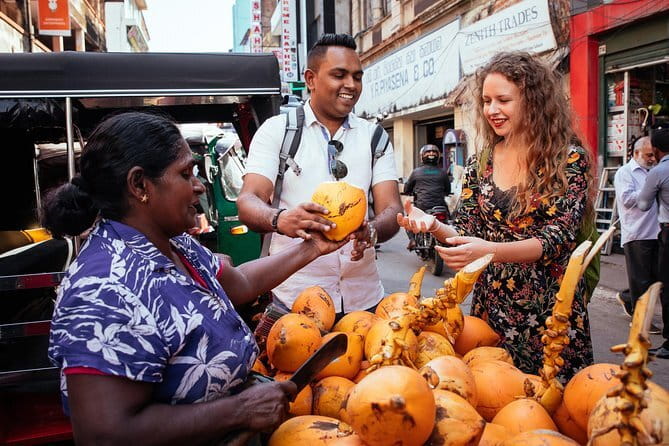
The experience begins the way real cooking begins, with shopping. You and your hosts head out to a local market to handpick ingredients, which instantly changes how you understand the final dishes. You’re not just following a recipe, you’re learning what makes certain fruit, vegetables, and pantry items worth choosing in the first place.
This market time also sets the tone. The hosts guide you through selection choices, and you may even sample local fruit while you’re there. That small tasting moment matters because it helps your brain connect flavor to source, not just to technique.
Practical note: wear comfortable shoes. Market surfaces can be uneven, and you’ll likely be doing plenty of short walking and standing.
Meeting ANU and Dhanuka in a Real Colombo Home Kitchen
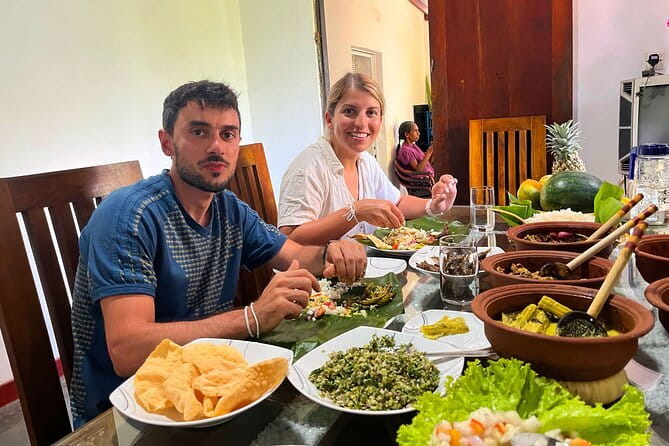
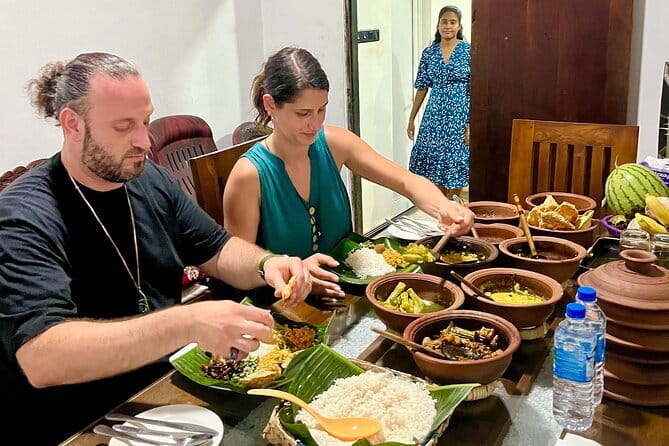
Instead of a classroom setup, you’re welcomed into a local home. The class is hosted by family members, guided by the home team led by Dhanuka and ANU, with additional help from their family. It’s hands-on from the start, so you’ll be doing real work in a real kitchen environment.
I like that the organizers highlight hygiene and cleanliness up front, and that the home is described as 100% clean and hygienic. That’s not a small point when a cooking class puts knives, hot pans, and food handling into your day.
You’ll also notice the teaching style. The hosts share culinary traditions in plain language, including practical lessons about balance. One standout theme from past participants is that they were surprised to learn that less can be better, especially when you understand how coconut and spices interact.
Shopping for Sri Lankan Ingredients, and Why Coconut Comes Up So Often
In Sri Lankan cuisine, coconut shows up everywhere, and the hosts make that connection easy. At this class, coconut is treated like more than an ingredient. It comes through as a flavor engine, and past participants have called it the life blood of the cuisine.
What you’re learning during the market portion is how ingredients behave once they hit the pan. When you pick produce at the source, you get a sense of ripeness and texture, which affects taste even before seasoning. You’ll also get a sense of why local spices are used in traditional ways, rather than relying on artificial shortcuts.
You should come hungry, but also ready to slow down. Market selection takes time, and the pacing is part of the value. This isn’t a race to the next station, it’s a lesson you can actually remember while you cook.
Other Colombo trips readers tend to shortlist
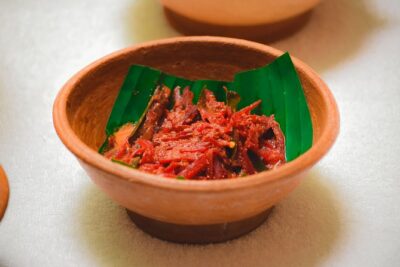

Natural Spices, Traditional Methods, and Building Your Own Menu
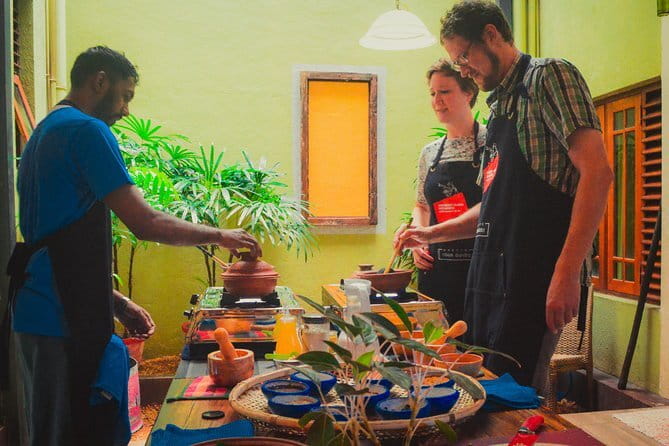
After the market, you move into cooking mode. The class focuses on using natural, local spices, with the promise of being free from artificial additives. That matters because it’s usually the difference between a dish that tastes like spice dust and one that tastes like a system of flavors.
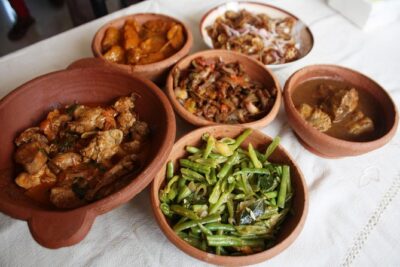
You’ll work on traditional dishes with guidance from your hosts. The goal is not just to make a meal, it’s to learn the sequence, when flavors bloom, and how sauces and seasoning come together. Even if you don’t cook at home often, you’ll likely leave with a better feel for how Sri Lankan flavors are constructed.
You’ll also hear about culinary tradition as you cook. One review described the experience as a jump from rustic to banquet, which is a fun way to say the class starts with simple ingredients and ends with a full-feeling meal.
Lunch and Dinner: Eating What You Cook, Not Just Watching
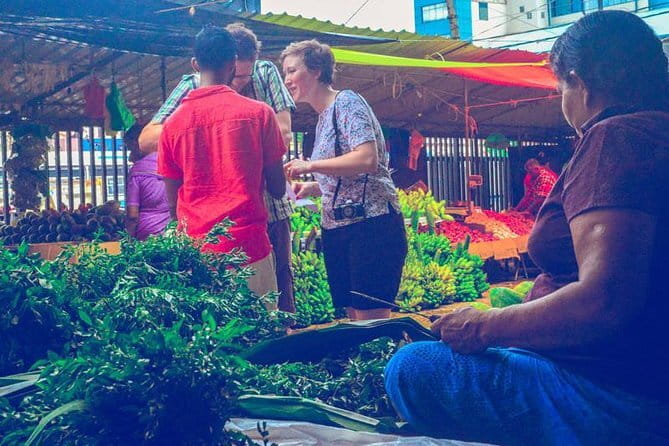
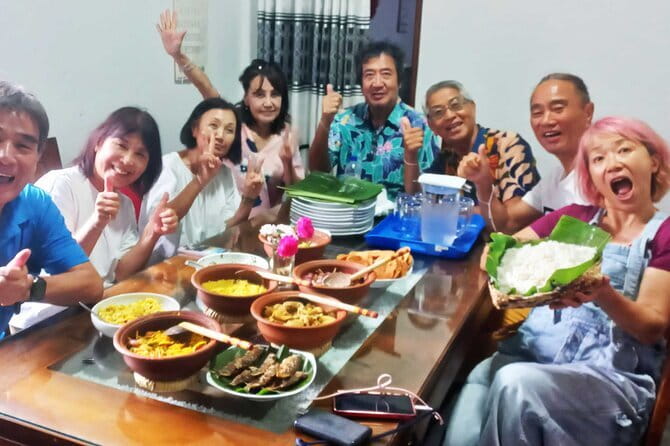
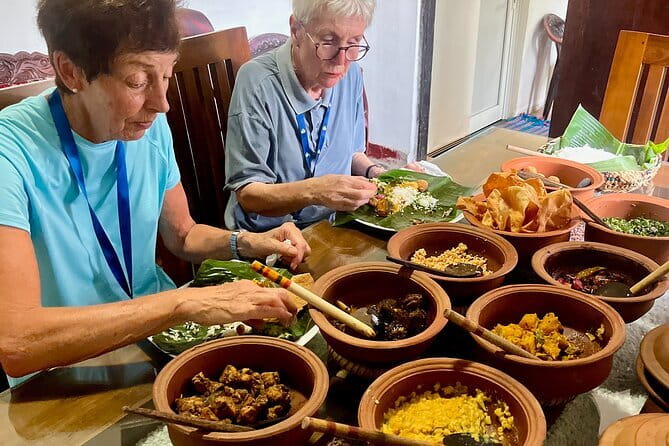
This is a full meal class. Lunch and dinner are included, which is a big part of the value at this price point. Many cooking classes are half-show, half-snack, but here you’re set up to actually sit down and enjoy the food you helped create.
That also changes how you learn. When you eat what you cooked, you can connect your choices immediately. If something tastes brighter or deeper than expected, you’ll remember which spice step and which timing led to that result.
A useful mindset: treat lunch as a feedback loop. Then treat dinner as your chance to apply everything you just learned to the next dishes.
The 4-Hour Rhythm, and How Timing Helps You Plan
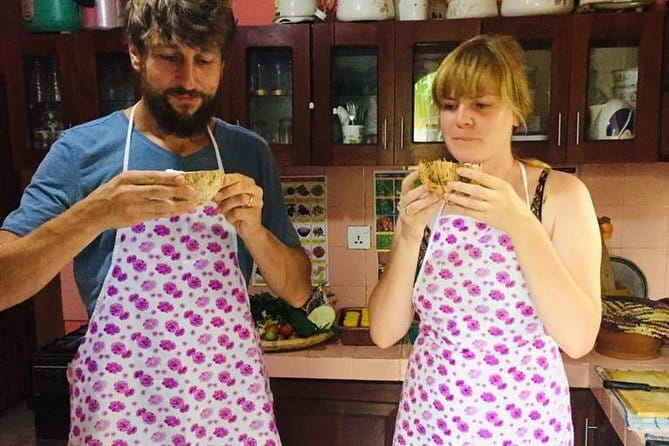
The class runs about 4 hours. In practice, that means you’re getting market time plus cooking time plus two meal sits. It’s a compact half-day that’s long enough to matter, but short enough not to chew up your whole Colombo day.
One nice perk is that you can select your preferred timing for the designated activity. That flexibility helps if you’re dealing with your hotel location, your other bookings, or the heat of the day. If you’re sensitive to sun and heat, you’ll probably be happier with a time that avoids the hottest window.
Group size is kept to your group only, which usually means a calmer, more attentive feel than a large shared tour.
Getting There in Colombo: Pickup Included, Drop-Off Not Included
Pickup is included, and that’s a real convenience in a city where traffic can be unpredictable. You won’t be scrambling to find the right corner or figuring out where to meet.
Drop-off is not included, though. The good news is they note it’s easy to grab a taxi or use Uber or PickMe from the location, and they’re happy to help you arrange it. So plan on leaving with your own transport for the final leg.
If you’re staying near public transportation, that also helps. The experience is described as near public transportation, so you aren’t locked into one specific route home.
Price and Value: What $40 Buys You in the Real World
At $40 per person for about 4 hours, this class is priced like a budget-friendly food experience, not a luxury cooking tour. The value comes from the combination of included meals plus ingredient shopping plus pickup.
Here’s the practical way to think about it. You’re paying for instruction, market guidance, and a full food experience with lunch and dinner. If you were to buy ingredients and pay for a guide-like teaching component separately, the math rarely looks this clean.
Also, the class is private for your group, which can matter if you’re traveling with friends or family. A private experience often gives you more room to ask questions and learn at your own pace.
Finally, free cancellation is available, and the experience requires good weather. That means you should choose a date with at least some flexibility in your overall schedule.
Who This Cooking Class Suits Best (and Who Should Think Twice)
This class fits you if you want your Sri Lanka food experience to feel personal and grounded in daily life. You’ll likely enjoy it most if you like learning through doing, not just eating. The market portion also appeals to food people, since you’re selecting ingredients rather than relying on whatever gets handed to you.
You might think twice if you prefer a highly structured classroom format, because this is a real home setting. You also need to be comfortable with the weather requirement, since the experience needs good conditions.
If you want a straightforward Colombo food highlight without hopping across half the city for multiple stops, this hits the sweet spot. It’s one location, one family team, and a clear arc from market to meal.
Should You Book Cooking Class Sri Lanka with Locals?
If you want a hands-on cooking lesson that includes both lunch and dinner, I’d book this. The ingredient market start is a smart setup, and the family-led teaching with ANU and Dhanuka gives it a warmer, more practical feel than touristy cooking demos.
Book it if you’re excited by natural local spices and you like to learn the “why” behind flavor, not just the steps. Skip it if you can’t be flexible with weather or you dislike arranging your own transport back at the end.
Overall, this is a solid value way to understand Sri Lankan cuisine through the eyes of a local home cook, with a market thread that actually makes the dishes make sense.
FAQ
What is included in the cooking class?
Lunch and dinner are included, along with air-conditioned vehicle pickup.
How long is the Cooking Class Sri Lanka with Locals experience?
It runs for approximately 4 hours.
Is pickup included?
Yes, pickup is included.
Is drop-off included?
No, drop-off is not included. You can use a taxi or rideshare like Uber or PickMe, and the provider can help you arrange it.
Is this class private or shared?
This is a private tour or activity. Only your group participates.
Can I choose the timing of the activity?
Yes, you have flexibility to select your preferred timing for the designated activity.
What happens after I book?
You receive confirmation at the time of booking.
Is there a refund if plans change?
Cancellation is free, and you can cancel up to 24 hours in advance for a full refund.
What if the weather is bad?
The experience requires good weather. If it’s canceled due to poor weather, you’ll be offered a different date or a full refund.
More Cooking Classes in Colombo
More Tour Reviews in Colombo
More Kitchens to Sit In
Still browsing Colombo? Start here
- Safari Day Tour to Sigiriya Lion Rock and Golden Cave Temple★ 5.0 · 3 reviews
- Shore Excursion Colombo Port to Mount Lavinia Beach & Colombo city For 4 – 6 Pax★ 4.5 · 3 reviews
- Airport Taxi Transfers from Colombo Airport to Mirissa★ 5.0 · 3 reviews
- Private Car Hire with Driver-Guide for 03 Days Round Tour★ 5.0 · 3 reviews
- 7 Days Sri Lanka Safari Tour★ 5.0 · 3 reviews
Sri Lankan Cooking Classes, compared.
 ★ 4.9Ella: Traditional Sri Lankan Cooking ClassFrom $19788 reviews
 ★ 5.0Organic cooking class sigiriya (kumara & family)From $28650 reviews
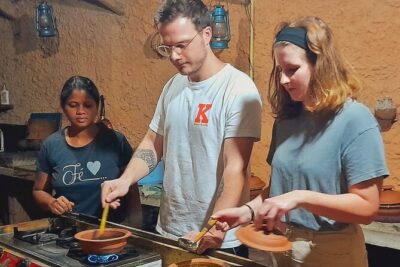 ★ 5.0Kandy Village Cooking ClassFrom $25536 reviews
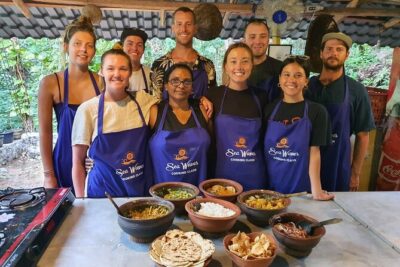 ★ 5.0Sea waves sri lankan cooking classFrom $59467 reviews
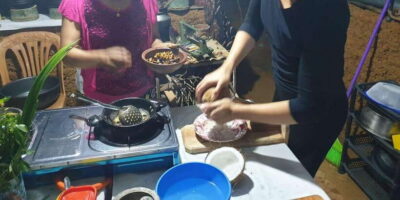 ★ 5.0Ella: Sri Lankan Cooking Class with Neranji at HomestayFrom $19276 reviews
 ★ 5.0Ella : Cooking class with amazing Spice Garden TourFrom $32239 reviews
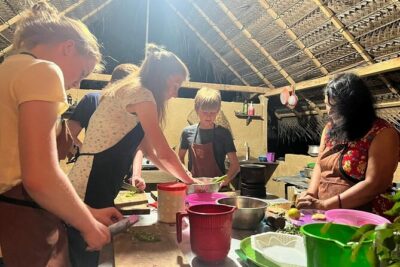 ★ 5.0Sajee’s Place Cooking ClassFrom $35237 reviews
 ★ 5.0Colombo Cooking ClassFrom $60151 reviews
Browse the lists this tour appears in