
REVIEW · SIGIRIYA ROCK FORTRESS TOURS
Organic cooking class sigiriya (kumara & family)
Organic dinner starts with a garden walk, and this Sigiriya class is built around farm-to-stove cooking with Kumara and family. I love the focus on traditional spice and ingredient prep, so you learn the why, not just the steps. You’ll also get a real sense of how a Sri Lankan meal comes together at the table, not only in a pan.
One practical note: they may not offer bottled water consistently. Several people advise bringing your own bottle so you can stay hydrated while you work outdoors.
In This Review
- Key things to know before you go
- Organic cooking in Sigiriya, with Kumara and family
- Getting there and making the timing work (2.5 hours)
- The garden walk: herbs, plants, and how organic food earns its flavor
- Learning the spices the traditional way, before you touch the stove
- Hands-on cooking: your role in a real Sri Lankan dinner
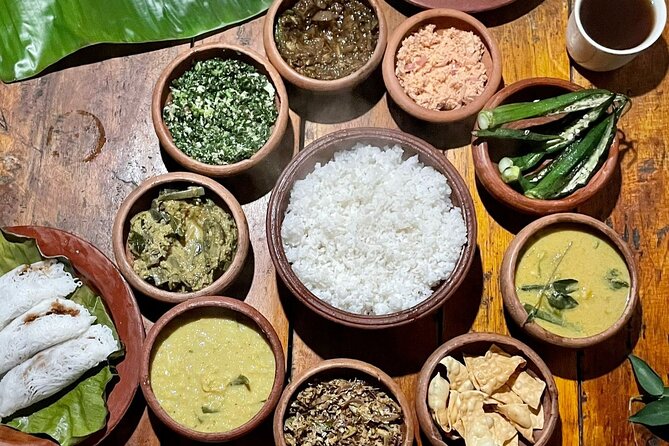
- What you might cook: curries, sambal, string hoppers, and dessert
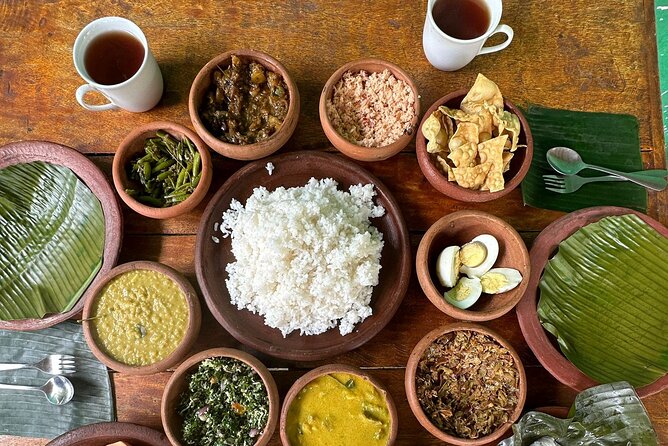
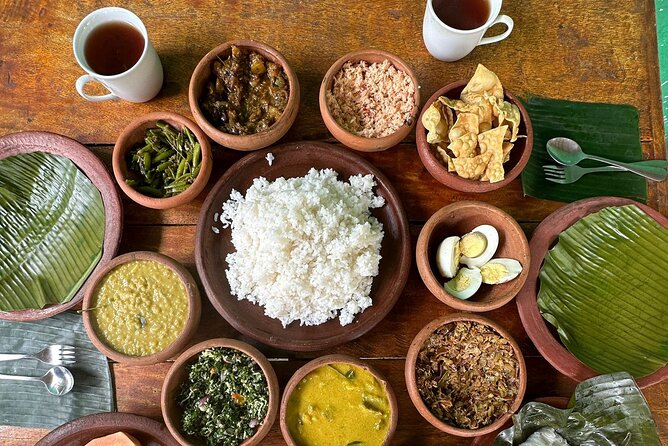
- The traditional table setup and your freshly cooked meal
- Value check: is $28 worth it?
- Who should book this class, and who might not love it
- Should you book Organic Cooking Class Sigiriya (Kumara & family)?
- FAQ
- Where does the organic cooking class in Sigiriya start?
- How long is the cooking workshop?
- Is the cooking class private?
- Do I need a ticket or confirmation?
- What do we cook and eat during the class?
- Do they teach spice preparation?
- Do we learn how to arrange a Sri Lankan dinner table?
- What drinks are included?
- Can I buy the spices they use?
- What is the cancellation and refund policy?
- Quick check before you go
Key things to know before you go
- Real organic, grown on site: you gather ingredients from the family garden and cook using what they grow.
- Spice prep is part of the lesson: you learn how spices are handled in a traditional way.
- You cook, not just watch: tasks are shared, and you get tips while preparing multiple dishes.
- Outdoor kitchen energy: many sessions happen on a wood-fired setup in the family’s cooking area.
- Traditional dinner table styling: you learn how the meal is arranged before you eat.
- Recipes you can keep: people report receiving recipes after the class to try again later.
Other routes up and around Sigiriya
- From Sigiriya: Minneriya National Park Private Jeep Safari
★ 4.9 · 415 reviews - From Sigiriya: Minneriya National Park Elephant Safari
★ 4.8 · 365 reviews - Cooking Class: Sajee’s Place Cooking Class sigiriya
★ 5.0 · 117 reviews - Organic Cooking Class sigiriya home Kitchen(Kumara & family)
★ 5.0 · 116 reviews
Organic cooking in Sigiriya, with Kumara and family
If you want more than a restaurant meal, this is the kind of experience that gives you the full story behind Sri Lankan food. In Sigiriya, you spend time in a family home connected to the food they serve, starting from the garden and ending with dinner.
What makes this class feel especially “local” is that it is built around cooking as a home skill, not a stage show. You’ll learn how curries are put together, where the ingredients and spices come from, and how the food flows dish to dish.
And because it is described as fully organic, you are not eating a mix of supermarket shortcuts. You are working with what is grown and prepared on the property, and that changes the whole feel of the meal.
Getting there and making the timing work (2.5 hours)
This class runs about 2 hours 30 minutes, and it starts back at the meeting point when you’re done. The listed start address is 284 kahatagahayaya, kalapuraya, Sigiriya 21120, Sri Lanka.
You’ll receive a mobile ticket, so plan to have your phone charged and ready. Also note that the experience requires good weather, so if rain or storms hit, you may be asked to switch dates or get a refund.
Transport is not described in the core details, but people have noted the family can help arrange a tuk-tuk to and from the location. If you want that kind of help, ask during confirmation and make sure you have a clear pickup time.
The garden walk: herbs, plants, and how organic food earns its flavor
The experience starts with an introduction to the ingredients, and that means you are not just guessing what goes into the food. You visit the family garden first, where you see the plants used in the meal.
This part matters because Sri Lankan cooking is built on layers: spices, fresh herbs, vegetables, and how everything is handled. When you understand what you are looking at in the garden, the lesson makes more sense once you reach the kitchen.
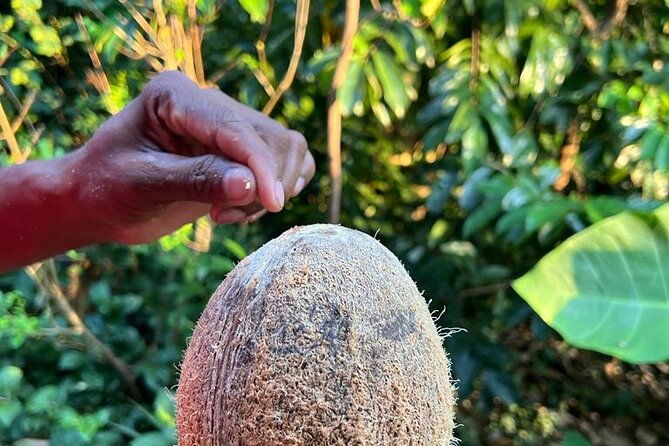
Many people also mention learning about herbs with an Ayurveda angle, including medicinal uses of certain plants. Even if you are not chasing the wellness side of it, it adds context to why families keep specific herbs and ingredients close.
Expect lots of time for explanation here, and then time to put what you learned into practice.
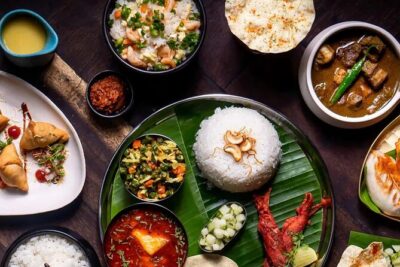
Hungry still? More kitchens to sit in

Learning the spices the traditional way, before you touch the stove
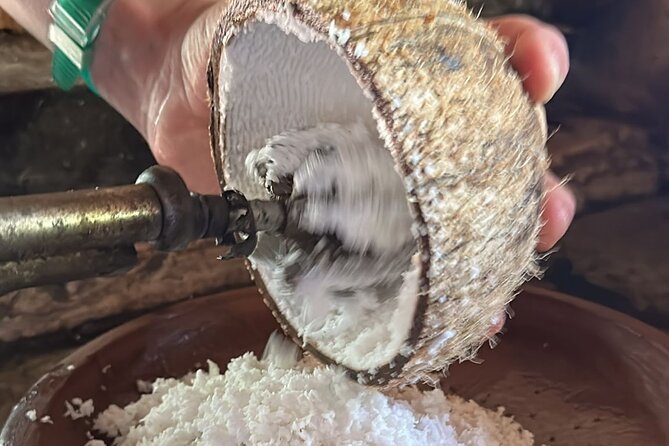
After the garden comes the spice story. You’ll get an introduction to the curries you’ll cook, plus an overview of the ingredients and spices used.
A big highlight is how they show spice preparation in a traditional way. That doesn’t just mean tasting something spicy. It means understanding that spices are processed, combined, and used in quantities that affect the final flavor.
You also learn how ingredients are prepped based on what’s needed. That is a surprisingly useful takeaway because home cooking often fails at the “wrong amount” stage, not the “wrong recipe” stage.
If you are the type who loves to cook after you travel, this is where you build the foundation. And if you want the spice mixes, you can also buy them during the experience.
Hands-on cooking: your role in a real Sri Lankan dinner
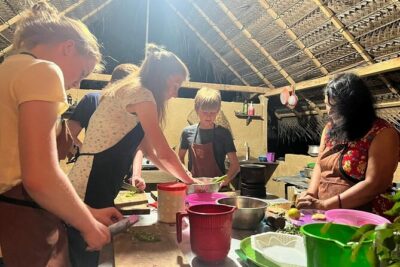
This is not a sit-and-watch class. You experience cooking with tips, with tasks that match what’s happening at that moment.
Sessions are described as happening in the family outdoor kitchen area. People have noted wood-fired cooking, and you can feel how that changes the pace and character of the food. It moves faster than indoors and asks for focus.
You’ll likely do everything from early prep to active cooking across multiple dishes. From the menu descriptions, you may work on several curry dishes along with accompaniments and possibly dessert, so you get a broader view of the Sri Lankan dinner table instead of one single dish.
Many participants also describe a warm, playful family atmosphere. Flower crowns have been mentioned, and the family approach comes through as collaborative, not strict.
The practical goal here is simple: you leave knowing how to make a Sri Lankan meal from start to finish, using fresh garden vegetables and organic ingredients.
What you might cook: curries, sambal, string hoppers, and dessert
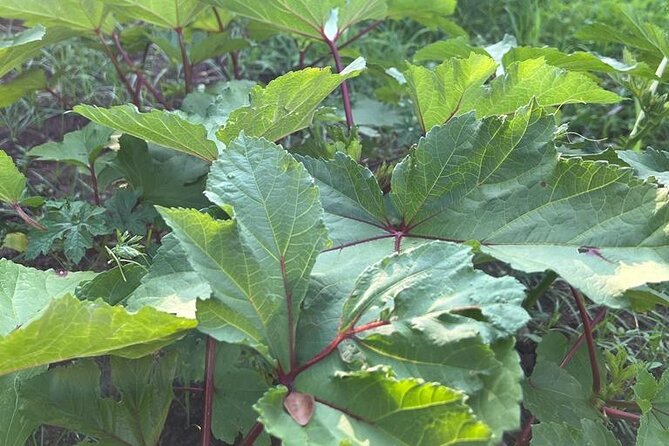
The class centers on a multi-dish curry dinner, with garden vegetables and an organic approach. Reviews and descriptions point to several dishes that commonly appear, though your exact menu can vary.
Here are examples of what people reported making:
- Curries like dahl, aubergine (eggplant) curry, and pumpkin curry
- Sweet potato curry and other vegetable-forward curries
- Sambal, a spicy condiment that adds punch and balance
- String hoppers, which are common in Sri Lankan meal spreads
- Coconut rotis, depending on the session
- A dessert to close the meal
Some people also described the dishes as vegan in style, and the ingredient choices reinforce that garden vegetables play a central role.
Even if you are not sure what you like, the best strategy is to go with an open mind. Sri Lankan food is not trying to mimic Western plates, it is building a system of flavors, textures, and heat levels that work together.
The traditional table setup and your freshly cooked meal
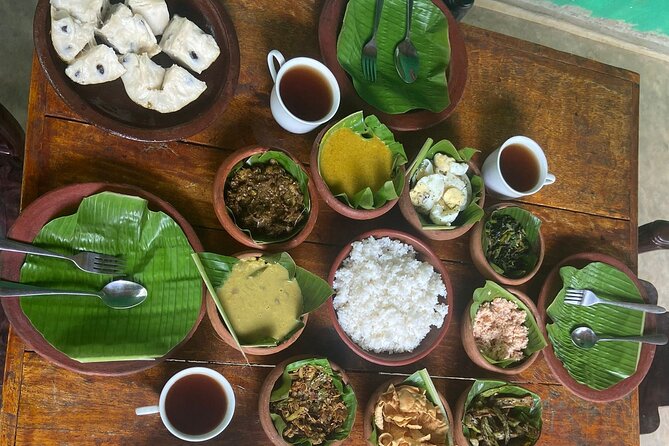
After cooking, you shift into tasting mode. You learn how a Sri Lankan dinner table is arranged in a traditional way, then you enjoy the meal you helped prepare.
This is more than a photo moment. The table arrangement changes how you experience the meal, because Sri Lankan eating is designed around sharing and pairing curries with the right accompaniments.
You get bottled water and herbal tea included in the experience details. At the same time, some people say you should bring your own bottled water, since you might be offered hot tea and water instead. To avoid the stress, pack a bottle anyway.
When the meal hits the table, you’re eating something that matches the lesson you just got. That farm-to-plate feeling is the whole point: you can taste the difference of fresher, organic ingredients and the care spent on spice prep.
Value check: is $28 worth it?
At $28 for about 2.5 hours, this sits in a very reasonable range for a cooking class that includes a full dinner. What makes it feel fair is the amount of instruction built into the time: garden walk, ingredient and spice explanations, hands-on cooking, and then the meal.
You are also paying for something harder to replicate than a single recipe: understanding how a Sri Lankan meal comes together as a system. A restaurant meal will feed you. This class tries to teach you how to cook the meal yourself.
Quality signals are strong too, with a 5-star rating and 99% recommended across 651 reviews. The comments consistently point to the same themes: homegrown ingredients, attentive family hosts, and food that tastes excellent.
If you typically spend a similar amount on one good meal, this is a better deal. You get more time, more context, and take-home recipes are mentioned as part of the experience.
Who should book this class, and who might not love it
This class fits best if you want hands-on food learning and you like the idea of eating what you cooked. Couples and solo travelers often enjoy the family rhythm because it feels personal, not commercial.
It is also a good match for anyone visiting Sigiriya who wants one “anchor” experience outside the usual sightseeing loop. You are in the area for attractions and views, but this adds a different kind of memory.
You might not love it as much if:
- You prefer restaurant-style meals with minimal time outdoors
- You want a super short, low-effort activity
- You are sensitive to weather changes, since the experience depends on good conditions
If you do book, pack sun protection and bring that extra bottle of water.
Should you book Organic Cooking Class Sigiriya (Kumara & family)?
Yes, if you want an authentic Sri Lankan cooking experience with organic garden ingredients and real instruction. For $28 and about 2.5 hours, you get a full dinner built from the ground up, plus spice learning and the tradition of the table itself.
Book it when you have good weather in your schedule and can handle an outdoor kitchen pace. If that sounds like your kind of travel day, this is a smart, memorable pick in Sigiriya.
FAQ
Where does the organic cooking class in Sigiriya start?
The meeting point is listed as 284 kahatagahayaya, kalapuraya, Sigiriya 21120, Sri Lanka.
How long is the cooking workshop?
It runs for about 2 hours 30 minutes.
Is the cooking class private?
The experience is described as a private, half-day organic cooking workshop.
Do I need a ticket or confirmation?
Yes. Confirmation is received at the time of booking, and the activity includes a mobile ticket.
What do we cook and eat during the class?
You cook a traditional Sri Lankan dinner from start to finish, including curries and accompaniments, using garden vegetables that are described as organic. You also enjoy the meal you prepare.
Do they teach spice preparation?
Yes. The class includes an introduction to the spices used and how the spices are prepared in a traditional way.
Do we learn how to arrange a Sri Lankan dinner table?
Yes. Part of the experience includes learning how the table is arranged in a traditional Sri Lankan way.
What drinks are included?
Bottled water and herbal tea are included in the tour details. Some participants note you may be offered hot tea and water but not bottled water, so bringing your own bottle can help.
Can I buy the spices they use?
The information says you can buy spices if you want.
What is the cancellation and refund policy?
Free cancellation is available. You can cancel up to 24 hours in advance for a full refund, and weather-related cancellations may offer a different date or a full refund.
Quick check before you go
If you want an experience that goes beyond eating and teaches you how Sri Lankan cooking works at home, this is a solid choice. Just come ready to work a bit outdoors, and bring water so you do not get caught off guard.
More Tour Reviews in Sigiriya
More Kitchens to Sit In
Sigiriya, More Approaches
Still browsing Sigiriya? Start here
- Sigiriya Cycle Tour: Explore Village Life in Sigiriya & Enjoy a Village Lunch★ 5.0 · 3 reviews
- Guided Hike & Picnic with an Amazing View on Pidurangala Rock★ 5.0 · 4 reviews
- Private Jeep Safari at Minneriya National Park★ 5.0 · 4 reviews
- From Sigiriya:Polonnaruwa Day Tour with Farmers lunch★ 5.0 · 4 reviews
- Kandy: City Highlights and Ramboda Waterfall Trip★ 5.0 · 4 reviews
Sigiriya Rock Fortress Tours, compared.
 ★ 4.7From Colombo: Sigiriya and Dambulla Day Trip with SafariFrom $53842 reviews
 ★ 4.9From Kandy: Sigiriya Rock & Dambulla Cave Temple AdventureFrom $29785 reviews
 ★ 4.9From Sigiriya: Minneriya National Park Private Jeep SafariFrom $38415 reviews
 ★ 4.8From Sigiriya: Minneriya National Park Elephant SafariFrom $33365 reviews
 ★ 5.0Day tour to Sigiriya & Dambulla from KandyFrom $25252 reviews
 ★ 5.0Kandy to Sigiriya Day Tour and Dambulla cave temple with private vehicleFrom $42232 reviews
 ★ 5.0Private Day Trip to Sigiriya & Dambulla from Kandy – Aaliya ToursFrom $52190 reviews
 ★ 4.7From Colombo: Sigiriya & Dambulla Day Tour with SafariFrom $48189 reviews
Browse the lists this tour appears in