
REVIEW · SIGIRIYA ROCK FORTRESS TOURS
Organic Cooking Class sigiriya home Kitchen(Kumara & family)
That wood stove cooking changes everything. In Sigiriya, this organic cooking class with Kumara and family turns a simple meal into a hands-on look at home cooking, right down to garden-picked vegetables and homemade spice mixes. It is part lesson, part kitchen-work, and part dinner you get to enjoy without standing over the pot.
I especially like the organic, homemade spice focus, because you do not just follow steps, you learn how flavors are built in real Sri Lankan kitchens. I also like the small group setup, capped at 10 people, which makes it easier to ask questions and actually work alongside the family. One thing to consider is that this happens in a private home kitchen on a wood stove, so expect a more rustic setting and a bit of kitchen heat and close quarters.
In This Review
- Key things to know before you go
- Why this organic cooking class is about more than recipes
- Kumara and family’s Sigiriya home kitchen setup
- The 2-hour flow, from ingredient picking to curry lunch and dinner
- Practical timing tip
- What you will actually learn about Sri Lankan flavors
- 1) Spices are not just seasoning, they are structure
- 2) Fresh vegetables shape the final balance
- 3) Multi-dish meals teach how curries talk to each other
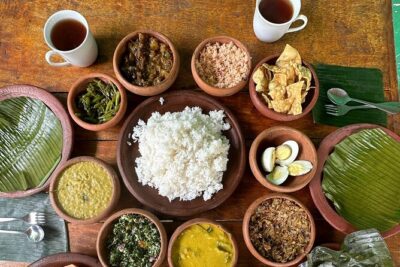
- The meal part: what “multi-dish curry lunch & dinner” feels like
- If you’re a picky eater
- Value for $28: what you get for the money
- Logistics that matter in Sigiriya (and how to plan around them)
- Who this experience suits best
- Before you go: simple prep that makes the class smoother
- Should you book Organic Cooking with Kumara and family in Sigiriya?
- FAQ
- Where is the cooking class meeting point?
- How long is the organic cooking class?
- How much does the experience cost?
- What kind of food will I cook and eat?
- Is the class using organic ingredients?
- How big is the group?
- What about cancellation if my plans change?
- Is there a ticket format mentioned?
- Is the activity easy to reach using public transportation?
Key things to know before you go
- Garden-to-kitchen ingredients: vegetables come from the home garden, not from a store.
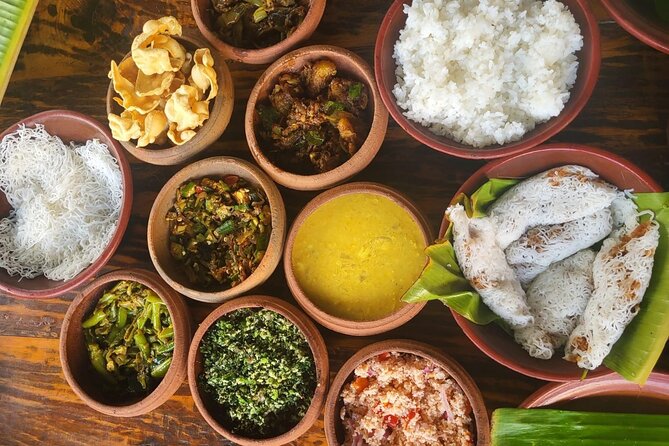
- Homemade spices, explained simply: you learn how the spice blends work in Sri Lankan cooking.
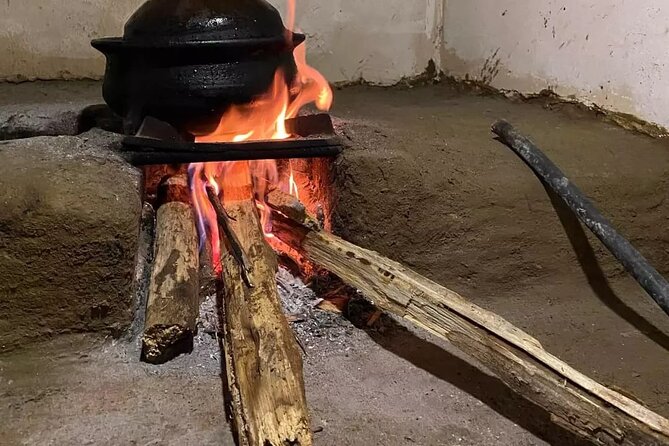
- Wood stove cooking: the heart of the experience is real stove-side work in a village home.
- Multi-dish curry meal: plan on lunch and dinner made from what you help prepare.
- Small group, up to 10: more attention, less waiting around.
- Private residence setting: you are a visitor inside a real family kitchen, not in a restaurant classroom.
Other routes up and around Sigiriya
- From Sigiriya: Minneriya National Park Private Jeep Safari
★ 4.9 · 415 reviews - From Sigiriya: Minneriya National Park Elephant Safari
★ 4.8 · 365 reviews - Cooking Class: Sajee’s Place Cooking Class sigiriya
★ 5.0 · 117 reviews - Organic Cooking Class sigiriya home Kitchen(Kumara & family)
★ 5.0 · 116 reviews
Why this organic cooking class is about more than recipes
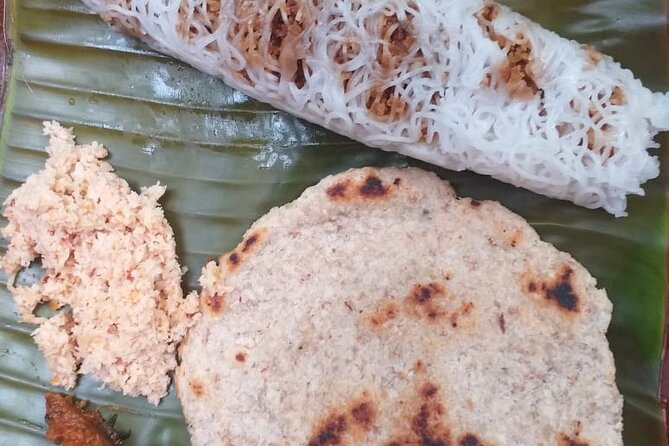
A lot of cooking classes teach you to repeat a dish. This one teaches you how a Sri Lankan family builds dinner day after day, using what is in the yard and what is seasonally available. That difference matters, because once you understand the spice logic, you can cook beyond the single menu you practiced.
The class also leans hard into organic ingredients, with vegetables harvested from the garden and spices made at home. When spices are homemade, the scent and texture often match the cooking style, not just the label. That makes the final curry taste more grounded and less “recipe-like.”
And because you are doing the work with the family in their home, the mood is relaxed. It feels less like a formal class and more like being invited to help, then being fed well afterward.
Kumara and family’s Sigiriya home kitchen setup
The meeting point is Organic cooking class Sigiriya (Kumara & family), at 284 Kahatagahayaya, Kalapuraya, Sigiriya 21120, Sri Lanka. The experience ends back at the meeting point, which is handy because you do not lose half your time to transfers.
You cook in a private residence kitchen, using a wood stove. That detail can be a deal-maker if you love the real feel of traditional cooking. Wood heat tends to change how dishes smell and how sauces reduce, and it also changes how you time tasks while the kitchen is active.
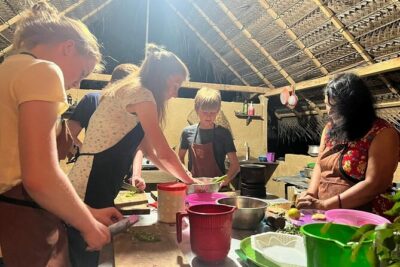
Group size stays small, with a maximum of 10 travelers. In practice, that means you are less likely to be standing on the edge of the kitchen watching while someone else does the prep. It also tends to create a more personal atmosphere, which the reviews strongly point to through consistent warmth from the host family.
The 2-hour flow, from ingredient picking to curry lunch and dinner
This is listed as about 2 hours, so you should expect a tight, efficient rhythm. The great part is that the time is spent doing the work, not just listening.
Here is the typical sequence based on what the experience focuses on:
1) Welcome and orientation inside the home
You start at the family home, where the host family introduces the cooking setup and the ingredients that will anchor the meal. This is also where you get a feel for what roles you will take during prep.
2) A short garden ingredient walk
Next comes the garden side of the experience. You gather vegetables from the yard, which is not just “cute tourism.” It gives context for why certain dishes taste the way they do and why fresh produce changes the final result.
3) Spice learning, including homemade blends
Then you shift from produce to flavor. The class emphasizes Sri Lankan spices and explains how they show up across dishes. Since the spices are homemade, you get a direct sense of how the family prepares and seasons, rather than relying on pre-packaged mixes.
4) Cooking on the wood stove
Now you do the hands-on part. You help prepare multiple dishes, using the wood stove kitchen setup. Expect plenty of activity since multiple dishes are involved.
5) Sit back and enjoy
Finally, you eat what you helped cook. The experience is described as producing a multi-dish curry lunch & dinner. Even with a 2-hour workshop, the point is that you will be fed, not just tasting a tiny sample.
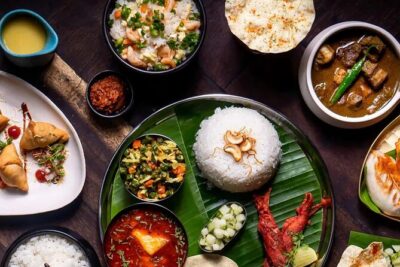
Hungry still? More kitchens to sit in

Practical timing tip
Because the schedule is compact, arrive on time. In a small home kitchen, delays ripple fast. If you want the full experience, treat this like an appointment, not a flexible wander.
What you will actually learn about Sri Lankan flavors
The heart of this class is the way spices and ingredients work together. Sri Lankan cooking can feel complex at first glance, because there is often more than one spice direction going on in a single meal. This class helps you untangle that by pairing the learning with actual cooking tasks.
You should pay attention to three themes:
1) Spices are not just seasoning, they are structure
The class highlights Sri Lankan spices and notes that the spices are homemade. That means you are likely learning how blends are prepared and when different components go into the pot. When you understand timing, curries make more sense.
2) Fresh vegetables shape the final balance
Because the ingredients come from the garden, your vegetables are likely at their most flavorful stage. That matters. Freshness affects sweetness, texture, and how quickly things soften, which changes how the curry thickens and how the sauce sits with the veg.
3) Multi-dish meals teach how curries talk to each other
Cooking more than one curry or dish helps you see the pattern. One dish might be built for heat, another for depth, and another for texture. Even if you only take home one lesson, practicing multiple dishes in a single session helps you understand how Sri Lankan meals are composed.
The meal part: what “multi-dish curry lunch & dinner” feels like
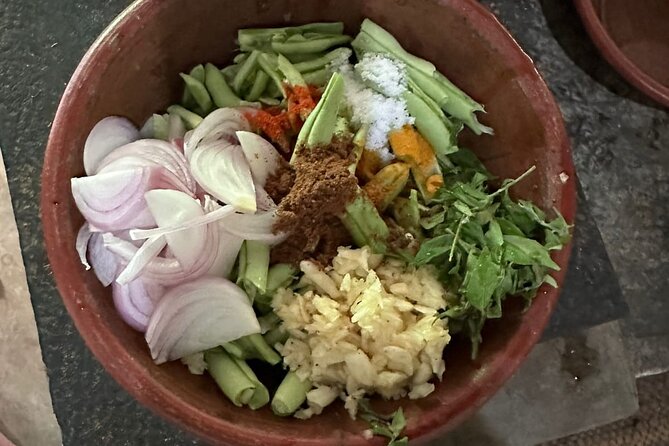
Being fed is not an afterthought here. The workshop is designed so you cook, then you eat the result. And the description is clear that you are working toward a multi-dish curry lunch & dinner.
What I like about this format, as a value proposition, is that you get more than a snack and a couple tastes. You get a full meal experience that matches the home kitchen style, not a “presentation plate.”
Also, eating in the same setting where you cooked changes how you judge flavor. It is easier to connect cause and effect when your bowl is sitting right after the wood stove work.
If you’re a picky eater
This is a Sri Lankan food experience using garden vegetables and curry-based dishes, so you should be comfortable with spices and traditional cooking flavors. If you have strict dietary restrictions, the information provided does not specify ingredient substitutions. In that case, message the provider before you go and ask what they can accommodate.
Value for $28: what you get for the money
At $28 for about 2 hours, this sits in the category of experiences that feel affordable because the value is practical. You are paying for:
- hands-on instruction,
- ingredient collection from the home garden,
- homemade spices learning,
- and a meal that is described as multi-dish curry lunch & dinner.
Compared with classes that charge more but only let you chop a little and then eat a small sample, this one is built around real cooking and a real shared meal. Small group size helps too, because you are not paying for a crowd. You are paying for access to a family kitchen and guidance.
One more point: free cancellation is offered up to 24 hours in advance for a full refund. That reduces the risk if your plans shift.
Logistics that matter in Sigiriya (and how to plan around them)
Because the start and end are at the meeting point, you do not have to factor in long return travel. That is a quiet win for a half-day plan.
The experience also notes that it is near public transportation. That helps if you are using local buses or tuk-tuks and want an easy drop-off point.
A wood stove kitchen is a practical detail to remember. Even with good ventilation, kitchen heat and cooking smells are part of the real thing. Wear clothes you do not mind getting a little spice and cooking aroma on them.
Also, confirmation is received at the time of booking. That is helpful because you can plan around it without waiting for last-minute messages.
Who this experience suits best
This is a great fit if you:
- want authentic Sri Lankan home cooking, not just a cooking demo,
- like ingredient stories, especially garden-to-plate meals,
- enjoy learning spices and flavor building,
- and you prefer smaller group experiences.
It also suits families or solo travelers who want a human-scale experience. Reviews highlight that the host family is welcoming and that you may learn about herbs and even natural medication alongside cooking. That kind of context is often what makes a food experience stick in your memory.
If you are chasing a high-tech, hotel-style activity, this will feel more rustic and personal. There is comfort in that, but it is not the same vibe as a polished studio class.
Before you go: simple prep that makes the class smoother
A few small choices can make the session easier:
- Bring questions. The small group size is there for a reason, use it.
- Arrive on time, since a home kitchen runs on timing.
- Wear comfortable clothes and shoes you can move in.
- If you have dietary limits, confirm ahead of time. The provided details focus on organic garden produce and homemade spices, but they do not list substitutions.
Should you book Organic Cooking with Kumara and family in Sigiriya?
Book it if you want a real village-home cooking experience in Sigiriya, with organic garden ingredients and homemade spices taught by a family inside their own kitchen. The value is strong because you cook, then you eat a multi-dish curry meal, all in about 2 hours with a small group.
Skip it or think twice only if you need a very modern facility, expect an extremely hands-off lesson, or have restrictions that require ingredient swaps not listed in the information. Otherwise, this is the kind of experience that gives you more than a recipe. It gives you the logic behind Sri Lankan flavor, plus a full meal you can actually enjoy on the spot.
FAQ
Where is the cooking class meeting point?
It starts at Organic cooking class Sigiriya (Kumara & family), 284 kahatagahayaya, kalapuraya, Sigiriya 21120, Sri Lanka.
How long is the organic cooking class?
The duration is listed as about 2 hours.
How much does the experience cost?
The price is $28.
What kind of food will I cook and eat?
You help prepare a multi-dish curry lunch & dinner, and you then sit back and enjoy the meal that is prepared.
Is the class using organic ingredients?
Yes. The experience description says all items are organic, with vegetables harvested from the garden and spices made at home.
How big is the group?
The maximum group size is 10 travelers.
What about cancellation if my plans change?
Free cancellation is available. You can cancel up to 24 hours in advance for a full refund.
Is there a ticket format mentioned?
Yes, it is a mobile ticket.
Is the activity easy to reach using public transportation?
The activity is noted as near public transportation. Service animals are allowed.
More Tour Reviews in Sigiriya
More Kitchens to Sit In
Sigiriya, More Approaches
Still browsing Sigiriya? Start here
- Sigiriya Cycle Tour: Explore Village Life in Sigiriya & Enjoy a Village Lunch★ 5.0 · 3 reviews
- Guided Hike & Picnic with an Amazing View on Pidurangala Rock★ 5.0 · 4 reviews
- Private Jeep Safari at Minneriya National Park★ 5.0 · 4 reviews
- From Sigiriya:Polonnaruwa Day Tour with Farmers lunch★ 5.0 · 4 reviews
- Kandy: City Highlights and Ramboda Waterfall Trip★ 5.0 · 4 reviews
Sigiriya Rock Fortress Tours, compared.
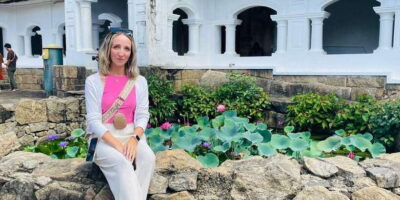 ★ 4.7From Colombo: Sigiriya and Dambulla Day Trip with SafariFrom $53842 reviews
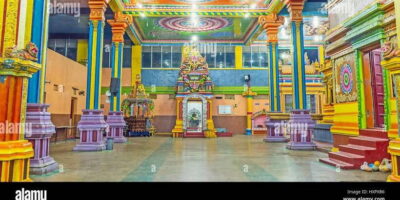 ★ 4.9From Kandy: Sigiriya Rock & Dambulla Cave Temple AdventureFrom $29785 reviews
 ★ 5.0Organic cooking class sigiriya (kumara & family)From $28650 reviews
 ★ 4.9From Sigiriya: Minneriya National Park Private Jeep SafariFrom $38415 reviews
 ★ 4.8From Sigiriya: Minneriya National Park Elephant SafariFrom $33365 reviews
 ★ 5.0Day tour to Sigiriya & Dambulla from KandyFrom $25252 reviews
 ★ 5.0Kandy to Sigiriya Day Tour and Dambulla cave temple with private vehicleFrom $42232 reviews
 ★ 5.0Private Day Trip to Sigiriya & Dambulla from Kandy – Aaliya ToursFrom $52190 reviews
Browse the lists this tour appears in