
REVIEW · SRI LANKAN COOKING CLASSES
Organic Cooking Class with Garden Visit by Sinhagiri
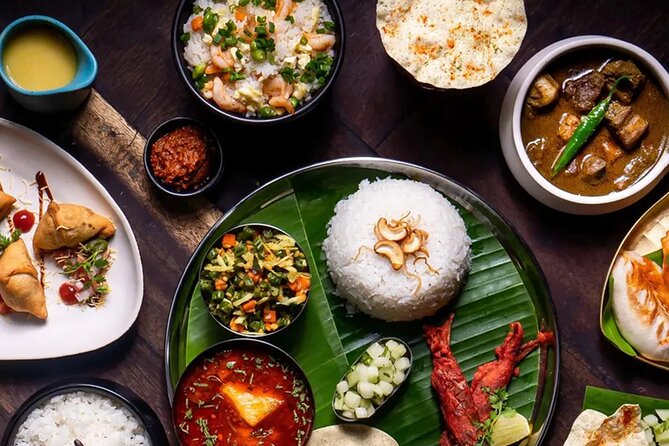
A garden-to-curry class in Sigiriya beats a standard tour. You start at Green Hut Nature Resort around 4:00 pm, walk through the organic garden, then cook an authentic rice-and-curry dish in a small group. You also get a calm, practical lesson on local technique, not just a cooking show.
What I like most is the garden ingredient picking, which makes the meal feel connected to the place. I also love the focus on step-by-step cooking with a home chef, followed by sitting down to taste what you made. It is hands-on and friendly.
One possible drawback: the garden walk can feel a bit thin depending on how well the garden is being maintained that day. If you came for a deep botanical tour, go in expecting more of a functional prep walk than a full nature exhibit.
In This Review
- Key things you will notice
- Sigiriya Organic Cooking Starts at Green Hut Nature Resort
- The 4:00 pm Garden Walk, and How to Pick for Curry
- Kitchen Lesson with a Home Chef, Rice-and-Curry Step by Step
- What You Eat After Cooking, and How to Recreate It Later
- Small-Group Atmosphere, Clean Setup, and Clear Communication
- Price and Logistics: Getting Value from a 3-Hour Class
- Who Should Book This Organic Cooking Class in Sigiriya
- Should You Book Sinhagiri’s Garden-to-Curry Class?
- FAQ
- Where is the meeting point for the organic cooking class?
- What time does the class start?
- How long does the experience last?
- How many people are in the group?
- What happens during the garden visit?
- What will you cook in the class?
- Do you get to eat what you cook?
- Is there a mobile ticket?
- Will I get confirmation after booking?
- What is the cancellation policy?
Key things you will notice
- Small-group limit of 5, so you get time with the cook and clear help
- Organic produce picking before you start cooking your curry
- Step-by-step guidance that makes Sri Lankan cooking feel doable
- Clean, well-prepared kitchen setup, making the whole lesson comfortable
- Warm welcome with mango juice, and a relaxed, funny, friendly teaching style
Hungry still? More kitchens to sit in
- Organic cooking class sigiriya (kumara & family)
★ 5.0 · 650 reviews - Cooking Class: Sajee’s Place Cooking Class sigiriya
★ 5.0 · 117 reviews - Organic Cooking Class sigiriya home Kitchen(Kumara & family)
★ 5.0 · 116 reviews - Organic Cooking Class with Garden Visit by Sinhagiri
★ 5.0 · 65 reviews
Sigiriya Organic Cooking Starts at Green Hut Nature Resort
This experience is set up for an easy, human pace. You meet at Green Hut Nature Resort, on Temple Road in New Town, Sigiriya (21120). The start time is 4:00 pm, which is a smart choice for comfort in Sri Lanka, plus it naturally fits into an afternoon that is slower than a full-day outing.
Right away, the format tells you what kind of tour this is. It is not a bus-and-brochure stop. It is a kitchen class with a garden visit attached. That matters, because the garden part is not just for photos. It is to give you ingredients you can actually recognize and use later, even if you are not an experienced cook.
Price matters too. At $28 per person for about 3 hours, this lands in the mid-range for cooking classes. The value swings depending on what you want most: if you want to learn technique and cook something you can repeat, this is a good match. If you only want the meal with minimal teaching, you might feel the cost is higher than you expected.
The group size cap of 5 travelers is one of the biggest selling points. In a class this short, small groups keep the lesson moving and make it realistic for you to ask questions while cooking is happening.
The 4:00 pm Garden Walk, and How to Pick for Curry
The experience begins with a walk in the garden, and yes, you will be picking vegetables for cooking. This part sets the tone. Instead of being told what goes into curry, you see ingredients growing and handle them before they become dinner.
In a typical Sri Lankan rice-and-curry meal, flavors depend on fresh produce and the balance of ingredients. That is why this first step is so useful. When you pick your own vegetables, it becomes easier to remember what you used and why it worked. Even if you later recreate the dish at home with different produce, you will have a better sense of the role each ingredient plays.
What you should expect from the garden visit:
- You are walking and selecting ingredients for your curry
- The lesson stays practical, focused on what matters for the cooking step
- It is more about getting the inputs than being an in-depth botany class
A consideration from the experience notes and feedback: the garden tour can feel a bit thin when the garden is not in top shape. That does not mean the class is bad. It just means you should treat the garden as a sourcing and prep step, not the main event if you want lots of variety and lush, curated detail.
If you like slow travel, hand-on activities, and learning through food, this garden walk is exactly the right warm-up. You will likely come away more confident about choosing vegetables and herbs for curry back home, not just collecting a few plants to bring up memory.
Kitchen Lesson with a Home Chef, Rice-and-Curry Step by Step
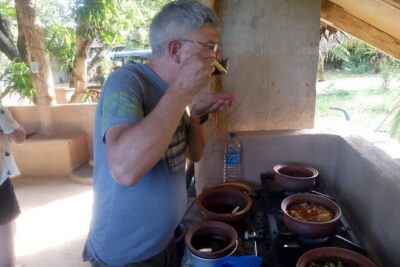
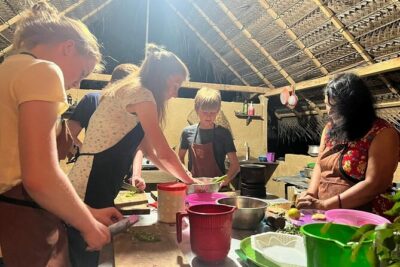
After the garden, you move into the kitchen. This is where the experience turns into a real lesson. You start cooking with an experienced home chef, guided in a step-by-step way, and you make an authentic local rice-and-curry dish.
The structure is built for people who have never cooked Sri Lankan food before. That is a good sign, because rice-and-curry can sound intimidating until someone breaks it down into manageable steps. A clean, well-prepared kitchen also helps you focus. No clutter, clear instructions, and the feeling that you can actually cook instead of just watching.
How the class usually flows:
- You transition from garden ingredients to prep work in the kitchen
- You follow instructions while working on your dish
- You get guidance on technique while you cook, not after everything is done
One strong theme from feedback is that the instruction feels easy to follow. The teaching style is also reported as friendly and funny, and the English communication is described as excellent. That matters more than it sounds. When you understand instructions clearly, your curry improves and you feel confident instead of rushed.
I would also treat the cooking portion as a skills lesson, not just a meal. Watch what the cook does and ask questions about timing and texture. For example, curries often live or die on how long something simmers and how ingredients are added. If you learn the logic, you can adapt the dish later with the ingredients you can find.
Other Sigiriya trips readers tend to shortlist

What You Eat After Cooking, and How to Recreate It Later
You do not just cook and leave. You taste the food you have cooked. That sounds obvious, but it changes the experience. It turns the class into a closed loop: learn, cook, eat, and then you know what success tastes like.
One extra touch that stands out from the experience feedback is the mango juice welcome. Small things like that make the lesson feel welcoming right from the start. It also signals that this is run like a home visit with a hospitality mindset, not a factory tour.
When you sit down to eat, you get two benefits:
- You confirm if your curry has the right balance and texture
- You build a mental picture of how the dish should come together
To recreate it later, focus on patterns, not exact ingredients. Even with different vegetables at home, you can aim for the same idea: fresh produce, curry flavors layered through proper cooking, and a rice base that keeps everything grounded.
Practical tips to take from the class:
- Remember the order ingredients were added, since timing affects flavor
- Note which vegetables were used and how they were prepared
- Pay attention to texture when you taste while cooking, not only at the end
Also, because you pick from an organic garden first, you are more likely to remember what felt fresh and how that freshness changed the taste. That is the kind of souvenir that sticks. It is not a fridge magnet, it is a cooking habit.
Small-Group Atmosphere, Clean Setup, and Clear Communication
This is a maximum of 5 travelers experience, and you feel that difference. In a bigger class, the cook might be helping several people at once. Here, you are more likely to get hands-on attention when something goes wrong or when you want to understand the next step.
The kitchen setup is also reported as clean and well prepared, which is important for a food activity. When the space is tidy, you can work calmly and safely. You can also learn faster because you are not distracted by messy conditions.
Teaching quality is a big deal in cooking classes. The feedback points to excellent English and a friendly teaching style, including humor. That combo matters because cooking is part language, part muscle memory. If you can understand what the cook says and then see how it translates into action, you learn the fastest.
For you, the practical upside is this: you will likely leave with confidence. Not just “I ate curry in Sri Lanka,” but “I can make something that tastes right and I know the method behind it.”
One consideration: if you are expecting a long, detailed garden experience with lots of explanation, the garden walk can feel lighter than you hoped, especially if the garden conditions are not at their best. If your priority is cooking and technique, you will still get your money’s worth from the kitchen time.
Price and Logistics: Getting Value from a 3-Hour Class
At $28 per person for about 3 hours, this class is priced for people who want an authentic local cooking experience without spending a whole day on logistics. The key question is whether the lesson and meal justify the cost.
Here is how to judge the value for your own trip:
- If you want a hands-on cooking skill you can use again, the price is reasonable for the time and guidance
- If you want fresh, picked ingredients, you are paying for the full garden-to-kitchen flow
- If you mostly want a quick taste without instruction, you might feel it is expensive
The most consistent praise is not just that the food tastes good. It is that the class feels clean, organized, and friendly, with instruction that is easy to follow. That is exactly what you want to get your money’s worth out of a cooking class. A messy or overly vague class wastes time. A clear, supported class gives you repeatable results.
Logistics are simple in the way that matters. The activity ends back at the meeting point, so you are not dealing with complicated drop-offs. It also runs near public transportation, which helps if you are not staying in the immediate resort area.
Timing tip: because it starts at 4:00 pm, plan your day so you are not rushing. Eat earlier if you need to, or come ready to work. Cooking and eating take energy. A calm schedule makes the whole evening feel smooth.
Who Should Book This Organic Cooking Class in Sigiriya
This is a great fit if you fall into one of these categories:
- You want to learn how to make Sri Lankan rice-and-curry, not just photograph it
- You like experiences where you handle ingredients first, then cook with a guide
- You appreciate small-group attention and clear instruction
- You want a relaxing late-afternoon activity that still feels local
You might not love it as much if:
- You want a long, detailed nature hike as the main event
- You are on a strict budget and prefer free or cheaper food activities
- You only care about the final meal and not the technique
The ideal mindset is simple. Treat it like a friendly lesson in a local kitchen. Ask questions, take notes mentally, and taste as you go. The best cooking classes make you better at cooking, not just fuller at the end.
Also, since it is capped at 5 people and includes ingredient picking, it is especially good for couples or solo travelers who want a more personal experience without feeling awkward. You will be paired into the pace of the group and guided step by step.
Should You Book Sinhagiri’s Garden-to-Curry Class?
If you want an authentic, practical way to learn Sri Lankan cooking in Sigiriya, I think this is worth considering. The strongest points are the garden-to-kitchen flow, the friendly, clear instruction, and the clean setup that makes you feel comfortable cooking. The mango juice welcome and the focus on rice-and-curry techniques add real warmth to the experience.
My main caution is the garden visit quality. If the garden is not well kept on a given day, the garden walk can feel less impressive than the cooking portion. Luckily, the kitchen time is where the class delivers its biggest value.
So, book it if your goal is learning and eating well, not if you are chasing a big nature spectacle. If that sounds like you, this is the kind of activity that gives you a useful skill and a full stomach, in about three hours.
FAQ
Where is the meeting point for the organic cooking class?
You meet at Green Hut Nature Resort, Temple Road New Town, Sigiriya 21120, Sri Lanka. The activity ends back at this same meeting point.
What time does the class start?
The start time is 4:00 pm.
How long does the experience last?
The duration is approximately 3 hours.
How many people are in the group?
This experience has a maximum of 5 travelers.
What happens during the garden visit?
You walk in the garden and pick vegetables for cooking.
What will you cook in the class?
You prepare an authentic local rice-and-curry dish.
Do you get to eat what you cook?
Yes, you taste the food you have cooked after you finish cooking.
Is there a mobile ticket?
Yes, it includes a mobile ticket.
Will I get confirmation after booking?
Confirmation is received at the time of booking.
What is the cancellation policy?
Free cancellation is available. You can cancel up to 24 hours in advance of the experience start time for a full refund.
More Cooking Classes in Sigiriya
More Tour Reviews in Sigiriya
More Kitchens to Sit In
Still browsing Sigiriya? Start here
- Sigiriya Cycle Tour: Explore Village Life in Sigiriya & Enjoy a Village Lunch★ 5.0 · 3 reviews
- Guided Hike & Picnic with an Amazing View on Pidurangala Rock★ 5.0 · 4 reviews
- Private Jeep Safari at Minneriya National Park★ 5.0 · 4 reviews
- From Sigiriya:Polonnaruwa Day Tour with Farmers lunch★ 5.0 · 4 reviews
- Kandy: City Highlights and Ramboda Waterfall Trip★ 5.0 · 4 reviews
Sri Lankan Cooking Classes, compared.
 ★ 4.9Ella: Traditional Sri Lankan Cooking ClassFrom $19788 reviews
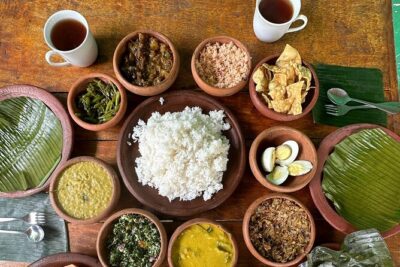 ★ 5.0Organic cooking class sigiriya (kumara & family)From $28650 reviews
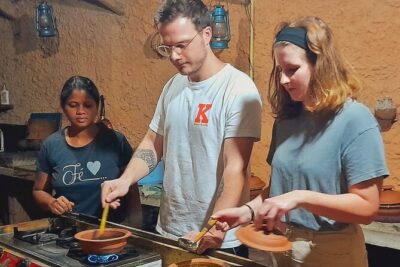 ★ 5.0Kandy Village Cooking ClassFrom $25536 reviews
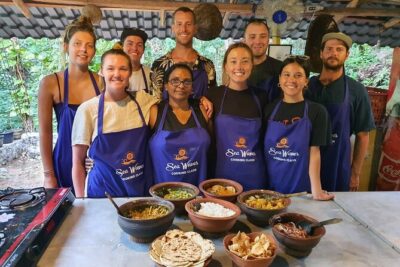 ★ 5.0Sea waves sri lankan cooking classFrom $59467 reviews
 ★ 5.0Ella: Sri Lankan Cooking Class with Neranji at HomestayFrom $19276 reviews
 ★ 5.0Ella : Cooking class with amazing Spice Garden TourFrom $32239 reviews
 ★ 5.0Sajee’s Place Cooking ClassFrom $35237 reviews
 ★ 5.0Colombo Cooking ClassFrom $60151 reviews
Browse the lists this tour appears in