
REVIEW · SIGIRIYA ROCK FORTRESS TOURS
Cooking Class: Sajee’s Place Cooking Class sigiriya
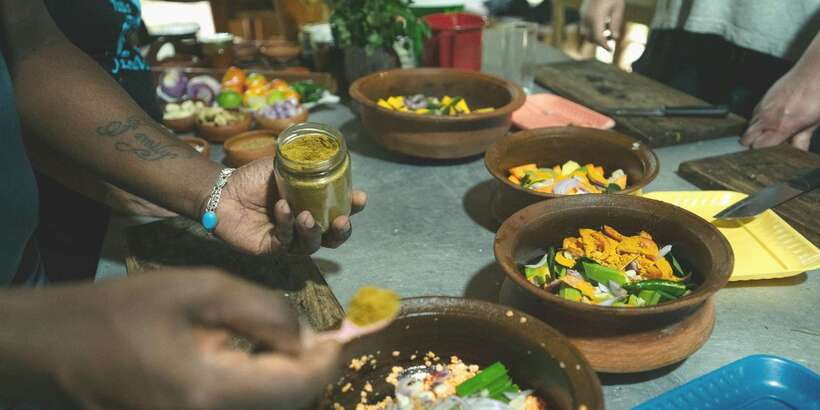
Cooking curry in Sri Lanka beats sightseeing. In Sajee’s Place near Sigiriya, I love how hands-on learning turns Sri Lankan food into something you can actually cook, not just watch.
Two things I really like: you work with fresh local spices all the way from ingredient prep to the final plate, and Sajee and his wife Suzy guide you so you leave with PDF recipes you can repeat at home. One thing to consider, if you are very heat-sensitive, is to tell them early, since curries can be boldly spiced and you will want your version adjusted.
In This Review
- Key Highlights You Should Know
- Entering Sajee’s Place Near Sigiriya
- What Happens in the 3 Hours (Your Real “Itinerary”)
- Stage One: Rice, Papadams, and the Base of the Meal
- Stage Two: Dhal, Chicken (or Fish), and Vegetable Curries
- Stage Three: Stir-Fried or Tempered Dish
- Stage Four: Coconut Sambol (and Mallun) and Finishing Touches
- Stage Five: Eating What You Made, Together
- Why This Class Feels Authentic (Without Making It Complicated)
- Value Math: Does $36 Make Sense Here?
- Small-Group Comfort and English Guidance
- Practical Tips Before You Go
- Should You Book Sajee’s Place Cooking Class in Sigiriya?
- FAQ
- How long is the Sajee’s Place Cooking Class in Sigiriya?
- What does the cooking class cost?
- Is the cooking class taught in English?
- How many people are in the group?
- What food is included in the class?
- Is the cooking class wheelchair accessible?
Key Highlights You Should Know
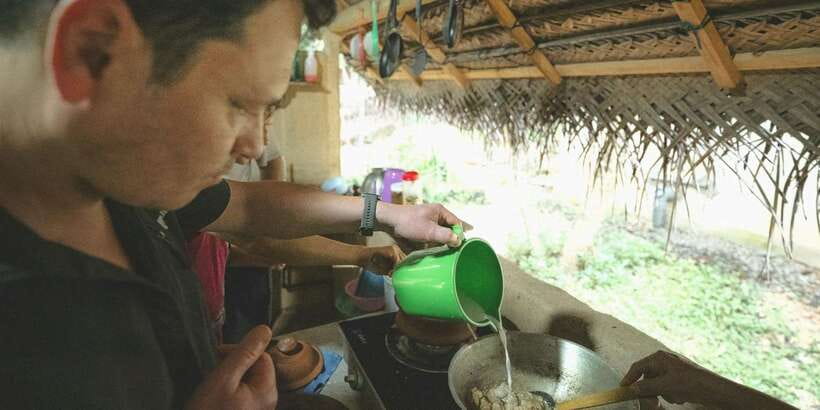
- A full rice-and-curry meal, not one demo dish, so you get real practice
- Sajee and Suzy keep it interactive, with everyone cooking together
- Fresh ingredient focus, including seasonal vegetables and coconut for sambol
- Multiple curry styles in one class, from lentil dhal to chicken or fish curry
- Take-home support, including recipes and spice tips after the session
Other routes up and around Sigiriya
- From Sigiriya: Minneriya National Park Private Jeep Safari
★ 4.9 · 415 reviews - From Sigiriya: Minneriya National Park Elephant Safari
★ 4.8 · 365 reviews - Cooking Class: Sajee’s Place Cooking Class sigiriya
★ 5.0 · 117 reviews - Organic Cooking Class sigiriya home Kitchen(Kumara & family)
★ 5.0 · 116 reviews
Entering Sajee’s Place Near Sigiriya
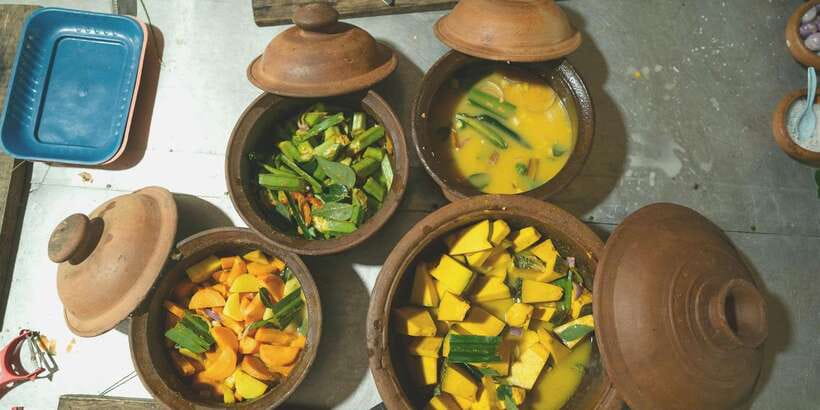
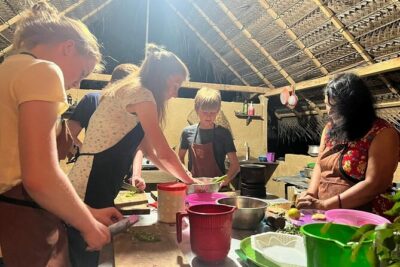
This is a cooking class that feels more like dinner prep at someone’s home than a classroom. You arrive to a warm welcome from Sajee and Suzy, the husband-and-wife team running the class in Sigiriya’s Central Province area, and you quickly get pulled into the workflow.
The biggest advantage for you is the format. This is a small group, capped at 10 participants, so you are not stuck waiting your turn. Several classes in Sri Lanka are more about watching than doing. Here, the day is structured so you chop, stir, season, and cook along with the teachers.
You also get English instruction from the start. That matters because Sri Lankan cooking is built on small decisions, like how long to toast spices, when to add aromatics, and how to judge thickness. When the explanation lands in a language you understand, the technique sticks.
And yes, the setting matters. One review described an open garden house in the middle of the wood. That type of atmosphere makes the class feel relaxed, even when you are cooking eight dishes in three hours.
What Happens in the 3 Hours (Your Real “Itinerary”)
Rather than one long lecture, the class moves through a clear cooking flow. You start with a welcome, then you work through the meal in stages: rice and accompaniments first, curries next, and seasoning and finishing as you go.
What makes the structure useful is that it matches how Sri Lankan meals are built at the table. You are not just learning recipes in isolation. You learn how the components work together, especially rice, dhal, vegetable curries, and the small but powerful side of coconut sambol (or Mallun).
Even if you are a complete beginner, the class pace is designed so you can participate. Reviews repeatedly mention that Sajee does not rush people and that he adjusts spice tolerance on the fly. That means you can learn the core flavor logic without feeling lost.
Stage One: Rice, Papadams, and the Base of the Meal
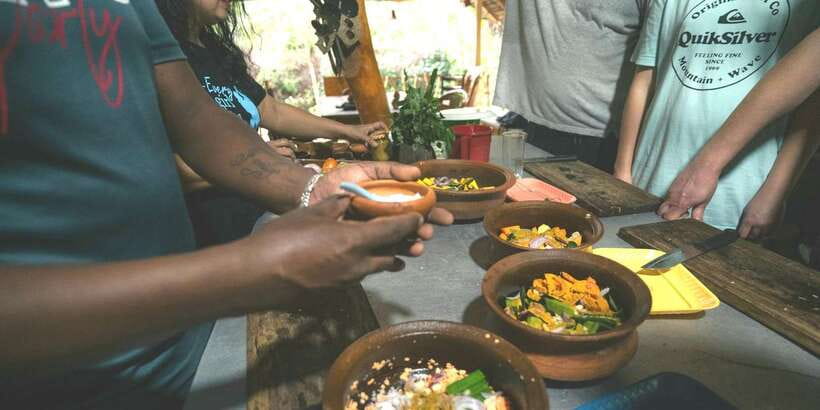
The backbone of the meal is rice, and the class starts with learning how to make it fluffy. Rice in Sri Lankan cuisine is not an afterthought. It is the carrier for curry and also the texture anchor that makes the spice feel balanced instead of overwhelming.
In the same first stage, you also prepare papadams. These are the crisp, savory crunch elements that turn your meal from one big pot of curry into a full plate with contrast.
For you, the value here is practical. If you get rice right at home, everything else improves. Even a great curry tastes off if your rice is clumpy or heavy. Sajee’s guidance on rice technique gives you something you can use immediately, even outside of Sri Lankan cooking.
Possible drawback: rice timing can be unforgiving when you are also cooking other dishes. The good news is the class is set up for participation, so you are not left alone with a pot while everyone else finishes cooking. Still, if you hate multitasking, plan to stay focused during transitions.
Hungry still? More kitchens to sit in

Stage Two: Dhal, Chicken (or Fish), and Vegetable Curries
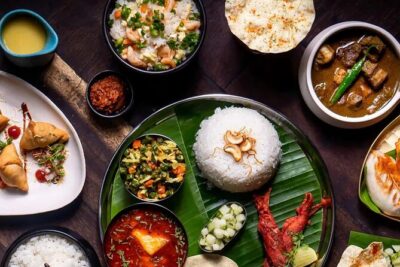
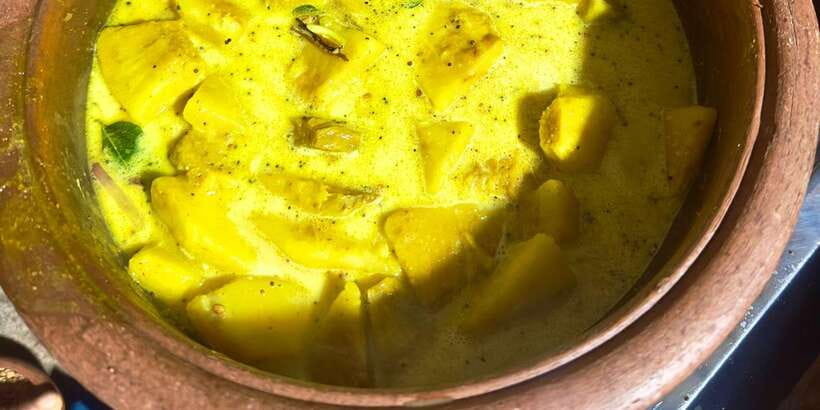
Now you get into the main event: curries. You will learn dhal curry (lentil curry), plus chicken curry or fish curry. On top of that, you cook three different seasonal vegetable curries.
This is where the class earns its “best hands-on experience” reputation. You are not just making one curry and leaving. You compare flavors across different ingredients and you see how the same spice logic changes with lentils, meat, fish, and vegetables.
Sajee also teaches you how to balance spices. That sounds abstract, but in practice it is what decides whether your curry tastes sharp, flat, or right. Several reviews mention that he explains how to adapt recipes for different vegetables and proteins. So, after the class, you are not just holding onto a list of ingredients. You have a method for adjusting.
Here is a key practical tip for your home cooking: when you make Sri Lankan curries later, do not treat them like fixed formulas. Treat them like a flavor system. The class helps you understand that system well enough to swap vegetables, choose chicken versus fish, and still land close to the intended taste.
Possible consideration: the specific protein you cook may be either chicken curry or fish curry. If you have dietary restrictions or strong preferences, it is smart to coordinate with the hosts before the class starts so the meal matches your needs.
Stage Three: Stir-Fried or Tempered Dish
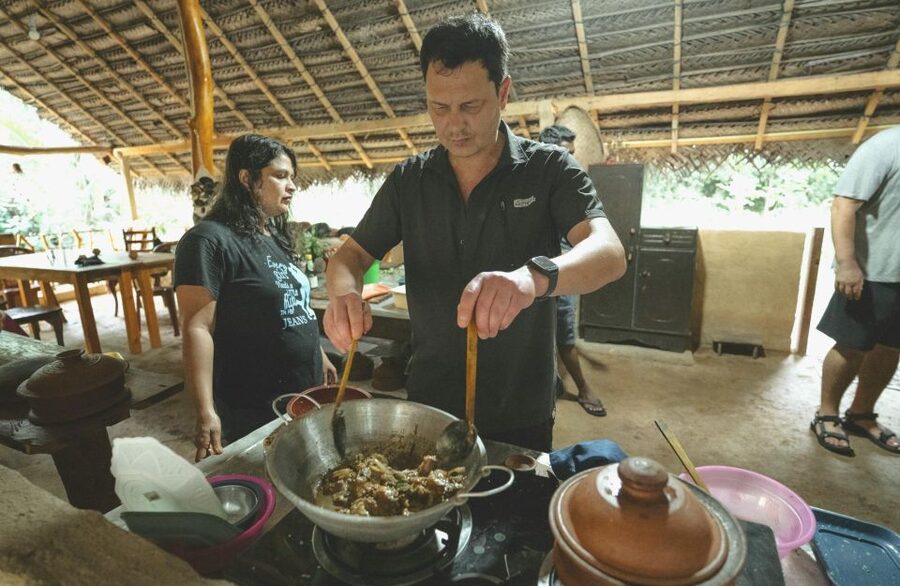
The class includes one stir-fried dish or temperd dish. This part matters more than people expect, because tempering and stir-fry techniques add aroma and texture in a way that curry alone cannot. It is often the step that makes a dish smell like Sri Lanka even before you taste it.
If you are the kind of cook who likes understanding the why, this is the section for you. Sajee explains ingredients and how they are used in Sri Lankan cooking, not only what to do. That means you can carry those techniques home, not just copy one recipe.
Possible drawback: tempering requires timing and attention. You have to watch heat levels and when to add spices. In a small-group class, you are usually guided well, but you still need to be ready to move quickly when your turn comes.
Stage Four: Coconut Sambol (and Mallun) and Finishing Touches
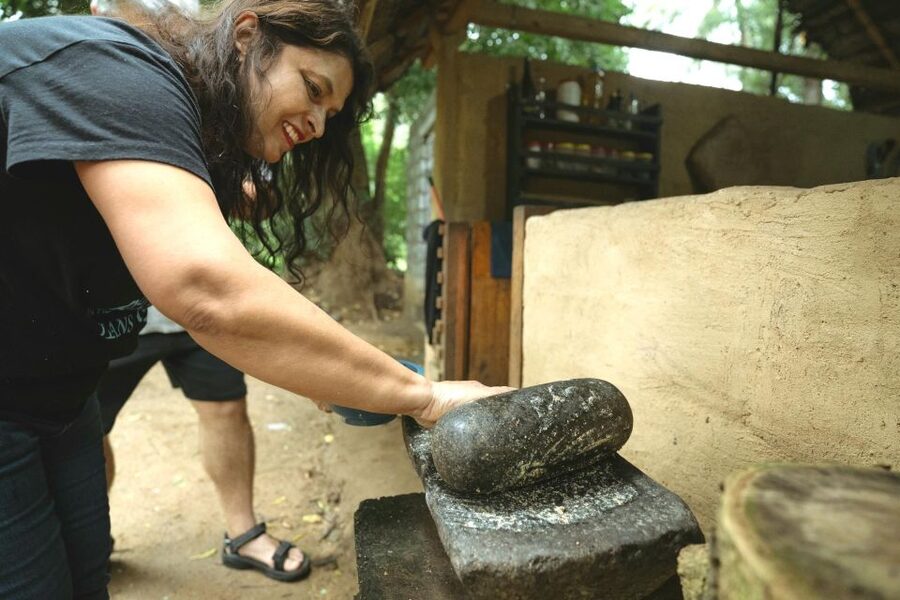
No Sri Lankan rice-and-curry plate is complete without coconut sambol, and here you learn to make it. You may also prepare Mallun, depending on what the class covers that day.
What makes this stage memorable is that sambol is not just a sauce. It is a fresh, aromatic condiment that lifts everything on the plate. Several reviews specifically mention coconut sambol made with freshly grated coconut, and that freshness shows in the flavor.
For you, this is the part that converts curry from “tasty” to “I need this with everything.” If you like salads, chutneys, or bright condiments, sambol is a skill that fits into your regular cooking rotation.
Practical note: sambol can be intense. If you adjust spice level while you cook, you will learn how to keep the flavor lively without making the side overpowering.
Stage Five: Eating What You Made, Together
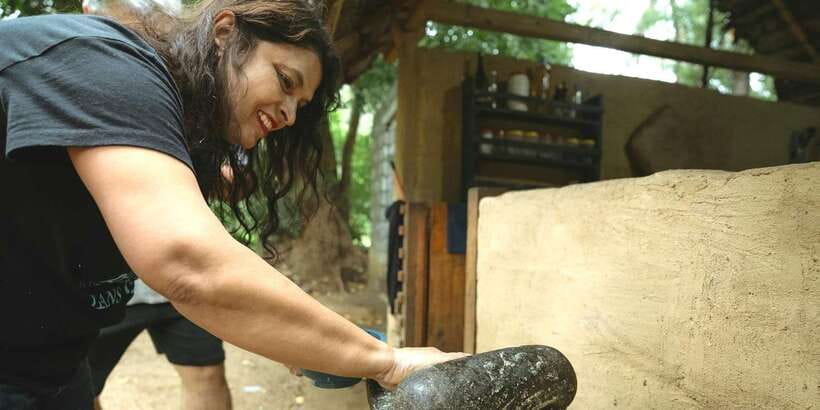
At the end, you sit down to enjoy the meal you cooked. This matters because curry cooking is sensory. The final balance between dhal, veg curries, sambol, and rice is only obvious once everything is on the table.
Reviews describe the experience as homely and friendly, with conversation happening as the meal comes together. Because the class is small, you can ask questions without yelling over a crowd, and Sajee and Suzy have time to answer.
Also, you will likely leave feeling pleasantly full. That is not a complaint, but it does affect your evening plans. After three hours of cooking and eating, you will want an easy next step, not another long food quest.
Why This Class Feels Authentic (Without Making It Complicated)
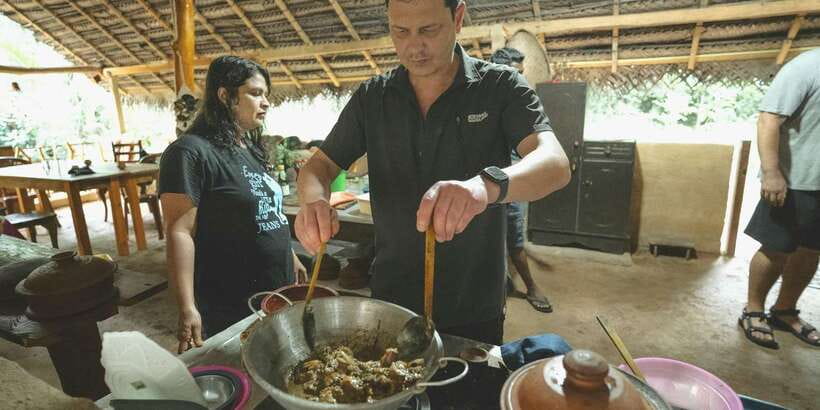
A lot of cooking classes claim authenticity. This one gets it done in a simpler way: you learn the recipes as a living part of daily food, with explanations that connect ingredients to flavor.
Sajee and Suzy teach you ingredient roles in Sri Lankan cooking. Reviews mention discussions about herbs and spices and differences between what is used for dishes versus curries. When you understand roles, you stop memorizing and start cooking.
Another authentic detail: the class is structured so you contribute to the food, not just taste it. That means you gain confidence, even if you have never cooked curries before.
And if you are worried about being slow, you should feel better. One review notes they did not rush and let participants cook their own meal. So the class seems designed to teach, not to speed-run.
Value Math: Does $36 Make Sense Here?
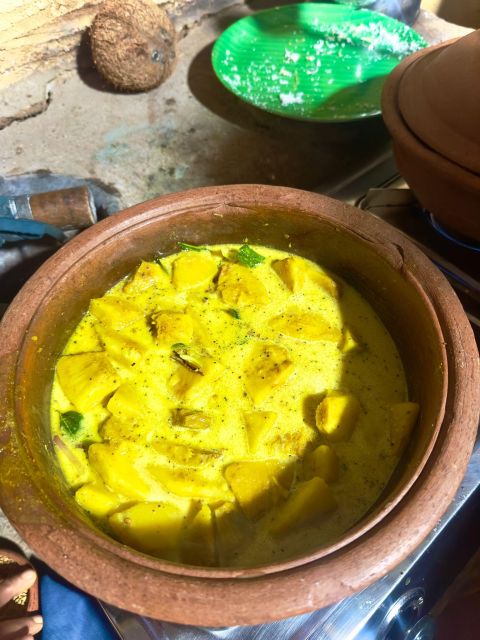
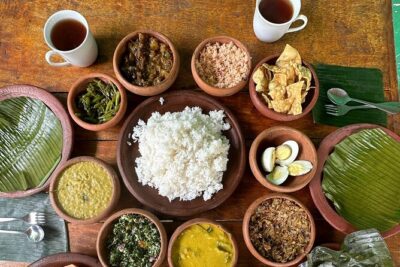
At $36 per person for a 3-hour class, this is priced like an experience that includes real food value and real instruction. You cook a full meal worth of items, including rice, papadams, dhal, chicken or fish curry, three vegetable curries, plus a stir-fried or tempered dish, and coconut sambol or Mallun.
You also get extra value in the form of support after the class. Multiple reviews mention PDF recipes and spice lists sent after the session. That is huge, because the hardest part of cooking classes is remembering proportions and steps later. A takeaway document turns the class into a lasting skill instead of a one-day souvenir.
Plus, unlimited water bottles are included. That sounds small, but when you are cooking and tasting, hydration matters.
So for you, the value test is simple: if you want the kind of meal you cannot easily replicate from a recipe book alone, and you want to learn the method, $36 is reasonable. If you only want to taste a few bites and move on, you might feel this is more hands-on than you need.
Small-Group Comfort and English Guidance
The English instruction is a real quality marker. Sri Lankan cuisine has many ingredient names and spice combinations that can be hard to translate on your own. When Sajee explains the logic clearly in English, you can ask better questions and actually learn what to do differently next time.
Small group also helps. With a limit of 10 participants, you get personal attention while cooking. Reviews also mention the hosts were ready to answer questions and adjust spice levels.
If you are traveling with kids or teens, several reviews describe doing the class with teenagers and enjoying it. That suggests the hosts can adapt the pace and instruction to different ages, as long as everyone is comfortable handling active cooking.
Practical Tips Before You Go
Here is what I would do before booking, based on how this class runs and what it covers.
First, tell Sajee and Suzy your heat level preference. Even though the hosts adjust spice tolerance on the fly, you will get better results if they know your comfort zone at the start.
Second, come hungry. The class includes cooking and then eating a full meal made from multiple curries and sides. Plan to skip a big lunch before you go.
Third, wear clothes you can move in. You will be actively cooking, not just sitting. Comfortable shoes also help, since you might stand and stir in a busy kitchen setup.
Finally, if you are someone who likes to take notes, do it. Even with PDFs later, jotting down the spice balance tips during the session makes your home cooking easier.
Should You Book Sajee’s Place Cooking Class in Sigiriya?
Yes, if you want a hands-on introduction to Sri Lankan rice and curry that you can repeat at home. This is one of the better-value ways to learn because the class teaches method and flavor logic, not just a list of ingredients. The small group size and the husband-and-wife team, Sajee and Suzy, also seem to make it feel personal without losing structure.
Skip it only if you are looking for a passive cultural activity where you mostly watch, or if you have very specific dietary needs and do not want to coordinate the chicken versus fish option.
If you are spending time around Sigiriya and you love food learning with real results, this is the kind of class that turns into a skill, not just a memory.
FAQ
How long is the Sajee’s Place Cooking Class in Sigiriya?
The class lasts 3 hours.
What does the cooking class cost?
It costs $36 per person.
Is the cooking class taught in English?
Yes, the instructor teaches in English.
How many people are in the group?
The group is small, limited to 10 participants.
What food is included in the class?
You will cook 3 different vegetable curries, 1 stir-fried dish or temperd dish, dhal curry, chicken curry or fish curry, coconut sambol or Mallun, plus rice and papadams. Unlimited water bottles are also included.
Is the cooking class wheelchair accessible?
Yes, the activity is listed as wheelchair accessible.
More Tour Reviews in Sigiriya
More Kitchens to Sit In
Sigiriya, More Approaches
Still browsing Sigiriya? Start here
- Sigiriya Cycle Tour: Explore Village Life in Sigiriya & Enjoy a Village Lunch★ 5.0 · 3 reviews
- Guided Hike & Picnic with an Amazing View on Pidurangala Rock★ 5.0 · 4 reviews
- Private Jeep Safari at Minneriya National Park★ 5.0 · 4 reviews
- From Sigiriya:Polonnaruwa Day Tour with Farmers lunch★ 5.0 · 4 reviews
- Kandy: City Highlights and Ramboda Waterfall Trip★ 5.0 · 4 reviews
Sigiriya Rock Fortress Tours, compared.
 ★ 4.7From Colombo: Sigiriya and Dambulla Day Trip with SafariFrom $53842 reviews
 ★ 4.9From Kandy: Sigiriya Rock & Dambulla Cave Temple AdventureFrom $29785 reviews
 ★ 5.0Organic cooking class sigiriya (kumara & family)From $28650 reviews
 ★ 4.9From Sigiriya: Minneriya National Park Private Jeep SafariFrom $38415 reviews
 ★ 4.8From Sigiriya: Minneriya National Park Elephant SafariFrom $33365 reviews
 ★ 5.0Day tour to Sigiriya & Dambulla from KandyFrom $25252 reviews
 ★ 5.0Kandy to Sigiriya Day Tour and Dambulla cave temple with private vehicleFrom $42232 reviews
 ★ 5.0Private Day Trip to Sigiriya & Dambulla from Kandy – Aaliya ToursFrom $52190 reviews
Browse the lists this tour appears in