

REVIEW · SIGIRIYA ROCK FORTRESS TOURS
Organic Cooking Class Sigiriya TASTY TASKS
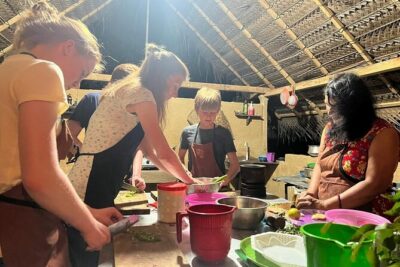
This cooking class turns a spice lesson into dinner you actually make. You start with a herbal welcome drink, then cook a full set of traditional dishes in a warm local home using clay pots, coconut utensils, and even a firewood stove.
I especially love the food-first structure, you learn spices and ingredients as you use them, not as a lecture. I also like that it is built for hands-on participation, so you are actively cooking, not just watching from a corner.
One consideration: because the class uses a firewood stove and clay equipment, expect real kitchen heat, strong food smells, and a bit of mess. If you want a very clean, quiet, low-energy activity, this might not match your style.
In This Review
- Key moments that make this class worth it
- Welcome drink, spice talk, and how the class gets you cooking fast
- The meal plan you cook, with Sri Lankan classics and local snacks
- Parippu (Red Lentil Curry)
- Pol Sambol (Coconut Salad)
- Jackfruit or Mango Curry
- Pol Roti (Coconut Flatbread)
- Halapa (Sweet jaggery and kurakkan leaf snack)
- Brinjal Moju (Spicy-sweet eggplant pickle)
- Steamed rice with traditional accompaniments
- Clay pots, coconut tools, and the firewood stove effect
- Eating the full meal you cooked, vegetarian and vegan-friendly
- Pricing that makes sense for what you actually get in Sigiriya
- Time slots that fit your Sigiriya day, morning, midday, or late afternoon
- Who this cooking class is best for
- Should you book Organic Cooking Class Sigiriya (Tasty Tasks)?
- FAQ
- How long is the cooking class?
- Is the meal vegetarian or vegan-friendly?
- Does the class offer pickup in Sigiriya?
- What time does the class run?
- What dishes might I cook?
- Are ingredients and cooking equipment included?
- How many people are in the group?
- What is the cancellation policy?
Key moments that make this class worth it
- Belimal with Hakuru as the welcome drink, giving you a taste of local herbs before you cook
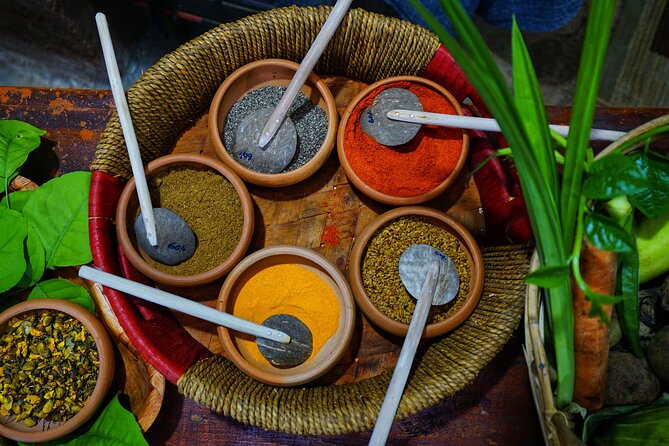
- Clay pots, coconut spoons, and a firewood stove for an authentic village feel
- A full traditional meal, vegetarian and vegan-friendly, that you finish by eating together
- Fresh ingredients prepared for you to work with, so you can focus on technique and flavor
- A practical spice intro featuring turmeric, moringa, and cinnamon and what they do in Sri Lankan cooking
- Small group size, up to 15 travelers, which helps you actually get hands-on time
Other routes up and around Sigiriya
- From Sigiriya: Minneriya National Park Private Jeep Safari
★ 4.9 · 415 reviews - From Sigiriya: Minneriya National Park Elephant Safari
★ 4.8 · 365 reviews - Cooking Class: Sajee’s Place Cooking Class sigiriya
★ 5.0 · 117 reviews - Organic Cooking Class sigiriya home Kitchen(Kumara & family)
★ 5.0 · 116 reviews
Welcome drink, spice talk, and how the class gets you cooking fast
The experience begins at Tasty Tasks Cooking Class at 186/A 1 Pothana, Kimbissa. If you are using public transport, it is noted as being near it, and the activity also offers pickup, so you should have a couple of ways to get there. Once you arrive, the vibe is domestic and friendly. You are welcomed with a refreshing herbal drink called Belimal with Hakuru, described as dried belimal flower tea with natural palm sugar.
Then the class shifts right into ingredients. You get an introduction to Sri Lanka’s most loved spices and how they show up in real village meals. What I like about this approach is that it sets your brain up for what you are about to cook. Instead of memorizing a spice list, you start learning as soon as you see the ingredients laid out and start using them.
The format is also very participatory. You are not just handed a task once. You keep moving through preparation steps, guided by the hosts as you go.
The meal plan you cook, with Sri Lankan classics and local snacks
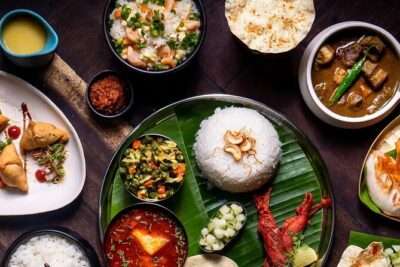
You can expect to create a full Sri Lankan meal, and the menu elements you learn include a strong mix of curry, sides, flatbread, and a sweet snack. The exact dishes can vary, but the class description gives a clear idea of what is on the menu.
Here is what you might cook, and what it teaches you:
Parippu (Red Lentil Curry)
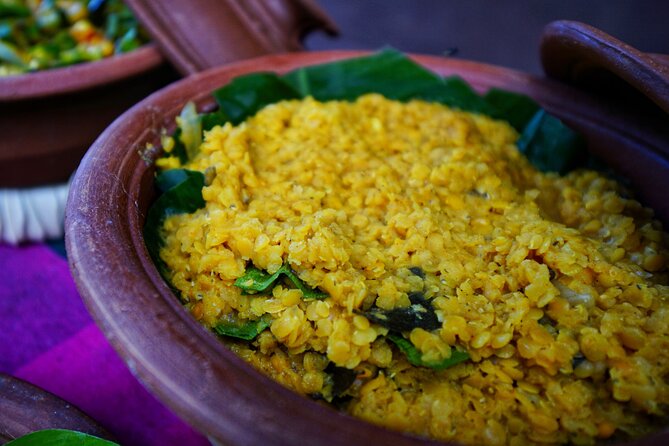
This is Sri Lanka comfort food. Red lentils cook into a thick, satisfying base, and spices bring depth. This dish is a great place to learn how Sri Lankan flavor building works, because you see how spices change the lentils while they simmer.
Hungry still? More kitchens to sit in

Pol Sambol (Coconut Salad)
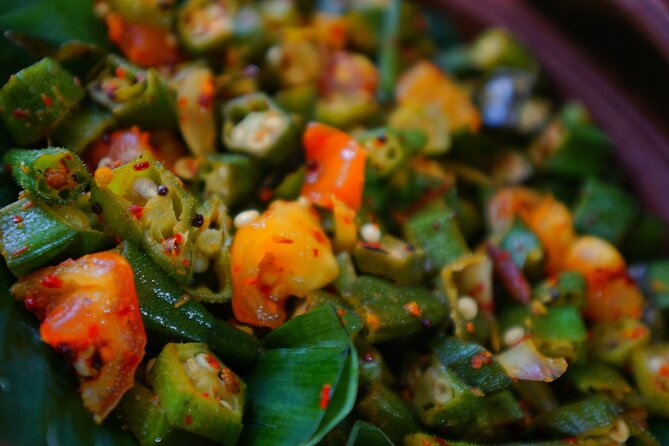
Pol sambol is not just a salad, it is a flavor bomb. Coconut plus chili plus aromatics creates a side that makes everything taste more alive. It is also one of those recipes where texture matters, so you get practice doing it the right way instead of just stirring.
Jackfruit or Mango Curry
Depending on what is available, you might learn a jackfruit curry or a mango curry. Either way, you get experience with how Sri Lankan cooking balances sweetness, spice, and savory elements. It also helps you understand why tropical fruit belongs at the table, not only in desserts.
Pol Roti (Coconut Flatbread)
Roti teaches technique. You learn how coconut and dough come together into something you can shape and cook until it is ready to tear and eat. It is also a nice change of pace from curry work, and it gives you something satisfying to do with your hands.
Halapa (Sweet jaggery and kurakkan leaf snack)
This is a sweet local snack made with jaggery and kurakkan leaves. It helps round out the meal because Sri Lankan dining usually moves beyond savory. You also get a feel for how local plants turn into edible flavor, not just garnish.
Brinjal Moju (Spicy-sweet eggplant pickle)
Eggplant becomes something punchy here. Moju is a spicy-sweet pickle style side, and it teaches you about balancing flavors so they land on both sweet and savory notes. Even if you do not love pickles normally, it is the kind of dish that shows you Sri Lankan sweet-spice logic.
Steamed rice with traditional accompaniments
No matter how many dishes you make, rice anchors the meal. You learn how the rice fits into the wider table and how the accompaniments work together, not separately.
A nice extra: while you cook, the class includes health benefit talk for turmeric, moringa, and cinnamon. Even if you just treat it as interesting nutrition context, it makes you pay attention to what you are using and why it is valued locally.
Clay pots, coconut tools, and the firewood stove effect
This is where the experience feels truly different from a standard cooking class. You cook using traditional gear: clay pots, coconut spoons, and a firewood stove.
Clay pots can affect how food cooks. They heat differently than modern pots, and they encourage slower, more even simmering, especially for curry-style dishes. Coconut spoons are part tool and part tradition. They help you work with coconut and spice mixes without metallic flavors.
The firewood stove is the biggest “real deal” element. It is also the one part that can be a little intense for some people, since it is direct flame heat and a rustic cooking setup. If you love authenticity and you are okay with kitchen smells and warmth, it is one of the most memorable parts of the class. If you are sensitive to smoke or heat, it is worth mentally preparing.
Eating the full meal you cooked, vegetarian and vegan-friendly
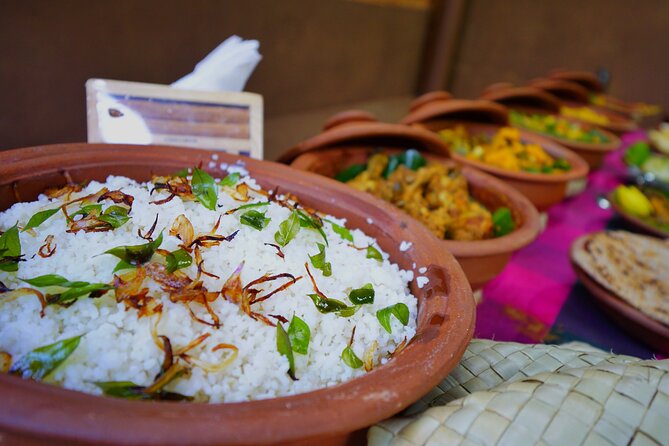
After all the prep and cooking, you sit down and eat. This matters because many classes give you a small tasting plate, then send you on your way. Here, you get a full meal, and it is described as vegetarian and vegan-friendly, so you should not worry about meat showing up in the plan.
The portion size is a common highlight in the experience feedback pattern. People often mention the food is generous, and that you end up with plenty to eat. I also like that bottled water is included, which sounds minor, but it makes the meal feel complete without you needing to hunt for drinks.
Once you eat, the dishes make more sense. You understand why a side like pol sambol works best when paired with curry and roti, and why the sweet elements like halapa belong on the same table.
Pricing that makes sense for what you actually get in Sigiriya
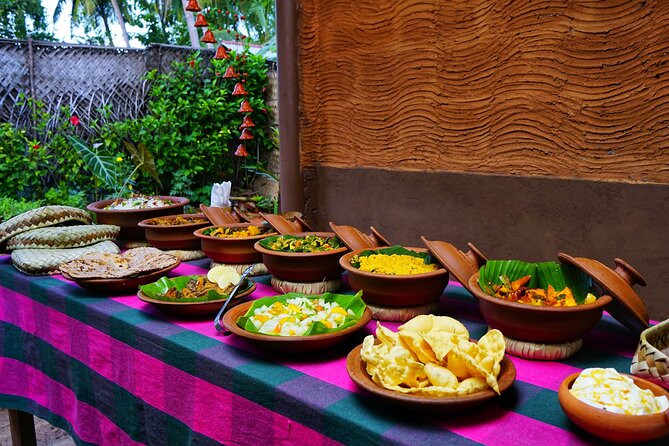
The price is $38.00 per person for about 3 hours. For many food experiences, the “value” debate is really about two things: do you do real work, and do you eat well at the end.
Here, you get both. You cook multiple dishes, using traditional tools, then you eat the full meal you made. The small group size, up to 15, also matters because it helps keep the class interactive. When a class is packed, participation drops. With a smaller group, you have more chance to get your hands on the process.
Pickup is offered, and the listing notes private transportation is not included, but a tuk-tuk from around not over 5 km is free. That suggests you might not need to worry too much about getting to the meeting point, depending on where you are staying. If you are staying farther away, you will want to plan your logistics early.
One more practical detail: the booking pattern shows this is commonly booked about 50 days in advance. That is a clue that the class fills up. If you are visiting Sigiriya during a popular time window, lock in a slot sooner rather than later.
Time slots that fit your Sigiriya day, morning, midday, or late afternoon
The class runs in three daily windows listed as:
- 7:00 AM to 10:00 AM
- 11:00 AM to 2:00 PM
- 3:30 PM to 6:30 PM
Each window fits the stated 3 hours (approx.) duration. This helps you plan around Sigiriya itself. If you like mornings, you can fit it in early. If you prefer a late start after temple time, the late afternoon slot is there too.
If you are arranging your day, think about meals as well. This class ends back at the meeting point. So pair it with plans that do not require you to be across town immediately after you finish.
Who this cooking class is best for
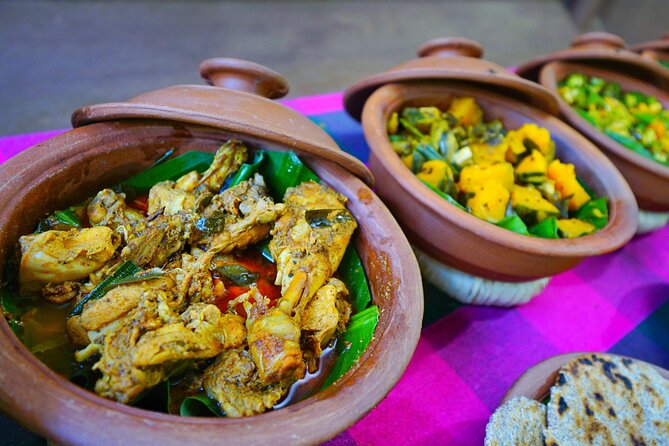
This experience is ideal if you:
- Want an authentic Sri Lankan meal that is not just sampling
- Like spice-driven cooking and enjoy learning by doing
- Prefer vegetarian and vegan-friendly food experiences
- Enjoy small group activities where you get attention and hands-on time
- Are visiting Sigiriya and want something cultural you can do without needing special equipment
If you are traveling with kids, the format can work well because kids can participate in many steps and the class includes a full meal at the end. The setting is also described as warm and welcoming, which helps families relax into the process.
Should you book Organic Cooking Class Sigiriya (Tasty Tasks)?
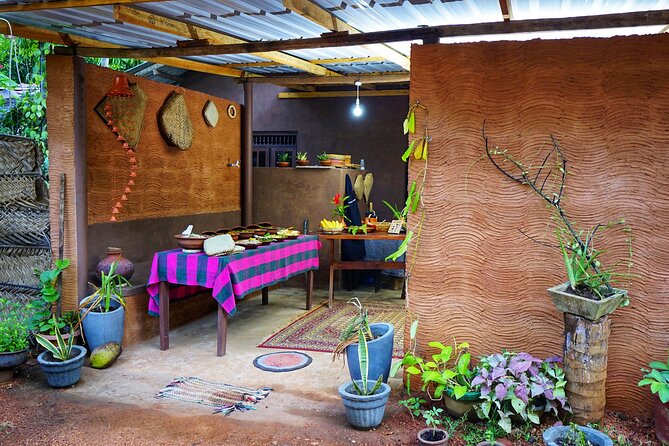
I recommend booking this class if you want real involvement in cooking Sri Lankan food. The strongest reason is the combination of traditional cooking tools plus a full meal you make yourself. At $38 for about 3 hours, it is a fair deal when you factor in ingredients, equipment, and the fact that you leave fed and with skills you can use again later.
Book it if you like hands-on activities and you are curious about how Sri Lankan flavors build, from lentil curry to coconut sides and a sweet snack. Skip it only if you want a low-heat, no-cooking experience, because this is built around a firewood stove and active kitchen work.
If you do book, pick your time slot based on your Sigiriya plans, and plan to arrive at the meeting point on time. Then show up ready to cook, stir, shape, and taste. That is where the fun really happens.
FAQ
How long is the cooking class?
The cooking class lasts about 3 hours.
Is the meal vegetarian or vegan-friendly?
Yes. The included meal is described as vegetarian and vegan-friendly.
Does the class offer pickup in Sigiriya?
Pickup is offered. Private transportation is listed as not included, but a tuk-tuk from around not over 5 km is noted as free.
What time does the class run?
The listed hours are 7:00 AM to 10:00 AM, 11:00 AM to 2:00 PM, and 3:30 PM to 6:30 PM.
What dishes might I cook?
You may learn items such as parippu (red lentil curry), pol sambol, jackfruit or mango curry, pol roti, halapa, brinjal moju, and steamed rice with traditional accompaniments.
Are ingredients and cooking equipment included?
Yes. All cooking ingredients and equipment are included.
How many people are in the group?
The activity has a maximum of 15 travelers.
What is the cancellation policy?
Free cancellation is available up to 24 hours before the experience start time for a full refund. Within 24 hours, the amount paid is not refunded.
More Tour Reviews in Sigiriya
More Kitchens to Sit In
Sigiriya, More Approaches
Still browsing Sigiriya? Start here
- Sigiriya Cycle Tour: Explore Village Life in Sigiriya & Enjoy a Village Lunch★ 5.0 · 3 reviews
- Guided Hike & Picnic with an Amazing View on Pidurangala Rock★ 5.0 · 4 reviews
- Private Jeep Safari at Minneriya National Park★ 5.0 · 4 reviews
- From Sigiriya:Polonnaruwa Day Tour with Farmers lunch★ 5.0 · 4 reviews
- Kandy: City Highlights and Ramboda Waterfall Trip★ 5.0 · 4 reviews
Sigiriya Rock Fortress Tours, compared.
 ★ 4.7From Colombo: Sigiriya and Dambulla Day Trip with SafariFrom $53842 reviews
 ★ 4.9From Kandy: Sigiriya Rock & Dambulla Cave Temple AdventureFrom $29785 reviews
 ★ 5.0Organic cooking class sigiriya (kumara & family)From $28650 reviews
 ★ 4.9From Sigiriya: Minneriya National Park Private Jeep SafariFrom $38415 reviews
 ★ 4.8From Sigiriya: Minneriya National Park Elephant SafariFrom $33365 reviews
 ★ 5.0Day tour to Sigiriya & Dambulla from KandyFrom $25252 reviews
 ★ 5.0Kandy to Sigiriya Day Tour and Dambulla cave temple with private vehicleFrom $42232 reviews
 ★ 5.0Private Day Trip to Sigiriya & Dambulla from Kandy – Aaliya ToursFrom $52190 reviews
Browse the lists this tour appears in