
REVIEW · KANDY TOURS
Kandy Village Cooking Class
Kandy’s flavors hit fast, and this class makes them real. You start with a market visit where you choose ingredients for your meal, then move to a family-style village kitchen with hands-on cooking and tastings.
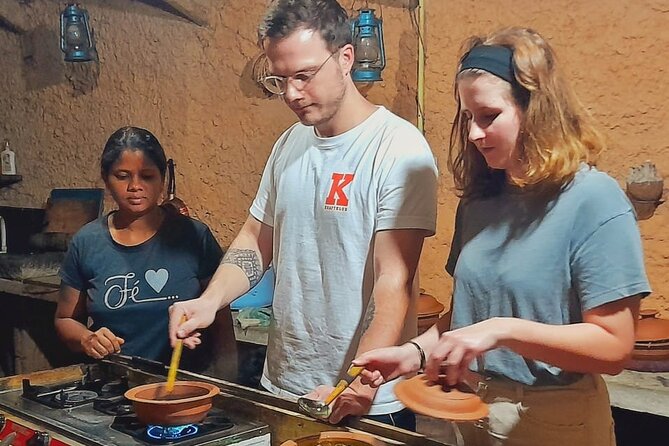
What I really liked most is learning from Shyama and her family, not just watching a demo. You get a practical skill set, like how to pick vegetables, how spices behave in curry, and even how coconut milk gets made from scratch.
One thing to keep in mind is dietary needs. There is no clear gluten-free promise in the info, and one participant with celiac disease said there were no true gluten-free options, only ingredient swaps or removals.
In This Review
- Key Highlights Before You Go
- Market-to-Meal in Kandy City, Then Out to the Village
- The Market Visit: Where Your Sri Lankan Cooking Starts
- What You Learn in the Village Kitchen (And Why It Sticks)
- Kandy Stops Along the Way: Culture Between Courses
- Hands-On Cooking Pace: Expect Participation, Not a Lecture
- What You Eat: The Best Part Is at the End
- Price and Value: Why $25 Can Feel Like a Deal
- Logistics You Should Check Before You Book
- Who This Class Is Perfect For
- Should You Book the Kandy Village Cooking Class?
- FAQ
- How long is the Kandy Village Cooking Class?
- Where does the experience start?
- Does this experience offer pickup?
- What is included besides cooking?
- What do you do during the market visit?
- Can I attend as a solo traveler?
- What is the maximum group size?
- How does the experience end?
- Are service animals allowed?
- What if I need to cancel?
Key Highlights Before You Go
- Market picking with a clear plan: choose five vegetables plus chicken or fish.
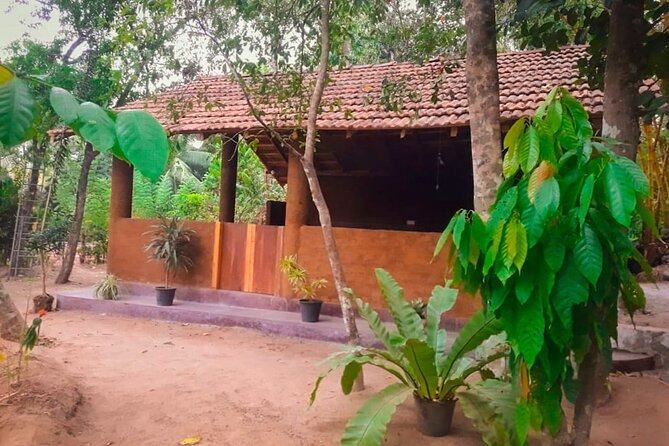
- Hands-on cooking in a real village kitchen: you actively cook, stir, and season, not just observe.
- A full meal with plenty of dishes: many classes run to multiple curries and sides, not just one pot.
- Shyama’s teaching style: Q and A friendly, and focused on explaining spice and technique.
- Small group size: capped at 15 travelers, so you get real attention.
- Value at $25: for a market tour plus cooking plus tasting, it tends to feel like good bang for your buck.
Kandy has more going on than one day allows
- Kandy Private Guided City Tour by Tuk Tuk
★ 4.9 · 1,307 reviews - From Kandy: Sigiriya Rock & Dambulla Cave Temple Adventure
★ 4.9 · 785 reviews - Kandy Village Cooking Class
★ 5.0 · 536 reviews - Kandy to Ella Train Tickets – Reserved Seats
★ 4.5 · 523 reviews
Market-to-Meal in Kandy City, Then Out to the Village
This experience is built around a simple idea: if you want to cook Sri Lankan food well, you should understand the ingredients first. That is why the day begins with time at the local market, where the guide helps you choose what goes into your curries and sides.
The price is also easy to justify. At $25 per person for roughly three hours, you are not paying only for a recipe book. You are paying for ingredient selection, hands-on cooking, and the actual tasting meal at the end.
I also like that the format works for individuals, couples, and groups. With a maximum of 15 people, it stays personal. You are more likely to get questions answered, and the group does not feel like a crowded “line up and wait” situation.
The Market Visit: Where Your Sri Lankan Cooking Starts
You meet at Kandy Municipal Central Market, right at the heart of where locals shop. From there, you head into the market with the guide and start learning by doing.
You will be guided to select five vegetables from the market variety. This matters because Sri Lankan cooking changes a lot depending on which vegetables are in season and what textures you want. The guide also explains spices and other key ingredients as you walk the stalls.
Then you get a choice for protein: you can pick either chicken or fish. That single decision influences the style of curry and the flavor direction, so it is a smart way to personalize the meal without turning the class into chaos.
Practical tip: bring a little cash for small extras if you want snacks or water during the market walk. The class includes the meal and the core ingredients, but you might want something for the road while you browse.
What You Learn in the Village Kitchen (And Why It Sticks)
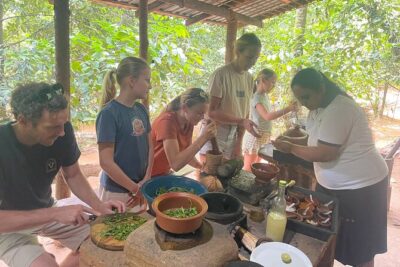
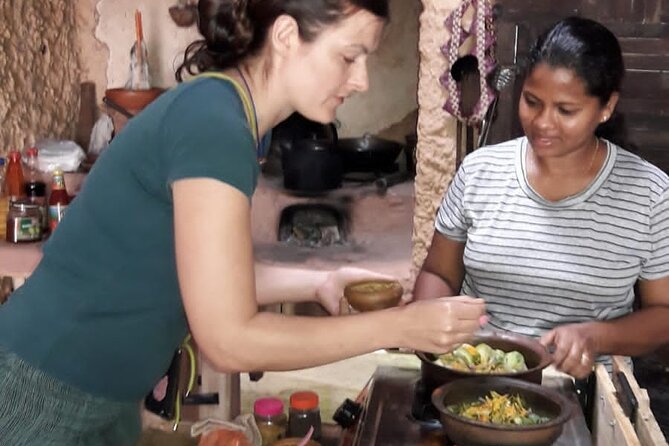
After shopping, you head to the village for the cooking portion. This is where the experience shifts from information to muscle memory. You are not just watching someone else cook. You are participating, using the same traditional methods the family uses at home.
Based on previous classes, you can expect cooking to include multiple dishes, often with several curries and a few sides or dessert items. Common examples include rice and curry, a sambal style condiment, and vegetable curries such as aubergine curry. Many groups also finish with something sweet, like caramel and coconut pancakes.
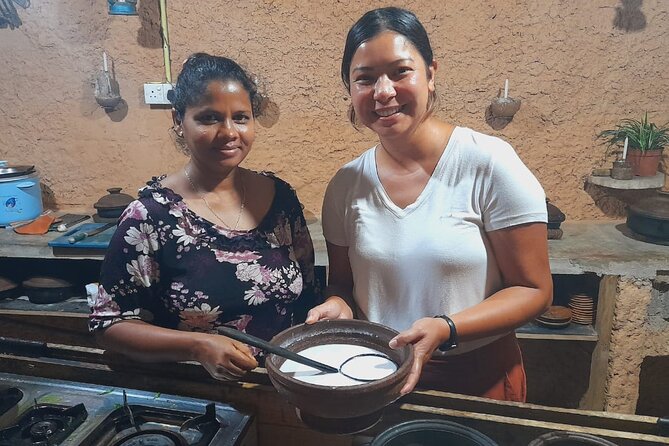
You may also learn technique rather than just recipes. One highlight that keeps coming up is coconut milk made from scratch. That is a skill you can carry home, because it changes how thick, fragrant, and balanced your curries taste.
What you should aim for: don’t worry about perfection. The goal is understanding. Focus on how the guide describes timing, heat, and when spices go in. Those details are what help you reproduce the flavors later, even if you are cooking in a different kitchen with different brands of spices.
Hungry still? More kitchens to sit in
Kandy Stops Along the Way: Culture Between Courses
This experience is not only a kitchen plan. The itinerary includes Kandy sights while you are on the route, including stops connected to Kandy Lake, a view point, and a cultural dance show at Kandy Lake Club.
It also includes a stop connected to the Temple of the Sacred Tooth Relic. In other words, you get a quick dose of Kandy beyond cooking, without turning this into a full day of sightseeing.
How to think about this: with a total duration of about three hours, these stops are likely to be shorter and time-managed. If you hate rushed schedules, keep your expectations realistic. You are getting “highlights” and context, not a slow wander through every site.
If you do like structure, this format is a good one. You start with ingredient education, then you cook, then you end with cultural stops that fit the same theme of local life.
Hands-On Cooking Pace: Expect Participation, Not a Lecture
In most cooking classes, the good ones are the ones where you do real work. Here, the approach is hands-on from the start. You will likely prep ingredients, learn seasoning patterns, and cook your chosen dishes step by step with guidance.
Group size helps. With a maximum of 15, the class does not feel like you are cooking in a factory line. You should be able to ask questions without yelling across a table.
Also, the host family makes a big difference. People describe the hospitality as a key part of the day, with clear explanations and a welcoming vibe. In particular, Shyama is repeatedly mentioned as a strong teacher who checks preferences and answers questions as you go.
What You Eat: The Best Part Is at the End
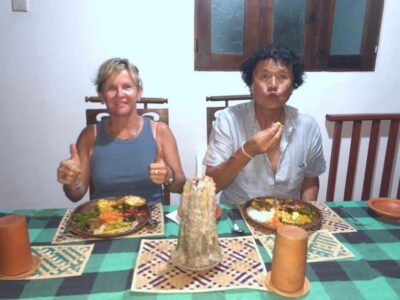
The class ends with tasting. After you cook, you sit down and eat what you made, which is not always guaranteed in cooking tours. Here it is part of the core design.
Based on past meals, you can expect a mix of curries and sides. Sambal styles, aubergine curry, chicken curry, and a range of vegetable dishes tend to show up. People also mention dessert finishing, with caramel and coconut pancakes being a favorite.
That is a useful detail for your planning. This is not just a “sample a curry” situation. You should plan your day around this, meaning you may not need a big lunch right after, or you may want to delay dinner.
Price and Value: Why $25 Can Feel Like a Deal
At $25 per person, you are paying for several things at once:
- a market visit with guided ingredient selection
- the cooking instruction and participation
- the tasting meal
- and, depending on timing, Kandy cultural stops along the route
Most importantly, you are paying for experience you can reuse. If you come away knowing how to select vegetables, build spice flavor, and understand how coconut milk works in curries, you get more than one meal out of the trip.
That is why the value lands well. Even if you are the sort of traveler who usually skips cooking classes, this one often feels like a practical way to bring Sri Lanka flavors home.
Logistics You Should Check Before You Book
A few practical notes can prevent disappointment.
First, transport. Pickup is offered from a designated point, but the ending point is back at the meeting location. One participant noted that return transport might require extra payment depending on how the ride is arranged. If you are staying outside central Kandy, ask what the return ride includes so you are not figuring it out on the day.
Second, dietary restrictions. The class clearly includes chicken or fish and vegetable selections. But there is no explicit gluten-free plan in the information provided. One celiac participant said there were no gluten-free options, with only ingredient removals or adjustments. If you have celiac or severe allergies, contact the operator ahead of time and be very specific.
Finally, timing and footwear. Since the day can include Kandy stops plus the market walk plus cooking, wear comfortable shoes. You are moving, and some portions can involve standing and walking.
Who This Class Is Perfect For
This is a great fit if you want:
- real hands-on cooking, not a passive demo
- a practical way to learn Sri Lankan flavor building
- a local village family setting in Kandy
It is also a smart choice for people traveling as a group, because max group size is 15. Couples get a cozy, focused experience too.
If you are short on time but still want a meaningful Sri Lankan activity, the roughly three-hour length helps. If you want a full day of slow touring, this may feel a bit structured, but that structure can be a plus.
Should You Book the Kandy Village Cooking Class?
I would book this if you want Sri Lanka food skills you can actually repeat. The market ingredient selection plus the village cooking teaching style is a strong combo, and Shyama’s role comes through clearly in how people describe the class.
I would pause and check first if you have major dietary constraints like celiac, because there is no clear gluten-free option promised in the provided info. Also confirm what transport is included on the way back if you are not staying right by the meeting area.
If your goal is to go beyond restaurant eating and learn how the flavors come together, this one is worth the $25.
FAQ
How long is the Kandy Village Cooking Class?
It lasts about 3 hours (approx.).
Where does the experience start?
It starts at Kandy Municipal Central Market, 144 Central Maket, Kandy 20000, Sri Lanka.
Does this experience offer pickup?
Yes, pickup is offered from a designated point.
What is included besides cooking?
The experience includes a market visit, a village cooking class, tasting the meal, and a brief visit to a nearby village. The itinerary also includes cultural stops such as a cultural dance show and a stop connected to the Temple of the Sacred Tooth Relic.
What do you do during the market visit?
You are guided to select five vegetables from the market. You also choose either chicken or fish. The guide explains spices and other ingredients at the market.
Can I attend as a solo traveler?
Yes, individuals are welcome, and the class can also accommodate couples and groups.
What is the maximum group size?
The maximum is 15 travelers.
How does the experience end?
It ends back at the meeting point.
Are service animals allowed?
Yes, service animals are allowed.
What if I need to cancel?
You can cancel up to 24 hours in advance for a full refund.
More Tour Reviews in Kandy
More Kitchens to Sit In
Still in Kandy?
Still browsing Kandy? Start here
- Udawalawe National Park Private Full-Day Safari★ 5.0 · 3 reviews
- Wasgamuwa National Park Safari from Kandy★ 5.0 · 3 reviews
- Private Sri Lanka Tour & Hike Experience to Ambuluwawa Tower★ 5.0 · 3 reviews
- Kandy Instagram Tour: Most Famous Spots (Private & All-Inclusive)★ 5.0 · 3 reviews
- Kandy to Ella★ 5.0 · 3 reviews
Kandy Tours, compared.
 ★ 4.9Kandy Private Guided City Tour by Tuk TukFrom $61,307 reviews
 ★ 4.9From Kandy: Sigiriya Rock & Dambulla Cave Temple AdventureFrom $29785 reviews
 ★ 4.5Kandy to Ella Train Tickets – Reserved SeatsFrom $26523 reviews
 ★ 4.8From Kandy: Pinnawala Day TourFrom $15331 reviews
 ★ 4.8Kandy to Ambuluwawa & Kandy City Guided Tuk Tuk Day TourFrom $12270 reviews
 ★ 5.0Day tour to Sigiriya & Dambulla from KandyFrom $25252 reviews
 ★ 5.0Kandy to Sigiriya Day Tour and Dambulla cave temple with private vehicleFrom $42232 reviews
 ★ 4.9Kandy: Guided City Tour by Tuk-TukFrom $3227 reviews
Browse the lists this tour appears in