
REVIEW · BENTOTA TOURS
Bentota beach, River Mangroves lagoon, Wildlife Tour
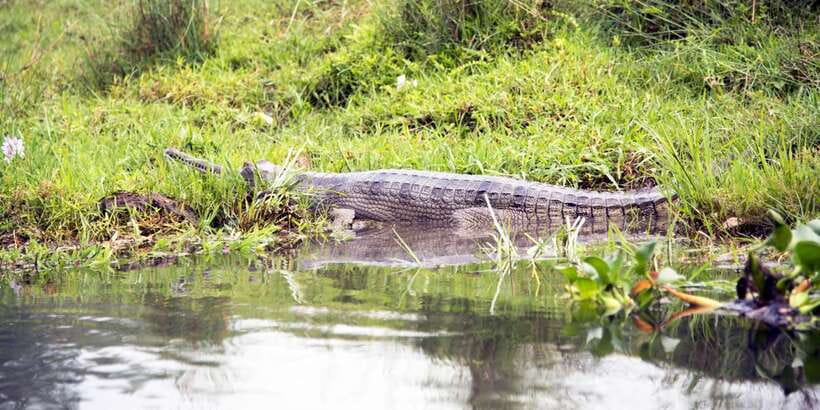
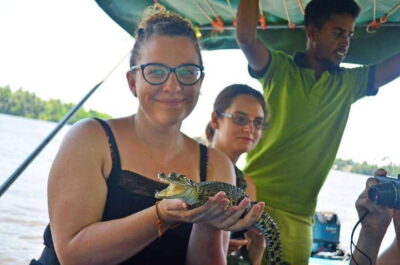
Crocs, mangroves, and temple stops in two hours. I love the slow motorboat pace that lets you actually watch the Bentota River, and I love the chance to spot crocodiles, monkeys, and monitor lizards with a sharp-eyed English-speaking guide. One thing to consider is the total time is short, so you will not get long, slow roaming on every stop.
You start at Aida Gems & Jewellery, then head straight to Bentota for the wildlife part, with life jackets on hand and a national park entrance fee included. I also like that the tour mixes nature with culture, ending with Kande Vihara and a guided herbal garden where you learn how Sri Lanka’s spices and medicinal plants are used.
This is set up as a small group, limited to 6 people, so the boat feels more like a focused trip than a big cattle call. Bring sunscreen and a hat, and be ready for some boat spray, because mangroves and river wildlife mean you are on the water.
In This Review
- Key things I’d watch for on this tour
- Bentota River safari: slow boat watching in mangrove habitat
- Wildlife you may see, and how to spot it without getting tunnel vision
- Bentota Beach stop and King coconut: the calm break you need
- Kande Vihara temple: a quick culture stop done respectfully
- Herbal garden with Sri Lanka’s spices and medicinal plants
- Price and time value for a 2-hour Bentota experience
- Who should book this tour, and who might prefer something else
- Should you book this Bentota wildlife and temple tour?
- FAQ
- Where is the meeting point for the Bentota River and mangroves tour?
- How long is the tour?
- What’s included in the boat cruise?
- What wildlife might I see on the Bentota River?
- Does the tour include a herbal garden and temple visit?
- Is food or drinks included?
- Can I cancel and get a refund?
Key things I’d watch for on this tour
- Slow boat through Bentota’s mangroves for wildlife viewing at a realistic pace
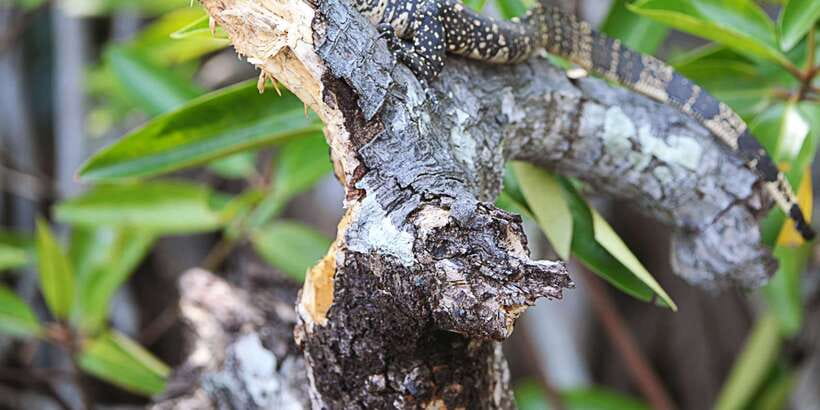
- Wildlife spotting focus for crocodiles, monkeys, sea eagles, egrets, snakes, and monitor lizards
- King coconut refresh during the day so you stay comfortable in the heat
- Bentota Beach time after the river section, so you get real west coast breathing space
- Kande Vihara temple visit plus a guided stop at an herbal garden of local plants
Bentota, river side and beach side
- Bentota River Safari with Mangrove and Wildlife Encounter
★ 4.9 · 182 reviews - 2h Bentota River Safari: Crocodiles, Monkeys, Mangrove & more
★ 5.0 · 128 reviews - Udawalawe Safari DayTrip frm Bentota/Kalutara/Ahungalla/Hikkaduwa
★ 5.0 · 77 reviews - Yala Safari Day Trip from Bentota/ Kalutara/ Ahungalla/ Hikkaduwa
★ 5.0 · 60 reviews
Bentota River safari: slow boat watching in mangrove habitat
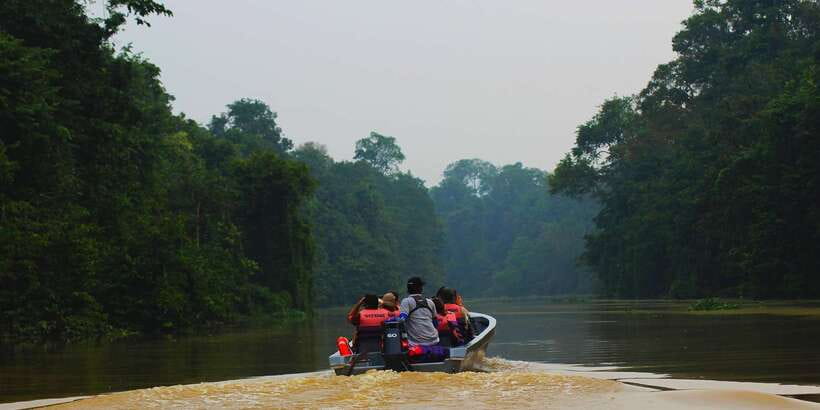
The Bentota River section is the heart of this outing, and the best part is how the trip is paced. Instead of racing along, you move on a slowly powered boat, which matters because wildlife is not on a schedule. When the driver keeps things steady, you get time to spot movement, track birds on the edges, and notice smaller animals hiding in the roots and shade.
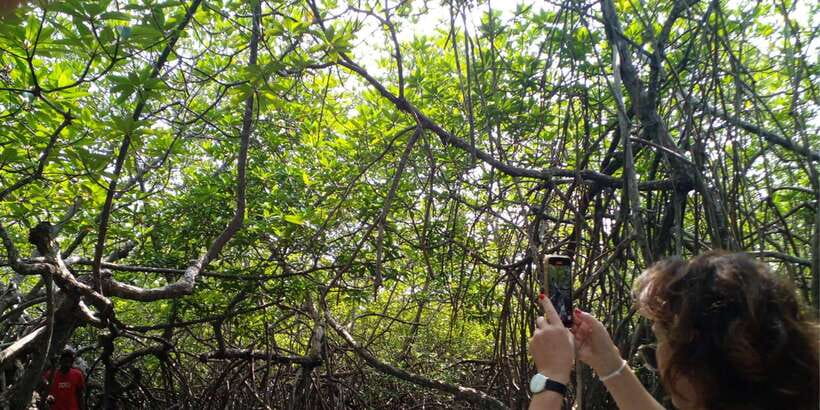
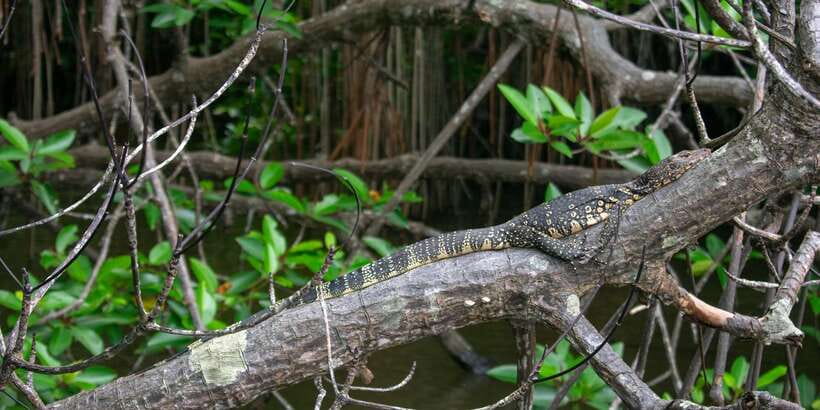
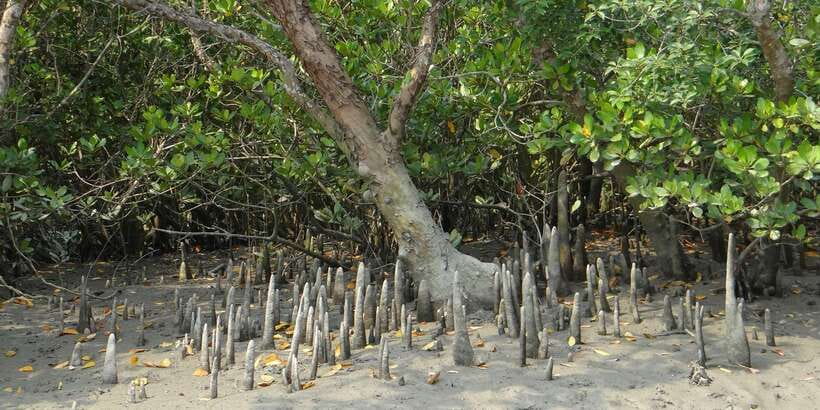
Mangroves are perfect for this kind of watching. They are a living system, with thick root networks that create mini hiding places for monkeys and reptiles. They also work like natural filters for the river, which helps explain why you can see so much life in one stretch. You will be looking across muddy banks and through the narrow channels where animals can slip in and out without being visible for long.
You are not just staring either. Your guide is there to point out what you should notice, and the experience is built around guided observation. In one case, the guide’s spotting skills were specifically praised, including picking out animals that most people would likely miss at first glance. That is the kind of detail that changes the whole feel of a wildlife trip, because it turns random watching into something you can follow.
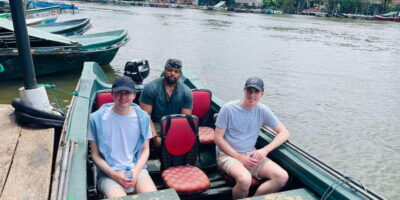
Safety is also part of the setup. You get life jackets, and you are on a motorboat meant for this river route. That makes it a reasonable option for a two-hour adventure where you want nature without turning it into a whole day on the move.
If you are sensitive to boat motion or you get cold easily on water, consider that you are on the river itself. Bring light layers if you run chilly, but most of the time you will be dealing with heat and sun, not cold.
Wildlife you may see, and how to spot it without getting tunnel vision
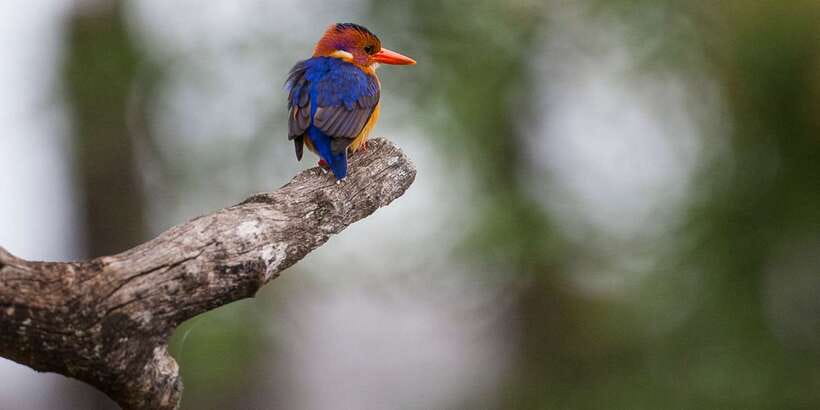
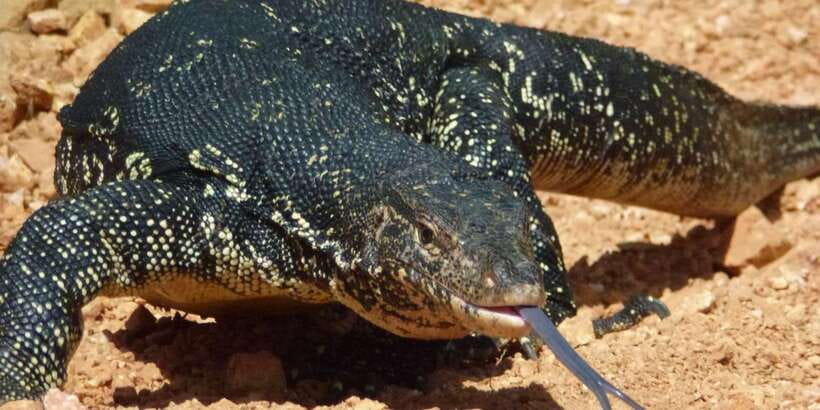
This is one of those tours where the list of animals gives you a good plan, but the real skill is learning where to look. The tour focuses on crocodiles, sea eagles, monkeys, snakes, monitor lizards, and egrets, plus other river life you might catch along the way.
Here is what helps you see more, even without special equipment:
First, watch the edges, not the center. In mangroves, animals often hang close to root systems, where they can stay hidden while still having access to water. If you keep looking only where the boat passes, you will miss the quiet activity happening just off the route.
Second, look for patterns. Birds often move in short bursts, then pause in the same spot to scan for food. If you see one egret or smaller bird repeatedly landing and taking off in the same general area, that is your cue to slow your own gaze and keep that section in view.
Third, take your time. Wildlife sightings tend to happen in short windows, and if you react too fast or only stare at one thing, you will blink past the next reveal. Since you are on a slow boat, you can do this without feeling rushed.
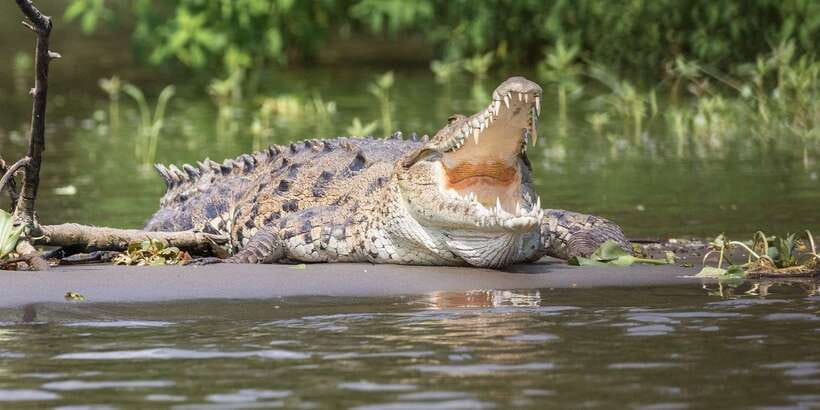
One review highlighted seeing lots of crocs along with water monitors, birds, and even bats. That is a useful reminder that river tours are not only about the big headline animals. The “supporting cast” matters, and your guide helps you notice those extras.
You might also see monkeys hiding in the mangrove lagoon. The trick with monkeys is that they can be both visible and not visible. You might catch a flash of movement first, then only later see the actual animal sitting deeper in the branches or roots. Keep scanning, especially for quick motion near darker, denser patches.
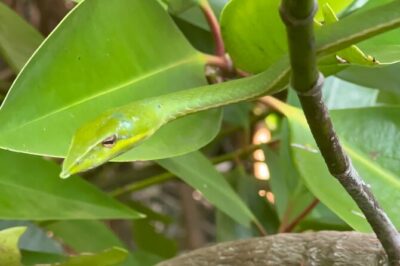
Crocodiles and large lizards are easier when you look for stillness. Many reptiles blend into banks and shadows until they suddenly shift. If your guide points out a likely spot, keep watching even if nothing happens immediately.
Bottom line: this tour gives you the right chance to see river wildlife, but your success depends on staying observant and letting your guide lead your eyes.
Bentota Beach stop and King coconut: the calm break you need
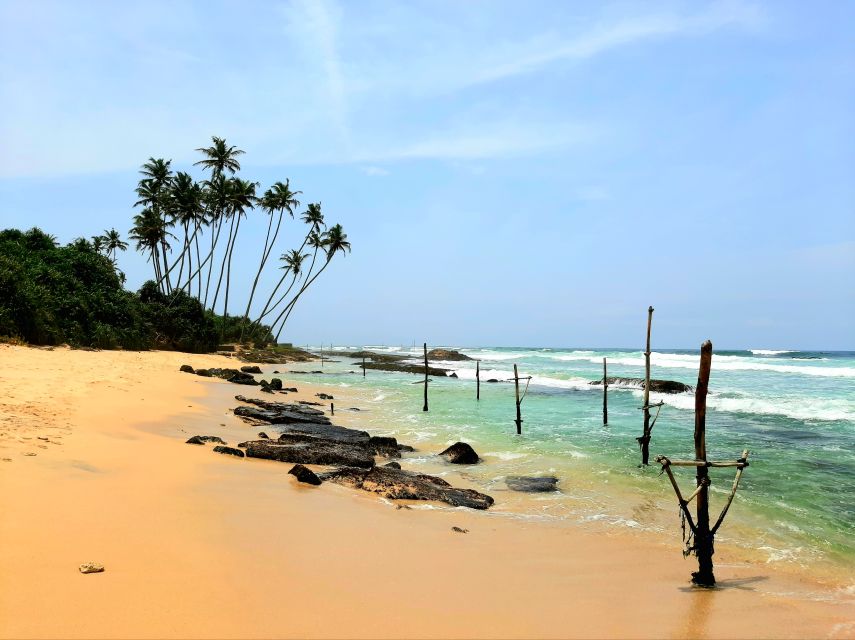
After the river cruise, the tour shifts gears back to Bentota Beach and the west coast. This is not just filler time. It gives you a breather from boat time and lets you reset your eyes after focusing on wildlife movement.
Bentota’s beach stop is also a practical reward. River tours can be dusty or splashed, and sun can hit hard on the water. Even a short pause on the sand helps you feel human again, especially if you plan to keep going later in the area.
The King coconut refresh is a smart inclusion. It is simple, but it addresses the real comfort issue on Sri Lanka’s coast: heat and dehydration. If you have ever finished a tour feeling like you survived it instead of enjoyed it, you already know why a natural cool-down is valuable.
You may also notice how the beach adds variety to your photos. River wildlife shots are mostly about motion, reflections, and animals near banks. Beach photos let you show the wider setting and the light on the coastline, which is useful if you want a full story, not just close-up sightings.
One small consideration: the day is short overall, so beach time is not going to feel like an all-day beach day. Think of it as a reset button, not a sunbathing marathon.
If you want sand-free comfort, wear sandals or shoes you do not mind getting sandy. And if you plan to buy snacks later, keep some small cash handy, since food and drinks are not included on this tour.
Other wildlife days in Bentota
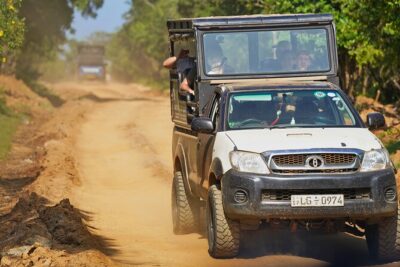
Kande Vihara temple: a quick culture stop done respectfully
Next comes the ancient Buddhist temple of Kande Vihara, visited with a guided explanation. This part adds meaning to the trip by connecting your nature experience to the cultural landscape of the region.
Temple stops on shorter tours work best when you keep your expectations realistic. You are not doing a long deep study of architecture here. You are getting context, learning what to look for, and understanding how locals relate to the space.
What I like about including a temple right after the river is the shift in tempo. Your morning or early outing was all about watching living creatures and tracking movement. At the temple, you slow down again, and your guide helps you switch from wildlife scanning to noticing details like sacred space rules and how people behave inside.
If you want this to feel respectful and smooth, dress with temple rules in mind. Shoulders and legs are usually best covered at Buddhist sites. Bring a light layer or scarf, and you will avoid awkward quick fixes on the spot.
Temple photography can also be tricky depending on where you are standing and what is happening. If you are unsure, watch what others do, and follow your guide’s cues.
The biggest value here is education without making it feel like a lecture. You get a guided walk through the meaning of the place, and then you move on to something very Sri Lanka in its own way: the herbal garden.
Herbal garden with Sri Lanka’s spices and medicinal plants
The herbal garden portion is where the tour gets practical. Instead of only telling you what to admire, it focuses on plants people use in everyday life, especially Sri Lanka’s indigenous spices, herbs, and medicinal plants.
I like herbal garden stops because they translate abstract “culture” into something you can recognize later. Even if you are not planning to become a plant expert, you can walk away with a basic understanding of how local people think about healing, cooking flavors, and natural remedies.
This garden stop works especially well right after the temple, because both are about local knowledge and daily life shaped by tradition. You are moving from a spiritual place into a place of lived utility.
You should expect a guided talk, with you learning how different plants are used. Since the tour is short, you will not have hours to wander alone, but you will still get the main ideas and enough context to make the experience feel like more than just a quick look at leaves.
If you are the type who usually reads labels on spice jars in shops, you will probably enjoy this even more. You can connect the dots between what you smell and what you learn about how it is grown and used.
This is also a great section for questions. If you are curious about what is used for what, ask. A good guide can give you simple explanations you can actually remember.
Price and time value for a 2-hour Bentota experience
At $30 per person for about two hours, this is priced like an efficient, curated sampler. You are paying for a guided wildlife cruise, national park access, and a combination of nature plus two cultural stops. That makes the price feel more reasonable than you might expect if you compare it to the cost of boat rides without a guide, or guided temple and garden visits done separately.
The strongest value is how much variety you get in a compact block of time:
- A wildlife-focused river boat experience
- Bentota Beach recovery time
- Kande Vihara with guidance
- A herbal garden learning stop
The practical tradeoff is that you cannot treat this like four separate half-days. If you want to linger, you will need to add extra time on your own later. But if you are staying in the area and want to see a lot without burning half your day in transit, this format is ideal.
Also note what is not included. There is no hotel pickup and drop-off, and food and drinks are not included. That means you need to handle getting to the meeting point yourself, likely by taxi or tuk tuk from your lodging. The meeting point is Aida Gems & Jewellery, so plan your route before you go.
Included comfort and safety are handled well for a short outing: life jackets, an English-speaking guide, and basic accident insurance. For many people, that is exactly the balance they want: comfort and guidance without overpaying for a full-day package.
Finally, the group size is small, limited to 6 participants. That matters on wildlife cruises because fewer people usually means less noise, less crowding, and more chance for your guide to help you find animals.
Who should book this tour, and who might prefer something else
This tour fits best if you want an active nature experience in a short window. If you like wildlife but you do not want to spend all day on the road, you will probably enjoy the pacing. I also think it is a strong choice if you want a combo day in Bentota that does not just mean beach time.
It is especially good for first-timers to the area who want the “why” behind what they see. The guide helps connect mangroves, wildlife behavior, and the local ecosystem, then you get cultural context at Kande Vihara and practical knowledge in the herbal garden.
You might want to choose a different option if:
- You hate boats or get motion sick
- You want long beach time or extended temple time
- You prefer food and drinks included in the price
- You do not want to meet at an external location and arrange your own transport
If you are a careful planner, this is easy to set up because you know the meeting point and the total time. Just give yourself a buffer so you arrive ready to board.
Should you book this Bentota wildlife and temple tour?
Yes, I would book it if you want a focused, guided Bentota River wildlife experience plus culture, in about two hours. The slow boat pace, the small group setting, and the guided spotting of crocodiles, monkeys, and other wildlife are exactly the kind of value you feel immediately once you are on the water. Add a King coconut and a guided herbal garden, and the tour gives you more than just photos.
If you want a leisurely day with lots of free time to roam, you may feel the schedule is tight. But if you are building a Bentota itinerary and want a smart, varied hit of nature and local knowledge without spending all day, this is a solid choice.
FAQ
Where is the meeting point for the Bentota River and mangroves tour?
Meet at Aida Gems & Jewellery. You will need to get there yourself since hotel pickup and drop-off are not included.
How long is the tour?
The duration is 2 hours.
What’s included in the boat cruise?
You get a slow motorboat cruise, life jackets, an English-speaking guide, a national park entrance fee, and basic accident insurance.
What wildlife might I see on the Bentota River?
You can look out for giant crocodiles, sea eagles, monkeys, snakes, monitor lizards, and graceful egret herons.
Does the tour include a herbal garden and temple visit?
Yes. After the river cruise and beach time, the tour includes a guided visit to the ancient Buddhist temple of Kande Vihara and a guided herbal garden with Sri Lanka’s indigenous spices, herbs, and medicinal plants.
Is food or drinks included?
No. Food and drinks are not included, but there is a refreshment stop with a natural King coconut.
Can I cancel and get a refund?
Yes. You can cancel up to 24 hours in advance for a full refund.
More Tours in Bentota
More Tour Reviews in Bentota
Bentota, River and Sand
- Bentota River Safari with Mangrove and Wildlife Encounter
- 2h Bentota River Safari: Crocodiles, Monkeys, Mangrove & more
- Udawalawe Safari DayTrip frm Bentota/Kalutara/Ahungalla/Hikkaduwa
- Yala Safari Day Trip from Bentota/ Kalutara/ Ahungalla/ Hikkaduwa
- Bentota: River Safari with Hotel Pickup and Drop-Off
Still browsing Bentota? Start here
- Yala Safari Private Day Trip from Bentota and Kalutara Areas★ 5.0 · 3 reviews
- Yala Safari Private Day Tour From Kaluthara/Beruwala/Bentota/Kosgoda/Ahungalla★ 5.0 · 3 reviews
- Udawalawe Safari Private Day Tour Kaluthara/Beruwala/Bentota/Kosgoda/Ahungalla★ 5.0 · 3 reviews
- Coastal Ride to Galle from Bentota★ 4.0 · 3 reviews
- Kandy Full Day Tour Private All Inclusive★ 5.0 · 3 reviews
Bentota Tours, compared.
 ★ 4.7Galle and Bentota Day-Tour From ColomboFrom $45200 reviews
 ★ 4.9Bentota River Safari with Mangrove and Wildlife EncounterFrom $20182 reviews
 ★ 5.02h Bentota River Safari: Crocodiles, Monkeys, Mangrove & moreFrom $32128 reviews
 ★ 5.0Bentota River Safari By BTM (Mangrove & Wildlife Encounter)From $32108 reviews
 ★ 5.0Udawalawe Safari DayTrip frm Bentota/Kalutara/Ahungalla/HikkaduwaFrom $20077 reviews
 ★ 5.0Yala Safari Day Trip from Bentota/ Kalutara/ Ahungalla/ HikkaduwaFrom $20060 reviews
 ★ 4.6Colombo/Bentota/Kalutara/Ahungalla: Yala Safari TourFrom $12450 reviews
 ★ 4.9Bentota River Safari: Discover Wildlife & Mangroves by BoatFrom $2041 reviews
Browse the lists this tour appears in