
REVIEW · SRI LANKA
Cook with Wasantha
Curries begin at the market gates. Cook with Wasantha is a small-group Galle cooking class where you shop for ingredients, learn coconut milk and rice, cook five curries, then eat them family-style.
I love the market shopping with Sam, including Dutch Market and the fish market, so you understand what makes good Sri Lankan meals start with great ingredients. I also love that Wasantha’s teaching builds the key bases first, coconut milk and rice, before you turn to the curries.
One consideration: it is a class and demonstration format, so depending on the day you might find some parts more guided than fully hands-on, especially during peak cooking moments.
In This Review
- Key things that make Cook with Wasantha a smart pick
- A Galle cooking class built on markets, not just recipes
- From Unawatuna pickup to a tuk-tuk run into Galle’s food world
- Dutch Market shopping: choosing ingredients that will taste like Sri Lanka
- Fish market stop: fresh seafood decisions for tuna or chicken curry
- Coconut milk and rice: the two skills that stop curry from tasting flat
- Cooking five curries in one sitting: four vegetables plus one star choice
- What you might cook, in real terms
- How hands-on will it feel, and what instruction style to expect
- The buffet lunch: finger eating, good conversation, and finishing strong
- Price and time value: why $30 feels more fair than it looks
- Who this works best for in Galle
- Should you book Cook with Wasantha?
- FAQ
- Where is Cook with Wasantha located?
- What time does the tour begin?
- How long is the experience?
- How many people are in the group?
- What markets do you visit?
- What do you cook during the class?
- Is transport included?
- Is the lunch included?
- What if the weather is bad?
- What is the cancellation policy?
Key things that make Cook with Wasantha a smart pick
- Max 10 travelers for an intimate, question-friendly experience
- Dutch Market and fish market stops, with practical ingredient choices
- Coconut milk and rice taught step-by-step, so your curries taste right
- Five curries from scratch, four vegetable plus tuna or chicken
- Lunch buffet served the local way, with you eating your work
- Family kitchen energy, led by Wasantha, with help from Sam and often Sasa
Still narrowing it down? These Galle trips held up well.
- Galle: Traditional Gems & Jewellery Workshop with Transfers
★ 4.9 · 539 reviews - Sea waves sri lankan cooking class
★ 5.0 · 467 reviews - Galle Fort Walking tour
★ 4.9 · 285 reviews - Snorkeling with Turtles in Mirissa
★ 5.0 · 268 reviews
A Galle cooking class built on markets, not just recipes
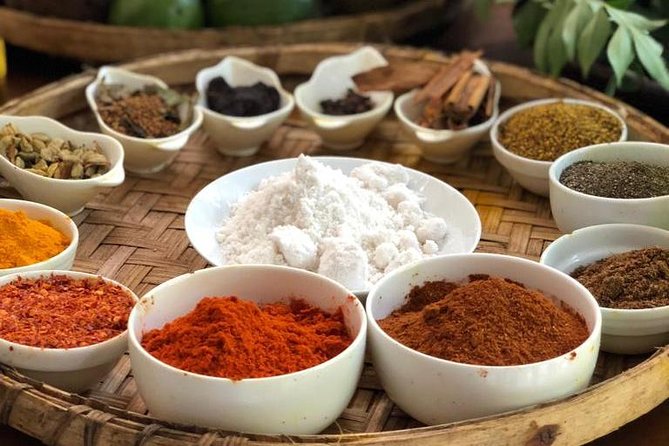
This is the kind of Sri Lankan cooking class that starts where the real flavor starts, with buying ingredients that actually taste like something. You are not just learning curry names. You are learning how to pick produce, how to handle spices, and how to cook the rice and coconut base that everything else depends on.
I like that the class stays focused on fundamentals. You will learn coconut milk and how to get rice right, then apply those skills across five different curries. That structure matters because it helps you recreate flavors later, instead of guessing what went wrong at home.
The group size also changes the vibe. With a maximum of 10 travelers, you are more likely to get clear guidance and real answers as you cook.
From Unawatuna pickup to a tuk-tuk run into Galle’s food world
You start at Wasantha’s Sri Lanka Cuisine, 180/a Yaddehimulla Rd, Unawatuna, with a 10:00 am start. From there, you head out by tuk-tuk for the first market stop and then keep moving through the day.
This transport piece sounds simple, but it is part of the value. In one chunk of time you get to see multiple food sources, not just one tidy market corner. And because it is handled, you do not have to play logistics bingo in Galle streets.
You also get a clear sense of flow: meet, shop, cook, eat. That makes the experience feel like a real outing with purpose, not a rushed workshop.
Dutch Market shopping: choosing ingredients that will taste like Sri Lanka
The first stop is the Dutch Market. That is a big deal because markets are where you learn the unglamorous skills, spotting freshness, picking ripeness, and understanding how different produce behaves in cooking.
Here you are doing more than browsing. The experience is built around learning how to choose vegetables and fruits for your meal. That matters because curry flavor is tied to ingredient quality. Bad produce turns into sad curry, no matter how good your spices are.
You also get to participate in selecting what ends up on the stove. The best part of market-based classes is that your lunch feels personal. You can taste that connection when you sit down to eat.

Fish market stop: fresh seafood decisions for tuna or chicken curry
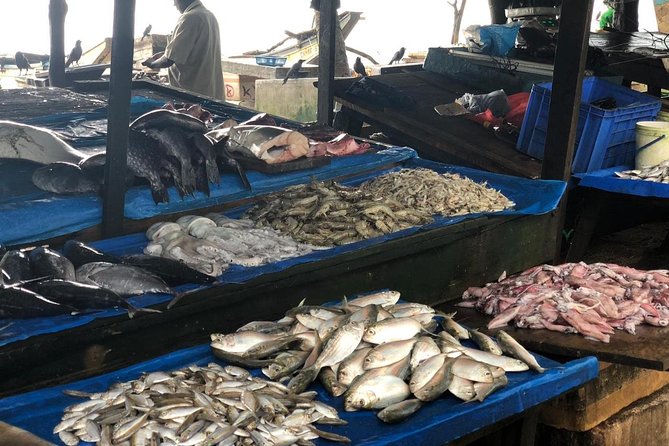
Next comes the fish market, where fresh fish is the focus. If you go for the tuna option, you get to connect your curry to a real seafood source, not a packaged substitution.
This is also where the day gains a second layer of learning. Vegetables teach one kind of cooking lesson. Seafood teaches another, especially around handling and timing. Even if you do not get technical on the spot, you learn how the market stage affects what ends up on your plate.
You should expect questions here. The market portion is part history, part practice, and it helps you understand what to look for when you are buying on your own later.
Coconut milk and rice: the two skills that stop curry from tasting flat
Before you go into the curry lineup, the class teaches two base skills: coconut milk and rice. This is smart. Many cooking classes skip the foundation and jump straight into spice blends, leaving you with curry that tastes close, but not right.
Coconut milk is not just an ingredient. It changes texture, rounds sharp flavors, and softens heat. Learning how to make it fresh gives you control, and it also explains why certain Sri Lankan curries taste the way they do.
Then there is rice. Getting rice right matters because curry is not served alone. It is supposed to match the rice, both in texture and in how it carries sauce. When you learn the local rice method, you stop treating rice as a side dish and start treating it as part of the recipe.
Cooking five curries in one sitting: four vegetables plus one star choice
The core kitchen session centers on five different curries. You will prepare four colorful vegetable curries plus your choice of tuna curry or chicken curry. Everything is made from scratch using fresh, local ingredients.
This menu format is a great way to learn patterns. You see how the same base approach supports different flavors. You also learn how vegetable curries can taste distinct even when the spice profile overlaps.
It is also a confidence builder. You finish the day with a meal that feels like a complete Sri Lankan lunch, not a tiny tasting plate.
What you might cook, in real terms
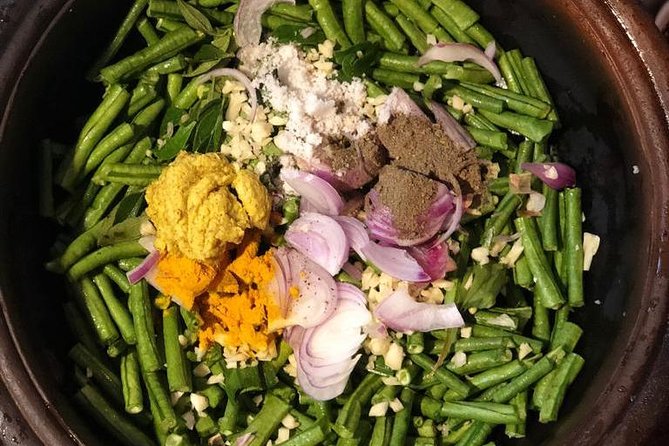
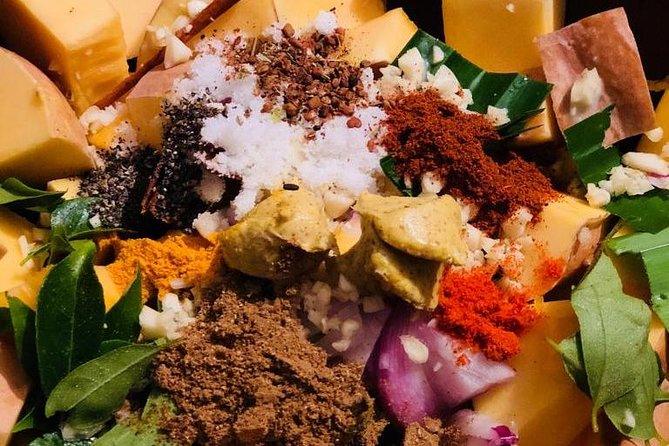
Your exact curry lineup can vary with what you buy at the markets, but you are likely to see vegetable curries built around ingredients like pineapple, pumpkin, aubergine, onions, and lentils, plus a fish curry like tuna. The menu can also include a signature coconut sambol, which adds a creamy, tangy contrast that makes curry feel even more balanced.
How hands-on will it feel, and what instruction style to expect
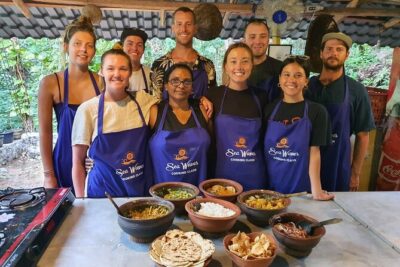
The experience is described as a traditional cooking class and demonstration, and that is the key to setting your expectations. The kitchen portion involves active prep and cooking, but the flow can include periods where Wasantha and family demonstrate techniques while you follow along.
In a small group, that is usually fine because you still get time at the stove. And the instruction style is built around clarity and practical cues. You are likely to learn how to judge spices by aroma, not just measuring, which is a very real way Sri Lankan cooking works in everyday homes.
You may also notice the family teamwork. Wasantha leads the cooking side, Sam often helps guide the market portion, and Sasa may lead parts of the instruction. That family dynamic is part of why people come away feeling like they learned more than a “one and done” recipe.
If you have dietary restrictions, this is also a place to ask. The class has shown it can adapt recipes to intolerances when needed, so bring those needs up early.
The buffet lunch: finger eating, good conversation, and finishing strong
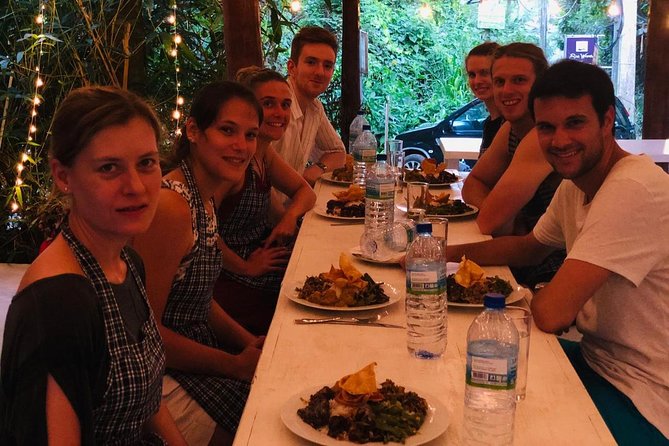
At the end, you eat what you cooked. The meal is served buffet style, and the local way includes eating with your fingers.
This is not just a novelty. Finger eating connects you to how thick and saucy these curries are supposed to be. You get a better sense of how the flavors build together when rice, curry, and sides meet on the same bite.
The best part of the buffet format is that it rewards variety. You can taste each curry while it is still hot, then decide which ones you want to recreate later. That is a huge advantage over classes where you only get one small portion.
And since the class visits multiple markets, lunch feels like a culmination of the whole day. The food choices you made earlier become the meal you are eating now.
Price and time value: why $30 feels more fair than it looks
At about $30 for roughly 4 hours, the math is surprisingly good if you care about ingredients and context. You are not paying for a static cooking workshop. You are paying for market time, market expertise, transport between stops, instruction for coconut milk and rice, plus five curries and a full buffet lunch.
The small-group limit also affects value. With 10 travelers max, you get a chance to ask questions and learn the “how,” not just watch the “show.”
If you compare this to classes that charge more for a set menu and minimal shopping, this one earns its price by teaching you the parts you actually need to cook at home.
Who this works best for in Galle
This class suits you if you want more than a meal. I think it is ideal for food lovers who enjoy learning how ingredients connect to flavor, and who like a hands-on day with real local guidance.
It also works well for couples and small groups. You get the atmosphere of a shared experience without feeling like a factory line. The family-led nature of the cooking also makes it feel welcoming, especially if you ask questions while you cook.
If you are traveling with kids, this could still be a fun option because it is active and you are doing a clear sequence of tasks. But if your group needs nonstop hands-on participation, set expectations about the demonstration parts.
Should you book Cook with Wasantha?
Book it if you want a practical Galle cooking class that teaches foundations, coconut milk and rice, and then lets you apply them to five Sri Lankan curries using market-picked ingredients. The market stops add real learning value, and the small group size helps you get answers while you cook.
Skip it or adjust expectations if you specifically want constant stirring for every minute. Because the format blends class plus demonstration, participation levels can vary, depending on the pace of the kitchen.
If your goal is to bring home technique you can actually use, this is a strong choice. You will leave with a full lunch that you made from scratch, plus a clearer understanding of how Sri Lankan flavors are built, not just what recipes say to do.
FAQ
Where is Cook with Wasantha located?
The tour starts at Wasantha’s Sri Lanka Cuisine, 180/a Yaddehimulla Rd, Unawatuna, Sri Lanka.
What time does the tour begin?
The start time is 10:00 am.
How long is the experience?
It runs for about 4 hours.
How many people are in the group?
The tour caps at a maximum of 10 travelers.
What markets do you visit?
You visit the Dutch Market first, and then you go to the fish market.
What do you cook during the class?
You learn coconut milk, how to cook rice, and you make five curries, four vegetable curries plus your choice of tuna or chicken curry.
Is transport included?
The experience includes taking a tuk-tuk to the markets during the day.
Is the lunch included?
Yes. You eat a buffet-style lunch after cooking.
What if the weather is bad?
This experience requires good weather. If it is canceled due to poor weather, you are offered a different date or a full refund.
What is the cancellation policy?
Free cancellation is available up to 24 hours in advance for a full refund. If you cancel less than 24 hours before the start time, the amount paid is not refunded.
More Tour Reviews in Galle
Still browsing Galle? Start here
- From: Ella – YALA Safari – Drop off: Arugam Bay / Arugambay★ 5.0 · 3 reviews
- Galle Instagram Tour: Most Famous Spots (Private & All-Inclusive)★ 5.0 · 3 reviews
- Galle Sightseein Rickshaw Tour★ 4.5 · 3 reviews
- From Colombo: Day Trip to Galle City, Koggala and Unawatuna★ 4.2 · 3 reviews
- Yala National Park Private Safari (All Inclusive) From Mirissa★ 4.5 · 4 reviews