
REVIEW · HIKKADUWA TOURS
Discover Scuba Diving : Hikkaduwa : Scuba Diving
Three hours and you are underwater. At International Diving School inside Coral Sands Hotel in Hikkaduwa, this beginner program gives you one-on-one instruction and calm-water practice before a guided open-water experience. The catch is that it is not suitable if you have claustrophobia or certain medical conditions, including heart or respiratory issues and high blood pressure.
For about 3 hours and $91 per person, you get equipment rental, certified supervision, and an instructor-led Q and A afterward with refreshments. It is a solid value if you want a first taste of scuba without committing to a longer program.
In This Review
- Key Highlights That Matter on This 3-Hour Session
- Where You Start in Hikkaduwa and Kotapola, Coral Sands Hotel Base
- The 3-Hour Flow: Safety Briefing, Gear Fit, Controlled Skills, Open-Water Time
- Equipment Orientation: Masks, Fins, Regulators, and Buoyancy Control
- Confined Water Practice in Calm Conditions (Pool or Shallow Lagoon)
- Your Guided Open-Water Experience Off Hikkaduwa
- Post-Session Debrief, Refreshments, and Optional Photos
- Price and Value: What $91 Includes, and What You Pay Separately
- Who This Program Suits Best, and Who Should Skip It
- Simple Prep Tips So You Feel Confident Underwater
- Should You Book This First-Timer Scuba Session in Hikkaduwa?
- FAQ
- How long is the Discover Scuba experience?
- Do I need any prior scuba experience?
- What is included in the $91 per person price?
- Where does the session start?
- What should I bring with me?
- Is the instructor available in English, and who is this not suitable for?
Key Highlights That Matter on This 3-Hour Session
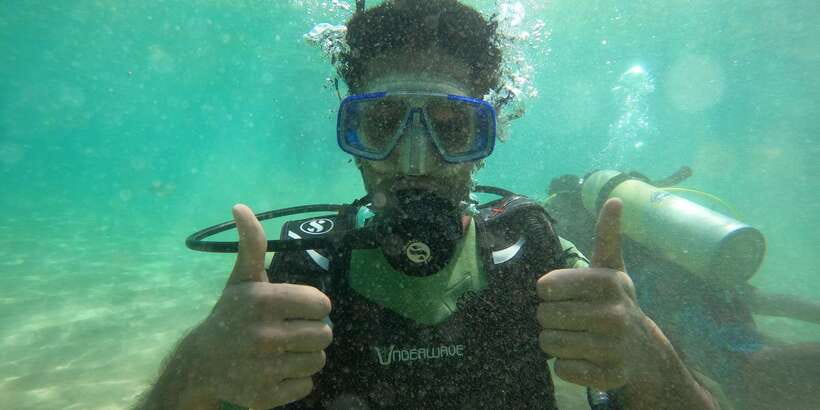
- One-on-one certified guidance: You are not just sent into the deep end of the pool, you get direct coaching throughout.
- Calm-water confidence building: You practice core skills in controlled water before any open-water time.
- No prior experience needed: The training is designed for first-timers, so you start with fundamentals.
- Equipment orientation included: Masks, fins, regulators, and buoyancy control devices are covered so you can feel at ease.
- Post-session debrief and refreshments: You get a chance to ask questions and review what you felt underwater.
More Hikkaduwa, reef and road
- Hikkaduwa/Galle/Weligama/Mirissa/Tangalle: Yala Safari Tour
★ 4.8 · 263 reviews - Hikkaduwa/Galle/Mirissa/Hiriketiya/Tangalle:Day Trip to ELLA
★ 4.8 · 171 reviews - Hikkaduwa/Galle/Weligama/Mirissa/Tangalle: Udawalawa Safari
★ 4.8 · 114 reviews - One Day Udawalawe Safari from Galle/Mirissa/Unawatuna/Hikkaduwa
★ 5.0 · 10 reviews
Where You Start in Hikkaduwa and Kotapola, Coral Sands Hotel Base
The experience runs from a scuba school set inside Coral Sands Hotel in Hikkaduwa, with the broader activity area listed around Kotapola, Sri Lanka. In practice, that matters because it keeps your whole day simple. You are not hunting for a complicated meeting spot at the last minute, and you can show up, check in, and get geared up right away.
When you arrive, plan to treat the first 20 to 30 minutes like part of the training, not just paperwork. You will do a quick registration process, meet your English-speaking instructor, and get the lay of the land for the day. This is also where you want to be thinking about your comfort. If you know you get nervous in changing rooms, arrive early so you are not rushing into gear.
What you bring can make or break your comfort level. Bring beachwear and a change of clothes, plus biodegradable sunscreen. Towels and swimwear are not provided, and that can leave you improvising if you show up with only a single outfit. You can also bring food and drinks since meals are not part of the program, and you will only get light refreshments after.
The 3-Hour Flow: Safety Briefing, Gear Fit, Controlled Skills, Open-Water Time
This is a short, focused program designed to take you from first-time to confident enough for an open-water session. The pacing is built around learning in steps, not throwing you into uncertainty and hoping for the best.
Here is the typical flow you should expect:
1) Welcome and check-in at the Coral Sands Hotel base
2) Introduction and safety briefing with your certified instructor
3) Equipment orientation so you understand what each piece does
4) Confined water practice in a pool or shallow lagoon
5) Guided open-water experience off Hikkaduwa
6) Post-session debrief with Q and A and light refreshments
The most valuable part for first-timers is the order. You get the basics, then you practice in calm water, then you get guided open-water time. That sequence helps you avoid the common first-timer problem, which is panic caused by confusion. If you know what the gear is doing and you have already practiced core skills, your brain can relax enough to enjoy the underwater scenery.
Also note the length. At 3 hours, you are not signing up for a whole-day commitment. You can build this into a busy Hikkaduwa itinerary, and you still have time for a beach lunch or an evening stroll after you finish.
Equipment Orientation: Masks, Fins, Regulators, and Buoyancy Control
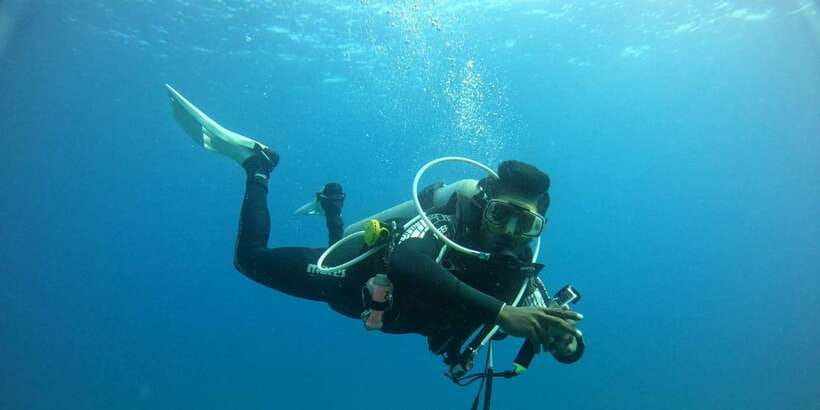
Scuba feels simple when it is done well, but the gear can be intimidating at first. The good news here is that equipment rental is included, and the instructors walk you through what you will use before you enter the training water.
You will be fitted and introduced to:
- Mask, fins, and snorkel
- Wetsuit
- Regulator
- Buoyancy control device
The practical value of this is confidence. If you do not know what the regulator does, or you are unsure how buoyancy control affects your position, you tend to fight your body instead of working with it. With orientation included, you can ask questions early, get your fit adjusted, and start the practice part with fewer surprises.
A small but important tip for comfort: think about how the mask feels and whether it seals well. If you are even slightly uncomfortable, say so before you start skills practice. The goal is to help you feel steady before you start learning underwater breathing and pressure skills.


Confined Water Practice in Calm Conditions (Pool or Shallow Lagoon)
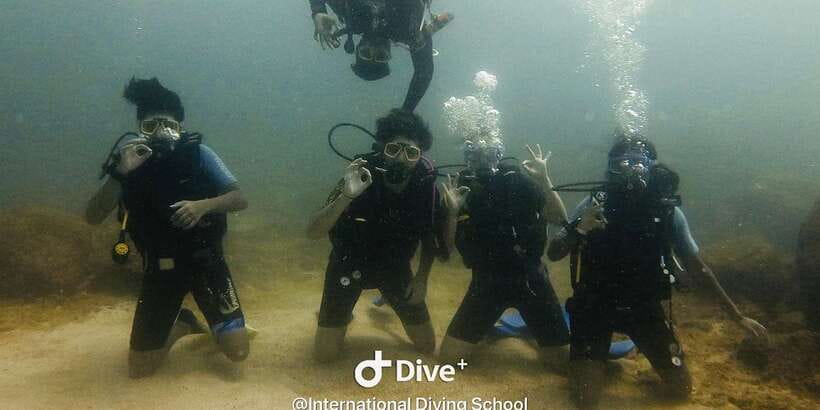
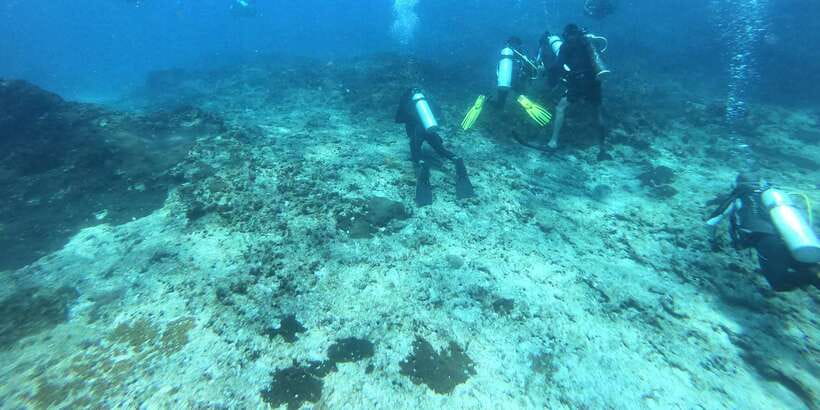
This is where the program earns its keep. You start in a controlled environment, like a pool or shallow lagoon, where conditions are easier to manage. That means you can focus on technique instead of worrying about waves, depth, or visibility surprises.
During the confined water practice, you learn essential basics such as:
- breathing underwater
- equalizing pressure
- clearing your mask
This is not just checkbox training. Equalizing is the skill that helps you stay comfortable as depth changes. Learning it early, in a controlled setting, reduces the risk of getting overwhelmed later. And mask clearing is huge for peace of mind. Even if nothing goes wrong, practicing the motion removes fear.
If you are nervous, this part is your on-ramp. You can fail safely, ask for corrections, and build a rhythm. You are also learning how to follow an instructor’s cues. That matters in open water, where you want to move with control instead of rushing your body into panic.
Your Guided Open-Water Experience Off Hikkaduwa
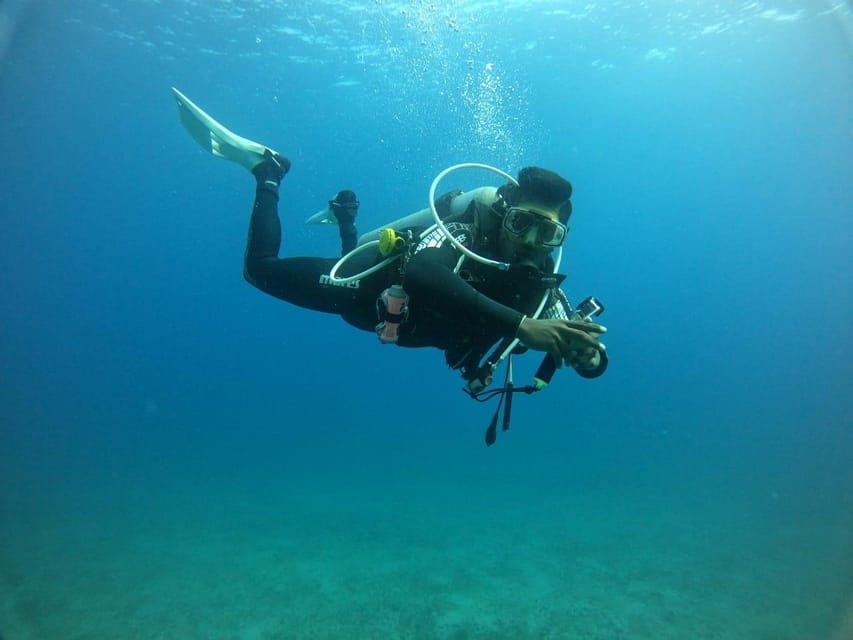
Once you have the basics down, you shift into open-water time off Hikkaduwa, guided throughout. This is the moment most first-timers book for, the underwater world that feels like a different planet.
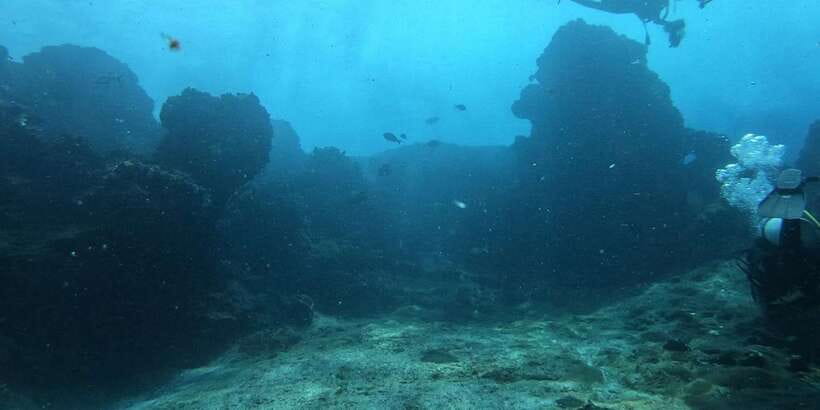
The experience includes time exploring coral reef habitat with colorful fish and diverse marine life. You should also expect the classic first-timer sensation of feeling lighter in the water, more buoyant and floaty than you are used to on land.
Here is the part where rules matter. You are explicitly expected not to touch marine life, and you also should not litter or touch animals or plants. Those boundaries are not there to spoil fun. They protect the reef and the creatures living on it, and they also help you maintain control of your buoyancy and body positioning.
The best mindset for open water is simple: follow the instructor, go slow, and focus on what you practiced. If you have already breathed underwater calmly and cleared your mask once or twice, you will likely find that your attention can shift from surviving to observing.
Post-Session Debrief, Refreshments, and Optional Photos
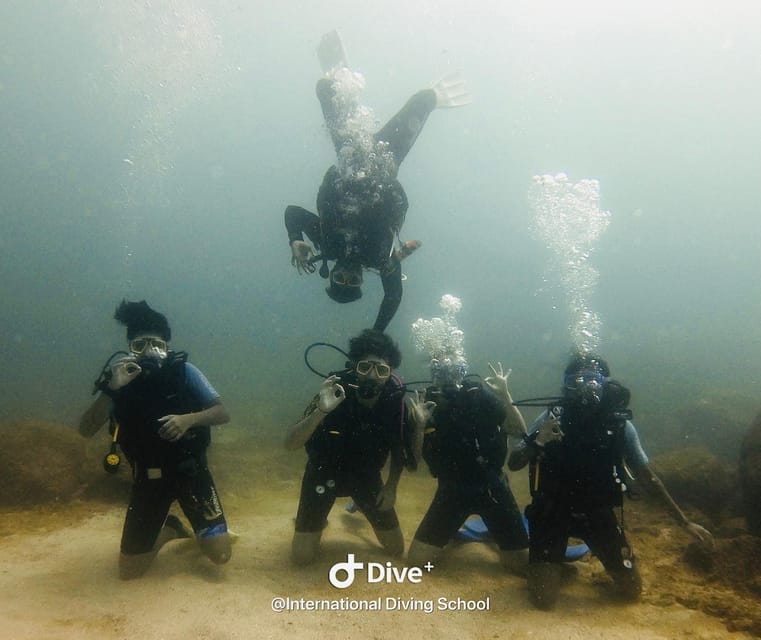
After your underwater time, you return to the base for a post-session debrief with your instructor. This is a smart part of the experience, because you can process what you felt and correct misunderstandings while everything is fresh.
You will also get refreshments, included as complimentary drinks and snacks. This is another small value point. After you have worked your breathing and posture underwater, it is nice to be given something to reset, rather than having your day end with an empty stomach.
Then there is the photo option. Souvenir photos and videos are available to purchase, so you can decide on the spot whether you want a visual memory of your time underwater. If you are budget-minded, ask to see what is available before you commit. A short program like this can be worth it even without photos, because the experience itself is the memory.
Price and Value: What $91 Includes, and What You Pay Separately
At $91 per person for a 3-hour program, the value is in what is bundled. You get far more than just a guide in the water.
Included elements that drive the price down in terms of cost per service:
- Scuba equipment rental (mask, fins, snorkel, wetsuit, and scuba gear)
- a certified instructor for guidance and supervision
- a safety briefing and training
- confined water practice in a controlled environment
- guided open-water time
- basic insurance coverage
- post-session debrief plus complimentary drinks and snacks
- optional souvenir photos or videos available for purchase
What is not included, so you do not get surprised:
- towels, swimwear, and sunscreen
- underwater photography or video purchases (optional)
- additional dives or advanced courses
- full meals, only light refreshments
This matters for planning. If you compare this to a DIY approach, renting gear, arranging instruction, and handling safety prep would cost you more. If you compare it to longer certification work, this is still worth considering because it delivers a guided first taste with structure. You can decide after this whether you want more training beyond the base price.
Who This Program Suits Best, and Who Should Skip It
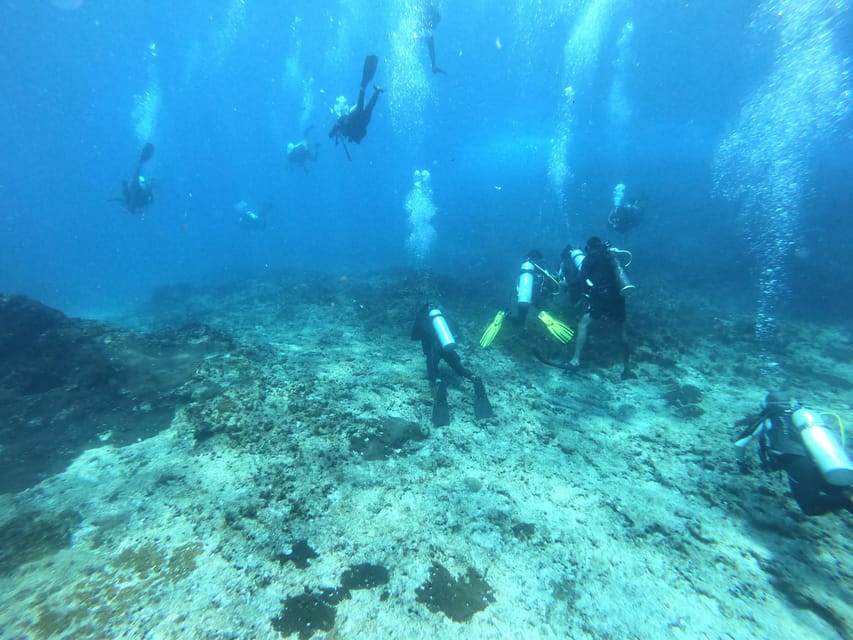
This is designed for beginners, and the “no prior experience” angle is real here. Confined water practice plus guided open-water time is the basic formula for a good first scuba experience, and it is exactly what the program is built around.
It is best suited for you if:
- you want hands-on instruction from the start
- you feel okay being in water with gear and learning core pressure and mask skills
- you want an organized 3-hour plan rather than a long course
But you should skip or reconsider if you fall into any of the listed categories:
- children under 10
- mobility impairments
- claustrophobia
- heart problems
- vertigo
- respiratory issues
- epilepsy
- pre-existing medical conditions
- high blood pressure
- people over 70
One practical note: even if you are not listed, if you have any condition that affects breathing, pressure tolerance, or overall stability, you should check with your doctor before booking. Scuba involves controlled breath-holding-like coordination and pressure equalization, so safety starts long before you step into the water.
Simple Prep Tips So You Feel Confident Underwater
You can do a lot to make your session feel smoother, and most of it is about comfort and basics.
Do this:
- Bring change of clothes so you can dry off afterward.
- Use biodegradable sunscreen, since regular sunscreen is not ideal for marine environments.
- Bring beachwear, since towels and swimwear are not included.
- If you get hungry easily, bring food and drinks. Full meals are not included, only light refreshments after.
Pay attention to the on-site rules:
- no alcohol or drugs
- do not litter
- do not touch marine life, animals, or plants
Also, take the “no touching marine life” seriously as a personal challenge. Your goal is to hover, observe, and control your position. If you treat it like a gentle discipline instead of a restriction, your underwater time tends to feel calmer.
Should You Book This First-Timer Scuba Session in Hikkaduwa?
If you want a structured, beginner-friendly introduction with one-on-one guidance, confined practice, and a guided open-water experience, this is a very reasonable pick. The price includes gear rental, certified supervision, safety training, basic insurance, and refreshments, which makes it easier to say yes without doing a bunch of separate planning.
I would book it when:
- you are curious about the underwater world but nervous about getting started
- you want learning that happens in calm conditions first
- you prefer a short 3-hour experience over a longer commitment
I would hesitate if:
- you do not meet the health or safety limits listed for the program
- you are hoping for advanced training, extra underwater time, or meals included in the price
- you want photos fully included automatically, since they are optional to purchase
FAQ
How long is the Discover Scuba experience?
The experience lasts 3 hours from start at the center to the return afterward.
Do I need any prior scuba experience?
No. This program is designed for beginners, and prior experience is not required.
What is included in the $91 per person price?
It includes scuba equipment rental, a certified instructor, safety briefing and training, confined water practice, a guided open-water experience, post-session debriefing with Q and A, refreshments, optional photo or video availability for purchase, and basic insurance coverage.
Where does the session start?
The meeting point is inside Coral Sands Hotel in Hikkaduwa, at International Diving School.
What should I bring with me?
Bring change of clothes, beachwear, biodegradable sunscreen, and food and drinks. Towels, swimwear, and sunblock are not provided.
Is the instructor available in English, and who is this not suitable for?
Yes, the instructor is English-speaking. The program is not suitable for children under 10, people with mobility impairments, claustrophobia, heart problems, vertigo, respiratory issues, epilepsy, pre-existing medical conditions, high blood pressure, or people over 70.
More Tour Reviews in Hikkaduwa
Hikkaduwa Next
Still browsing Hikkaduwa? Start here
- Snorkeling in Hikkaduwa★ 3.0 · 3 reviews
- Hikkaduwa Snorkeling Tour: 2 Hours of Underwater Adventure★ 4.0 · 3 reviews
- From Bentota – Yala National Park Full Day Safari Tour★ 5.0 · 3 reviews
- Discover Scuba Diving : Hikkaduwa : Scuba Diving★ 4.8 · 3 reviews
- Hikkaduwa/Galle/Unawatuna/Mirissa: Udawalawa Safari★ 5.0 · 4 reviews
Hikkaduwa Tours, compared.
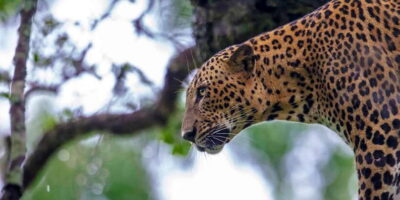 ★ 4.8Hikkaduwa/Galle/Weligama/Mirissa/Tangalle: Yala Safari TourFrom $45263 reviews
 ★ 4.8Hikkaduwa/Galle/Weligama/Mirissa/Tangalle: Udawalawa SafariFrom $27114 reviews
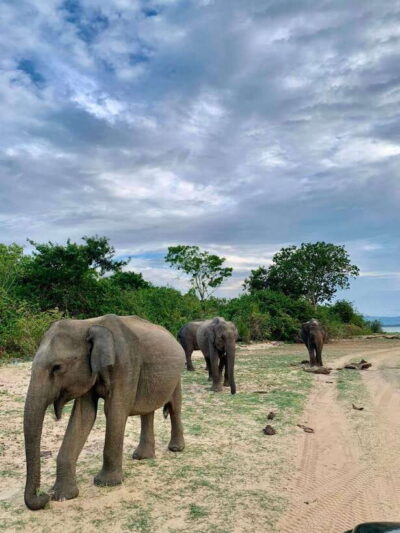 ★ 4.7From Mirissa/Galle/Hikkaduwa: Udawalawa National Park SafariFrom $27106 reviews
 ★ 5.0Udawalawe Safari DayTrip frm Bentota/Kalutara/Ahungalla/HikkaduwaFrom $20077 reviews
 ★ 4.7From Galle/Hikkaduwa/Mirissa: Day Trip to Experience EllaFrom $5775 reviews
 ★ 5.0Yala Safari Day Trip from Bentota/ Kalutara/ Ahungalla/ HikkaduwaFrom $20060 reviews
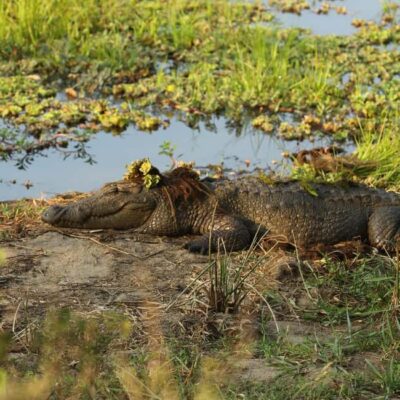 ★ 4.4From Hikkaduwa/Mirissa/Galle/Tangalle – Yala Leopard SafariFrom $4124 reviews
 ★ 4.7Bentota/Kalutara/Hikkaduwa/Galle/Mirissa: Day Trip to EllaFrom $11414 reviews
Browse the lists this tour appears in