
REVIEW · ELLA TOURS
Ella: Sri Lankan Authentic Cooking expirience
Crack coconuts, then eat what you made. In Ella’s Eastern Province, this Sri Lankan Authentic Cooking class with Ruwini turns you into an active cook, from spice prep to curry stirring. I love the hands-on approach and the fact you leave with an emailed recipe set, not just a full stomach. One possible catch is simple logistics, you’ll need your own transport to and from the traditional home.
You also get a small-group setup (max 10), taught in English, so you can actually ask why things taste the way they do. The setting is a real household kitchen, so you’re cooking the way Sri Lankan families do it, not on a stage.
In about 2 hours, you’ll typically make rice, coconut roti, and several curries like aubergine modju, dhal curry, pumpkin curry, and beans curry, plus coconut sambal and papadam. If you’re sensitive to spice levels, tell the host ahead of time so the cooking can match your comfort.
In This Review
- Key highlights worth knowing before you cook
- A Sri Lankan cooking class in Ella that feels like a real kitchen
- Meet Ruwini and start with Sri Lankan spice basics
- Cooking rice the Sri Lankan way, then building everything around it
- Coconut roti and the real coconut milk part
- Curries you actually learn: aubergine, dhal, pumpkin, and beans
- Side mission: coconut sambal and papadam that complete the plate
- The meal at the end, plus recipes you can use again
- Price and value: $22 for a real hands-on cooking session
- Who should book this cooking class in Ella?
- Practical tips so your class goes smoothly
- Should you book Honey Bee Garden Cooking Class?
- FAQ
- What dishes will I cook in the class?
- Is the class taught in English?
- How many people are in the group?
- How long is the cooking class?
- Is transportation included?
- Do I receive recipes to take home?
Key highlights worth knowing before you cook
- Small group learning (10 or fewer) keeps it interactive, not lecture-style
- Ruwini’s English-friendly teaching makes spices and techniques easier to follow
- Fresh coconut work includes scraping and making coconut milk, not just opening a jar
- A full Sri Lankan meal outcome with multiple curries, sambal, roti, and papadam
- Substitute guidance can help when Sri Lankan ingredients are hard to find at home
- Recipes sent by email so you can repeat the dishes later
Ella keeps giving. A few more we walked
- Ella: Drop to Tangalle/Hiriketiya/Mirissa/Galle & Yala Tour
★ 4.9 · 518 reviews - Ella: Little Adam’s Peak, Nine Arches Bridge & Waterfalls
★ 4.9 · 402 reviews - ELLA: Drop to Tangalle/Hiriketiya/Mirissa/Galle & Yala Tour
★ 4.1 · 336 reviews - From Ella: Drop to Tangalle/Hiriketiya/Mirissa & Yala Safari
★ 4.8 · 296 reviews
A Sri Lankan cooking class in Ella that feels like a real kitchen
This isn’t a quick tasting tour. The whole point is that you cook. The class is run in a traditional Sri Lankan home, and that matters. Household cooking is practical and sensory, you learn by doing, watching, and adjusting as you go.
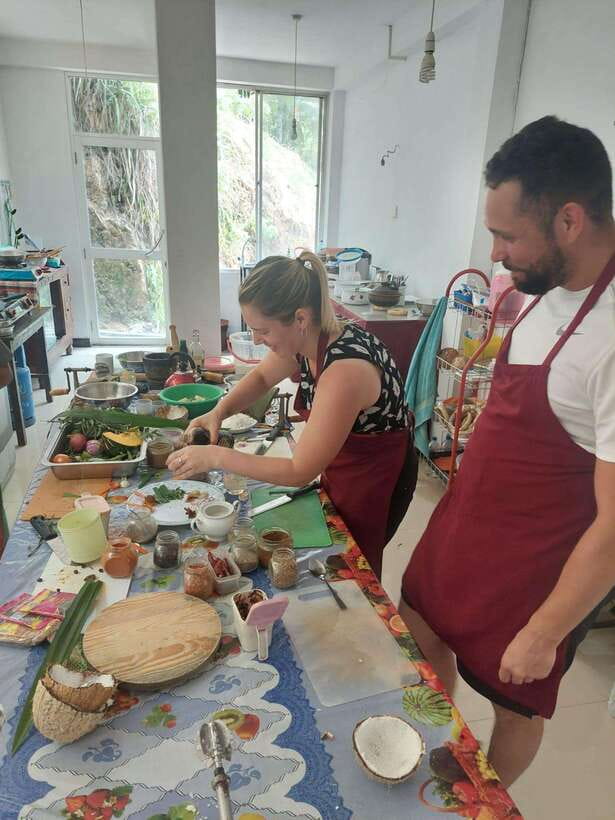
The atmosphere tends to be warm and relaxed, and the group size helps. When the class is capped at 10, you’re more likely to get real roles, not just stand nearby. That’s a big deal for a hands-on experience like cracking coconuts, stirring spice bases, and assembling roti.
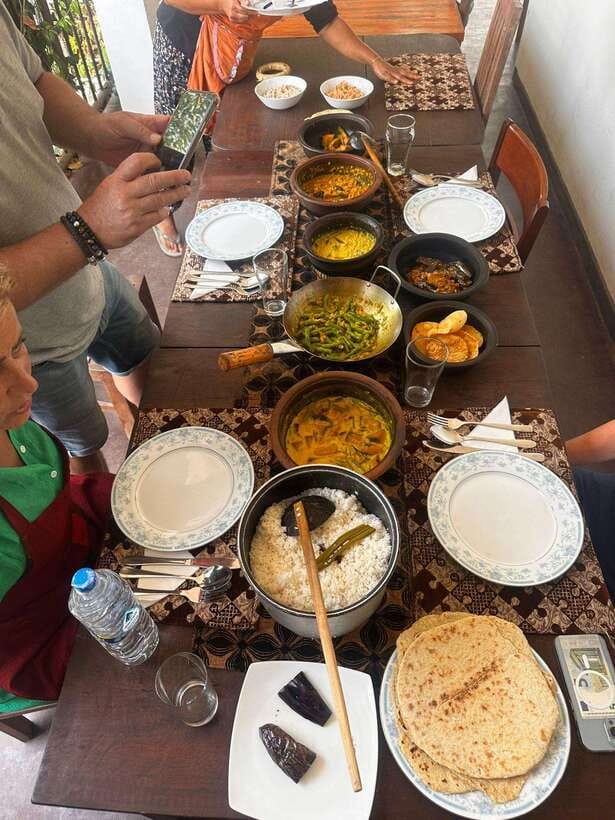
The other value piece is what you end up eating. You’re not just making one dish. You work through a spread that reflects how Sri Lankan meals are structured, rice plus several curries and sides. And yes, you actually sit down and eat what you cooked.
Meet Ruwini and start with Sri Lankan spice basics
The session begins with a brief introduction to Sri Lankan spices. This is the foundation part, and it’s helpful even if you’ve cooked curry before. Sri Lankan flavor comes from layered spice choices and balance, not one single ingredient.
Ruwini, the English-speaking host and home cook, leads the class. Based on how the class is described and how it’s run, you should expect clear explanations and active participation prompts. People like the way she keeps the group involved at every step, whether that’s seasoning, chopping, or learning how to modify flavors.
One practical note: if you have dietary restrictions or allergies, you should inform the host in advance. The class format is hands-on and ingredient-driven, so the earlier you communicate, the easier it is to adjust.
Cooking rice the Sri Lankan way, then building everything around it
Rice is the anchor. In many rice-and-curry meals, every curry depends on the rice as the base you scoop with. You’ll learn the approach used for the class dishes, and the key takeaway is how timing and texture matter once multiple pots and pans are going.
In a class like this, rice also gives you a rhythm. While one part is simmering, you can focus on the next components like curry paste, coconut sambal, or roti prep. That keeps the 2 hours moving, without feeling rushed.
What I’d watch for if you’re a home cook: don’t just memorize steps. Pay attention to what you’re seeing and smelling. The class is designed to teach the flavor logic of spice combinations, so you’ll be able to reproduce the style even if ingredient brands or spice strength vary at home.
Other Ella Sri Lanka trips readers tend to shortlist
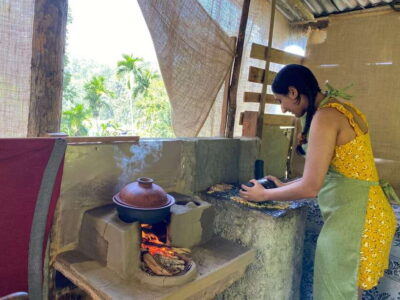
Coconut roti and the real coconut milk part
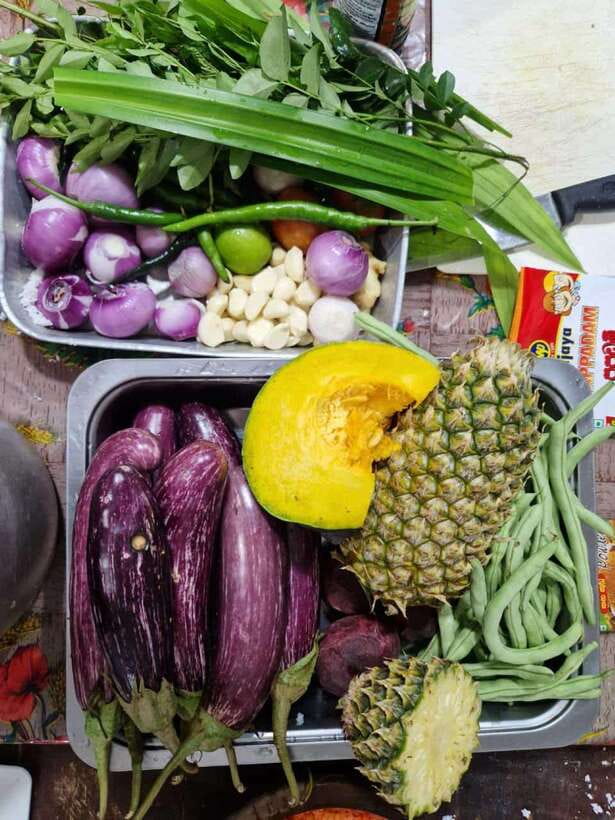
Coconut roti is the moment a lot of people get excited about, and for good reason. It’s a signature Sri Lankan bread, and the technique feels more satisfying than cooking something store-bought.
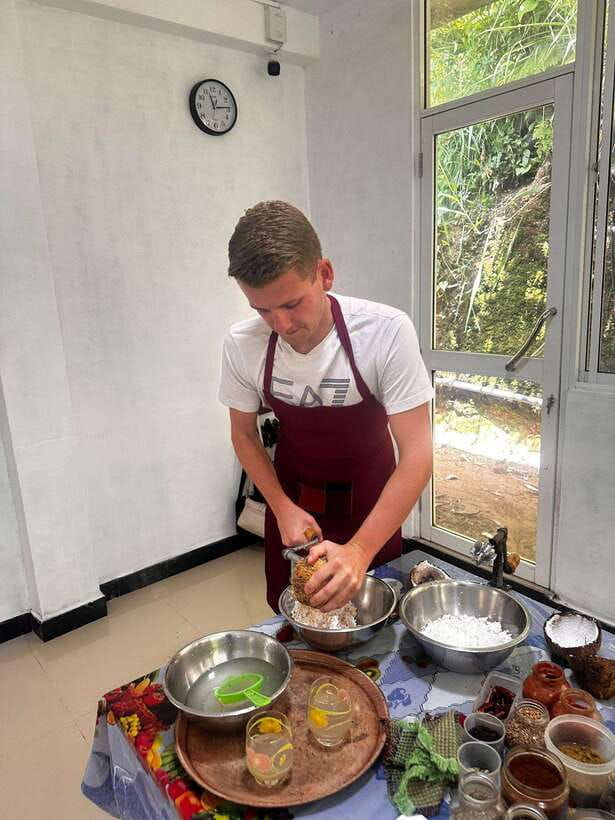
You’ll typically prepare coconut roti as part of the session, and one of the most engaging parts is the coconut work. The class involves cracking coconuts, scraping them, and preparing fresh coconut milk. That step does more than add freshness. It changes how the final dishes taste, because coconut milk flavor is softer and more natural than many packaged versions.
This is also where hands-on roles shine. If you enjoy tactile tasks, this class will likely feel like a mini food workshop. If you don’t, don’t worry. The class is built to involve you, but you can still participate comfortably by taking the tasks you find easiest.
Curries you actually learn: aubergine, dhal, pumpkin, and beans
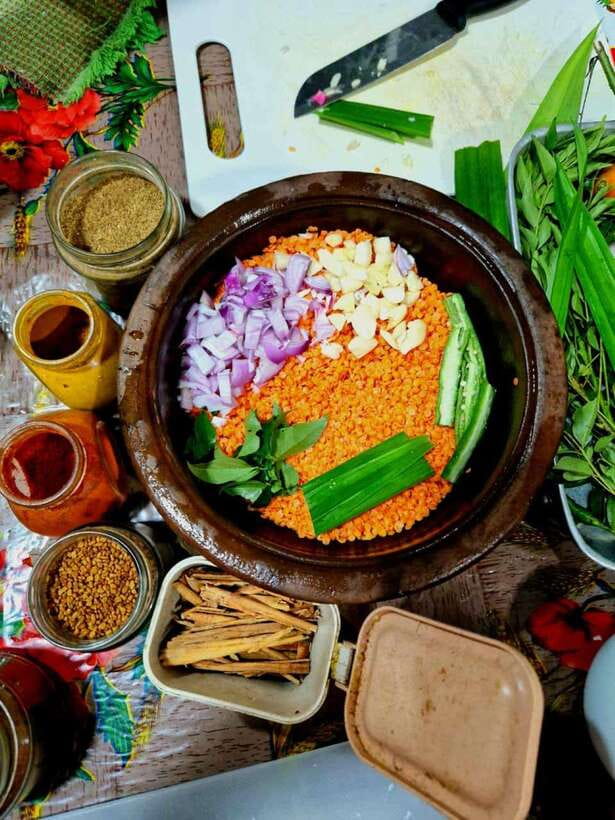
The curry portion is where the class earns its name. You’ll prepare a variety of curries such as:
- aubergine modju
- dhal curry
- pumpkin curry
- beans curry
- coconut sambal (often treated like a side that still carries major flavor)
Each curry has its own flavor profile and texture goals. The value here is that you’re learning how spice flavor changes depending on what’s in the pot. Eggplant and beans cook differently. Pumpkin adds sweetness and body. Dhal gives you a thick, grounding curry that ties the meal together.
A big praise point from people who booked this class is how accessible it feels. The cooking instruction is structured so you’re not guessing. You also get guidance that helps you understand the role of spices rather than only repeating a recipe.
If you’re thinking ahead to cooking at home, this is where you’ll want to pay attention. Fresh curries are one thing. But once you’re back in your kitchen, you’ll want the method, the order, and the flavor adjustments that make the dish work.
Side mission: coconut sambal and papadam that complete the plate
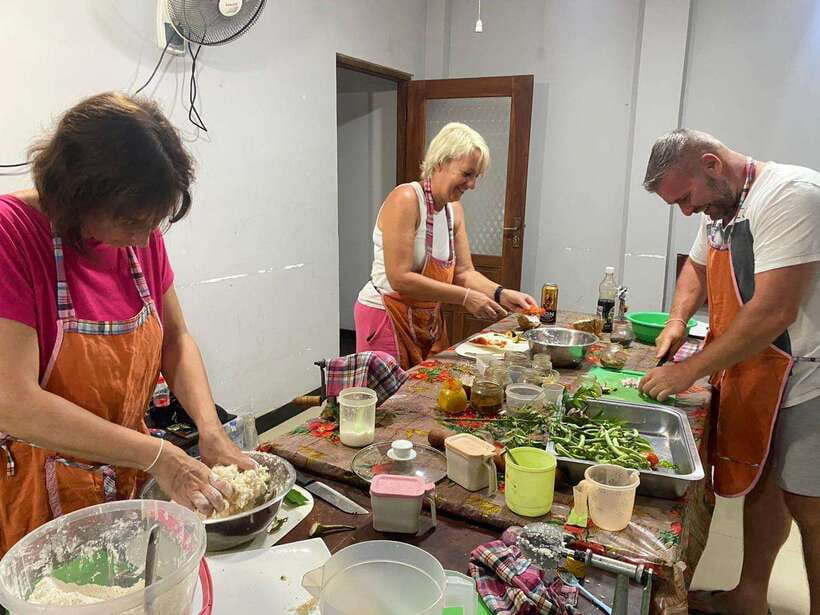
Sambal is a flavor hitter, and coconut sambal makes it Sri Lankan. The class includes preparing it, so you’re not relying on a ready-made jar. You’re learning how coconut and spices work together to create a side that brightens and balances the heavier curries.
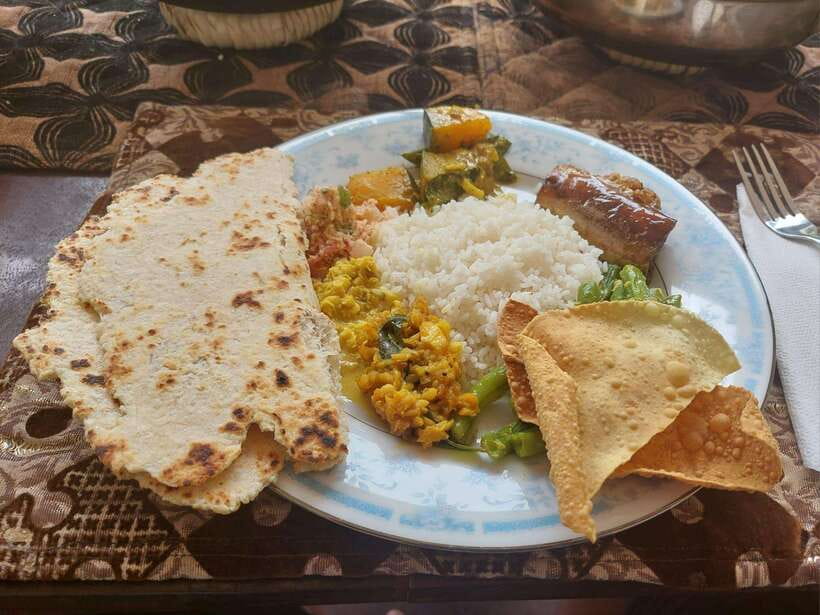
Papadam is also included with the meal. It’s a crisp, crunchy counterpoint that helps the whole plate feel complete. In practice, that means your final meal isn’t just a set of curries. It’s rice plus curries plus sides, the way you’d expect from a home-style Sri Lankan table.
The meal at the end, plus recipes you can use again
At the end of the class, you sit down and eat the dishes you cooked. That matters because you taste-test immediately after learning. You can connect what you did to what you’re tasting, which helps your brain remember the technique.
A standout perk is that you receive recipes by email after the class. That’s one of the best value features. In cooking classes, the biggest disappointment is paying for the experience and then forgetting what you made. Email recipes change that. People also appreciate substitute options for Sri Lankan ingredients when they’re not easy to find back home, which makes the lesson far more practical.
If you like cooking as a hobby, this is exactly the kind of class that supports repeat meals. You’ll have a way to recreate at least the main dishes, even if you tweak ingredient availability.
Price and value: $22 for a real hands-on cooking session
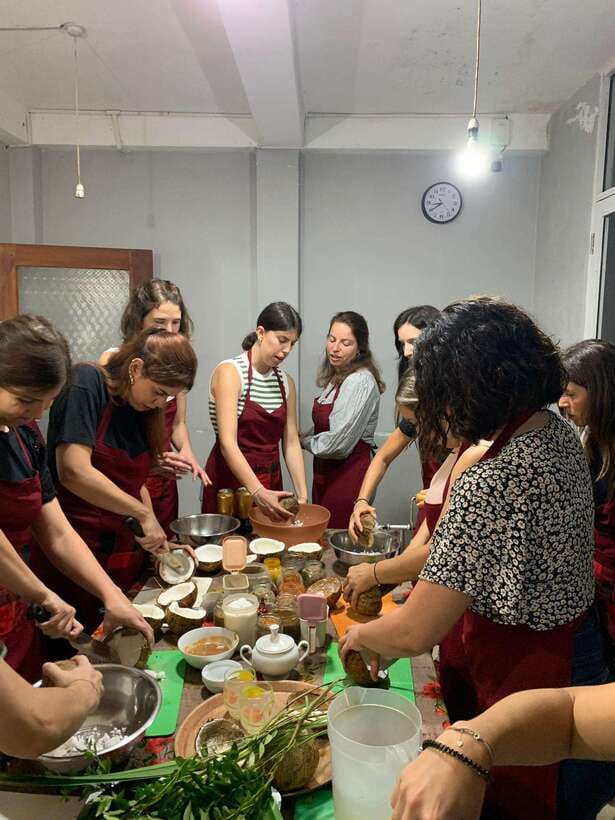
At $22 per person for a 2-hour class, this is priced like an activity, but it functions more like a workshop. You get:
- a brief spice introduction
- hands-on cooking with ingredients and equipment included
- a full meal made from multiple dishes
- recipes emailed after the session
- optional upcountry black tea (upon request)
The biggest value driver is participation. With curries, roti, sambal, and papadam, you’re not just watching. You’re doing. And because it’s limited to 10 participants, the experience is more personal than many group food tours.
The main cost you should factor in is transportation to and from the home. Transportation is not included, so plan your schedule accordingly, especially if you’re staying away from where the class is held.
Who should book this cooking class in Ella?
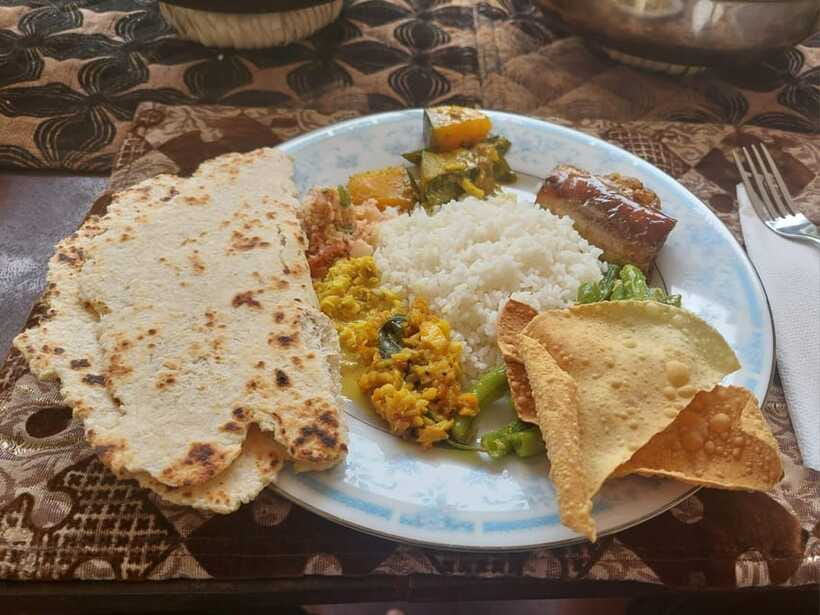
I think this class fits best if you want hands-on food learning, not a sightseeing-only day. It’s a great match for:
- people who love curry and want to understand the spice logic
- anyone who enjoys making bread like coconut roti
- vegetarians who want a class that can handle varied dish components (just be sure to mention dietary needs ahead of time)
- food-focused travelers who want a home-cooked style meal outcome
Because the instruction is in English and the group is small, it’s also a strong option if you’re cooking-curious but don’t want to struggle with language barriers.
Practical tips so your class goes smoothly
Wear comfortable clothes. You’re in a kitchen and you’ll likely be moving between tasks, stirring, chopping, and helping where needed. Shoes with decent grip are smart, since kitchen floors can be slick if there’s water around.
Bring a list of dietary restrictions and allergies if you have them. The host is described as responsive, and early communication makes adjustments easier.
Also, be ready for spice. You’ll learn Sri Lankan spice and flavor basics, but if you need milder food, plan to ask during the spice introduction part so the level fits your palate.
Finally, treat the recipe email as your homework. After you get it, cook one dish soon. That’s when the method really sticks, and you’ll feel confident moving from the class format to your own kitchen.
Should you book Honey Bee Garden Cooking Class?
If your goal is to learn how Sri Lankan home cooking tastes and works, I’d book it. The hands-on approach, the small group limit, and the range of dishes (rice, coconut roti, multiple curries, sambal, papadam) make it strong value for $22.
Book it especially if you care about taking something home, not just eating once. The emailed recipes and the guidance on substitutes are exactly what helps you recreate the flavors later.
The main reason not to book is logistics. Transportation isn’t included, and the class takes place in a traditional home setting. If you can sort out getting there comfortably and communicate your dietary needs early, this is the kind of cooking experience that pays off long after the meal.
FAQ
What dishes will I cook in the class?
You’ll prepare a variety of dishes including rice, coconut roti, aubergine modju, dhal curry, pumpkin curry, beans curry, and coconut sambal. Papadam is also part of the meal included with the class.
Is the class taught in English?
Yes. The instructor is listed as English, and the host is described as fluent in English.
How many people are in the group?
It’s a small group limited to 10 participants.
How long is the cooking class?
The duration is 2 hours.
Is transportation included?
No. Transportation to and from the cooking class location is not included.
Do I receive recipes to take home?
Yes. Recipes are sent via email after the class.
More Cooking Classes in Ella Sri Lanka
More Tour Reviews in Ella Sri Lanka
Ella, Three More Ways
Still browsing Ella Sri Lanka? Start here
- Sri Lanka private tour package 10 Days. and luxury hotel★ 5.0 · 3 reviews
- From Tangalle / Hiriketiya : Yala Safari tour & Drop – Ella★ 3.0 · 3 reviews
- Explore Ella: Rock Hike, Loop, Falls, Nine arch & Train View★ 5.0 · 3 reviews
- Ella Sri Lanka , Private Photoshoot | Photography Tours★ 5.0 · 3 reviews
- Ella Full-Day Tour from Mirissa/Ahangama/Hikkaduwa/Bentota★ 4.6 · 3 reviews
Ella Tours, compared.
 ★ 4.9Ella: Traditional Sri Lankan Cooking ClassFrom $19788 reviews
 ★ 4.5Kandy to Ella Train Tickets – Reserved SeatsFrom $26523 reviews
 ★ 4.9Ella: Little Adam’s Peak, Nine Arches Bridge & WaterfallsFrom $37402 reviews
 ★ 5.0Ella: Sri Lankan Cooking Class with Neranji at HomestayFrom $19276 reviews
 ★ 5.0Ella : Cooking class with amazing Spice Garden TourFrom $32239 reviews
 ★ 4.5Ella: Ella Rock, 9 Arch, Little Adams Peak, & Waterfall TourFrom $34190 reviews
 ★ 4.8From Ella: Yala National Park Safari Tour in a 4×4From $49155 reviews
 ★ 4.6From Mirissa / Galle / Tangalle to Yala Safari & Drop- EllaFrom $11124 reviews
Browse the lists this tour appears in