
REVIEW · SRI LANKA
Flavours of Sri Lanka
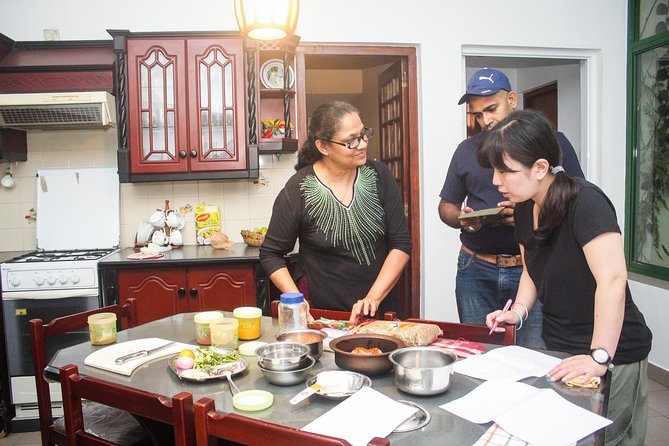
Your dinner starts in a home garden. In Kandy, Flavours of Sri Lanka lets you learn Sri Lankan cooking with Chitra, from picking fresh herbs to making curry powder and coconut milk, all with a small group.
I like the hands-on teaching style, where you do the work step by step. I also like that you finish with dinner you cook yourself, a meal built around rice and five curries in traditional clay pots.
One thing to plan for: the class runs about three hours starting at 3:30 pm, so you’ll want to keep your afternoon flexible. Also, the price includes dinner but not alcohol.
In This Review
- Key highlights to know before you cook
- Kandy Sri Lankan cooking with Chitra, from garden harvest to dinner
- Where you start at Glory Homestay and how the 3:30 pm timing works
- Picking vegetables, herbs, and learning the curry building blocks
- Homemade curry powder and coconut milk: the skills that transfer
- Rice with 5 curries in traditional clay pots
- Dietary options: vegan and gluten-free without feeling left out
- Dinner plus conversation, culture, and what you actually learn
- Small group size and value: is $25 really fair?
- What to do before you go so the class feels easy
- Should you book this cooking class in Kandy?
- FAQ
- What time does the class start in Kandy?
- How long is the Flavours of Sri Lanka cooking experience?
- Where is the meeting point?
- Is this class a small group?
- What do I eat at the end of the class?
- Are vegan or gluten-free meals available?
- What’s included in the price?
- Are alcoholic beverages included?
- Is there free cancellation?
Key highlights to know before you cook
- Garden-to-pan setup: you pick vegetables, herbs, and ingredients right before cooking
- Curry powder secrets: you get the ingredients and spices, plus how curry powder is traditionally prepared
- Coconut milk practice: crack coconuts, scrape them, and extract coconut milk
- Typical Sri Lankan meal format: rice with five curries suited to your dietary preference
- Clay-pot cooking: curries are cooked in traditional clay pots using homemade curry powder
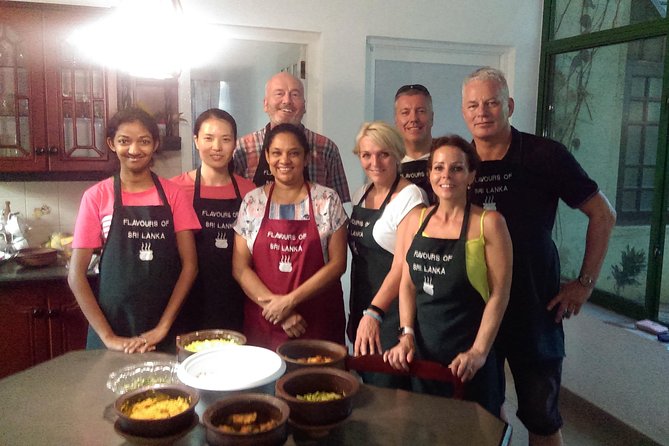
- Small group attention: up to 8 travelers, so you get real personal guidance
Still narrowing it down? These Kandy trips held up well.
- Kandy Private Guided City Tour by Tuk Tuk
★ 4.9 · 1,307 reviews - From Kandy: Sigiriya Rock & Dambulla Cave Temple Adventure
★ 4.9 · 785 reviews - Kandy Village Cooking Class
★ 5.0 · 536 reviews - Kandy to Ella Train Tickets – Reserved Seats
★ 4.5 · 523 reviews
Kandy Sri Lankan cooking with Chitra, from garden harvest to dinner
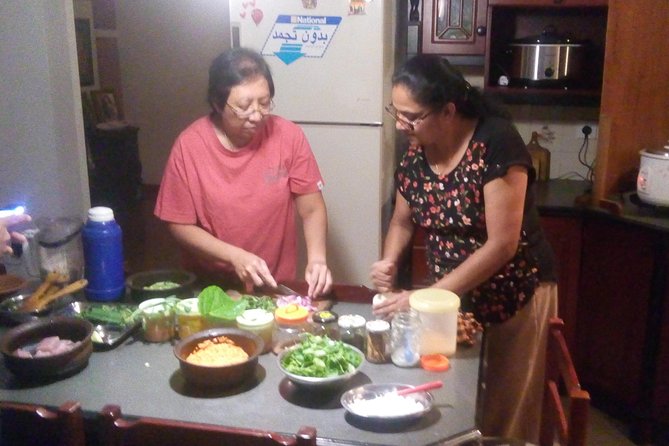
If you want Sri Lanka food that feels practical, not just theoretical, this is a strong choice. You’re not handed a recipe and told good luck. You learn the logic of Sri Lankan cooking by doing it, then you eat what you make.
Chitra leads the class, and the flow is very clear: ingredients first, then spices, then cooking, then conversation. You’ll get a real sense of how Sri Lankan curry flavors are built, especially the role of homemade curry powder and coconut milk.
This format is also great for people who learn best with their hands. You’ll be involved in the prep at each stage, including coconut work and curry making steps, not just chopping and sitting aside.
Where you start at Glory Homestay and how the 3:30 pm timing works
The meeting point is Glory Homestay, 46 Meda Bowala Rd, Kandy 20000. The start time is 3:30 pm, and the activity ends back at the meeting point.
Why the timing matters: this is set up like an afternoon class that turns into dinner. If you schedule other things late in the day, you can end up rushing. If you’re sightseeing in Kandy in the morning, you’ll likely love having this as a calmer, focused reset in the late afternoon.
The class also runs about three hours. That length is a sweet spot. It’s long enough to actually learn multiple steps (garden ingredients, curry powder, coconut milk, cooking), but short enough that you can still enjoy your evening in Kandy without feeling tied up.
Finally, there’s a maximum group size of 8. For a cooking class, that’s a big deal. It means more attention from the instructor and fewer awkward moments waiting for space.
Picking vegetables, herbs, and learning the curry building blocks
You begin at Chitra’s home garden. The idea is simple and smart: you gather fresh vegetables, herbs, and ingredients before cooking, so you understand what you’re using and why.
Then you get an introduction to curries, including the ingredients and spices used in the class. This is where you start learning the fundamentals, like what spices are doing and how curries are assembled in Sri Lankan style. The class also explains the traditional secrets behind preparing curry powder, which is one of the key flavor engines in Sri Lankan cooking.
You’ll also notice something subtle but important: the class pacing keeps you busy. You’re not just learning names of ingredients. You’re handling them, seeing them in context, and moving into the next step quickly.
One practical takeaway for you: once curry powder is explained, you can start thinking like a cook. Instead of asking what curry tastes like, you can ask what spice roles make it taste that way, so your next meal feels less like guessing.
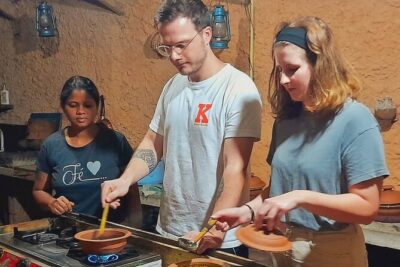
Homemade curry powder and coconut milk: the skills that transfer
Two of the most memorable skills are the curry powder and coconut milk work.
First, you’ll learn the art of making curry powder using a traditional approach. You won’t just watch. You’ll learn what goes into it, the spices involved, and how it’s prepared for use in your curries. This is also where the instructor’s tips help. You get cooking guidance you might not find easily in generic recipes.
Next comes coconut milk. You’ll crack coconuts, scrape them, and extract the coconut milk that gives many Sri Lankan curries their creamy depth. It’s hands-on and physical, which is part of the charm. Plus, it explains something that’s hard to grasp from supermarket bottles. Fresh coconut milk changes the experience.
The bigger win for you is transfer value. If you cook at home, curry powder and coconut milk are the two most useful flavor tools you’ll take back. They’re also the two most “worth learning” parts, because they’re harder to fake with convenience ingredients.
Rice with 5 curries in traditional clay pots
The class culminates in a typical Sri Lankan meal: rice with five curries. The exact curries match your dietary preference, so you won’t be stuck with a one-size-fits-all plate.
A standout detail is how the curries are cooked. They are cooked in traditional clay pots using homemade curry powder. Clay-pot cooking isn’t just a style choice. It supports gentle, steady heat and helps develop flavors in a way that’s difficult to reproduce with shortcuts.
You get to hands-on participate in the cooking process, and then you sit down and enjoy the meal you made with Chitra and your small group. This is also when you’ll likely feel the difference between learning spices and actually tasting a finished curry.
From a value perspective, this matters. Many cooking classes end with a small bite or a quick demo. Here, dinner is built into the experience, and you get a whole meal structure. That means you’re paying not just for instruction, but for a satisfying outcome.
Dietary options: vegan and gluten-free without feeling left out
Good to know up front: the class offers recipe options for vegan and gluten-free diets. Meals are adjusted based on your dietary preference.
Why that matters in real life: Sri Lankan cooking often uses ingredients that are easy to miss if you follow a strict plan, especially when it comes to spice blends and meal components. Here, the class explicitly prepares meals according to dietary preferences, and you should be able to cook a typical rice-and-five-curries menu that fits your needs.
The class also includes dinner, so your dietary planning isn’t just theoretical. You’ll get to eat what you cook, and the instruction is tied to the meal you end up serving yourself.
If you have a different diet beyond vegan or gluten-free, the information provided doesn’t confirm other options. In that case, you should check directly at booking and be specific about what you need.
Dinner plus conversation, culture, and what you actually learn
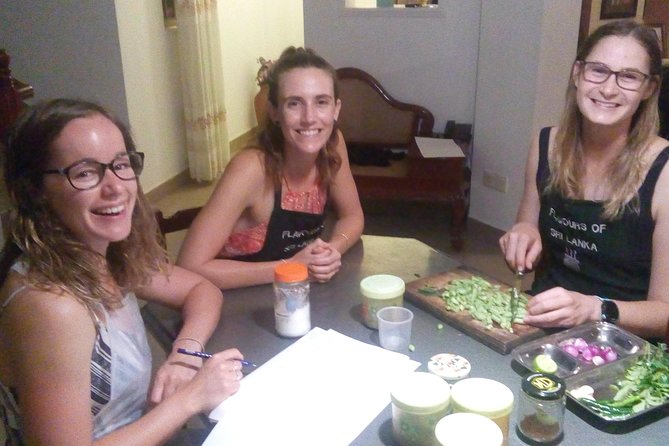
After cooking, you eat your meal with Chitra and the other participants. The class is designed to keep the mood friendly, with conversation about history, culture, and everyday lifestyle in Sri Lanka.
This part is more than small talk. When an instructor connects food to how people live, you start understanding dishes as part of a wider culture, not just as flavors in a bowl. Even if you only remember a few practical cooking moves, the context makes those moves easier to use later.
From the learning angle, the class shares tips about Sri Lankan cooking that you might not find in basic recipe guides. Based on the class reputation and the strong rating, one theme that comes up is Chitra’s warm hospitality and the fun, group-friendly atmosphere. In other words, it’s not intimidating.
You also get unlimited spring water, boiled and filtered. That’s a simple comfort that makes the experience smoother, especially when you are cooking with spices and working in a kitchen setting.
One small note: alcoholic beverages are not included. If you expect a drink with dinner, you’ll want to plan accordingly.
Small group size and value: is $25 really fair?
At $25 per person for about three hours, this class sits in the “good value” zone, mostly because it’s not only instruction. You’re paying for ingredients, equipment, cooking guidance, and dinner.
The group limit of 8 matters again. When you’re cooking, you need space, a clear workflow, and someone to answer quick questions. With a small group, you’re less likely to feel like you’re waiting your turn.
Also, the class includes dinner and kitchen equipment. Water is included too, unlimited spring water (boiled and filtered). Those inclusions add up, especially in a city where drinks and food can cost more than you expect.
The biggest value signal is this: you cook a full meal format, rice with five curries, and you eat it at the end. That turns the class into an experience that satisfies both your stomach and your skill-building.
If you’re someone who likes food learning you can actually repeat, this is a solid purchase. If you only want a quick tasting, you might find a three-hour cook-and-eat class longer than you want. But for most people, it hits the sweet spot.
What to do before you go so the class feels easy
First, plan for a late-afternoon start. With a 3:30 pm beginning, you’ll want a light schedule before you arrive. Think of this as your dinner plan, not just a snacky activity.
Second, bring a curious mindset. The class has you pick ingredients, work with curry powder, and handle coconut milk preparation. That means you’ll get a true feel for ingredients, but you should also be ready to get a little involved.
Third, dietary needs should be communicated at booking so your curry set matches your preference. The class explicitly mentions vegan and gluten-free options, and meals are cooked according to dietary preference.
Fourth, confirm your comfort level with spice work. Curry powder and curries are a core part of the experience. Even if you keep your personal spice tolerance moderate, you’ll be working with the ingredients that define Sri Lankan curry flavor.
Finally, know the meeting point is Glory Homestay, and the activity ends back at the meeting point. That makes the experience easier to plug into your day, since you do not need separate transport plans for after.
Should you book this cooking class in Kandy?
I’d book it if you want real Sri Lankan cooking skills in a short, friendly format. You get garden sourcing, curry powder understanding, coconut milk practice, clay-pot curries, and dinner you cook yourself. That’s a lot of learning wrapped into one evening meal.
I’d skip it if you’re looking for a purely casual tasting, or if you need a schedule that leaves evenings fully open. The fixed start time and meal-based structure are central to how the class works.
One more reason to lean yes: the class is led by Chitra and designed for small groups, which usually means less waiting and more personal attention when you’re learning techniques.
If your trip is about food and culture you can carry home, this is one of the best ways to spend a half of your afternoon in Kandy.
FAQ
What time does the class start in Kandy?
The class starts at 3:30 pm.
How long is the Flavours of Sri Lanka cooking experience?
It lasts about 3 hours.
Where is the meeting point?
You meet at Glory Homestay, 46 Meda Bowala Rd, Kandy 20000, Sri Lanka.
Is this class a small group?
Yes. The maximum group size is 8 travelers.
What do I eat at the end of the class?
You dine on what you cook at the end, using a typical Sri Lankan meal format of rice with 5 curries.
Are vegan or gluten-free meals available?
Yes. Recipe options are available for vegan and gluten-free diets.
What’s included in the price?
Dinner is included, along with all necessary kitchen equipment and unlimited spring water (boiled and filtered). Meals are provided according to your dietary preferences.
Are alcoholic beverages included?
No. Alcoholic beverages are not included.
Is there free cancellation?
Yes. You can cancel for a full refund up to 24 hours before the experience’s start time.
More Tour Reviews in Kandy
Still browsing Kandy? Start here
- Udawalawe National Park Private Full-Day Safari★ 5.0 · 3 reviews
- Wasgamuwa National Park Safari from Kandy★ 5.0 · 3 reviews
- Private Sri Lanka Tour & Hike Experience to Ambuluwawa Tower★ 5.0 · 3 reviews
- Kandy Instagram Tour: Most Famous Spots (Private & All-Inclusive)★ 5.0 · 3 reviews
- Kandy to Ella★ 5.0 · 3 reviews