
REVIEW · HURULU ECO PARK SAFARIS
From Sigiriya Hurulu Eco Park ElephantSafari ticket included
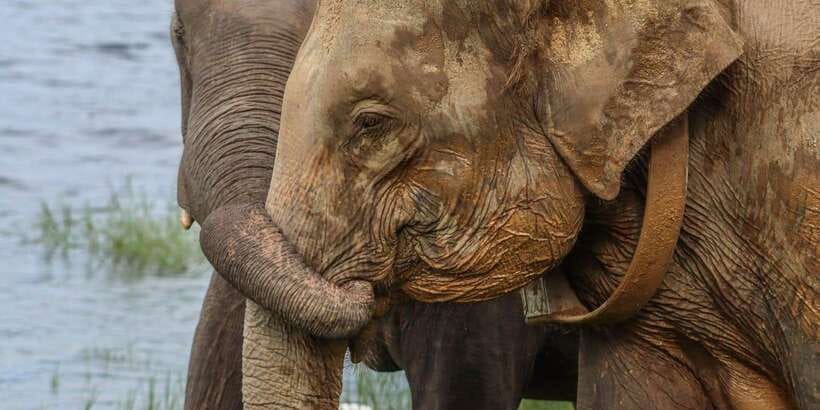
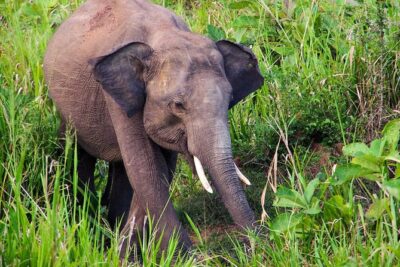
Elephants roam close, without fences. In Hurulu Eco Park, you ride a real jeep safari and do your wildlife watching where elephants actually live. The star is wild elephant behavior, from grazing to bathing, while your guide works to position you for good viewing.
I especially liked the close, respectful way the jeep drivers handled sightings, including frequent stops so you do not miss the little moments. A standout detail was how guides such as Kasun checked on people, parked in the shade, and shared clear animal facts as you went.
One consideration: elephant numbers and timing can vary, and sometimes you may wait for the next group or your schedule can run later depending on what is happening in the park. If you are the type who hates uncertainty, you will want a flexible half day.
In This Review
- Key things that make this safari worth your time
- Why Hurulu Eco Park makes a good half-day from Sigiriya
- The 4-hour flow: pickup, the short transfer, then real viewing time
- Jeep time with Thilini drivers: bumpy roads, smart positioning, good pacing
- Inside Hurulu Eco Park: what you can expect from elephant watching
- Other wildlife and birds: the bonus layer beyond elephants
- The guides make the difference: Kasun, Prasad, Indaka, Iendiko, and Hina
- Safety and rules: the simple list you should follow before you go
- Price and value: what $24 covers, and where you might spend extra
- Practical tips to help you get more from the safari
- Should you book the Hurulu Eco Park Elephant Safari?
- FAQ
- How long is the Hurulu Eco Park Elephant Safari experience?
- Where are pickup and drop-off locations?
- What is included in the ticket price?
- Is lunch or dinner included?
- Can I feed the elephants or other animals?
- What other wildlife might you see besides elephants?
- What languages are available for the live tour guide?
- Is a private group available?
- Is alcohol or drinks allowed during the safari?
Key things that make this safari worth your time
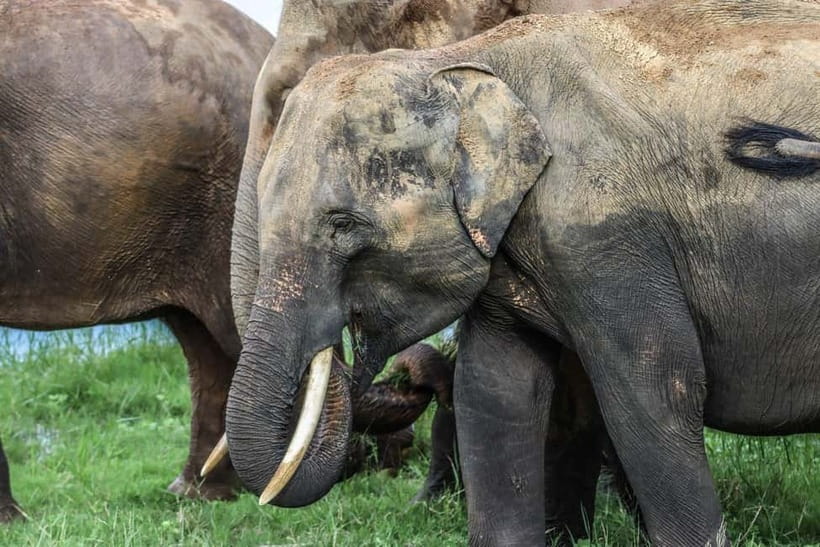
- Wild elephant viewing in Hurulu Eco Park, with elephants roaming and going about their day
- Adventure jeep driving with experienced safari drivers, so you can reach the best viewing spots
- Guide attention and comfort checks, including shade breaks when the sun is strong
- High odds of spotting babies and big groups, with some tours reporting a surprisingly large count
- A broader wildlife bonus, since you might also see birds and other animals while you watch for elephants
Why Hurulu Eco Park makes a good half-day from Sigiriya
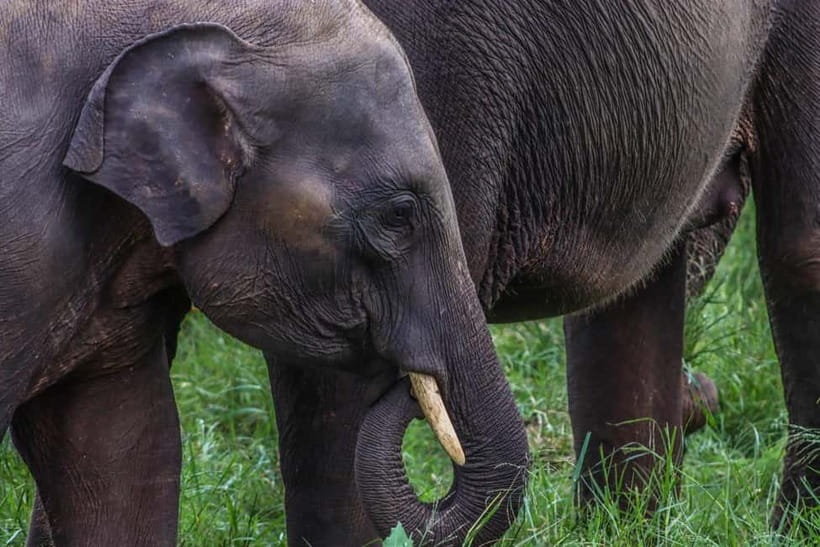
Hurulu Eco Park works well if you are basing yourself around Sigiriya, Habarana, Minneriya, Dambulla, or Inamaluwa. This is not a long, all-day commitment, but it still gives you real time in habitat, not just a quick pass-by.
What I like most is the feel of a sanctuary setting. Elephants are not performing for you. They graze, move through the grass, and sometimes head toward water, and your job is to watch calmly and stay alert for the next group.
And yes, the jeep helps. You are on an adventure-style route, not a flat stroll, which matters because animals do not hang out exactly where a road makes it convenient.
The 4-hour flow: pickup, the short transfer, then real viewing time
This experience is built as a 4-hour window, and that matters because it fits cleanly into most Sigiriya-area itineraries. You will be picked up from one of the nearby areas such as Sigiriya, Dambulla, Minneriya, Habarana, or Inamaluwa. After pickup, there is a transfer by jeep or SUV that is listed as about 30 minutes, then you settle in for wildlife viewing time.
On the back end, you get drop-off at your accommodation area, typically in the same set of nearby bases: Sigiriya, Minneriya, Inamaluwa, Habarana, or Dambulla. The big practical win here is you do not have to coordinate a separate return plan after the safari.
Small reality check: your exact viewing minutes can stretch or shift depending on sightings and conditions in the park. Some days are about fast luck, other days are about patience.
Jeep time with Thilini drivers: bumpy roads, smart positioning, good pacing
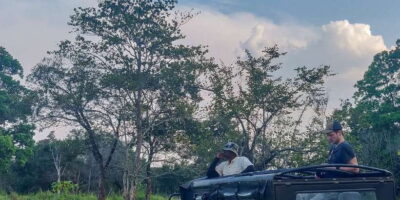
This safari is run by Thilini Jeep Safari, and the driving is part of what makes it feel like a proper wildlife outing. You are going off-road and through uneven ground, so expect an adventure jeep ride, not a smooth city car.
What really matters is how the driver positions the jeep when elephants appear. Guides like Kasun were praised for stopping often, finding elephants quickly, and giving people breaks in the shade when the sun is strong. That is not fluff. Shade and short pauses can make the difference between a safari that feels comfortable and one that feels exhausting.
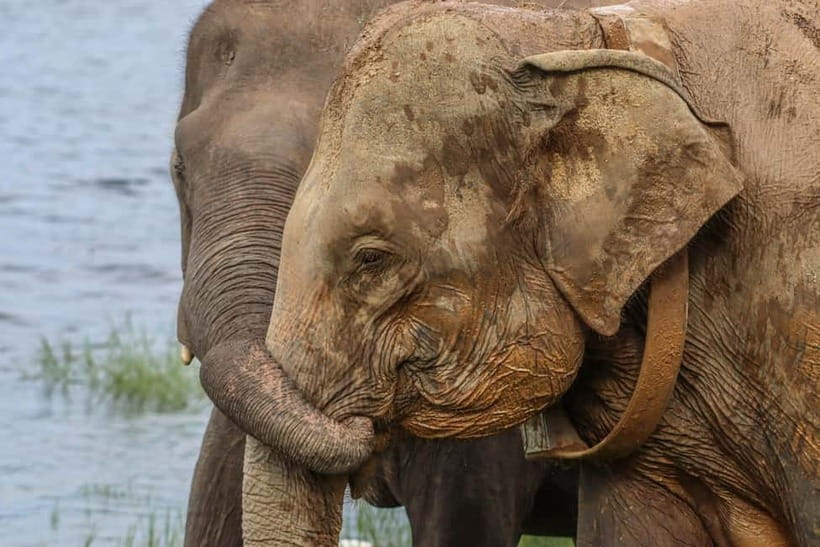
Also, pay attention to how guides manage the group. When the jeeps behave responsibly and do not crowd, your viewing gets better, and the animals get less disturbed. In reviews, people highlighted that guides were respectful and that elephants kept grazing and moving without acting bothered by the presence of the vehicle.
Inside Hurulu Eco Park: what you can expect from elephant watching
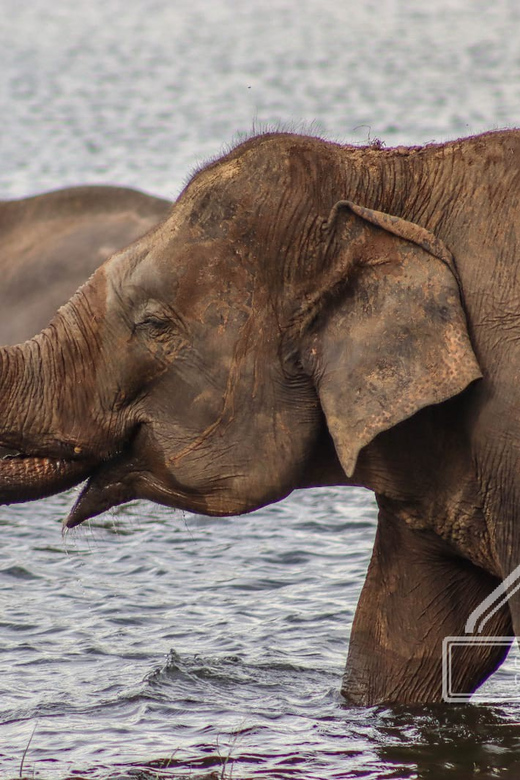
Elephants are the whole point, and Hurulu delivers because it is a sanctuary setting. The most common kind of moment is simple and powerful: you arrive, and then elephants appear and go about their day. That can mean adults grazing, smaller groups moving through, or the humbling sight of babies traveling close by.
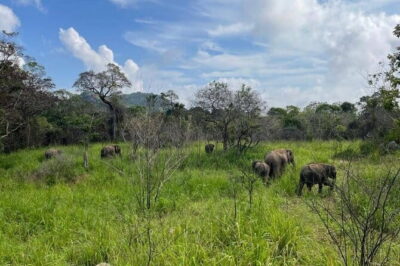
I would plan around the idea that you might see multiple groups in one tour, not just one distant sighting. Some outings report seeing around 12 to 15 elephants, while others mention 15 to 20, and a few describe much larger counts, including groups with babies. Your actual number can vary, but your odds of meaningful encounters are clearly strong.
Look for behavior cues while you watch. Elephants can shift from walking to grazing, pause as they socialize, or head toward water when conditions allow. The best guides keep you oriented to what you are seeing so you are not just staring at movement, you understand it.
One nice detail from firsthand accounts: guides sometimes let you stay with a group long enough to enjoy the scene, rather than rushing away immediately after a quick spot. If you like wildlife watching the way it is meant to be done, that extra time is a big plus.
Other wildlife and birds: the bonus layer beyond elephants
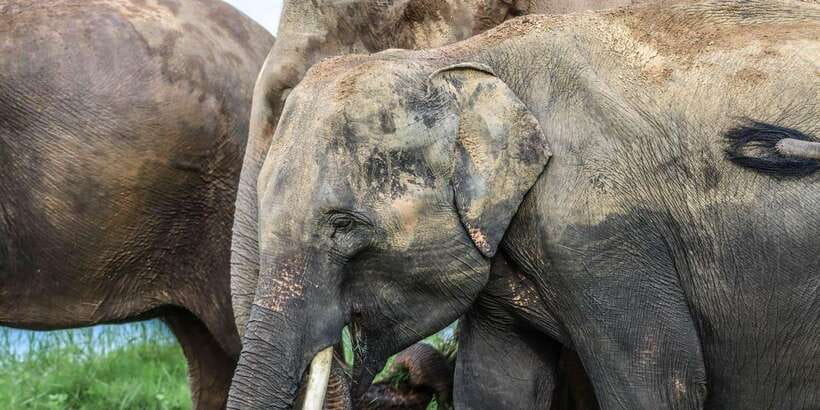
Even when elephants are the stars, you can benefit from the safari format, because you are moving across habitat and scanning for wildlife. The broader park listing mentions animals you might spot such as leopards, sloth bears, deer, and a variety of birds. You should treat those as possibilities, not promises, but it gives you a sense of what the ecosystem can offer.
From guide-led sightings in actual experiences, people also reported things like water buffalo, peacocks, monkeys, and different bird species. There were also mentions of animals like mongoose. If you are the kind of traveler who enjoys birding or quick wildlife surprises, this is a good fit.
Also, if you want photos, watch how the guide helps with viewing angles. A respectful stop at the right moment can turn a shaky, distant shot into a clean, calm view.
The guides make the difference: Kasun, Prasad, Indaka, Iendiko, and Hina
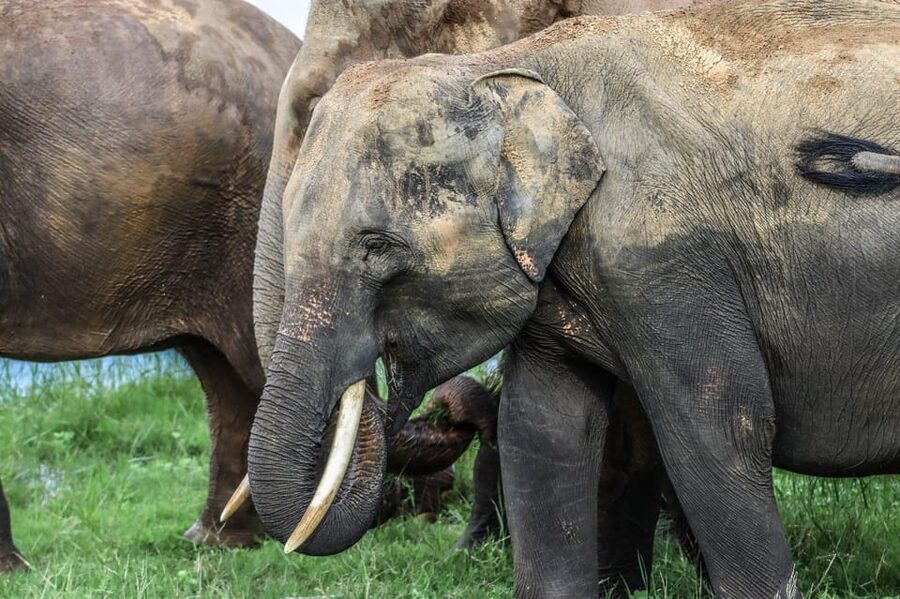
On safari, the guide is not just a driver with a map. The best guides do three things well: they spot animals, they explain what you are seeing, and they handle the safety and comfort side without making a big deal of it.
In reviews, names came up repeatedly: Kasun stood out for knowledge, humor, and constant checking to make sure guests were okay, including shade parking. Prasad was praised for enthusiastic driving and taking families to good spots, plus keeping the experience engaging for a young child. Indaka was highlighted for finding the best areas for elephants and maximizing viewing opportunities. Iendiko was recognized for helping keep the encounter more intimate, including reducing time near crowds. Hina was also mentioned for taking personal care of guests and being friendly.
That pattern matters for you. A guide who understands animal behavior helps you slow down and watch the real story, not just the highlight moment. And a guide who watches out for comfort means you spend your attention on the park, not on sunburn or impatience.
Safety and rules: the simple list you should follow before you go
This is a wildlife sanctuary outing, so you have clear boundaries. Drinks in the vehicle are not allowed, and alcohol and drugs are prohibited. Feeding animals is also not allowed, and making fire is not allowed. Fireworks and explosive substances are prohibited as well.
You should also be aware that nudity is listed as not allowed. It is one of those points that sounds obvious, but it is better to know it is specifically part of the rules.
From a real-world comfort standpoint, dress for sun and heat and bring what you are allowed to carry. Since drinks in the vehicle are not allowed, plan your hydration before the ride starts or follow whatever local guidance you are given at pickup.
One more important fit note: it is not suitable for pregnant women.
Price and value: what $24 covers, and where you might spend extra
At $24 per person for a 4-hour outing, the value is strongly tied to what is included. Your ticket covers hotel or accommodation pickup, a safari jeep, park entry tickets, guidance, elephant watching, and drop-off back to your area. That is a lot bundled in, which reduces the hassle and usually costs less than booking each piece separately.
You might notice that the offer sometimes gets compared in your mind to other safari parks in the region. A fair way to judge it is this: you are not paying only for a ride, you are paying for entry and the guide work that helps you find elephants. Those are the real expenses that turn a nature walk into a proper safari experience.
What is not included includes lunch or dinner at a local house, plus items like cooking classes and a water tank bath. If you want to add something after the safari, it is listed as something that can be arranged for a reasonable price.
Practical tips to help you get more from the safari
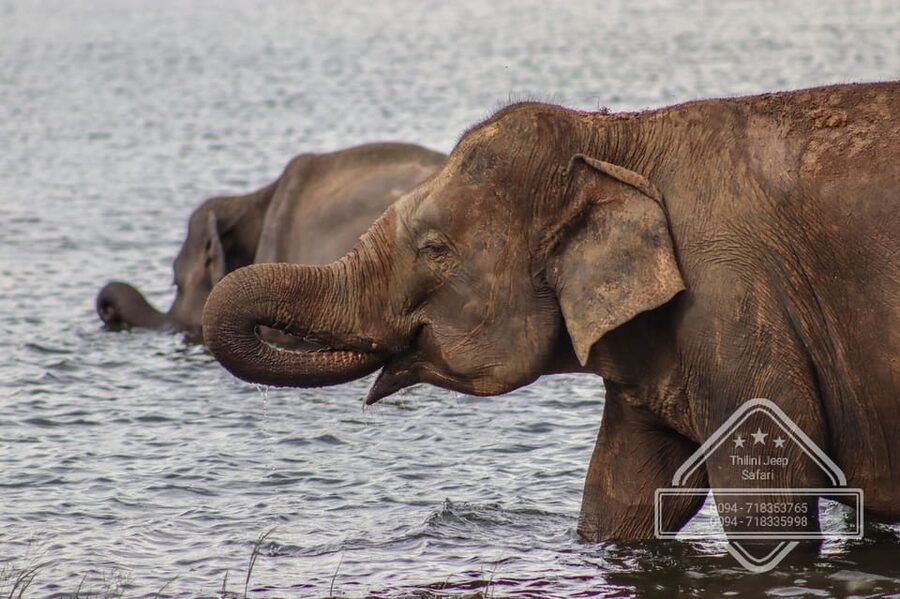
First, be ready for schedule flexibility. Some experiences run later if sightings take longer or if weather affects movement. If you have a strict train or dinner reservation, build in buffer time.
Second, listen to your guide. The best sightings tend to happen when you follow instructions quickly, especially when you arrive at a new spot and elephants are moving. People praised certain guides for stopping at the right moments and sharing what the animals were doing, which makes your viewing better and less stressful.
Third, protect yourself from the sun. Even with shade breaks, you are outdoors. Wear light clothing, sunglasses, and something with coverage for your head if you burn easily.
Finally, keep the vibe calm. The rules focus on not feeding animals and not disturbing them. Your job is simple: keep your distance, stay respectful, and let the elephants act like elephants.
Should you book the Hurulu Eco Park Elephant Safari?
Book this safari if you want a close-up, sanctuary-style elephant experience without committing a full day. The combination of pickup, entry, and jeep driving means it is easy to slot into a Sigiriya or Habarana trip, and the guide element is a major strength in real-world experiences.
Skip it, or at least reconsider, if you have a super strict schedule or you know you do not handle uncertainty well. Elephant sightings can vary by season and conditions, and your timing can change based on what is happening in the park.
If you can be flexible and you want the kind of safari where elephants are the real priority, this is one of the more practical ways to spend a half day in the North Central Province.
FAQ
How long is the Hurulu Eco Park Elephant Safari experience?
The total duration is 4 hours.
Where are pickup and drop-off locations?
Pickup is available from areas including Dambulla, Sigiriya, Minneriya, Habarana, and Inamaluwa. Drop-off is available at Sigiriya, Minneriya, Inamaluwa, Habarana, and Dambulla.
What is included in the ticket price?
Included are accommodation pickup, a safari jeep, entry tickets to the park, guidance throughout the safari, elephant watching, and drop-off back at your accommodation.
Is lunch or dinner included?
Lunch and dinner at a local house are not included. They can be arranged for a reasonable price.
Can I feed the elephants or other animals?
No. Feeding animals is not allowed.
What other wildlife might you see besides elephants?
Besides elephants, you may spot wildlife such as leopards, sloth bears, deer, and a variety of bird species.
What languages are available for the live tour guide?
The live tour guide is available in English, Urdu, Hindi, and Punjabi.
Is a private group available?
Yes, private group options are available.
Is alcohol or drinks allowed during the safari?
No. Drinks in the vehicle are not allowed, and alcohol and drugs are prohibited.
Hurulu Eco Park Safaris, compared.
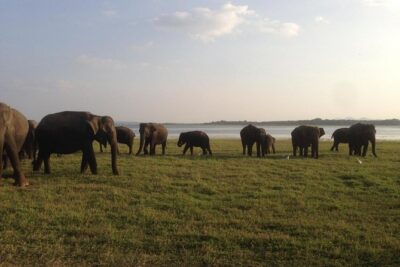 ★ 4.5Hurulu eco park jeep safariFrom $50110 reviews
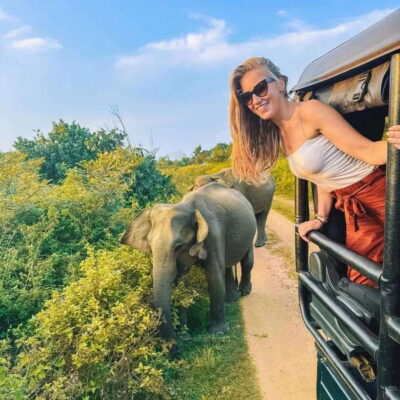 ★ 4.9From Sigiriya : Hurulu Eco Park Safari : All InclusiveFrom $3123 reviews
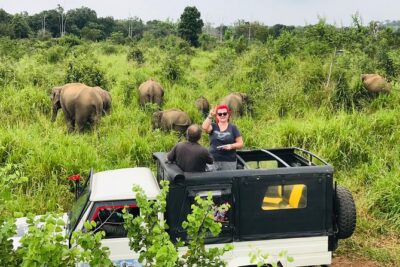 ★ 5.0Hurulu Eco Park Half Day SafariFrom $2718 reviews
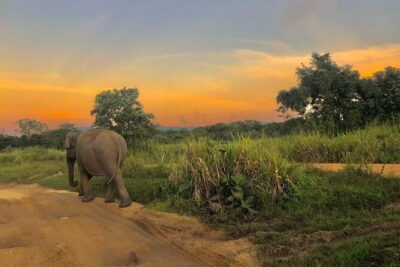 ★ 5.0Adventure safari Experience in Hurulu Eco Park, Sri LankaFrom $5018 reviews
 ★ 4.5Hurulu Eco Park Private SafariFrom $2716 reviews
 ★ 4.9Hurulu Eco Park: 3-Hour Morning or Evening SafariFrom $2411 reviews
 ★ 4.0Hurulu Eco Park Safari AdventureFrom $188 reviews
 ★ 5.0From Sigiriya: Hurulu Eco Park Elephant Jeep SafariFrom $284 reviews
Browse the lists this tour appears in