
REVIEW · HURULU ECO PARK SAFARIS
Hurulu Eco Park Safari Adventure
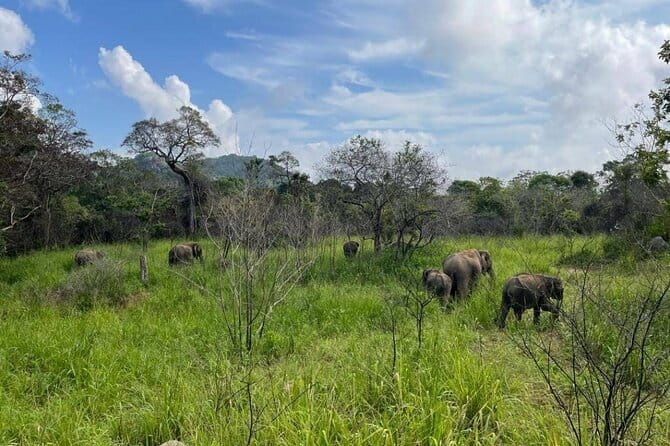
Hurulu Eco Park can turn a short ride into a big story. This 3-hour jeep safari in the Anuradhapura area is built for wildlife spotting, and the park is known for elephants, deer, peacocks, and lots of birds. It’s also a simple setup: you get the jeep and driver, and you handle the entrance ticket separately.
What I like most is the focus on spotting animals in their natural setting, not racing from one stop to the next. I also like that you can go during December to March, which is when elephant sightings are more likely, so the timing actually matters. One thing to consider, though, is that elephant safari can bring a lot of jeeps when herds are found, so you should be mentally prepared for that and keep expectations flexible.
In This Review
- Key highlights worth your attention
- Hurulu Eco Park Safari in a nutshell, jeep first
- Price and value: $18 for the jeep, entrance is extra
- Best months for elephants: Dec to March, not a year-round guarantee
- Getting there: meeting point at Hurulu Eco Park A12, Habarana
- Stop in the park: what to expect inside Hurulu Eco Park
- A reality check: elephant viewing can mean crowding
- The driver matters, especially when weather hits
- Wildlife beyond elephants: deer, peacocks, monkeys, and birds
- Small group feel, and toddler rules that help families
- What to bring so the 3 hours feel worth it
- Cancellation, weather, and how flexible you need to be
- Who this Hurulu Eco Park jeep safari is best for
- Should you book this jeep-only safari?
- FAQ
- Is the Hurulu Eco Park entrance ticket included in the $18 jeep safari price?
- Where do I meet for the safari, and where does it end?
- How long is the jeep safari?
- What season gives the best chance to see elephants?
- How many people are in the group?
- What happens if the weather is poor, or if I need to cancel?
Key highlights worth your attention
- Jeep-only ticket: you pay the Hurulu Eco Park entrance fee at the meeting point
- Best season for elephants is Dec-March: off-season (Apr-Nov) can mean fewer or no elephants
- Small group size: maximum 14 travelers, so it does not feel like a cattle call
- Driver-driven sightings: an experienced safari jeep driver steers the experience based on where animals are
- Rain-ready handling: one standout driver named Dammika handled roof open and closed during rain showers
- Toddler-friendly rule: two toddlers under age 5 are allowed free of charge
More out of Hurulu Eco Park
- Adventure safari Experience in Hurulu Eco Park, Sri Lanka
★ 5.0 · 18 reviews - Hurulu Eco Park Half Day Safari
★ 5.0 · 18 reviews - Hurulu Eco Park Private Safari
★ 4.5 · 16 reviews - Hurulu Eco Park Safari Adventure
★ 4.0 · 8 reviews
Hurulu Eco Park Safari in a nutshell, jeep first
This is not a long day out. You’re looking at about 3 hours in Hurulu Eco Park by jeep, with an experienced driver guiding you around the park areas where wildlife is most likely to appear.
The big practical point is that your ticket covers the jeep safari only. That means you need to plan for the entrance fee separately at the park meeting point. If you like your safari to be straightforward and you’d rather control the total cost yourself, this format can work well.
Also, with a maximum of 14 travelers, the group stays small enough that you’re not fighting for position every time wildlife appears.
Price and value: $18 for the jeep, entrance is extra
The price you pay for the experience is $18.00 per person, but entrance tickets are not included. At the meeting point, you’re expected to purchase the Hurulu Eco Park entrance ticket, listed as 3000 LKR per person.
One place to be careful: the fee structure is also shown with adult and child rates (adult listed as $8.00, child age 6 to 11 listed as $4.00). So, budget for an extra entrance payment when you arrive, and if you’re traveling with kids, double-check which category you fall into before you get seated in the jeep.
What does that mean for value? If you’re serious about seeing elephants and you’re going in the right season, paying separately for entry can still be a good deal, because you’re not forced into bundled pricing you might not want. But if you’re hoping all costs are included up front, this one is not that kind of ticket.
And since bottled water is not included, I’d treat this like a “bring your own or buy nearby” situation.
Best months for elephants: Dec to March, not a year-round guarantee
Hurulu Eco Park is marketed as a place to see elephants, but there’s a very clear seasonal reality. Booking is recommended only from 1st December to March, and the off-season period (April to November) is described as a time when elephants may not be present.
That matters because elephant safaris are different from, say, birdwatching where you can still have a good day without one headline species. If seeing elephants is your main goal, the calendar is part of the itinerary.
If you’re traveling in April to November, you might still see wildlife, including deer and birds, but you should go in expecting the elephant chances to be lower. This is also where the “jeep rush” factor can change, because fewer elephants can mean fewer big herds to track.
Other safaris we sat through
Getting there: meeting point at Hurulu Eco Park A12, Habarana
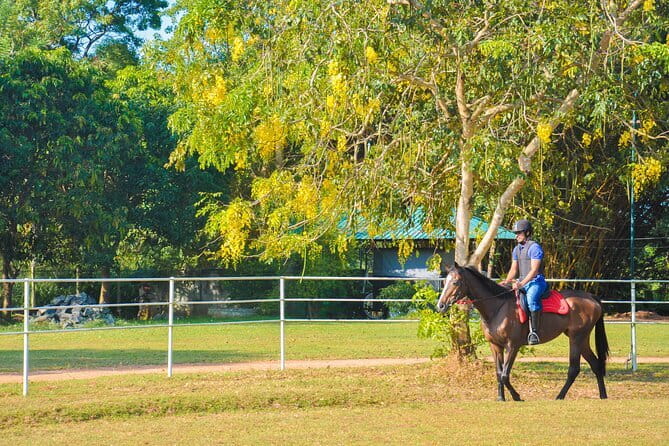
The safari starts and ends back at the meeting point: Hurulu Eco Park A12, Habarana 50150, Sri Lanka. The experience uses a mobile ticket, and you’ll receive confirmation at booking time.
Transfers are a nice touch if you’re staying close. You get a free hotel transfer within 5 km of the park entrance and in the Habarana area. If your hotel is farther out, you’ll likely need to handle getting to the meeting point on your own.
The tour is also described as being near public transportation, which is useful if you’re flexible. If you prefer easy logistics with minimal coordination, staying around Habarana helps.
Finally, keep in mind the physical side: it’s rated for moderate physical fitness. That usually means you should be comfortable getting in and out of a jeep and moving around at the park start area, but you do not need extreme stamina.
Stop in the park: what to expect inside Hurulu Eco Park
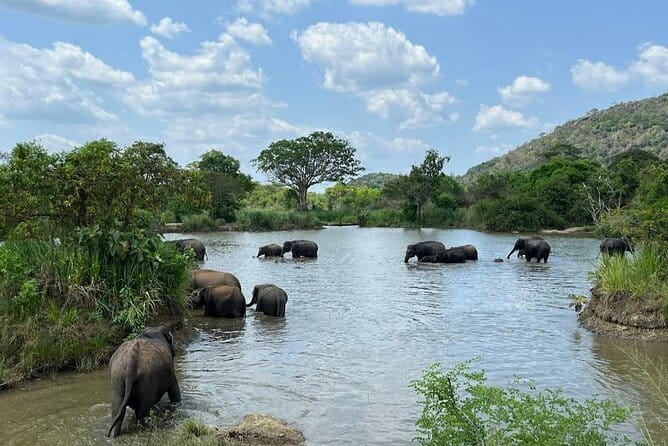
Your only scheduled stop is Hurulu Eco Park itself, and the whole safari time is spent exploring the park by jeep.
You can expect the day to be guided by what wildlife is actually doing. The park is described as a sanctuary for animals like elephants, monkeys, buffalo, peacocks, and vibrant birdlife (I’d think “lots of birds and bird sound,” even if you are not a serious birder).
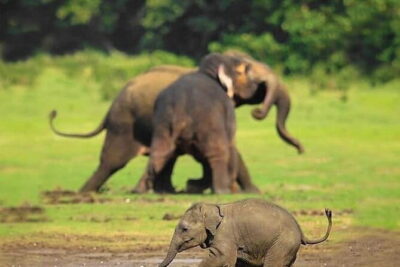
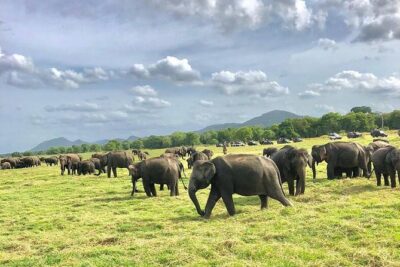
In practice, the best wildlife moments tend to follow the appearance of elephants. One of the clearer patterns from the experience reports is that elephants can show up as more than one group in the same safari window, sometimes with babies and males mixed in. You may also get a second chance as herds move across paths, which is why an experienced driver who knows where to look helps a lot.
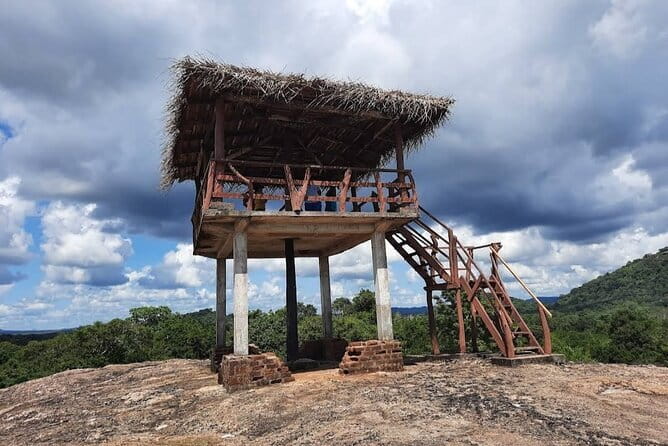
There’s also a note that this park includes a rock spot to see the park, so if you see opportunities for viewpoints during the route, ask your driver what’s feasible within the time you have.
A reality check: elephant viewing can mean crowding
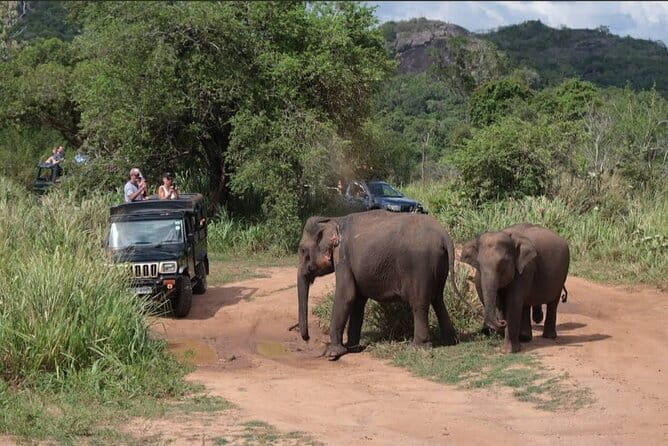
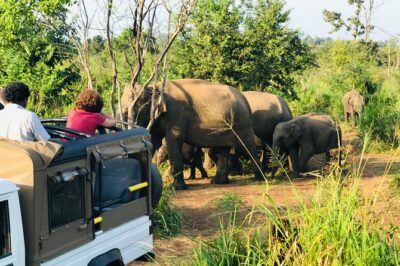
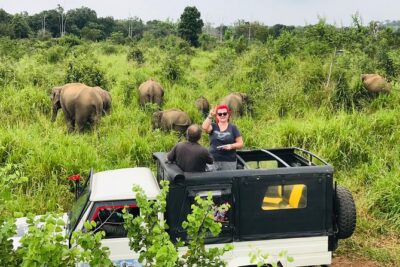
Some safaris in elephant country can feel like a “find it, chase it, park it” routine. When elephants are spotted, other jeeps can gather fast, and you may end up surrounded by a lot of vehicles.
One experience described elephants being ringed by dozens of jeeps. The upside is that it confirms the area can deliver big sightings. The downside is that it can reduce your sense of calm, and it can make wildlife feel less private than you might want.
So here’s the best move: once elephants appear, try to focus on respectful distance and patient watching rather than trying to get the closest possible view. If you see any safety or stress signs, it’s worth letting your driver choose a steadier position.
The driver matters, especially when weather hits

This safari includes an experienced safari jeep driver who acts like your guide. That’s not just a “nice to have” detail. Driver skill changes how long you spend with animals, how you position the jeep, and how you handle conditions.
One reported standout was a driver named Dammika, with attention to comfort and timing. In rain showers, the jeep roof was opened and closed repeatedly, which is the kind of small operational detail that keeps you from turning the safari into a wet and miserable photo session.
So if you’re the kind of traveler who cares about comfort, bring a light rain layer anyway, even if you hope for sun. Park weather can swing quickly.
Wildlife beyond elephants: deer, peacocks, monkeys, and birds

Elephants are the headline, but a good Hurulu Eco Park safari should also treat you to the smaller action.
Expect opportunities for:
- Spotted deer sightings in the park areas you drive through
- Peacocks showing up near open patches and along routes
- Monkeys around the edges of the landscapes
- Birdlife that you might notice more once the jeep slows down
One thing I like about this kind of safari is how quickly the day can shift. You can arrive focused on elephants and end up spending a good chunk of time watching peacocks or birds while you wait for the next herd movement.
Also, some experiences mention elephants outside the park on the way back to lodges. That’s not guaranteed, but it’s a good reminder that “wildlife time” might extend past the official park gates depending on where animals cross.
Small group feel, and toddler rules that help families
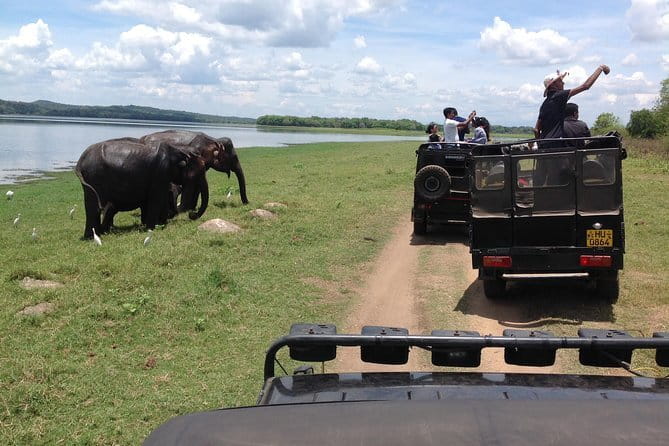
A maximum of 14 travelers keeps the vibe more manageable. You’re more likely to feel like you’re part of a real safari group rather than a queue.
Family logistics are also explicitly considered. Two toddlers under age 5 are allowed free of charge. That can make a big difference if you’re traveling with little kids who might not be able to handle a long day.
If you’re traveling as a solo adult or a couple, the format can feel more relaxed than bigger-group tours, especially if you end up with fewer people on your booking date. You might find the experience plays out like a more personal outing, including chances for evening light and relaxed animal spotting, depending on your exact time slot.
What to bring so the 3 hours feel worth it
Because the safari is short, everything you bring has to do double duty. Your best packing list is simple:
- Sun protection: hat, sunglasses, sunscreen, because open air jeep time can add up fast
- A light rain layer: even if the sky looks calm, plan for quick showers (roof adjustments can help, but you still want dry clothes)
- A snack or tea-time patience: the tour does not list any food stops, and bottled water is not included
- Camera and phone straps: safari jeeps can bounce, and you’ll want stable shots
- Binoculars if you already own them, especially if you enjoy watching birds and deer at a distance
If you’re traveling with kids, pack ear protection and comfort items. A jeep ride can be a sensory overload for young ones, and shorter trips still have enough movement to matter.
Cancellation, weather, and how flexible you need to be
This experience is weather-dependent and is listed as requiring good weather. If it’s canceled due to poor weather, you’ll be offered a different date or a full refund.
It also has free cancellation, with a refund if you cancel at least 24 hours in advance. If you’re booking close to travel day, I’d keep your schedule flexible, especially if you’re coming during shoulder periods where weather can change plans quickly.
Who this Hurulu Eco Park jeep safari is best for
This is a great fit if you:
- Want an elephant-focused day without a full-day itinerary
- Prefer a short, guided ride with an experienced driver
- Are staying in or near Habarana, so the transfer and logistics are easy
- Travel with kids under 5, since two toddlers are free
It may be less ideal if you:
- Need a guarantee of elephants in the April to November months
- Hate crowded viewing situations when multiple jeeps gather
- Are highly sensitive to rain and wet conditions, since weather can change mid-session
One more note: if you’re visiting specifically to avoid jeep crowding, you might feel torn. The park can deliver real elephant moments, but the “many vehicles at once” issue is part of the elephant safari reality.
Should you book this jeep-only safari?
I think this is a smart booking when two conditions match: you’re traveling in December to March, and you want a focused wildlife ride where elephants are the main target. In that season window, the value of paying for the jeep experience plus the entrance fee can make sense because you’re giving yourself the best chance to see those herds.
Book it if you can accept that elephant sightings come with a viewing rush and you’ll do your best to stay patient and respectful when many jeeps show up. It’s also a good choice for families thanks to the toddler-free rule and the short length.
Skip or rethink it if you’re going in April to November and elephants are your must-see. You can still enjoy the park for deer and birds, but this ticket is priced around elephant expectations, and the off-season note is pretty direct.
If you want, tell me your travel month and where you’re staying near Habarana, and I can help you estimate whether the total cost and elephant odds line up for your trip.
FAQ
Is the Hurulu Eco Park entrance ticket included in the $18 jeep safari price?
No. The experience ticket is for the jeep only. You purchase the entrance ticket separately at the meeting point in Hurulu Eco Park (listed as 3000 LKR per person). Adult and child rates are also shown in the tour details.
Where do I meet for the safari, and where does it end?
You start at Hurulu Eco Park A12, Habarana 50150, Sri Lanka, and the activity ends back at the same meeting point.
How long is the jeep safari?
The safari is listed as about 3 hours.
What season gives the best chance to see elephants?
The best season to spot elephants is December through March. The off-season (April through November) notes that elephants may not be present.
How many people are in the group?
The maximum group size is 14 travelers.
What happens if the weather is poor, or if I need to cancel?
The tour requires good weather. If it’s canceled due to poor weather, you’ll be offered a different date or a full refund. You can cancel for a full refund up to 24 hours before the experience starts.
More Safaris in Anuradhapura
More Tour Reviews in Anuradhapura
Hurulu Eco Park, Continued
Still browsing Anuradhapura? Start here
- Rangiri Jeep Safari Sigiriya Lion Rock & Evening Jeep Safari★ 4.0 · 3 reviews
- Half Day – Minneriya National Park Safari Tour From Habarana/Sigiriya★ 3.5 · 3 reviews
- Sunrise or sunset tour pidurangala Rock and Sigiriya Rock★ 5.0 · 4 reviews
- Wilpattu Half Day Safari From Anuradhapura★ 5.0 · 4 reviews
- Minneriya National Park Half Day Elephant Safari★ 5.0 · 4 reviews
Hurulu Eco Park Safaris, compared.
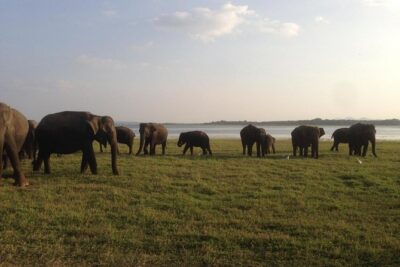 ★ 4.5Hurulu eco park jeep safariFrom $50110 reviews
 ★ 4.9From Sigiriya Hurulu Eco Park ElephantSafari ticket includedFrom $2444 reviews
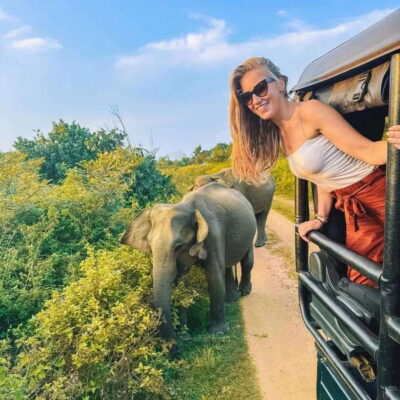 ★ 4.9From Sigiriya : Hurulu Eco Park Safari : All InclusiveFrom $3123 reviews
 ★ 5.0Hurulu Eco Park Half Day SafariFrom $2718 reviews
 ★ 5.0Adventure safari Experience in Hurulu Eco Park, Sri LankaFrom $5018 reviews
 ★ 4.5Hurulu Eco Park Private SafariFrom $2716 reviews
 ★ 4.9Hurulu Eco Park: 3-Hour Morning or Evening SafariFrom $2411 reviews
 ★ 5.0From Sigiriya: Hurulu Eco Park Elephant Jeep SafariFrom $284 reviews
Browse the lists this tour appears in