
REVIEW · YALA NATIONAL PARK SAFARIS
Galle/Mirissa: Yala & Udawalawe Safari Day Trip with Picnic
A jeep day that goes big fast. I like the two-park plan and the elephant feeding stop, plus the long sunrise to sunset wildlife rhythm. The main drawback is that park entrance and service fees are extra, and the day is genuinely long.
This is a private guided full-day safari run by Shehan Safari Jeep Tours, built around getting you into Yala early and then hitting Udawalawe for peak elephant country. You sit in an air-conditioned vehicle between the big wildlife windows, and you get a picnic lunch in the middle of it all.
In This Review
- Key Things I’d Focus On Before You Book
- How This Galle/Mirissa Safari Day Actually Works
- Yala National Park Sunrise Safari: Your First Wildlife Window
- What You Can See in Yala, Besides Big Cats
- Picnic Lunch Break: Good Timing, Real Food
- Udawalawe Elephant Transit Home: Baby Elephants and Feeding Hours
- Udawalawe National Park: Elephant Concentration and Sunset Timing
- Wildlife Sightings You Can Actually Plan For
- Private Guide and Air-Conditioned Transport: What You Pay For
- Price and Value: Is $96 a Good Deal After Park Fees?
- Who This Safari Suits Best (And Who Should Rethink It)
- My Bottom Line: Book or Pass?
- FAQ
- What’s included in the day trip?
- Are national park entrance fees included?
- How long is the safari day?
- What language is the guide?
- Do you visit the elephant transit home during feeding hours?
- What time of day are the safaris?
- Is the tour suitable for people who want to see leopards?
Key Things I’d Focus On Before You Book
- Sunrise timing in Yala and sunset timing in Udawalawe gives you the best light and the most active animal hours.
- Elephant Transit Home feeding hours is a fast, emotional stop and a nice contrast to jeep tracking.
- A true 2-park day means fewer travel days for you, but it also means you will be in the car for a while.
- Your guide matters a lot. Some guides prioritize patience for sightings, while others push faster scanning.
- Leopards are possible, but plan for reality. If you want higher odds, aim for the dry season.
- Elephant driving style can vary. Some safaris keep close pace with elephants, which you may or may not love.
Inside the ramparts and well past them
- ELLA to TANGALLE/MIRISSA/GALLE Shuttle & YALA Safari
★ 4.9 · 49 reviews - GALLE/MIRISSA/TANGALLE/HIRIKETIYA DROP to ELLA & YALA SAFARI
★ 4.7 · 21 reviews - Galle/Mirissa: Yala & Udawalawe Safari Day Trip with Picnic
★ 4.6 · 9 reviews
How This Galle/Mirissa Safari Day Actually Works
This is a 1-day private safari that chains together two national parks, with a stop at the Udawalawe Elephant Transit Home in the middle. The ride starts with pickup from your accommodation, then you head toward Yala for early wildlife time. After that jeep safari, you eat a picnic lunch, visit the transit home during feeding hours, and then go into Udawalawe for the second jeep safari that runs into sunset.
The big value here is not just that you visit both parks. It’s the sequencing: early light in Yala when animals are more active, then a midday break with food and elephant babies, then a second hunt for Udawalawe’s signature sightings.
Also, this trip is structured to keep you comfortable between stops. The listed transportation includes an air-conditioned vehicle, which matters when the schedule is long and the sun can be intense.
Yala National Park Sunrise Safari: Your First Wildlife Window
Yala National Park is famous for variety. You’re being set up for a “golden hours” style safari experience, with early timing that can improve your chances of spotting animals that like to move when the temperature is lower.
Inside Yala, you’ll ride in a sturdy 4×4 with a private guide. The route options are shaped by what you’re likely to find across different habitats, such as light forest, scrub, grasslands, and lagoons. In other words, you are not just riding through one kind of landscape and hoping for the best. You’re covering several zones that support different animal behavior.
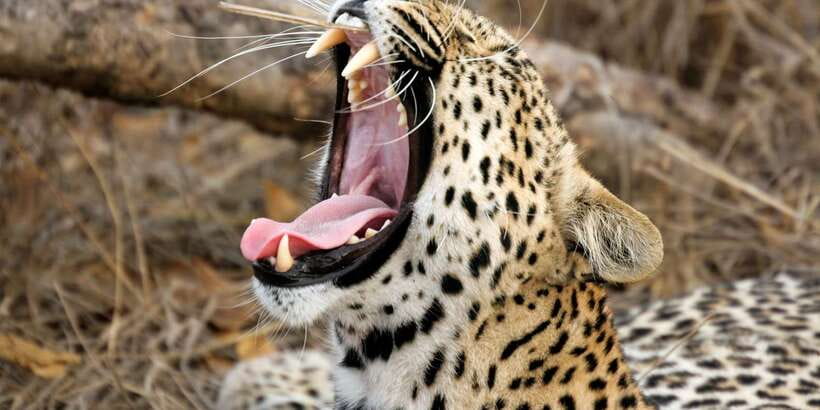
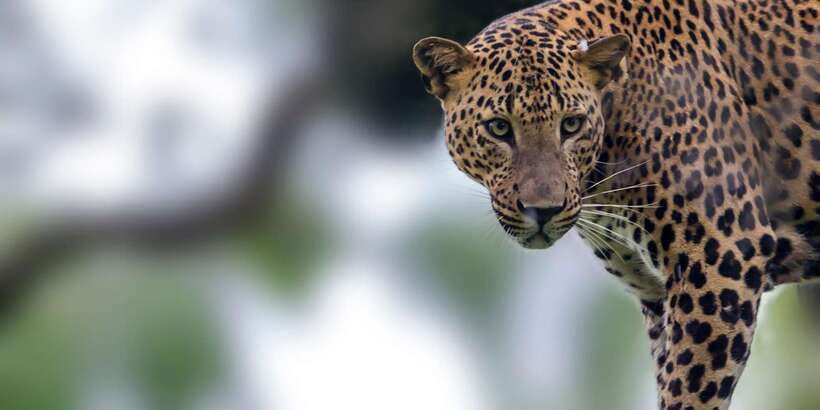
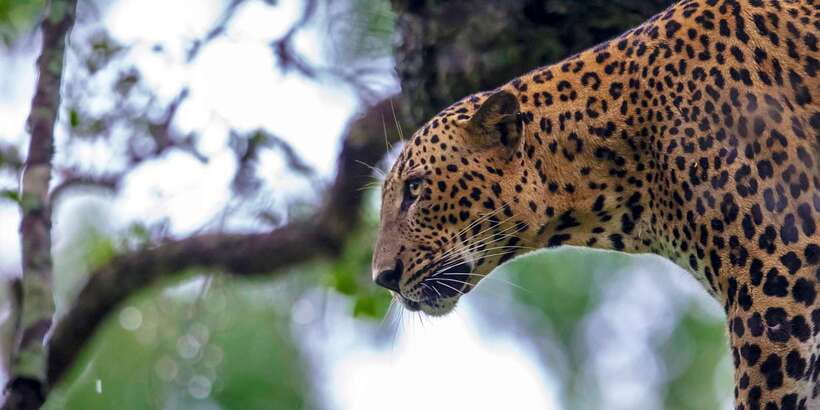
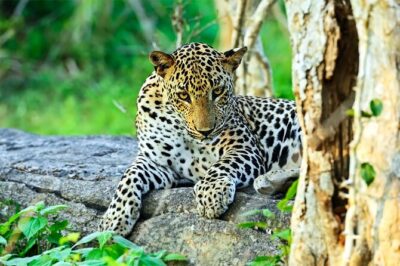
Yala is also where the leopard talk starts. Leopards are listed as a potential sighting, and one guide-led day described in a review includes a leopard sighting. Another review notes a practical truth you should plan around: if leopards are your top priority, go in the dry season. That’s when tracks and sightings often get easier to read and animals may concentrate differently.
What I like about the Yala start: it gives you that first surge of wildlife time before the day gets hot, and you’re in the park while conditions are right for visibility and movement.
The watch-out: Yala sightings can be slow. Some safari days involve waiting for an animal to return to an area you already know. That patience can pay off, but it can also feel frustrating if you’re expecting constant motion. One account described a long standstill while the guide tried to wait out a leopard-related moment.
What You Can See in Yala, Besides Big Cats
Even without a leopard, Yala can deliver a lot. The safari format here is designed for a wide wildlife mix, not a single-animals-only checklist.
Based on what’s mentioned as possible sightings on this kind of day, you can look out for elephants and water buffalo, jackals, and other mammals, plus a strong bird element. The park itself is described as having 44 varieties of mammals and 215 bird species, so you’re not dependent on one species showing up.
Birding matters more than many first-time safari-goers expect. When the big animals are quieter, birds often stay active in the same light and vegetation zones. It also helps you understand what kind of habitat you are driving through.
And yes, crocodiles are on the list too. If you catch them near water edges or lagoons, they can be surprisingly noticeable once you know what to scan for.
Picnic Lunch Break: Good Timing, Real Food
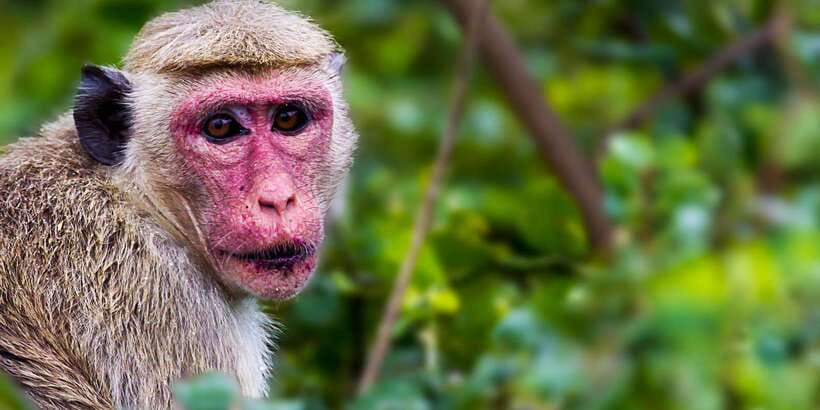
After your Yala safari, you’ll stop for a picnic lunch. This is one of the most practical parts of the day, because it lets you eat without losing the whole schedule.
The included meal is described as a picnic lunch, and lunch is also described as lovely and complete in a positive account. One review even notes that spicy food can be an issue for some people, so if you’re sensitive, keep that in mind and be ready for Sri Lankan flavors.
Here’s a smart prep tip from an actual day’s experience: one guide noted that breakfast is best coming from your hotel, because food options on the road and at arrival may be closed. Another practical detail from a different account: ask for a toilet pause before the highway route, since facilities can disappear after certain stretches. That isn’t glamorous, but it makes the day easier.
Udawalawe Elephant Transit Home: Baby Elephants and Feeding Hours
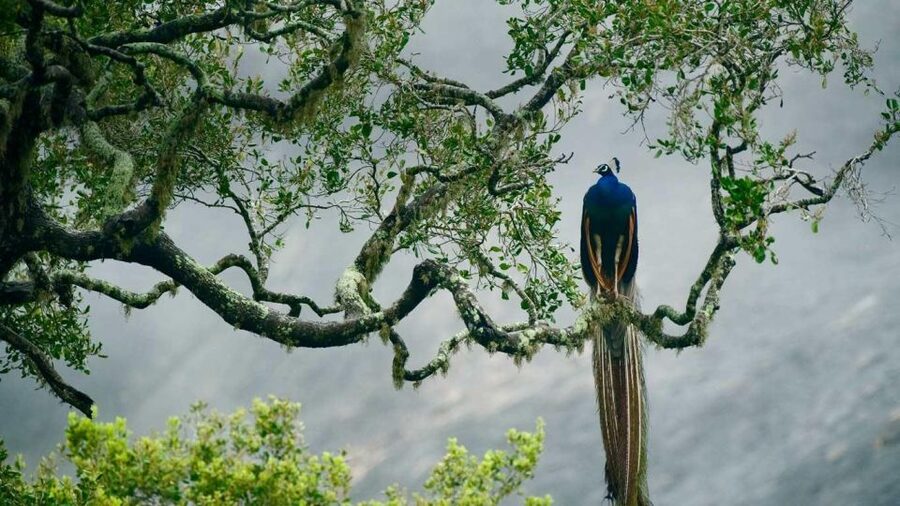
The Udawalawe Elephant Transit Home visit is a big emotional high point in the middle of the day. You’ll arrive during feeding hours, which is when you can see hundreds of wild elephant babies feeding.
This is not a jeep safari. It’s a controlled stop tied to caretaking and daily feeding routines. That changes the vibe instantly. Instead of scanning distances through the grass, you’re closer to the action and watching the feeding process in a tighter setting.
A positive account calls out how cute it is to see elephant babies being fed with milk, and it also mentions fixed feeding hours around 14:30. Since that exact time is not listed in the tour details you’re given, treat it as an example, not a guarantee. But the overall expectation is clear: plan for a feeding window and keep your attention on the baby elephants.
Why this stop is worth the time: it helps you connect the wildlife you’re chasing in the parks with the reality that some elephants are vulnerable and require support.
Udawalawe National Park: Elephant Concentration and Sunset Timing
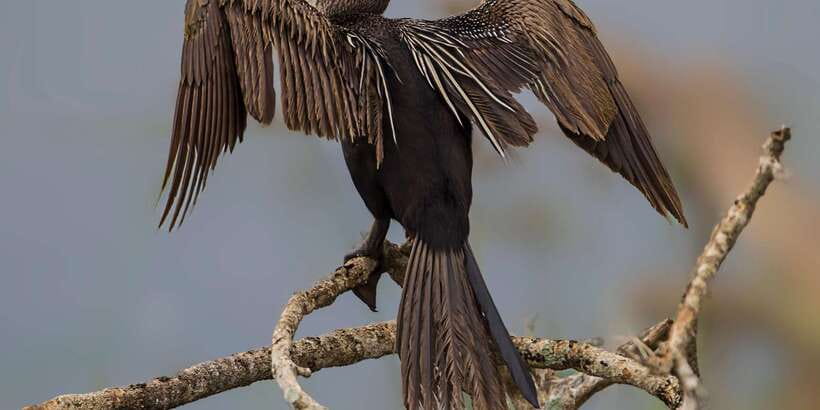
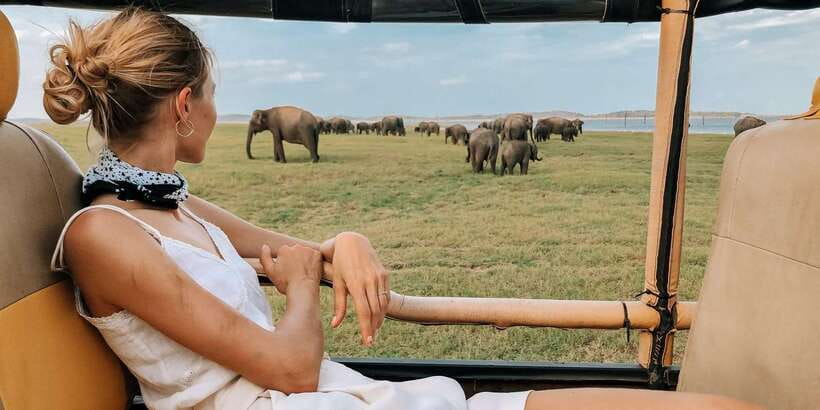
After the transit home, you head into Udawalawe National Park for the second jeep safari. Udawalawe is often your “elephant park” moment, and it is described as having the world’s most concentrated number of elephants. You’re also looking out for spotted deer, jackals, wild boar, wild buffalo, and crocodiles.
The safari runs into sunset. That timing is not a random add-on. When light drops, animal behavior can shift, and you may get better silhouettes and more active movement near open areas and water.
Udawalawe can also be intense in one specific way: the elephants. Many jeep safaris track elephants because they’re the easiest big sightings to find and keep seeing. That’s why you might experience what one review described as drivers surrounding elephants and driving close, with multiple jeeps at the same time.
You can’t control everyone else’s style, but you can control how your guide handles proximity. If this topic matters to you, ask your guide gently about how they manage distance and whether they prioritize animal comfort. A good guide will aim to give you good views without treating elephants like a traffic event.
Wildlife Sightings You Can Actually Plan For
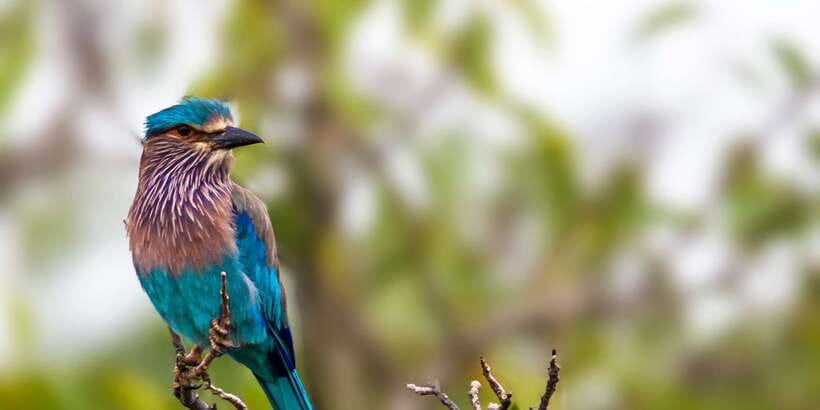
This tour is built for variety and for “big animal moments,” not just a photo safari from afar. You should expect a strong chance of seeing:
- Elephants, including baby elephants at the transit home and wild elephants in Udawalawe
- Crocodiles, which can show up depending on water edges and timing
- Spotted deer and other smaller-to-medium animals in open zones
- Birdlife, especially since Yala is described with extensive bird species count
One review also mentions a black bear in the mix, but that sort of sighting is never guaranteed. Use it as an example of what this region can hold when timing and luck align.
For leopards, the honest planning rule is simple: odds improve in the dry season. You’ll still want patience, and you may sit for longer stretches if your guide thinks an animal might reappear.
Private Guide and Air-Conditioned Transport: What You Pay For
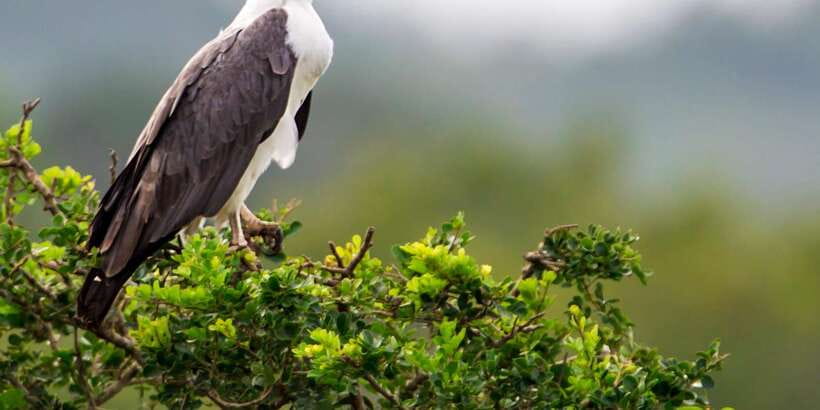
This trip is private and guided, which is part of the reason it feels different from a standard group safari where you might not get your questions answered or your guide might rush.
The listed inclusions include a driver/guide, jeeps at both parks, hotel pickup and drop-off, and bottled water plus soft drinks. A good sign is that some reviews call out friendly, punctual pickup and guides that manage time well so you can actually watch animals.
But there’s also a reality check. One low-rating account said the picnic and drinks were not as described at Yala and that the guide behavior felt mismatched. That’s not enough to cancel the whole concept, but it is a reminder to set expectations and confirm the basics with your operator before you leave.
Price and Value: Is $96 a Good Deal After Park Fees?
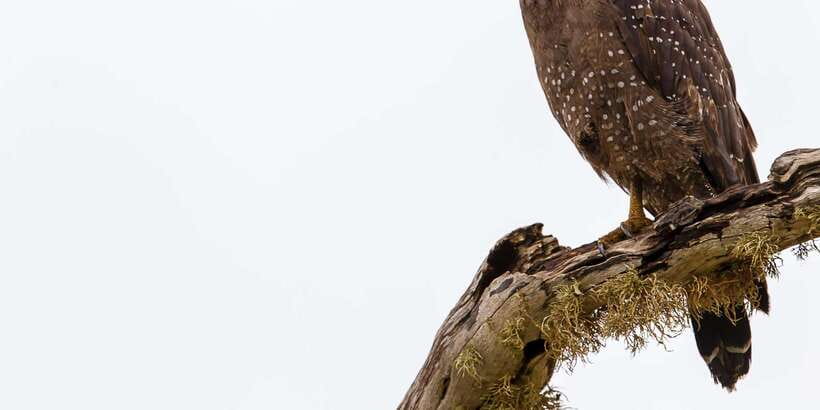
At $96 per person for a 1-day, 2-park safari with picnic lunch, transit home visit, transport in an air-conditioned vehicle, and a private guide, the base price can feel fair. But the true cost is what happens after you add the park entry fees.
Park entrance and service fees are not included in the package. For Yala, the stated fees are 13,000 Sri Lankan Rupees, about $40 for tourists. Udawalawe has its own fees as well, but the exact amount is not provided here.
So here’s how to think about value:
- You’re paying for two jeeps in two national parks in one day. That’s a lot of “where else can you do this?” efficiency.
- You’re paying for an elephant transit home stop that breaks up the day in a meaningful way.
- You’re paying for transport comfort. The air-conditioned vehicle is a real upgrade for long drives.
If you hate long days or you’re very budget-focused, the add-on fees can make it feel pricey quickly. If you want maximum wildlife time without spending extra days on logistics, it’s closer to a bargain.
Who This Safari Suits Best (And Who Should Rethink It)
This tour suits you if:
- You want Yala and Udawalawe both, in one schedule
- Elephants are a top priority and you like the idea of seeing baby elephants up close during feeding hours
- You don’t mind an early start and a long day in exchange for big wildlife windows
- You like the structure of sunrise to sunset safari timing
It might not be your best fit if:
- You’re highly sensitive to time spent waiting for sightings rather than constant driving
- You strongly prefer elephants to be kept at a distance and would feel uncomfortable if jeeps cluster closely
- You’re looking for a short, low-effort experience
My Bottom Line: Book or Pass?
I’d book this safari if you want a focused wildlife day with real variety: a Yala sunrise jeep, a proper picnic break, baby elephants at the transit home, then Udawalawe elephants at sunset. The value comes from doing two parks in one day with private guiding and comfort between drives.
I’d hesitate if you’re leopard-only focused without accepting the patience factor, or if you already know you strongly dislike close jeep behavior around elephants. In that case, ask your guide about how they handle elephant distance and how they time movements.
If you can handle a long day and you’re aiming for elephants plus a shot at predators, this is a solid way to use your time in Sri Lanka’s wildlife zone.
FAQ
What’s included in the day trip?
Hotel pickup and drop-off, air-conditioned transportation, jeep safari at Yala National Park, a visit to Udawalawe Elephant Transit Home, jeep safari at Udawalawe National Park, a driver/guide, picnic lunch, bottled water, and soft drinks.
Are national park entrance fees included?
No. Entrance and service fees for Yala National Park and Udawalawe National Park are not included in the package.
How long is the safari day?
The tour is listed as 1 day.
What language is the guide?
The live tour guide is available in English.
Do you visit the elephant transit home during feeding hours?
Yes. You arrive during feeding hours so you can see the baby elephants being fed.
What time of day are the safaris?
The experience is described as starting with sunrise in Yala and ending with sunset after the Udawalawe safari.
Is the tour suitable for people who want to see leopards?
Leopards are listed as a possible sighting. One practical tip from a past day described here is that leopards are more likely in the dry season, so timing matters.
Yala, More Jeeps Compared
More Out of Mirissa
Galle Beyond the Fort Walls
Still browsing Koggala? Start here
- Galle/Mirissa: Yala & Udawalawe Safari Day Trip with Picnic★ 4.6 · 9 reviews
- GALLE/MIRISSA/TANGALLE/HIRIKETIYA DROP to ELLA & YALA SAFARI★ 4.7 · 21 reviews
- ELLA to TANGALLE/MIRISSA/GALLE Shuttle & YALA Safari★ 4.9 · 49 reviews
Yala National Park Safaris, compared.
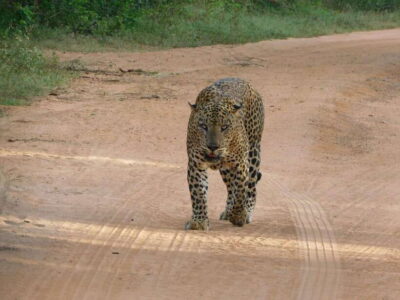 ★ 4.8Yala National Park Safari Tours: Morning/Evening/Full DayFrom $25818 reviews
 ★ 5.0Full day Safari – Yala National Park – 04.30 am to 06.00 pm with – Janaka safariFrom $57603 reviews
 ★ 4.8Yala National Park: Half, 7-Hour, or Full-Day Safari & MealsFrom $14489 reviews
 ★ 4.5Yala National Park Wildlife Safari/ Game Drive – by Ajith SafariFrom $18351 reviews
 ★ 4.5Leopard Safari Tour in Yala National ParkFrom $20281 reviews
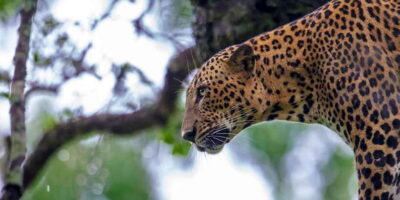 ★ 4.8Hikkaduwa/Galle/Weligama/Mirissa/Tangalle: Yala Safari TourFrom $45263 reviews
 ★ 5.0Full day / Half Day WildlifeAdventure in Yala-National-ParkFrom $42258 reviews
 ★ 5.0Special leopards safari Yala National park – 04.30 am to 11.30 amFrom $36186 reviews
Browse the lists this tour appears in