
REVIEW · WASGAMUWA & MADURU OYA SAFARIS
Lunugamwehera (Weheragala Entrance) National Park – Ajith Safari
Lunugamwehera can feel like a secret route into Sri Lanka’s wildlife. This game drive focuses on elephants and water birds, and it’s run from the Weheragala entrance for a better chance at sightings like elusive Sri Lankan leopards. You’ll roll out in a 4WD safari jeep and spend most of the day scanning the park by eye and with your guide’s help.
I really like how this trip keeps things controlled: a small group (max 6) in a Toyota Hilux 4WD, plus licensed drivers cum guides. Another big plus is the vibe. When you enter early and don’t get stuck in a long line of vehicles, you get more calm viewing time, which makes spotting easier for everyone, including kids.
The main thing to plan for is cost at the gate. The park entrance fee is not included (listed as Rs. 11,000 per person, about $37), and you need to pay in Sri Lankan rupees (or use a credit card), not foreign cash.
In This Review
- Key things that make this safari worth your time
- Lunugamwehera’s purpose: wildlife protection plus a living water system
- Entering from Weharagala: why that entrance choice matters
- The 8-hour flow: what your day actually feels like
- Your safari jeep setup: Toyota Hilux 4WD, max 6 people
- What you’re looking for: elephants, water birds, and migrant birds
- The guide factor: licensed drivers, long game-drive experience, and smart timing
- Price and logistics: what $79 covers, and what you must budget at the gate
- When this safari fits best, and when to choose something else
- Should you book Ajith Safari for Lunugamwehera?
- FAQ
- Where does the Lunugamwehera safari start and end?
- How long is the safari?
- Is hotel pickup and drop-off included?
- What vehicle is used for the safari?
- What is the group size?
- Are park entrance fees included in the price?
- How do I pay the park entrance fee?
- Is breakfast or lunch included?
- What entrance does the tour use in Lunugamwehera?
- What happens if the weather is poor?
Key things that make this safari worth your time
- Weharagala entrance: chosen to increase the odds of seeing elusive Sri Lankan leopards
- A small group of up to 6 in a Toyota Hilux 4WD, shared on a calm game-drive circuit
- Licensed Wildlife Department guides with long game-drive experience
- Elephants and water birds are central here, plus migrant birds depending on season and timing
- More quiet, less crowd pressure, because you can be one of the first vehicles in
Further off the usual safari circuit
- YALA BLOCK 5 & 6 (Weheragala & Lunugamwehera) Safari Tours
★ 5.0 · 12 reviews
Lunugamwehera’s purpose: wildlife protection plus a living water system
Lunugamwehera National Park was declared in 1995, and it’s not just “a place with animals.” The park exists to protect the catchment area linked to the Lunugamwehera reservoir. That matters because water is the engine for everything you’ll notice on safari.
This area supports habitat for water birds and elephants. The catchment also helps maintain water levels for five tanks downstream of Kirindi Oya. Those tanks influence the wetland character further along, which connects this park ecologically to places like Bundala National Park. In plain terms, when the water situation is stable, wildlife patterns become more predictable.
There’s also a movement story. Lunugamwehera acts as a corridor for elephants traveling between Yala National Park and Udawalawe National Park. So instead of only thinking “spot the biggest animal,” I find it helps to think “spot the routes.” Watch for where elephants might pass, and where birds concentrate when water is available.
Entering from Weharagala: why that entrance choice matters
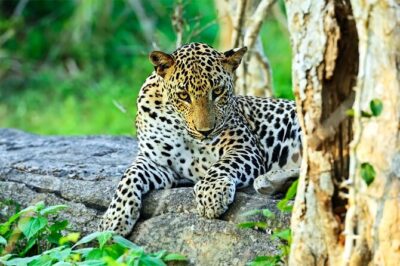
This safari plans its entry point intentionally. Lunugamwehera has two entrances, and entering from the Weharagala entrance is said to bring a higher chance of encountering elusive Sri Lankan leopards and more animals in general.
I like that the strategy is simple. You’re not just rolling in and hoping. You’re using an entrance that typically gives better odds. That doesn’t mean every drive produces a leopard sighting, but it does mean your time is spent where the probability is better.
The practical takeaway for you: when your jeep approaches the entrance, treat the first stretch as part of the hunt, not a warm-up. If you get in early, you reduce vehicle churn and you often get more time to watch animal behavior rather than just reacting to everyone else’s excitement.
The 8-hour flow: what your day actually feels like
This experience is about 8 hours. Hotel pickup and drop-off are offered if you select that option, and the tour ends back at the meeting point.
You’ll typically start with a pickup, then head toward the park entrance area. Once inside, your day becomes a sequence of slow scanning and short pauses. This is the style that works in Sri Lanka parks, especially when the goal is to catch animals during natural moments: moving through scrub, feeding near water, or pausing long enough to be identified.
Because Lunugamwehera can be quieter than some busier safari circuits, the day can feel calmer. One driver, Kasun, was specifically highlighted for arriving early and getting them in first. The effect was noticeable: fewer vehicles and less “everyone chase the same spot” pressure.
If your day turns out to be calmer wildlife-wise, don’t assume it was a waste. I’d still expect the environment itself to be part of the value. The park is described as having various plants and exotic flowers, and you’ll likely notice different patches of habitat as you travel. That variety can keep a drive interesting even when sightings are slower.
Other safaris we sat through
Your safari jeep setup: Toyota Hilux 4WD, max 6 people
You travel in a Toyota Hilux 4WD safari jeep with a maximum of 6 passengers on a sharing basis. That group size is one of the quiet advantages here.
Small group means less crowding at key viewing stops. It also means your guide can steer the jeep placement more precisely. In parks where many vehicles operate, positioning can affect how long you can watch an animal without blocking other people or being blocked yourself.
Also, a Hilux 4WD is built for this kind of road. You’ll feel the vehicle working when you leave paved areas, and you get that sturdy “we’re really on safari” sense. For families, this is often easier than a larger vehicle because the viewing space feels more manageable and the pace is less chaotic.
Bring the usual safari basics, because the data you get is often visual and moment-based:
- sunglasses and sunscreen
- a hat you can keep on
- water, even if you’re also considering breakfast or lunch options
- binoculars if you have them
What you’re looking for: elephants, water birds, and migrant birds
Lunugamwehera is strongly tied to water birds and elephants. That’s not marketing fluff. It’s baked into the park’s purpose as a catchment zone that supports water levels and wetland characteristics.
So what should you expect to see? Think in categories:
- Elephants: because the park supports movement between Yala and Udawalawe, you may see tracks, feeding behavior, or pauses near travel routes
- Water birds: because habitat depends on water availability, birds can show up where water is present and conditions are right
- Migrant birds: the park is described as important for water birds, and migrant birds are part of the overall experience
You might also notice the park’s plant life. The experience is described as including various plants and exotic flowers, which can matter if you’re traveling with kids. Wildlife spotting can be hit-or-miss on any single day, but noticing plants, birds, and small action around habitat edges often keeps everyone engaged.
A key balancing note: one review described the park as quiet with fewer animal encounters than usual, but the day still worked because the environment felt different and the drive was well handled. I take that as a reminder: safari success is partly luck. What you can control is how you arrive, how you manage expectations, and whether you keep your eyes open for smaller signs.
The guide factor: licensed drivers, long game-drive experience, and smart timing
Your guide is not just a driver. The trip includes experienced drivers cum guides licensed from the Wildlife Department of Sri Lanka. The experience also notes game-drive experience of over 15 years.
In safari terms, that translates into two things you’ll feel:
- Faster reading of the scene, like where to look first and when to slow down.
- Timing choices that affect your comfort and your viewing quality.
A real example from the experience write-ups: Kasun advised adding Lunugamwehera to their stay, and he arrived early so they were among the first into the park. They also liked that there were only a few other vehicles during their time inside. That kind of timing reduces noise and helps you keep watching without interruption.
You don’t need a guide to be “perfectly encyclopedic” to have a great day. What you do need is someone who can get you to good viewing opportunities and who can explain what you’re seeing in a clear, calm way.
Price and logistics: what $79 covers, and what you must budget at the gate
The published price is $79.00 per group, up to 6 people. That’s a strong value structure because it’s priced by group, not per seat. If your group size is close to 6, your effective cost per person for the safari portion becomes much lower.
But here’s the part you absolutely should budget for: park entrance fees are not included. The fee is listed as Rs. 11,000 per person, around $37. You pay at the entrance in cash in Sri Lankan rupees, or through a credit card. The important detail is that there is no facility at the entrance to make cash payments in foreign currencies, so plan currency ahead.
Optional food also affects your total day cost. Breakfast with hopper and egg hopper, coconut sambol, sini sambol, and fruit is listed at USD 8 per person on request. Lunch with rice, chicken, dhal curry, beans, potato tempering, papadam, and fruit is listed at USD 10 per person on request.
So how do you judge value? For many people, the “cheap part” is the safari transport and guide service, but the “real” cost is the entrance fee plus any food you add. I think the good news is that you’re buying a guided 4WD safari experience for a fixed group price, then adding the park fee on top.
If you want to keep this day smooth, arrive ready to pay the entrance fee without last-minute panic. It’s the difference between a calm start and a stressful one.
When this safari fits best, and when to choose something else
This is a great fit if you:
- want a family-friendly wildlife day without the chaos of a huge vehicle convoy
- prefer a quieter pace, where you can spend time observing instead of bouncing constantly
- like the idea of focusing on water birds and elephants, with a chance at leopard sightings through the Weharagala entrance strategy
- have limited time in the Yala area and want a full half-day style outing
You might want to think twice if:
- you need leopard certainty, because even with a better entrance strategy, sightings are never guaranteed
- you don’t want to handle extra fees at the gate, since the entrance fee is not included
- weather is a major constraint for you. This experience requires good weather, and the plan depends on it
Should you book Ajith Safari for Lunugamwehera?
Yes, if you like the sound of a calmer game drive and you’re realistic about how safari spotting works. The strongest reasons to book are the small group size in a 4WD, the licensed wildlife guiding, and the entrance choice aimed at better leopard odds through Weharagala.
Before you click confirm, do a quick checklist:
- Carry enough Sri Lankan rupees for the entrance fee per person, or plan to use a credit card
- Decide if you want to add breakfast or lunch on request
- Keep expectations flexible. A quiet day in Lunugamwehera can still be worth it because the environment and wildlife behavior are part of what you’re paying for
If you’re already in the region and trying to pick the best use of your safari hours, this one is a smart bet because it leans into an elephant and bird-focused park, with a strategy for improving the chances of seeing more elusive predators.
FAQ
Where does the Lunugamwehera safari start and end?
It starts at Ajith Safari Jeep Tours – Yala Safari Operator (No 984/B, Debarawewa, Tissamaharama 82600, Sri Lanka) and ends back at the same meeting point.
How long is the safari?
The duration is about 8 hours.
Is hotel pickup and drop-off included?
Hotel pickup and drop-off are included if you select that option.
What vehicle is used for the safari?
You travel in a Toyota Hilux 4WD safari jeep.
What is the group size?
The safari is on a sharing basis with a maximum of 6 travelers.
Are park entrance fees included in the price?
No. Park entrance fees are listed as Rs. 11,000 per person, around $37, and you pay at the entrance.
How do I pay the park entrance fee?
You can pay in Sri Lankan rupees in cash or through a credit card. Cash payments in foreign currencies are not available at the entrance.
Is breakfast or lunch included?
Breakfast and lunch are not included in the package. They are available on request for USD 8 per person (breakfast) and USD 10 per person (lunch).
What entrance does the tour use in Lunugamwehera?
The tour enters from the Weharagala entrance, which is described as having a higher chance to encounter elusive Sri Lankan leopards and more animals.
What happens if the weather is poor?
This experience requires good weather. If it is canceled due to poor weather, you are offered a different date or a full refund.
More Safaris in Yala National Park
- Full day Safari – Yala National Park – 04.30 am to 06.00 pm with – Janaka safari
- Yala National Park: Half, 7-Hour, or Full-Day Safari & Meals
- Yala National Park Wildlife Safari/ Game Drive – by Ajith Safari
- Leopard Safari Tour in Yala National Park
- Special leopards safari Yala National park – 04.30 am to 11.30 am
More Tour Reviews in Yala National Park
- Full day Safari – Yala National Park – 04.30 am to 06.00 pm with – Janaka safari
- Yala National Park: Half, 7-Hour, or Full-Day Safari & Meals
- Yala National Park Wildlife Safari/ Game Drive – by Ajith Safari
- Leopard Safari Tour in Yala National Park
- Full day / Half Day WildlifeAdventure in Yala-National-Park
Off the Safari Circuit
Still browsing Yala National Park? Start here
- Morning 07 Hour Private Safari at Yala National Park by Yala La Safari Tours★ 5.0 · 4 reviews
- Waterfall Tour & nine arch bridge Ella★ 5.0 · 4 reviews
- Private Yala Safari Full or Half Day Leopard Tour★ 5.0 · 4 reviews
- Lunugamwehera (Weheragala Entrance) National Park – Ajith Safari★ 5.0 · 4 reviews
- 1-Day Tour of Both Yala and Udawalawe National Parks★ 3.4 · 4 reviews
Wasgamuwa & Maduru Oya Safaris, compared.
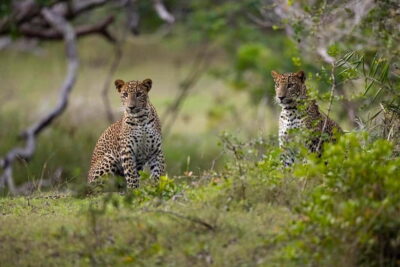 ★ 4.9YALA BLOCK 5 & 6 (Weheragala & Lunugamwehera) Safari ToursFrom $3631 reviews
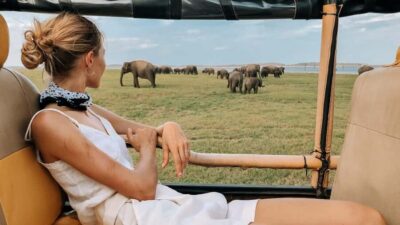 ★ 4.8YALA BLOCK 5 & 6 (Weheragala & Lunugamwehera) Safari TourFrom $3530 reviews
★ 5.0YALA BLOCK 5 & 6 (Weheragala & Lunugamwehera) Safari ToursFrom $3612 reviews
★ 4.8YALA BLOCK 5 & 6 (Weheragala & Lunugamwehera) Safari TourFrom $3530 reviews
★ 5.0YALA BLOCK 5 & 6 (Weheragala & Lunugamwehera) Safari ToursFrom $3612 reviews
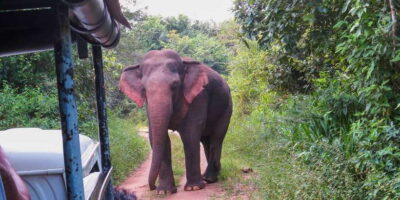 ★ 4.9Wasgamuwa: Wasgamuwa National Park Private 3-Hour SafariFrom $2710 reviews
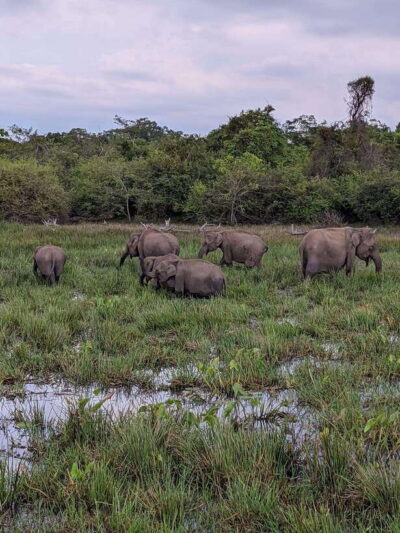 ★ 5.0Lunugamvehera National Park ( Yala Block 5 / 6 ) Wild SafariFrom $346 reviews
 ★ 4.8Wasgamuwa National Park Safari (Private Jeep)From $255 reviews
 ★ 4.5Maduru Oya National Park Private Safari with NaturalistFrom $474 reviews
 ★ 5.0Wasgamuwa National Park Safari from KandyFrom $1043 reviews
Browse the lists this tour appears in