
REVIEW · SPICE & CINNAMON GARDEN TOURS
Sri Lanka: Ceylon Cinnamon Experience & Spice Garden Tour
Ceylon cinnamon is more work than you think.
On this Warala Watta Farm Spice Garden tour in Sri Lanka’s Central Province, you get a guided walk through spice plants and then the star moment, the Ceylon cinnamon process, from bark handling to what ends up as cinnamon quills. The best part is how practical it feels, you learn how these spices are grown, processed, and used.
Two things I really like: first, you don’t just look, you get to participate in the hands-on cinnamon making experience. Second, the tastings are designed around real ingredients you can recognize right after, including garden spices and tropical fruit enhanced with Sri Lankan spice blends. One consideration: it is a walking tour on farm paths, so it is not a good fit if you have mobility limits, and there is no transport or meals included.
Key things to know before you go
- Ceylon cinnamon hands-on: watch the process and make a cinnamon roll yourself
- Small group size: up to 10 people with an English live guide
- Farm-to-table tasting: garden spices plus tropical fruit with Sri Lankan spice blends
- Factory visit: see how spice processing and quality fit into the story
- Organic and seasonal elements: the farm highlights organic farming and seasonal harvesting when available
In This Review
- Why Warala Watta Farm is a more real spice visit
- Your 3-hour plan: garden walk, cinnamon making, tastings, factory stop
- Guided spice garden walk: learning the plants, not just the products
- Hands-on Ceylon Cinnamon Experience: bark to quills, plus your own roll
- Farm-to-table spice tasting and tropical fruit with spice blends
- The factory visit: what processing adds to flavor and quality
- Logistics that matter: transport, timing, and what to bring
- Price and value: what $20 gets you in real learning
- Who should book this spice garden tour
- Should you book the Sri Lanka Ceylon Cinnamon Experience?
- FAQ
- How long is the Sri Lanka Ceylon Cinnamon Experience & Spice Garden Tour?
- What is the price per person?
- Is transportation to and from the garden included?
- What does the tour include?
- What language is the tour guide?
- Is this a small group or a large group?
- What should I bring with me?
- Is smoking allowed during the tour?
- Is the tour suitable for wheelchair users or people with mobility impairments?
Why Warala Watta Farm is a more real spice visit
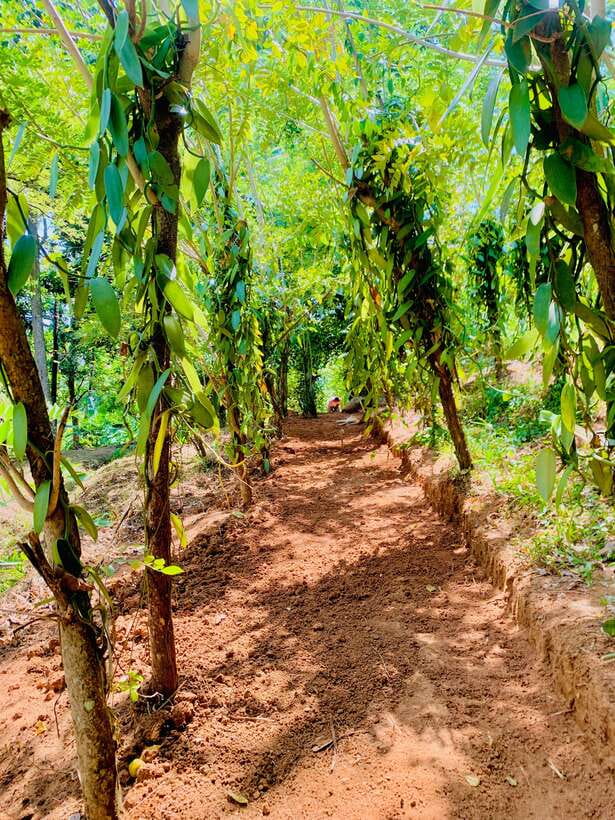
Sri Lanka’s spice story can be told in a thousand ways, but at Warala Watta Farm, it is tied to the plants and the work. You walk through a spice garden where the guide explains what you are seeing, then you move from garden to processing, where you finally understand what turns leaves, bark, and seeds into the spices you use at home.
I like that the tour is built around both sides of the same coin: cultivation and transformation. You get the practical “how it grows” part, then the hands-on “how it becomes cinnamon” part. And because the group is limited to 10, you usually have room to ask questions instead of getting swept along.
One more plus, the team members you meet, including Roha and Dilan, are welcoming and focused on teaching. If you care about learning the names, smells, and uses, that friendly, hands-on approach matters.
Your 3-hour plan: garden walk, cinnamon making, tastings, factory stop
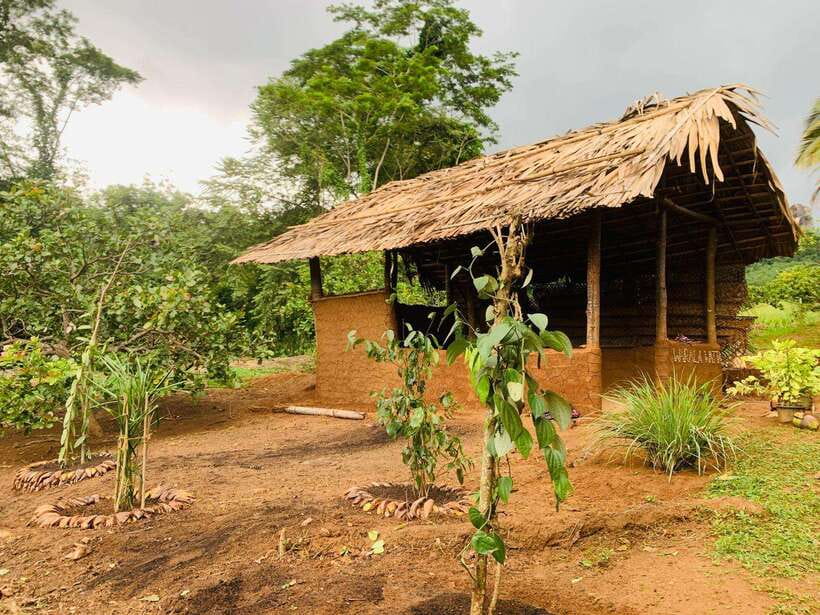
The full experience runs about 3 hours, and the pacing is fairly tight, so it works best if you want a focused overview rather than a slow stroll. You will not be stuck on a bus for most of it, you are out on the farm for the key moments.
Here is how the flow typically feels:
1) Guided spice garden walk
You trek through the plantation and learn about spices such as cinnamon, black pepper, cloves, cardamom, and other Sri Lankan varieties. This part matters because it teaches you to connect the spice jar at home with the plant in the ground.
2) Ceylon Cinnamon Experience
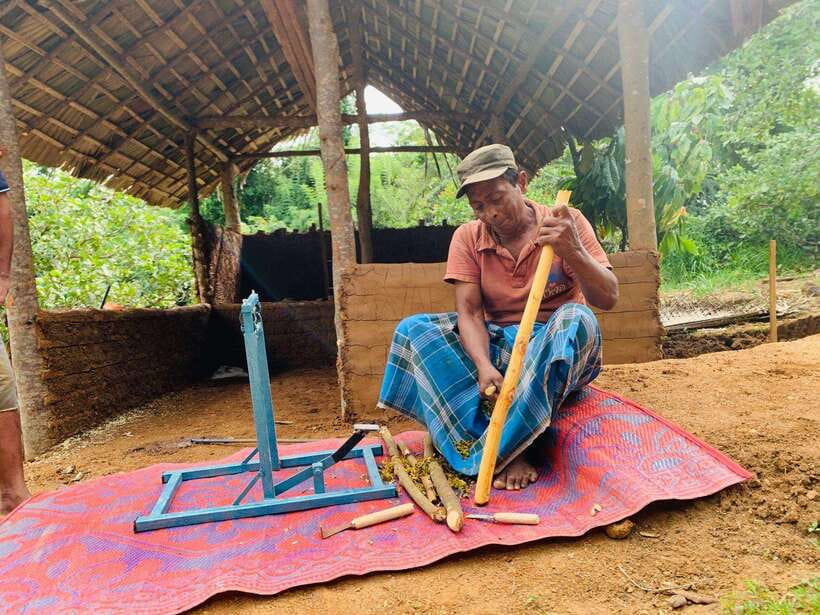
This is the main event. You see the traditional process, from peeling bark through the stages of processing to preparing the cinnamon quills. Then you try it yourself, including making a cinnamon roll.
3) Farm-to-table spice tasting
You taste garden spices in a structured way, paired with discussions that touch on health benefits. The tour also includes spice-tea pairings and a sensory challenge at the farm, so you may get a chance to identify spices through smell, taste, and touch while you’re there.
4) Tropical fruit tasting with Sri Lankan spices
You try tropical fruits enhanced with curated Sri Lankan spice blends. This is a great reality check, because you start to see spices as something you pair, not just something you cook with.
5) Spice processing factory visit
You see how the farm’s spices move from harvest to processed product. Even if you only catch part of the operation, the visit helps you understand why freshness and quality control are so important for cinnamon and other whole spices.
Plan your day with that in mind. If you are already tired from a long driving segment in Sri Lanka, this tour can still work, but wear the right shoes and bring water.
Guided spice garden walk: learning the plants, not just the products
The garden walk is where this tour earns its value. It is easy to visit a spice shop and leave with souvenirs, but the walk helps you learn what to look for and why each spice behaves the way it does.
You are guided through different spice sections and you hear about cultivation and applications, including culinary and medicinal uses. That is the key difference: you do not just get a list of names, you learn how each one is used and what it’s like in its natural setting.
The walking portion also gives you a better sense of Sri Lanka’s farming rhythm. The experience includes organic farming as part of the tour story, and there may be seasonal spice harvesting depending on timing. If you visit when harvesting is happening, the farm can feel much more alive and hands-on.
Tip for you: take a few photos, but also slow down and smell what the guide points out. For spices, your nose is as important as your eyes.
Hands-on Ceylon Cinnamon Experience: bark to quills, plus your own roll
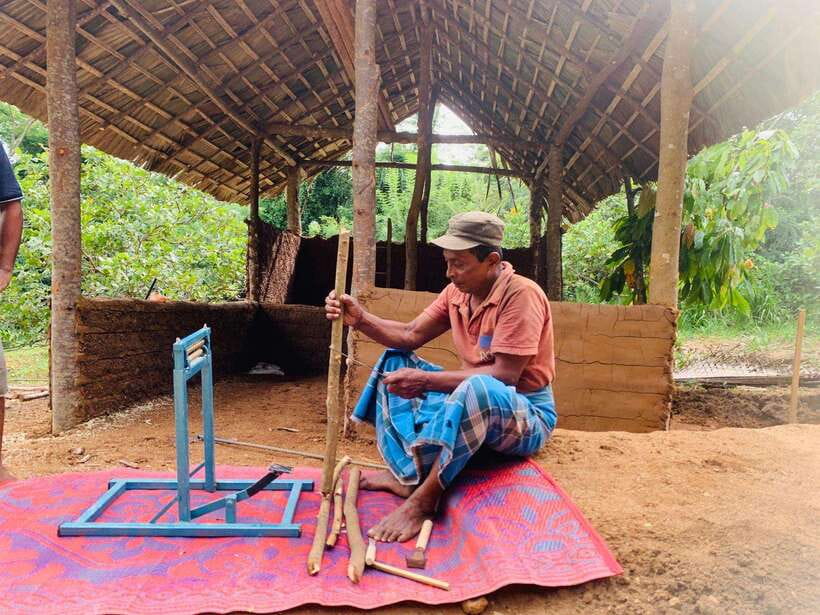
If you like food crafts and real processes, this is the moment you will remember. The Ceylon Cinnamon Experience is specifically built around the full cinnamon-making workflow, not just a quick demonstration.
You see the steps, including peeling bark and preparing the cinnamon for processing. The goal is to understand how the work turns into cinnamon quills, the shape that matters in the final product. Then you get to participate, which is usually where learning clicks.
In the experience, you make a cinnamon roll yourself. That matters more than tasting cinnamon powder, because rolling and handling helps you understand the texture and structure of what is being produced.
What to watch for during the hands-on part:
- How the bark is handled during peeling
- The way the cinnamon is processed into quills
- Any tips the guide gives you about what changes during processing
Practical note: bring water and take breaks when you need them. The tour is outdoors and you will be working at a farm pace.
Farm-to-table spice tasting and tropical fruit with spice blends
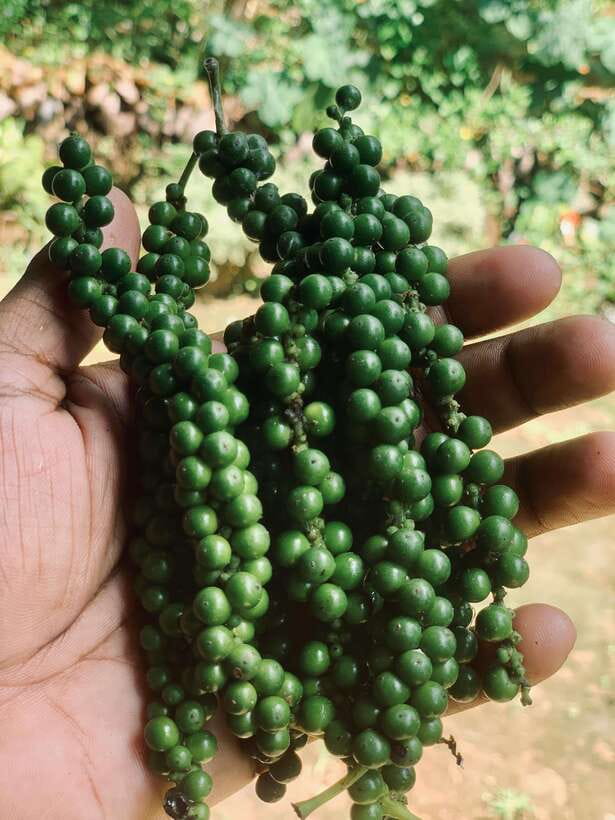
Tasting is where many spice tours fail. They either rush you through samples, or you taste things you cannot identify later. Here, the tastings are part of a teaching format.
You get Farm-to-Table Spice Tasting, where garden spices are paired with discussions, including health benefits. You also get tropical fruit tasting enhanced with Sri Lankan spice blends. That pairing is smart because it shows you spices in action, not just in isolation.
Along the way, the farm highlights sensory moments too, including a spice sensory challenge and spice-tea pairings. You might get a chance to identify spices by smell, taste, and touch, which is the fastest way to train your instincts for buying spices later.
How to make the most of the tasting portion:
- Take small sips and small bites, then pause to note what hits first, aroma or flavor
- Ask the guide what to do with what you like, cinnamon in drinks, pepper in savory dishes, cloves in warm flavors
- If you buy spices, compare aromas right away so you know what you are taking home
The factory visit: what processing adds to flavor and quality
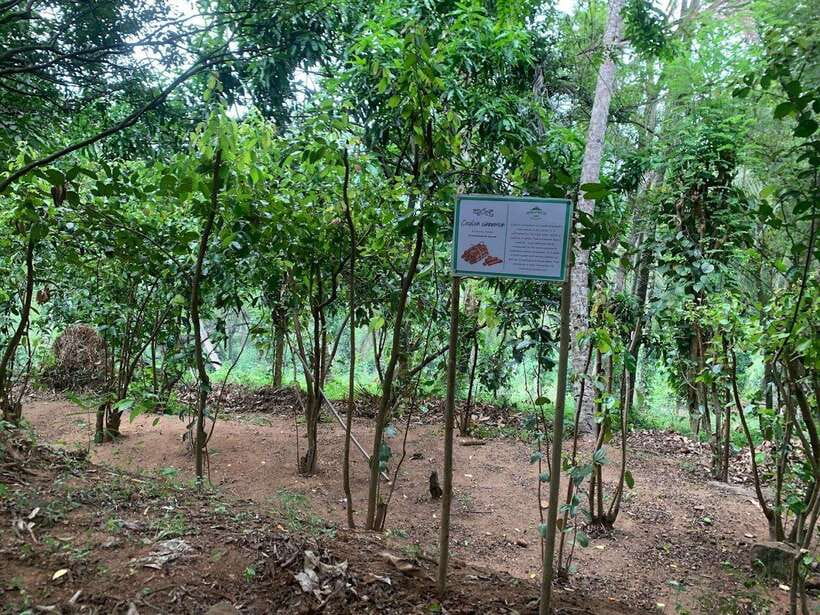
After the garden walk and the cinnamon making, the factory visit adds the missing link. Cinnamon is one of those spices where processing quality can change everything: aroma, color, and the way it releases flavor when you cook.
In the factory stop, you get a comprehensive tour of the spice processing journey and quality assurance. That part is not meant to be a lab lecture, it is meant to explain how the farm protects consistency from harvest to the final product you can buy.
Even if you are not a spice professional, you will likely find yourself thinking differently about cinnamon after seeing the processing side. The “why” becomes clearer: why certain batches are prepared a certain way, why whole spices keep their character longer than pre-ground spice mixes.
Logistics that matter: transport, timing, and what to bring
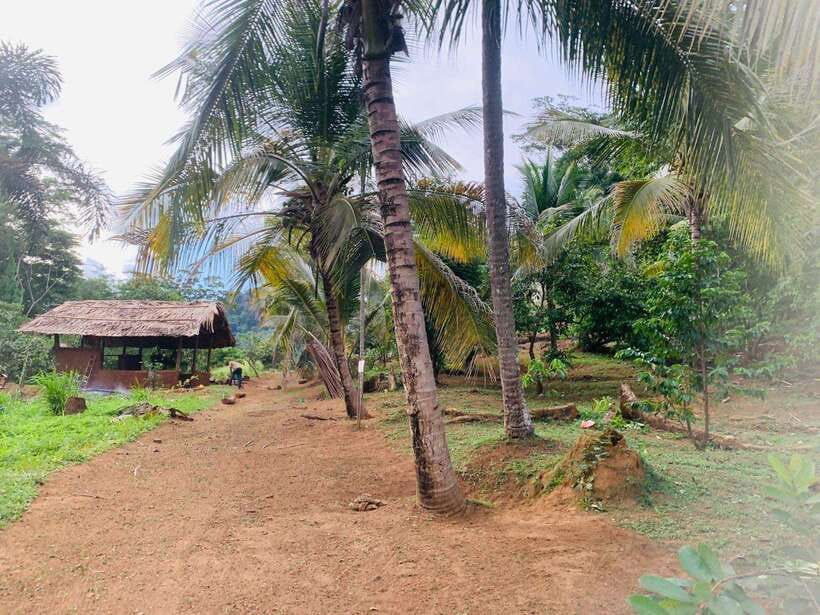
You arrange your own transport to and from the garden. That is common on farm tours, but it can affect your planning. If your base is in Kandy or nearby Central Province areas, you’ll want to schedule a driver early so you do not arrive stressed.
The tour itself is 3 hours and is a small-group experience, limited to 10 participants. The guide is live and in English.
What you should bring:
- Comfortable shoes for walking on farm paths
- Hat and sunscreen
- Water
- Camera
- Insect repellent
What is not allowed: smoking on the premises.
Also consider who should skip it. This experience is not suitable for pregnant women, people with mobility impairments, and wheelchair users. If that is you, ask your provider about alternatives in the same area that are less physical.
Price and value: what $20 gets you in real learning

At $20 per person for about 3 hours, this is strong value if you care about understanding spices. You are paying for four components that usually cost more when you do them separately: a guided garden walk, the hands-on cinnamon making, a tasting session, and a factory visit.
The value check comes down to whether you leave with more than souvenirs. Here, you leave with a clearer mental model: what cinnamon plant work looks like, how cinnamon quills are formed, how spices are used with fruit and tea, and why processing and quality matter.
If you are mostly shopping for gifts, it can feel like a lot for a quick taste. But if you like learning through doing, this is the kind of experience that turns spice shopping from guesswork into informed buying.
Another value point: the small group size helps. With fewer people, the guide can explain and you can ask follow-up questions, especially during the hands-on cinnamon moment.
Who should book this spice garden tour
This tour is a good fit if you:
- Want a hands-on Ceylon cinnamon experience, not just a tasting
- Like learning how food ingredients grow and get processed
- Enjoy interactive tastings, especially with fruit and spice blends
- Prefer small groups and a live English guide
It might not be your best option if you:
- Need step-free or very low walking mobility (the tour is not suitable for wheelchair users)
- Are looking for a food-focused cooking class with a longer meal format
- Do not want to spend time outdoors in sun and garden conditions
If you are traveling with kids, it could work depending on their comfort with walking and sensory tastings, but the provided information does not specify a family policy. In that case, you should ask the provider about age suitability before booking.
Should you book the Sri Lanka Ceylon Cinnamon Experience?
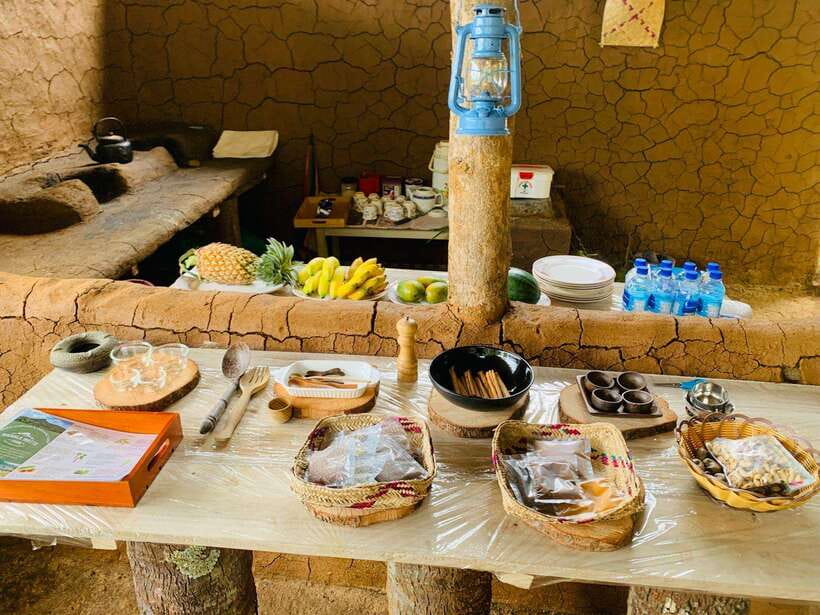
If your goal is to understand Sri Lankan spices with your senses and your hands, book it. The combination of a guided spice garden walk, the Ceylon cinnamon process from bark to quills, a hands-on roll-making moment, and tastings plus a factory stop is exactly the kind of practical learning that sticks.
I would especially book it if you like cinnamon and want to come home knowing what makes high-quality Ceylon cinnamon different. And if you are traveling solo, you may feel more relaxed in a small group up to 10, with guides who focus on making you comfortable and informed, including Roha and Dilan.
Skip it if mobility is an issue or if walking outdoors for part of the day is not realistic for you. Also remember meals are not included, so plan your schedule for food before or after.
FAQ
How long is the Sri Lanka Ceylon Cinnamon Experience & Spice Garden Tour?
The tour lasts about 3 hours.
What is the price per person?
It is $20 per person.
Is transportation to and from the garden included?
No. Transportation to and from the garden is not included.
What does the tour include?
It includes the guided spice garden walk or tour, the Ceylon Cinnamon Experience, farm-to-table spice tasting, tropical fruit tasting with Sri Lankan spices, and a visit to the spice processing factory.
What language is the tour guide?
The live tour guide speaks English.
Is this a small group or a large group?
It is a small group, limited to 10 participants.
What should I bring with me?
Bring comfortable shoes, a hat, a camera, sunscreen, water, and insect repellent.
Is smoking allowed during the tour?
No, smoking is not permitted within the garden premises.
Is the tour suitable for wheelchair users or people with mobility impairments?
No. It is not suitable for wheelchair users or people with mobility impairments. It is also not suitable for pregnant women.
Spice & Cinnamon Garden Tours, compared.
 ★ 5.0Ella : Cooking class with amazing Spice Garden TourFrom $32239 reviews
 ★ 4.6Madu River Boat Tour and Cinnamon Garden visitFrom $2920 reviews
 ★ 5.0Day Tour to Elephant Orphanage / spice gardenFrom $5920 reviews
 ★ 5.0Knuckles Spice Trail Trek from KandyFrom $8515 reviews
★ 5.0Knuckles Spice Trail Trek from KandyFrom $10111 reviews
★ 5.0Knuckles Spice Trail Trek from KandyFrom $8515 reviews
★ 5.0Knuckles Spice Trail Trek from KandyFrom $10111 reviews
 ★ 4.5Day out to Galle[Stilt Fishing. Turtle watching.Cinnamon Farm]From $579 reviews
 ★ 3.4Ella: Cinnamon, Spice Garden & Waterfall tourFrom $254 reviews
Browse the lists this tour appears in