
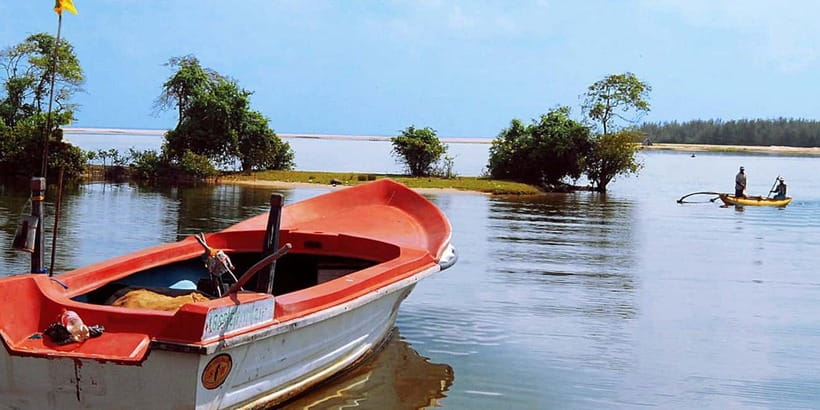
REVIEW · MADU RIVER BOAT SAFARIS
Madu River Boat Tour and Cinnamon Garden visit
A boat ride through mangroves can feel like a time warp. On the Madu River safari from Balapitiya, you glide through shaded tunnels of mangrove forest, then pop out into sunlit patches where wildlife shows up. It mixes nature spotting with a couple of very Sri Lanka cultural stops.
I especially like the way the trip balances calm with surprises: the cruise itself is relaxing, and your guide helps you scan for creatures in the undergrowth. I also like the cinnamon island stop, because it is not just a photo break, you get to see and buy fresh cinnamon.
One thing to keep in mind is that the information level depends on your guide. English is listed, but if your guide’s English is limited, you may get fewer explanations about mangroves and wildlife, and the pace can feel a bit rushed.
In This Review
- Key highlights
- Cruising the Madu River from Balapitiya, mangroves first
- Wildlife you can actually see: crocodiles, birds, and more
- How mangroves support daily life, not just scenic photos
- Ancient Buddhist temple stop, short and meaningful
- Cinnamon island and plantation time: what you can buy
- Fish massage option: gentle nibbling, real feet timing
- What you’ll notice about pacing and guide quality
- Price and value: is $29 fair for what you get?
- Logistics that matter: where to meet and how to plan your day
- Who this tour suits best (and who should choose something else)
- Should you book the Madu River Boat Tour and Cinnamon Garden visit?
- FAQ
- How long is the boat safari on the Madu River?
- Where does the tour start?
- What is the price for the Madu River Boat Tour and Cinnamon Garden visit?
- What does the tour include?
- Are food and drinks included?
- Do I visit the cinnamon plantation and cinnamon island?
- Is an island Buddhist temple included?
- Is fish massage part of the tour?
- What language is the live tour guide?
- What is the meeting point?
Key highlights
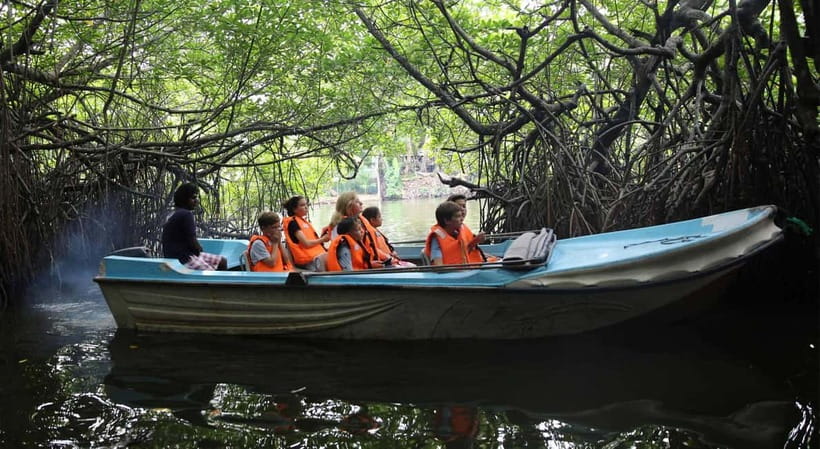
- Mangrove “tunnels” on the Madu River: shaded channels, then open sunlit stretches
- Wildlife viewing: crocodiles basking, plus birds, snakes, and other animals you might spot
- Traditional prawn and shrimp traps in the river shallows
- Ancient Buddhist temple on an island as a cultural breather
- Cinnamon plantation visit on cinnamon island with fresh cinnamon to buy
- Optional fish massage using tiny fish that gently nibble your feet
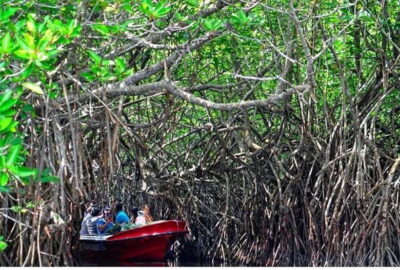
More boats through the Madu mangroves
- From Bentota: Exclusive Madu River Safari & Turtle Hatchery
★ 4.7 · 13 reviews
Cruising the Madu River from Balapitiya, mangroves first
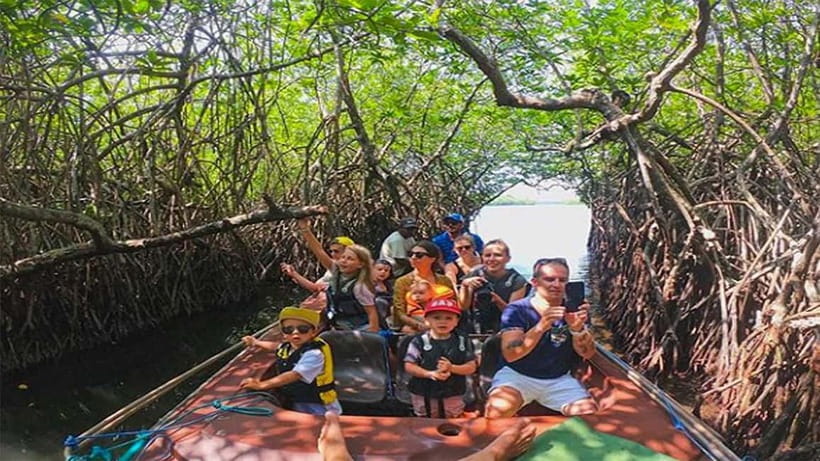
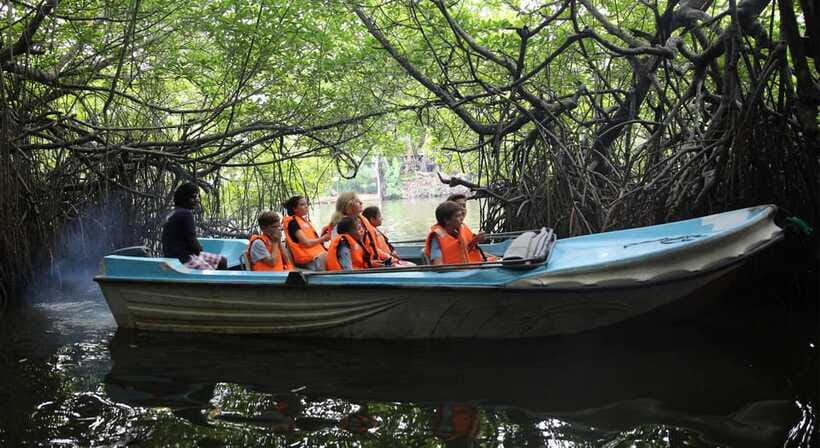
The whole experience starts with a boat safari on the Madu River, with the action built around mangroves. You will feel the rhythm of the river right away: shaded corridors under mangrove branches, then sudden openings where the light hits the water and everything looks different.
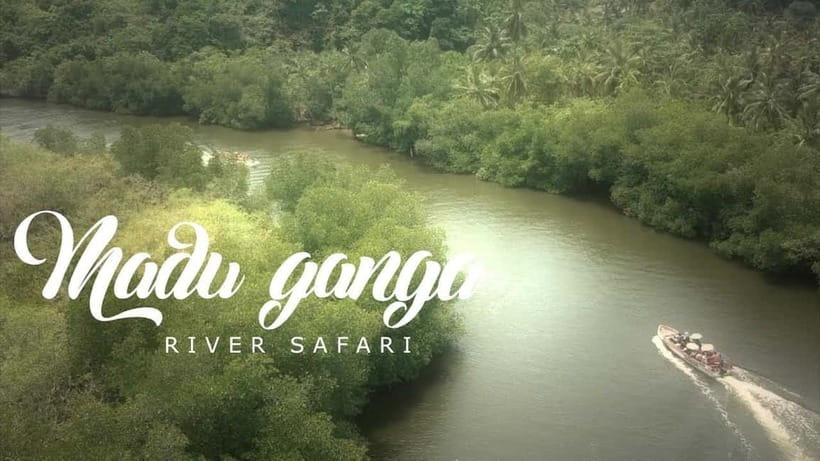
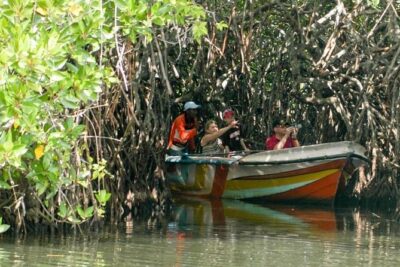
From Balapitiya, you cruise toward Kotapola area waters and pass through dense mangrove marshes. This is not a “fast tour bus” kind of day. It is a slow float, which matters because wildlife spotting is easier when you are not rushing. The guide’s job is to help you notice movement and textures in the water, not just to point at big obvious things.
If your boat trip ends up being small, that is a plus. Some rides can feel personal, and that often makes it easier to focus on what you care about, like spending extra minutes watching a creature near the roots rather than being pulled immediately to the next stop.
Wildlife you can actually see: crocodiles, birds, and more
Mangroves are famous for hiding life, and the Madu River delivers that idea in a very practical way. You are not just told that the area is full of animals. You glide along and look into the right places where animals tend to show up.
Crocodiles are a key draw here. The tour is designed so you have chances to see crocodiles basking along the river edges. Besides crocodiles, you might also spot water snakes, colorful birds, and even larger animals like wild boars if your guide knows where to look and timing works out.
Even if you do not see every “poster animal,” you will still get value from how the boat ride is set up. Mangroves create layers: roots at the waterline, channels between trees, and little shelves where animals like to wait. That is why the cruise feels more like observing an ecosystem than doing a checklist.
A small realism note: wildlife viewing is weather and timing dependent. If the light is poor or the animals are tucked deeper, your experience may lean more toward the scenery and the mangrove explanation than toward repeated close sightings.
How mangroves support daily life, not just scenic photos
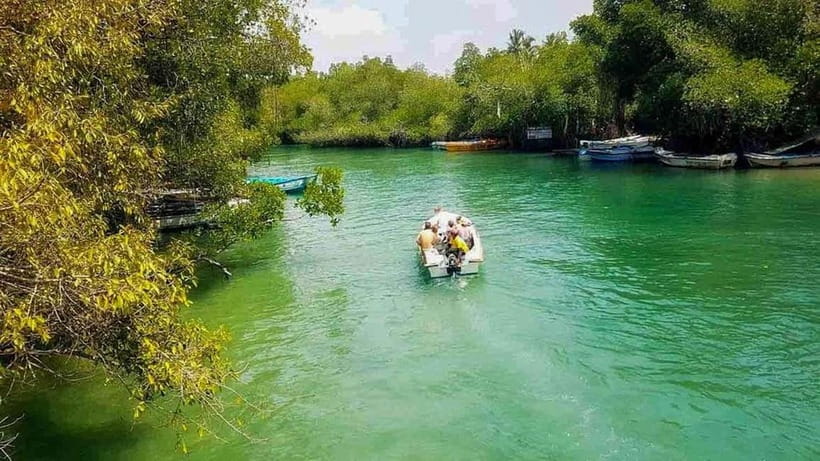
This tour is not only about what looks good from the boat. It also aims to show why mangroves matter. You’ll learn about the importance of these forests, and you’ll see evidence of how people use the river in traditional ways.
One of the most interesting parts for me is the chance to spot traditional prawn and shrimp traps in the river’s shallows. They give you a more grounded view of the mangrove system. These are not just “background trees.” They are part of the working river, shaping water flow and creating protected zones where aquatic life gathers.
You also get shaded travel through mangrove marshes, which is more comfortable than it sounds. In this region, heat and sun can make long outdoor stretches feel exhausting. The mangrove tunnels help because they cool you down, then the open sunlit areas let you enjoy the brightness for wildlife spotting and photos.
And yes, mangroves are also a conservation conversation. If you are sensitive to how nature tourism is handled, this is worth thinking about. Keep your expectations realistic, stay respectful, and pay attention to how the operator treats the environment during the boat safari.
Ancient Buddhist temple stop, short and meaningful
Midway through the experience, you visit an ancient Buddhist temple on an island. This is a good pressure valve. After time on the river, it adds a cultural pause that feels connected to the geography rather than tacked on.
I like this kind of stop because it changes your sensory mix. On the water, everything is about roots, water movement, and wildlife cues. At a temple island, the pacing shifts toward stillness and local tradition.
The tour keeps this stop as part of a tight loop, so it is not a half-day cultural immersion. Still, it’s a nice way to experience Sri Lanka beyond coastal views, especially if most of your time so far has been beaches or highways.
Cinnamon island and plantation time: what you can buy
Then comes cinnamon island, and this is one of the most practical stops on the itinerary. You visit a cinnamon plantation and you can buy fresh cinnamon.
Why this matters: cinnamon in Sri Lanka is not just a spice, it is a real local crop. Seeing a plantation and getting the chance to purchase cinnamon lets you take something home that is directly connected to where it comes from. If you love cooking, this is an easy souvenir that actually gets used.
This stop also tends to be enjoyable even if you are not a “plant person.” The reason is simple: it breaks the ride into a calmer, land-based segment, and it gives you a chance to slow down and look at how the area is managed.
If you are worried about being pushed into extra purchases, you are not totally out of luck. Some experiences around this theme can turn into additional paid add-ons at various points. The cinnamon plantation itself is part of the main idea, but you might still want to budget for small extras that are not included in the base price.
Fish massage option: gentle nibbling, real feet timing
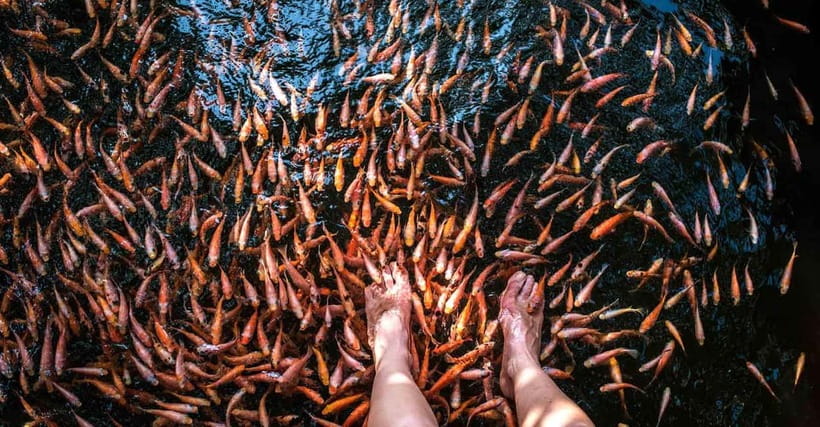
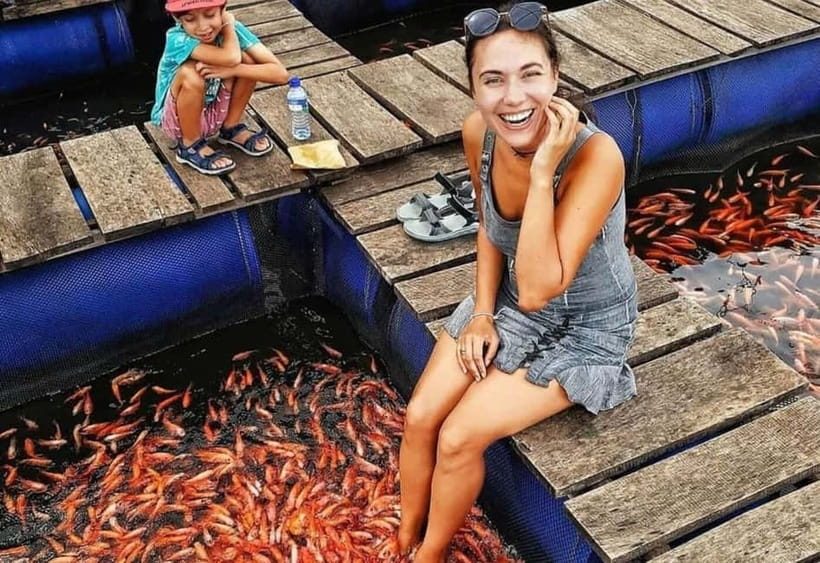
One of the more unusual add-ons is the fish massage option. Tiny fish gently massage your feet, which is the kind of thing that sounds odd until you actually see how harmless and brief it can feel.
This is a true “optional” moment. If you are curious, it can add a fun, memorable tick to an otherwise nature-focused day. If you hate the idea of anything nibbling your skin, skip it without guilt. Your main value is the boat safari, mangroves, and the cinnamon and temple stops.
It also helps to go in prepared for a quick turnaround. These moments often work best when you do not overthink it. Bring a simple mindset: try it once, see if it feels comfortable, and decide from there.
What you’ll notice about pacing and guide quality
The tour is listed as a 1-day experience, and the core boat safari runs about 1-2 hours. That is enough time to enjoy the mangrove cruise without turning the whole day into a long slog.
That said, pacing is where you might feel a difference in quality. Some guides manage to slow down for wildlife and explain the mangroves in a way that makes you understand what you are seeing. Other guides may keep it moving, and you might get fewer details along the way. Even when the guiding style is friendly, language can change everything.
So here’s my practical advice for you:
- Go with the right expectations: the ride is the star, not a classroom lecture.
- If English matters to you, consider preparing a short list of questions you can ask, like what to look for in mangroves or how the traps work.
- If you prefer minimal talk and more quiet watching, you might actually enjoy a lighter-information guide.
There is also the start-of-day experience to consider. Pickup can be chaotic in some cases, and sometimes you may have to wait. I recommend building in a little buffer around the meeting time, so a minor hiccup does not stress your day out.
Price and value: is $29 fair for what you get?
At $29 per person, this tour sits in a reasonable mid range for a boat-based wildlife experience with cultural stops. You get the boat safari time (about 1-2 hours), a live tour guide, and taxes and fees.
The main “value math” comes from what is included versus what is not. Food and drinks are not included, so you should plan to handle your own water and snacks. That small detail can affect the final day cost, especially if you end up buying refreshments near the stops.
Also, some stops along the route can involve extra paid moments. The basic itinerary includes the cinnamon and temple components, but additional paid activities may appear in the mix depending on how your guide structures the day. If you have a tight budget, ask at the start what is included and what is optional, so there are no surprises later.
Still, the core experience is strong: mangrove cruising, wildlife viewing like crocodiles basking, traditional prawn and shrimp traps, and two meaningful land stops. For many people, the combination justifies the price, especially if you want something different from beach-only Sri Lanka days.
Logistics that matter: where to meet and how to plan your day
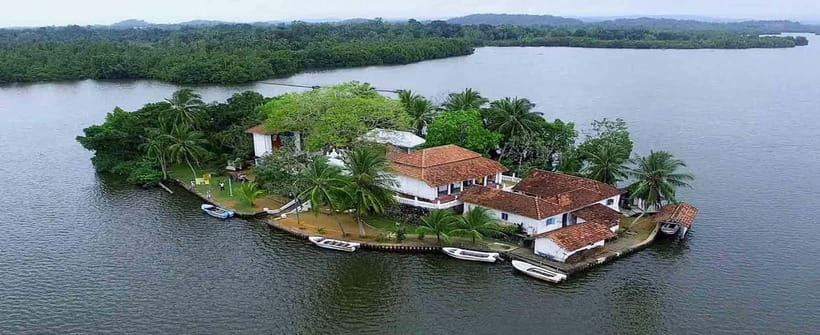
You meet at Madu River Safari by Nilwala. You can find it on Google Maps.
This matters because this kind of day depends on punctuality. If pickup information is messy, or you have trouble finding the exact location, you can lose time and end up feeling rushed. I suggest:
- Double check the exact pin in Google Maps before you leave.
- Keep your morning flexible, even if you think you are traveling at a set time.
- If you are meeting independently, arrive early enough to sort out any mix ups calmly.
Since food and drinks are not included, plan your timing so you are not hungry during the boat ride. Hydration is also smart in this part of Sri Lanka, especially during sunlit stretches when the boat leaves the shaded tunnels.
Who this tour suits best (and who should choose something else)
This is a great match if you want a nature and culture day without committing to a long itinerary. The boat is the centerpiece, and the temple and cinnamon island stops provide variety without dragging the schedule.
You will likely enjoy it if you:
- Love wildlife and ecosystems, especially mangroves
- Want a relaxed pace with short cultural stops
- Like the idea of a hands-on souvenir, fresh cinnamon
You might want to rethink if you:
- Want a highly detailed English guided lecture the entire time
- Are sensitive about conservation concerns related to wildlife tourism
- Prefer fully included meals and a totally predictable schedule
Should you book the Madu River Boat Tour and Cinnamon Garden visit?
I think you should book it if you want a single, efficient day that mixes mangrove wildlife with tangible local culture like cinnamon and a temple island stop. The $29 price can feel like good value when you get a guide who helps you spot creatures and interpret what mangroves do.
If you care most about learning in English, do your homework and arrive ready with a few questions. If your guide’s English ends up being limited, you might still have a great boat ride, but the explanation side may feel thin.
And if you are budget conscious, confirm what is included in the main stops and treat fish massage as the optional fun add-on it is. With those small guardrails, this tour has the ingredients for a genuinely memorable Sri Lanka day, one that is less about checklists and more about watching the river do its thing.
FAQ
How long is the boat safari on the Madu River?
The included Madu River boat safari runs about 1-2 hours.
Where does the tour start?
The tour starts from Balapitiya.
What is the price for the Madu River Boat Tour and Cinnamon Garden visit?
The price is $29 per person.
What does the tour include?
It includes the 1-2 hour boat safari, a live tour guide (English), and all taxes, fees, and handling charges.
Are food and drinks included?
No. Food and drinks are not included.
Do I visit the cinnamon plantation and cinnamon island?
Yes. The tour includes a cinnamon island visit and a stop at a cinnamon plantation where you can buy fresh cinnamon.
Is an island Buddhist temple included?
Yes. You visit an ancient Buddhist temple on an island.
Is fish massage part of the tour?
Fish massage is an option. Tiny fish gently massage your feet.
What language is the live tour guide?
The live tour guide is English.
What is the meeting point?
Meet at Madu River Safari by Nilwala. You can find it on Google Maps.
More Tour Reviews in Balapitiya
Through the Madu Mangroves
Still browsing Balapitiya? Start here
- Madu River Boat Tour and Cinnamon Garden visit★ 4.6 · 20 reviews
Madu River Boat Safaris, compared.
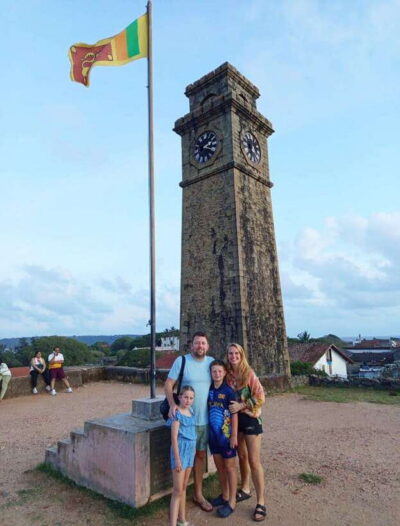 ★ 4.8From Colombo/Negombo: Galle, Madu River, and Turtle HatcheryFrom $4641 reviews
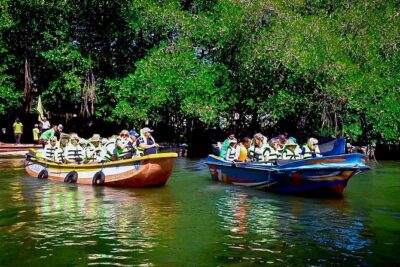 ★ 4.5Madu River Boat Safari BalapitiyaFrom $2941 reviews
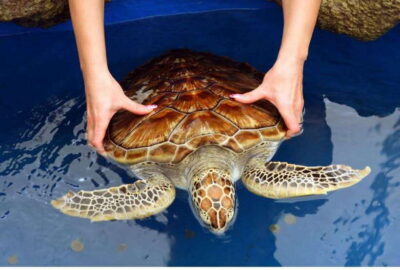 ★ 4.8From Kalutara: Exclusive Madu River Safari & Turtle HatcheryFrom $8016 reviews
 ★ 4.7From Bentota: Exclusive Madu River Safari & Turtle HatcheryFrom $6513 reviews
★ 4.6From Colombo/Negombo: Galle, Madu River, and Turtle HatcheryFrom $12611 reviews
★ 4.7From Bentota: Exclusive Madu River Safari & Turtle HatcheryFrom $6513 reviews
★ 4.6From Colombo/Negombo: Galle, Madu River, and Turtle HatcheryFrom $12611 reviews
 ★ 4.2Bentota: All Inclusive Galle Dutch Fort & Madu River SafariFrom $806 reviews
 ★ 4.9From Colombo: Exclusive Madu River Safari & Turtle HatcheryFrom $1206 reviews
 ★ 5.0Madu River Safari at BalapitiyaFrom $236 reviews
Browse the lists this tour appears in