
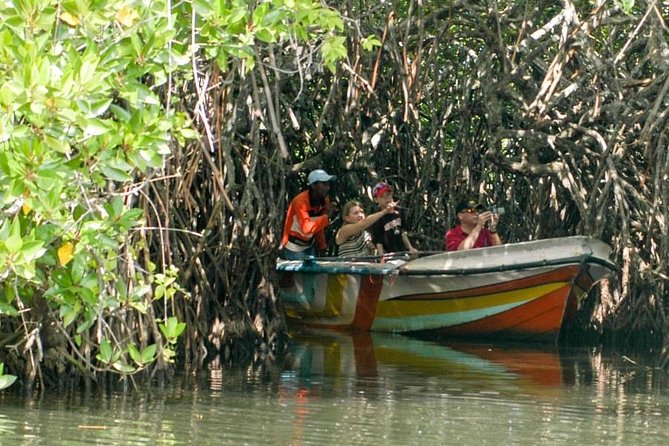
REVIEW · MADU RIVER BOAT SAFARIS
Madu River Safari at Balapitiya
The mangroves hide their secrets well. This Madu River safari in Balapitiya mixes boat time through mangrove tunnels with a visit to cinnamon island, so you get nature and culture in one short outing. I especially like how the route is built for wildlife viewing, not a rushed photo-op loop.
Two things I really like are the chance to spot animals in their habitat, and the hands-on cinnamon stop. One drawback to plan around is that transport to the boat area is listed as not included, so confirm pickup or make sure you can reach Madu Ganga on time.
In This Review
- Key highlights you will care about
- Madu Ganga boat safari through mangroves in Balapitiya
- Price and value: what $23.40 buys you
- Getting to Madu Ganga and what to wear
- Stop 1: Madu River boat safari, mangrove tunnels and wildlife
- What the boat part feels like
- Wildlife possibilities on this route
- Small details that help you enjoy the water
- Cinnamon Island: peeling cinnamon and sipping the real thing
- What you should pay attention to
- Why cinnamon fits into a river safari
- Kothduwa Temple and the cultural side of the river
- Wildlife spotting tips that actually help
- Fish therapy and hands-on extras, what to expect
- Timing, group size, and how the short duration changes things
- Who this Madu River safari suits best
- Should you book the Madu River Safari at Balapitiya?
- FAQ
- How long is the Madu River safari?
- Where does the tour start and end?
- What is included in the tour price?
- Is pickup included?
- What wildlife might I see on the safari?
- What if the weather is bad?
Key highlights you will care about
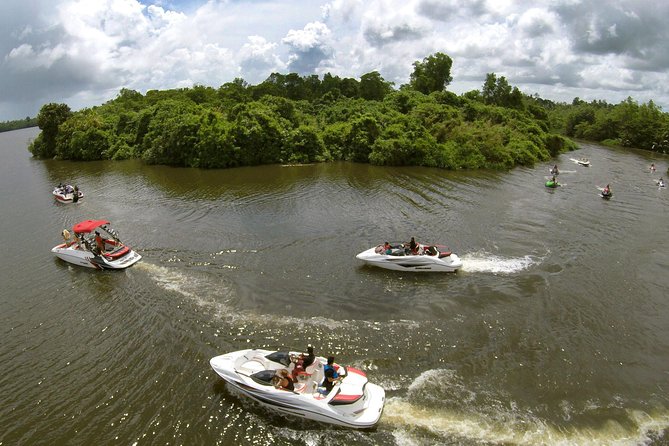
- Mangrove tunnel boat safari (about 1.5 hours): Slow enough to look around, short enough to fit easily into a day.
- Cinnamon Island demo plus cinnamon tea: You do not just watch, you taste and learn how cinnamon gets made.
- Temple visit on the river islands: Cultural stop built into the trip flow, not tacked on late.
- Wildlife spotting opportunities: Crocodiles, water and tree snakes, birds, and the kind of animals you only see outdoors.
- Instructor on board: You learn while you cruise, and it helps you spot what matters.
- Weather matters: It requires good weather, and if conditions are bad, you will get a different date or a full refund.
More boats through the Madu mangroves
- Madu River Safari at Balapitiya
★ 5.0 · 6 reviews - From Galle: Exclusive Madu River Safari & Turtle Hatchery
★ 4.7 · 5 reviews
Madu Ganga boat safari through mangroves in Balapitiya
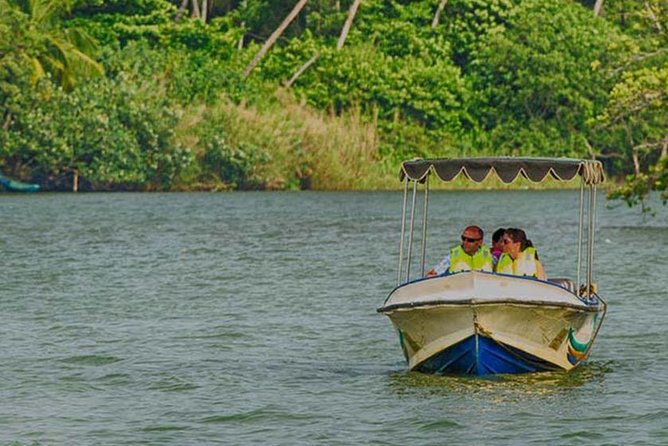
This is one of those Sri Lanka tours that feels like it is made for small details. Instead of staying on a busy road, you move through a living ecosystem where the river bends, trees crowd the waterline, and birds work the surface like clockwork.
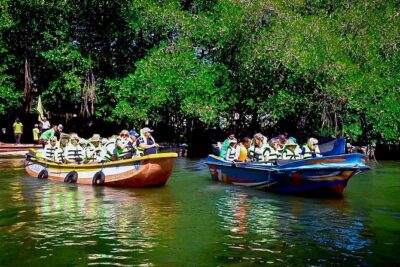
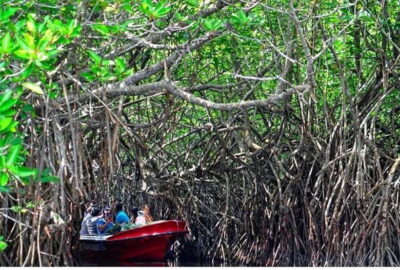
The core of the experience is a one-hour to 1.5-hour boat safari on the Madu Ganga River. You travel through mangrove forest areas that can feel darker and tighter under the canopy, then open into wider stretches where wildlife is easier to spot. That rhythm matters. If the whole trip was one long narrow corridor, animal sightings would feel random. Here, you get both the enclosed mangrove feeling and the brighter open-water moments.
You also get an instructor, which turns “I hope we see something” into “now I know what to look for.” Even if you are not a birder, it helps you understand how the mangroves support the river and what animals use them for food and shelter.
Price and value: what $23.40 buys you
At $23.40 per person, this tour sits in the “good value” zone for Sri Lanka wildlife experiences. The big reason is that your money buys actual time on the river plus structured stops, not just transportation.
Here is what you get that usually costs extra elsewhere:
- Bottled water
- 1.5-hour boat tour with an instructor
- Cinnamon Island
- Island temple visit
- Mobile ticket (so you do not have to hunt for paperwork)
When a tour is short, value comes down to pacing. This one stays focused on three things: mangrove ecology, cinnamon, and a cultural temple stop. It does not promise a dozen unrelated activities. That makes the price feel fair, especially if you are staying around Bentota or Balapitiya and want a nature and culture mix without a full day commitment.
Getting to Madu Ganga and what to wear
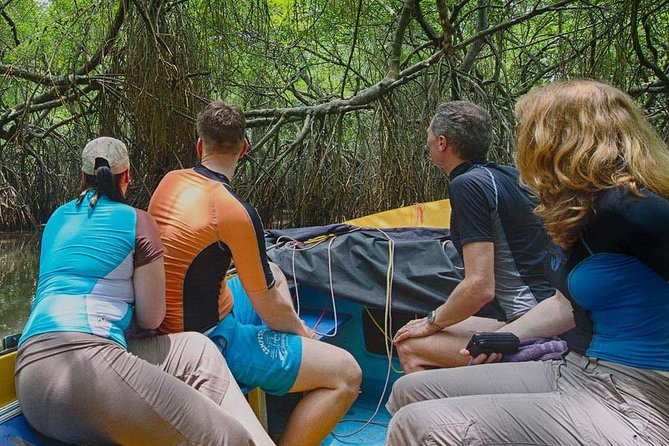
Start and end are both at Madu Ganga. That is great because you are not doing a complicated hop from one end of town to the other.
You should also plan for real-world timing. The tour is listed with dress code as smart casual, and it is near public transportation. The practical takeaway is simple: wear comfortable clothes you do not mind getting slightly damp or dusty, and bring shoes that work on uneven ground near boat areas. The safari happens on water, so weather shifts can affect comfort fast.
One thing to double-check when you book: pickup is listed as offered, but transport to the boat safari place is listed as not included. If you are relying on pickup, confirm exactly where you will be collected and how the ride is handled for your group size and location.
Other safaris we sat through
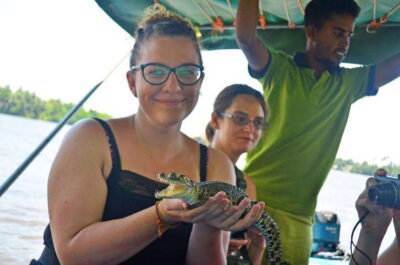
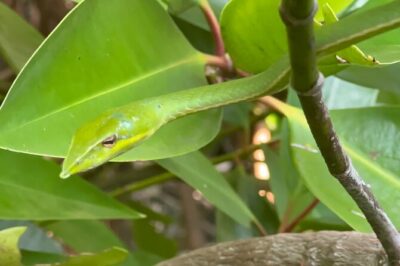
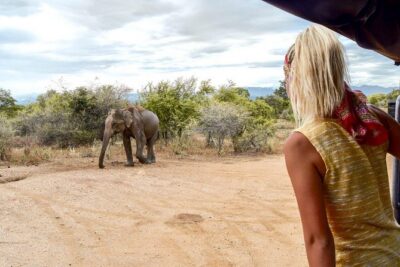
Stop 1: Madu River boat safari, mangrove tunnels and wildlife
This is the heart of the day. You head out on the Madu Ganga boat safari for about 1 hour 30 minutes, and the route is designed to show off how mangroves work.
What the boat part feels like
You cruise through areas described as primitive depths of mangrove marshes, including darker caverns created by dense mangrove growth. Then the river opens into brighter stretches where you can scan for wildlife more easily. That contrast is a big deal for sightings. Crocodiles and snakes are not going to pose for you, so you want both concealment areas and open sight lines.
You also learn how mangroves affect ecology, which turns the scenery into something you can interpret instead of just admire.
Wildlife possibilities on this route
The tour information lists a range of animals you might see in their natural habitat:
- Crocodiles
- Water snakes and tree snakes
- Wild boars
- Birdlife, including cormorants and storks
On top of that, one of the most satisfying parts is that you are not limited to birds. The river and mangrove edges can produce lizard sightings too. In the feedback for this experience, people called out seeing a water monitor lizard, and they also mentioned black monkeys.
You should take all wildlife sightings with a bit of humility. Mangroves are wild. Animals appear when they feel like it, not when you want a souvenir shot. But this safari is clearly positioned for that kind of chance.
Small details that help you enjoy the water
There is a fascinating note about prawn and shrimp fishing pots left in shallower areas of the river. Even if you are not directly seeing shrimp being harvested, those pots give you a window into how people live with the river day-to-day, not just how they use it.
Cinnamon Island: peeling cinnamon and sipping the real thing
After the boat safari, you shift to a land-based stop on Cinnamon Island. This is where the tour turns from “watch nature” into “meet the process.”
The experience includes Cinnamon Island as a defined visit, and the highlight here is the demo and tasting. People specifically praised the cinnamon island demo and cinnamon tea as awesome. That tells you the stop is not just a quick walk past a sign. It is set up to explain what cinnamon is, where it comes from, and how it is prepared.
What you should pay attention to
Look for the hands-on side. The tour overview mentions interactive experiences like cinnamon peeling. That kind of activity is worth it because it gives you context you cannot get from a package of ground spice in a grocery store.
Even if you do not join every hands-on moment, the main win is taste. Cinnamon tea is included in the way the stop is described in feedback, and it is the kind of small souvenir that stays useful. You remember flavor, not just facts.
Why cinnamon fits into a river safari
It is easy to think a wildlife boat trip and a spice island are unrelated. They are not. The island stop anchors the trip in how people benefit from the same environment. You see the mangrove and then learn about the island product that supports local life.
Kothduwa Temple and the cultural side of the river
The itinerary includes a temple stop on an island. The overview calls it Kothduwa Temple, and the included list mentions an island temple.
This is not a long church-style sermon moment. It is integrated into the route. That matters because you are already in a river mindset. Moving from boats and mangroves to a sacred site on the water islands makes the day feel layered instead of split.
You can expect a change in pace. Indoors or at least in a more calm setting, you get time to step back and look around. It is also a reminder that this area is not just scenic. It is lived-in and respected.
If you like culture that is connected to place, this stop works well. It is not floating on top of the nature part, it rides along with it.
Wildlife spotting tips that actually help
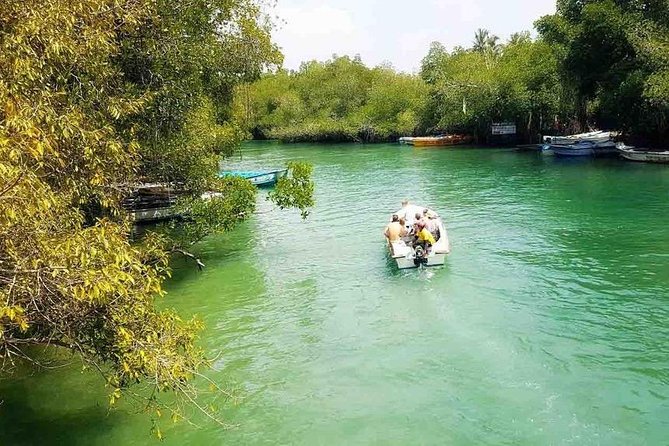
Because the trip is short, your best strategy is to be ready for good moments. Here are the practical things that improve your odds without making the experience stressful.
First, keep your attention moving. Scan birds and the water surface first, then shift to tree lines and gaps in the mangrove canopy. Birds are often the early clues. If cormorants or storks are hunting, you might get a better view of why the river is active right now.
Second, do not panic if you miss the dramatic animals. Crocodiles and snakes are listed, but sightings are not guaranteed. If you do not see a big creature, you can still enjoy the safari by focusing on smaller signs like bird behavior, the structure of the mangroves, and the river fishing pots in shallower zones.
Third, bring a phone camera with enough battery. A lot of the magic here is in quick glimpses. You will have some moments where the boat slows and you can look carefully. Those are your best shot times.
Finally, if you feel tempted to overpack, do not. You only need to stay comfortable. The tour includes bottled water, so you can keep it simple and save space for your electronics and a light layer.
Fish therapy and hands-on extras, what to expect
The overview mentions interactive experiences such as cinnamon peeling and fish therapy. However, the included items list specifically calls out the cinnamon island, boat tour, instructor, bottled water, and temple.
So here is the smart way to think about it: cinnamon peeling is part of the cinnamon island experience. Fish therapy is listed as an interactive possibility, but it is not clearly stated as included in the basic package. If fish therapy is important to you, ask when you book whether it is included for your group or if there is any extra cost on-site.
Either way, hands-on elements are where this tour tends to score well. They turn a nature trip into something you can talk about at dinner, not just remember as a photo.
Timing, group size, and how the short duration changes things
The tour runs about 1 to 2 hours. That short duration is a feature, not a compromise, if your goal is to fit a must-see nature moment into a busy travel schedule.
You also get a private tour/activity, meaning only your group participates. That is great for wildlife viewing because you do not have strangers bumping your sightline. It can also make it easier for the instructor to explain things in a way that matches your pace.
The average booking window is listed as about 31 days. In practical terms, that tells me it is a popular slot. If you are traveling during a busy season, it is smart to reserve ahead so you can match a time that also works with your day plans.
Who this Madu River safari suits best
This tour fits best if you want:
- Wildlife and nature without a full-day grind
- A realistic chance at seeing animals like crocodiles, snakes, and birds
- A cultural stop that stays connected to the river environment
- A structured cinnamon visit with tasting and practical learning
You will probably enjoy it most if you are the type who likes mangroves, river ecosystems, and small details. If you only want “big show” attractions, this might feel quieter than theme-park style sightseeing. But if you like the real rhythms of a place, it is exactly the kind of outing that pays off.
It also makes sense as a break from beach time around Bentota and Balapitiya. You still stay close to the coast, but you change the setting from sand and waves to forest and birds.
Should you book the Madu River Safari at Balapitiya?
I would book this safari if you want a focused, reasonably priced nature-and-culture trip that does not waste time. The value is strong because the tour includes the boat ride, instructor guidance, cinnamon island, and the island temple, all anchored around the Madu Ganga River ecosystem.
You should be a little careful if you cannot get to the boat area easily, since transport to the boat safari place is listed as not included. If you are relying on pickup, confirm the details so you do not arrive stressed.
Also, go in with a wildlife mindset. You are paying for access and good viewing conditions, not a guarantee of crocodiles or monkeys every time. When the weather is good, this trip is the kind that turns into a highlight because it feels specific to the river, not generic.
FAQ
How long is the Madu River safari?
It runs about 1 to 2 hours in total, with a boat tour of about 1 and 1/2 hours.
Where does the tour start and end?
It starts and ends at Madu Ganga, Sri Lanka.
What is included in the tour price?
Bottled water, the 1 and 1/2 hours boat tour, an instructor, an island temple visit, and Cinnamon Island are included.
Is pickup included?
Pickup is listed as offered, but transport to your place to the boat safari place is listed as not included. Confirm what pickup means for your exact location when you book.
What wildlife might I see on the safari?
The tour information mentions crocodiles, water snakes, tree snakes, wild boars, and birds such as cormorants and storks. Some past sightings noted include a water monitor lizard and black monkeys.
What if the weather is bad?
This experience requires good weather. If it is canceled due to poor weather, you will be offered a different date or a full refund.
More Safaris in Bentota
- Bentota River Safari with Mangrove and Wildlife Encounter
- 2h Bentota River Safari: Crocodiles, Monkeys, Mangrove & more
- Udawalawe Safari DayTrip frm Bentota/Kalutara/Ahungalla/Hikkaduwa
- Galle Day Trip with River Safari, Sea Turtle & Stilt Fishermen
- Yala Safari Day Trip from Bentota/ Kalutara/ Ahungalla/ Hikkaduwa
More Tour Reviews in Bentota
Through the Madu Mangroves
Still browsing Bentota? Start here
- Yala Safari Private Day Trip from Bentota and Kalutara Areas★ 5.0 · 3 reviews
- Yala Safari Private Day Tour From Kaluthara/Beruwala/Bentota/Kosgoda/Ahungalla★ 5.0 · 3 reviews
- Udawalawe Safari Private Day Tour Kaluthara/Beruwala/Bentota/Kosgoda/Ahungalla★ 5.0 · 3 reviews
- Coastal Ride to Galle from Bentota★ 4.0 · 3 reviews
- Kandy Full Day Tour Private All Inclusive★ 5.0 · 3 reviews
Madu River Boat Safaris, compared.
 ★ 4.8From Colombo/Negombo: Galle, Madu River, and Turtle HatcheryFrom $4641 reviews
 ★ 4.5Madu River Boat Safari BalapitiyaFrom $2941 reviews
 ★ 4.6Madu River Boat Tour and Cinnamon Garden visitFrom $2920 reviews
 ★ 4.8From Kalutara: Exclusive Madu River Safari & Turtle HatcheryFrom $8016 reviews
 ★ 4.7From Bentota: Exclusive Madu River Safari & Turtle HatcheryFrom $6513 reviews
★ 4.6From Colombo/Negombo: Galle, Madu River, and Turtle HatcheryFrom $12611 reviews
★ 4.7From Bentota: Exclusive Madu River Safari & Turtle HatcheryFrom $6513 reviews
★ 4.6From Colombo/Negombo: Galle, Madu River, and Turtle HatcheryFrom $12611 reviews
 ★ 4.2Bentota: All Inclusive Galle Dutch Fort & Madu River SafariFrom $806 reviews
 ★ 4.9From Colombo: Exclusive Madu River Safari & Turtle HatcheryFrom $1206 reviews
Browse the lists this tour appears in