
REVIEW · YALA NATIONAL PARK SAFARIS
Tangalle: Safari Day Trip to Yala & Udawalawe w/ Picnic
Leopards and elephants, in one long day. This private safari strings together Yala and Udawalawe for game drives at both golden hours, plus hotel pickup and an air-conditioned ride between parks. You also get a picnic lunch and a stop at the Elephant Transit Home, where you can watch baby elephants during feeding hours.
I love the smart pacing. You start early in Yala, when animals tend to be moving, then you end in Udawalawe before the park closes. You’ll likely spend most of the day in a 4×4, scanning for big targets like elephants, leopards, jackals, wild buffalo, and water buffalo, with a guide who knows where to look.
One drawback to weigh is the Elephant Transit Home visit. One account described a handler using a big wooden stick to control calves and the calves looking afraid, which is hard to watch if you are sensitive to animal handling.
In This Review
- Key moments that shape this safari
- Two Parks in One Day, Without Feeling Like a Train Tour
- Pickup, 4×4 Timing, and Staying Comfortable in the Heat
- Yala National Park at Sunrise: Where the Day Gets Serious
- How the Picnic Lunch and Drive Set Up Udawalawe
- Elephant Transit Home: Memorable, but Approach With Caution
- Udawalawe Afternoon Safari Until Sunset: Elephants, Deer, and Crocs
- Price and Entrance Fees: When $93 Really Adds Up
- Who This Safari Fits Best, and Who Might Want a Different Plan
- Guides and What You Can Expect From the Human Side
- Should You Book This Safari Route?
- FAQ
- How long is the safari day trip?
- Where are pickup and drop-off offered?
- Does the tour include safaris in both Yala and Udawalawe?
- Is the Elephant Transit Home included?
- What food and drinks are included?
- Are park entrance fees included in the price?
- Is transportation air-conditioned?
- What language is the tour guide?
- What animals can you expect to see?
Key moments that shape this safari
- Two parks in one day, so you hunt leopards at Yala and shift to elephants at Udawalawe
- Golden-hours timing: sunrise at Yala, then late-afternoon driving in Udawalawe until sunset
- Private guiding in a 4×4, with stops adjusted to what the driver and guide spot
- Elephant Transit Home during feeding hours, often the most emotional stop of the day
- Picnic lunch that is described as huge, plus bottled water and soft drinks
The quieter south, a few more
- Tangalle/Hiriketiya/Mirissa: Shuttle to Ella and Yala Safari
★ 4.8 · 95 reviews - Tangalle: Safari Day Trip to Yala & Udawalawe w/ Picnic
★ 4.3 · 16 reviews - From Tangalle: Mirissa Whale Watching Tour with Breakfast
★ 3.4 · 3 reviews
Two Parks in One Day, Without Feeling Like a Train Tour
This is the kind of tour that works well when you want wildlife, but your schedule is tight. Instead of choosing just one park, you roll the dice across two of Sri Lanka’s best-known elephant-and-bird areas. The tradeoff is time. This is a 14-hour day, so you need to be ready for a long sit in safari mode, even with air-conditioning between drives.
The value here comes from stacking experiences that normally happen on separate days. Yala gives you a wide mix of habitats and species, while Udawalawe often feels more “elephant-forward,” especially in the late afternoon.
If you are traveling from Tangalle, Hiriketiya, or Hambantota, the pickup-and-drop is also a big comfort factor. You’re not stitching together buses and transfers while trying to catch the best wildlife hours.
Pickup, 4×4 Timing, and Staying Comfortable in the Heat
You start with pickup from your accommodation area (Tangalle, Hiriketiya, or Hambantota). From there, you head toward Yala first, and later move to Udawalawe. The transport includes an air-conditioned vehicle, which matters because the day is long and the weather can be warm.
Once you’re in the parks, your wildlife time is in a Jeep safari setup. Multiple guides were praised for getting people close and using the Jeep roof view effectively, so you should expect a “scan and stop” style drive rather than long stretches with nothing happening.
Practical tip: bring a light layer. It can feel fine in the afternoon but cooler early at sunrise, especially when you’re waiting in the Jeep.
Yala National Park at Sunrise: Where the Day Gets Serious
Your Yala safari starts with sunrise, during the park’s golden hours. This is one of the best ways to use a short visit. In the early light, animals often look more active, and the scenery helps too, with shifting views through light forests, scrubs, grasslands, and lagoons.
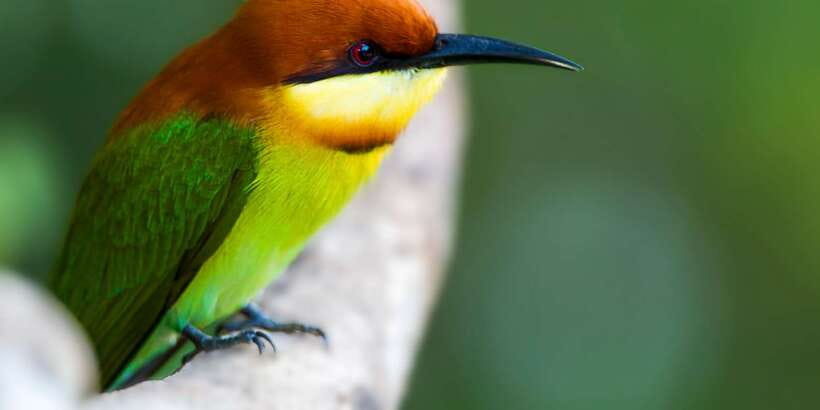
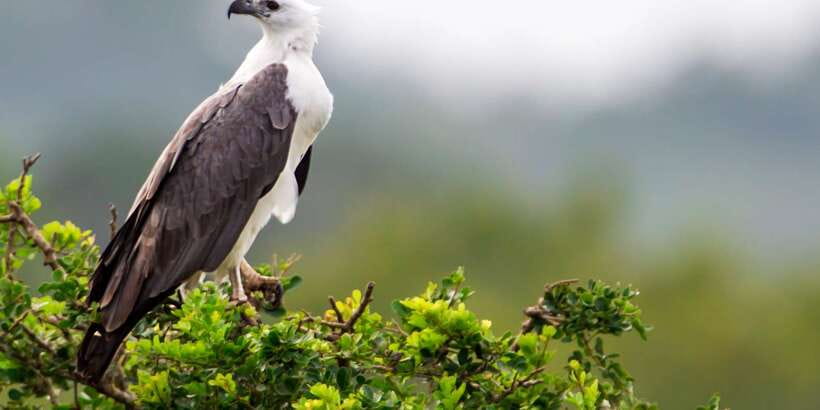
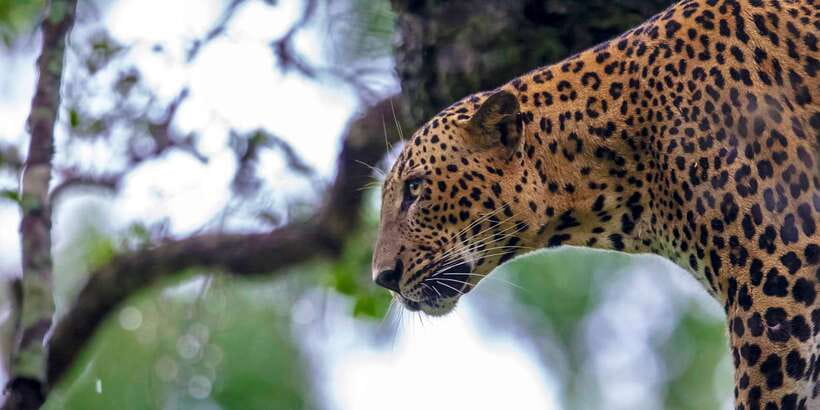
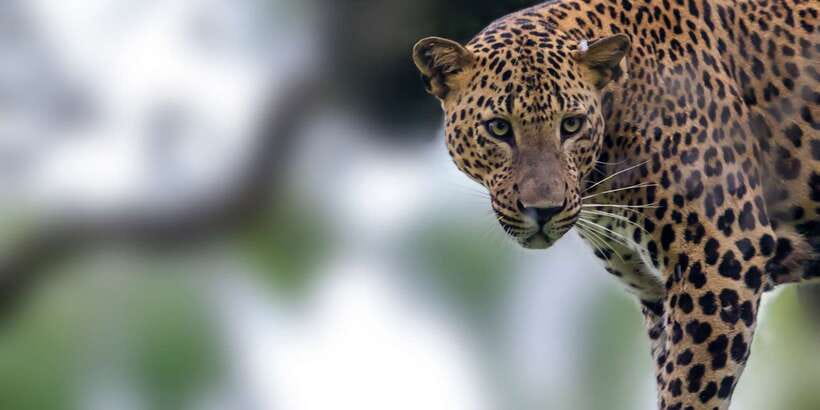
Yala is often what people think of when they hear Sri Lankan safari. You’re hunting for the big names, including leopards. And you’ll also be looking out for elephants and other mammals and birds. One guide was highlighted for sharing lots of bird sightings and keeping people informed about what they were actually seeing, not just driving around.
What to know about the leopard factor: Yala is heavily advertised for leopards, so you may encounter a situation where multiple safari vehicles crowd around a sighting. One account described the start of a Yala safari where only a single leopard sighting happened and a lot of cars drove in together. That can make the moment feel rushed, and it can also affect animal behavior.
How you handle that as a traveler: keep expectations flexible. If the group converges, ask your guide to manage distance and patience. Good wildlife watching is often less about forcing the sighting and more about staying calm when it appears.
How the Picnic Lunch and Drive Set Up Udawalawe
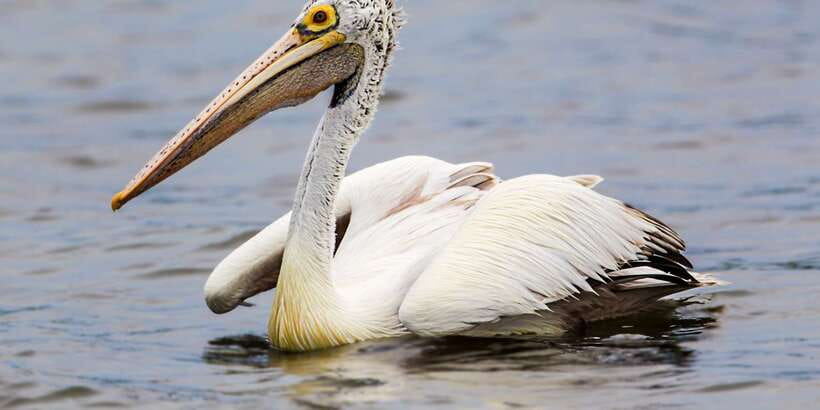
After the Yala safari, the tour shifts into the middle-of-day rhythm. You stop for picnic lunch, which multiple people described as very large and tasty. This is a real perk on a day that otherwise asks you to be hungry, tired, and watchful.
Once you’re fed, you drive toward the Udawalawe region. This is also when the Elephant Transit Home visit happens, including a look during feeding hours.
One thing to keep in mind: the total schedule is packed. That means you’ll want to use the lunch break to recharge, not to wander around for long. The goal is to stay ready for the next safari window.
Elephant Transit Home: Memorable, but Approach With Caution
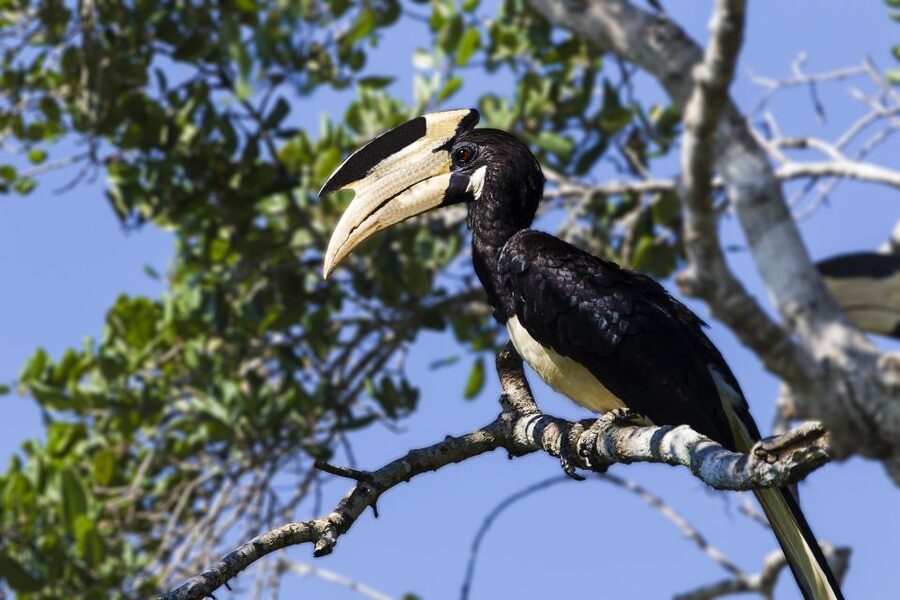
The Elephant Transit Home stop is meant to show you baby elephants in a wild-care setting. You’ll be able to watch hundreds of elephant calves during feeding hours, and it can be genuinely fascinating to see their behavior up close.
But this is also where the tour gets morally complicated. One traveler described an awful moment involving a handler beating baby elephants with a large wooden stick and yelling, with the calves clearly afraid. That is the kind of detail that should not be ignored.
If you are the type of traveler who is uncomfortable with any form of force toward animals, I’d think hard before booking a tour that includes a transit-home feeding stop. On the other hand, if you can handle difficult scenes and you mainly want to understand how elephant caretaking works in Sri Lanka, this visit may still be worthwhile as a learning moment.
My advice: go in with open eyes. Watch quietly, and pay attention to how animals react. If you see distress, you can choose to keep your distance and focus on the overall picture, not just the spectacle.
Udawalawe Afternoon Safari Until Sunset: Elephants, Deer, and Crocs

Udawalawe is where the tour aims to end with action. Arrival in the afternoon means you have a defined window, from about 3 PM until sunset. The park closes at 6 PM, so your guide and driver will likely keep moving to maximize sightings.
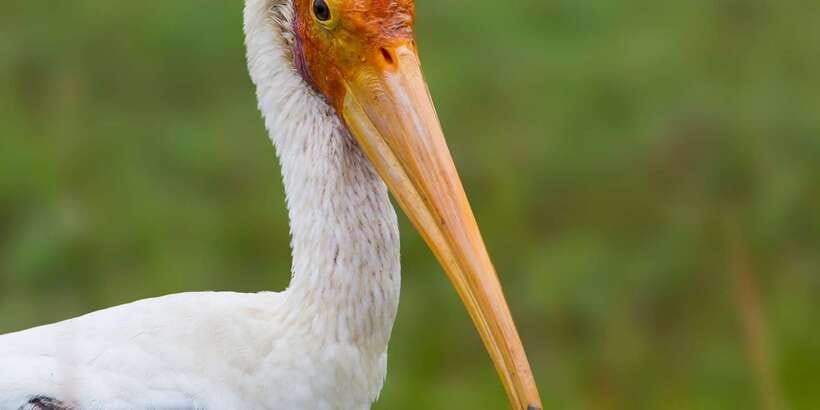
Udawalawe is known for having a lot of elephants. That’s why this combo works. You start with Yala’s variety, then shift to Udawalawe for more reliable elephant encounters. Along with elephants, you may spot spotted deer, jackals, wild boar, wild buffalo, and even crocodiles depending on where the Jeep routes take you.
The best part is that you’re not left waiting around all day in the same place. You’re constantly scanning from the Jeep, and the guide can steer you toward where activity seems most likely. One account praised guides for managing the drives so people could get closer views from the Jeep roof.
Important practical note: in a 14-hour day, afternoon light can be your friend and your limiter. Expect the best sightings to happen when the sun is still strong and visibility is good, then slower moments as the light drops.
Price and Entrance Fees: When $93 Really Adds Up
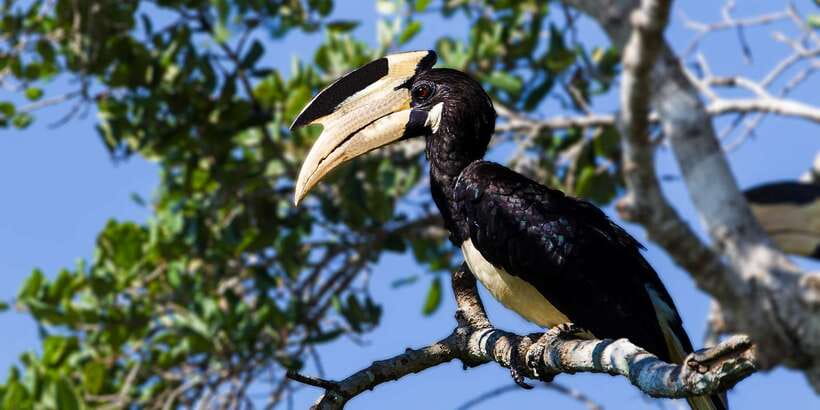
The advertised price is $93 per person for this full-day combo. That sounds like a lot until you break down what you actually get.
Included:
- Private guided Jeep safari at both Yala and Udawalawe
- Hotel pickup and drop-off from Tangalle, Hiriketiya, and Hambantota areas
- Air-conditioned vehicle transport between the parks
- Elephant Transit Home visit
- Picnic lunch
- Bottled water and soft drinks
- Professional driver/guide
Not included:
- Entrance fees for Yala and Udawalawe National Parks
Yala’s entrance and service fees are listed as about Sri Lankan Rupees 13,000 (roughly $40). Udawalawe entrance fees are also not included, but the exact amount isn’t given in your details.
So how do you judge value? If you only care about one park, the price can feel steep once you add entrance fees. But if you want both parks plus transport plus lunch plus an included guiding setup, it starts to look more reasonable. You’re paying for the “two safaris, one day” convenience and for having someone plan the wildlife drives so you’re not trying to self-drive between gates and timing sunrise.
One more fairness note: this safari is long. If you get easily tired in vehicles, you might consider a less packed plan, like focusing on one park on a single day.
Who This Safari Fits Best, and Who Might Want a Different Plan
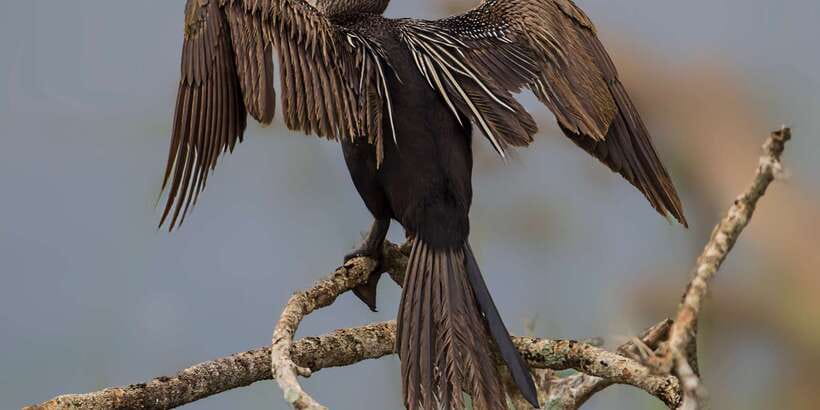
This tour makes sense if:
- You want two national parks but can only spare one day
- You’re comfortable with a long day and want sunrise plus sunset wildlife windows
- You want a guide to manage routes and stop for sightings
It may be less ideal if:
- You hate rushed wildlife moments (this itinerary is tight)
- You are uncomfortable with the Elephant Transit Home feeding stop and any animal-handling you might see there
- You really want deep, slow exploration in one park rather than stacking experiences
There’s also a planning tip from practical experience: doing both parks in one day is convenient, but some people feel it can be a long slog. If your schedule allows it, splitting the parks over two days can reduce stress and often makes the wildlife moments feel less compressed.
Guides and What You Can Expect From the Human Side
The driver-guide is central to how smooth the day feels. Different guides were praised for being calm, communicative, and willing to stop when people wanted a closer look. Names that came up include Ishan, Dylan, Tikiri, and Yashara.
That matters because safari spotting is partly about where the Jeep goes and partly about how the guide reads the landscape and your reactions. If your guide shares what you are seeing, you’ll get more out of every stop, especially for birds, tracks, and the smaller “background” wildlife that people sometimes miss when they’re only chasing one animal.
Should You Book This Safari Route?
Book it if you want a high-impact wildlife day from Tangalle, Hiriketiya, or Hambantota, and you like the idea of sunrise in Yala followed by elephants and other animals in Udawalawe before sunset. The included lunch, bottled water, soft drinks, private guiding, and air-conditioned transport make it easier than cobbling things together on your own.
Skip or reconsider if the Elephant Transit Home visit is a deal-breaker for you due to concerns about animal handling. Also think twice if you know you get cranky after long stretches in a vehicle, because this is a true 14-hour day.
If you book, go with the mindset that wildlife sightings are never guaranteed. The best part of this tour is how it maximizes your chances by using the right timing, hiring a guide, and covering two parks in one go.
FAQ
How long is the safari day trip?
The total duration is 14 hours.
Where are pickup and drop-off offered?
Pickup and drop-off are available from the Tangalle, Hiriketiya, and Hambantota areas.
Does the tour include safaris in both Yala and Udawalawe?
Yes. It includes a Jeep safari at Yala National Park and a Jeep safari at Udawalawe National Park.
Is the Elephant Transit Home included?
Yes. The tour includes an Elephant Transit Home visit during feeding hours.
What food and drinks are included?
You get a picnic lunch, plus bottled water and soft drinks.
Are park entrance fees included in the price?
No. Entrance and service fees for Yala National Park are not included (listed as Sri Lankan Rupees 13,000, about $40). Udawalawe National Park entrance fees are also not included.
Is transportation air-conditioned?
Yes. Transportation is in an air-conditioned vehicle.
What language is the tour guide?
The live tour guide is available in English.
What animals can you expect to see?
You can look for leopards, elephants, water buffalo, jackals, wild boar, spotted deer, and other wildlife. Crocodiles are also mentioned as possible sightings.
Yala, More Jeeps Compared
The Quiet South
Still browsing Tangalle? Start here
- From Tangalle: Mirissa Whale Watching Tour with Breakfast★ 3.4 · 3 reviews
- Tangalle/Hiriketiya: Yala National Park Safari★ 4.6 · 6 reviews
- Tangalle: Safari Day Trip to Yala & Udawalawe w/ Picnic★ 4.3 · 16 reviews
Yala National Park Safaris, compared.
 ★ 4.8Yala National Park Safari Tours: Morning/Evening/Full DayFrom $25818 reviews
 ★ 5.0Full day Safari – Yala National Park – 04.30 am to 06.00 pm with – Janaka safariFrom $57603 reviews
 ★ 4.8Yala National Park: Half, 7-Hour, or Full-Day Safari & MealsFrom $14489 reviews
 ★ 4.5Yala National Park Wildlife Safari/ Game Drive – by Ajith SafariFrom $18351 reviews
 ★ 4.5Leopard Safari Tour in Yala National ParkFrom $20281 reviews
 ★ 4.8Hikkaduwa/Galle/Weligama/Mirissa/Tangalle: Yala Safari TourFrom $45263 reviews
 ★ 5.0Full day / Half Day WildlifeAdventure in Yala-National-ParkFrom $42258 reviews
 ★ 5.0Special leopards safari Yala National park – 04.30 am to 11.30 amFrom $36186 reviews
Browse the lists this tour appears in