
REVIEW · TOURS
Tea Fields & Factory Tour
Ceylon tea starts in the bushes. In Hatton, this 3-hour tour traces the full journey from leaf to tea pot, then ends with a cup you can actually taste and compare.
I especially love two parts: the chance to walk the tea fields and meet the pluckers up close, and the hands-on feeling of understanding the processing steps in the factory. The group stays small, and the guide ties everything together into one clear flow.
One consideration: you spend time outdoors, so good weather matters. Wear shoes you can walk in comfortably, because tea-country paths can be uneven.
In This Review
- Key things to know before you go
- Hatton tea country, leaf to cup in about 3 hours
- Meeting in Norwood and how the pacing works
- Tea field walking: what you’re really looking for
- Meet the pluckers: technique, work rhythm, and your quick practice
- Pluckers Village and Temple: tea culture beyond the machines
- Weighing stations: where fresh leaf gets measured
- Inside the tea factory: withering, rolling, drying, shifting, testing, packing
- Withering
- Rolling
- Drying
- Shifting
- Testing
- Packing
- Drinking freshly made tea: what to notice at the finish
- Price and value: what $20 buys in Hatton
- Who this tea tour is best for (and who should think twice)
- FAQ
- What time does the tea fields and factory tour start in Norwood?
- How long is the Tea Fields & Factory Tour?
- How much does the tour cost?
- What will I experience during the tour?
- Is this tour a small group?
- Do I need a printed ticket?
- When will I receive confirmation after booking?
- Is there free cancellation, and what if weather is bad?
- Final verdict: should you book this tea tour?
Key things to know before you go
- Walk the tea fields and meet the pluckers for a real look at how harvesting works
- Try your hand at plucking so you understand the technique, not just the theory
- See weighing stations where fresh leaf gets measured before processing
- Tour the factory through withering, rolling, drying, shifting, testing, and packing
- Finish with freshly made and brewed tea so you can connect the whole process to what’s in your cup
Still narrowing it down? These Central Sri Lanka trips held up well.
- Tea Fields & Factory Tour
★ 5.0 · 67 reviews - Knuckles five Peaks hiking and Waterfall
★ 5.0 · 9 reviews - Ella Sir Lanka Most Beautiful Train Ride In the World by Jason
★ 5.0 · 4 reviews
Hatton tea country, leaf to cup in about 3 hours
If you like travel that gives you something concrete to remember, this one does. Hatton is the heart of Sri Lanka’s tea region, and this tour is built to show you how Ceylon tea moves from plant to packed product.
What makes it more than just a walk is the structure. You go from the fields, to the people who pluck, to the weighing stations, and then straight into the factory process. By the time you’re sipping tea at the end, you’re not guessing. You can point to where that cup started.
Meeting in Norwood and how the pacing works
The tour starts at 3:00 pm in Norwood and ends back at the same meeting point. That late-afternoon start can be a nice change from the usual morning-sightseeing rush, especially if you want a slower day before dinner.
Because it runs about 3 hours, plan to keep the rest of your day flexible. You’ll be walking, listening, and moving between different areas (fields, village area, weighing stations, factory, then tea). The small group size, capped at 10 people, helps keep the pace comfortable and gives you time for questions.
The meeting point is listed as near public transportation, which is helpful if you do not want to rely only on taxis. And you get a mobile ticket, so you should be set once you arrive.
Tea field walking: what you’re really looking for
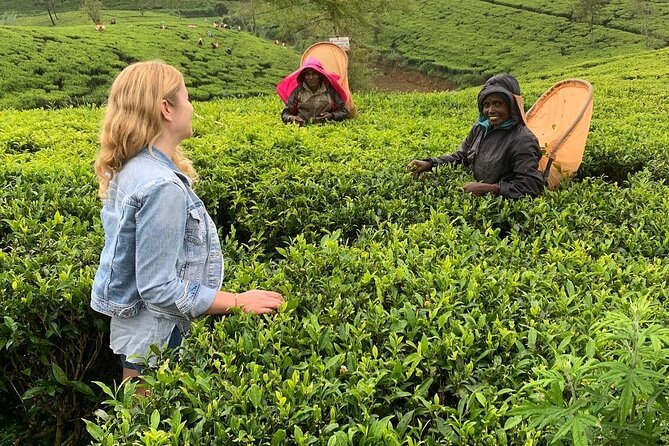
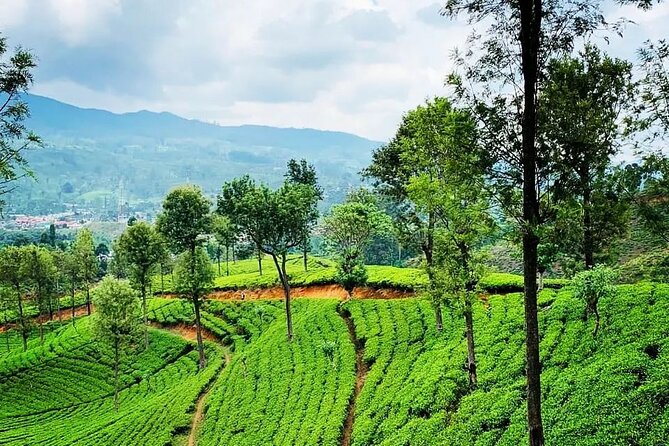
The field section is where the tour earns its keep. You walk among the tea bushes, and you get a view of the plants as they grow, not just tea leaves as a product.
Here’s what I think is worth paying attention to while you’re there:
- How the bushes are managed for plucking
- What the guide points out about picking leaves correctly
- How the work is organized during harvesting
This matters because tea quality is tied to the leaf itself and how it’s handled immediately after picking. Seeing the bushes up close gives you a better mental picture of why the steps in the factory matter later.
Meet the pluckers: technique, work rhythm, and your quick practice
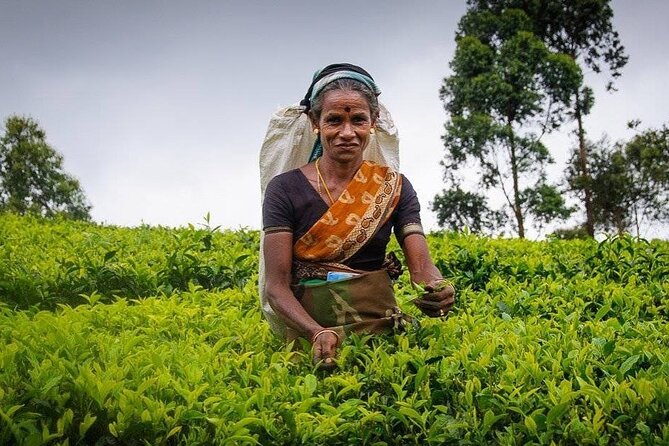
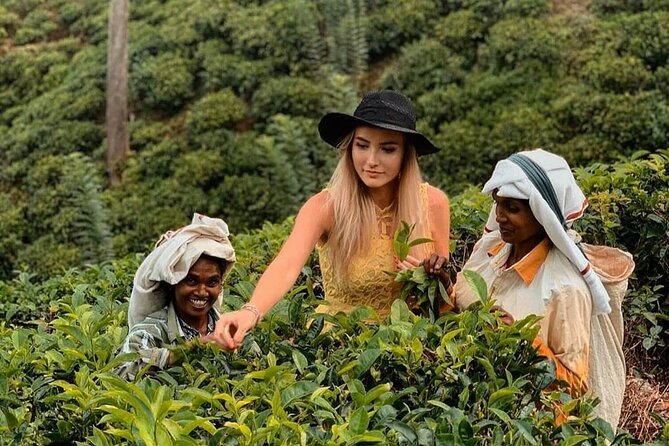
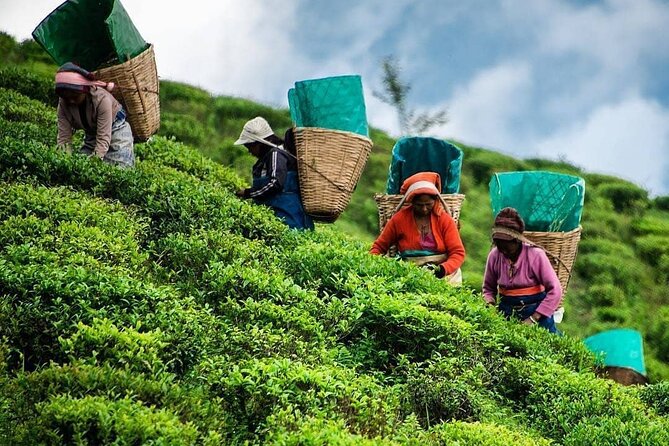
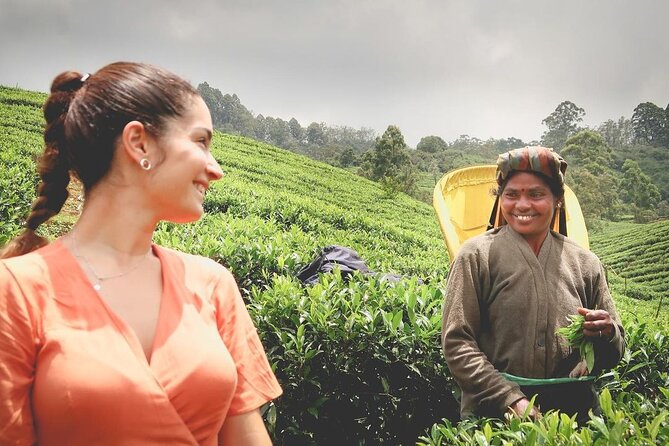
A major highlight is meeting the pluckers and learning their technique. You are not just watching from the side. The tour also includes a moment where you can try your hand at plucking.
That practical bit is surprisingly valuable. Many tea tours stop at explanation, and you end up with nice photos but no real understanding. Here, you can feel the motions and see why plucking is not random. Small differences in how leaves are selected and handled can change what goes into the processing chain.
Also, this is one of the most human parts of the experience. Pluckers are the link between the living plant and the industrial steps that follow, and the tour’s focus on them keeps the whole story grounded.
Pluckers Village and Temple: tea culture beyond the machines
Between the fields and the factory, you visit the pluckers village and a temple. This part adds context that you usually miss when you only tour a building with big machines.
Even without complicated explanations, the value is in the contrast. You go from the practical work of harvesting to the everyday place where people live, worship, and build community. It helps you understand that tea is not only a crop. It shapes local life, schedules, and routines.
It’s also a good reset for your body and ears. After walking and listening in open air, being in a village setting can feel calmer, and you can take in the slower rhythm of the area.
Weighing stations: where fresh leaf gets measured
Next comes the weighing stations. This is not the most glamorous stop, but it’s one of the most important for understanding tea production.
Weighing is where you see the idea of tracking and sorting begin. The factory steps only work well when they start with leaf that has been organized and accounted for. In simple terms, weighing stations help turn fresh harvesting into a consistent input for processing.
If you enjoy learning systems, this stop will make you feel like you’re following a real workflow instead of visiting random rooms.
Inside the tea factory: withering, rolling, drying, shifting, testing, packing
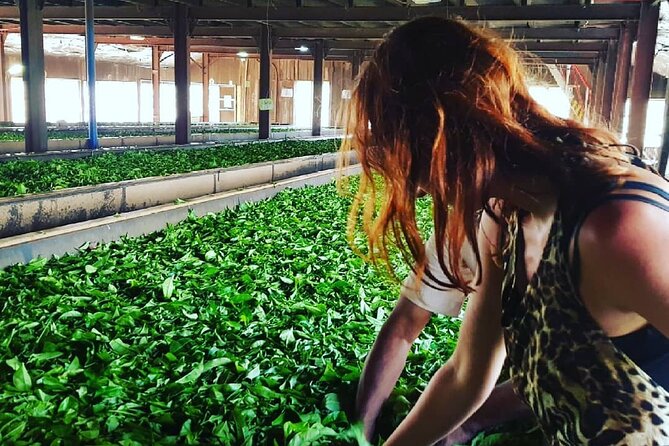
The factory portion is the core “tea leaf to tea pot” story. You learn how processing happens through a sequence of steps, including:
- Withering
- Rolling
- Drying
- Shifting
- Testing
- Packing
Withering
Withering is the first stage you hear about. In practical terms, it helps prepare leaves for the rest of the process by changing their condition before rolling and drying.
Rolling
Rolling is where the leaf’s physical change becomes part of tea character. This step helps transform what you harvested into a form that will develop into tea during later stages.
Drying
Drying is the step that locks in results from the earlier stages. It’s the bridge between processed leaf and something stable enough for storage and packaging.
Shifting
Shifting is about sorting and movement of leaf through processing and separation steps. You can think of it as part of quality control and handling, so different leaf portions can be managed correctly.
Testing
Testing is where you find out that tea quality is not assumed. It’s checked after processing so the output matches what it should be.
Packing
Finally, packing shows you the end of the journey. This is how the factory output becomes what you will later see on shelves, and it closes the loop from plant to product.
A quick note for your expectations: the tour is about learning the steps and the flow. It’s not described as a deep technical lab tour, so if you want super-scientific details, you might ask questions and see how far the guide can go.
Drinking freshly made tea: what to notice at the finish

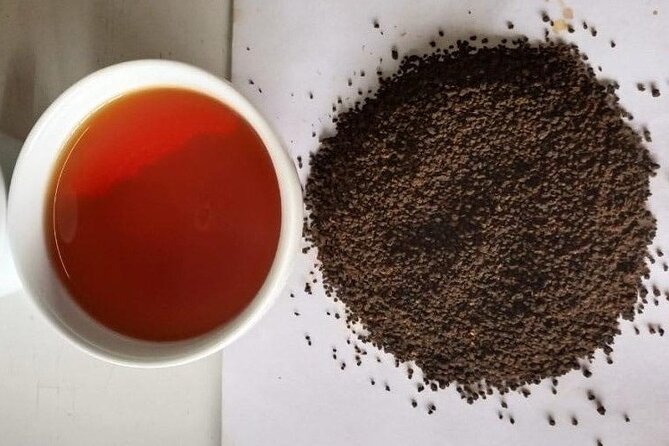
The tour ends with freshly made and brewed tea. This is where the whole experience clicks.
When the tea arrives, do a few simple things:
- Notice aroma first, then taste
- Compare it to the kind of tea you usually drink at home
- Think back to the steps you just saw and how they shape what ends up in your cup
Because you watched the process earlier, you can understand why the same basic plant becomes different tea styles and qualities depending on processing. Even if you cannot explain every detail, you can feel the difference between plain leaf work and finished tea.
Price and value: what $20 buys in Hatton
The price is $20.00 per person for about 3 hours, and the value comes from the combination of activities, not any single stop.
For this money, you get:
- A structured walk through working tea fields
- Meeting pluckers and learning their picking technique, plus a chance to try
- Village and temple context
- Weighing stations and a full factory tour through multiple processing steps
- Freshly brewed tea at the end
- A small group limit of up to 10 people, which usually means better interaction
Also, demand looks steady, with 5+ bookings in the last month and a strong 5 out of 5 rating across 67 reviews. That matters because it suggests the tour is run often enough to keep the experience consistent.
If you’re choosing between a quick photo stop and a learning-focused visit, this one leans clearly toward learning. You’ll leave with more than souvenirs, you’ll leave with a mental map of how tea becomes tea.
Who this tea tour is best for (and who should think twice)
This is a great match if you:
- Enjoy hands-on, practical learning
- Want to understand what you’re actually drinking
- Prefer small group tours over large bus-style visits
- Like authentic rural experiences that focus on real work
It may be less perfect if you:
- Want a mostly relaxed, sitting-only sightseeing style
- Dislike walking outdoors for part of the tour
- Are looking for a very long schedule, since it’s about 3 hours
If you’re the type who asks questions in museums, you’ll likely get a lot from this tour. The factory steps give plenty of room to ask how and why tea changes.
FAQ
What time does the tea fields and factory tour start in Norwood?
The start time is 3:00 pm, and the tour ends back at the meeting point.
How long is the Tea Fields & Factory Tour?
It runs for about 3 hours.
How much does the tour cost?
The price is $20.00 per person.
What will I experience during the tour?
You’ll walk in the tea fields, meet and learn from pluckers, try plucking, visit the pluckers village and temple, see the weighing stations, tour the factory processing stages (withering, rolling, drying, shifting, testing, and packing), and drink freshly made and brewed tea.
Is this tour a small group?
Yes. It has a maximum of 10 travelers.
Do I need a printed ticket?
No. You’ll have a mobile ticket.
When will I receive confirmation after booking?
You should receive confirmation within 48 hours of booking, subject to availability.
Is there free cancellation, and what if weather is bad?
You can cancel for a full refund up to 24 hours in advance. The tour requires good weather, and if it’s canceled due to poor weather, you’ll be offered a different date or a full refund.
Final verdict: should you book this tea tour?
Yes, if you want a tea experience that is built like a story, not a slideshow. The strongest part is the full chain from leaf picking to factory processing to a cup of tea you can taste with context.
I’d book it if your priority is understanding how Ceylon tea is made, and if you’re happy to spend part of the tour walking outdoors. With a small group size and a clear, step-by-step agenda, it’s good value for the time you invest.
More Tour Reviews in Central Sri Lanka
Still browsing Central Sri Lanka? Start here
- Ella Sir Lanka Most Beautiful Train Ride In the World by Jason★ 5.0 · 4 reviews
- Knuckles five Peaks hiking and Waterfall★ 5.0 · 9 reviews
- Tea Fields & Factory Tour★ 5.0 · 67 reviews
Tours, compared.
 ★ 4.9Colombo: Private Tuk-Tuk City Tour with All Entry FeesFrom $232,154 reviews
 ★ 4.9Kandy Private Guided City Tour by Tuk TukFrom $61,307 reviews
 ★ 4.8Yala National Park Safari Tours: Morning/Evening/Full DayFrom $25818 reviews
 ★ 5.0Sri Lanka Personal Tour Driver in private vehicleFrom $325747 reviews
 ★ 5.0Colombo Tuk Tuk City Tour -Sightseeing Entry Fees & Food IncludedFrom $34678 reviews
 ★ 5.0Colombo Private Tuk-Tuk City Tour with All Entry Fees IncludedFrom $32524 reviews
 ★ 5.08 Days tour in Sri Lanka with privet driver and accommodationsFrom $665472 reviews
 ★ 4.9Colombo: Private Tuk-Tuk City Tour with Guide & All TicketsFrom $22471 reviews