
REVIEW · TRINCOMALEE TOURS
Trincomalee: Dolphin & Whale Watching Boat Tour
Watching whales from Sri Lanka is a rare kind of magic, and Trincomalee puts you close to it. This 2.5 hour-ish early morning cruise focuses on whale and dolphin sightings off the coast, with a fast, modern boat, life jackets, and an experienced local captain briefing you before you head out.
What I like most is the timing, you leave between 5:30 AM and 5:45 AM, which is exactly when you want to be on the water for active wildlife. I also like that the tour is built around safety and marine-life respect, you get safety gear, and you are not stuck on some long, uncomfortable ride without a plan. One thing to consider, sightings are not guaranteed, and on busier days you may see a lot of boats chasing the same pods, which can affect how close and how often you get real action.
In This Review
- Quick hits before you go
- Why Trincomalee is a strong pick for marine wildlife
- The Nilaveli morning, and how the timing affects your odds
- Boarding, safety gear, and what “respect marine life” really means
- What happens on the water for your 2.5 hours
- Species you might see: dolphins, then maybe whales
- The ride back to Nilaveli, and what you might do after
- Price and value: is $40 a good deal?
- Who this tour suits best
- Small practical tips that make your day smoother
- Sorting out the one big risk: will it feel crowded?
- Should you book this Trincomalee dolphin and whale tour?
- FAQ
- Where does the tour start?
- What time does the boat depart?
- How long is the tour?
- Is hotel pickup included?
- What is included in the ticket price?
- What animals are the tour targeting?
- What should I bring, and what is not allowed?
- What are the cancellation and payment options?
Quick hits before you go
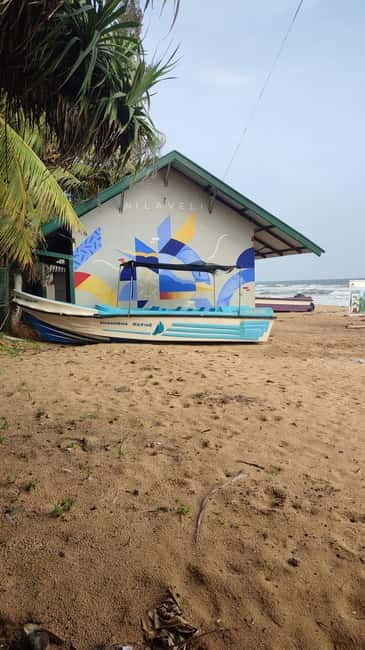
- Sunrise departure from Nilaveli Beach (aim to arrive 15 minutes early)
- Modern boats with life jackets and a captain briefing on safety
- Targets include blue whales, sperm whales, and spinner dolphins, plus possible extras like sea turtles
- Nature-based, not a show, so dolphins are more likely than whales
- No hotel pickup included, but you can arrange transfer for an extra charge (distance dependent)
- Bring sunscreen and a light jacket, wind on open water can sneak up fast
Further along the Trincomalee coast
- Nilaveli: Trinco City tour by Tuk Tuk
★ 4.6 · 16 reviews
Why Trincomalee is a strong pick for marine wildlife
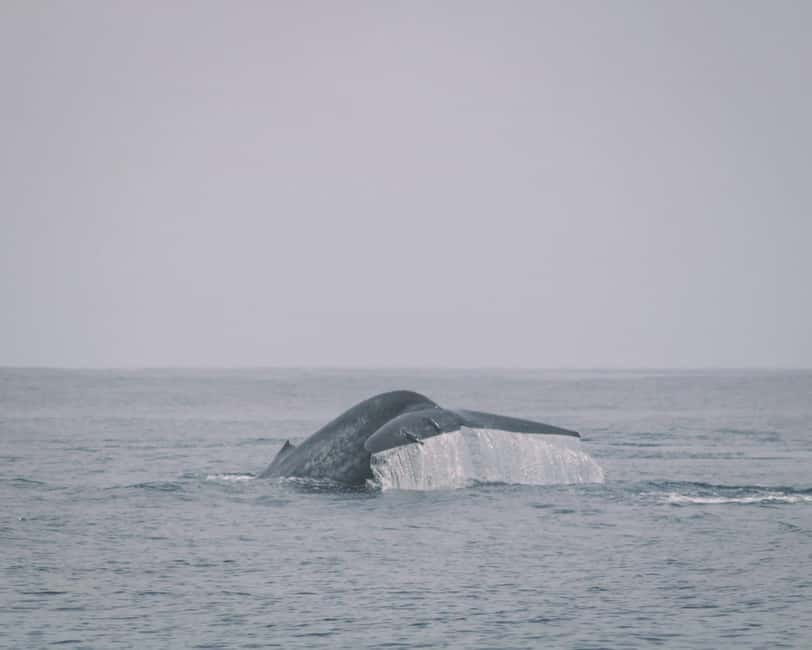
Trincomalee sits on Sri Lanka’s east coast, and the ocean out here is where you go when you want a real shot at whales and dolphins rather than a quick coastal look. The tour’s early start matters because marine animals tend to be more visible and active in the morning light, and the sea is often calmer then too.
The day’s goal is simple: get you to the right waters and help you spot wildlife efficiently. On many outings, that means focusing on dolphins first, then watching for larger species once you are further out at sea.
If you are a photographer, you also get better odds with morning conditions. Lower sun angles and softer light can make a dolphin leap or a whale blow much easier to capture than harsh midday glare.
The Nilaveli morning, and how the timing affects your odds
Your day begins at Nilaveli Beach. The tour runs early morning, with departure windows listed as 5:30 AM to 5:45 AM, so plan your morning like you are catching a flight. Arrive about 15 minutes before departure so you are not stressed when boarding starts.
You should also expect the trip to the viewing area to take time. One participant noted the boat ride to the spot was long, about 45 minutes, so you might spend a meaningful chunk of the tour simply getting where the animals are.
This is why comfort matters. Even though the duration is listed as 2 hours, the experience is described as around 2.5 hours depending on sea conditions and animal activity, so dress for real time on water, not just a quick hop.
Boarding, safety gear, and what “respect marine life” really means
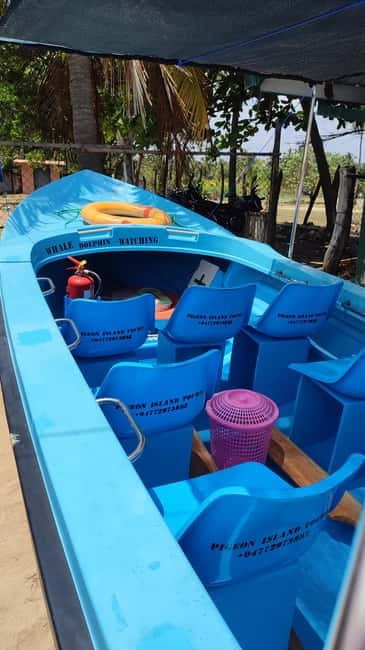
Before you head out, you get a short briefing from the captain. You board a comfortable boat with life jackets and safety gear provided, and you are expected to wear the life jacket during the tour. That part is straightforward and non-negotiable, and honestly it makes the whole trip feel more controlled.
Where it gets more complicated is animal behavior versus boat traffic. Some feedback points to moments where boats cluster close together, and at least one review was sharply critical about chasing dolphins and the number of boats in the same area. That does not mean every outing is chaotic, but it is a real reason to set expectations.
What you can do as a passenger is keep your own priorities clear:
- If you care about wildlife-first behavior, pay attention to how the crew positions the boat once dolphins appear.
- If you care about maximum sightings, you might notice the boat pattern tends to be more intense when dolphins are active and easy to track.
Either way, the best days are still the ones where dolphins cooperate and the boat stays patient.
What happens on the water for your 2.5 hours
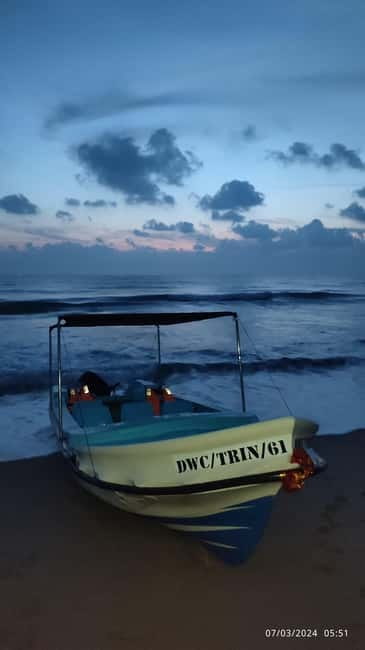
Once the boat leaves, you move out over calm blue water into deeper sea zones. Early on, the tour often turns into a dolphin search and dolphin enjoyment phase, because spinner dolphins can be energetic and visible.
Typical dolphin moments are described as spinning, leaping, and racing through the waves. You will get repeated chances to look down and forward, and you will also want your camera ready quickly, because dolphins can change pace fast.
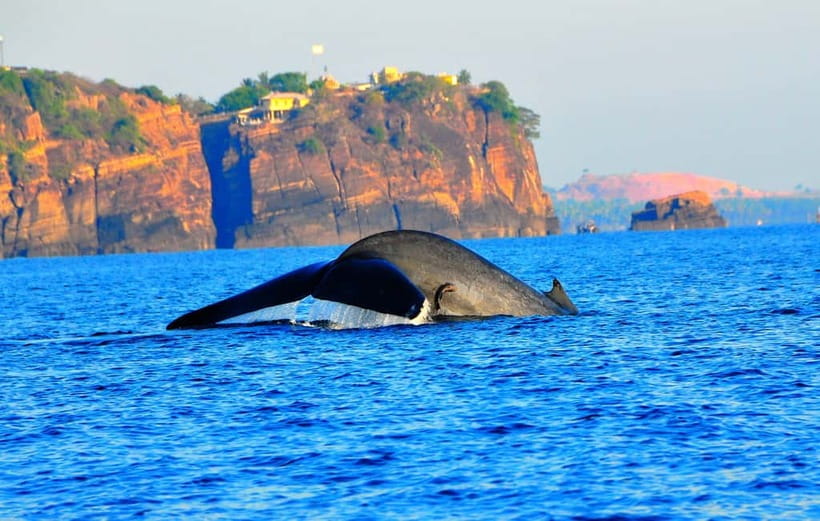
As you move farther out, the focus shifts toward larger whales. The targets listed are blue whales and sperm whales, and the guide shares facts about the animals and the wider ocean ecosystem. Depending on the day, you might also see other wildlife, such as flying fish, sea turtles, or pilot whales.
The crew also builds in time for photos and videos. That sounds obvious, but it matters because a boat that constantly roams without stopping makes it harder to frame a shot. On better runs, the captain seems to look for the right conditions instead of just speeding from one side of the bay to the other.
Species you might see: dolphins, then maybe whales
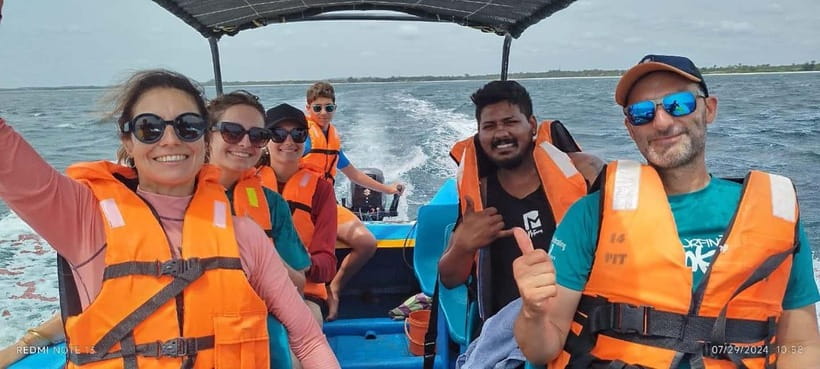
Let’s be honest about odds. The tour specifically targets blue whales and sperm whales, but the information provided is clear that sightings cannot be guaranteed. What you get is a high chance during the season, not a guaranteed whale encounter.
The season window listed is March to August, and that is your best planning range if whales are your main goal. Even during good months, dolphins are often the most consistently seen animals because they tend to be easier to locate near feeding areas or where pods move.
Dolphins are also part of why this cruise is worth your time even if whales do not show. Spinner dolphins in particular can be lively at the surface, and watching them interact with the waves is genuinely fun, even if it is not the giant-sighting you pictured.
If you do spot whales, the whale moment is different. Look for a blow, watch for a pattern, and then be ready for a short surface appearance. It is not a long, guaranteed show. The crew’s job is to position you so you have a decent chance without pushing the animals too hard.
The ride back to Nilaveli, and what you might do after
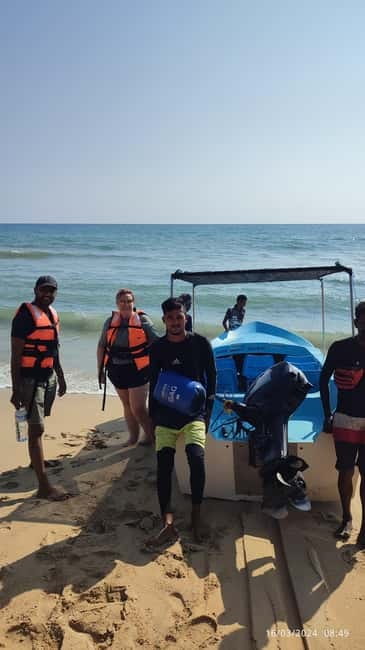
After roughly 2.5 hours on the water, you return to Nilaveli Beach. The tour experience ends there, which is handy if you want to pair it with breakfast afterward or continue exploring nearby.
One detail that stood out in participant feedback is that some outings end with a breakfast bag at the beach. There were mentions of water afterward and juice, plus a snack-style breakfast treat, described as yellow rolled pancakes. That is not listed as a standard inclusion, so treat it as a nice possible extra, not a promise.
Either way, you will probably feel both pleasantly tired and slightly windswept. Bring a dry change of clothes if you can. It makes the post-tour walk more comfortable.
Price and value: is $40 a good deal?
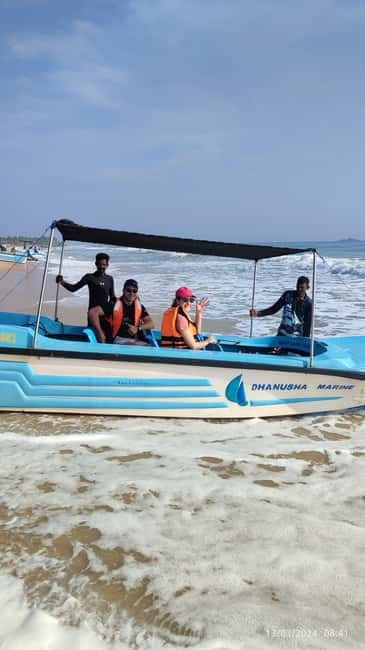
At $40 per person for a half-morning wildlife boat outing, this is not a budget-only activity, but it can still be good value if you come for wildlife rather than just scenery. You get:
- Boat seating with a life jacket
- 500 ml bottled drinking water
- A captain-led search with marine-life commentary
- A morning departure timed for sightings
The biggest cost factor is not the cruise itself, it is what happens around it. Hotel pickup is not included. If you are staying away from Nilaveli, you may need to pay for transport to the meeting point. That can quickly change the total price.
So the value equation is simple:
- If you are already near Nilaveli or can reach the beach easily, $40 feels fair for the time on the water and the wildlife focus.
- If you need a long transfer, plan for that extra cost so the all-in price still feels worth it.
Also remember the nature aspect. You are paying for access and expert-guided searching, not a guaranteed whale encounter.
Who this tour suits best
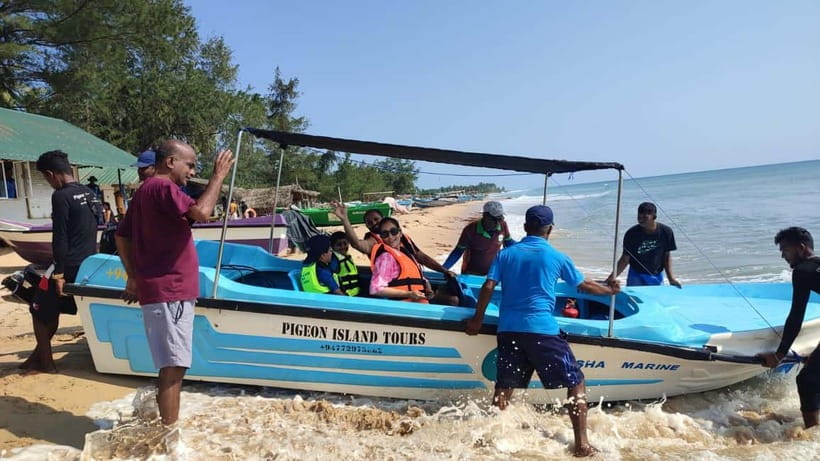
This is a strong fit for people who:
- Want a morning outdoors activity with real wildlife stakes
- Enjoy boats and can handle choppy water if it happens
- Take photos and want a chance at wildlife close to the surface
- Prefer a guided nature experience rather than DIY searching
It is also family-friendly in a specific way. The guidance says suitable for children over 5 years old, with an adult accompanying them. If you travel with younger kids, this one is not a match.
It is not suitable for everyone. It is not recommended for pregnant travelers, people with serious back problems, people with heart problems, or people over 70. If any of those apply to you, it is worth choosing a different wildlife activity that is easier on the body.
Small practical tips that make your day smoother
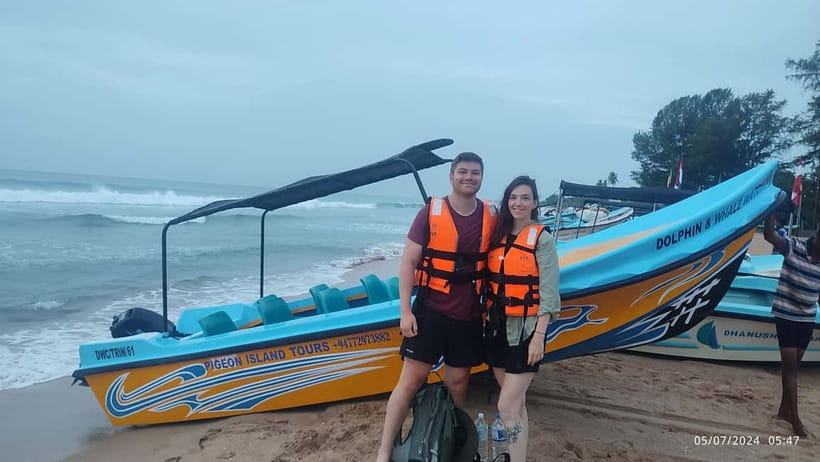
These tours run on early mornings and wind. So I would plan like you are going to be outside for a while, on a boat.
Bring:
- Sunglasses (glare on open water is real)
- Camera (and spare battery if you use one)
- Comfortable clothes plus a light jacket for wind
- Sunscreen and a hat
- Water and any drinks you like, even though bottled water is included
- Seasickness medication if you are prone to motion sickness
Also note the rules:
- Smoking is not allowed
- Swimming is not allowed
If you are sensitive to motion, take preventative medication before you feel sick. Waiting until you are already nauseous is a losing strategy.
Sorting out the one big risk: will it feel crowded?
The tour is popular, and the ocean can bring many boats to the same area when dolphins show up. Based on mixed feedback, you could encounter a lot of boats clustered together, which can make it feel like the wildlife is getting hunted rather than watched.
Here’s how to handle that without ruining your day:
- Keep your expectations flexible. A dolphin-heavy day can still be a win.
- If you see pods and the boat feels too aggressive, focus on the animal behavior instead of the boat chase. Sometimes the dolphins change direction and you still get great sightings.
- Ask yourself what you want most: highest number of sightings, or the most patient boat positioning.
Not every outing will be the same. But your attitude and preparation are what you control.
Should you book this Trincomalee dolphin and whale tour?
I think you should book if you want a morning wildlife mission with a real chance at marine encounters and you are okay with the reality of nature-based sightings. The strongest reason to choose it is the early departure and the focus on whale and dolphin targets, plus the guidance and safety setup.
Skip it if you need guaranteed whales, or if you are very uncomfortable around boats and crowds. Also skip if health or mobility concerns apply, since the tour is not recommended for pregnant travelers, people with serious back or heart issues, or those over 70.
If you do book, go with the mindset: you are not buying a show. You are buying access, searching time, and the best odds available in the March to August season.
FAQ
Where does the tour start?
The meeting point is Nilaveli Beach. Exact details are provided after booking.
What time does the boat depart?
Departure is early morning between 5:30 AM and 5:45 AM for the best chance of sightings. Plan to arrive about 15 minutes before departure.
How long is the tour?
The tour duration is listed as 2 hours, and the experience description says it runs about 2.5 hours, depending on sea conditions and marine life activity.
Is hotel pickup included?
No. Hotel pickup and drop-off are not included. You can arrange transport for an extra charge depending on distance.
What is included in the ticket price?
Included items are a seat on the boat with a life jacket and 500 ml bottled drinking water.
What animals are the tour targeting?
The tour aims to spot blue whales, sperm whales, and spinner dolphins. Other sightings may include flying fish, sea turtles, or even pilot whales depending on the day.
What should I bring, and what is not allowed?
Bring sunglasses, a camera, drinks, and water. Smoking and swimming are not allowed. Also bring a light jacket since it can get windy at sea.
What are the cancellation and payment options?
You get free cancellation up to 24 hours in advance for a full refund. You can also use reserve now, pay later to keep plans flexible.
More Tours in Nilaveli
More Tour Reviews in Nilaveli
The Trincomalee Coast
Still browsing Nilaveli? Start here
- Nilaveli: Trinco City tour by Tuk Tuk★ 4.6 · 16 reviews
Trincomalee Tours, compared.
 ★ 4.4Trincomalee: Whales Watching and Navy Island Snorkeling TourFrom $8481 reviews
 ★ 4.2Trincomalee: Whale & Dolphin Safari Tour with Expert GuidesFrom $7153 reviews
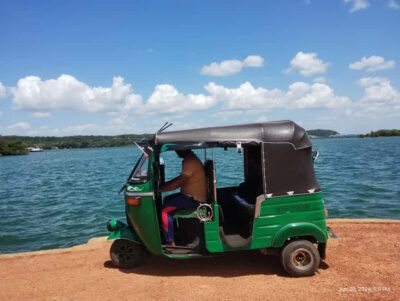 ★ 4.6Nilaveli: Trinco City tour by Tuk TukFrom $3016 reviews
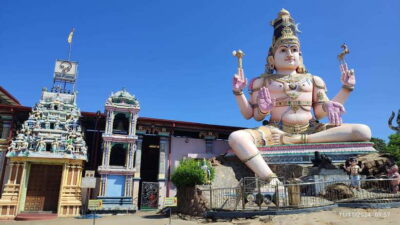 ★ 4.5Trincomalee: City Tour with Koneswarm and Crocodile lakeFrom $3013 reviews
 ★ 3.6Minneriya: Private Jeep Safari From TrincomaleeFrom $15910 reviews
 ★ 5.0Adventure 2 days trip from trinco to sigiriya, with wild safariFrom $22010 reviews
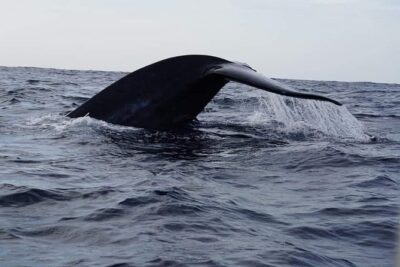 ★ 4.0Whale & Dolphin Watching Tour in Trincomalee | Scenic Boat RideFrom $308 reviews
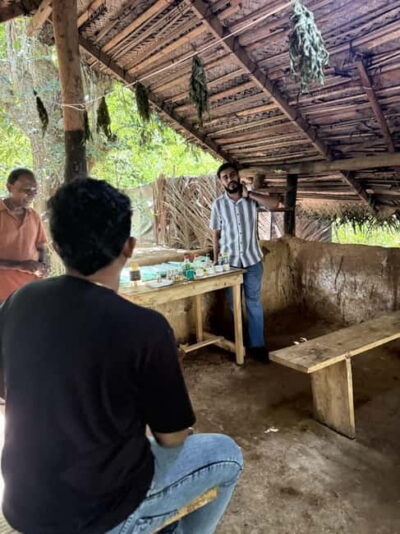 ★ 5.0From Trincomalee: Village Tour & Minneriya Elephant SafariFrom $1188 reviews
Browse the lists this tour appears in