
REVIEW · TRINCOMALEE TOURS
Whale & Dolphin Watching Tour in Trincomalee | Scenic Boat Ride
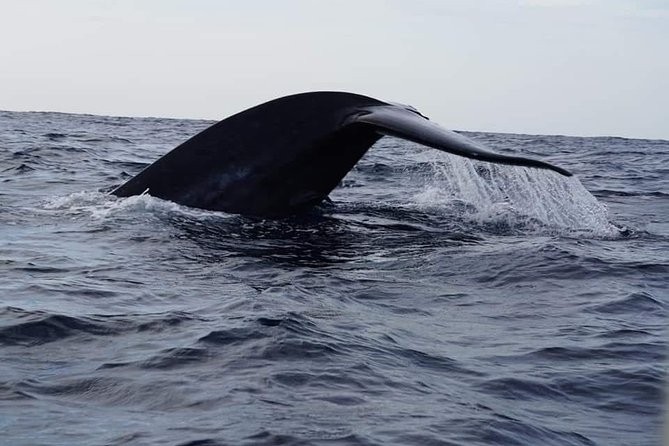
Whales and dolphins are the main event here. Off the coast of Trincomalee, you head out in search of blue whales and sperm whales, with spinner dolphins often showing up too. I like that the operation targets a known whale area about 30 minutes by boat, and I also like the small-group or private options that keep the experience calmer. One thing to keep in mind, though, is that timing and spotting are weather dependent, and on some days you may not see dolphins or whales.
This is run by Pigeon Island Tours, with a typical booking around 3 hours (some options run longer). You get a safety jacket and bottled water, and you meet at their office in Nilaveli (Gopalapuram, near Pigeon Island Tours). If you want hotel transfers, food, or extra snacks and drinks, you’ll usually need to choose a package that specifically includes them.
In This Review
- Key Things to Know Before You Go
- Trincomalee’s Whale Zone: Why This Area and Season Matter
- On the Water: What a 3-Hour Cruise Feels Like (Including Possible Shorter Runs)
- Who You Share the Boat With: Private, Small Group, and Up to 14 People
- Sightings to Watch For: Blue Whales, Sperm Whales, and Spinner Dolphins
- Included Basics vs. What You’ll Need to Add
- Getting There: The Nilaveli Meeting Point and Local Flow
- Guide Communication and Expectations on the Boat
- Weather, Sea Conditions, and How to Protect Your Odds
- Price and Value: Is About $30 Per Person Worth It?
- Should You Book This Whale and Dolphin Watching Tour in Trincomalee?
- FAQ
- How long is the whale and dolphin watching tour?
- Where does the tour start and end?
- What is included in the price?
- Do I get hotel pickup and drop-off?
- What are the chances of seeing dolphins or whales?
- What happens if weather is bad?
Key Things to Know Before You Go
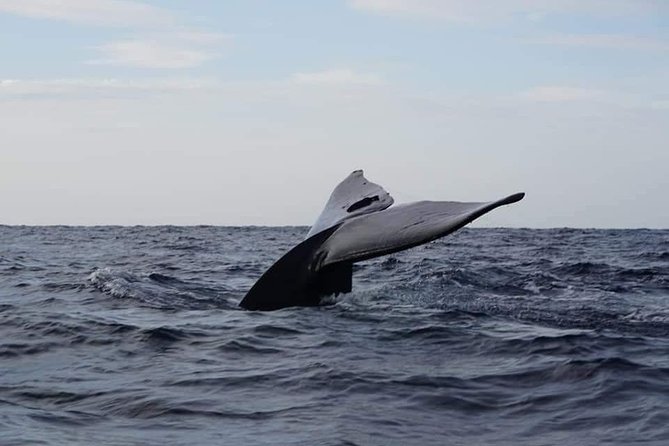
- Trincomalee is a serious whale zone: blue whales can be found roughly 6 to 8 nautical miles east, with a boat ride around 30 minutes.
- Dolphin odds tend to be high: the tour gives strong odds for spinner dolphins (and decent odds for whales).
- 3-hour cruises exist, but timing can flex: you should be prepared for the outing to run shorter in some cases.
- You might be on a small boat with up to 14 people: plus private and small-group formats, including groups of just six.
- Watching beats fishing: the tour is for wildlife spotting, so don’t plan on a fishing-focused day.
- Some guides may have limited English: be ready to ask simple questions and focus on the spotting itself.
Further along the Trincomalee coast
- Adventure 2 days trip from trinco to sigiriya, with wild safari
★ 5.0 · 10 reviews - Whale & Dolphin Watching Tour in Trincomalee | Scenic Boat Ride
★ 4.0 · 8 reviews - Adventure trincomalee to sigiriya and wild safari ,village tour
★ 5.0 · 5 reviews
Trincomalee’s Whale Zone: Why This Area and Season Matter
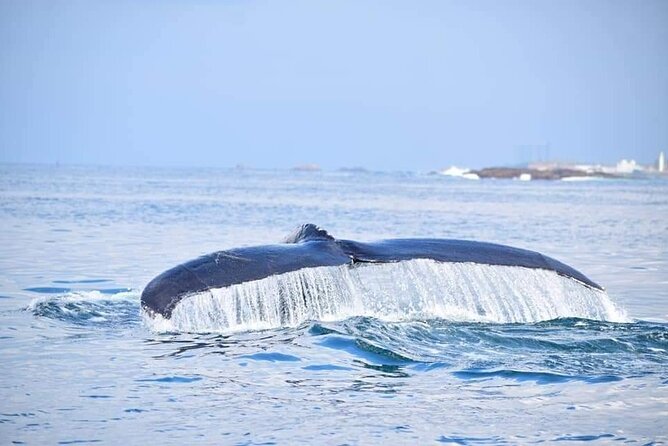
Trincomalee has a reputation that keeps growing, mainly because the coastline sits in the path of migrating whales. The standout is blue whales, which can often be seen around six to eight nautical miles east of Trincomalee. That matters because it shortens the “search time” compared with places where you sail for a long stretch before you even get to a likely feeding or travel zone.
The tour focuses on sightings that are most common between March/April and August/September. During that window, whales keep moving around the island, using different coasts at different times. The practical takeaway for you is simple: if you’re traveling in those months, your odds are better, and you’re more likely to find dolphins and whales on multiple attempts.
Even outside that peak, the broader idea is good for planning. Sri Lanka can offer long stretches of whale and dolphin watching across the year as the animals shift locations between seasons. So if you can match your dates to the higher-odds months, you’ll feel like the day was well spent.
On the Water: What a 3-Hour Cruise Feels Like (Including Possible Shorter Runs)
The tour is built around a short, active outing. In the standard format, you’re looking at about 3 hours on the water. That duration is ideal if you want a real chance at whales and dolphins without sacrificing your whole day.
But here’s a practical heads-up. Even when the schedule says about 3 hours, real-world timing can vary. Some departures may end up closer to 2 hours once you account for travel out, time on the water while searching, and the return trip. That doesn’t mean the trip is bad, it means you should treat it like a flexible spotting session, not a guaranteed exact timetable.
What helps you enjoy a shorter window is adjusting your mindset before you go. Your goal is to be out where the animals are, watch carefully when the boat slows, and stay ready for quick changes. With wildlife spotting, the best moments can happen fast.
Also, bring your patience for the simple reason that spotting is not “on demand.” Even with a targeted area, some days just don’t cooperate. The tour itself sets expectations: there’s a high chance overall, but it is still possible to return without dolphins or whales on a given day.
Who You Share the Boat With: Private, Small Group, and Up to 14 People
This isn’t always a giant, loud cruise. The operator offers both private tours and small-group trips, including formats listed as groups of just six. That’s a big deal because it usually means you can get eyes on the water without constant crowding, and it’s easier to ask questions and hear instructions.
At the same time, there is a general maximum group size listed as up to 14 travelers. So you should expect that some departures may be larger than the smallest group option. If you’re the type who prefers a calmer boat and more elbow room, pick the private or small-group format when you can.
In general, wildlife tours work better when the crew can manage sighting time efficiently. Smaller groups tend to make that easier, so I like how this tour gives you options instead of locking everyone into one big-boat format.
More of Sri Lanka by water
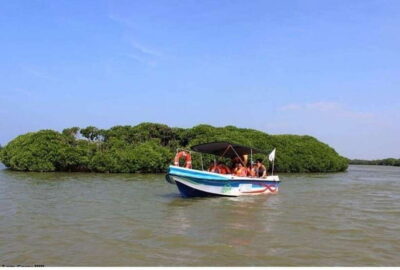
Sightings to Watch For: Blue Whales, Sperm Whales, and Spinner Dolphins
Let’s talk about what you’re actually hunting for. The tour is aimed at whales and dolphins off Trincomalee, with a clear focus on:
- Blue whales
- Sperm whales (usually in smaller numbers)
- Spinner dolphins (often the most reliable sighting)
The tour notes that most sightings occur between March/April and August/September. It also gives a rough expectation for the likelihood of seeing each type of animal: about 50% for whales and about 90% for dolphins. That gap is important because it tells you what to optimize for.
If dolphins are your priority, you’re choosing a tour type that leans toward success. If you’re specifically hoping to see blue whales, the odds are still meaningful, but you should plan for the reality that some days will be quieter.
Another useful detail is the location logic. Blue whales are often mentioned around 6 to 8 nautical miles east. That means you’re not just drifting aimlessly. You’re heading toward a known search zone, which is exactly what you want on a short cruise.
And when you do get a sighting, the best move is to stay alert rather than trying to “figure it out” at first glance. Dolphins can show up quickly and move fast. Whales are sometimes slower to surface and can disappear again before you’re sure what you’re looking at.
Included Basics vs. What You’ll Need to Add
This is one of those tours where the included items are simple, but that simplicity helps you decide. Included are:
- Safety jacket
- Bottled water
That’s it in the basic listing. In practice, what often changes your day quality is what’s bundled in your specific package. Some tour options can include food, beverages, and even transfers from your hotel, but those perks aren’t guaranteed across the board.
So here’s how I’d plan it so you’re not caught off guard:
- If you do not want to think about food and drinks, pick a tour option that explicitly includes meals or snacks and beverages.
- If you’re staying away from Nilaveli, ask about hotel transfers when booking, since hotel pickup and drop-off may be available only for an added charge.
- If you arrive on your own, set your route to the meeting point in advance. The tour meets at Pigeon Island Tours in Gopalapuram, Nilaveli.
You’ll also get a mobile ticket, which is handy, but still treat it as an arrival-day task. Have it ready on your phone.
Getting There: The Nilaveli Meeting Point and Local Flow
The tour starts at Pigeon Island Tours, Gopalapuram, Nilaveli (the meeting point is listed in the Nilaveli area). The end point is back at the same meeting point.
The location detail that matters for you is that it’s near public transportation. That’s helpful if you’re traveling on a budget or you just don’t want to lock in a private transfer.
Since the tour is short, the last thing you want is to lose time searching for where to check in. I recommend showing up early enough to get oriented, especially if you’re arriving by local transport. Once you’re at the shop, ask where the boat load-in happens so you can be ready when your group is called.
Guide Communication and Expectations on the Boat
Wildlife cruises run on spotting and quick coordination. That means communication matters, even if you don’t need a lecture.
One real-world issue is language. Some trips have been reported with guides who spoke little or no English. The important part is to adjust your expectations. You might not get a lot of in-depth explanation about whales and dolphins, even if the crew is hardworking and focused on finding them.
So what should you do?
- Come in expecting the spotting to be the value, not a detailed lecture.
- If you want basic context, write down a few simple questions in advance, like what species is most likely that day or how the crew decides where to search.
- If your goal is photography, ask how they handle positioning when an animal surfaces.
If you keep the bar realistic, you’ll be less frustrated and more able to enjoy the actual sightings.
Weather, Sea Conditions, and How to Protect Your Odds
This is a “good weather required” kind of tour. The operator states it requires good weather, and if it gets canceled due to poor conditions, you’ll be offered a different date or a full refund.
That’s not just policy language. It’s a reality for the coast. Rougher seas can reduce comfort, limit how far you can go, and reduce the time you can safely spend searching.
To protect your odds, try to build flexibility into your schedule. If you only have one day in Trincomalee and you can’t reschedule, any weather problem hurts more.
If you can, consider booking a date that matches your overall plan but still leaves you some buffer. And pack for wind and spray. Even on calmer days, you’ll likely spend time on open water.
Price and Value: Is About $30 Per Person Worth It?
At around $30 per person, this is positioned as an accessible way to do whale and dolphin watching in Sri Lanka. The value math comes down to three things: odds of sightings, what’s included, and how short the outing is.
First, the tour gives strong odds for dolphins and moderate odds for whales. If your priority is spinner dolphins, that probability is a big part of the value.
Second, included items are minimal but useful: safety jacket and bottled water. Those aren’t glamorous, but they remove small hassles.
Third, the short duration helps you get the experience even if you’re busy sightseeing elsewhere. You’re not committing to a full-day sail just to test your luck.
Where value can feel weaker is if timing runs shorter than expected or if you were hoping for more interpretive content. Some people have felt the outing didn’t hit the full listed length. That’s a good reason to confirm expectations when you book and to mentally treat it as a spotting session, not a timed theater show.
Also remember that hotel transfers, breakfast, snacks, and beverages may only be included on certain options. So always compare package totals, not just the base per-person price.
Should You Book This Whale and Dolphin Watching Tour in Trincomalee?
I’d book it if these are your priorities:
- You want a real chance at spinner dolphins, and you’re traveling in the higher-odds months.
- You prefer a short trip that fits into your itinerary rather than a full-day commitment.
- You like the idea of small groups or private formats, so you can watch without total crowding.
I’d hesitate if:
- You expect a long, guided lecture with lots of explanations in English. Some departures have had limited English on board.
- You want guaranteed sightings. The operator’s own odds show dolphins are more likely than whales, and there is still a chance of no sightings on a given day.
- You’re budgeting tight and you haven’t selected a package that includes snacks, drinks, or transfers you’ll need. The base includes only water and safety gear.
If you’re in the sweet spot, you’re likely to feel it was money well spent. Even one solid dolphin encounter can make the trip feel worthwhile, and the chance of whales is a nice extra.
FAQ
How long is the whale and dolphin watching tour?
The tour is listed as about 3 hours (approx.). There are also options for full-day cruises.
Where does the tour start and end?
It meets at Pigeon Island Tours in Gopalapuram, Nilaveli, and it ends back at the same meeting point.
What is included in the price?
Included items are a safety jacket and bottled water.
Do I get hotel pickup and drop-off?
Hotel pickup and drop-off are not included by default, but they can be arranged for an additional charge upon request.
What are the chances of seeing dolphins or whales?
The tour states a high chance of sightings, with about 50% for whales and about 90% for dolphins, though some days may still not have sightings.
What happens if weather is bad?
The tour requires good weather. If it’s canceled due to poor weather, you’ll be offered a different date or a full refund.
More Tours in Sri Lanka
More Tour Reviews in Sri Lanka
The Trincomalee Coast
Still browsing Sri Lanka? Start here
- Colombo privet Day Tour and shopping★ 5.0 · 3 reviews
- Colombo/ Negombo: Kithulgala White Water Rafting Adventure★ 5.0 · 3 reviews
- Udawalawe National Park Safari and Elephant Transit Home★ 5.0 · 3 reviews
- Yala National Park Wildlife safari from Mirissa★ 3.3 · 4 reviews
- Udawalawe: Farm to Table Cooking & Authe: Village Experience★ 4.7 · 4 reviews
Trincomalee Tours, compared.
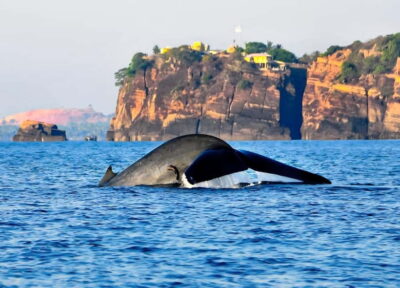 ★ 4.4Trincomalee: Whales Watching and Navy Island Snorkeling TourFrom $8481 reviews
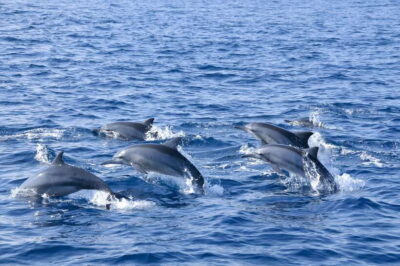 ★ 4.2Trincomalee: Whale & Dolphin Safari Tour with Expert GuidesFrom $7153 reviews
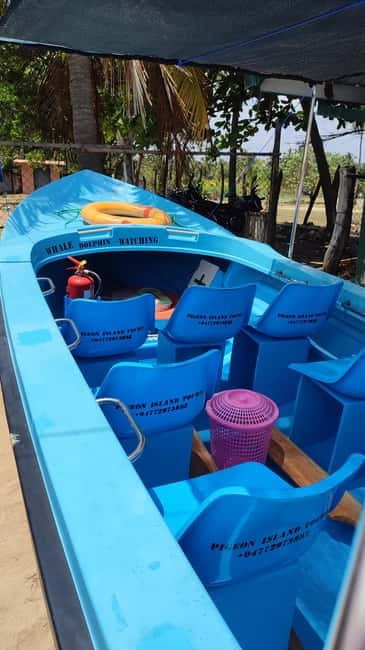 ★ 4.2Trincomalee: Dolphin & Whale Watching Boat TourFrom $4037 reviews
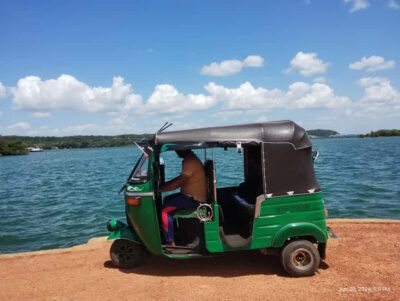 ★ 4.6Nilaveli: Trinco City tour by Tuk TukFrom $3016 reviews
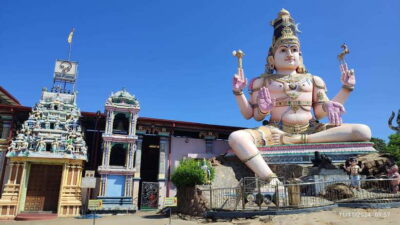 ★ 4.5Trincomalee: City Tour with Koneswarm and Crocodile lakeFrom $3013 reviews
 ★ 3.6Minneriya: Private Jeep Safari From TrincomaleeFrom $15910 reviews
 ★ 5.0Adventure 2 days trip from trinco to sigiriya, with wild safariFrom $22010 reviews
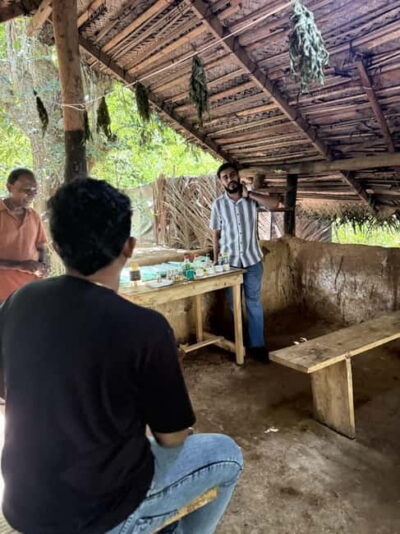 ★ 5.0From Trincomalee: Village Tour & Minneriya Elephant SafariFrom $1188 reviews
Browse the lists this tour appears in