
REVIEW · UDAWALAWE SAFARIS
Udawalawe National Park Safari and Elephant Transit Home
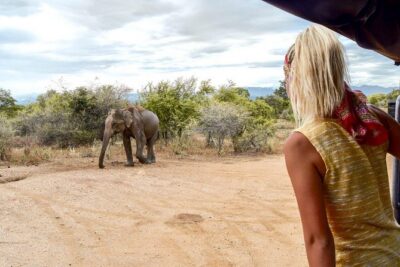
Elephants and big birds do not take long to find here. This private Udawalawe safari pairs a serious game drive with an elephant transit home visit, so your day has both wild action and a clear purpose. You also get the luxury of time, not a rushed checklist.
What I like most is the private 4×4 setup. You can linger when you spot wildlife, and your guide can reposition you as needed without worrying about syncing with other jeeps. I also really valued the long guiding experience, plus English live guidance that helps you understand what you are seeing, not just what you are spotting.
The main catch to plan for is cost on top of the base price. The tour fee is $40 per person, but Udawalawe National Park entry tickets are not included and add $37 per person, and breakfast or lunch is not provided.
In This Review
- Key highlights to look forward to
- Why Udawalawe makes sense for a half-day safari
- Private 4×4 logistics, pickup, and what 5 hours means
- The safari drive: how your guide helps you actually spot wildlife
- Terrain inside the park: grasslands, forests, and wetlands
- Elephant transit home: what this stop adds to the safari
- The animals and bird species you should look for
- Price and value: $40 plus the real entry ticket total
- What to expect during your day, from pickup to drop-off
- Who should book this safari and transit home visit
- Practical tips that make the safari easier
- Should you book this Udawalawe National Park safari with elephant transit home?
Key highlights to look forward to
- Private 4×4 safari jeep with flexible time to watch wildlife
- 10+ years guide experience with live English interpretation
- Elephant transit home visit alongside your national park safari
- Snacks and bottled water included, no breakfast or lunch
- Free hotel pickup and drop within the Udawalawe area
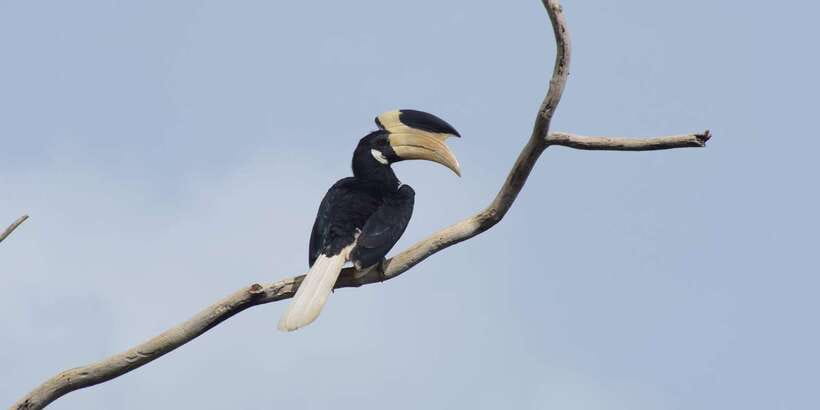
- Endemic bird chances including Sri Lankan Jungle fowl, Spurfowl, and Wood shrike
Udawalawe, compared run by run
- Udawalawe National Park Entrance Ticket with Private Safari
★ 5.0 · 115 reviews - Udawalawe National Park Safari
★ 5.0 · 71 reviews - UDAWALAWA National Park ALL INCLUSIVE Tour with PICK UP INCLUDED
★ 4.5 · 60 reviews - Udawalawe National Park Safari with Elephant Transit Home Visit
★ 4.5 · 26 reviews
Why Udawalawe makes sense for a half-day safari
Udawalawe National Park is one of the easiest places in Sri Lanka to “get results” on wildlife time. It is set on the boundary of Sabaragamuwa and Uva Provinces, and it covers about 308 square kilometers. The park was established in 1972 to protect the catchment area of the Udawalawe Reservoir, so the whole system is tied to water and habitat.
What that means for you is simple: wildlife tends to concentrate where survival depends on water and cover. During your safari, you will be moving through grasslands, forests, and wetlands, so you are not locked into one scenery type for hours. You are also not stuck guessing, because your guide is there to point you toward the best viewing areas as conditions change.
Private 4×4 logistics, pickup, and what 5 hours means
This is a private tour, and it matters more than you might think. With one jeep and one guide-driver team, you do not have to negotiate sightlines or wait for other groups to agree. If you want to watch an animal for a few extra minutes, you can.
The total duration is listed as 5 hours. In practice, think of it as a main chunk inside the park plus time for the elephant transit home stop, plus driving and the small breaks that happen naturally when wildlife decides to show up. The good part: you get a full safari day feel without committing to a full day away from your hotel.
Pickup and drop are included for the Udawalawe area, which removes a lot of stress. You do not have to coordinate transport yourself. Just confirm your pickup point with the provider ahead of time, especially if you are staying just outside the Udawalawe area.
The safari drive: how your guide helps you actually spot wildlife
Your guide is the heart of this experience. The tour notes a driver and guide with more than 10 years of experience, and the reviews back up that this is not just a resume line. The vibe you want on a safari is calm focus, and that usually comes from doing it day after day, knowing where animals have a habit of appearing.
I like that the experience is set up so you can take as much time as you want to see animals. That sounds obvious, but in many places you end up on a tight schedule where the best sightings happen while you are still shifting positions. Here, your guide can slow down when something is worth it.
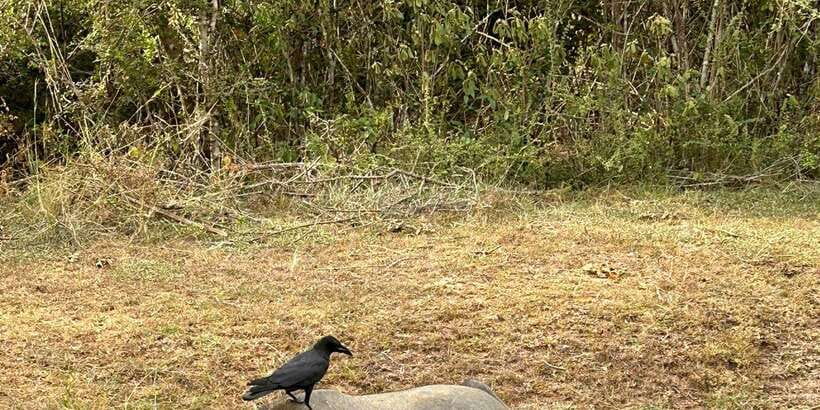
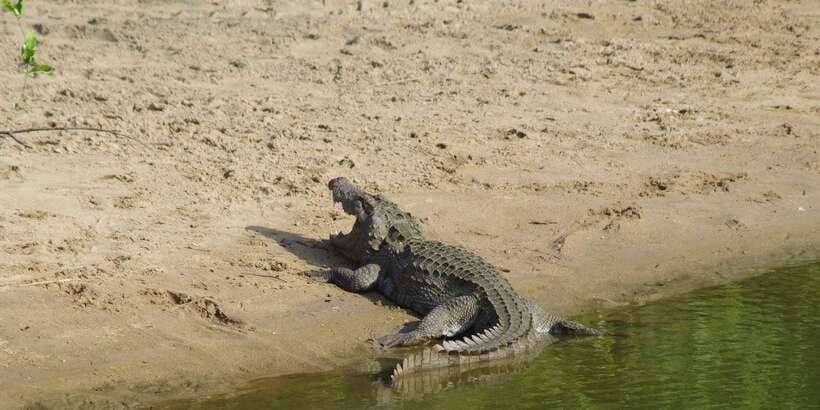
What you can realistically hope to see during the safari includes elephants, leopards, Sambar deer, jungle cats, crocodiles, water buffalo, foxes, mongooses, jackals, wild boar, and a variety of birds. Some of those are easier than others. Elephants and birds often feel more consistent, while big cats and leopard sightings can be more of a timing thing. Either way, the guide’s job is to put you in the right areas.
More time with elephants in Sri Lanka
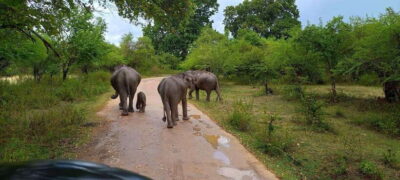
Terrain inside the park: grasslands, forests, and wetlands
Udawalawe’s mix of habitats is exactly why it works. You are not hunting for animals in a single kind of environment.
- Grasslands are often where you can spot large animals moving or feeding. They also tend to open up your view and make birdwatching easier.
- Forests can be where you catch action you would miss on open ground, especially smaller mammals and birds that prefer cover.
- Wetlands are key because water draws wildlife in. Even if you do not see crocodiles right away, you may see signs of activity around water edges.
As you drive, pay attention to what the guide is watching for: recent movement, feeding behavior, and where the light and visibility line up. When the jeep slows down, it is usually for a reason. Sit steady, keep your eyes moving between the ground and the trees, and let your guide call out what you are looking at.
Elephant transit home: what this stop adds to the safari
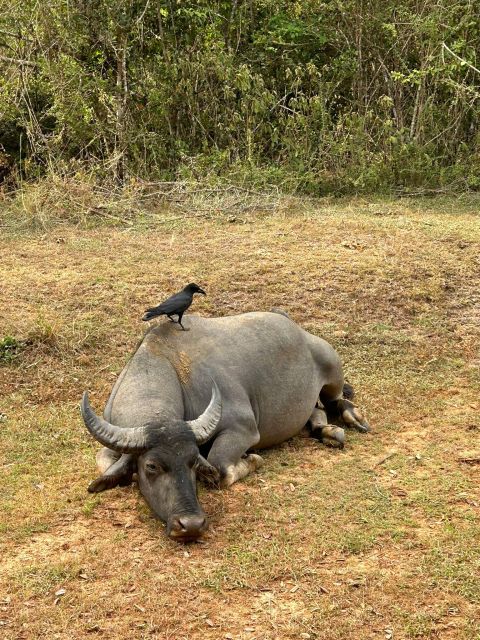
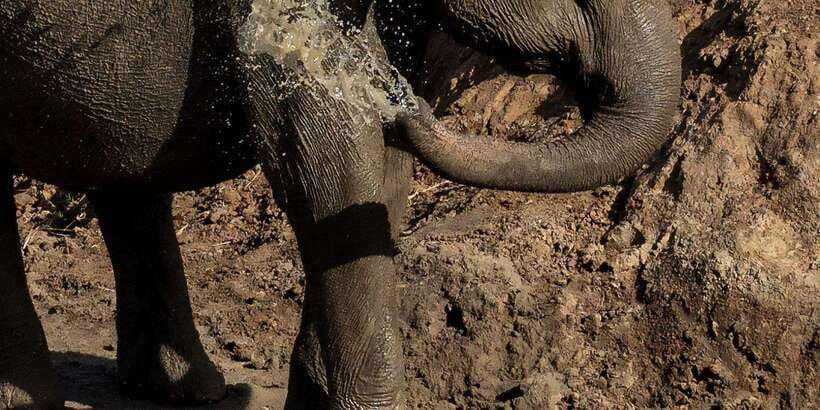
The safari is the headline, but the elephant transit home visit adds a lot of meaning. This is not just another photo stop. It is a chance to connect what you saw in the wild with how elephants are supported when they are in transitional care.
In terms of what to watch, keep your focus on behavior. Look for calm social interactions, feeding activity, and general health indicators like alertness and movement. If you can, listen to your guide on what the facility is doing and why the elephants need this environment before reintroduction or longer-term placement.
Also, remember that rules are there for a reason. The tour data notes that drones are not allowed, and alcohol and drugs are not allowed either. Follow any staff instructions on where you can stand and how close you can get. Your job is to observe respectfully, not to create chaos for the animals.
The animals and bird species you should look for
Udawalawe is famous for elephants, but it is also a strong bird destination. You might see endemic species, meaning birds that occur naturally in Sri Lanka and nowhere else. The tour information specifically calls out Sri Lankan Jungle fowl, Sri Lankan Spurfowl, and Sri Lankan Wood shrike.
Here is how I recommend you approach bird spotting without needing fancy gear. First, watch for quick movement. Then scan for stillness. A lot of birds hide by freezing, then becoming visible when they shift. If your guide points out a bird, take 30 seconds and follow the full sightline, because birds often “hop” out of view fast.
For mammals and reptiles, work with your guide’s pace. If you spot elephants, give them space in your head even when you are excited. From a viewing standpoint, their behavior tells you what is happening next. For crocodiles, watch for eye placement, body exposure near water, and any subtle drift.
Price and value: $40 plus the real entry ticket total
Let’s talk money in a straight way. The tour price is $40 per person, and it includes a private 4×4 safari jeep, an elephant transit home visit, your experience driver and guide with more than 10 years experience, and free hotel pickup and drop within the Udawalawe area. You also get snacks and bottled water.
But you must budget for park entry tickets. Udawalawe National Park entry tickets are not included, and they are listed at $37 per person. The elephant transit home entry tickets are also not included, but the exact cost is not provided in your tour details.
So the value question becomes: is paying for a guide and private jeep worth it? For me, the answer is yes when you want flexible viewing time and the ability to move smarter. With a private safari, you are paying for control and attention, not just transport. If you are the type who wants to stop for a sighting and stay with it, this format pays off.
What to expect during your day, from pickup to drop-off
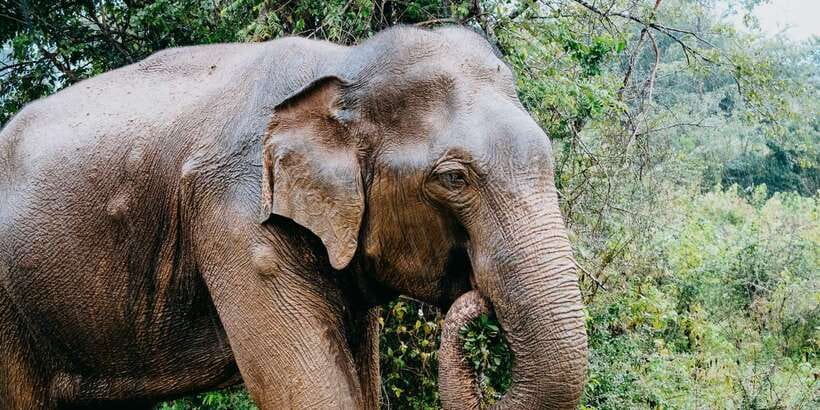
Your day usually flows like this. You get picked up in the Udawalawe area, then you head to the park for the main safari portion. Expect a mix of driving and waiting for the right moment to spot animals. The guide is the one who handles timing and repositioning, and the tour is designed so you can take your time watching animals when they show up.
Then you transition to the elephant transit home visit. Think of it as a calmer, more observational segment compared to the constant scanning of a jeep safari. You will end with a return drive and drop-off in the Udawalawe area.
Because there is no breakfast or lunch included, you should plan to eat before you start and then handle meals later. You will have snacks and bottled water, which helps, but it is not a substitute for full meals.
Who should book this safari and transit home visit
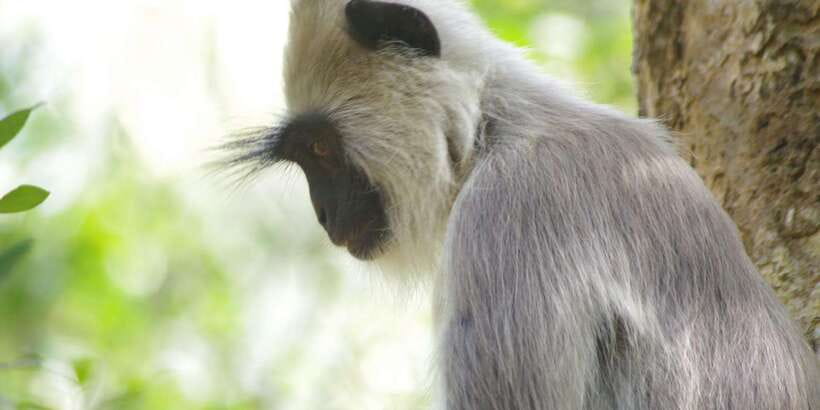
This tour fits best if you want a guided safari where seeing wildlife is the priority. It is also a good choice for couples or small groups who like the privacy of a dedicated jeep. If you want to focus on animal behavior and learn what you are seeing, the live English guide is a big advantage.
It is also worth considering for bird lovers. The chance to see endemic birds like the Sri Lankan Jungle fowl, Spurfowl, and Wood shrike can make the safari feel more than just elephant spotting.
One important limitation: it is not suitable for people with mobility impairments, so keep that in mind if you need step-free access or extra support.
Practical tips that make the safari easier
A few small choices can improve your comfort a lot, especially in a warm outdoor setting.
- Wear light, breathable clothes and shoes you can walk in comfortably.
- Bring a hat and sunglasses if you tend to get glare in bright light.
- Keep your phone charged, but remember drones are not allowed.
- Bring a small layer for early or late hours if you are sensitive to cooler wind.
- Stay close to the jeep rules and your guide’s instructions, especially at water edges.
Also, be realistic about wildlife watching. Even the best guide cannot control where animals choose to appear. The difference here is that your guide has time and experience to try smart options, and you get flexible viewing time once something is spotted.
Should you book this Udawalawe National Park safari with elephant transit home?
Book it if you want a private, guided half-day that is built around real wildlife viewing, with the added emotional and educational component of an elephant transit home visit. The $40 base price becomes more expensive after entry tickets, but the private jeep and experienced guide can still feel like strong value if you hate rush and want time to watch.
Skip or reconsider if you need a tour that includes full meals, because breakfast and lunch are not included. Also pass if mobility is an issue for your group.
If your goal is elephants, birds, and an efficient Sri Lanka wildlife day without the stress of juggling transport, this is an easy yes.
More Tour Reviews in Sri Lanka
More Elephant Days
Udawalawe: The Other Runs
Still browsing Sri Lanka? Start here
- Colombo privet Day Tour and shopping★ 5.0 · 3 reviews
- Colombo/ Negombo: Kithulgala White Water Rafting Adventure★ 5.0 · 3 reviews
- Udawalawe National Park Safari and Elephant Transit Home★ 5.0 · 3 reviews
- Yala National Park Wildlife safari from Mirissa★ 3.3 · 4 reviews
- Udawalawe: Farm to Table Cooking & Authe: Village Experience★ 4.7 · 4 reviews
Udawalawe Safaris, compared.
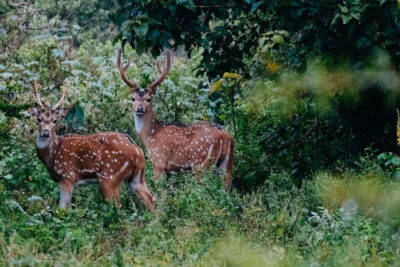 ★ 4.9Udawalawe National Park: Elephant Safari with Expert GuideFrom $30641 reviews
 ★ 4.9Udawalawe: National Park Safari & Elephant Transit Home TourFrom $21183 reviews
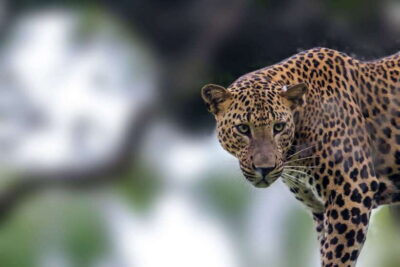 ★ 4.8Udawalawa National Park Safari Tour with Experienced GuidesFrom $19122 reviews
 ★ 5.0Udawalawe National Park Entrance Ticket with Private SafariFrom $27115 reviews
 ★ 4.8Hikkaduwa/Galle/Weligama/Mirissa/Tangalle: Udawalawa SafariFrom $27114 reviews
 ★ 4.7From Mirissa/Galle/Hikkaduwa: Udawalawa National Park SafariFrom $27106 reviews
 ★ 5.0Udawalawe National Park Wildlife Safari ToursFrom $4078 reviews
 ★ 5.0Udawalawe Safari DayTrip frm Bentota/Kalutara/Ahungalla/HikkaduwaFrom $20077 reviews
Browse the lists this tour appears in