
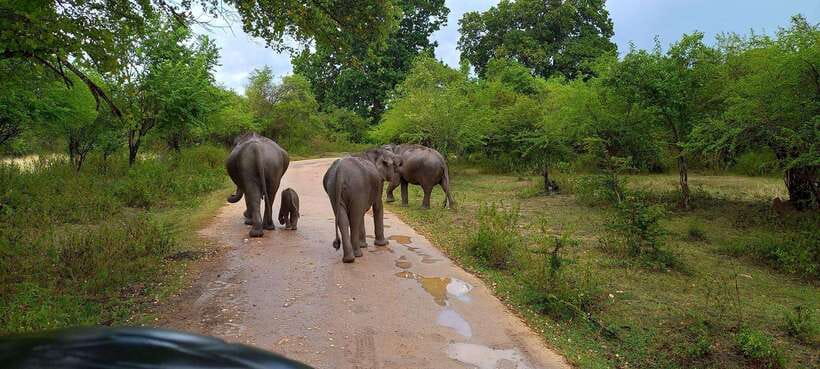
REVIEW · UDAWALAWE SAFARIS
Udawalawa National Park Safari & Elephant Transit Home Tour
Elephants lead the show in Udawalawa. This 4-hour safari mixes big-animal spotting with a visit to the Elephant Transit Home, where you see rescued elephants get cared for. I like how the tour starts with hotel pickup, so you spend your morning actually watching, not figuring things out.
Two things I really enjoy: the small 4×4 safari jeeps (max 6 people) keep the ride feel personal, and you get binoculars plus an English-speaking guide who helps you spot what’s easy to miss.
One heads-up before you book: the headline price does not include the National Park entry tickets (about $38 per adult) or the Elephant Transit Home fee (about $6), so your final total will be higher than the $15 figure.
In This Review
- Key Highlights You’ll Feel During the Tour
- Udawalawa National Park Safari in 4 Hours, How It Fits Your Day
- Getting Picked Up, Then Riding in a 4×4 Jeep With Real Viewing Space
- Safari Watching in Udawalawa: How Your Guide Helps You Actually See Animals
- Elephant Transit Home: What Rehabilitation Looks Like on the Ground
- Photo Tips and Comfort Checklist for a Half-Day Safari
- Price and Value: What the $15 Actually Covers
- Who Should Book This Udawalawa Safari and Elephant Transit Home Tour
- Should You Book This Tour?
- FAQ
- How long is the Udawalawa National Park Safari and Elephant Transit Home tour?
- Is hotel pickup and drop-off included?
- What is included in the tour price?
- Are national park entry tickets included?
- Is the Elephant Transit Home fee included?
- Are food and drinks included?
- What animals might I see on the safari?
- What are the group size and jeep details?
- Is the tour guide language English?
- Who should avoid this tour?
Key Highlights You’ll Feel During the Tour
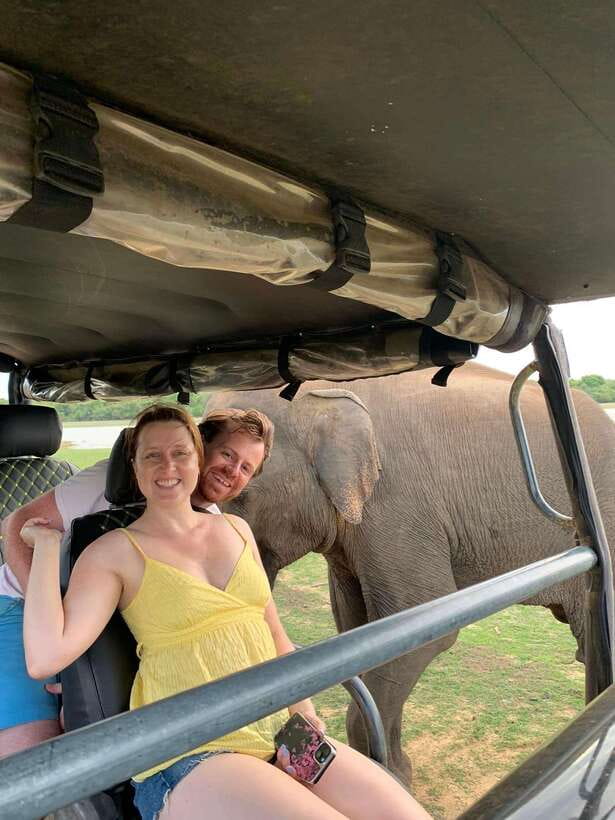
- Hotel pickup and drop-off in the Udawalawe area so the plan stays simple
- 4×4 safari jeeps capped at 6 passengers for a better viewing experience
- Wildlife focus with binoculars to help you actually see elephants and birds at a distance
- Elephant Transit Home visit to understand rehabilitation and release prep for rescued elephants
- Photos are allowed during the safari, which is great when elephant moments happen fast
- Budget for park and transit fees, since they’re listed as not included
Udawalawe, compared run by run
- Udawalawe National Park Entrance Ticket with Private Safari
★ 5.0 · 115 reviews - Udawalawe National Park Safari
★ 5.0 · 71 reviews - UDAWALAWA National Park ALL INCLUSIVE Tour with PICK UP INCLUDED
★ 4.5 · 60 reviews - Udawalawe National Park Safari with Elephant Transit Home Visit
★ 4.5 · 26 reviews
Udawalawa National Park Safari in 4 Hours, How It Fits Your Day
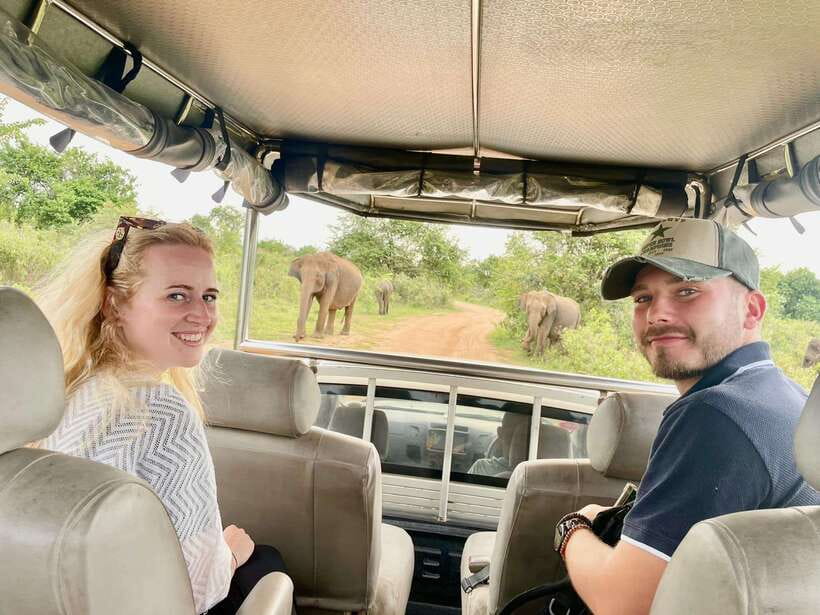
Udawalawa is one of Sri Lanka’s best places to chase elephants, and this tour is built for travelers who want a strong wildlife hit without giving up the whole day. The total time is 4 hours, which means the schedule is tight and focused. You’re not touring for hours around the park visitor area, you’re out in the safari route with a guide handling the key calls.
This short format works best if you’re juggling a packed itinerary in the Eastern Province, or if you just prefer to get back to a cold drink and a shower before you lose steam. You’ll typically start with pickup from your hotel, then head into the park for wildlife watching. After that, you switch gears for the Elephant Transit Home visit, before ending back at your hotel.
The tradeoff is simple: with only a half-day, you’re relying on your guide’s ability to find animals and on the day’s wildlife patterns. Safari tours are never a guarantee, and Udawalawa can be the same way on any given day. You’ll still get a meaningful experience even if elephants are your main sighting, but you should keep expectations realistic about seeing every animal listed.
Also, because your time is limited, wearing comfortable clothes and shoes matters more than you might think. The safari involves getting in and out of the jeep, moving for viewpoints, and spending time scanning. If you’re dressed for looks, you’ll pay for it. Dress for sitting upright, standing a bit, and staying comfortable as the day unfolds.
Getting Picked Up, Then Riding in a 4×4 Jeep With Real Viewing Space
Your tour begins with complimentary pickup from your hotel in the Udawalawe area. You’ll want to be ready early, since the guidance is to wait in the lobby about 10 minutes before your scheduled pickup time. That small detail helps the day run smoothly, especially if your hotel is a short ride from the meeting point.
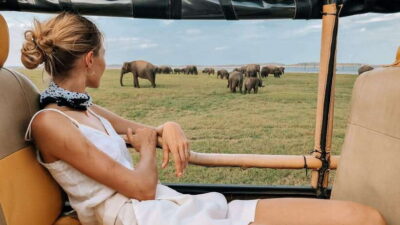
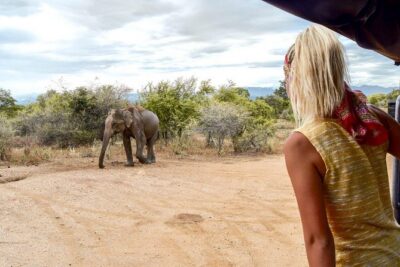
Once you’re in the jeep, you get what you came for: a 4×4 safari vehicle designed for the park roads and rougher patches. What I like here is the seating cap. The jeep fits up to 6 passengers, and that keeps the safari feeling less crowded and easier for the guide to manage. When you’re in a smaller group, it’s easier to look around, share sightings, and take photos without everyone blocking each other at the same moment.
There’s also a nice option for groups: for bookings of 5 passengers or more, you get a private jeep. That matters if you’re traveling with friends or family and you want your own space, or if you want a calmer experience with fewer voices and fewer heads competing for the same view.
One practical note: you’ll be on the go during the safari. So bring water if you need it, since food and drinks are not included. And if you’re sensitive to sun or dust, plan for it. You can take photos, but you’ll also be staring for long stretches, so don’t expect to do this tour in flip-flops and sunglasses only.
Safari Watching in Udawalawa: How Your Guide Helps You Actually See Animals
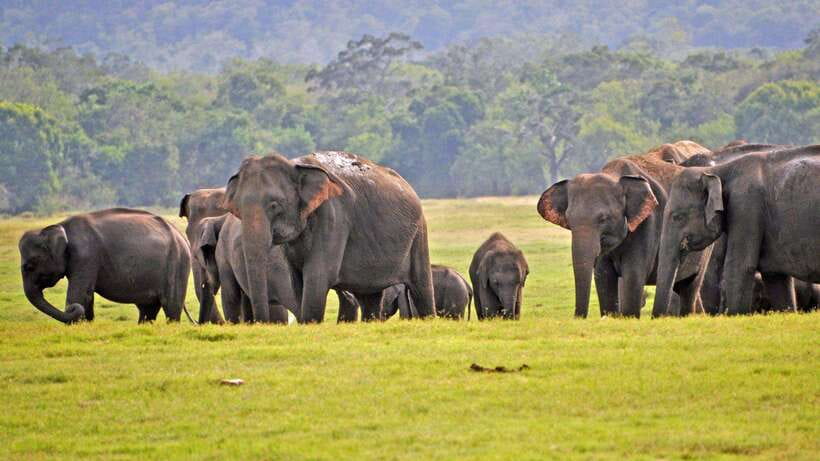
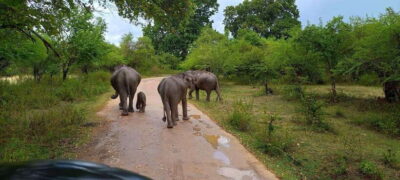
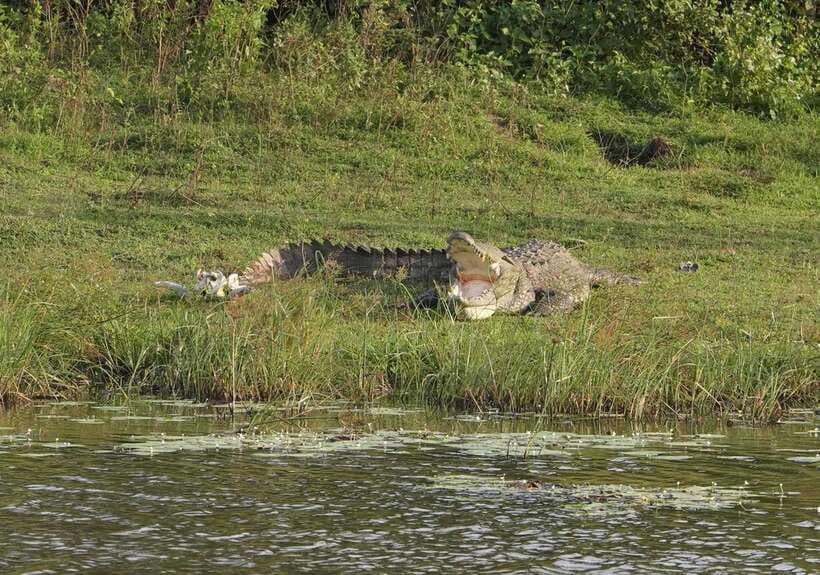
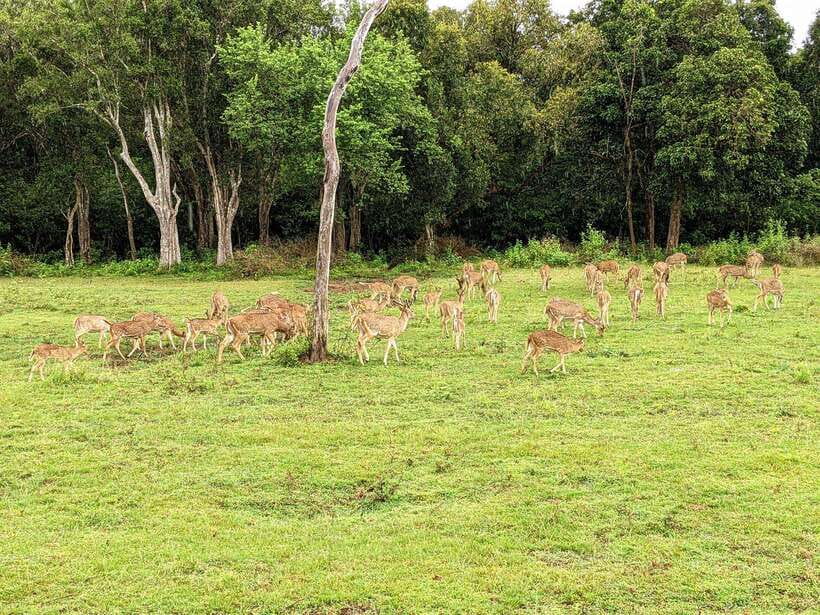
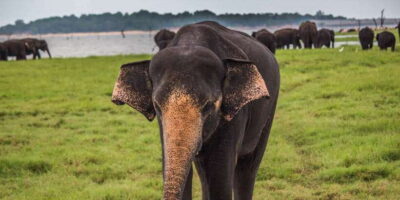
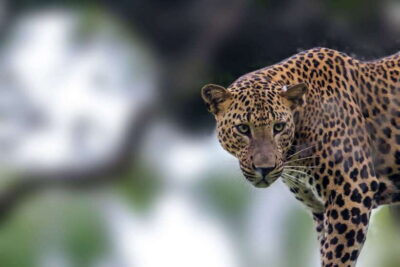
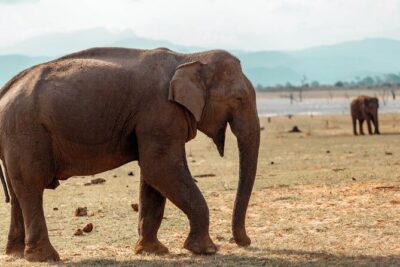
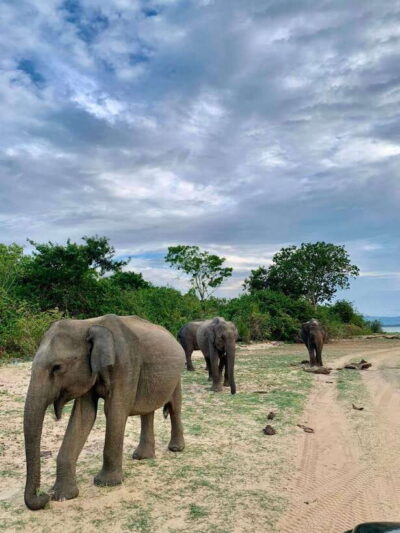
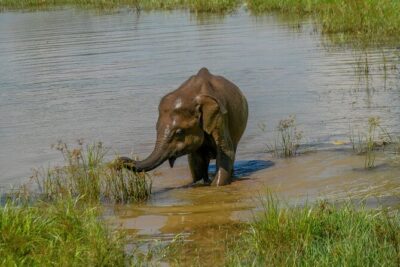
Udawalawa National Park is known for its elephant population, and that drives the whole experience. But the skill is in how you find and watch elephants, and how you notice the rest of the park life around them. This tour specifically aims to show you elephants plus other wildlife that may include crocodiles, leopards, bears, deer, and wild buffalo, along with birds.
Your guide is part of the reason this works. You’re not just riding and hoping. You’ll get an experienced guide who shares insights into wildlife behavior and ecology, so the sightings become more than a quick glance. English is provided as the live tour guide language, which helps if you want real explanations and not just directions.
Binoculars being included is a big deal. A lot of animals in a safari are far enough away that a naked-eye look turns into guesswork. With binoculars, you can follow movement, spot small details, and enjoy birdlife without feeling like you’re squinting into failure. The tour also gives you time to take pictures during the safari, which is ideal because wildlife moments can be short and unpredictable.
From the experience style, the safari follows a find-and-watch rhythm. In some conditions you’ll see more elephants, in others you may get fewer but still enjoy the park’s other signs. There’s also a difference between seeing an animal briefly and seeing it long enough to watch behavior. The best kind of safari days are the ones where you get to observe, not just record.
One small consideration based on real-world experience: on some days, elephants may be the standout sighting and other animals might be quieter. That doesn’t mean the tour is bad. It just means the park decides the day’s pace. If you’re coming mainly for elephants, you’re in the right place. If you’re trying to tick off every animal on the list in one outing, keep your plan flexible.
More time with elephants in Sri Lanka
Elephant Transit Home: What Rehabilitation Looks Like on the Ground
After the safari, the tour shifts from wild animal spotting to a more human side of conservation. You’ll visit the Elephant Transit Home, a place focused on rescued elephants. The key idea is care and rehabilitation, with preparation for release back into the wild. It’s the kind of stop that changes how you think about elephants, because you see the next chapter after the park moments.
The fee for the Elephant Transit Home is listed as not included (about $6). But the visit is part of the day’s route, so you should plan for that extra cost. Think of it as the part where your ticket turns into understanding, not just photos.
What you’ll likely appreciate most is the contrast. In the safari, you’re watching animals already in their environment. At the Transit Home, you’re seeing the process that helps rescued elephants return to a safer future. That makes the tour feel more grounded. You’re not only chasing wildlife. You’re also learning why wildlife needs help to stay wild.
This stop tends to be emotionally meaningful for a lot of people, but it’s also practical in the way it’s presented. You’re there to observe what care looks like, and why rehabilitation matters. If you’re the type who likes conservation with a clear goal, this portion is a strong match.
If you’re sensitive to seeing animals in a care setting, it’s still handled as a structured visit. Just know it can feel more serious than the safari ride.
Photo Tips and Comfort Checklist for a Half-Day Safari
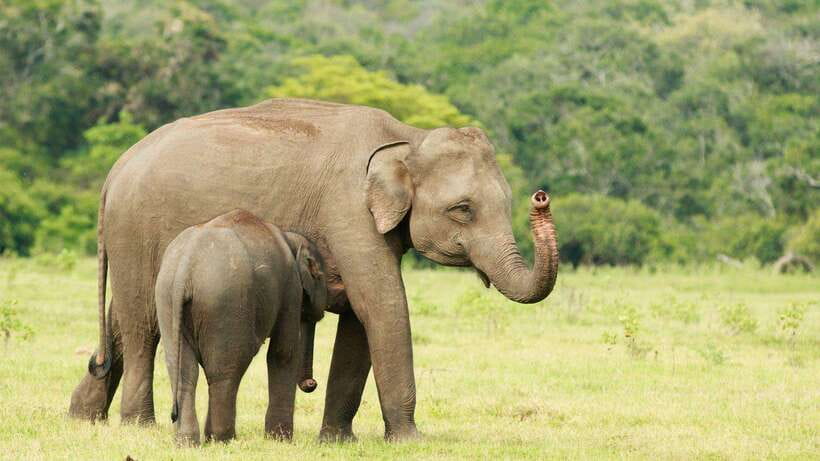
You’re allowed to take pictures during the safari, and that’s a plus because elephant sightings can be fast. The best photos often happen when you slow down and let the guide position you for the view. Don’t rush every shot. Watch for the moment when elephants or birds are calm enough to show details.
Here’s how I’d set you up for less stress:
- Wear comfortable shoes and comfortable clothes since you’ll be out and on uneven ground.
- Bring something for sun or dust if you feel exposed on open safari roads.
- Keep your camera gear simple. If you’re switching lenses constantly, you’ll miss the moment the guide spots something.
- Use the included binoculars before you decide you need a photo. Sometimes what looks like nothing becomes obvious once you magnify movement.
Also, since food and drinks are not included, plan your day around that. You don’t want to be hungry during wildlife viewing, and you also don’t want your energy to crash before the Transit Home visit. Even a small snack can make a big difference.
If you love birdlife, the guide can help you pick out what you’re seeing. The binocular time is especially helpful here, because birds often look like tiny dots unless you can zoom in.
Price and Value: What the $15 Actually Covers
The tour price is listed at $15 per person, with a 4-hour duration and hotel pickup and drop-off in the Udawalawe area. Included in the tour are the Udawalawe Safari Tour, visit to the Elephant Transit Home, 4×4 safari jeep, an English-speaking live guide, and binoculars.
But there are key exclusions that you should budget for:
- National Park entry tickets are listed as about $38 per adult
- Elephant Transit Home fee is listed as about $6
- Food and drinks are not included
So the real value story is not just the $15. It’s what you’re getting for that $15, which is mostly the transportation, guiding, and the safari experience structure. When you add the park and transit fees, the all-in cost rises, but you’re also paying for access to the place where the wildlife and rehabilitation work actually happens.
Is it still good value? For many people, yes, because you’re combining two experiences into one half-day: a safari in Udawalawa and a rehabilitation-focused visit. You’re not arranging separate guides or separate transport. You’re also getting binoculars and photo time, which helps you make the most of the limited hours.
And the small-group jeep matters. If you’ve done overcrowded safaris elsewhere, you know how quickly a bad seating situation ruins your attention span. Here, the cap at 6 passengers helps the day feel workable.
Who Should Book This Udawalawa Safari and Elephant Transit Home Tour
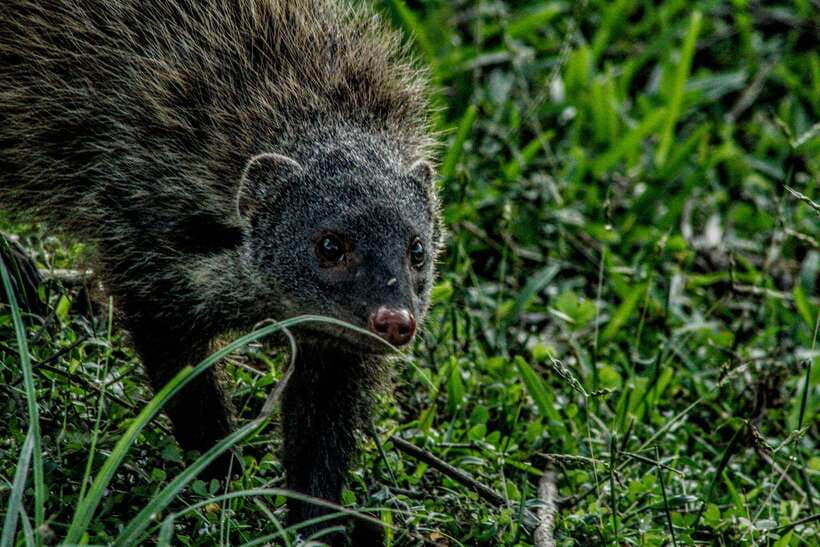
I’d point you toward this tour if you want a practical, focused wildlife day in Sri Lanka. It’s a strong fit if:
- You care most about elephants and want to maximize your chance in Udawalawa
- You like guided explanations, not just a drive through the park
- You want an experience that includes both wild observation and rehabilitation education
- You’re traveling with limited time and want a 4-hour plan that still feels complete
It’s not a great fit if you have restrictions. The tour is listed as not suitable for pregnant women and for people with back problems. Since you’ll be riding in a safari jeep and moving around for viewing, that makes sense.
If your travel style is flexible and you can handle the reality that wildlife sightings vary by day, you’ll enjoy the experience more. When elephants show well, this tour feels effortless. When the rest of the animal list is quieter, you’ll still leave with binocular-powered wildlife viewing plus a meaningful Transit Home visit.
Should You Book This Tour?
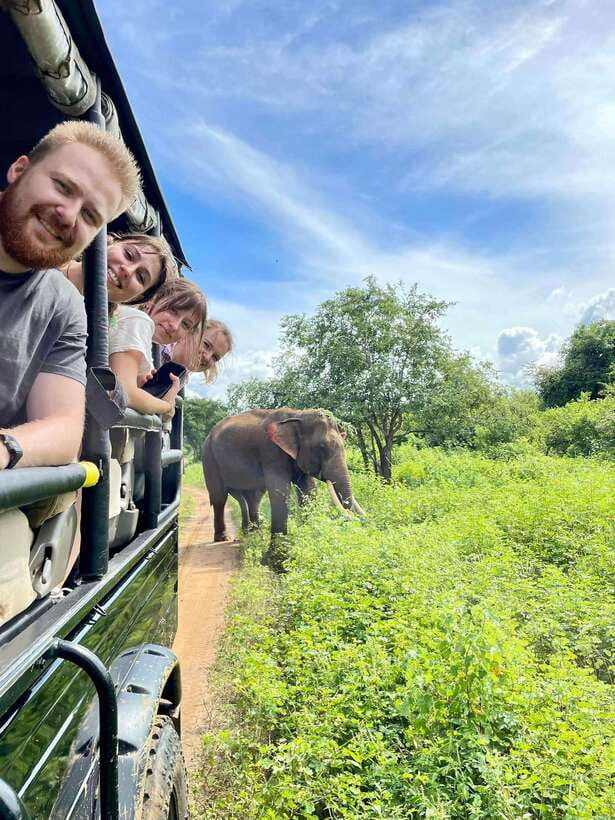
If you’re prioritizing Udawalawa elephants plus a conservation-minded Elephant Transit Home stop, I think this is a smart booking. The day is short, the jeep setup is small and comfortable, and the included guide support plus binoculars help you actually see what you came for.
Just do two things before you commit. First, budget for the park entry and transit home fees, since they’re not included. Second, be realistic about sightings. You might see lots of elephants, or you might get fewer. Either way, you’re still getting a well-structured half-day with two very different sides of Sri Lanka’s elephant story.
FAQ
How long is the Udawalawa National Park Safari and Elephant Transit Home tour?
The duration is 4 hours. Start times depend on availability.
Is hotel pickup and drop-off included?
Yes. Pickup and drop-off are included in the Udawalawe area, and you should wait in the hotel lobby about 10 minutes before pickup.
What is included in the tour price?
Included items are hotel pickup and drop-off in the Udawalawe area, a luxury 4×4 safari jeep, an experienced guide, the Udawalawa safari tour, the Elephant Transit Home visit, and binoculars.
Are national park entry tickets included?
No. National park entry tickets are not included and are listed as about $38 per adult.
Is the Elephant Transit Home fee included?
No. The Elephant Transit Home fee is not included and is listed as about $6.
Are food and drinks included?
No. Food and drinks are not included.
What animals might I see on the safari?
The safari aims to showcase elephants and other wildlife that may include crocodiles, leopards, bears, deer, and wild buffalo, plus birds.
What are the group size and jeep details?
The safari jeep holds a maximum of 6 passengers. If you book 5 passengers or more, you can enjoy a private tour in safari jeeps that accommodate up to 6 passengers.
Is the tour guide language English?
Yes. There is a live tour guide in English.
Who should avoid this tour?
The tour is not suitable for pregnant women or people with back problems. Alcohol and drugs are also not allowed.
More Tour Reviews in Sri Lanka
More Elephant Days
Udawalawe: The Other Runs
Still browsing Sri Lanka? Start here
- Colombo privet Day Tour and shopping★ 5.0 · 3 reviews
- Colombo/ Negombo: Kithulgala White Water Rafting Adventure★ 5.0 · 3 reviews
- Udawalawe National Park Safari and Elephant Transit Home★ 5.0 · 3 reviews
- Yala National Park Wildlife safari from Mirissa★ 3.3 · 4 reviews
- Udawalawe: Farm to Table Cooking & Authe: Village Experience★ 4.7 · 4 reviews
Udawalawe Safaris, compared.
 ★ 4.9Udawalawe National Park: Elephant Safari with Expert GuideFrom $30641 reviews
 ★ 4.9Udawalawe: National Park Safari & Elephant Transit Home TourFrom $21183 reviews
 ★ 4.8Udawalawa National Park Safari Tour with Experienced GuidesFrom $19122 reviews
 ★ 5.0Udawalawe National Park Entrance Ticket with Private SafariFrom $27115 reviews
 ★ 4.8Hikkaduwa/Galle/Weligama/Mirissa/Tangalle: Udawalawa SafariFrom $27114 reviews
 ★ 4.7From Mirissa/Galle/Hikkaduwa: Udawalawa National Park SafariFrom $27106 reviews
 ★ 5.0Udawalawe National Park Wildlife Safari ToursFrom $4078 reviews
 ★ 5.0Udawalawe Safari DayTrip frm Bentota/Kalutara/Ahungalla/HikkaduwaFrom $20077 reviews
Browse the lists this tour appears in