
REVIEW · KUMANA & BUNDALA SAFARIS
Kumana National Park : Morning or Afternoon Safari Tour
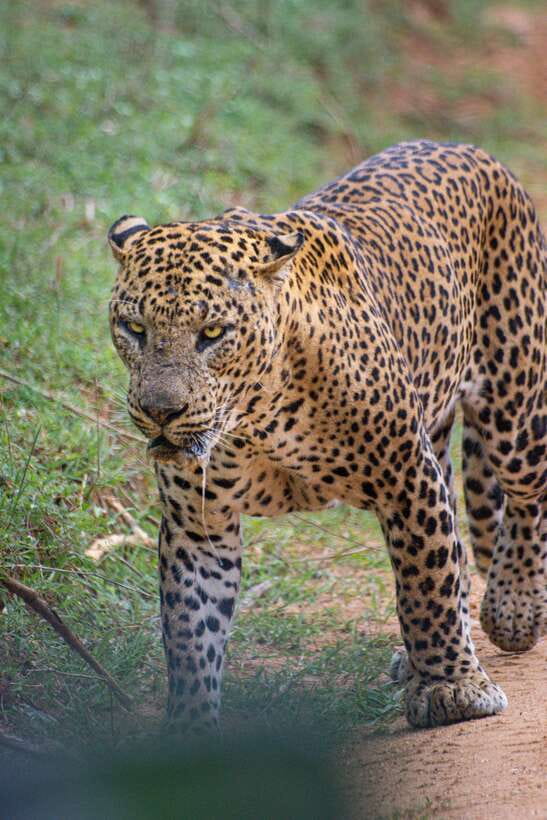
Leopards and birds in one half-day chase. A Kumana National Park safari is a smart way to aim for big wildlife and serious birdwatching during the same outing. Kumana, also called Yala East, is known for over 200 bird species, so even if the drama takes time, you still have a lot to work with.
I also like the human side of the trip: you get an English-speaking guide and use a 4×4 jeep built for game drives, not a city van. The main thing to consider is comfort and weather. If you end up in a more bumpy pickup-style vehicle, long sitting can feel rough, and in rain the back seats can get soaked if there is no plan for cover.
In This Review
- Key safari takeaways for Kumana (Tiger Safaris)
- Kumana National Park, or Yala East, in a tight 6-hour window
- Pickup zones: Panama, Pottuvil, and Arugam Bay
- The 4×4 safari jeep: comfort, photo angles, and real-world seating
- Entering the park: how the first hour sets the tone
- Kumana Villu (mangroves) and Kumbukkan Oya (the river drive)
- Wildlife targets: leopards, elephants, deer, crocodiles, and the “in-between”
- Guide style and pacing: how to maximize sightings without rushing
- Birds, cameras, and photo etiquette in the jeep
- Price and value math: what $47 really buys
- Food, water, and staying comfortable for the ride
- Weather reality: bring rain gear and manage the seating issue
- Who should book this safari, and who should skip it
- Should you book Tiger Safaris for Kumana?
- FAQ
- How long is the Kumana National Park morning or afternoon safari?
- Where does pickup happen?
- Is the national park entry ticket included in the price?
- What vehicle will I ride in?
- Is food and drinks provided?
- Is the tour wheelchair accessible, and is alcohol allowed?
Key safari takeaways for Kumana (Tiger Safaris)
- Birding-first planning: You spend time where the park concentrates bird life, including mangrove and river areas.
- Kumana Villu for photo-worthy birds: This mangrove swamp area is a magnet for bird activity.
- Kumbukkan Oya scenery: The river setting gives your drive a different feel than open grassland.
- Small jeep size: Your safari jeep is set up for up to 6 passengers, which helps you move as a unit.
- Wildlife isn’t guaranteed, but your odds improve: A good guide can read the habitat and position you for sightings.
- Comfort varies by vehicle: Ask what type of jeep you will use, especially if you are sensitive to bumps or back pain.
Kumana and Bundala, the quieter parks
- Kumana National Park Half Day Jeep Safari
★ 5.0 · 52 reviews - Kumana National Park : Morning or Afternoon Safari Tour
★ 4.5 · 32 reviews - Kumana National Park Safari | from Arugam Bay
★ 5.0 · 16 reviews
Kumana National Park, or Yala East, in a tight 6-hour window
Kumana National Park is in Sri Lanka’s Eastern Province, and it is one of the better choices when you want wildlife plus birds in the same morning or afternoon. This is not a long, slow day-trip where you only get a quick drive-by. You get a focused block of time inside the park, with the route shaped around the areas where wildlife and birds tend to show up.
The park’s bird reputation is not just marketing. With 200-plus species recorded, there are plenty of chances for owls, eagles, and other birds that make you stop the moment you hear them or spot movement in the trees. That birdwatcher value matters because Kumana is also a place where wildlife sightings can be hit-or-miss depending on conditions.
Pickup zones: Panama, Pottuvil, and Arugam Bay
This safari works well if you are staying around Arugam Bay or nearby towns, because pickup is offered from multiple locations. You can choose among Panama, Pottuvil, or Arugam Bay, and you are dropped back in the same area after the safari.
That sounds simple, but it changes how your day feels. Instead of coordinating your own rides to Kumana, you start with a planned pickup and end with a planned drop-off. You also know the timing expectation: you should be ready about 10 minutes before pickup, so you are not scrambling while the guide is waiting.
The 4×4 safari jeep: comfort, photo angles, and real-world seating
Your ride is a 4×4 safari jeep with a maximum of 6 passengers. If you book as a larger party, you can get a more private setup, since the jeeps can accommodate up to 6 people for a more flexible experience.
Two practical notes from how this kind of safari can play out. First, you want to sit where you can see and shoot safely, especially when animals are close to the track or when the guide brakes suddenly for a sighting. Second, comfort can depend on the exact vehicle used for pickup. If you have a history of back or neck soreness, it is worth asking the provider what type of vehicle you will use and how it will feel over the drive.
When it is raining, bring a mindset of protection, not just weather interest. In wet conditions, the back of the vehicle can be where you get more exposed if there is no covered arrangement, and that can turn a great sighting moment into an uncomfortable wait. A light rain jacket and a waterproof bag for your camera gear can save the day.
Other safaris we sat through
Entering the park: how the first hour sets the tone
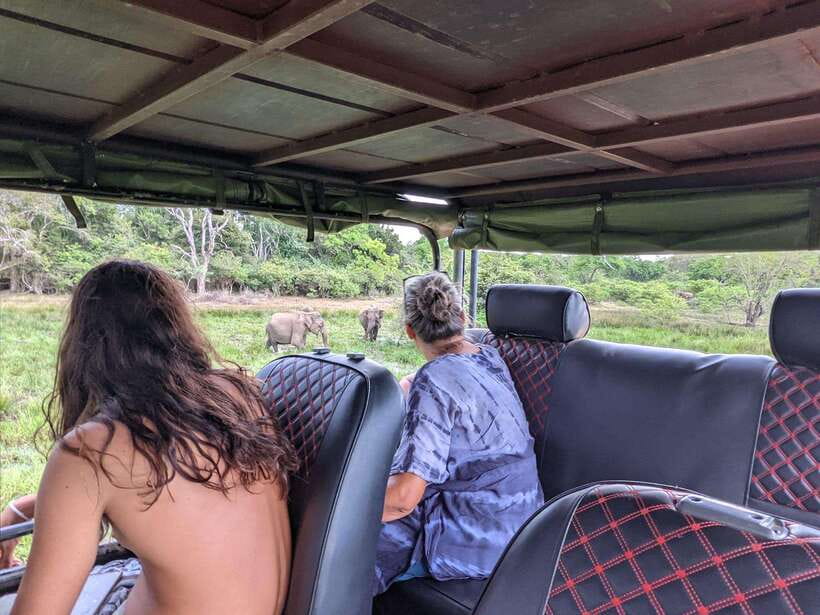
Once you are in the park area, the atmosphere tends to shift from road sounds to a quieter, more alive feeling. You are not just going for a single animal. The whole point is to scan for multiple categories of wildlife, and that includes large animals as well as birds.
This is where an experienced guide earns their place. The best guides do more than spot from the front. They guide your attention toward likely viewing spots, they help you interpret movement, and they adjust the route when conditions change. If your goal is photos, this is also where you start setting your preferences: do you want wide shots of birds in habitat, or tighter frames when animals appear near the track?
Kumana Villu (mangroves) and Kumbukkan Oya (the river drive)
Two of the park’s standout areas come up during the safari: Kumana Villu and Kumbukkan Oya. These are not just scenic stops. They are part of the logic behind where birds and wildlife concentrate.
Kumana Villu is a mangrove swamp. Mangroves bring shelter and food sources, and they tend to attract birds that rely on water edges and sheltered spots. If you are a bird photographer, this is the area where you might find more chances to capture birds in the kind of environment that gives them cover and gives you more varied angles.
Then there is Kumbukkan Oya, the river that flows through the park. Rivers change the light, add reflections, and create natural corridors where animals travel. Even when you do not see something big immediately, the river sections often make you more alert, because you can tell where movement might appear along the waterline.
If you care most about birds, keep your expectations flexible. You might get stretches of quiet where you are scanning for a distant shape, then suddenly get a good cluster of sightings. That pattern is normal in bird-focused safari driving.
Wildlife targets: leopards, elephants, deer, crocodiles, and the “in-between”
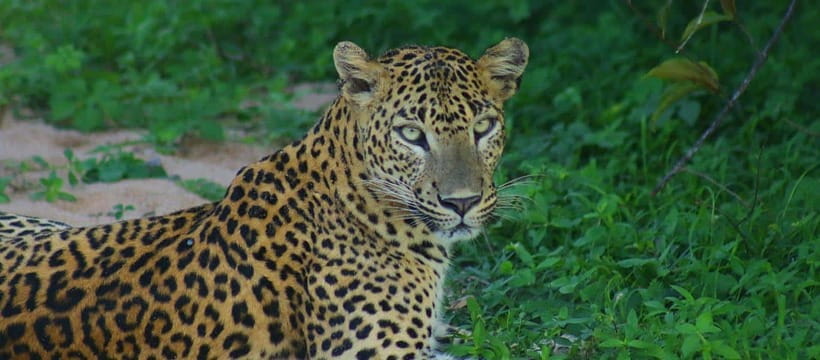
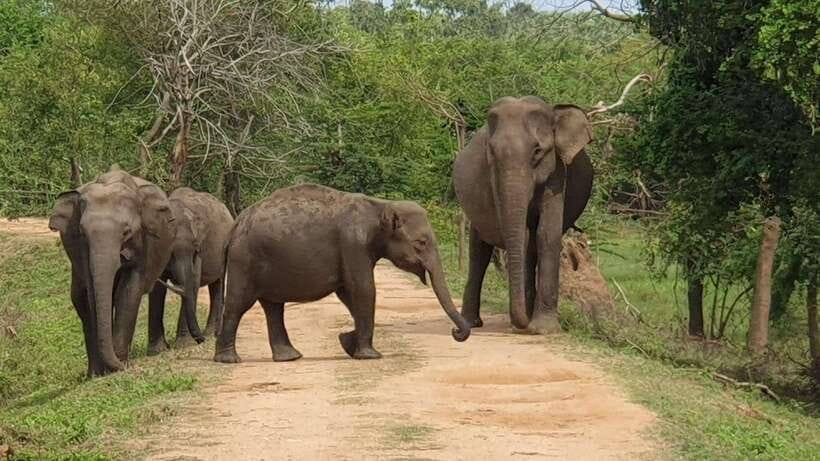
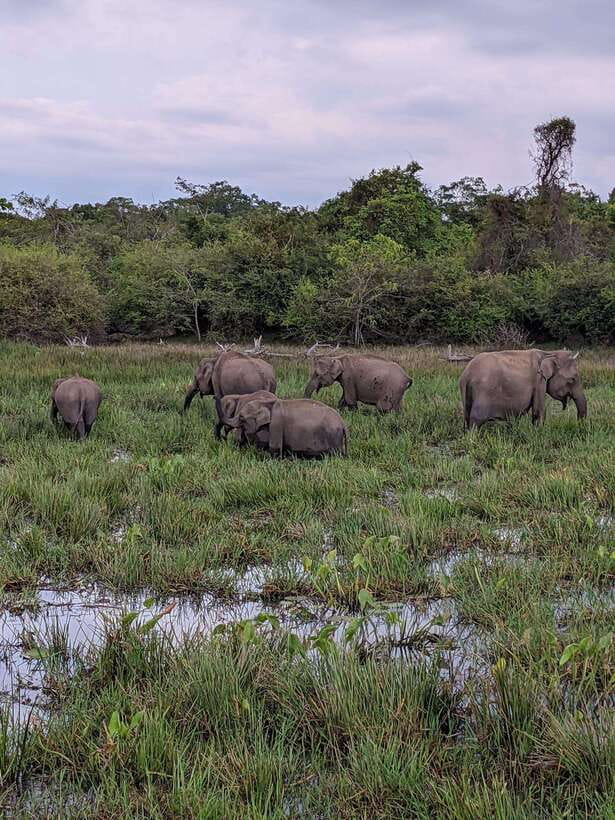
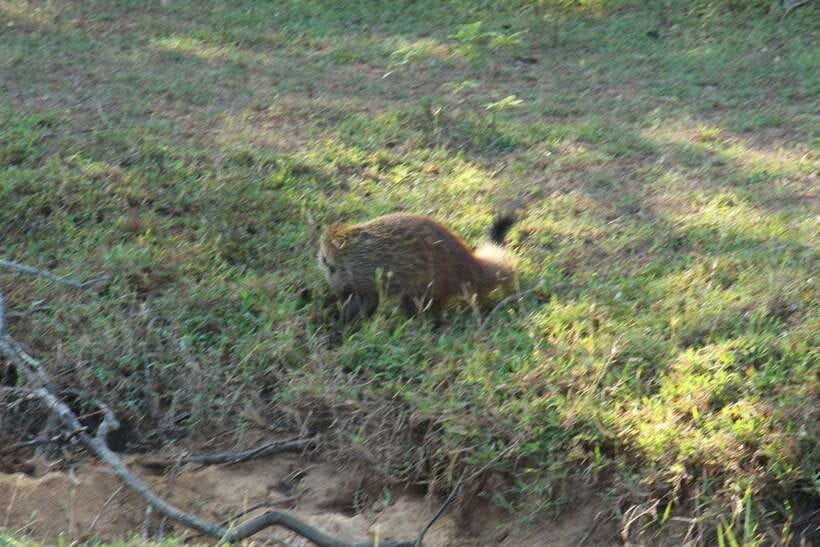
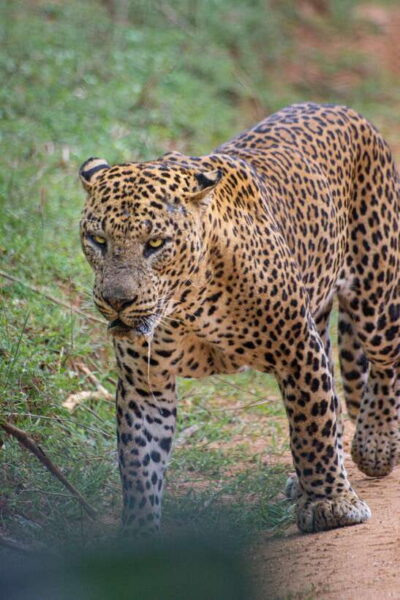
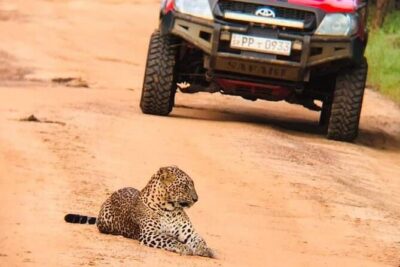
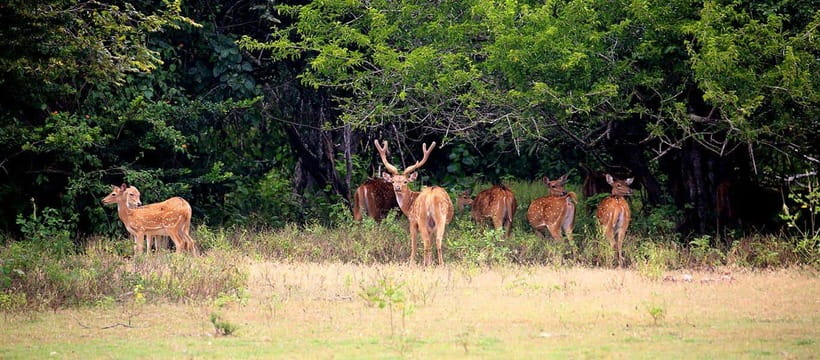
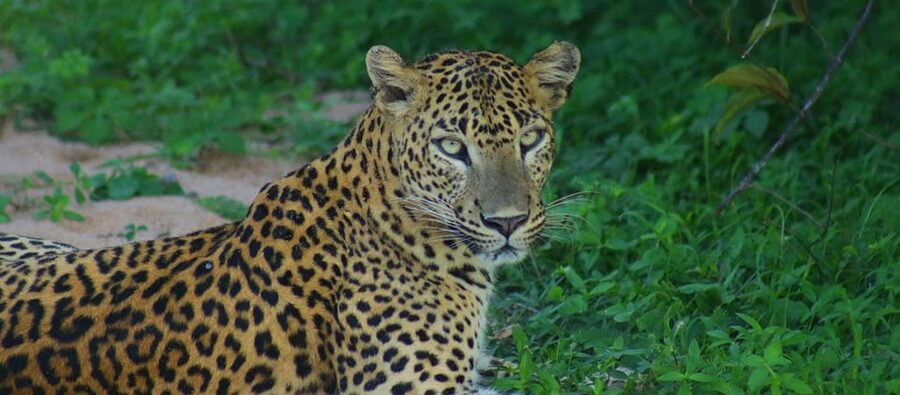
Kumana is famous for wildlife variety, and the tour aims directly at that. Your safari plan includes the possibility of seeing leopards, elephants, deer, and crocodiles, plus other nature and wildlife that show up while you are scanning.
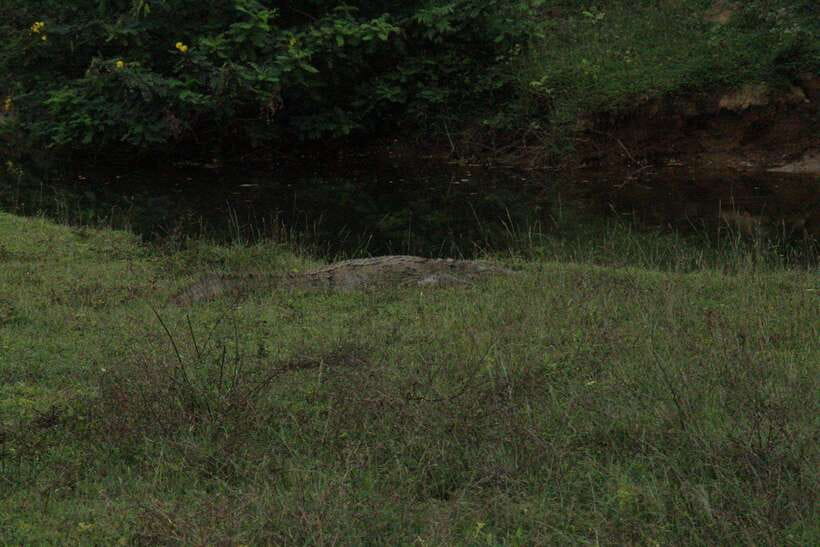
Here is how to think about it so you enjoy the day either way. Leopards get the headlines, but elephants, deer, and crocodiles are often what keep the safari exciting while you wait for a major cat moment. Elephants can appear in ways that feel close and personal, and crocodiles can be spotted when the timing and water conditions align.
Deer sightings can be subtle, especially when they freeze at the edge of vegetation. You learn fast that a good safari is as much about patience as it is about luck. Your guide’s job is to keep you in the right areas and help you understand what you are seeing, even when it is not a dramatic roar-and-run encounter.
Guide style and pacing: how to maximize sightings without rushing
This is a safari with a 6-hour overall duration and a chunk of time dedicated to sightseeing inside the park. That structure means your guide controls how quickly you move between areas, and how often you stop for sightings.
In practice, a strong guide does three things well. They get you to the right places at the right times. They adjust when visibility changes. They also communicate enough so you understand what you are looking at, not just that you are lucky.
You might find that communication varies by guide. Some guides focus on scanning and positioning while others give more animal and habitat explanation. If you want more narration, it helps to ask simple questions when you see an animal, like what species it is or what the animal is likely doing in that moment. A good guide will match your curiosity.
Birds, cameras, and photo etiquette in the jeep
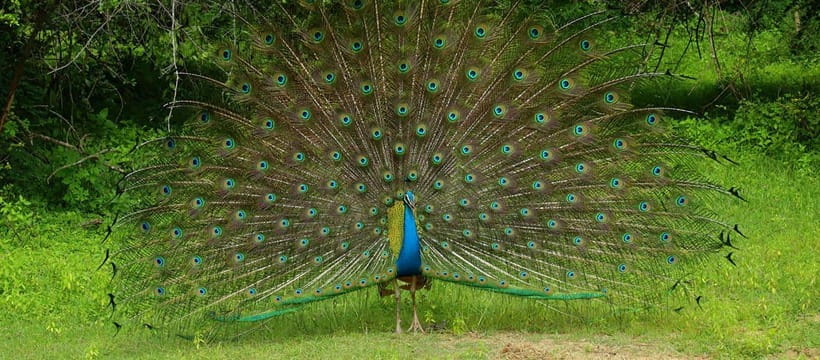
This tour explicitly supports picture-taking during the safari, and that is a big part of the value if you like wildlife photography. In a jeep, your best photos tend to come when you follow two rules: move your attention before you raise the camera, and keep your shot stable when the jeep stops suddenly.
Bird photography can be tricky because birds often react fast to vehicle movement. So think in short bursts. Get a first frame to lock in exposure, then shoot a small sequence when the bird pauses or turns its head.
Also, plan for the fact that you are in a moving vehicle. If you are using a heavier camera setup, double-check balance and keep straps secure. Rain and dust can both show up on safari days in Sri Lanka, so a cover for your camera is a wise call.
Price and value math: what $47 really buys
The listed price is $47 per person for a 6-hour safari. That is the base cost, and the big extra you should budget is the national park entry ticket, which is about $19 and is not included.
So your realistic all-in baseline is closer to roughly $66 per person, before food and drinks. Even with that, the value can be strong because you are getting hotel pickup and drop-off, a safari jeep designed for wildlife viewing, and a live English guide plus an English audio guide.
This is where I recommend thinking like a buyer, not a tourist. You are not paying for a museum-style script. You are paying for access, time inside the park, and the guide’s ability to position you for wildlife and bird sightings. If you are the type who enjoys scanning habitat, waiting calmly, and capturing whatever appears, this price makes sense.
If you are expecting a guaranteed leopard, then any safari anywhere is going to frustrate you. Kumana is best approached as a bird and wildlife hunting trip where the rewards come from being ready for surprises.
Food, water, and staying comfortable for the ride
Food and drinks are not included. That matters more than it sounds, because a safari day can include a lot of waiting during animal scanning. If you get hungry or dehydrated, your energy and attention drop, and your photos and patience suffer.
Plan simple: bring water, plus a light snack you can eat without slowing the group down much. If you know you get motion-sick, consider your personal strategy before you climb into the jeep. Comfort can vary depending on vehicle type, and a full morning or afternoon ride is long enough to notice it.
Weather reality: bring rain gear and manage the seating issue
Rain can change a safari fast. The park can still be active in wet conditions, and birds may still be around, but comfort becomes your responsibility. A guide may sit in the driving section while passengers in the back get more exposed, so you should prepare to stay dry enough to enjoy the moment.
Pack a light rain jacket, and bring a small waterproof cover or bag for your camera. Also, consider footwear that handles muddy or damp ground when you board and step around at stops.
If you are sensitive to bumps, ask what the exact vehicle will be like for your pickup route. One traveler issue involved a pickup-style transport that caused back pain for a couple of days, so it is a legitimate concern if your body does not love rough rides. A quick question before you pay can save you regret.
Who should book this safari, and who should skip it
This tour is a good fit for people who want a bird-and-wildlife safari without spending a full day driving around. It suits couples, friends, and small groups who prefer a jeep experience and want photo time in the park.
It is listed as wheelchair accessible. Still, because jeep setups and step access can vary, you should confirm how the vehicle will work for your needs.
Not suitable for pregnant women is clearly stated, so skip it if that applies. And alcohol and drugs are not allowed, so plan on keeping the day focused on nature and animal spotting.
Should you book Tiger Safaris for Kumana?
If your priority is seeing Kumana’s wildlife while also enjoying strong birdwatching odds, this safari format is a practical choice. The mix of a focused park drive, time in Kumana Villu and Kumbukkan Oya, and an English-speaking guide plus audio support gives you a well-rounded outing.
I would book it if you are the kind of traveler who enjoys quiet scanning and flexible expectations, and if you come prepared with rain gear and snacks since food is not included. I would also ask about the vehicle type before you go, so you get the most comfortable seating possible for your body.
FAQ
How long is the Kumana National Park morning or afternoon safari?
The duration is 6 hours.
Where does pickup happen?
Pickup is available from Panama, Pottuvil, and Arugam Bay, near Kumana.
Is the national park entry ticket included in the price?
No. National Park entry tickets are not included and are listed as about $19.
What vehicle will I ride in?
You ride in a 4×4 safari jeep, with a maximum of 6 passengers. If you book for 6 passengers or more, you can enjoy a private tour in their safari jeeps.
Is food and drinks provided?
No. Food and drinks are not included.
Is the tour wheelchair accessible, and is alcohol allowed?
The tour is listed as wheelchair accessible. Alcohol and drugs are not allowed.
More Tours in Sri Lanka
More Tour Reviews in Sri Lanka
Kumana and Bundala
Still browsing Sri Lanka? Start here
- Colombo privet Day Tour and shopping★ 5.0 · 3 reviews
- Colombo/ Negombo: Kithulgala White Water Rafting Adventure★ 5.0 · 3 reviews
- Udawalawe National Park Safari and Elephant Transit Home★ 5.0 · 3 reviews
- Yala National Park Wildlife safari from Mirissa★ 3.3 · 4 reviews
- Udawalawe: Farm to Table Cooking & Authe: Village Experience★ 4.7 · 4 reviews
Kumana & Bundala Safaris, compared.
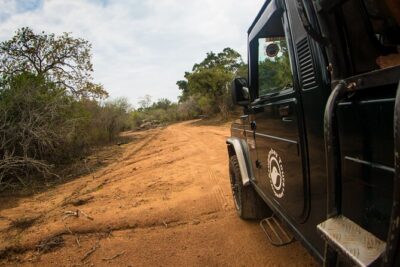 ★ 5.0Kumana National Park Half Day Jeep SafariFrom $9452 reviews
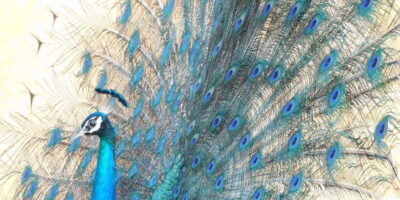 ★ 4.8Bundala National Park Safari (PRIVATE TOURS)From $3626 reviews
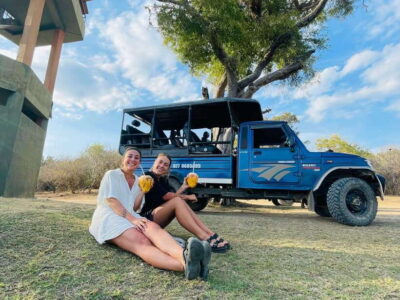 ★ 4.0Kumana National Park : Private Half-Day Jeep SafariFrom $8720 reviews
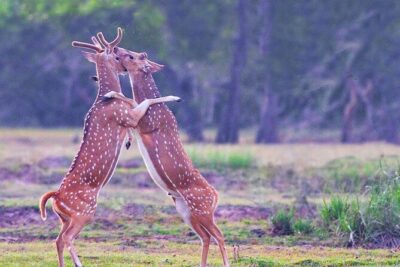 ★ 5.0Kumana National Park Safari | from Arugam BayFrom $8316 reviews
 ★ 5.0Bundala National Park Birds Watching Safari TourFrom $3415 reviews
 ★ 5.0Jeep Safari at Kumana National ParkFrom $10013 reviews
 ★ 5.0Bundala National Park by Ajith SafariFrom $7812 reviews
 ★ 5.0Bundala National Park Safari (PRIVATE TOURS)- Morning & AfternoonFrom $4011 reviews
Browse the lists this tour appears in