
REVIEW · KUMANA & BUNDALA SAFARIS
Kumana National Park Safari | from Arugam Bay
Kumana delivers birds by the thousands, and this safari from Arugam Bay is one of the most efficient ways to reach the swamps and jungle for real birdwatching. I like the 4×4 jeep ride with an experienced driver who also tracks, and I like the 6-hour pace that keeps the day focused. The tradeoff is rough terrain, so expect bumpy tracks and plan for some jolts.
I also appreciate the small jeeps, with a maximum of 6 passengers per vehicle. You’ll get a water bottle per person, which sounds basic, but it helps on a long half-day out in the sun and humidity. One more practical plus: pickup and drop off are offered from locations within 5 km of the park gate.
Finally, the promise here is bird-first wildlife viewing. Kumana is known for nesting migratory birds during the winter season, plus year-round native birds, and you can also come across other animals depending on the day and conditions.
In This Review
- Key highlights worth your attention
- Kumana National Park Safari From Arugam Bay: Birds, Swamps, and a 6-Hour Rhythm
- Getting to the park in a 4×4 game vehicle (and why it’s not optional)
- Arugam Bay to Kumana gate: what your departure means for the day
- Inside Kumana: swamplands and jungle for birdwatchers
- Migratory winter birds: how the park’s seasonal timing affects what you see
- Wildlife chances beyond birds (including a leopard possibility)
- What the small-group setup does for your actual birding
- Price and value: is $83.75 a good deal?
- Timing, weather, and how to avoid a day-ending disappointment
- What to bring for a birdwatching-focused safari
- Who this safari is best for (and who should choose something else)
- Should you book the Kumana National Park safari from Arugam Bay?
- FAQ
- How long is the Kumana National Park safari from Arugam Bay?
- What is included in the price?
- Is pickup included from anywhere in Arugam Bay?
- Do I need to bring food or drinks?
- What kind of vehicle will I ride in?
- Is the tour private or shared?
- What happens if the weather is bad?
Key highlights worth your attention
- Bird-first 4×4 safari through swamplands and jungle, built for spotting lots of species
- Max 6 passengers per jeep for a more controlled, easier-to-focus outing
- Driver-tracker combo to help you read the terrain and prioritize sightings
- Water bottle per person included so you start the safari properly hydrated
- Pickup within 5 km of the park gate makes it easier than arranging your own transport
- Good weather matters, because the safari depends on conditions on the ground
East coast days around Arugam Bay
- Kumana National Park Safari | from Arugam Bay
★ 5.0 · 16 reviews
Kumana National Park Safari From Arugam Bay: Birds, Swamps, and a 6-Hour Rhythm
This is a classic half-day format, about 6 hours from Arugam Bay. That matters because birdwatching is all about timing, light, and staying patient, and a short, focused block of time tends to feel less exhausting than a full-day slog.
You’re starting out from Arugam Bay, on Sri Lanka’s southeast coast along the Indian Ocean. It’s in the dry zone, near the market town of Pottuvil, about 117 km south of Batticaloa, and roughly 320 km east of Colombo. Translation: you can expect a coastal start, then a shift from town energy into park silence.
One big reason this safari works for people who love wildlife is that it is designed around access and movement. In Kumana, you’re not just standing in one spot waiting. You’re traveling through swamplands and jungle in a 4WD game vehicle, which gives you more chances to find active birds and other wildlife.
Getting to the park in a 4×4 game vehicle (and why it’s not optional)
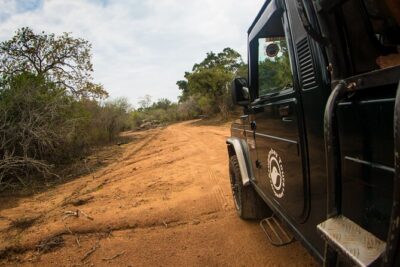
Your ride is in a 4×4 safari jeep, and the terrain inside Kumana is described as rough. That tells you what to expect right away: this is a “get there and go” safari, not a smooth highway-style transfer.
The jeep layout is also intentionally small, with a maximum of 6 passengers per vehicle. When you travel in a smaller group, it’s easier to angle for views, swap spotting gear, and keep the driver’s attention where it belongs: on the terrain and likely bird areas.
The driver is also your tracker. In plain terms, you get someone who is used to reading signs, watching bird behavior patterns, and adjusting the route based on what’s happening. For birdwatching, that kind of on-the-spot decision-making is often the difference between seeing a handful of birds and seeing many species in a short time.
Arugam Bay to Kumana gate: what your departure means for the day
Arugam Bay is the practical base for this safari. It’s the type of place where you can find day tours, but you still want to avoid losing hours to complicated transfers. That’s why the pickup setup is a real benefit: pickup and drop off are included within a 5 km radius from the park gate area.
If you’re staying farther out than that radius, you may need to arrange your own way to the gate. The tour does not include hotel pickup and drop off if you are outside the 5 km zone.
There’s also a small clue in the wording that helps you plan: it’s marked as near public transportation. That doesn’t mean you must use it, but it suggests you’re not stranded if you need a backup plan for the start or end of the safari.
Kumana and Bundala, the quieter parks
Inside Kumana: swamplands and jungle for birdwatchers
Kumana National Park is on Sri Lanka’s south eastern coast, and the safari route takes you through swamplands and jungles. This combination matters because it creates different bird habitats in the same general area. In practical terms, that raises your odds of spotting many species in one outing.
The park’s bird reputation is the main draw. The safari highlights hundreds of migratory bird species that nest in the winter season, plus native birds that live there all year. If you’re the kind of traveler who gets excited by details like plumage, calls, and behavior, you’ll likely enjoy how the landscape supports both migrants and resident birds.
Another practical advantage: because you’re moving through habitats rather than staying still, you have more chances to catch birds when they are active. Birds can go quiet, then suddenly start feeding or calling. A moving safari style increases your odds of being in the right place at the right moment.
Migratory winter birds: how the park’s seasonal timing affects what you see
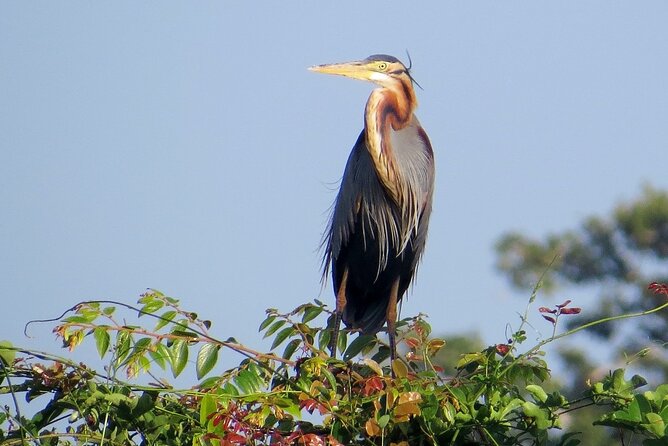
The safari is described as a place to see migratory birds during the winter season. Even if you don’t track every species by name, knowing this helps you set expectations.
When migratory birds arrive, the park’s bird activity often spikes. You may find more nesting activity and more consistent bird presence throughout the day rather than a few isolated sightings. The result is that birdwatching can feel more “productive,” even for visitors who are not experts.
If you visit outside peak migratory timing, you still have the year-round birds to enjoy. Kumana isn’t sold as only a seasonal stop. It is positioned as a park with native birds throughout the year, so there’s still something to look for even when migrants are less concentrated.
Wildlife chances beyond birds (including a leopard possibility)
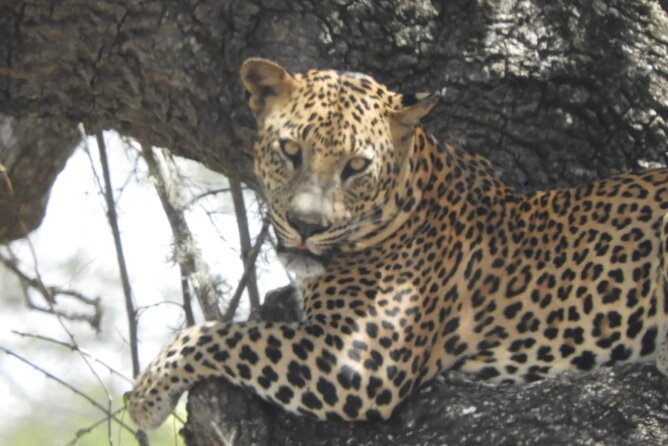
Birds are the headline, but the safari also mentions other wildlife in addition to avian life. That’s the fun part of Kumana. Even if your plan is birdwatching, you never know what the ecosystem will hand you on the day.
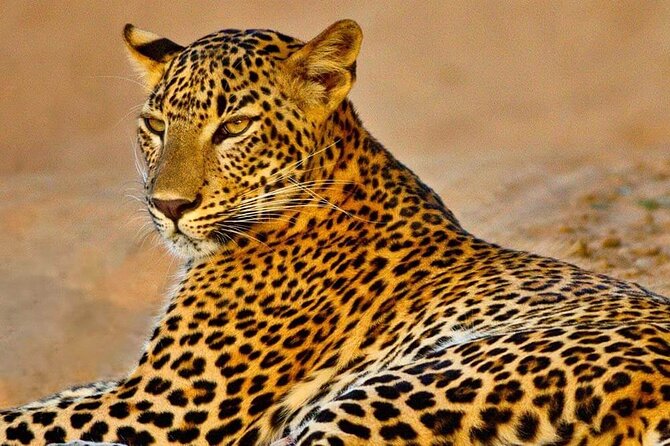
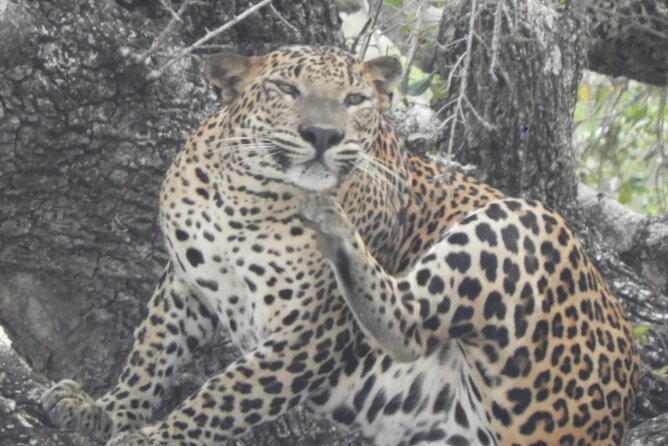
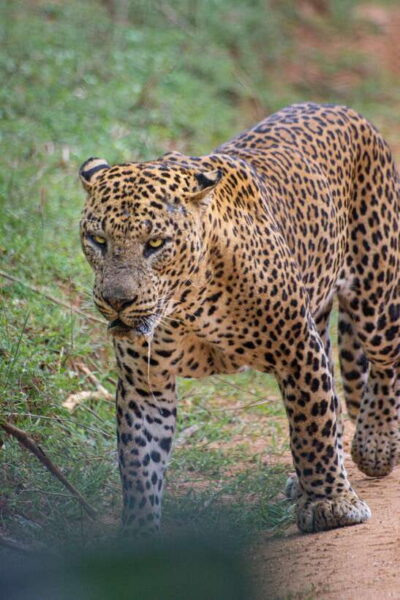
One standout detail from real-world experience on this safari: a leopard has been spotted during a half-day outing. That’s not a promise, but it is evidence that the park can deliver big-ticket wildlife when conditions line up.
So how should you think about it? Treat other wildlife as a bonus. Your core value is bird-rich habitats and guided movement through difficult terrain. But it’s still smart to stay alert, because when you’re in a 4WD jeep on the right route, unusual sightings are possible.
What the small-group setup does for your actual birding
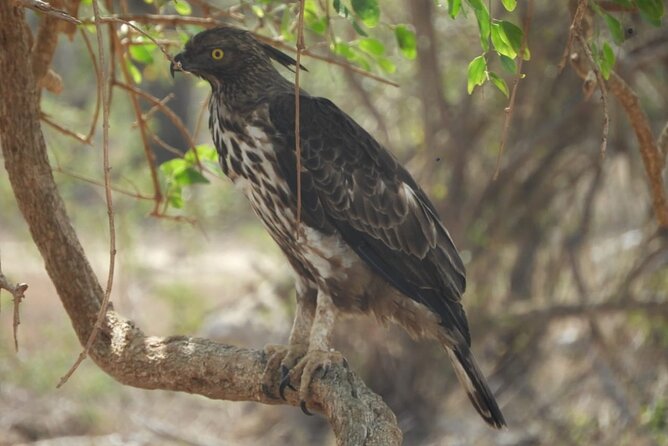
This is not a huge bus safari. The jeep is limited to 6 passengers, and that changes the vibe. You’ll spend less time negotiating elbow space and more time getting your eyes on what matters.
It also helps with spotting. Birds can be tiny and fast, especially in jungle edges and wetland areas. With fewer people, it’s easier to keep your focus, avoid blocking each other, and quickly react when the driver calls out something worth checking.
The driver-tracker role also supports this. A good tracker doesn’t just drive, they time turns, slow down for attention points, and guide your attention without wasting your whole safari in uncertain scanning.
Price and value: is $83.75 a good deal?
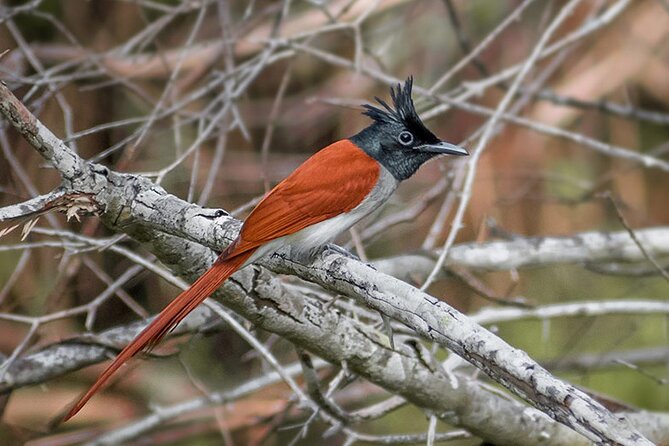
At $83.75 per person, you’re paying for a lot more than a simple transfer. What’s included is key: the 4×4 safari jeep (max 6 passengers), an experienced driver who also tracks, admission ticket, free pickup and drop off within 5 km of the park gate, and a water bottle per person.
When you break it down, this price is mostly buying you access. Kumana’s best viewing requires 4WD movement in rough terrain, plus an admission ticket to get you into the park for a guided safari. If you tried to replicate this yourself, you would be paying for vehicle access, park entry, and someone to drive and track locations where bird activity is likely.
What’s not included is also important. Food and beverages are not included, and that can affect how you budget your half-day. The safari is long enough that you’ll probably want snacks or a meal plan before and after, especially if you don’t want to end up relying on whatever is available nearby.
Also note gratuities are not included. If you tip, do it based on how the driver-tracker handles the route and your comfort on rough terrain.
Timing, weather, and how to avoid a day-ending disappointment
This safari requires good weather. That matters because rough-terrain wildlife viewing can turn frustrating or unsafe if conditions are bad. If the safari is canceled due to poor weather, you’ll be offered a different date or a full refund.
In other words, build flexibility into your schedule. If your Arugam Bay days are jam-packed, try to keep at least a small window around this safari date so you can shift it if needed.
You also need to be realistic about the “rough terrain” part. It’s not just a detail. It affects comfort. Wear shoes that handle uneven ground and be ready for bumps that come with the job of reaching swamp and jungle viewing zones.
What to bring for a birdwatching-focused safari
You don’t need a lot, but a few items make a noticeable difference in how enjoyable the safari feels.
Bring:
- Binoculars if you have them, since the focus is spotting birds
- Sun protection (hat and sunscreen), because you’ll be outside during a multi-hour ride
- Light rain protection in case conditions shift, since the park depends on weather
- A camera with enough battery, and clean cloth for quick lens wipes
Wear:
- Comfortable clothes you don’t mind getting dusty or damp, since you’re riding on rough terrain
- Closed-toe shoes for stability on uneven ground
Hydration:
- You get a water bottle per person, but you should still pace yourself and sip throughout the safari, not all at once.
Who this safari is best for (and who should choose something else)
This is ideal if you’re:
- A birdwatcher, or even just a bird curious person who wants a structured way to see lots of species
- Visiting Arugam Bay and want a wildlife outing that stays focused on one destination
- Comfortable with a small group and rough-terrain vehicle travel
You might think twice if you:
- Get motion sick easily on bumpy roads
- Want a lazy, comfortable sightseeing vibe, with lots of time wandering on flat paths
- Need food included in the price, since food and beverages are not part of what you pay for
If your priority is birds, this tour hits the mark. If your priority is only big mammals, you should still consider it, but treat leopard or other wildlife sightings as a possible extra.
Should you book the Kumana National Park safari from Arugam Bay?
If your travel goal is birdwatching in a park where migratory birds show up during the winter season, this safari is a strong choice. The small jeep size, the driver who acts as a tracker, and the fact that admission and a 4WD game jeep are included make the overall value feel practical, not inflated.
Book it if you can handle rough terrain and you want a focused half-day with lots of viewing opportunities. Don’t book it if comfort is your top priority or if you need your tour price to include food and beverages.
If you are the kind of traveler who loves the chase of spotting birds across habitats, this is one of the better ways to do it from Arugam Bay, without wasting precious vacation hours.
FAQ
How long is the Kumana National Park safari from Arugam Bay?
The safari runs for about 6 hours.
What is included in the price?
The tour includes a 4×4 safari jeep (max 6 passengers), an experienced driver who also serves as a tracker, admission ticket, free pickup and drop off within 5 km of the park gate, and a water bottle per person.
Is pickup included from anywhere in Arugam Bay?
Pickup and drop off are free only within a 5 km radius from the park gate. Hotel pickup and drop off are not included if you are outside that zone.
Do I need to bring food or drinks?
Food and beverages are not included, so you should plan to eat and drink before or after the safari.
What kind of vehicle will I ride in?
You’ll ride in a 4×4 safari jeep, and the maximum is 6 passengers per jeep.
Is the tour private or shared?
It is a private tour/activity, meaning only your group participates.
What happens if the weather is bad?
This experience requires good weather. If it’s canceled due to poor weather, you’ll be offered a different date or a full refund.
More Tour Reviews in Sri Lanka
Kumana and Bundala
Out East at Arugam Bay
Still browsing Sri Lanka? Start here
- Colombo privet Day Tour and shopping★ 5.0 · 3 reviews
- Colombo/ Negombo: Kithulgala White Water Rafting Adventure★ 5.0 · 3 reviews
- Udawalawe National Park Safari and Elephant Transit Home★ 5.0 · 3 reviews
- Yala National Park Wildlife safari from Mirissa★ 3.3 · 4 reviews
- Udawalawe: Farm to Table Cooking & Authe: Village Experience★ 4.7 · 4 reviews
Kumana & Bundala Safaris, compared.
 ★ 5.0Kumana National Park Half Day Jeep SafariFrom $9452 reviews
 ★ 4.5Kumana National Park : Morning or Afternoon Safari TourFrom $4732 reviews
 ★ 4.8Bundala National Park Safari (PRIVATE TOURS)From $3626 reviews
 ★ 4.0Kumana National Park : Private Half-Day Jeep SafariFrom $8720 reviews
 ★ 5.0Bundala National Park Birds Watching Safari TourFrom $3415 reviews
 ★ 5.0Jeep Safari at Kumana National ParkFrom $10013 reviews
 ★ 5.0Bundala National Park by Ajith SafariFrom $7812 reviews
 ★ 5.0Bundala National Park Safari (PRIVATE TOURS)- Morning & AfternoonFrom $4011 reviews
Browse the lists this tour appears in