
REVIEW · KUMANA & BUNDALA SAFARIS
Jeep Safari at Kumana National Park
Leopards have a way of showing up here. I love that this is a private tour for just your group, and I love the bottled water included so you start the safari feeling human, not overheated. It also pays off because Kumana is one of Sri Lanka’s standout wildlife and bird areas, and you go in by jeep, not on foot.
Kumana is worth it, but there is one tradeoff to plan for: the price does not include national park entrance fees, and wildlife sightings depend on timing and conditions, not a guarantee.
In This Review
- Quick hits on this Kumana jeep safari
- Private jeep safari at Kumana, built for real wildlife time
- Park basics: what makes Kumana National Park special
- How a 6-hour jeep safari actually plays out
- Pickup, then you drop into the park mindset
- Jeep time helps you search smarter
- The sweet spot: mixing birding with mammal watching
- Return timing
- Stop 1: Kumana National Park, the bird breeders and predator country
- Kumana Villu and why it matters
- Birds first, but not only birds
- Wildlife odds: jackals, elephants, leopards, and rare cats
- Why a guide matters more than you think
- What to do so your eyes stay sharp
- Price and value: $100 per group with a big practical upside
- The most praised parts, and why they matter for you
- Private jeeping and strong guide spotting
- Real sightings, including leopards
- What to know before you go (without the fluff)
- Entrance fees are extra
- Weather affects whether the safari runs
- You get a mobile ticket
- Who should book this Kumana jeep safari
- Should you book the Jeep Safari at Kumana National Park?
- FAQ
- How much does the Jeep Safari at Kumana National Park cost?
- How long is the safari?
- Is this tour private?
- Is pickup included?
- What is included in the price?
- Are national park entrance fees included?
- What should I look out for during the safari?
- What happens if weather is poor?
- Can I cancel for a full refund?
Quick hits on this Kumana jeep safari
- Private group up to 6 people means you are not stuck behind other random schedules.
- Door-to-door pickup helps if you are staying around Arugam Bay and do not want to handle logistics.
- Bottled water included keeps you comfortable during the 6-hour outing.
- Jeep travel covers more ground than walking, which matters in a big park like Kumana.
- Bird-focused habitats like Kumana Villu (mangroves that can flood) are a big part of the experience.
- Free cancellation up to 24 hours before start time, plus changes are limited inside that window.
Kumana and Bundala, the quieter parks
- Kumana National Park Half Day Jeep Safari
★ 5.0 · 52 reviews - Kumana National Park : Morning or Afternoon Safari Tour
★ 4.5 · 32 reviews - Kumana National Park Safari | from Arugam Bay
★ 5.0 · 16 reviews
Private jeep safari at Kumana, built for real wildlife time
This is the kind of safari that makes sense in Sri Lanka, especially if you are not super into driving on your own. You get a private setup, meaning your guide can pace things to your group. That small detail changes everything, because wildlife viewing is equal parts patience and positioning.
The other practical win is comfort. You are outside for hours, so bottled water is not a fancy extra. It lets you focus on scanning trees, edges of water, and open patches where animals move through.
And yes, Kumana is known for birds. But the smarter way to think about Kumana is this: birds draw the attention, mammals deliver the surprises.
Park basics: what makes Kumana National Park special
Kumana National Park covers about 35,664 hectares. It sits near River Kumubukkan Oya to the west, and along the south-eastern coast. Inside it, there is a 200-hectare mangrove swamp called Kumana Villu. This area can get occasional sea water flooding, which helps create the right conditions for water birds, especially around May and June.
The bird numbers are huge for Sri Lanka. The country has more than 430 bird species, and birdwatchers can often spot over 200 species fairly easily. Kumana is a major breeding ground, so you are not just passing through random habitat. You are in a place where life cycles are actively happening.
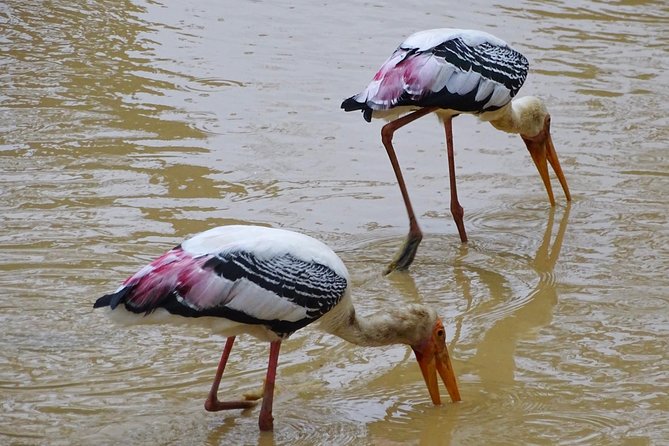
Then there is the wildlife side. You should keep an eye out for jackals and elephants, and the park is also a habitat for larger predators like leopards. One standout mention is the endangered wetland fishing cat, which is exactly the kind of species that makes birding-minded safari trips feel extra meaningful.
How a 6-hour jeep safari actually plays out
The total time is about 6 hours. That matters because safaris either feel too short to land key sightings, or too long and tiring. Six hours is a workable middle ground. You get enough time for repositioning, breaks, and more than one kind of habitat scan.
Here is the rhythm you can expect, even though the day is built around one main stop: Kumana itself.
Other safaris we sat through
Pickup, then you drop into the park mindset
Your tour includes flexible pickup, starting at your door. That means you spend less energy figuring out timing and meeting points, and more energy being ready when the best light or animal movement happens.
Once you are in the safari mode, the guide’s job is to keep you in the right areas. In big parks, “being somewhere inside” is not the same as “being positioned where something shows up.”
Jeep time helps you search smarter
A jeep lets you cover more ground than walking. It also lets you shift between drier stretches, water edges, and places where animals cross. For birdwatching, that mobility helps you reach areas where water birds feed or rest.
For mammals, jeep travel can also mean you can quickly check likely spots when the guide gets a signal, like fresh tracks, bird alarm calls, or a movement pattern.
The sweet spot: mixing birding with mammal watching
Kumana’s strength is that you do not have to pick one theme. Bird life can lead you to the right wetlands and margins, and mammals can appear when you are already focused on the habitat.
From the reviews, the safari style clearly includes active spotting. People mention the guide spotting many animals and taking them to the good areas. That is what you want: not a slow drive where you only see what is obvious from the road, but a purposeful search.
Return timing
Because this is one continuous park outing, your return is driven by when you have gathered enough viewing moments and the session ends. Plan for the day to feel full, even if the tour is not officially called full-day.
Stop 1: Kumana National Park, the bird breeders and predator country
This is where the whole experience happens: one main destination, Kumana National Park. The payoff is the combination of wetlands, mangroves, and open stretches, which creates varied viewing opportunities in one place.
Kumana Villu and why it matters
If you get a chance to spend time near the Kumana Villu area, you are looking at a 200-hectare mangrove swamp that can be inundated with sea water. That kind of seasonal flooding matters. It supports food chains for water birds, and when food is there, predators and other mammals can show up too.
Also, since water birds nest around May and June, this is a time when birding is more than just “nice to see.” It is tied to breeding and movement.
Birds first, but not only birds
Kumana’s reputation is bird-heavy for good reason, but I like how the safari format pushes beyond that. You should expect both:
- Birdlife in the wetland and mangrove areas
- Mammal sightings that can happen around the edges and travel corridors
A key practical idea: your best sightings may not be the ones that are easiest to spot from afar. The guide often improves your odds by steering you toward where animals actually are, not just where you wish they were.
Wildlife odds: jackals, elephants, leopards, and rare cats
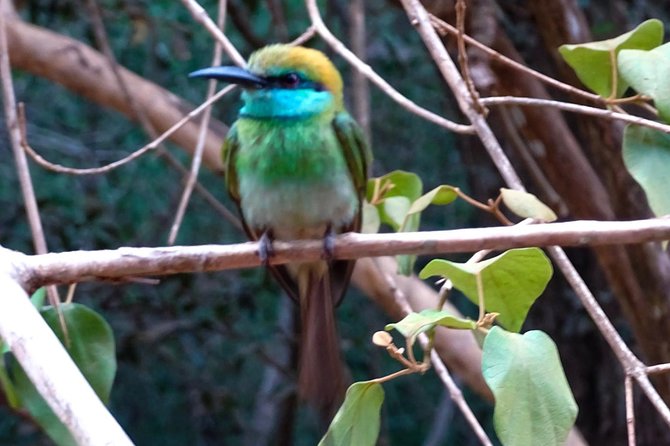
Let’s talk about what you might realistically see. Safari photos look exciting, but wildlife is always probabilistic. Still, the park is a habitat for big-ticket animals, and the reviews show real outcomes.
From the guide-and-spotting style described in the reviews, people reported sightings including:
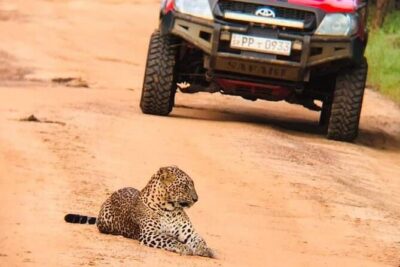
- Leopards, including the lucky highlight of two leopards on one outing
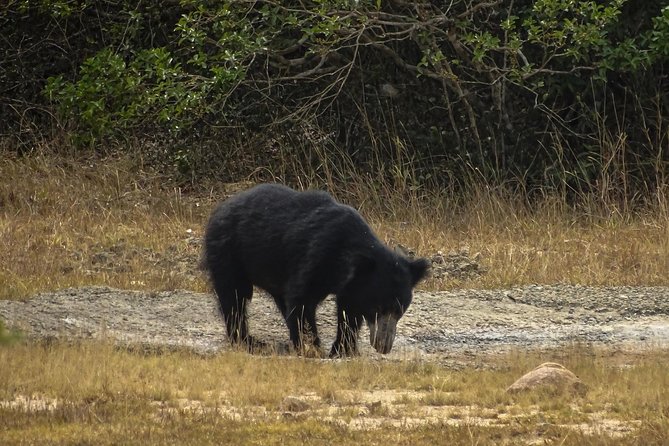
- A sleuth bear
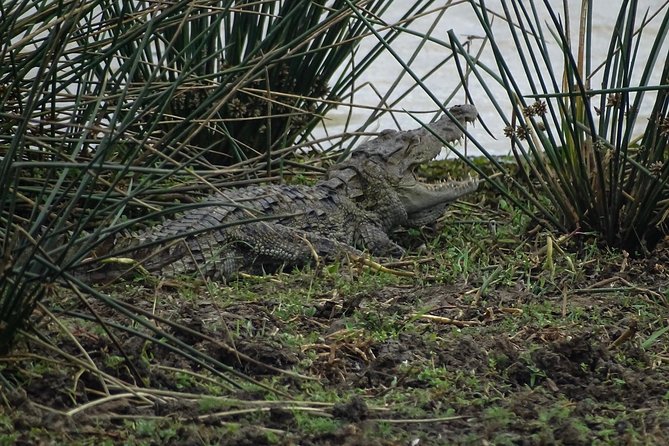
- Crocodiles
- Wild pigs
- Lots of birds and other wildlife
The overview also points you toward animals to watch for, including jackals, elephants, leopards, and the endangered wetland fishing cat. Even if you do not see a specific species, you should still feel like you are hunting the right types of habitat.
Why a guide matters more than you think
When you go alone, you might pass through good habitat without knowing what to look for first. With a guide, you get two advantages:
- They can point out likely areas and patterns.
- They help you scan effectively, which increases your chances of spotting motion before it disappears.
The reviews back this up with comments about the guide spotting so many animals and being knowledgeable and friendly.
What to do so your eyes stay sharp
Bring a hat, wear light long sleeves if you like, and keep your water within reach. With birds and mammals, the winning move is steady scanning. When you see movement, pause. When you hear alarm calls from birds, pay attention. That is often when something bigger is nearby.
Price and value: $100 per group with a big practical upside
This jeep safari is priced at $100 per group, up to 6 people. That is a solid way to think about value, because you are not paying per person in a way that punishes families or small friend groups.
Also, the tour includes private transportation and bottled water. That means you are paying for more than a seat. You are paying for the vehicle, the guided search, and the convenience of flexible pickup.
What is not included is the national park entrance fee. So when you budget, add that extra cost. It is the only major “gotcha” in the pricing info.
If you are comparing options, the simplest test is this: are you willing to handle your own transport into Kumana, plus the problem of finding the best viewing spots? If not, this private jeep approach usually feels like the better deal.
The most praised parts, and why they matter for you
This safari has a high rating and a strong recommendation rate, and the reviews cluster around a few standout themes.
Private jeeping and strong guide spotting
The most praised element is the guide’s ability to spot animals and take people to the good areas. One review calls out that the guide was really good at finding animals, and another highlights excellent guidance plus the driver taking them to good spots.
That matters because your goal is not sightseeing, it is seeing. When the guide is active, you spend your time watching wildlife instead of guessing where to look.
Real sightings, including leopards
The leopard sightings show up more than once in the reviews. One person even mentioned being lucky enough to see two leopards. That is the kind of outcome that makes people say yes to this safari again.
And it is not just big cats. Reports also include crocodiles, a sleuth bear, and wild pigs, which suggests the safari hits multiple parts of the food web, not just one “lucky” moment.
What to know before you go (without the fluff)
Entrance fees are extra
Plan for entrance fees to Kumana to be paid separately. Keep some flexibility in your day and money for that part.
Weather affects whether the safari runs
This experience requires good weather. If it is canceled due to poor weather, you will be offered a different date or a full refund. The practical takeaway is to avoid locking yourself into impossible travel schedules with no buffer.
You get a mobile ticket
You will use a mobile ticket. That is usually straightforward, but still, make sure your phone has battery and is easy to access on pickup time.
Who should book this Kumana jeep safari
This one is a good match if:
- You want a private experience and a guide-led search
- You are staying around Arugam Bay and want a straightforward way into Kumana without self-driving stress
- You care about both birds and mammals, and you want the jeep mobility to keep options open
- You are going as a couple, family, or small group where splitting the group price makes sense
It is also a good fit if you are the type of traveler who likes “active” wildlife watching, not just sitting in one spot and hoping.
If you are traveling solo, you can still book, but the real value shows when your group size approaches that up to 6 limit.
Should you book the Jeep Safari at Kumana National Park?
I would book it if you want a guided, private way to experience one of Sri Lanka’s best bird and wildlife areas, with jeep mobility that helps you actually locate animals. The combination of private group time, bottled-water comfort, and reports of strong spotting for leopards, bears, crocodiles, and wild pigs makes this feel like a practical safari choice, not a gamble dressed up as a plan.
Book it if you can handle the reality that sightings are not guaranteed. You go for the habitat, the search, and the chance. If you want zero uncertainty, wildlife is not the genre for that.
FAQ
How much does the Jeep Safari at Kumana National Park cost?
It costs $100 per group, up to 6 people.
How long is the safari?
The duration is about 6 hours.
Is this tour private?
Yes. This is a private tour/activity, and only your group participates.
Is pickup included?
Yes. Flexible pickup is included and the tour begins at your door.
What is included in the price?
Private transportation and bottled water are included.
Are national park entrance fees included?
No. Entrance fees to the national park are not included.
What should I look out for during the safari?
You should look out for jackals, elephants, leopards, and even the endangered wetland fishing cat. Some reviews also mention crocodiles, a sleuth bear, wild pigs, and many birds.
What happens if weather is poor?
If the safari is canceled due to poor weather, you will be offered a different date or a full refund.
Can I cancel for a full refund?
Yes. You can cancel up to 24 hours in advance for a full refund.
More Safaris in Sri Lanka
More Tour Reviews in Sri Lanka
Kumana and Bundala
Still browsing Sri Lanka? Start here
- Colombo privet Day Tour and shopping★ 5.0 · 3 reviews
- Colombo/ Negombo: Kithulgala White Water Rafting Adventure★ 5.0 · 3 reviews
- Udawalawe National Park Safari and Elephant Transit Home★ 5.0 · 3 reviews
- Yala National Park Wildlife safari from Mirissa★ 3.3 · 4 reviews
- Udawalawe: Farm to Table Cooking & Authe: Village Experience★ 4.7 · 4 reviews
Kumana & Bundala Safaris, compared.
 ★ 5.0Kumana National Park Half Day Jeep SafariFrom $9452 reviews
 ★ 4.5Kumana National Park : Morning or Afternoon Safari TourFrom $4732 reviews
 ★ 4.8Bundala National Park Safari (PRIVATE TOURS)From $3626 reviews
 ★ 4.0Kumana National Park : Private Half-Day Jeep SafariFrom $8720 reviews
 ★ 5.0Kumana National Park Safari | from Arugam BayFrom $8316 reviews
 ★ 5.0Bundala National Park Birds Watching Safari TourFrom $3415 reviews
 ★ 5.0Bundala National Park by Ajith SafariFrom $7812 reviews
 ★ 5.0Bundala National Park Safari (PRIVATE TOURS)- Morning & AfternoonFrom $4011 reviews
Browse the lists this tour appears in