
REVIEW · YALA NATIONAL PARK SAFARIS
Wildlife Safari Yala National park
Spotting wildlife is the whole point here. This Yala National Park trip turns a half-day outing into a two-stop wildlife day, with time for Sri Lankan farm life along the drive. I especially like the chance to see big cats and elephants in the same outing, and the planning keeps it focused instead of rushed. The group stays small, with a maximum of 6 people, so you get better attention when animals pop up.
You’ll also get a dose of local culture, including traditional food references and glimpses of agricultural work while you’re on the move. One fair caution: safari sightings depend on wildlife and conditions, and the experience requires good weather, so plan to stay flexible.
In This Review
- Key highlights worth your attention
- A two-stop wildlife day in Sri Lanka
- Yala National Park: where the sightings start (and sometimes surprise you)
- The drive between stops: culture, farm work, and a calmer pace
- Udawalawa Elephant Orphanage: elephant time that feels more certain
- Price and value: is $160 actually fair for this route?
- Timing and what to expect from a 5 to 8 hour day
- How to get the best results from the guide and the safari setup
- Who this tour suits best
- Should you book Wildlife Safari Yala National Park plus Udawalawa?
Key highlights worth your attention
- Small group size (max 6), which makes spotting and asking questions easier
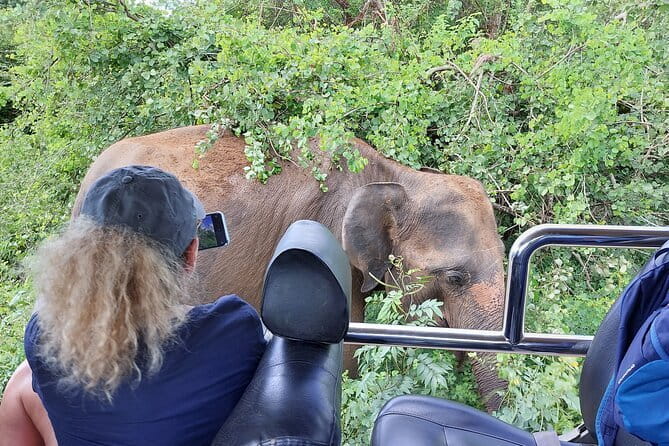
- Yala National Park safari with a long list of possible animals like elephants, leopards, sloth bear, and more
- Udawalawa Elephant Orphanage visit if you want elephant time without waiting all day
- Pickup offered from Hambantota, plus a mobile ticket to keep things simple
- Good wildlife odds with a strong guide focus, including animals seen even at distance
Other Yala jeeps, side by side
- Yala National Park Safari Tours : Half Day & Full Day
★ 4.9 · 161 reviews - Yala National Park Safari Tour From Hambantota port
★ 4.5 · 102 reviews - Yala Safari Tour from Hambantota Port by Ajith Safaris
★ 5.0 · 67 reviews - Yala National Park Safari |From Hambantota Port (Shore Excursion)
★ 4.5 · 61 reviews
A two-stop wildlife day in Sri Lanka
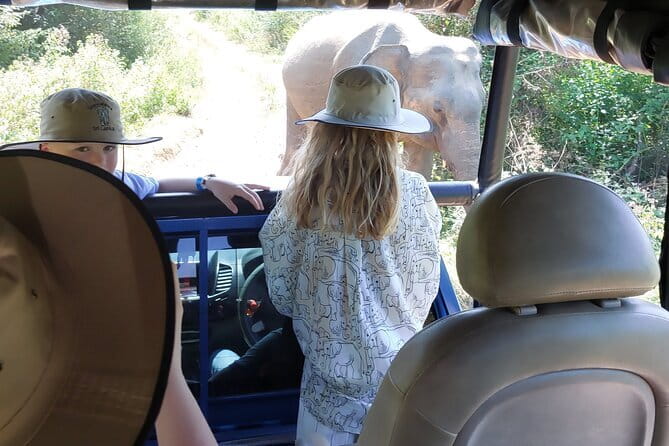
If you’re the type who likes your travel days to have a clear mission, this one fits. You start in Hambantota, then head into Yala National Park for the main safari drive. After that, you shift gears to Udawalawa Elephant Orphanage, which is ideal when you want a big-animal experience that feels calmer and more predictable than a road-only search.
What I like about this format is that it covers two “modes” of wildlife watching. Yala gives you the wild, wild chance to spot everything from elephants to birds. Udawalawa shifts that to a structured elephant-focused stop, which balances the uncertainty of safari time. The total duration is listed as 5 to 8 hours, so it’s long enough to matter, but not so long that it turns into a nap-and-hope marathon.
You also get a bit of Sri Lankan life between stops. The experience description calls out local culture, traditional foods, and the sight of agricultural work along the way. You might not get a formal farm tour, but you will likely see the countryside close enough to make the day feel grounded in real places, not just vehicles and binoculars.
Yala National Park: where the sightings start (and sometimes surprise you)
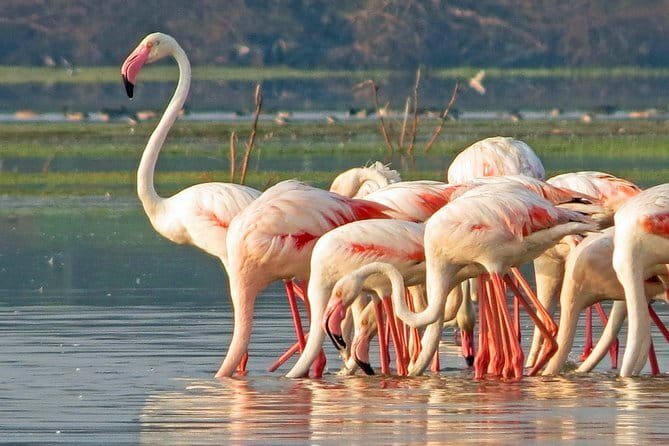
Yala is the headline, and the animal list is heavy. Expect to look out for Asian elephants, leopards, sloth bear, spotted deer, water buffalo, monkeys, crocodile, wild boar, and peacock, plus lots of birds. That’s a lot of targets, and the best part is that you don’t have to choose. You’re going in with the right mindset for variety.
In practice, safari time is all about scanning and patience. Animals may be close one minute and far the next, and that is where having the right kind of guidance matters. One of the standout review takeaways was how well the guide spotted wildlife even when it was further away, and how the guide’s knowledge helped turn brief sightings into real moments. I’d take that as a good sign for your day: you’re not just paying for a ride, you’re buying a skill set.
What makes Yala especially appealing is the mix of animals that signal different habitats. You can end up looking at large mammals, then suddenly shift to birds or smaller reptiles. In one review, the animal list went beyond the main “big” expectations to include things like mongoose, land monitors, and even a tortoise. That kind of variety is exactly what keeps Yala interesting even when the first hour feels slower than you hoped.
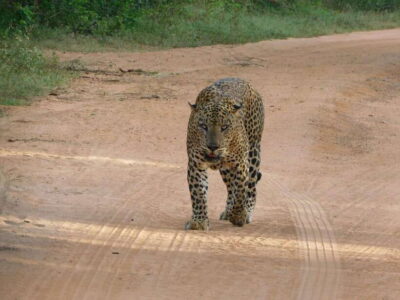
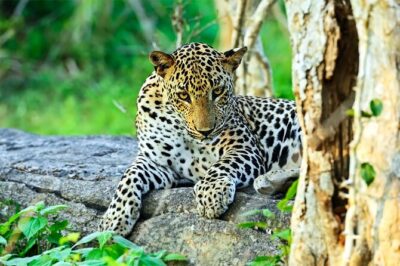
The main drawback is also simple: wildlife is wildlife. A leopard can be a real highlight, or you might work for the sight and come away with elephants and birds instead. That’s the nature of the game, not a failure of planning.
The drive between stops: culture, farm work, and a calmer pace
This is one of those tours where you can feel the rhythm change. The safari part is active, scanning, waiting, reacting. The in-between time has more “travel” energy, and that’s where the local culture elements matter.
The experience description points to you experiencing local culture and learning about traditional foods, plus seeing Sri Lankan agricultural works along the way. Even without a detailed lesson plan, those roadside and countryside moments add texture. You’re not only chasing animals, you’re also passing through how people actually make a living.
A practical tip: use this stretch to reset. If you’ll be in a vehicle for hours, bring water and plan for sun exposure. Also, if you’re sensitive to heat or dust, this drive time is a good window to wipe down, re-situate your bag, and make sure your camera or phone is ready. In safari conditions, last-minute rummaging can cost you more time than you think.
This between-stops pacing is also what makes the day feel balanced. Instead of two intense blocks back-to-back with no buffer, you get a built-in transition. That can be a big deal on a hot day when everyone is focused and patient.
Other safaris we sat through


Udawalawa Elephant Orphanage: elephant time that feels more certain
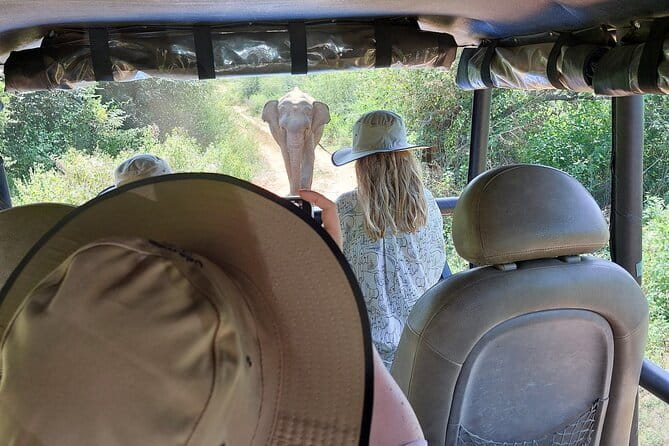
After Yala, the itinerary shifts to Udawalawa Elephant Orphanage. If you’re an elephant fan, this stop is the pressure-relief valve. Yala can deliver unforgettable surprises, but Udawalawa is a direct elephant-focused experience, which means you’re aiming at something specific.
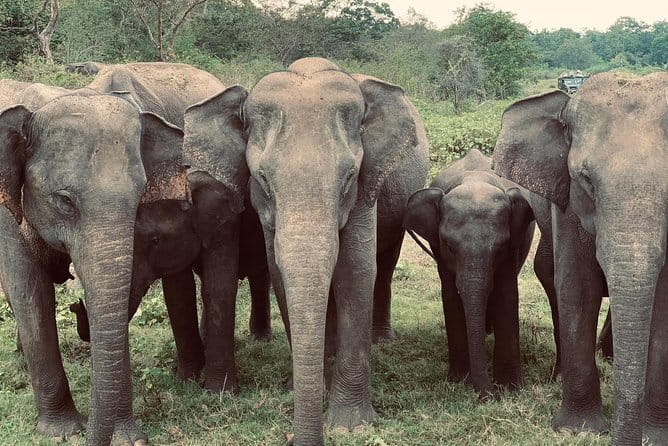
The description is clear about what you’ll see: elephants are the main event, and you’ll also find water buffalo and peacock and more. That combination is useful. It gives you variety beyond the elephants themselves, so the visit doesn’t feel like only one subject for three hours.
I also like that the duration for this stop is listed as 3 hours with admission included. When time and ticket costs are both handled, it reduces mental load. You can focus on watching rather than figuring out what to do next.
One thing to consider: animal-loving days can still feel a bit different from place to place. If you prefer nature wilderness over more visitor-oriented areas, you may enjoy the Yala leg more. But if you want the chance to spend real time observing elephants rather than waiting for them to appear, Udawalawa is a smart follow-up.
Price and value: is $160 actually fair for this route?
At $160 per person, you’re paying for a full wildlife day with two major wildlife experiences. You’re also getting pickup offered from Hambantota and a mobile ticket, which tends to smooth out the logistics side.
Here’s what helps the price feel reasonable based on the tour details:
- Yala National Park admission is listed as ticket free (so you’re not paying separately for entry)
- Udawalawa Elephant Orphanage admission is listed as included
- You get two distinct experiences instead of one long, single-target outing
- The group stays small, with a maximum of 6 travelers, which often translates into less waiting and more attention
Now the honest bit: you’re still dependent on safari conditions and wildlife movement. No one can guarantee a leopard on command. That means your value comes from having strong coverage, good guidance, and enough time to make the day count.
If you’re trying to compare costs, think of this price as covering the day’s structure: transport, guide-led safari time, and two admissions, not just the “park name” on a brochure.
Timing and what to expect from a 5 to 8 hour day
You’re looking at 5 to 8 hours total. That’s long enough to see real wildlife and still reach the orphanage stop, but it won’t feel like an all-day tour that steals your evening.
The itinerary structure gives each major section about 3 hours. In reality, timing can tighten or stretch depending on animal sightings and road pace. The best mindset is to treat the schedule as a framework, not a stopwatch.
A few practical things I’d plan for:
- Sun and heat management: Yala days can get bright and hot, so protect your skin
- Patience gear: safari time is wait-and-scan time
- Camera setup: keep your phone or camera accessible so you can react when something appears
- A light bag: you’ll be moving on and off at stops, so don’t overpack
Because the experience requires good weather, you should also have a mental plan for possible rescheduling if conditions are poor. That’s not just a fine print detail, it affects your comfort and your ability to do a full safari.
How to get the best results from the guide and the safari setup
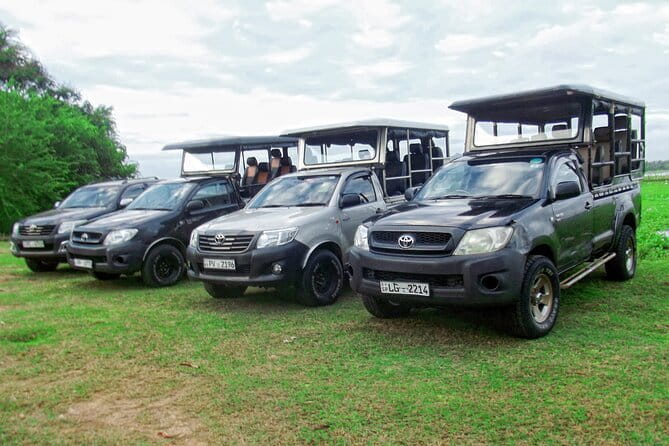
The most praised aspect in the reviews was how effective the guide was at spotting wildlife, including animals at distance. That tells me this tour is not only about the parks, it’s about the search skill that happens while you’re in the vehicle.
Here’s how you can take advantage of that:
- Pay attention to where the guide directs your gaze, especially when an animal might be far
- Slow down your own movement and let your eyes adjust before you try to zoom in
- Ask simple questions at natural stops, like what the guide is watching for next
- Keep your expectations flexible, Yala offers variety, not only one species
That same review also listed a wide range of animals spotted during the day: elephants, leopard, mongoose, land monitors, monkeys, water buffalo, deer, lots of birds, and even a tortoise. That kind of variety is a clue. When your guide is good at scanning, you get more than the headline animals. You notice the small things too.
One more reason small groups help: with fewer people, it’s easier for the guide to manage focus points, reduce crowding, and keep the group together when the action shifts.
Who this tour suits best

This tour is a strong fit if you:
- want wildlife variety in one day (not only birds, not only mammals)
- love elephants but also want the wild-card excitement of Yala
- prefer a small group experience where the guide can actually help you spot things
- are traveling from Hambantota and want an organized route with pickup and tickets handled
It may be less ideal if you want a totally hands-off experience with no need to scan and wait. Safari days are not like zoo visits. You’re actively looking, even when the big moments are brief.
Should you book Wildlife Safari Yala National Park plus Udawalawa?
I’d book it if you want a practical, value-minded way to hit two big wildlife stops in one go: Yala for the wild and Udawalawa for elephants as the anchor. The admissions setup helps the price make sense, and the maximum group size should keep the day from feeling chaotic.
If you’re the kind of traveler who gets frustrated when sightings are not guaranteed, bring flexibility. The tour needs good weather and wildlife is always unpredictable. But with a guide who can spot animals even further away, your odds of having a memorable day look strong.
If this is near the top of your Sri Lanka wishlist, this is the kind of itinerary that turns planning into real wildlife time.
More Safaris in Hambantota
More Tour Reviews in Hambantota
Yala, More Jeeps Compared
Still browsing Hambantota? Start here
- Yala National Park: Half Day or Full Day Leopard Safari Tour★ 3.8 · 3 reviews
- From Hambantota Port: Yala National Park Private Safari★ 5.0 · 3 reviews
- From: Ahungalla/Ambalangoda/Kosgoda/Balapitiya – YALA Safari★ 4.7 · 3 reviews
- Hambantota Port: Galle Fort ,River Safari & Sea Turtle Visit★ 5.0 · 4 reviews
- Ahangama: Udawalawe National Park Safari with Hotel Pickup★ 5.0 · 4 reviews
Yala National Park Safaris, compared.
 ★ 4.8Yala National Park Safari Tours: Morning/Evening/Full DayFrom $25818 reviews
 ★ 5.0Full day Safari – Yala National Park – 04.30 am to 06.00 pm with – Janaka safariFrom $57603 reviews
 ★ 4.8Yala National Park: Half, 7-Hour, or Full-Day Safari & MealsFrom $14489 reviews
 ★ 4.5Yala National Park Wildlife Safari/ Game Drive – by Ajith SafariFrom $18351 reviews
 ★ 4.5Leopard Safari Tour in Yala National ParkFrom $20281 reviews
 ★ 4.8Hikkaduwa/Galle/Weligama/Mirissa/Tangalle: Yala Safari TourFrom $45263 reviews
 ★ 5.0Full day / Half Day WildlifeAdventure in Yala-National-ParkFrom $42258 reviews
 ★ 5.0Special leopards safari Yala National park – 04.30 am to 11.30 amFrom $36186 reviews
Browse the lists this tour appears in