
REVIEW · GEM, JEWELLERY & BATIK WORKSHOPS
Ahangama: Traditional Jewellery Making Workshop
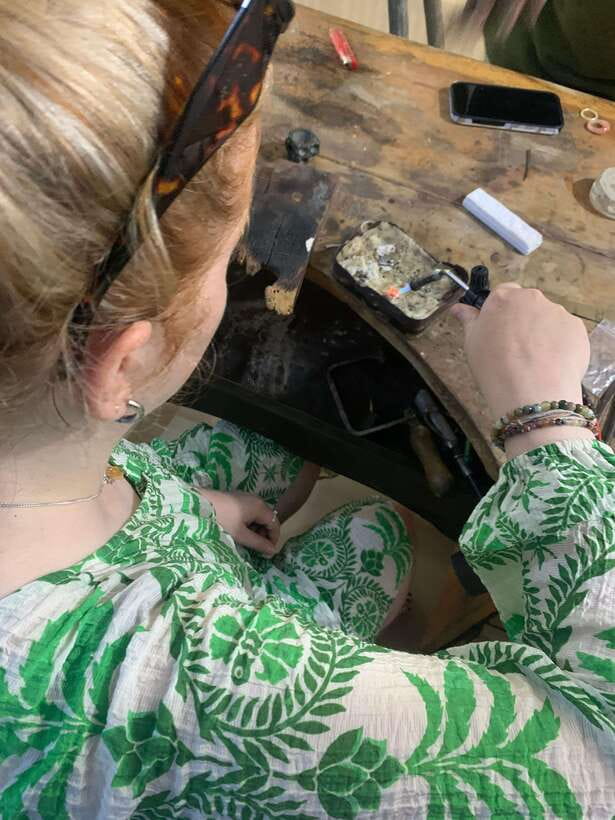
Handmade silver, learned step by step. This traditional jewelry making workshop in Kotapola, organized by Ceylon Eco Love Tours, happens in a local artisan’s home and gives you the full see-and-do experience behind Sri Lankan ring craft. I love that the process is hands-on, with clear step-by-step guidance, and I love that you take home a complimentary silver ring you help create. One thing to consider is that the meeting spot can feel hard to find at first, so WhatsApp guidance and arriving early really matter.
A key reason this works is the pacing. In experiences led by artisans like Tharindu, the tricky parts get explained slowly, and you still do most of the work yourself, including shaping and filing. The result feels personal, not like you watched a performance and left empty handed.
Before you book, check your comfort and timing. The workshop is not suitable for children under 12 and people with back problems, and the info on wheelchair fit is mixed, so it is smart to confirm in advance if you need it.
In This Review
- Key highlights at a glance
- Kotapola workshop at an artisan’s home, not a showroom
- What you learn about Sri Lankan traditional jewelry before you start
- The ring-making flow: welcome drink, tools, then real work
- Arrival and welcome
- The tool stage, explained in plain language
- Shaping and filing, where your ring starts to look like your idea
- Stone setting and final assembly
- Stones and your budget: plan for gem stones
- Taking your jewelry home, including aftercare touches
- Price and value: why $71 feels fair here
- Who should book this jewelry workshop in Kotapola
- Practical tips so you do not waste your time finding the place
- Get directions early
- Arrive 15 minutes early
- Ask about stone options before you commit
- Skip meals and plan around transportation
- Should you book Ahangama Traditional Jewellery Making Workshop?
- FAQ
- Where is the meeting point for the workshop?
- How much does it cost, and how long is the workshop?
- What is included in the price?
- What is not included?
- Do I need prior jewelry making experience?
- Is the workshop taught in English?
- Is the workshop suitable for children?
- What is the cancellation and payment flexibility?
Key highlights at a glance
- Complimentary silver ring to take home, made with your help
- Step-by-step tools and techniques explained in English by the artisan
- History and meaning of traditional jewelry so you understand what you are making
- Most tasks are hands-on, including shaping and filing the ring
- Stone setting may be part-guided, and you should budget for gem stones separately
Kotapola workshop at an artisan’s home, not a showroom
The biggest difference here is location and feel. You meet at the artisan’s home in Kotapola, not in a hotel lounge or a glossy craft store. That changes the whole vibe. You get close to how the tools are used, how silver is handled, and how jewelry making fits into daily craft life.
You also get more natural conversation time. Since it is a private group, the artisan can slow down when you need basics, then speed up only when you are ready. One of the best signs is that people come away saying they genuinely did the work, not just followed along.
The only real logistical snag is access. One recent visit flagged that it can be confusing to reach, but the fix was simple: locals pointed the way, and the WhatsApp coordination helped. My practical advice is to plan extra buffer time, message right away after booking, and arrive about 15 minutes early to settle in.
What you learn about Sri Lankan traditional jewelry before you start
This workshop is not only about producing a souvenir. There is also teaching. You start with a guided explanation of the history and significance of traditional jewelry in Sri Lankan culture, which helps you interpret what you see and what you are shaping.
Why that matters: if you only focus on the craft steps, the design can feel random. With the cultural context, design choices make more sense. You are more likely to notice patterns, understand why certain shapes are used, and appreciate the difference between decorative jewelry and jewelry meant to signal status, ceremony, or identity.
You also learn the logic behind the process. You discuss parts of the build like selecting stones and thinking through the design layout. Even if you do not consider yourself artistic, you end up with a clearer checklist: what has to be measured, what has to be shaped first, and what comes later.
The ring-making flow: welcome drink, tools, then real work
A one-day workshop can either feel rushed or carefully paced. The best part of this one is that it follows a clear craft sequence, so you are never guessing what comes next.
Arrival and welcome
You should plan to arrive early, settle in, and enjoy the included welcome drink. That first ten minutes matters because you are about to handle heat, tools, and metal work. Getting comfortable at the start means you actually enjoy the process instead of spending time adjusting.
The tool stage, explained in plain language
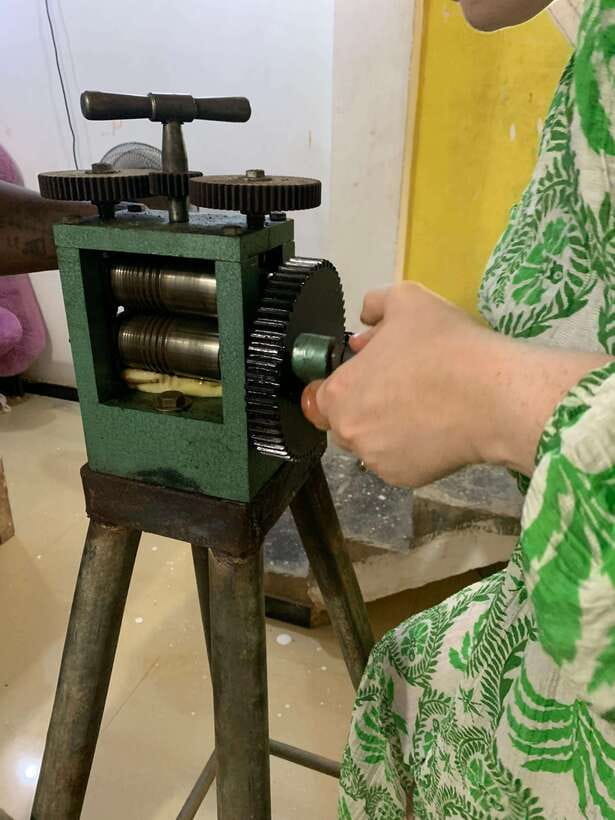
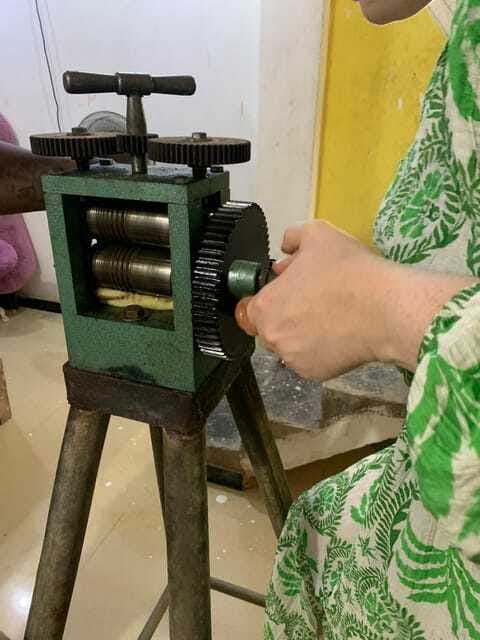
Once you are set up, the artisan walks you through the tools. In the strongest accounts, people were impressed by the variety and how each device has one clear job. The artisan demonstrates each stage briefly, then lets you try.
A practical detail you will care about: you will not be left standing around. Even if some steps need more control, you typically get to do the hands-on parts that shape the ring and prepare it for finishing.
Shaping and filing, where your ring starts to look like your idea
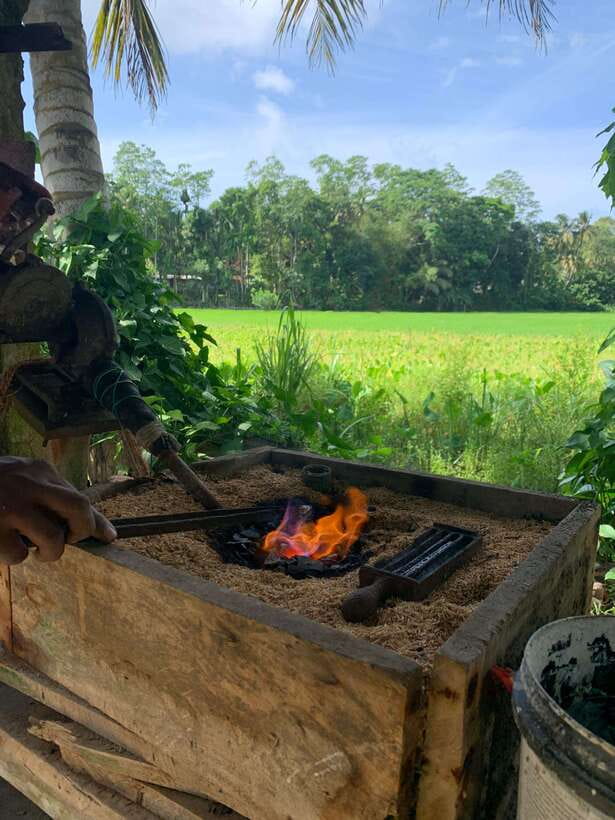
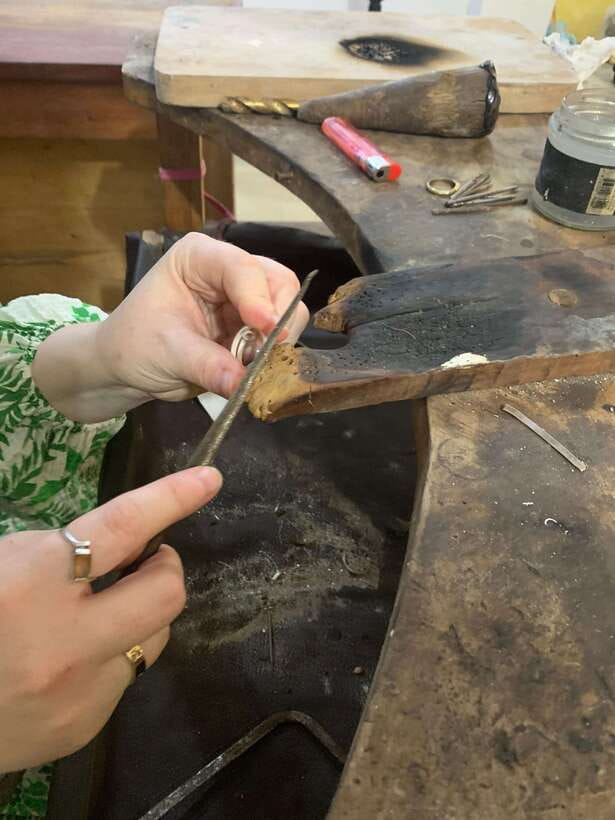
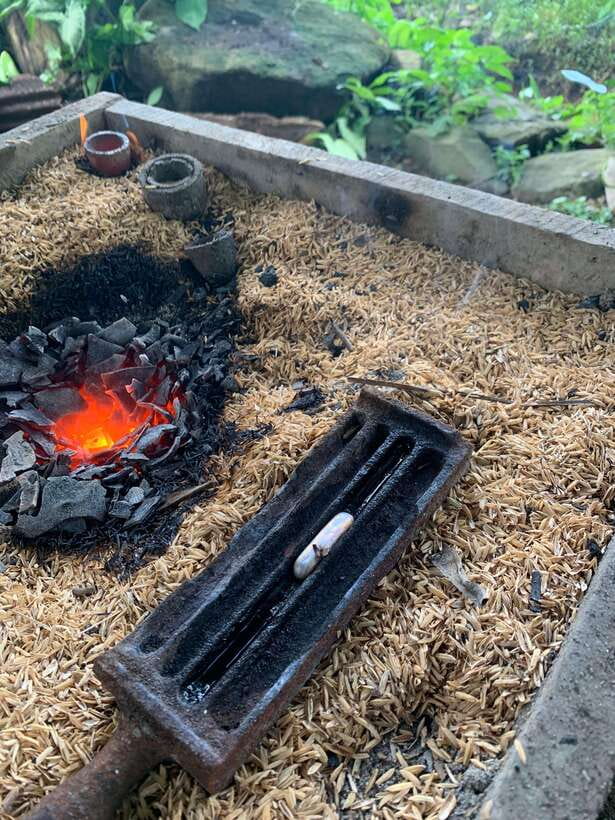
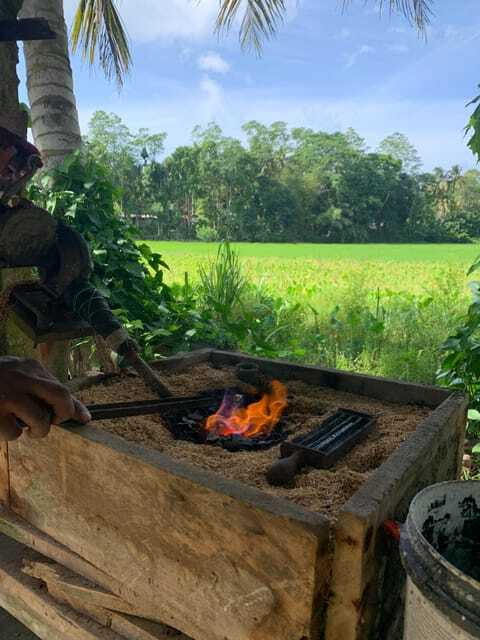
This is where the workshop earns its keep. Accounts describe working with silver on different equipment, including steps like melting, flattening, changing ring shape, and filing. The filing step is especially important because it turns metal into something wearable, comfortable, and polished enough to take home.
The value here is repetition plus guidance. You might try a motion once, get feedback, then repeat it with better results. That is how you end up with a ring that looks like what you imagined rather than a rough craft prototype.
Stone setting and final assembly
Stone work is usually part instruction, part artisan finishing. Some experiences mention that the master inserts the stone at the end, while you handle the earlier shaping and preparation. That is a good balance for beginners. It keeps the final result attractive while still letting you do the core metal work yourself.
One more budget note: gem stones are listed as not included, so if you want specific stones, you should expect to pay extra for them.
Stones and your budget: plan for gem stones
The workshop includes materials and tools needed for jewelry making, but gem stones are not included. That means your total cost depends on what you choose for the stone.
How to think about this as a buyer:
- If you want a simple silver ring with whatever stone options are available, you may spend less.
- If you want a particular stone type or upgrade, you will likely need an extra payment.
The good news is you get guidance when choosing and building. The artisan explains steps like selecting stones and how the setting fits the design, so you are not making choices in the dark.
Taking your jewelry home, including aftercare touches
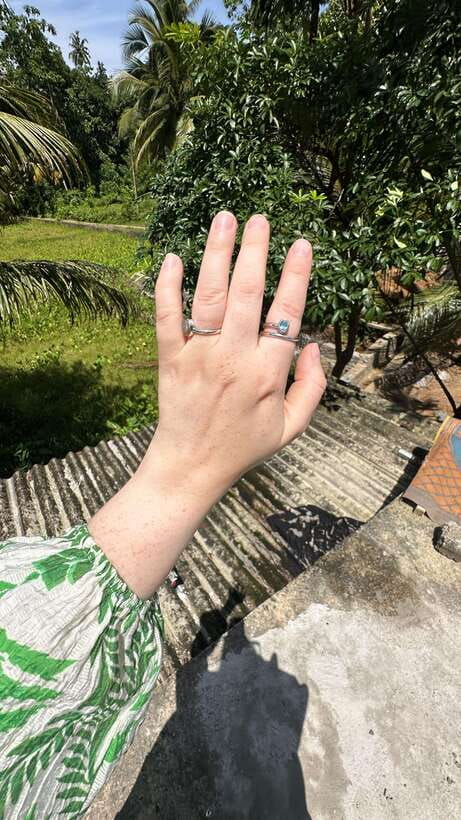
At the end, you take home the jewelry you made. The experience includes guidance and a handmade piece as your souvenir, and multiple experiences highlight walking away with a ring that matches expectations.
One detail to know: in at least one recent case, the artisan arranged to deliver the ring the next day to a hotel. That is not something I would assume as standard, but it tells you the relationship can be flexible when possible. If you have a tight schedule, it never hurts to ask what is feasible.
Price and value: why $71 feels fair here
At $71 per person for a one-day workshop, this sits in the “worth it if you want to make something” category.
Here is why the value can be strong:
- Materials and tools are included, so you are not paying extra just to get started.
- You get guidance from a local artisan in English.
- You leave with a wearable piece, not just a certificate or a photo.
If you try to buy a handcrafted silver ring on your own, you often pay far more for the finished item, and you do not get the education behind it. The practical value of this workshop is that it gives you both the object and the story, plus the satisfaction of knowing your hands shaped it.
The only caution is matching your expectations. This is craft work for beginners and non-experts as well, but it is still real jewelry making. If you are hoping for an advanced workshop with totally custom designs and expensive stones included, you will need to adjust your plan or budget.
Who should book this jewelry workshop in Kotapola
This is a great fit if you want:
- A hands-on Sri Lanka craft experience with an English-speaking artisan
- A souvenir that feels personal because you made it
- A short activity that is easy to slot into a day without needing special skills
It is especially good for people who enjoy process learning, not just buying items. The workshop rewards patience. You get the best results when you are willing to slow down, listen, and practice the motions the artisan shows you.
A couple of practical watch-outs:
- It is not suitable for children under 12.
- It is not suitable for people with back problems.
- The info says wheelchair accessible, but it also says it is not suitable for wheelchair users. If you use a wheelchair, ask directly before booking so you are not surprised.
Practical tips so you do not waste your time finding the place
Here is how to make the day go smoothly.
Get directions early
The meeting point is the artisan’s home. After you contact via WhatsApp, you will be guided on how to reach there, including with help for your driver. Do this immediately, not the morning of.
Arrive 15 minutes early
They ask you to arrive about 15 minutes early to settle in. Treat that as a real instruction, not a suggestion. It buys you time to get comfortable, meet your artisan, and start calmly.
Ask about stone options before you commit
Because gem stones are not included, ask what is available and what costs extra. You will make better choices when you know the likely range.
Skip meals and plan around transportation
Meals and transportation to and from the workshop are not included. If you are relying on a driver, factor in travel time. If you are hungry, plan a snack before you go so you stay focused.
Also note the basic rule: smoking is not allowed.
Should you book Ahangama Traditional Jewellery Making Workshop?
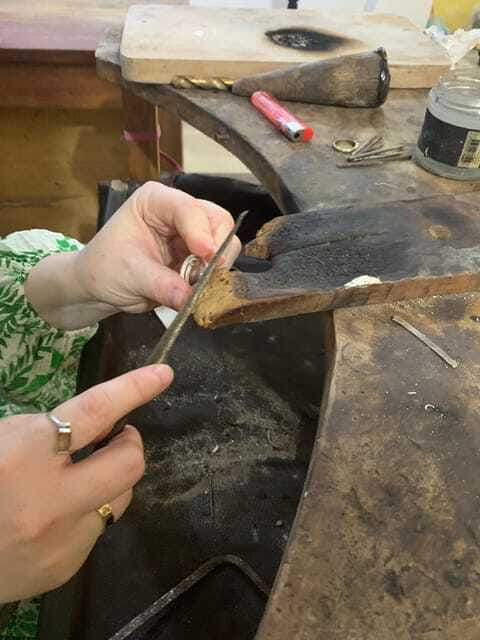
If you want a hands-on Sri Lankan craft day where you actually shape a silver ring and learn the design logic behind traditional jewelry, I think this is an easy yes. The best experiences describe a kind artisan who takes time, explains each step, and helps you end with something you can wear proudly.
I would not book it if your main goal is a fully finished, stone-included jewelry purchase with no extra decisions. Gem stones are not included, and location directions take a bit of effort. Also skip it if you have mobility limitations that make tool and metal work hard.
For the right kind of person, this is a memorable day with real value. You leave with a ring and the know-how behind it, which is a rare combo for a short activity.
FAQ
Where is the meeting point for the workshop?
You meet at the artisan’s home in Kotapola. After you contact through WhatsApp, you will get directions for how to reach the place, including guidance for your driver.
How much does it cost, and how long is the workshop?
It costs $71 per person and lasts 1 day.
What is included in the price?
The workshop includes a welcome drink, all materials and tools needed for jewelry making, guidance from a skilled local artisan, and your handmade jewelry to take home.
What is not included?
Transportation to and from the workshop and meals are not included. Gem stones are also not included.
Do I need prior jewelry making experience?
No prior experience is required.
Is the workshop taught in English?
Yes, the instructor is English.
Is the workshop suitable for children?
No, it is not suitable for children under 12 years old.
What is the cancellation and payment flexibility?
You can cancel up to 24 hours in advance for a full refund. You can also reserve now and pay later to keep plans flexible.
Gem, Jewellery & Batik Workshops, compared.
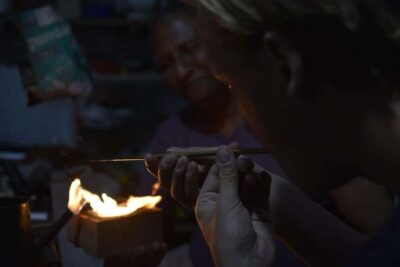 ★ 4.9Galle: Traditional Gems & Jewellery Workshop with TransfersFrom $13539 reviews
 ★ 4.4The True Essence of Colombo:Private Highlights & Hidden GemsFrom $8596 reviews
 ★ 5.0Kandy: Interactive Batik WorkshopFrom $2851 reviews
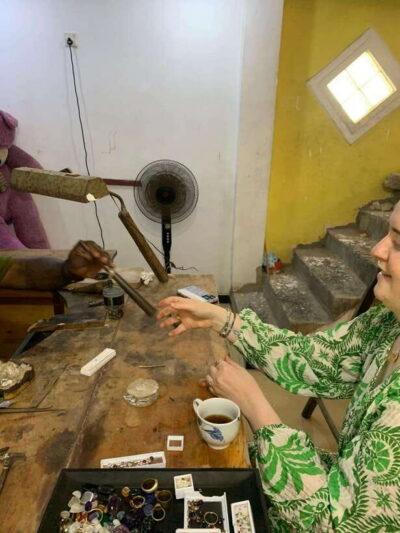 ★ 4.9Galle : Traditional Jewellery making workshopFrom $7134 reviews
 ★ 5.0Polonnaruwa Ancient City Private Day Tour (Hidden Gems)From $3020 reviews
 ★ 5.0Explore Galle’s Hidden Gems & Dine With LocalsFrom $6919 reviews
 ★ 5.0Sri Lanka – Private Ratnapura Gem Tour with Gem and jewelry ExpertFrom $17518 reviews
 ★ 4.5A Hidden Gem in Sigiriya: Magical Boat Journey.From $5012 reviews
Browse the lists this tour appears in