
REVIEW · KANDY TOURS
Authentic Sri Lankan Cooking Class in Kandy by Local Family
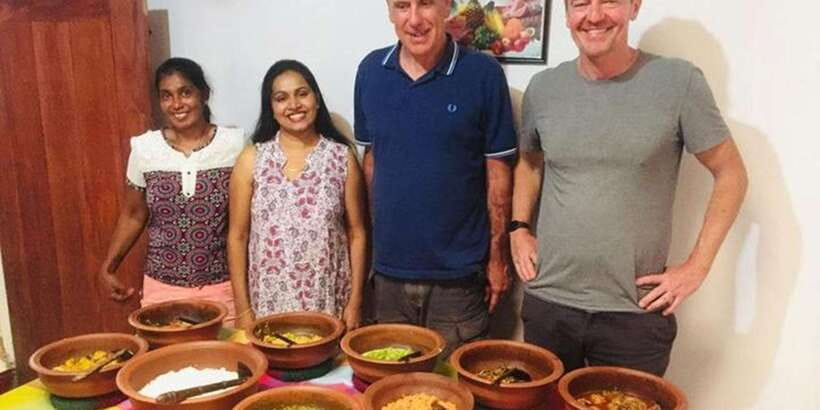
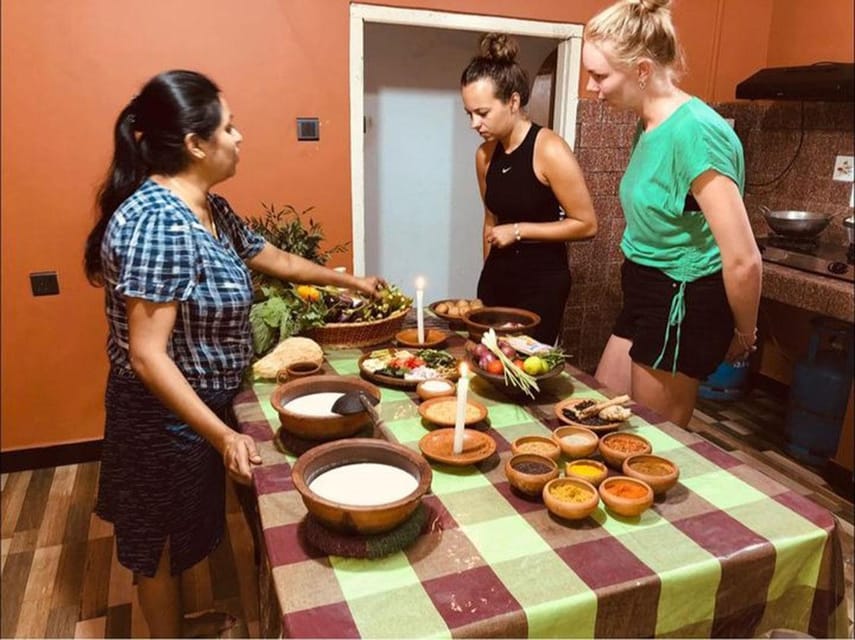
Spices have a story in Kandy. At The Best Kandy Kitchen, you cook Sri Lankan food inside a real family home near Bahirawakanda Mountain, led by the wife, sister, and mother team. I love how it stays small, limited to 2, and how you get practical ingredient guidance, from coconut sambol to roti and even the 100-year-old stone board for sambol. One thing to consider: since there is no chef, the family does a lot of the heavy cooking, and you focus on key hands-on steps and seasoning.
The setting helps too. You’re in calm, green surroundings, and the class can include a local market visit for spices and vegetables. You finish with a big meal you actually helped make, plus recipes to take home.
In This Review
- Key Points You’ll Care About
- A quiet family kitchen near Bahirawakanda Mountain
- Meet the wife, sister, and mother who run the show
- The 3-hour flow: pickup, optional market, then cooking together
- Optional market time
- Tea and a calm start
- Cooking time
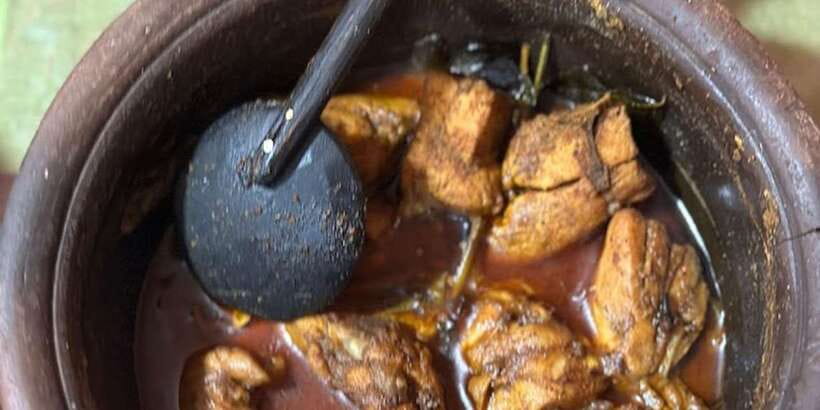
- What you’ll cook: 10 vegetable dishes plus fish or chicken
- Highlights that people remember
- The ingredient and spice lessons that actually help you cook later
- Coconut sambol and coconut roti: the texture and timing lesson
- Food size, seasoning style, and what to expect at the table
- Price and value: $99 for a group up to 2
- What to bring, and how to prepare for a home-kitchen class
- Who should book this Kandy cooking class
- Should you book The Best Kandy Kitchen in Kandy?
- FAQ
- How long is the Authentic Sri Lankan Cooking Class in Kandy?
- How many people are in the small group?
- Is pickup and drop off included?
- What dishes are included in the class?
- Do you receive recipes to take home?
- Is this cooking class wheelchair accessible?
Key Points You’ll Care About
- Family-led instruction, not a restaurant show
- Small group of up to 2 people
- Market time is available if you want it
- You make 10 vegetable dishes plus fish or chicken
- Coconut sambol and coconut roti are part of the class
- Hotel pickup and drop off around Kandy town are included
Kandy has more going on than one day allows
- Kandy Private Guided City Tour by Tuk Tuk
★ 4.9 · 1,307 reviews - From Kandy: Sigiriya Rock & Dambulla Cave Temple Adventure
★ 4.9 · 785 reviews - Kandy Village Cooking Class
★ 5.0 · 536 reviews - Kandy to Ella Train Tickets – Reserved Seats
★ 4.5 · 523 reviews
A quiet family kitchen near Bahirawakanda Mountain
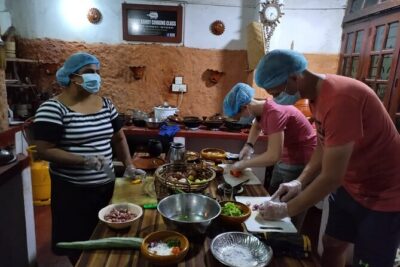
This is a Kandy cooking class that feels like visiting someone’s home, not standing in line for a performance. The hosts live near the Bahirawakanda Mountain area, close to the big Buddha statue, and the class happens inside their home kitchen. That matters because Sri Lankan cooking is built on routine, not showmanship. If you want to understand the real rhythm behind the food, being in a household kitchen gives you that context fast.
I also like the calm factor. The home is described as being in lovely green nature, away from the busy, tourist-heavy feel you can get around parts of Kandy. You’ll get a calmer pace for the whole evening or afternoon, and it makes the food lesson easier to focus on.
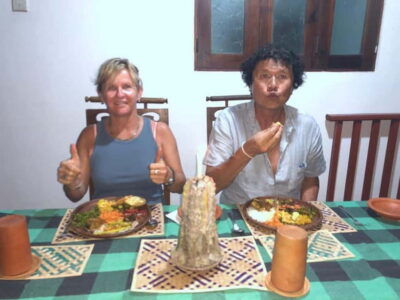
And yes, you’re eating what you cook. This is not a quick tasting tour where you leave hungry and asking what you just watched. The class is designed around making an actual meal experience.
Meet the wife, sister, and mother who run the show
Here’s the key twist: there’s no chef. The teachers are the family members, and the hosts explain that women are the best for traditional Sri Lankan cooking because they cook daily, often three times per day. That daily repetition is exactly what you’re learning from, even if you only spend 3 hours with them.
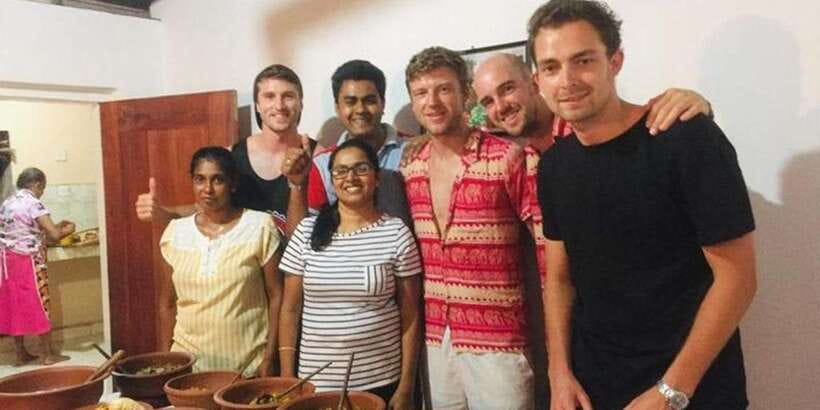
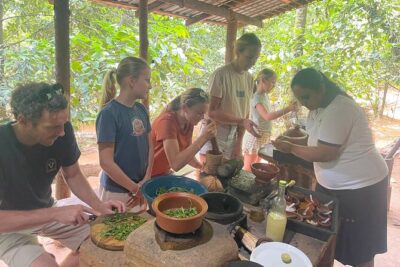
You’ll often see the work shared across the family. The hosts mention the wife, sister, and mother as your instructors, and sometimes the younger children join in. That keeps the class grounded and human, and it also means you get multiple viewpoints on the same dish. When someone teaches, they tend to explain why they do something, not just what to do.
English support is part of the setup too, so you’re not stuck playing guessing games with spice names. If you like asking questions, this format is built for it. You get time to clarify things like spice mixing and how coconut-based flavors work with heat.
The 3-hour flow: pickup, optional market, then cooking together
The class runs for 3 hours, and you can choose to include pickup and drop off around Kandy town. Pickup is included, and you wait in your hotel lobby about 10 minutes before the scheduled time.
From there, the experience usually falls into two parts:
1) ingredient sourcing, if you want the local market visit
2) cooking in the home kitchen, followed by eating and taking recipes home
Hungry still? More kitchens to sit in
Optional market time
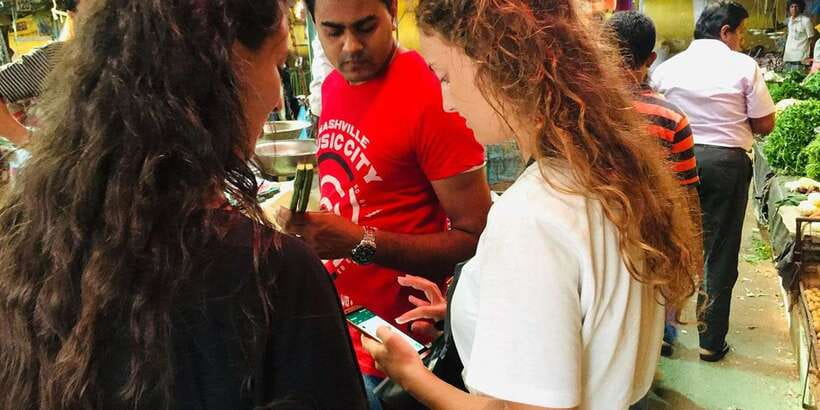
If you want the market part, you’ll be guided to visit a local market and shown spices and vegetables. One useful detail from the experience notes is that the market guide may be Dinesha, who can help you pick out what goes into the cooking. Even if you skip the market, you still get the spice education in the kitchen, but the market visit is where you see the ingredients in their everyday context.
This is also where you learn what’s worth buying and what combinations make sense in Sri Lankan cooking. You’ll understand that a dish is not just a recipe on paper. It’s built from common ingredients that people actually find locally.
Tea and a calm start
In some course setups, you’re offered a tea and even something like pancakes while the family prepares ingredients for the class. The point is simple: you arrive, settle in, and the kitchen gets ready. It prevents the class from feeling rushed.
Cooking time
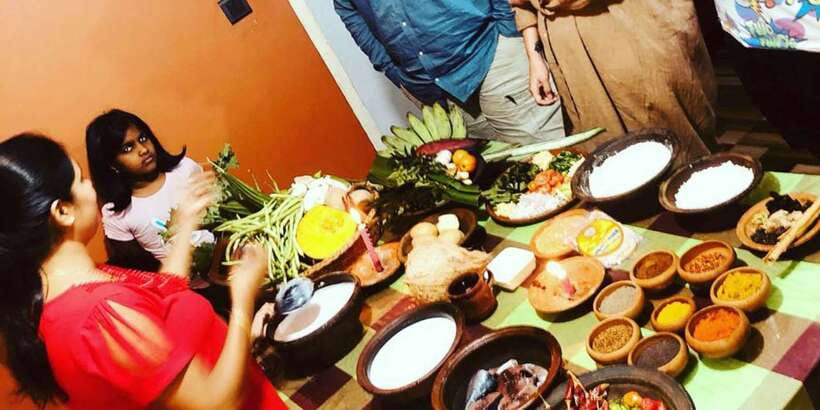
You then move into the cooking lesson, with a focus on making a full meal rather than doing one signature dish. The family also explains spice mixes as you go. This is where the class feels like you’re learning how to cook a cuisine, not just how to follow steps for one curry.
A practical note: because the curries involve real cooking time and multiple components, you may not do every single step from start to finish. Instead, you’ll do key portions, like seasoning, mixing, and shaping parts of the dishes, while the family handles the longer processes.
What you’ll cook: 10 vegetable dishes plus fish or chicken
The menu structure is one of the strongest reasons this class is worth it. You’re included for ten types of vegetable dishes, and then you choose fish or chicken as your additional main protein.
That combination matters. A lot of cooking classes focus heavily on one curry and call it a day. Here, you’re learning how Sri Lankan meals build variety. Vegetable curries, lentil-based flavors, coconut sauces, and spice profiles work together in a typical spread. When you cook multiple dishes, you start to feel the repeating flavor logic, like how heat, sweetness, and coconut balance each other.
You also get coconut sambol and coconut roti included. These are not just side items. They teach you texture and flavor, with sambol bringing punchy, spicy coconut flavor and roti grounding the meal.
Highlights that people remember
The experience places strong emphasis on sambol, including a stone board used for making it. One review detail that stood out is the mention of a 100-year-old sambol making stone board as a highlight. Even if you’re not a tool collector, this shows you something important: traditional techniques are part of the flavor.
Other dish favorites mentioned include eggplant and mushroom curry. Those are great picks for home cooking too because they’re flexible, not just “special occasion” ingredients. Once you understand the spice approach, you can adapt it for other vegetables at home.
The ingredient and spice lessons that actually help you cook later
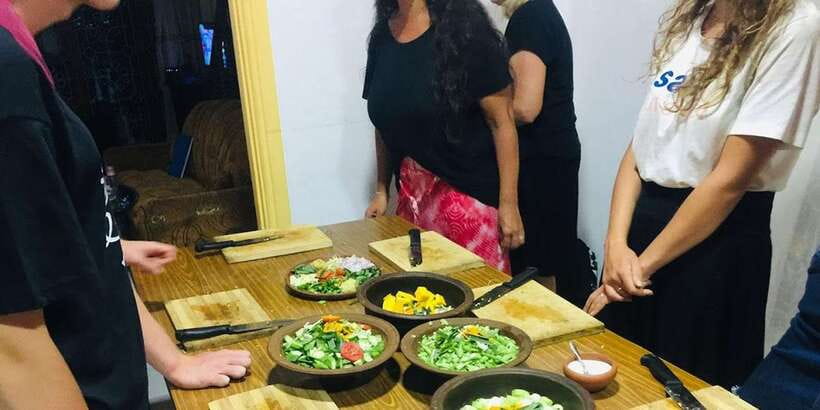
The host message makes a strong point: the women cook these dishes regularly, and that means the class is built around real methods, not shortcuts. In practice, what you want to look for is the way they explain spice choices and vegetable selection.
You’ll typically get guidance on:
- how spices are mixed and why
- how to handle common vegetables for curries
- how coconut changes the feel of heat and flavor
- how seasoning should taste as the dish cooks
This is where the class becomes useful for your own kitchen. If you only learn the recipe, you can still mess it up. But if you understand the logic of balancing flavors, your results improve fast.
Also, you’re not doing this in a huge group, so you can ask questions and get answers that fit what you’re holding. That’s a big difference compared to big demo classes where you watch from across the room.
Coconut sambol and coconut roti: the texture and timing lesson
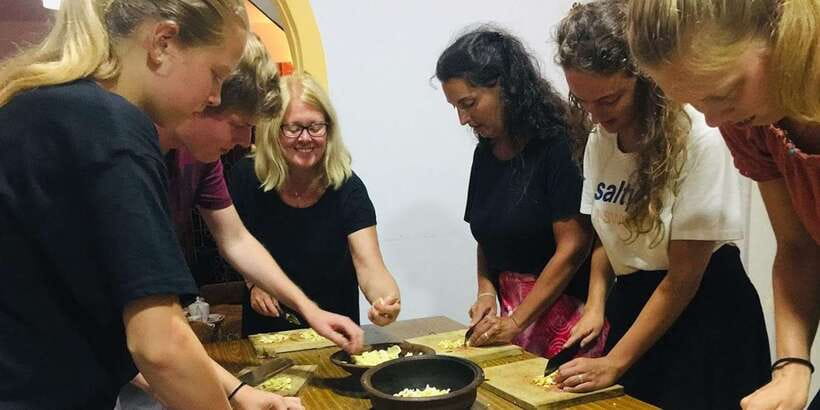
If I had to name the heart of this cooking session, it’s the coconut sambol and coconut roti pairing. The sambol teaches texture. It’s not only about heat and spice. It’s also about the feel of coconut, the mix, and the final balance.
Then coconut roti adds structure. Roti is where you learn how ingredients behave together, and how the dough or cooking process creates something you can actually use to eat with curries. When you can make roti at home, the rest of the meal becomes easier to recreate.
This part is especially good if you’re curious about Sri Lankan flavor beyond the typical “curry bowl.” You’re learning small but essential components that make the meal feel complete.
Food size, seasoning style, and what to expect at the table
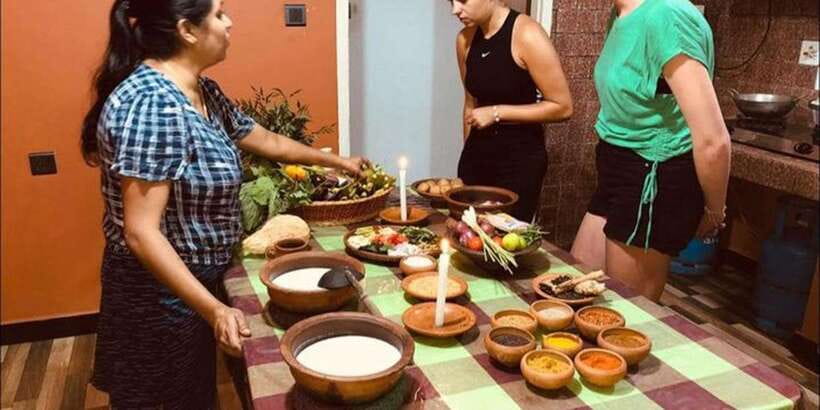
You’ll get to eat the meal you make, and the spread tends to be substantial. One practical tip from the experience is to consider skipping lunch or eating something very light beforehand. With multiple curries, snacks, and sides in the final meal, you can easily end up with a full dinner even if you thought you’d only have a small taste.
Another detail that helps set expectations: since there’s no chef doing everything, much of the cooking can be done by the family while you handle the parts where your input matters most. You might season dishes yourself, and you’ll do hands-on cooking tasks, but you’re not guaranteed to be the only person stirring every pot.
That doesn’t make it less authentic. It’s realistic. Traditional home cooking is shared work.
And because it’s a family kitchen, the atmosphere stays warm. There’s often a sense of relaxed hospitality, plus the excitement of kids helping in small ways. It’s a good reminder that food culture is social.
Price and value: $99 for a group up to 2
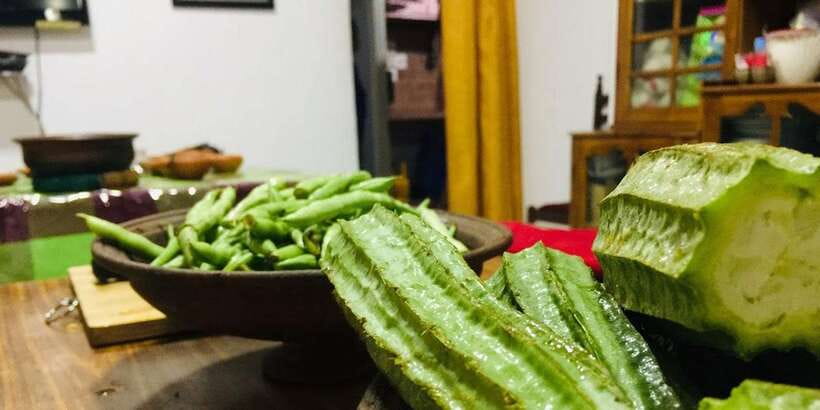
Let’s talk value plainly. The price is $99 per group up to 2, lasting 3 hours. For many cooking classes, you pay per person and still get limited food and limited instruction time. Here, the pricing is per group, and you’re capped at a small number of participants, which usually means more attention.
You also get several value add-ons included:
- pickup and drop off around Kandy town
- water bottles
- a full meal with multiple dishes
- coconut sambol and coconut roti
- fish or chicken option
- recipes provided at the end
If you’re doing this as a couple, the cost per person is more reasonable, and the small group setup makes the lesson feel personal. Even if you’re solo, you can still get a lot out of it because you’re not competing for attention with a big group.
My rule of thumb: if you want recipes plus real cooking skills, this is a strong match. If you’re only after entertainment or one quick curry, you might feel it’s more work than you expected. But if you want to learn Sri Lankan home cooking, the structure makes sense for the price.
What to bring, and how to prepare for a home-kitchen class
For a smooth class, come ready to cook and eat. The hosts suggest bringing:
- a change of clothes
- a camera
- cash
- a charged smartphone
Wear clothes that can handle curry smells and a little mess. Kitchen floors and hands tend to get spicy. If you want photos, bring a camera or use your phone, but keep in mind you’ll be cooking, so don’t worry about getting perfect shots.
A few practical notes from the activity info:
- pets are not allowed
- it is not suitable for wheelchair users
Who should book this Kandy cooking class
This experience is best if you want more than food. You want family life, spice understanding, and a home kitchen atmosphere.
It’s a great fit for:
- couples who want a small, focused cooking class
- food lovers who care about spice logic and multiple dishes
- travelers who want a market stop option and ingredient education
- anyone who wants take-home recipes and real technique, not just a meal
It may be less ideal if you need full accessibility support, since it’s not suitable for wheelchair users. It may also not match your expectations if you’re hoping to do absolutely every step, since the family does a lot of the cooking while you participate in key parts.
Should you book The Best Kandy Kitchen in Kandy?
I think you should book this class if you like authentic food lessons and you want a calm home setting near Kandy’s big landmark area. The strongest reasons to go are the family-led teaching, the small group size, the market option, and the menu structure that teaches you more than one curry.
If your goal is to come away with recipes you can actually use, plus an understanding of coconut sambol, coconut roti, and how spice mixes work, this is a smart use of your time in Kandy.
If you hate mess, expect a very hands-off demo, or need wheelchair access, then you’ll want to choose something else. But for most people looking for real Sri Lankan cooking knowledge, this is a very solid bet.
FAQ
How long is the Authentic Sri Lankan Cooking Class in Kandy?
The class lasts 3 hours.
How many people are in the small group?
The group is small and limited to 2 participants.
Is pickup and drop off included?
Yes, pickup and drop off around Kandy town are included. You should wait in the hotel lobby about 10 minutes before pickup.
What dishes are included in the class?
You get ten types of vegetable dishes, plus fish or chicken (your choice). Coconut sambol and coconut roti are also included, along with water bottles.
Do you receive recipes to take home?
Yes, recipes are provided at the end of the class.
Is this cooking class wheelchair accessible?
No, it is not suitable for wheelchair users.
More Tour Reviews in Kandy
More Kitchens to Sit In
Still in Kandy?
Still browsing Kandy? Start here
- Udawalawe National Park Private Full-Day Safari★ 5.0 · 3 reviews
- Wasgamuwa National Park Safari from Kandy★ 5.0 · 3 reviews
- Private Sri Lanka Tour & Hike Experience to Ambuluwawa Tower★ 5.0 · 3 reviews
- Kandy Instagram Tour: Most Famous Spots (Private & All-Inclusive)★ 5.0 · 3 reviews
- Kandy to Ella★ 5.0 · 3 reviews
Kandy Tours, compared.
 ★ 4.9Kandy Private Guided City Tour by Tuk TukFrom $61,307 reviews
 ★ 4.9From Kandy: Sigiriya Rock & Dambulla Cave Temple AdventureFrom $29785 reviews
 ★ 5.0Kandy Village Cooking ClassFrom $25536 reviews
 ★ 4.5Kandy to Ella Train Tickets – Reserved SeatsFrom $26523 reviews
 ★ 4.8From Kandy: Pinnawala Day TourFrom $15331 reviews
 ★ 4.8Kandy to Ambuluwawa & Kandy City Guided Tuk Tuk Day TourFrom $12270 reviews
 ★ 5.0Day tour to Sigiriya & Dambulla from KandyFrom $25252 reviews
 ★ 5.0Kandy to Sigiriya Day Tour and Dambulla cave temple with private vehicleFrom $42232 reviews
Browse the lists this tour appears in