
REVIEW · KANDY TOURS
Authentic Sri Lankan Cooking Class in Kandy with Local Family
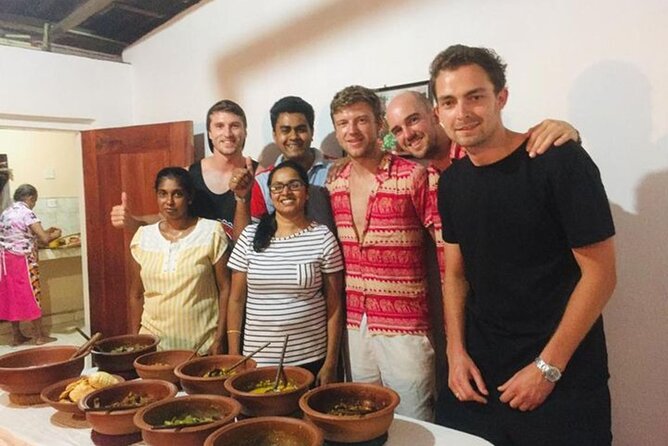
Cooking dinner with a local family feels personal. In Kandy, this class is taught in a home kitchen by the women of the family, so you get family life along with repeatable cooking techniques. One thing to consider, it is not a polished restaurant setup, it is a real home kitchen, so expect a casual, lived-in space and a hands-on feel.
You start at 5:00 pm and spend about 3 hours learning how Sri Lankan food is made and how it fits daily life. If you want it, you can also get guidance for a local market visit, with explanations tied to spices and vegetables. With a maximum of 15 people, the vibe stays warm and interactive, and you finish with recipes you can use at home.
In This Review
- Key highlights at a glance
- Where the class happens: a calm home kitchen near Bahirawakanda
- Who teaches you, and why that matters more than a chef
- The 5:00 pm timing, and how to plan your night in Kandy
- Optional market guidance: spices and vegetables the practical way
- Inside the home-kitchen lesson: how the cooking time feels
- Culture lessons you actually use, not just trivia
- What you take home: recipes that turn learning into meals
- Price and value: $35 for 3 hours with pickup and recipes
- Group size, energy, and what 44 five-star ratings suggest
- Practical tips for a smoother evening
- Who this cooking class is best for
- Should you book this Kandy family cooking class?
Key highlights at a glance
Family-led teaching: the wife, sister, and mother run the lesson, not a professional chef
Practical skills you can repeat: cooking techniques explained in a way you can rebuild later
Local culture built into the meal: daily routines, food habits, and small historical tips
Optional market guidance: learn about spices and vegetables through a guided local market visit
Home-kitchen setting: you cook where the family cooks, and it shows
Small group size: maximum of 15 people, so you get attention while you cook
Kandy has more going on than one day allows
- Kandy Private Guided City Tour by Tuk Tuk
★ 4.9 · 1,307 reviews - From Kandy: Sigiriya Rock & Dambulla Cave Temple Adventure
★ 4.9 · 785 reviews - Kandy Village Cooking Class
★ 5.0 · 536 reviews - Kandy to Ella Train Tickets – Reserved Seats
★ 4.5 · 523 reviews
Where the class happens: a calm home kitchen near Bahirawakanda
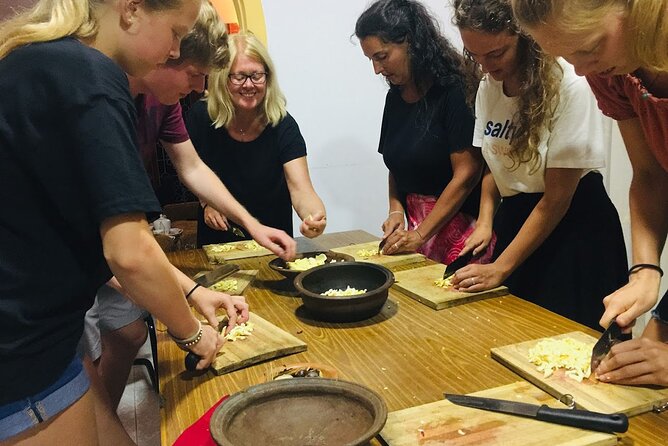
This class takes place inside the host family’s home kitchen, close to Kandy city but set in a calm green area. It is near the big Buddhas statue at Bahirawakanda Mountain, which helps if you like grounding your evening with a clear landmark in your mind. The setup matters because it shapes the whole tone: you are not watching from the sidelines. You are working, tasting, and learning in the same space where the family prepares food.
I like that the teachers are the people who actually cook every day. The description is clear about this: women cook traditional foods regularly, about three times per day, so the class is built from routine knowledge, not just a one-off performance. If you care about food as part of culture, this approach gives you that context right away.
Who teaches you, and why that matters more than a chef
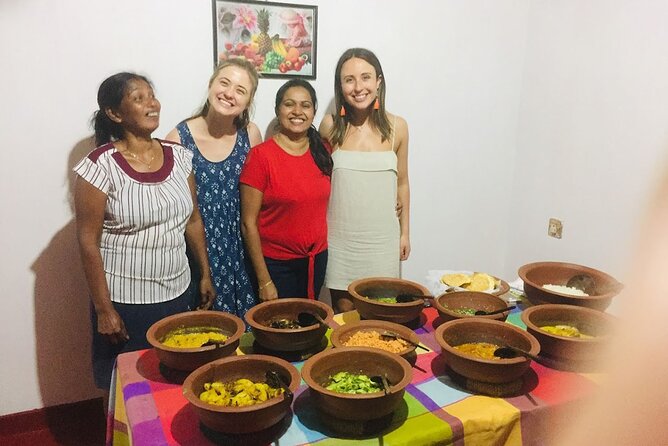
Here, there is no hired chef running the show. Your teachers are the wife, sister, and mother from the family, and sometimes the family’s three little girls join in during parts of the cooking. That is a big deal. You learn how they cook, how they explain things, and how they think about the everyday decisions behind the final dish.
Women are central to traditional cooking in their family story, and that comes through in how the class is framed. You get the sense that the lesson is built around what matters in real kitchens: rhythm, repeatable steps, and the small know-how that comes from doing the same kind of cooking again and again.
Possible drawback, if you want a very formal, lecture-style class with strict timing and polished equipment, you may find the home-kitchen pace more relaxed. It is still structured, but the feel is more family evening than culinary school.
The 5:00 pm timing, and how to plan your night in Kandy
The class starts at 5:00 pm, and it lasts about 3 hours. That timing is smart. It drops into the golden hour slot when Kandy feels most relaxed, and it lets you turn your evening into a meal plus learning in one go.
Also, because the course is in the city area and pickup and drop-off are offered around Kandy city, you can plan an easy day before the class. If you are bouncing between sights, you can treat this like your main anchor activity. Then you finish with dinner-like food at the end, plus recipes to recreate the experience later.
If you have dinner plans right after, I would avoid booking something too tight. The class ends with you eating what you cooked, so you will likely want a lighter plan afterward.
Hungry still? More kitchens to sit in
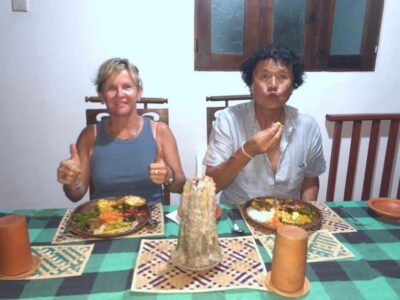
Optional market guidance: spices and vegetables the practical way
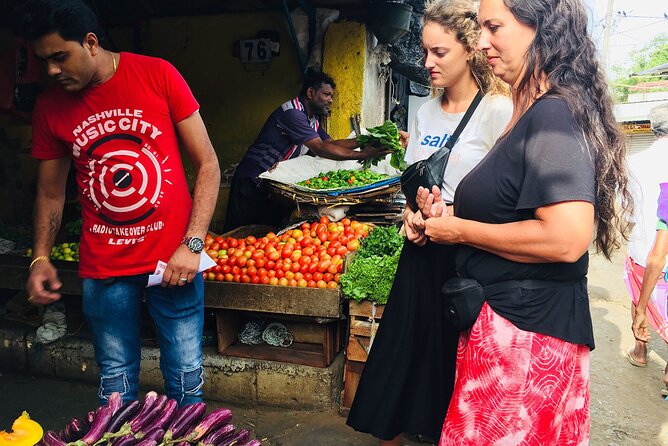
One of my favorite parts of this concept is the optional market angle. If you like local markets, the family guides you to visit one and explains spices and vegetables. This is not a general history talk. It is tied to what you use and why, which is how market knowledge becomes real cooking knowledge.
Even if you skip the market, the class still leans on explanations about food choices. The family’s whole pitch is about teaching cooking techniques and sharing traditions and daily life. That means you will understand the ingredients in context, not as random items in a recipe card.
How to decide? If you enjoy seeing how locals shop, and you like the idea of learning what spices and vegetables look like before you cook, ask about the market option when you book. If you prefer a slower evening and just want to cook, you can stick with the home-kitchen portion and still get plenty out of it.
Inside the home-kitchen lesson: how the cooking time feels
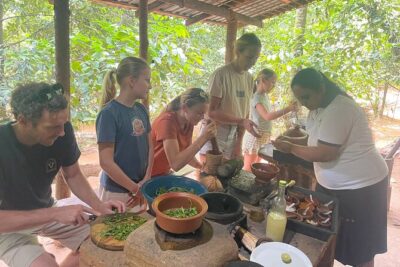
This is a hands-on class inside a real family kitchen. You start with introductions and then move into cooking, learning new techniques that the family says you can repeat at home. From the way the class is described, you should expect a mix of explanation and doing, with teachers guiding your steps and answering questions as you go.
One useful detail is the family’s emphasis on traditional foodmaking and the idea that they do this daily. That changes how lessons land. Instead of you being handed a complicated, one-time method, you learn techniques framed around everyday cooking. It is the kind of teaching that helps you remember what to do when you are back in your own kitchen.
End of class is also practical. You eat the divine food they prepare during the session, and you receive recipes. That combination is what turns a fun evening into something you can actually recreate.
If you are sensitive to smells from spices and cooking aromas, consider that you are in a home kitchen. It will feel like real cooking, with real spice scents. Many people love that, but it is worth noting.
Culture lessons you actually use, not just trivia
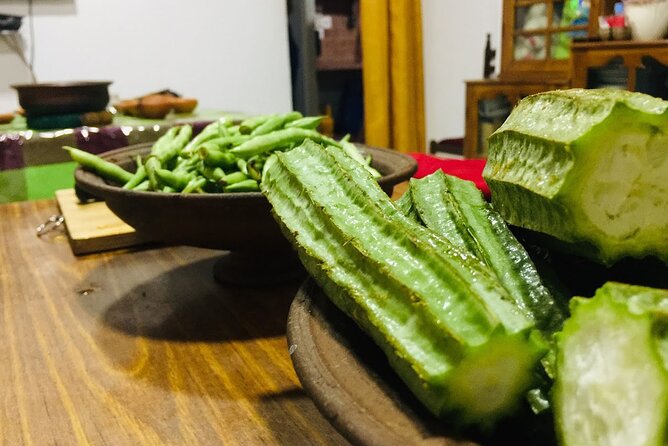
This class is not only about making food. You also learn about Sri Lankan food culture and daily life, plus historical tips about their unique cuisine. The point is not a long lecture. It is the way food gets explained through a family lens: how food fits routines, how certain practices get passed on, and how everyday cooking connects to tradition.
I especially like when a cooking class treats culture as a living thing, not a museum display. Here, the family teaches because they live it. When the little girls join sometimes, it also makes the space feel real. It is Kandy life, not an artificial set.
What you take home: recipes that turn learning into meals
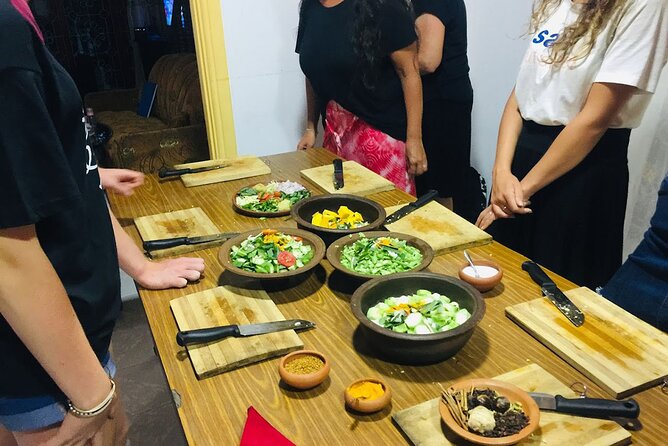
The best cooking classes give you more than a full belly. This one gives you recipes at the end. That matters for value because it helps you practice at home instead of only remembering flavors and steps vaguely.
Also, the class explicitly focuses on techniques that are easy to repeat. That is the difference between a class that feels like a show and a class that becomes a skill. With recipes in hand, you can try again soon, while the method is still fresh.
Practical thought: recipes are only useful if you have a way to source similar ingredients. You might find that some spices or produce are easier or harder to get depending on where you live. Still, even when substitutions are needed, the techniques and logic behind the cooking should carry over.
Price and value: $35 for 3 hours with pickup and recipes
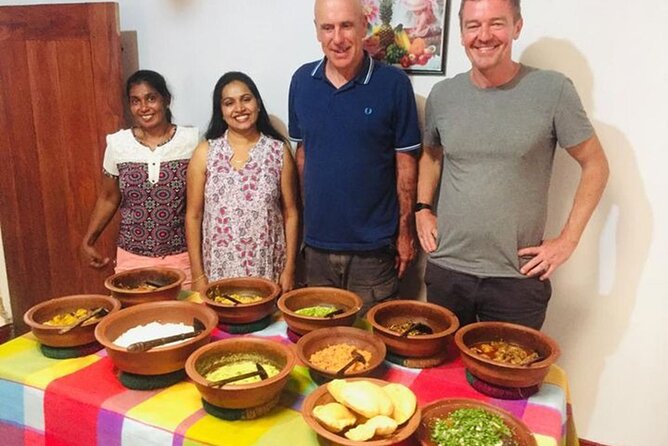
At $35 per person for about 3 hours, this class can be a strong value in Kandy, especially because it includes things that many cooking experiences charge extra for. You get pickup and drop-off around Kandy city, and you receive recipes. You also learn from a small group setting with a maximum of 15 people, which typically improves your question time.
The family-led format also adds value beyond cost. A class run by the people who cook daily tends to produce better explanations. In this case, the teaching is the wife, sister, and mother, and they bring family routines and cultural context along with the hands-on work.
If you are comparing, consider what you would pay for dinner plus a structured cultural activity. This is that combined package, minus the guesswork, because you learn the methods while you eat.
Group size, energy, and what 44 five-star ratings suggest
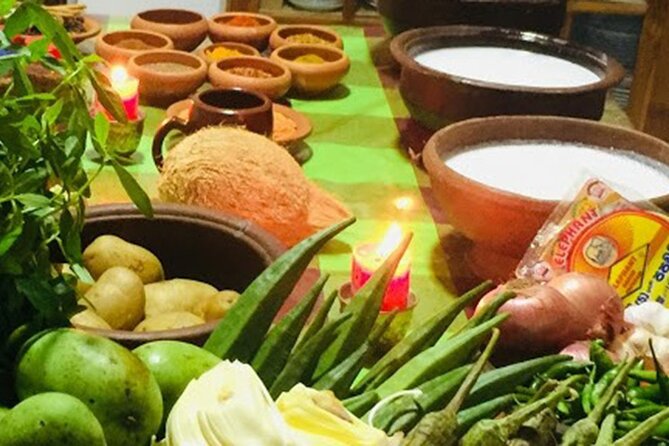
This is one of those activities where the track record looks unusually consistent. It is rated 5 out of 5 with strong repeat praise, and the recommendation rate is listed as 100 percent. That lines up with what you should expect from a family kitchen class: personable hosts, a fun evening, and lots of learning about food, cooking, culture, and daily life.
The maximum group size of 15 people helps keep the energy friendly and interactive. You are not swallowed by a huge class. You should feel comfortable asking questions and getting guidance while you cook.
One more practical point: the average booking time is 20 days in advance. That does not mean you have to stress, but it does suggest demand is steady. If your Kandy dates are fixed, booking earlier gives you better odds of landing the slot you want.
Practical tips for a smoother evening
A few things make this kind of class easier.
Wear clothes you can get lightly soiled. Even if everything is tidy, cooking work tends to be hands-on. Bring a light jacket if you get chilly in the evening, because the start time is 5:00 pm and Kandy nights can feel cooler depending on the day.
If you are interested in the market option, make your preference clear when you book. The class format indicates you can be guided there if you want it, and it is better to plan rather than improvise.
Also, remember the location is near Bahirawakanda Mountain and the big Buddhas statue area. If you are navigating on your own before pickup or on return, keep that landmark in mind.
Who this cooking class is best for
I think this fits best if you want food to be more than a meal. If you like learning how people live, shopping choices, and how techniques transfer into your own cooking, you will likely enjoy this a lot.
It is also a good pick for couples and small groups because the atmosphere stays personal and small-group friendly. If you have always thought cooking classes were too staged, this home-kitchen approach can feel more grounded.
If you want a very polished, high-end culinary school vibe with a fully separate teaching studio, this may feel too casual. But if you care about tradition and practical skills, that casual home setting is the whole point.
Should you book this Kandy family cooking class?
Yes, I would book it if your goal is to learn traditional Sri Lankan cooking in a way that you can repeat, and if you like the idea of spending your evening with a local family inside a real home kitchen. The mix of hands-on techniques, explanations tied to daily life, and the fact you leave with recipes makes it feel like a skill-building experience, not just a fun activity.
I would skip it only if you prefer a strictly formal cooking school setup or you strongly dislike home-kitchen realities like real spice aromas and a more relaxed pace. If that sounds like you, look for something more standardized.
If you are choosing between “eat good food” and “learn how to make it,” this one leans hard toward learning, and that is why it gets such strong praise.
More Tour Reviews in Kandy
More Kitchens to Sit In
Still in Kandy?
Still browsing Kandy? Start here
- Udawalawe National Park Private Full-Day Safari★ 5.0 · 3 reviews
- Wasgamuwa National Park Safari from Kandy★ 5.0 · 3 reviews
- Private Sri Lanka Tour & Hike Experience to Ambuluwawa Tower★ 5.0 · 3 reviews
- Kandy Instagram Tour: Most Famous Spots (Private & All-Inclusive)★ 5.0 · 3 reviews
- Kandy to Ella★ 5.0 · 3 reviews
Kandy Tours, compared.
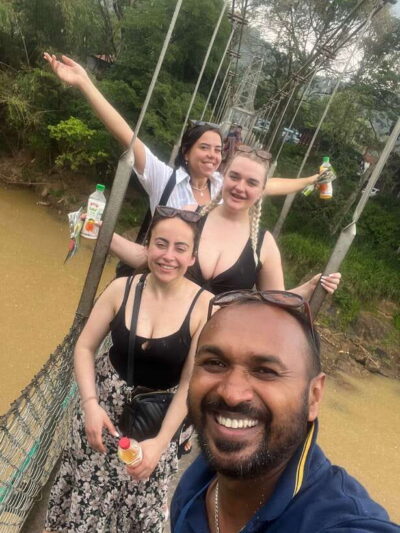 ★ 4.9Kandy Private Guided City Tour by Tuk TukFrom $61,307 reviews
 ★ 4.9From Kandy: Sigiriya Rock & Dambulla Cave Temple AdventureFrom $29785 reviews
 ★ 5.0Kandy Village Cooking ClassFrom $25536 reviews
 ★ 4.5Kandy to Ella Train Tickets – Reserved SeatsFrom $26523 reviews
 ★ 4.8From Kandy: Pinnawala Day TourFrom $15331 reviews
 ★ 4.8Kandy to Ambuluwawa & Kandy City Guided Tuk Tuk Day TourFrom $12270 reviews
 ★ 5.0Day tour to Sigiriya & Dambulla from KandyFrom $25252 reviews
 ★ 5.0Kandy to Sigiriya Day Tour and Dambulla cave temple with private vehicleFrom $42232 reviews
Browse the lists this tour appears in