
REVIEW · MULTI-DAY SRI LANKA TOUR PACKAGES
Delft and Nainativu Island Tour with Local Guide ( Jaffna )
You get quiet islands, big history, and roaming horses. This full-day outing from Jaffna pairs Delft Island’s Dutch-era ruins with wild horses on open plains, plus a spiritual stop on Nainativu. The one thing to think about is timing, because if weather delays the Delft ferry, the plan may switch and you could miss Nainativu.
What makes this tour work so well is the way your local guide connects places to stories, from colonial pigeon towers to temple traditions tied to the Naga people. In the best experiences, guides like Mr. Arun (Explore Yarl) are praised for clear English and thoughtful explanations, and even for adjusting small details so you still get the day’s highlights. If you hate boat rides, this still may be a rough day, but it’s a big part of why the islands feel so different from mainland Jaffna.
In This Review
- Key things that make this day trip stand out
- Why Delft and Nainativu Islands feel special from Jaffna
- Getting started early in Jaffna, and what that means for your day
- The ferry ride to Delft, what to watch for, and how to use the time
- Delft Island: Dutch-era ruins, coral walls, and old towers
- How to spot Delft’s wild horses without turning it into a sprint
- The Abra Palomani village stop, lunch, and local tea breaks
- Ferry jumps and island transfers: how the day stays moving
- Nainativu Island: temple pilgrimage and Nagapooshani Amman Kovil
- When weather delays Delft: the Punguditivu backup plan
- Price and value: what $118 covers in a full island day
- Who this tour fits best, and who should think twice
- Small rules that help the day feel good
- Should you book the Delft and Nainativu Islands Tour?
- FAQ
- What is the duration of the Delft and Nainativu Island tour?
- How much does the tour cost?
- What time is the pickup in Jaffna?
- What languages will the guide speak?
- Does the tour include boat or ferry rides?
- What food is included during the day?
- What happens if the Delft ferry is delayed due to bad weather?
- What should I bring, and what is not allowed?
Key things that make this day trip stand out
- Dutch remnants on Delft, including a colonial pigeon tower and queen tower
- Wild horses that roam freely across open plains, great for photos
- Coral walls and ancient ruins that feel timeworn and real
- Nainativu’s pilgrimage focus, including Nagapooshani Amman Kovil (snake goddess)
- A practical backup plan to Punguditivu Island if ferry timing gets tight
- Traditional seafood lunch with tea or coffee in a village setting
Still narrowing it down? These Jaffna trips held up well.
- Delft and Nainativu Island Tour with Local Guide ( Jaffna )
★ 5.0 · 11 reviews
Why Delft and Nainativu Islands feel special from Jaffna
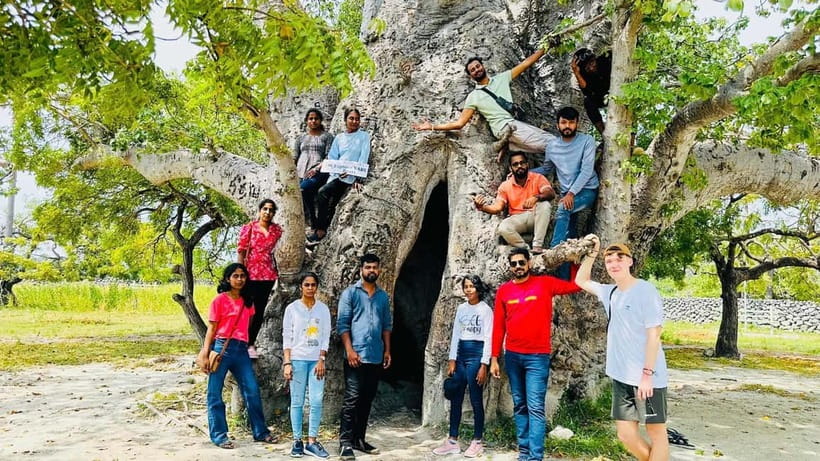
This is the kind of tour where you trade city bustle for salt air, temple calm, and that slow feeling you get on small islands. Delft brings you the colonial footprint of a Dutch presence, but you see it in the weathered details, not museum-style. Nainativu is the spiritual side of the story, with pilgrimage traditions that help explain why Sri Lanka’s religious heritage is shared, layered, and lived-in.
I also like that the day is built around both nature and belief. You’re not just ticking boxes. You’re walking ruins, watching wildlife, eating locally, then crossing to a sacred island with major sites tied to Tamil and Naga ancestry stories.
Finally, it’s value-smart for a full day at sea. You pay once, then you’re covered for hotel pickup, transport to the port, ferry or boat crossings, local rides on each island, and a guided plan.
Getting started early in Jaffna, and what that means for your day
Your day begins with pickup in Jaffna at 6:30 AM. That early start matters because the morning light is kinder for walking ruins and plains, and it also helps keep ferry schedules from collapsing under normal port delays. Expect a mix of driving and viewing en route, including marine-life viewing and scenic stops along the way to the jetty.
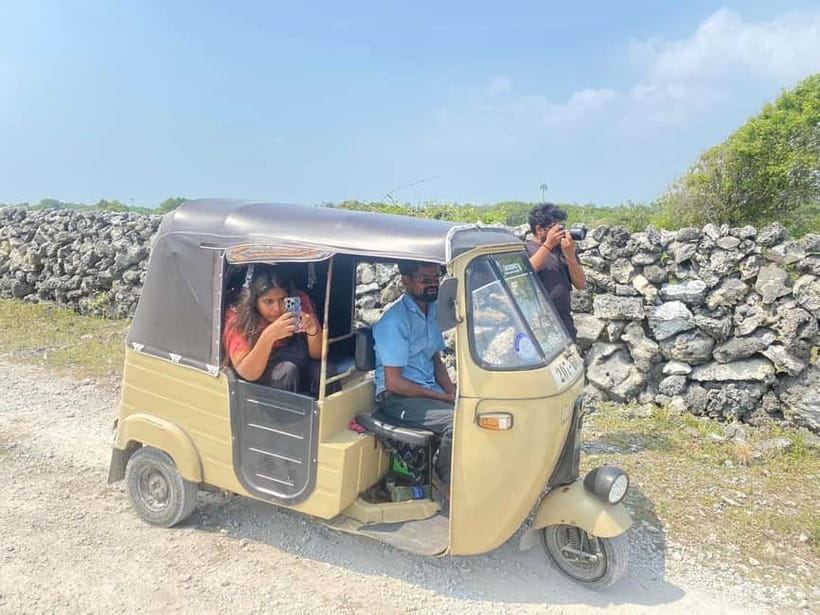
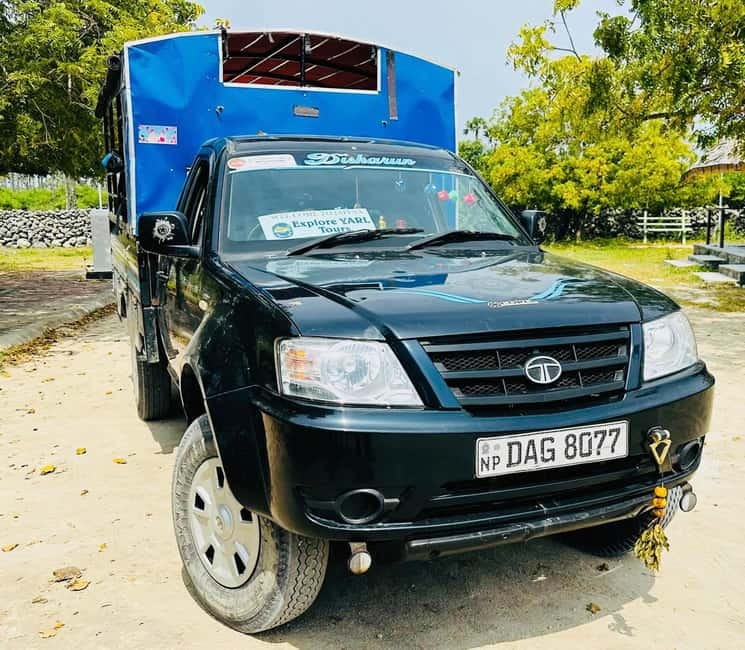
Transport to the port can be a motorcycle, tuk-tuk, car, or van, depending on the number of people. That variety is part of the local feel. It also means you should be ready for quick transitions, short waits, and changing vehicle types as the day moves from shore to boat.
If you’re traveling with your camera, this is a good day for it. From the first sea crossing, the light and the coast views give you plenty of chances before you even reach Delft.
The ferry ride to Delft, what to watch for, and how to use the time
You’ll spend about 45 minutes on the ferry ride toward Delft. It’s part travel, part experience. You’ll also get a chance for marine-life viewing along the way, and the sea air can be a welcome break from the early morning routine.
One practical note from real-world conditions: the initial portion of the ferry ride can be crowded and hot, with people packed inside before you can enjoy the breeze on deck. If you’re claustrophobic or sensitive to heat, plan to time your comfort, move to open air when you’re able, and keep an eye on where you sit.
Also, the open sea means that at least one ferry segment may feel a bit challenging. If you’re prone to motion sickness, I’d treat this as a day where seasickness medication or ginger can be worth it, because you’re on water more than once.
Delft Island: Dutch-era ruins, coral walls, and old towers
Delft is where history becomes visible in textures. You’ll tour windswept landscapes and ancient ruins with a local guide, and you’ll see remnants from Dutch rule, including a colonial pigeon tower and a queen tower. These aren’t just names. They help you understand how colonial power was expressed through practical buildings and control of space.
You’ll also come across coral-wall construction built centuries ago. That kind of wall reads differently in person than in photos. It feels sturdy, weathered, and close to the ground in a way that makes it easy to imagine daily life around it.
What I like most is that the guide ties these structures to meaning. You get the story behind where you stand, instead of just walking past stones. And if your guide speaks English well, you’ll have an easier time catching the cultural and ecosystem connections, from plants and birds to the island’s role in the region.
How to spot Delft’s wild horses without turning it into a sprint
Delft’s wild horses are one of the big reasons people book this tour. They’re believed to be descendants of horses left behind during colonial times, and they roam freely across open plains. The sight can feel surreal at first, like the island is running on its own rules.
The practical trick is patience. Your guide will help you look, and in some cases you might keep searching until you actually find a horse you can watch calmly. That means you should slow down mentally too. Bring your camera strap, stand in a safe spot, and let the moment happen.
This is also where the local guidance pays off. Rather than just pointing toward the nearest view, a good guide knows where horses tend to appear and how to approach viewing without disturbing the animals.
The Abra Palomani village stop, lunch, and local tea breaks
On Delft, you’ll make a stop at Abra Palomani, with time that can include lunch, a guided walk, sightseeing, and welcome refreshments. It’s also a moment for more wildlife viewing and a chance to enjoy marine-life moments in the area, depending on the day’s conditions.
Lunch is traditional seafood, served in a village setting. This is the part I care about most on island tours, because food is where you experience daily life, not just scenery. Based on guides’ reputations, the seafood lunch is often praised as excellent, served in a relaxed atmosphere that doesn’t feel rushed.
You’ll also get tea or coffee and traditional refreshments. That simple break matters on a long day, especially after sun exposure and time on boats.
If you’re picky about spice or timing, do what works for your body, not the schedule. Eat when it’s offered, drink water, and keep your energy up. This tour is short on “sit and do nothing” time.
Ferry jumps and island transfers: how the day stays moving
After Delft, the tour returns by ferry and then continues by additional ferry segments. The timing is built around around-the-coast travel: one ferry segment is about 45 minutes, another is shorter at about 15 minutes, and you’ll then reach Nainativu.
This structure matters because island days are fragile days. You’re not on a flexible beach. You’re on transport that has to work with sea conditions, port capacity, and last sailing windows.
Also, ferries may be private or public depending on demand, and they can be busy. The good part is that the plan is designed for safety, and the crossings are still described as a real local experience, not a touristy stunt.
When you’re waiting, stay close to the group and keep your water and hat handy. Small delays feel smaller when you’re prepared.
Nainativu Island: temple pilgrimage and Nagapooshani Amman Kovil
Nainativu is the spiritual anchor of the day. You’ll visit with a guide and get time for walking the pilgrimage areas. The island is known for two major religious pilgrimage sites, and one of the named highlights is Nagapooshani Amman Kovil, dedicated to the snake goddess.
This matters beyond the name on a sign. The tradition is historically linked to the Naga people, described as ancestors of Sri Lanka’s communities in the island’s cultural narrative. Walking through the temple areas helps you feel how multi-faith heritage is not a concept, it’s part of daily island identity.
Your guide should explain the role these sites play, and you’ll likely also learn how local belief connects with broader Sri Lankan religious history. If you want a calmer pace compared with ruins and horses, Nainativu is often where the day slows down.
Dress and behavior count here. Wear light clothing you can comfortably move in, avoid anything too casual, and follow the local expectations around sacred spaces.
When weather delays Delft: the Punguditivu backup plan
This tour has a real-world contingency. If the Delft ferry is delayed due to bad weather, there may not be enough time to catch the last ferry from Nainativu. In that case, you might need to skip the Nainativu portion.
Instead, the operator aims to give you a strong alternative by taking you to another ancient Kannaki Goddess Temple at Punguditivu Island. That doesn’t replace Nainativu’s specific pilgrimage focus, but it does keep the spiritual theme alive so you’re not left with a half-day disappointment.
If weather is a concern for you, I recommend keeping your mindset flexible. This is not a tour where every minute is guaranteed. It’s a tour where the goal is to protect the best possible experience within sea and schedule limits.
Price and value: what $118 covers in a full island day
At $118 per person for an 8.5-hour day, the value comes from how much is included. You’re not only paying for a guide. You’re also paying for hotel pickup and drop-off, transport to the jetty, ferry or boat rides to Delft and Nainativu, private transport on both islands, and guided exploration.
You also get the on-island meal, with traditional seafood lunch plus tea or coffee and refreshments. For island tours, food and transport add up quickly if you do it yourself, especially once you factor in ferries and the difficulty of finding local drivers who know island timing.
What helps justify the cost is the structure: boats, local rides, guided walking, and a plan for wildlife and ruins. If you love photography and cultural sites, you’ll likely feel the money in your photos and your stories at the end of the day.
Who this tour fits best, and who should think twice
This is a strong fit if you want off-the-beaten-track island time from Jaffna, plus colonial-era ruins and pilgrimage heritage in one day. It’s also a good choice for solo travelers who like having a local guide handle navigation and timing.
It is not suitable for pregnant women, people with mobility impairments, and wheelchair users. The day includes walking, uneven island ground, and multiple boat and ferry segments, so comfort and mobility are important.
If you’re traveling with young kids, the tour can still be possible depending on their comfort with boats and walking, but the provided details do not state it as family-friendly. Use your judgment and be honest about stamina and heat.
Small rules that help the day feel good
Bring comfortable shoes, a hat, sunscreen, a camera, and water. Heat and sun will be your biggest enemy, not the distance. A camera matters because the horses and the coral-wall details are visual.
Smoking is not allowed. It sounds obvious, but it’s the kind of rule that keeps sacred and nature areas respectful, especially on temple islands.
Wear light clothing and plan for a full day of walking and exploration. This isn’t a sit-on-a-boat-and-snack itinerary. You’ll move through multiple stops.
Should you book the Delft and Nainativu Islands Tour?
I’d book it if you want a single day that meaningfully combines Dutch colonial remnants on Delft, wild horses on open plains, and Nainativu’s pilgrimage heritage, including Nagapooshani Amman Kovil. The guide factor matters too. Experiences with Mr. Arun of Explore Yarl highlight clear English, thoughtful explanations, and a calm pace that helps you actually notice birds, plants, and historical details.
I would think twice if you get motion sick easily, dislike crowded boat interiors, or have limited mobility. Also, be prepared for schedule changes if weather delays ferries, with the Punguditivu temple as the backup spiritual option.
If your goal is an authentic day off Jaffna’s main routes, this tour is one of the more direct ways to do it without juggling ferry schedules yourself.
FAQ
What is the duration of the Delft and Nainativu Island tour?
The tour runs for about 8.5 hours.
How much does the tour cost?
The price is $118 per person.
What time is the pickup in Jaffna?
Pickup is scheduled for 6:30 AM.
What languages will the guide speak?
The live tour guide is available in English and Tamil.
Does the tour include boat or ferry rides?
Yes. It includes ferry or boat rides to Delft and Nainativu, and it also includes private transport on each island.
What food is included during the day?
You’ll have a traditional seafood lunch in a village, plus tea or coffee and traditional refreshments.
What happens if the Delft ferry is delayed due to bad weather?
If there isn’t enough time to catch the last ferry from Nainativu, the visit to Nainativu may be skipped and you’ll be taken to an ancient Kannaki Goddess Temple at Punguditivu Island instead.
What should I bring, and what is not allowed?
Bring comfortable shoes, a hat, a camera, sunscreen, and water. Smoking is not allowed.
More Tours in Jaffna
More Tour Reviews in Jaffna
Still browsing Jaffna? Start here
- Delft and Nainativu Island Tour with Local Guide ( Jaffna )★ 5.0 · 11 reviews
Multi-Day Sri Lanka Tour Packages, compared.
 ★ 5.008 Nights in Magical Sri LankaFrom $690443 reviews
 ★ 5.0Sri Lanka classic tour 8 Days with private driver,vehicle and H/B accommodationsFrom $623170 reviews
 ★ 5.0Most Popular Round Tour in Sri LankaFrom $80161 reviews
 ★ 5.014 Days Sri Lanka ALL in One Classic TourFrom $1,510137 reviews
 ★ 5.0A Multi Day Tour Around Sri Lanka with Our Personal DriverFrom $45127 reviews
 ★ 5.0Highly recommended multi day tour in Sri LankaFrom $667126 reviews
 ★ 5.0The Most Recommended Round Tour in Sri LankaFrom $25116 reviews
 ★ 5.0Sri Lanka private tour package 9 night 10 Day with driver+vehicle+accommodationsFrom $66687 reviews
Browse the lists this tour appears in