
REVIEW · GALLE & GALLE FORT TOURS
Half-Day Lagoon and Village Cycling Tour in Galle
Lagoon cycling is a slower kind of sightseeing. This half-day ride in and around Galle mixes mangroves and native wildlife with real village life, plus factory stops that explain how everyday Sri Lankan products are made. What I like most is the chance for wildlife and plant spotting with guide Chathu, who points things out carefully, at an easy pace. I also love the hands-on feel of the planned stops, from coconut treats to rope making and textile weaving.
One thing to consider is timing. The ride is short and very manageable, but on hot afternoons it can feel long and the experience may run a bit late, so I’d pick the morning departure if you can. Also, there is no hotel pickup, so you’ll need to get yourself to the start point at Chameera Cycling.
In This Review
- Key things I’d bet you’ll notice fast
- What this Galle cycling tour is really about
- Getting started at Chameera Cycling, and why the logistics matter
- The ride itself: easy pace, real surfaces, and local rhythm
- Mangroves and lagoons: the “wildlife without a zoo” part
- Village streets and daily life: what “local” looks like on two wheels
- Factories, rope making, handloom, and the coconut stop you’ll remember
- The Buddhist temple built in the 18th century
- Who this tour fits best
- What can feel short, and how to plan for that
- Price and value: what you’re really paying for at $25
- Quick tips to make the ride smoother
- Should you book the lagoon and village cycling tour from Chameera Cycling?
- FAQ
- What time does the half-day tour start in the morning?
- What time does the half-day tour start in the afternoon?
- How long is the cycling tour?
- Where do I meet for the tour?
- Is hotel pickup included?
- What’s included in the price?
- Is this tour suitable for beginners or kids?
- What is the group size limit?
- What is the cancellation policy?
Key things I’d bet you’ll notice fast
- Easy, scenic 7.5-mile (12 km) route on mostly dirt and gravel, plus city streets for atmosphere
- Mangroves and native wildlife you spot along the way, not just from a viewpoint
- Guide-led village pacing, including photos during the ride on some tours
- Coconut, rope, and handloom factory stops, with handloom not running on Sundays
- King coconut refreshment that makes the ride feel like a real outing, not just transit
Inside the ramparts and well past them
- Galle: Traditional Gems & Jewellery Workshop with Transfers
★ 4.9 · 539 reviews - Galle Fort Walking tour
★ 4.9 · 285 reviews - Galle/Mirissa/Hiriketiya: Drop to Ella & Udawalawa Safari
★ 4.9 · 186 reviews - Galle Unawatuna Cooking Class
★ 5.0 · 142 reviews
What this Galle cycling tour is really about
This tour is built for people who want to see Sri Lanka up close without the stress of long distances or technical riding. You get a clear structure: start, briefing, an easy ride through villages and natural areas, then a few very specific stops that connect what you see with how local life works.
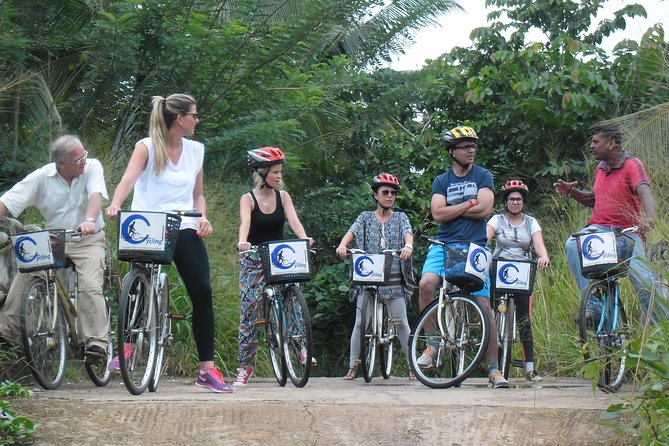
It runs as a group tour (up to 15 people), so you are not out there alone, but the ride still feels relaxed. The bike setup is practical too. At the operator’s place you’re given helmets, bottled water, and bikes chosen for your size, including either a city bike or mountain bike.
The overall vibe is: slow down, watch, ask questions, and learn a little about the place you’re already standing in.
Getting started at Chameera Cycling, and why the logistics matter
You meet at Chameera Cycling, 49/A Heenatigala Rd, Unawatuna (80600). Morning starts at 8:30 am, afternoon starts at 2:30 pm, and you’re back at the meeting point when it’s done.
No hotel pickup is listed, so plan around local transport or a short taxi ride. That matters more than you’d think. When tours include pickup, you lose less time in planning. Here, you’re responsible for getting to the shop, but the reward is simple: you start right on time and ride with a small group.
At the start, you’ll also get tour info and the basics you need to feel confident. The bike choice is helpful if you’re not used to cycling, since city bikes tend to feel smoother on streets, while mountain bikes are better if your comfort level drops on gravel.
The ride itself: easy pace, real surfaces, and local rhythm
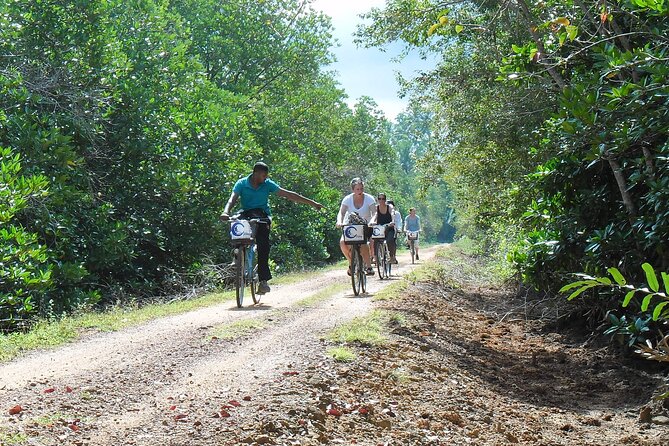
This is a 7.5-mile (12 km) ride that usually lasts 2 to 3 hours. It’s described as mostly dirt and gravel tracks, with some city-street cycling mixed in so you still “feel” Galle rather than only passing nature.
Here’s what you should expect in plain terms:
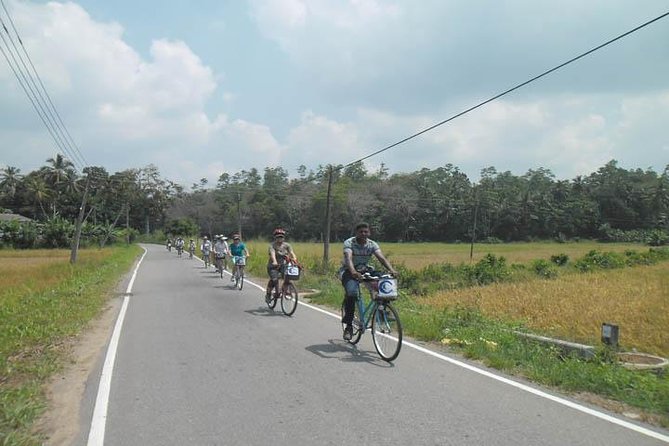
- The route uses smaller roads through village areas first, so the scenery shifts from built-up to rural fairly quickly.
- You’re riding at your own pace, but you follow your guide so you can stop and look without losing the group.
- The biking is meant to be accessible for different skill levels, including people who aren’t confident cyclists.
A detail I appreciate: the tour is not just movement. Stops are built in, and the guide is actively teaching you what you’re seeing, from plants to birds and other creatures.
Other Galle trips readers tend to shortlist
Mangroves and lagoons: the “wildlife without a zoo” part

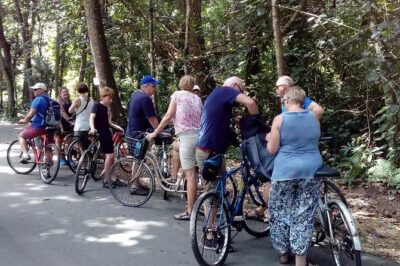
The tour’s core nature section is the lagoon and mangrove forest area. This is where the experience becomes more than sightseeing. Mangroves are not a backdrop. They’re a living system, and your guide’s explanations help you notice the small stuff you’d otherwise miss.
The style of wildlife watching here is practical:
- You slow down to observe.
- You get help identifying plants and spotting birds.
- You learn what the mangroves do, and why the area supports local life.
This matters for value. Many tours show you a single view and call it nature. This one builds in time to look closely while you’re already out on the path.
Village streets and daily life: what “local” looks like on two wheels
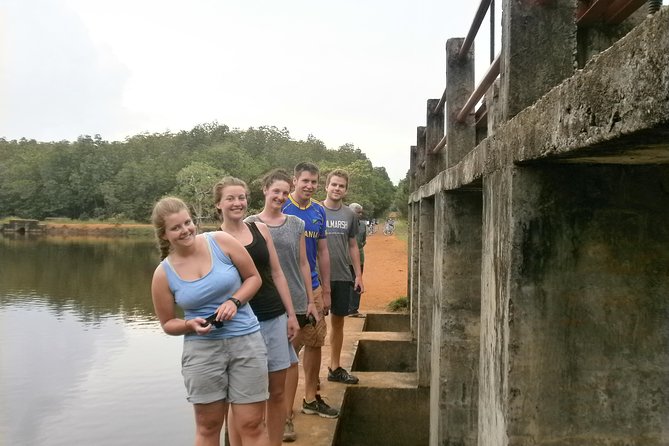
After the tour starts, you head into local villages via small dirt roads. This is not about checking off landmarks. It’s about noticing everyday work and community spaces.
You’re guided through what the area feels like day-to-day, with a focus on biodiversity and local culture. The tour also sets you up to understand the industries you’ll visit later, so when you see tools and products up close, it connects back to the route you just rode.
One practical upside of village cycling: the pace naturally stays calm. You’re moving through places where people expect slower interaction, and it’s easier to ask questions without feeling like you’re rushing to a photo spot.
Factories, rope making, handloom, and the coconut stop you’ll remember
The best part of the itinerary is the way it connects nature with local industry. You visit:
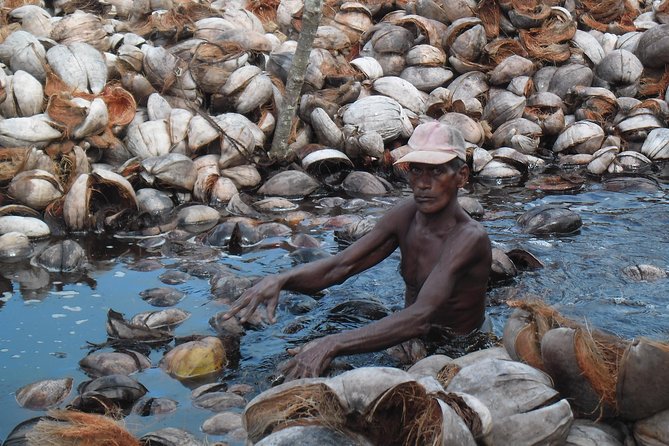
- A coconut factory, where you can see how coconut products are made
- A handloom factory, which is not visited on Sundays
You also get a sense of other local industries along the way. The tour description includes examples like rope making from coconut shells and crab catching, and the factory stops line up with that idea. In particular, the rope-making side is often what people talk about because it turns something simple into a clear process you can visualize.
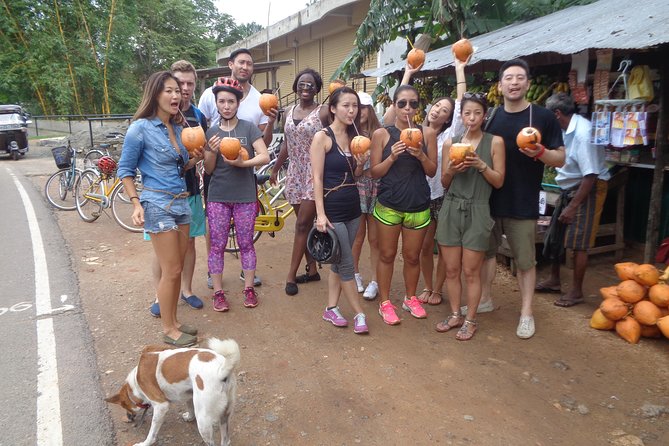
Then comes the refreshment break. You wind down with king coconut, which feels like the right finishing move after an easy ride. Even if you’re not a big coconut person, it’s an easy way to cool off, hydrate, and reset.
The overall effect is that you finish with a story. You don’t just see places, you learn how products connect to the land around you.
The Buddhist temple built in the 18th century
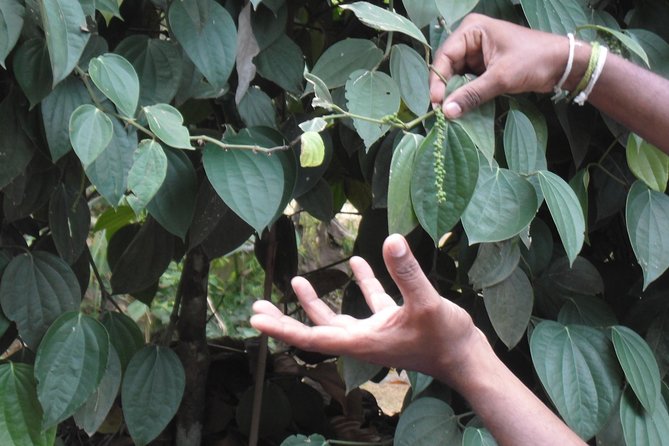
The tour description includes a visit to a Buddhist temple built in the 18th century. This is the cultural anchor of the ride. Even though the day is focused on cycling, you still get a moment to slow down and see the area’s spiritual architecture and local religious life.
If you’re visiting Sri Lanka and mostly sticking to coastal routes or the old fort area, this temple stop gives you a different layer of Galle’s region. It’s also a good pause point if you prefer a short break from cycling and want to see something meaningful without a long detour.
Who this tour fits best
This tour is a great match if you:
- Want an easy ride with nature, not a hardcore training session
- Prefer a guided experience where stops make sense
- Like learning about everyday industries, not just monuments
- Are traveling with people across different abilities, since the ride is designed to work for most skill levels
It’s also a strong choice for families, since it’s half-day and avoids a long, exhausting schedule. The group size stays small enough that your guide can keep an eye on the pace.
What can feel short, and how to plan for that
The biggest drawback is simply time. It’s only 2 to 3 hours, and one review mentioned wishing it lasted longer. If you love slow travel and want to linger at stops, you may feel the clock toward the end.
Heat is another realistic factor. The afternoon departure is listed at 2:30 pm, and one person reported starting later than expected on a hot day. If you hate being uncomfortable, choose the morning. It’s the best “value” move for your energy level, and it keeps you from pushing your body through the hottest part of the day.
Bring basic cycling comfort too. Even though this isn’t technical riding, you’ll be on gravel and dirt. Wear sun protection, drink water (bottled water is provided), and use the helmet they give you.
Price and value: what you’re really paying for at $25
At $25 per person, this tour is priced like a budget-friendly activity, and it’s also structured in a way that keeps value high. Here’s what’s included:
- Bike rental
- Helmet
- Local guide
- Bottled water and refreshments
- Entrance fees (they’re included)
What is not included is also clear: breakfast and lunch, plus no hotel pickup or drop-off.
For me, the “value math” is this: you’re paying for transportation via bike plus a guide plus multiple meaningful stops, including an 18th-century temple and factory visits. If you tried to piece that together alone, you’d likely spend more time coordinating and still miss the explanation portion that makes the stops click.
So if your goal is a guided half-day with a mix of nature, culture, and production, the price feels fair.
Quick tips to make the ride smoother
- Pick morning if you can. You’ll likely feel more comfortable and enjoy the stops more.
- Wear clothes you don’t mind getting dusty, since you’ll be on dirt and gravel tracks.
- If you’re visiting on a Sunday, expect the handloom factory stop may not be included, since it’s listed as not operating then.
- Ask your guide what you’re looking at as you ride. The best moments are the ones you notice with their help.
- If photos matter to you, check in early. Some tours include the guide taking photos and sharing them after the ride.
Should you book the lagoon and village cycling tour from Chameera Cycling?
I’d book it if you want a low-stress, guided half-day that shows you the area around Galle in a way walking tours often can’t. The mix of mangroves, village lanes, and factory visits is a strong combo, and you get real structure for the time you’re spending.
I’d skip it or adjust expectations if:
- You only want urban sightseeing and dislike cycling at all
- You’re sensitive to heat and plan to do the afternoon slot without a backup plan
- You want a longer experience than 2 to 3 hours
But for most people, this is one of those trips that feels genuinely practical. You’ll come back with stories you can explain: what grows there, what people make there, and why the lagoon area matters.
FAQ
What time does the half-day tour start in the morning?
The morning departure starts at 8:30 am.
What time does the half-day tour start in the afternoon?
The afternoon departure starts at 2:30 pm.
How long is the cycling tour?
It runs for about 2 to 3 hours.
Where do I meet for the tour?
You meet at Chameera Cycling, 49/A Heenatigala Rd, Unawatuna 80600, Sri Lanka.
Is hotel pickup included?
No. Hotel pickup and drop-off are not included.
What’s included in the price?
Bike rental, a helmet, a local guide, bottled water, and refreshments are included, and entrance fees are included.
Is this tour suitable for beginners or kids?
The tour is described as perfect for all ages and skill levels, and most travelers can participate.
What is the group size limit?
The maximum group size is 15 travelers.
What is the cancellation policy?
You can cancel for free up to 24 hours in advance for a full refund. If you cancel less than 24 hours before the experience starts, the amount paid is not refunded.
More Tours in Galle
More Tour Reviews in Galle
Galle Beyond the Fort Walls
Still browsing Galle? Start here
- From: Ella – YALA Safari – Drop off: Arugam Bay / Arugambay★ 5.0 · 3 reviews
- Galle Instagram Tour: Most Famous Spots (Private & All-Inclusive)★ 5.0 · 3 reviews
- Galle Sightseein Rickshaw Tour★ 4.5 · 3 reviews
- From Colombo: Day Trip to Galle City, Koggala and Unawatuna★ 4.2 · 3 reviews
- Yala National Park Private Safari (All Inclusive) From Mirissa★ 4.5 · 4 reviews
Galle & Galle Fort Tours, compared.
 ★ 4.9Galle: Traditional Gems & Jewellery Workshop with TransfersFrom $13539 reviews
 ★ 4.9Galle Fort Walking tourFrom $15285 reviews
 ★ 4.8Hikkaduwa/Galle/Weligama/Mirissa/Tangalle: Yala Safari TourFrom $45263 reviews
 ★ 4.7Galle and Bentota Day-Tour From ColomboFrom $45200 reviews
 ★ 5.0Galle Unawatuna Cooking ClassFrom $30142 reviews
 ★ 4.6From Mirissa / Galle / Tangalle to Yala Safari & Drop- EllaFrom $11124 reviews
 ★ 4.8YALA SAFARI TOUR from TANGALLE/HIRIKETIYA/MIRISSA/GALLEFrom $43121 reviews
 ★ 4.8Hikkaduwa/Galle/Weligama/Mirissa/Tangalle: Udawalawa SafariFrom $27114 reviews
Browse the lists this tour appears in