
REVIEW · GALLE & GALLE FORT TOURS
Galle Unawatuna Cooking Class
Spices, aromas, and real Sri Lankan cooking. This Galle Unawatuna cooking class turns a simple demo into a full meal and teaches you the basics behind traditional curry-making and Sri Lankan sweets. I like that it stays old-school, with hands-on cooking for multiple dishes rather than watching someone else work.
The one thing to think about is the pace. It runs about 3 hours 30 minutes, and you leave having eaten lunch and dinner, so plan your afternoon with a little buffer, not a tight schedule.
In This Review
- Key highlights
- Why this Galle class feels like Sri Lanka, not a staged show
- From pickup to market: choosing spices before the first pot heats up
- Inside the home kitchen: learning curry the traditional way with Madhu
- The cooking lineup: curries, rice, fish, meat, and spicy sweets
- Curries, the Sri Lankan way
- Rice and the “supporting role”
- Seafood curry included
- Spicy sweets, not an afterthought
- Lunch and dinner: how the class feeds you, and what to pay attention to
- Price and value: is $30 actually fair for this much cooking?
- Who this cooking class is best for (and who should rethink it)
- Tips to make the most of your 3 hours 30 minutes
- Should you book the Galle Unawatuna Cooking Class?
- FAQ
- How long is the Galle Unawatuna cooking class?
- Where is the experience located?
- What does the $30 price include?
- Is breakfast included?
- Is pickup offered?
- How many dishes do you make during the class?
- Is the class held indoors or at a restaurant?
- What is the maximum group size?
- What is the cancellation policy?
- Is it easy to reach using public transportation?
Key highlights
- Small group, max 10 travelers, so you get time to ask questions and watch the details
- Pickup available, which makes it easier when you are moving around Galle and Unawatuna
- Market stop for fruits, vegetables, and spices, so you learn what is in the flavors before the cooking starts
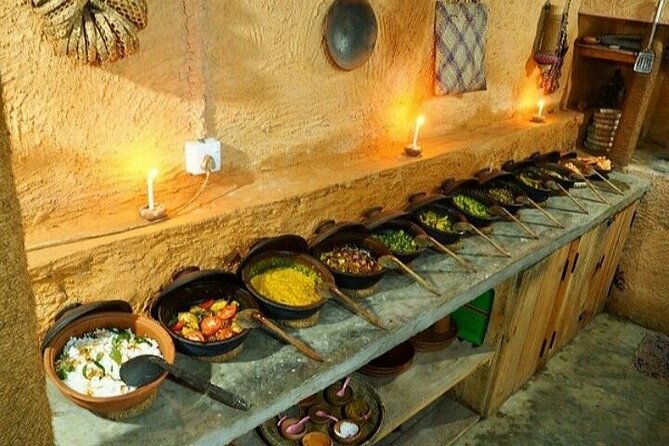
- Six curries plus more items, including a seafood dish and dishes with vegetables, fish, and meat
- Lunch and dinner included, not just a tasting or a light snack
- Chef Madhu (also shown as Madha in reviews) teaches in a home kitchen, with family around
Inside the ramparts and well past them
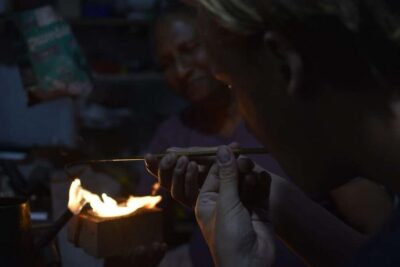
- Galle: Traditional Gems & Jewellery Workshop with Transfers
★ 4.9 · 539 reviews - Galle Fort Walking tour
★ 4.9 · 285 reviews - Galle/Mirissa/Hiriketiya: Drop to Ella & Udawalawa Safari
★ 4.9 · 186 reviews - Galle Unawatuna Cooking Class
★ 5.0 · 142 reviews
Why this Galle class feels like Sri Lanka, not a staged show
This is the kind of cooking class where the food story makes sense. You start with ingredients, not just recipes on a page. The focus is Sri Lankan healthy curries cooked in an old traditional way, so you see how the flavors build step by step.
I also like the way it is set up for real learning. Reviews consistently point to an organized flow, and you end up making more than one dish. One set of diners even described ending up with 13 dishes, which tells me this is not a rushed, checklist experience.
The biggest “value” win is that you do not just taste. You go from prep to cooking to eating, and you leave with dinner taken care of. For $30, that is a fair deal in a place where even a basic meal can feel pricey once you add location and convenience.
From pickup to market: choosing spices before the first pot heats up
Most people think cooking classes start when the stove turns on. Here, the experience begins earlier, with pickup offered and a trip to a market.
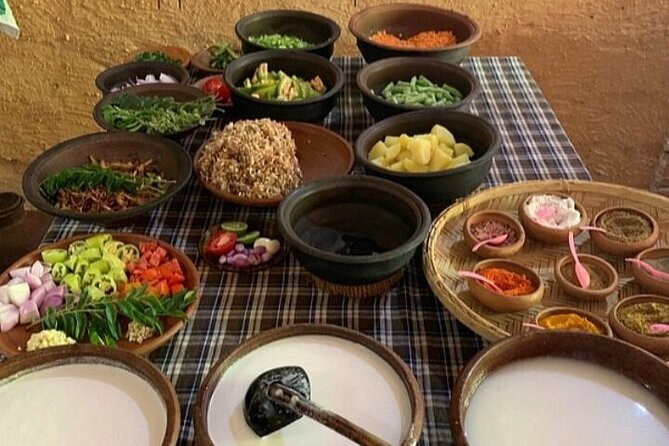
That market stop matters more than you might expect. You are shown different fruits, vegetables, and spices, and the point is not shopping. It is building your “flavor map.” You start to connect what you smell and see with what shows up in curry: whole spices, powdered spices, and the fresh ingredients that balance heat and richness.
If you are the type who loves food but hates vague instructions, this helps. You can later remember, oh, that ingredient looked like X in the market, and it tasted like Y in the curry. It is also a nice warm-up, because you get a quick sensory lesson before you join the cooking.
Practical tip: wear something comfortable for a market walk. Even short market visits can mean a lot of standing, and your shoes will matter when you move from outdoor light to an indoor kitchen.
Inside the home kitchen: learning curry the traditional way with Madhu
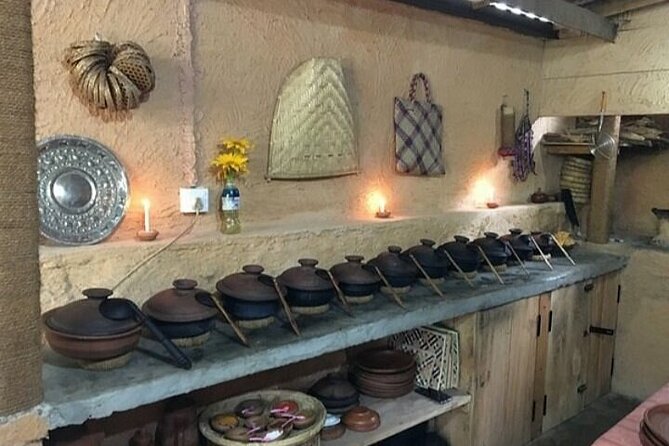
The class is held at the chef’s home kitchen, led by Madhu (sometimes spelled Madha). That detail changes the feel. You are not stuck in a classroom. You are in a real cooking space, where family members are nearby and the rhythm of home life runs in the background.
That is part of why people call this a highlight. One reviewer specifically mentioned Madhu being friendly, helpful, and knowledgeable, and another highlighted the beauty of the kitchen and how organized it felt. When the setup works like that, you spend your energy cooking instead of figuring out where things are or who is doing what.
What you can expect here is a structured teaching style:
- You get shown what you will make
- You learn the preparation steps
- You cook with guidance
- Then you eat what you made
Also, because it is a home kitchen, you should assume space is cozy. That does not ruin it, but it can feel more intimate than you might get in a restaurant studio. If you prefer very large, impersonal classrooms, this may feel different than expected. For most food lovers, that same “small and personal” feeling is exactly the point.
A few more from Unawatuna bay



The cooking lineup: curries, rice, fish, meat, and spicy sweets
This class is built around Sri Lankan dishes you can recognize by taste, not just by English names. The overview says six different curries, including a seafood dish, and the cooking includes vegetables, fish, and meat. On top of that, you also learn staples like rice and popular sweets.
Here is how to think about it, so you do not leave with a pile of dishes but no sense of how they fit together:
Curries, the Sri Lankan way
Curry in Sri Lanka is not one flavor. It is a system. Each curry has its own personality, but they share a framework of spices and technique. In this class, you learn that framework through repetition. You make multiple curries, so you see what changes from one to the next.
Rice and the “supporting role”
Rice might sound like the side dish, but in Sri Lankan meals it is the base that lets curry shine. When you learn how rice is prepared alongside curries, it helps you understand how the meal is meant to be eaten. You are not just cooking food, you are building a complete plate.
Seafood curry included
You also get at least one seafood dish among the curries. That is a smart choice for a Galle and Unawatuna area class, because seafood is part of the region’s everyday eating.
Spicy sweets, not an afterthought
A lot of cooking classes focus only on savory food. This one includes spicy sweets. That matters because Sri Lankan desserts and snack sweets are not always “just sweet.” They carry spice and warmth, which is a big part of the flavor identity. Getting hands-on with sweets means you will understand the balance of sugar and spices, not just memorize ingredients.
A review summed it up well: people described everything from preparation to cooking to eating as traditional, and the food as delicious and plentiful. That matches the design of the class. You keep working, then you sit down and eat the results.
Lunch and dinner: how the class feeds you, and what to pay attention to
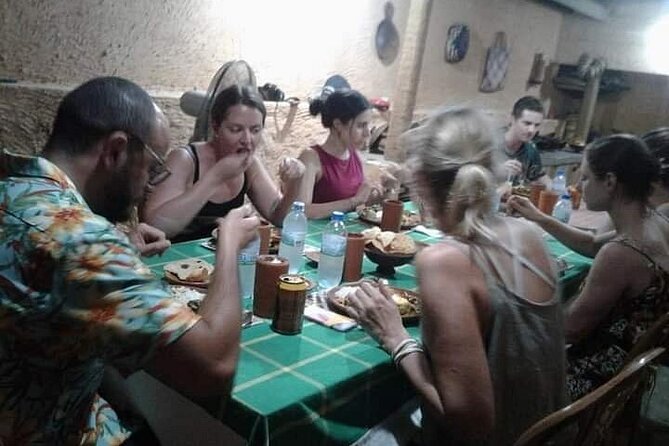
The class includes lunch and dinner. That sounds simple, but it affects your whole experience. You are not waiting for a meal later, and you get to taste dishes at the right time, when flavors are still fresh and hot.
I recommend you approach the eating part like a tasting lesson:
- Compare the curries you made
- Note how heat changes from dish to dish
- Pay attention to how the rice works with each curry
- Notice which sweets feel spicy and which feel more mellow
Because this is not a short snack, you will likely eat a lot. Reviewers mentioned there being so much food, and one person said they ended up making 13 dishes. Even if you do not hit that number, the experience is clearly meant to be full and satisfying.
One small caution: the class does not list breakfast as included. If you show up hungry in the morning and then eat lunch and dinner, you will be fine, but you may feel a bit heavy afterward. So either plan a light breakfast or just eat normally and treat this as your big food block for the day.
Price and value: is $30 actually fair for this much cooking?
Let’s talk money without pretending it is magic. The price is $30 for about 3 hours 30 minutes, and it includes lunch and dinner.
For value, I look at four things:
- How long you are occupied
- How many dishes you touch
- Whether meals are included
- How big the group is
Here you get a small group (maximum 10 travelers) and multiple dishes. Even the overview says six curries, and the reviews suggest some groups end up making far more. Meals are included, so you are not paying extra once you are done cooking.
The other value angle is the teaching style. A class held in a home kitchen with a real chef teacher tends to feel more personal. When the instruction is good, you learn faster. When it is organized, you do not waste time waiting around.
So yes, $30 sounds modest, and the structure supports that price. This is not just a photo stop and a tasting cup. You actively participate, then you eat what you made.
Who this cooking class is best for (and who should rethink it)
This class is a great fit if you want:
- Hands-on cooking, not passive watching
- Sri Lankan flavors and dishes that match what you are actually eating locally
- A small group setting where you can ask questions
- A full meal experience, including lunch and dinner
It is also ideal if you are spending a few days around Galle and Unawatuna and want something that feels like culture, not just sightseeing.
Consider a rethink if:
- You want a cooking class that is very technical, with exact measurements you can take home like a lab report
- You hate spice or you need a very controlled low-spice meal (the curriculum includes spicy sweets and curries, so you should be prepared for heat)
- You are on a very tight schedule that cannot handle a 3 hours 30 minutes block
Tips to make the most of your 3 hours 30 minutes
Small choices help a lot with cooking classes. Here are practical moves based on how this one runs.
1) Arrive ready to cook
You will be involved in preparation and cooking, so keep your day flexible.
2) Plan for big food
Lunch and dinner are included. If you are snack-happy, consider cutting back before the class so you enjoy the tasting without feeling overloaded.
3) Ask about spice if you need it toned down
The experience includes curries and spicy sweets. If you have dietary preferences, raise it early with the chef.
4) Bring your appetite and your questions
Because the group is small, you can ask follow-ups. Questions like how one curry differs from another help you remember what you tasted.
5) Wear comfortable shoes
Even if the market time is short, you will likely stand more than you expect.
Should you book the Galle Unawatuna Cooking Class?
Book it if you want an affordable, hands-on Sri Lankan food lesson that ends with a real lunch and dinner. I think it is one of the best ways to understand curry beyond the flavor level. You start to see how ingredients connect, and you learn the traditional approach from Madhu in her home kitchen.
Skip it or at least consider alternatives if you dislike the idea of a home-kitchen setting or you are looking for a highly structured, lab-style recipe experience with exact measurements. And since breakfast is not included, plan your morning so you are comfortable going into lunch and dinner without feeling rushed.
If you like cooking classes where you leave with skills you can actually use, this one makes a strong case. It is organized, it is small, and it focuses on Sri Lankan curries, rice, seafood, meat, vegetables, and sweets, not just one dish.
FAQ
How long is the Galle Unawatuna cooking class?
The cooking class lasts about 3 hours 30 minutes.
Where is the experience located?
It takes place in Galle, Sri Lanka.
What does the $30 price include?
Lunch and dinner are included.
Is breakfast included?
No, breakfast is not included.
Is pickup offered?
Yes, pickup is offered.
How many dishes do you make during the class?
The class includes six different curries, plus other Sri Lankan dishes like rice and sweets. Some groups have described making more dishes during the session.
Is the class held indoors or at a restaurant?
It is held at the chef’s home.
What is the maximum group size?
The experience has a maximum of 10 travelers.
What is the cancellation policy?
You can cancel for a full refund up to 24 hours in advance. If you cancel less than 24 hours before the start time, the amount paid is not refunded.
Is it easy to reach using public transportation?
It is described as near public transportation. Service animals are allowed.
More Kitchens to Sit In
Unawatuna Bay, Continued
Galle Beyond the Fort Walls
Still browsing Galle? Start here
- From: Ella – YALA Safari – Drop off: Arugam Bay / Arugambay★ 5.0 · 3 reviews
- Galle Instagram Tour: Most Famous Spots (Private & All-Inclusive)★ 5.0 · 3 reviews
- Galle Sightseein Rickshaw Tour★ 4.5 · 3 reviews
- From Colombo: Day Trip to Galle City, Koggala and Unawatuna★ 4.2 · 3 reviews
- Yala National Park Private Safari (All Inclusive) From Mirissa★ 4.5 · 4 reviews
Galle & Galle Fort Tours, compared.
 ★ 4.9Galle: Traditional Gems & Jewellery Workshop with TransfersFrom $13539 reviews
 ★ 4.9Galle Fort Walking tourFrom $15285 reviews
 ★ 4.8Hikkaduwa/Galle/Weligama/Mirissa/Tangalle: Yala Safari TourFrom $45263 reviews
 ★ 4.7Galle and Bentota Day-Tour From ColomboFrom $45200 reviews
 ★ 4.6From Mirissa / Galle / Tangalle to Yala Safari & Drop- EllaFrom $11124 reviews
 ★ 4.8YALA SAFARI TOUR from TANGALLE/HIRIKETIYA/MIRISSA/GALLEFrom $43121 reviews
 ★ 4.8Hikkaduwa/Galle/Weligama/Mirissa/Tangalle: Udawalawa SafariFrom $27114 reviews
 ★ 4.7From Mirissa/Galle/Hikkaduwa: Udawalawa National Park SafariFrom $27106 reviews
Browse the lists this tour appears in