
REVIEW · GALLE & GALLE FORT TOURS
Galle: Cooking Class at a Local Home and Market Tour
You start at a market, not a classroom. I love the market-first shopping with Madhu and the hands-on cooking in her family kitchen, and you eat what you make, too. The only catch is that Sri Lankan food can be spicy, so tell your host if you want it mild.
For about $40 and a tight 3 hours, you get a full food loop: choose ingredients, cook traditional dishes, then sit down to a proper course meal with side dishes. Pickup and drop-off also make it easy, especially if you want one great activity without extra planning.
This works best if you like learning by doing, not just watching. If you want a long sightseeing day or a silent, hands-off workshop, this home-style format may feel a bit too hands-on.
In This Review
- Key highlights that matter
- Where Kotapola meets Galle cooking culture in 3 hours
- Getting picked up and finding your rhythm with a small group
- The market tour in Galle: what you buy changes what you cook
- The spice lesson you get from walking into the real supply chain
- Cooking in Madhu and family’s traditional kitchen: hands-on, not hands-off
- What dishes you should expect to cook and eat
- The feast part: where everything clicks
- Take-home value: recipes, photos, and practical confidence
- Price and value: why $40 feels fair for a market-to-meal day
- Who should book this Galle cooking class, and who might pause
- Should you book it? My take for Galle food lovers
- FAQ
- How long is the Galle cooking class?
- Where is the activity located?
- What does the price include?
- Do I get picked up from my hotel?
- Is the instructor available in English?
- How many people are in each group?
- What dishes will I eat during the class?
- Is this activity suitable for vegetarians?
- Is the activity wheelchair accessible?
Key highlights that matter
- Market shopping with ingredient choices so your curry starts with the vegs you pick
- Madhu and family teach the real workflow in a traditional home kitchen
- Group cooking where everyone contributes so you end up with lots of different flavors
- A feast at the end with vegetable curry plus fish or chicken curry, coconut sambol, and dessert
- English instruction with practical takeaways including recipes, plus photo and video service
Inside the ramparts and well past them
- Galle: Traditional Gems & Jewellery Workshop with Transfers
★ 4.9 · 539 reviews - Galle Fort Walking tour
★ 4.9 · 285 reviews - Galle/Mirissa/Hiriketiya: Drop to Ella & Udawalawa Safari
★ 4.9 · 186 reviews - Galle Unawatuna Cooking Class
★ 5.0 · 142 reviews
Where Kotapola meets Galle cooking culture in 3 hours
This is the kind of class that makes Sri Lanka’s food feel practical, not mysterious. You are not standing in front of a counter for a slideshow. You are moving through the process, from ingredients to spices to the final table.
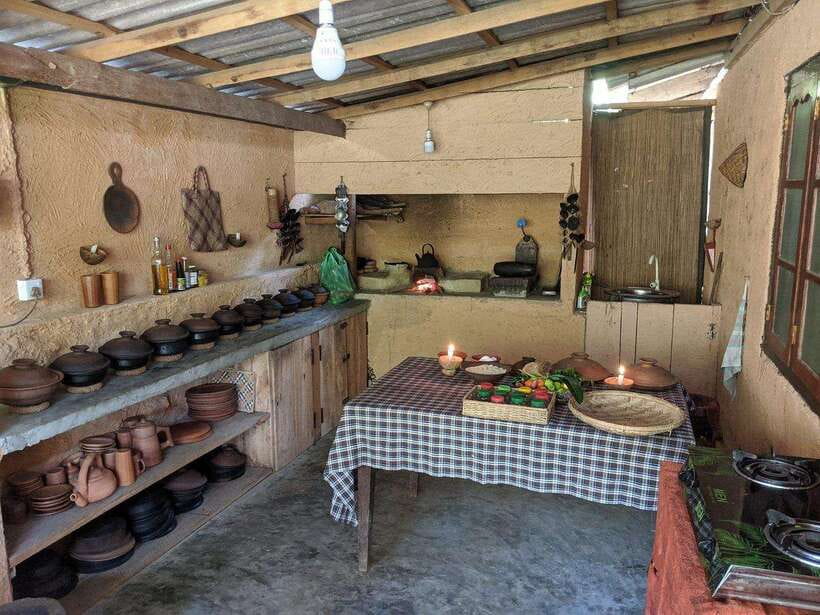
The setting is in Kotapola, near Galle. That matters because it keeps the experience local. You are guided through a real market vibe, then you cook in a home kitchen, not a demo studio. For many people, that shift is the difference between copying a recipe and actually understanding why it tastes right.
And yes, it is time-bound. Three hours sounds short until you realize the plan is built like a cooking show with a purpose: market, kitchen work, then you eat. You will likely end the session with that full, satisfied feeling, not just a few small bites.
Getting picked up and finding your rhythm with a small group
You start with hotel pickup and drop-off, which takes one big stress off your day. One review specifically mentioned a tuktuk pickup, which is a fun little detail, but the key point is that you do not have to figure out transport on your own.
The group stays small, limited to 10 participants. That size is what makes the hands-on part actually work. When people can fit into the work space and the chef can keep an eye on steps, you get clearer answers and more chances to contribute.
English instruction is also built in, including the chef-guide. In one part of the experience you may also learn a few Sri Lankan phrases. Even if you only remember a couple, it helps you connect to what you are seeing at the market.
The market tour in Galle: what you buy changes what you cook
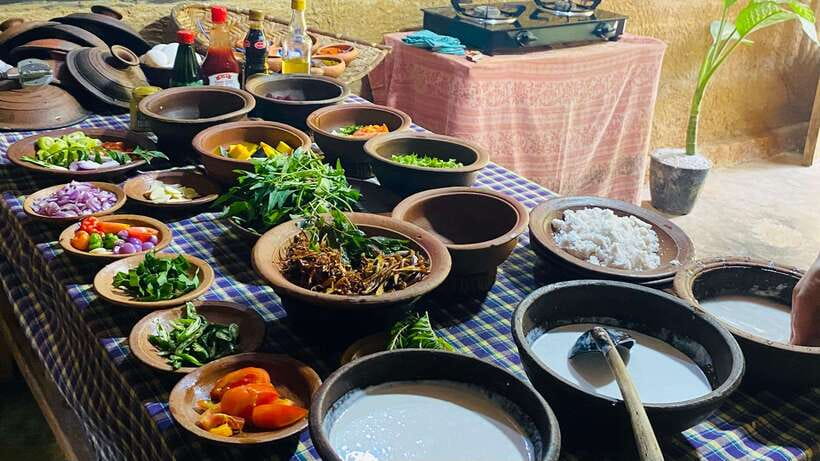
The market visit is not just a photo stop. You go to pick ingredients that will drive your curries. You are guided while you choose vegetables for a 7 vegetable curry, and you learn what different ingredients do in the overall flavor.
That ingredient purpose matters. Sri Lankan curries are layered. It is not just heat and salt. You are learning how spices, aromatics, coconut, and vegetables work together so the dish is balanced, not random.
You may also sample some street food offerings in the market area. The point of this is simple: it gives you a taste of what you are cooking towards, not just what you are doing today. It also helps you pay attention to texture and seasoning as you plan your own plates.
What to consider: markets can move fast, and you might feel a bit rushed if you like slow browsing. If you tend to get overwhelmed in crowded places, keep your pace steady and let Madhu lead the ordering of priorities.
Hungry still? More kitchens to sit in
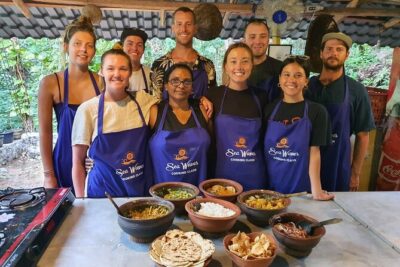
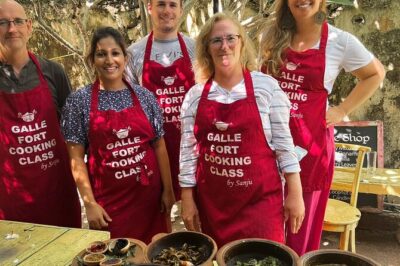
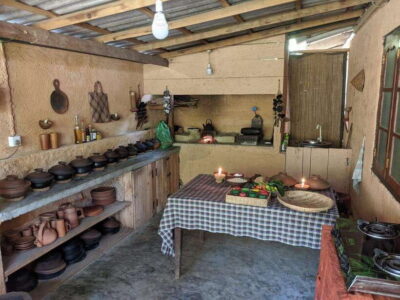
The spice lesson you get from walking into the real supply chain
One of the best added touches is the chance to see and understand spices beyond what you might find back home. In at least one session, the guide takes you to a local spice shop where you can buy spices.
Even if you do not plan to purchase anything, this step helps you make sense of what you are smelling in the kitchen later. You start connecting the names you hear in English to the jars, colors, and aromas you see in front of you.
This is also where you can ask the practical questions that matter for cooking later:
- What spice is most important for the base?
- Do you toast spices first, or use them directly?
- How do you adjust flavor when you are cooking at home with different ingredients?
What to consider: if you are traveling with limited luggage space, you may want to avoid buying more than a couple of core spices. Recipes are included, so you can also decide later what is worth replacing at home.
Cooking in Madhu and family’s traditional kitchen: hands-on, not hands-off
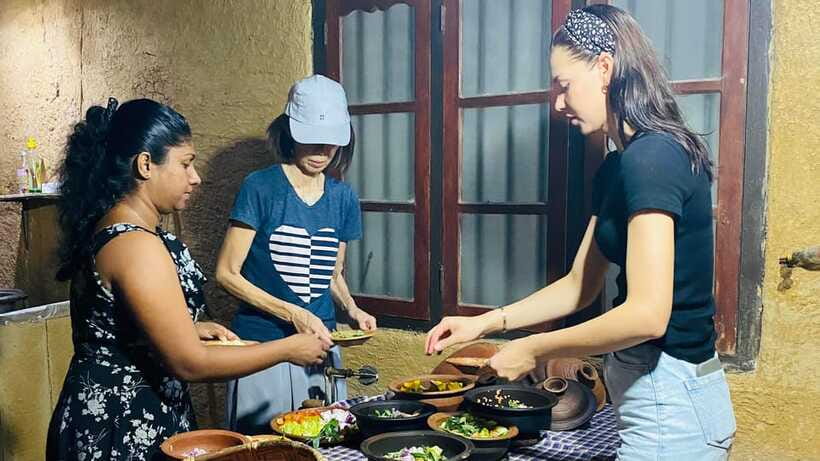
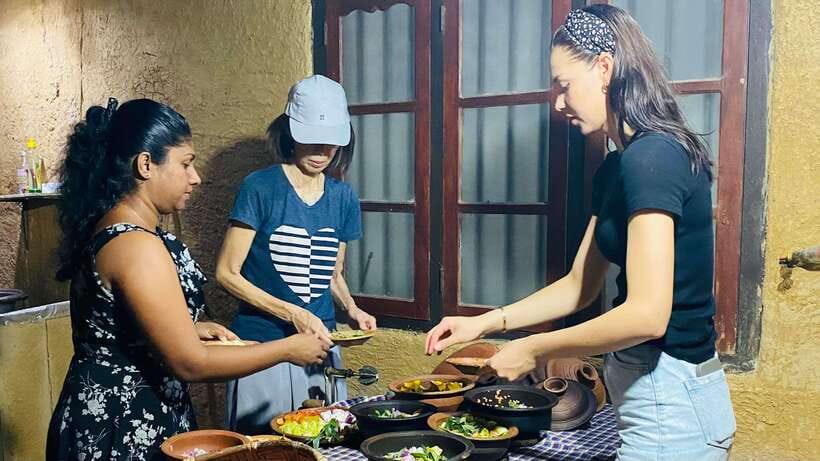
After the market, you head to the cooking venue in the home kitchen. This is where the experience feels personal. You get equipment and ingredients for what you are making, and the chef-guide runs the show step by step.
You will likely notice a big emphasis on workflow. Curries are not made like Western one-pot everything. You start building flavor, then you add ingredients in an order that makes sense for texture and timing.
From there, you cook a diverse set of Sri Lankan dishes. In one review, the class included learning around 11 traditional dishes, which gives you an idea of how much gets done within three hours. Your exact list can vary by group and ingredient choices, but the structure stays the same: multiple dishes, shared prep, and a focus on getting you comfortable with the process.
A key highlight here is how the group works. One participant mentioned they preferred the format where each person contributes a bit across several dishes, because it means you taste a wider range instead of eating only what you personally made.
What to consider: because it is a real kitchen, you may end up doing more than you expected. If you are sensitive to getting your hands dirty, wear something you do not mind cooking in.
What dishes you should expect to cook and eat
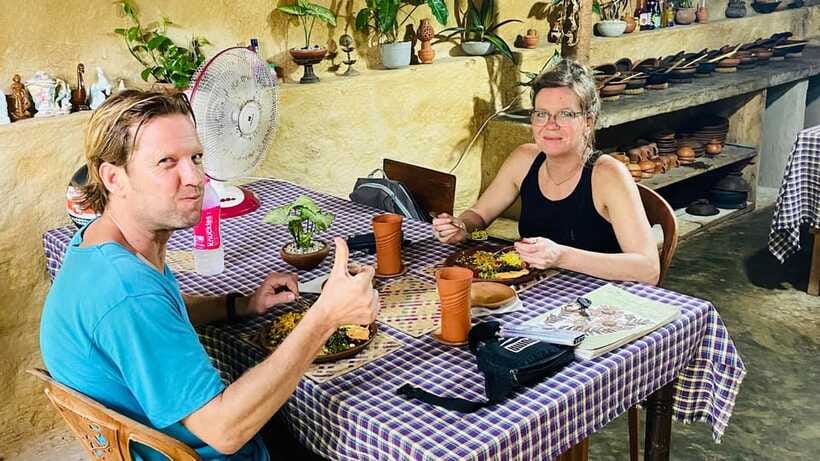
You end up with a serious meal, not a few token bites. The core menu you can count on includes:
- 7 vegetable curry
- Fish curry or chicken curry
- Coconut sambol
- Dessert
You also get side dishes as part of a traditional course-style meal. That matters because curry in Sri Lanka rarely tastes finished as one solo dish. The sides help with balance, texture, and that mix of flavors that keeps you going back for another spoonful.
One of the most practical parts is that you are not just eating. You are learning how these dishes get put together. You learn about ingredients, the cultural role of the dishes, and the basic technique behind making them taste like they do in Sri Lanka.
Vegetarian needs are taken seriously. One review specifically mentioned careful consideration for vegetarian guests, and that the group had to adjust accordingly.
What to consider: the menu includes fish or chicken, depending on what is prepared for your group. If you are vegetarian or want to avoid certain ingredients, tell the host clearly. The evidence here suggests they will work with your needs.
The feast part: where everything clicks
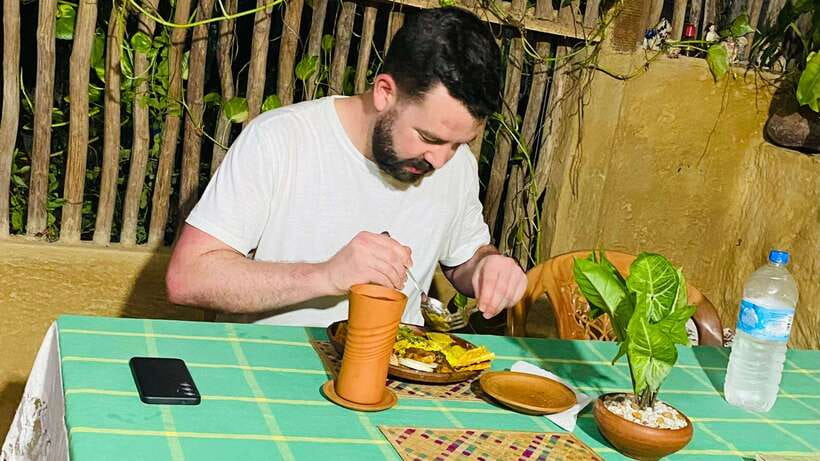
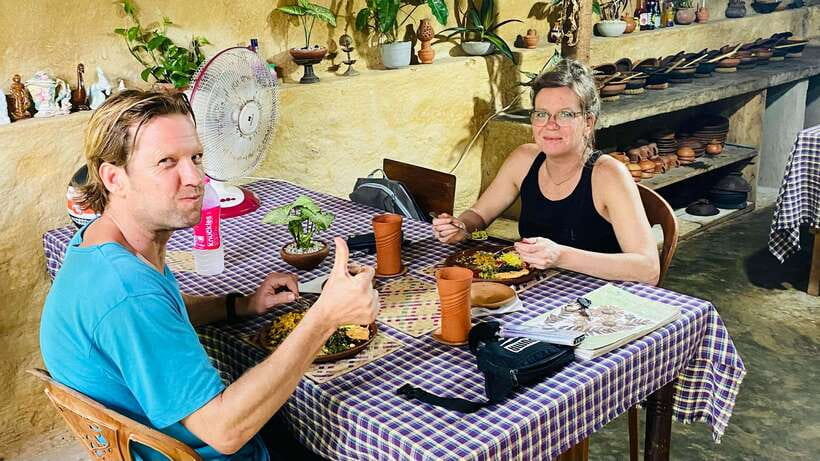
When you finally sit down, you eat what you cooked. That may sound obvious, but it is actually the payoff. You taste immediately, then your brain links the earlier prep steps to the final flavor.
Coconut sambol is a big part of that moment. It brings freshness and crunch, which helps when the curries are heavier on spices and coconut depth. It also gives you a dish you can recreate at home with a bit less complexity than some curries.
Dessert rounds out the meal. So you do not leave hungry, and you do not feel like the experience ends at cooking time. It is a full circle.
Also, this is one of those days where you get social, even if you travel solo. A small group and a home setting naturally create conversation, and you will likely end up sharing what you liked and what spices you remember most.
Take-home value: recipes, photos, and practical confidence
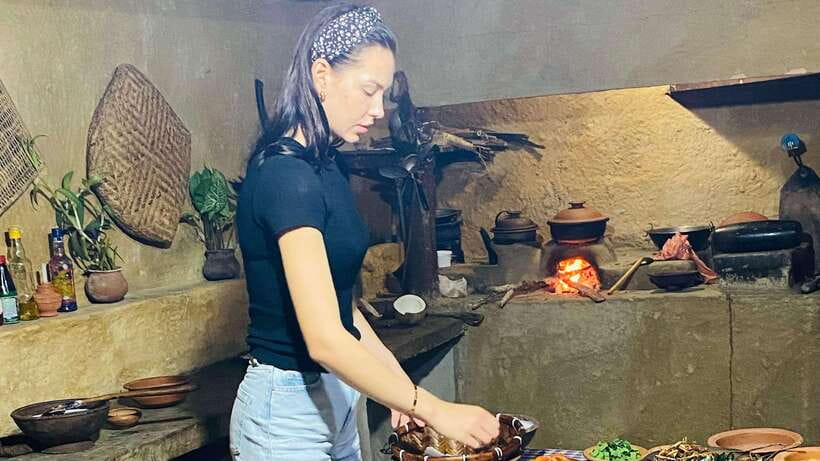
The class includes recipes, so you can recreate the dishes without relying on memory. That is a big deal for curry cooking. Spices are not just flavors, they are also process. Having a written guide helps you keep the method straight when you are back home.
There is also photo and video service. Even if you are not a big camera person, it is nice to have a record of the market and kitchen moments, and it is useful if you want to review steps later.
Some sessions also include a few basic Sri Lankan phrases. That is not just fun. It helps you be a better guest. When you can say or attempt a couple of words, the market experience feels less like you are watching and more like you are participating.
Price and value: why $40 feels fair for a market-to-meal day
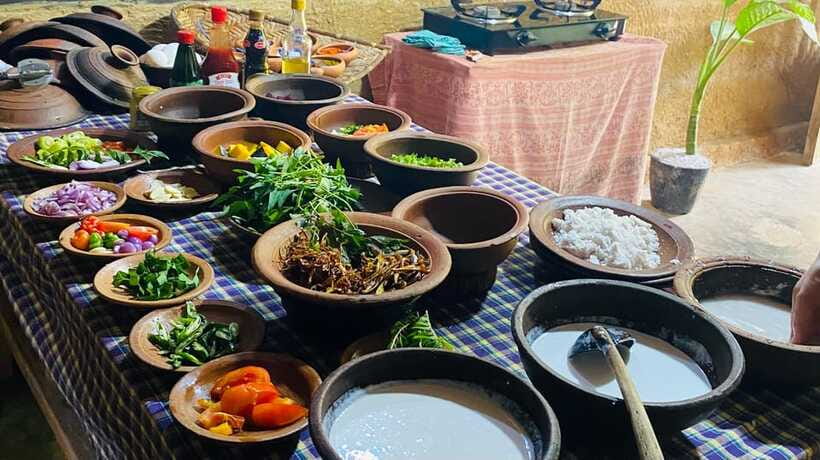
At $40 per person, you are paying for more than instruction. You are getting a market tour, pickup and drop-off, a professional chef-guide, ingredients and equipment, a welcome drink, water, the cooking session, and the meal. You also get recipes plus photo and video service.
So the value comes from the combination:
- You shop for ingredients in a local market context
- You cook with guidance in a home kitchen
- You eat a full meal you helped make
- You leave with usable notes (recipes) and content (photos and video)
If you have done cooking classes elsewhere, you may notice some charge high prices for tasting only, or for a studio class with no market component. Here, the market is central. That is what makes the time feel efficient.
What to consider: because everything is part of one tight block, you will not have long breaks or a second chance to correct mistakes. If you are a slow cooker, this may feel fast, but if you like structured, hands-on learning, it is ideal.
Who should book this Galle cooking class, and who might pause
This is a great match if you:
- Want hands-on Sri Lankan cooking rather than a lecture
- Love curries and want to understand how ingredients and spices work together
- Enjoy market experiences and want to pick the vegetables yourself
- Travel in a group or want a social activity that still feels authentic
- Need the experience to be flexible for dietary needs, including vegetarian options
It can be less ideal if you:
- Want a mostly sightseeing day with minimal cooking time
- Get stressed in markets and prefer controlled environments
- Are extremely spice-sensitive and do not plan to communicate your preferred heat level
The good news is that the experience has shown it can adjust. One review mentioned special fish being prepared for a friend who did not want a lot of spice. That suggests you can speak up.
Should you book it? My take for Galle food lovers
If you are excited by the idea of turning market ingredients into dinner, book this. The market-to-home-kitchen format is where the value lives. You learn while you cook, then you eat with satisfaction, not just curiosity.
I would especially recommend it to anyone who wants a real Sri Lankan meal experience without spending the day hunting for ingredients on your own. Between the small group size, the English-led guidance, and the fact that you leave with recipes, it is a solid use of a half-day in Kotapola and Galle.
If you hate spice and do not want to adjust, you can still consider it, but message your needs up front so the cook can plan accordingly.
FAQ
How long is the Galle cooking class?
The class runs for 3 hours.
Where is the activity located?
It is listed in Kotapola, Sri Lanka, with the experience focused around Galle.
What does the price include?
It includes a market tour, hotel pickup and drop-off, a cooking class with a professional chef, a welcome drink, ingredients and equipment, meals with side dishes, water, photo and video service, and recipes.
Do I get picked up from my hotel?
Yes, hotel pickup and drop-off are included.
Is the instructor available in English?
Yes, the instructor provides the class in English.
How many people are in each group?
The group is small, limited to 10 participants.
What dishes will I eat during the class?
You can expect 7 vegetable curry, fish curry or chicken curry, coconut sambol, and dessert.
Is this activity suitable for vegetarians?
The class has shown careful consideration for vegetarian guests, so it is worth booking and communicating your needs.
Is the activity wheelchair accessible?
Yes, it is wheelchair accessible.
More Tour Reviews in Galle
More Kitchens to Sit In
Galle Beyond the Fort Walls
Still browsing Galle? Start here
- From: Ella – YALA Safari – Drop off: Arugam Bay / Arugambay★ 5.0 · 3 reviews
- Galle Instagram Tour: Most Famous Spots (Private & All-Inclusive)★ 5.0 · 3 reviews
- Galle Sightseein Rickshaw Tour★ 4.5 · 3 reviews
- From Colombo: Day Trip to Galle City, Koggala and Unawatuna★ 4.2 · 3 reviews
- Yala National Park Private Safari (All Inclusive) From Mirissa★ 4.5 · 4 reviews
Galle & Galle Fort Tours, compared.
 ★ 4.9Galle: Traditional Gems & Jewellery Workshop with TransfersFrom $13539 reviews
 ★ 4.9Galle Fort Walking tourFrom $15285 reviews
 ★ 4.8Hikkaduwa/Galle/Weligama/Mirissa/Tangalle: Yala Safari TourFrom $45263 reviews
 ★ 4.7Galle and Bentota Day-Tour From ColomboFrom $45200 reviews
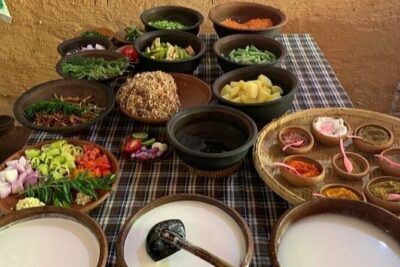 ★ 5.0Galle Unawatuna Cooking ClassFrom $30142 reviews
 ★ 4.6From Mirissa / Galle / Tangalle to Yala Safari & Drop- EllaFrom $11124 reviews
 ★ 4.8YALA SAFARI TOUR from TANGALLE/HIRIKETIYA/MIRISSA/GALLEFrom $43121 reviews
 ★ 4.8Hikkaduwa/Galle/Weligama/Mirissa/Tangalle: Udawalawa SafariFrom $27114 reviews
Browse the lists this tour appears in