
REVIEW · GALLE & GALLE FORT TOURS
Galle: Traditional Sri Lankan Cooking Class
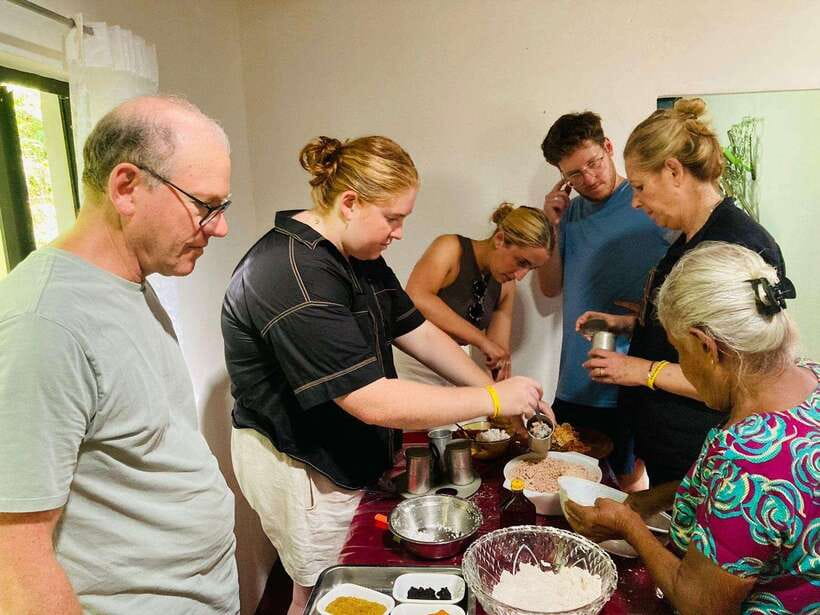
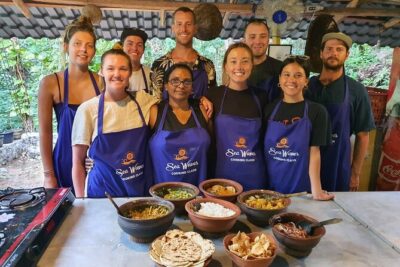
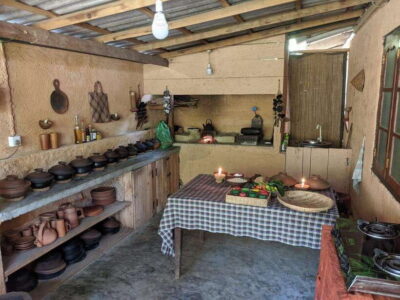
Cooking in a Sri Lankan home beats demos. In Kotapola near Galle, you join a local family kitchen and learn how everyday Sri Lankan flavors come together, with English instruction and real cooking tools in hand. You’ll meet family hosts like Malik and his mother, and in some sessions Chef Manogi is the one guiding the stove work, so you get that personal, household feel.
I love two things most. First, you do real hands-on prep, like cutting ingredients and adding spices, not just watching from a safe distance. Second, you eat what you make, from the main meal (lunch or dinner) to desserts, so the session ends with payoff, not just a recipe list.
One consideration: the chef often does the main cooking, so if you’re looking for a slow, step-by-step “I cook every second” experience, you might feel more like a helper than a solo chef. That’s not a bad thing, but it changes the vibe.
In This Review
- Quick hits before you book
- From Kotapola to the family kitchen: what the 3-hour class is really like
- Hands-on Sri Lankan cooking, not just watching
- Spice mixes and ingredient stories you can actually use
- What you’ll eat: lunch or dinner, plus desserts
- Price and value: is $40 a fair deal?
- Logistics that actually matter in Galle
- Who this class suits best, and who might want a different option
- Should you book this cooking class in Galle?
- FAQ
- Where does the cooking class take place?
- How long is the cooking class?
- What is the price per person?
- Is hotel pickup or drop-off included?
- What is included in the class?
- Is the instructor available in English?
- Can the class accommodate dietary restrictions?
- When should I arrive?
- What is the meeting point like?
- Is it wheelchair accessible, and is it private?
Quick hits before you book
- Family kitchen setting (Kotapola near Galle) instead of a studio
- English-speaking instructor and a friendly, personal welcome drink
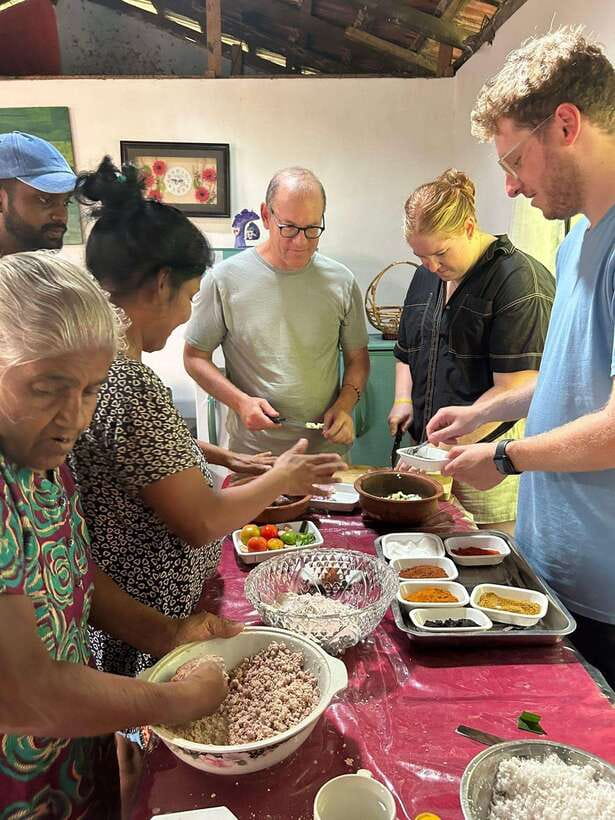
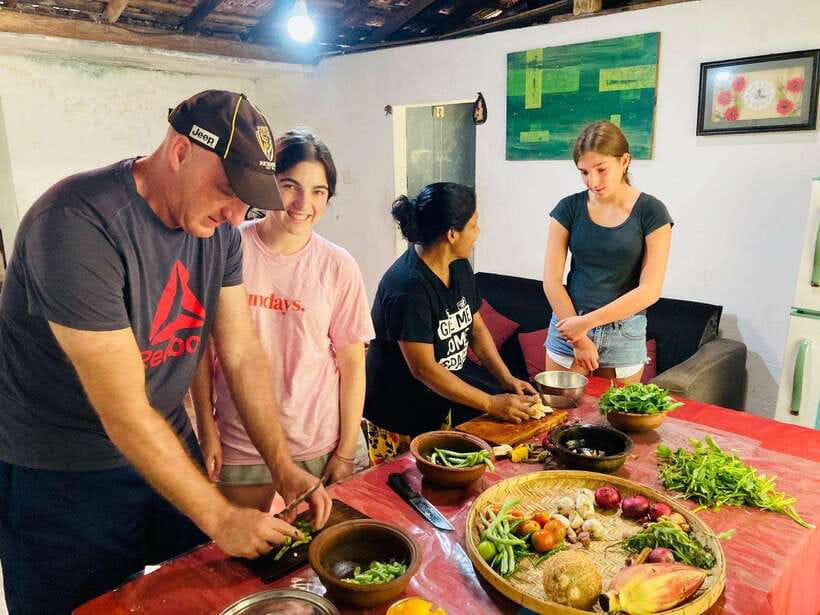
- You help with prep (cutting, spice adding, and more), guided through the process
- Spice mix learning and ingredient explanations as you go
- Meal included: lunch or dinner from what you cook, plus desserts
- Diet swaps possible in at least some sessions, including vegan requests
Inside the ramparts and well past them
- Galle: Traditional Gems & Jewellery Workshop with Transfers
★ 4.9 · 539 reviews - Galle Fort Walking tour
★ 4.9 · 285 reviews - Galle/Mirissa/Hiriketiya: Drop to Ella & Udawalawa Safari
★ 4.9 · 186 reviews - Galle Unawatuna Cooking Class
★ 5.0 · 142 reviews
From Kotapola to the family kitchen: what the 3-hour class is really like
This is a traditional Sri Lankan cookery session run out of a local home in Kotapola, close to Galle. The class lasts 3 hours, which is long enough to learn a few methods, get your hands busy, and still enjoy the meal you helped make. It’s also a private group, so you’re not squeezed into a crowd with a wall of other people.
You don’t need to hire transport through the operator. Hotel pickup and drop-off aren’t included, so plan to make your own way to the meeting point. Good news: finding it is usually straightforward if you use a map. If you get stuck, there’s an English-speaking local who can guide you by phone, so you won’t be left wandering.
One practical detail you’ll want to respect: arrive 15 minutes early. In this kind of class, timing matters because the ingredients, spice steps, and cooking flow are paced like a family meal, not like a tourist “show.”
The session is wheelchair accessible, and the instructor teaches in English. If you have mobility needs, comfortable shoes are still important, since you’ll be in a home kitchen and might stand more than you expect.
Hands-on Sri Lankan cooking, not just watching
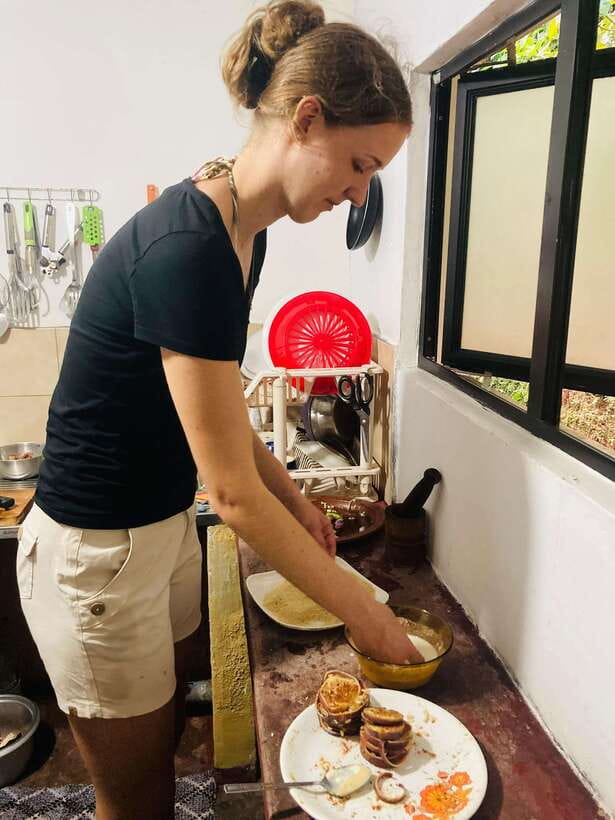
The format is practical and friendly. You start with a welcome drink, then move into ingredient prep and cooking steps with a local culinary expert. You’re there to learn by doing, but it’s not a “you run the whole kitchen alone” situation. In fact, several people mention that the chef moves quickly through the key parts, while you assist with hands-on tasks like cutting, shopping for ingredients in the session flow, and adding spices at the right moments.
That balance is part of the value. You get the learning without the frustration of trying to manage everything when you’re new to Sri Lankan spice timing. And because the cooking is happening in a home setting, you also get more than technique. You get context: what certain spices are used for, why particular ingredients pair together, and how Sri Lankan cooking builds flavor in layers.
One thing I’d call out: if you’re the type who wants to slow down and do each step at your own pace, this class might feel a bit fast. The goal is to produce a full meal you can eat together. So you’ll be busy, but the chef still drives the main cooking.
Spice mixes and ingredient stories you can actually use
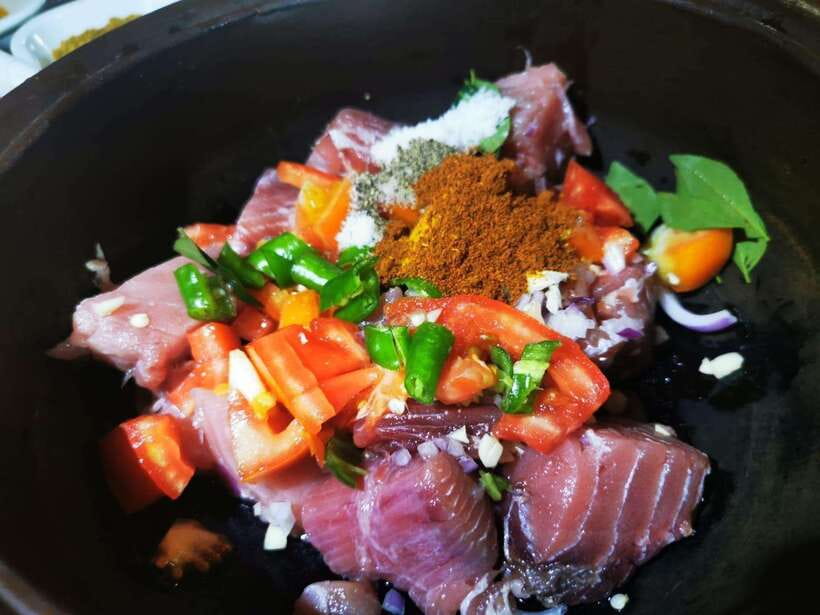
Spices in Sri Lankan food aren’t random. They’re a system. You’ll spend time working with aromatic ingredients and, in many sessions, you also learn how to make spice mixes. That’s useful beyond the dinner table, because once you understand the mix-building logic, you can adapt it later for other recipes.
From the class description and the way it’s described by people who attended, the explanations are tied to what you’re handling right then. So when you’re cutting a vegetable or measuring spices, you’re not just receiving a lecture. You’re connecting the ingredient to the flavor result.
You’ll also hear about the cultural role of common ingredients and how they show up across daily meals. I like this approach because it turns the experience from “cool cooking trick” into “I understand what I’m tasting.” That makes it easier to recreate dishes at home later without guessing.
If you have dietary needs, don’t worry too much about being stuck with only one menu. One session was described as flexible enough to cook multiple vegan dishes by request, using fresh local ingredients. Before you go, notify them about allergies or dietary restrictions so they can plan accordingly.
Hungry still? More kitchens to sit in
What you’ll eat: lunch or dinner, plus desserts
Here’s the best part of this class, and it’s also the easiest thing to plan wrong: hunger management.
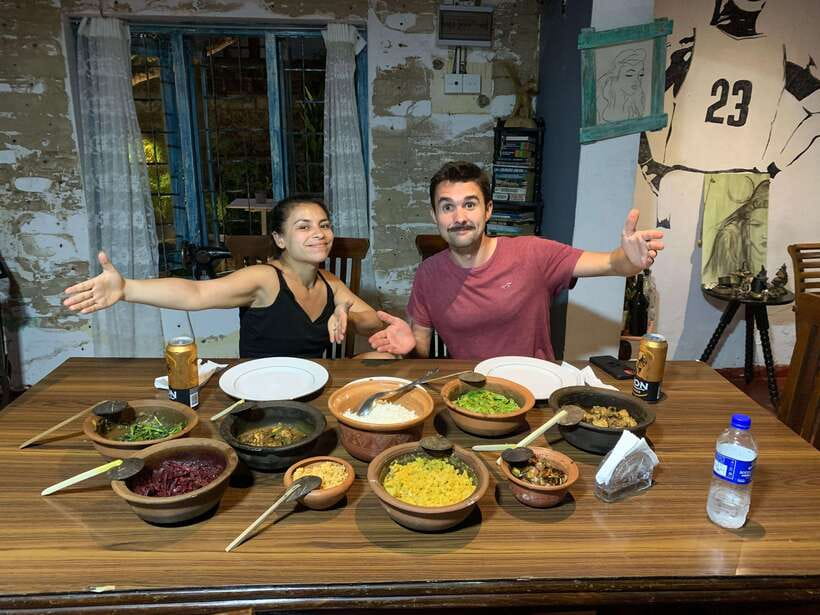
The meal you prepare is included, either lunch or dinner depending on the session timing. Desserts are included too. People strongly suggest you do not eat breakfast or lunch beforehand, because the portions and flavor satisfaction come from the full set of dishes you cook. If you show up too full, you might miss the point.
The class experience is designed so you can taste as you go and then sit down for the meal at the end. That means you’re not just learning to cook for other people. You’re learning to cook so you can eat the result while it’s still fresh.
There are also small “extra” moments that make it feel like a real family meal rather than a scripted tourist event. For example, one attendee mentioned being served buffalo curd with treacle afterwards. You might see similar finishing touches depending on what’s on the menu that day.
Price and value: is $40 a fair deal?
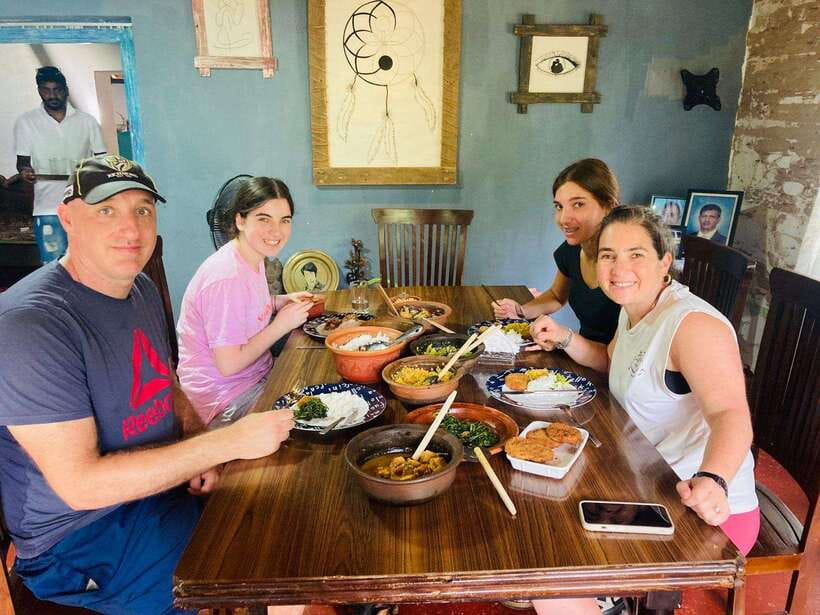
At $40 per person for a 3-hour, private, English-taught cooking class, this is one of those prices that only looks simple until you list what you actually get. You’re paying for:
- A local culinary expert and instruction in a home kitchen
- Cooking ingredients and equipment
- A welcome drink
- Lunch or dinner (the meal you help cook)
- Desserts
That adds up fast. If you tried to replicate this on your own, you’d pay for ingredients, cooking time, and the guidance to keep you from messing up spice blends and timings. If you just ate out in Galle, you’d get food, but not the context of how it’s built or the hands-on practice.
One more value angle: the class is private. You’re not forced to compete for attention or translate your questions through a crowded group. In a cooking class, that matters. You want to ask, adjust, and get quick corrections so you leave with something you can recreate.
The only “watch this” cost is personal expenses, since those aren’t included. Also, hotel pickup and drop-off are not included, so factor in getting yourself to the meeting point.
Logistics that actually matter in Galle
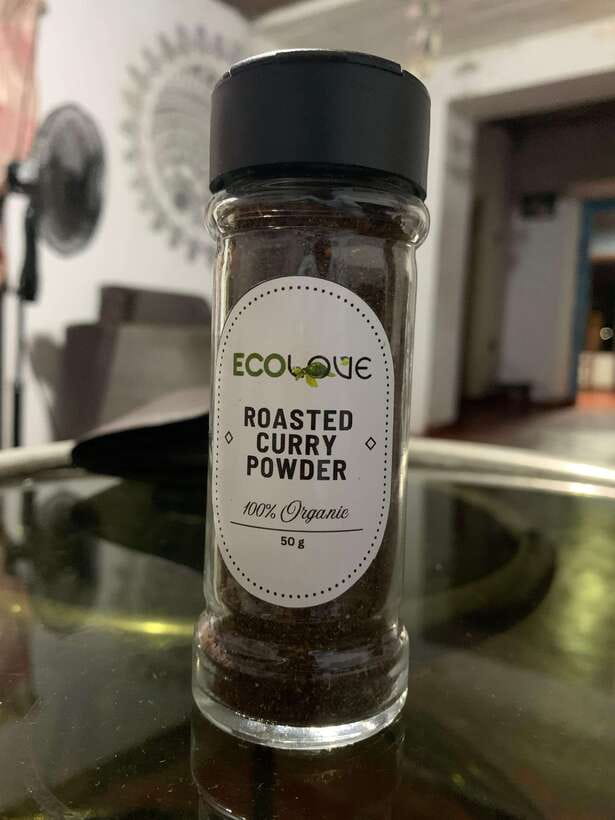
This activity is in Kotapola, and the meeting point is best handled with a map. If you struggle, call for directions in English. That’s a comfort when you’re already tired from sightseeing and you just want to get to dinner plans on time.
Plan your footwear like you would for a workshop, not a museum. Wear comfortable clothing and shoes suitable for cooking. You’re likely to be standing near cutting and prep zones, and in a home kitchen you want traction and comfort.
Also, if you have dietary restrictions or allergies, notify them in advance. Don’t wait until you arrive, because spice and ingredient choices are central to the cooking flow.
Finally, show up 15 minutes early. It’s not about strictness. It’s about getting you ready so the cooking rhythm stays on track.
Who this class suits best, and who might want a different option
You’ll probably love this if you:
- Want real Sri Lankan cooking skills, not just a food stop
- Like family-run experiences and learning from locals in their home kitchens
- Want an English-taught class while still getting authentic methods
- Enjoy spicy food and want to understand spice mix logic
- Are traveling as a couple or small group and prefer a private setting
You might consider a different option if:
- You need a slow, step-by-step cooking drill where you handle every action yourself for the full three hours
- You get uncomfortable when cooking happens quickly and you’re expected to assist while the chef drives key parts
- You expect hotel pickup and full transport included, because you’ll need to get yourself to the meeting point
That said, even the “you assist more than you solo” comment is not a complaint. It’s more like a heads-up that the class is built to produce a complete meal. And honestly, the finished meal is half the reason people sign up.
Should you book this cooking class in Galle?
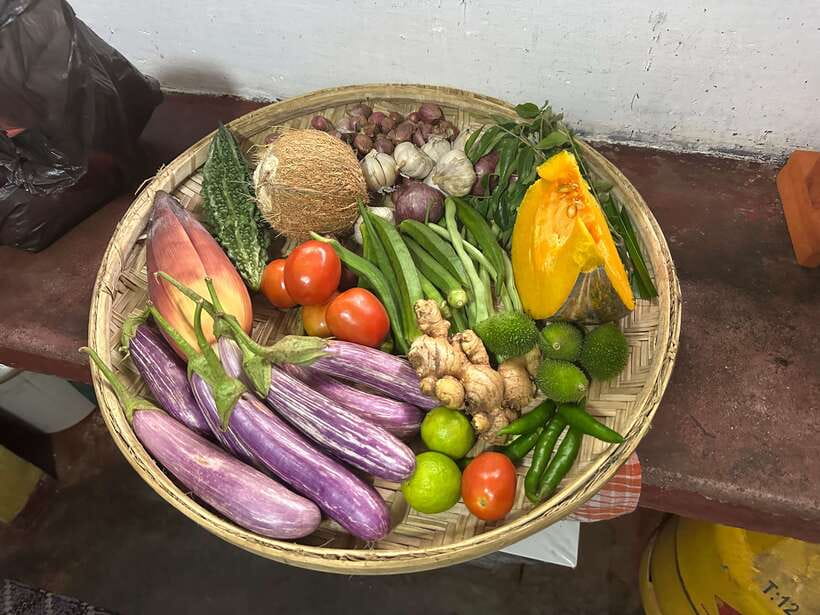
If you want a memorable food experience that goes beyond eating, this is a strong pick. For the money, you get hands-on prep, spice mix learning, and a full sit-down meal with desserts, all taught in English in a real home kitchen near Galle.
Book it if your goal is to understand how Sri Lankan flavors are built, and to leave with practical techniques you can repeat at home. Skip it only if your ideal cooking class means total control of every step, at a slower pace, with no chef-led shortcuts.
If you do book, come hungry, wear comfortable shoes, and tell them about allergies or dietary needs ahead of time. Do those three things, and you’re set up for a day that feels like dinner with a family, not just a class.
FAQ
Where does the cooking class take place?
The class is located in Kotapola, Sri Lanka, near Galle.
How long is the cooking class?
It lasts 3 hours.
What is the price per person?
The price is $40 per person.
Is hotel pickup or drop-off included?
No. Hotel pickup and drop-off are not included.
What is included in the class?
You get a local culinary expert, cooking ingredients and equipment, a welcome drink, lunch or dinner with the prepared meal, and desserts.
Is the instructor available in English?
Yes. The instructor teaches in English.
Can the class accommodate dietary restrictions?
You should notify them in advance if you have dietary restrictions or allergies.
When should I arrive?
Arrive 15 minutes before the session starts.
What is the meeting point like?
It’s easiest to find if you use the map. If you have trouble, an English-speaking local can give directions over the phone.
Is it wheelchair accessible, and is it private?
Yes, it is wheelchair accessible. It is also a private group.
More Tour Reviews in Galle
More Kitchens to Sit In
Galle Beyond the Fort Walls
Still browsing Galle? Start here
- From: Ella – YALA Safari – Drop off: Arugam Bay / Arugambay★ 5.0 · 3 reviews
- Galle Instagram Tour: Most Famous Spots (Private & All-Inclusive)★ 5.0 · 3 reviews
- Galle Sightseein Rickshaw Tour★ 4.5 · 3 reviews
- From Colombo: Day Trip to Galle City, Koggala and Unawatuna★ 4.2 · 3 reviews
- Yala National Park Private Safari (All Inclusive) From Mirissa★ 4.5 · 4 reviews
Galle & Galle Fort Tours, compared.
 ★ 4.9Galle: Traditional Gems & Jewellery Workshop with TransfersFrom $13539 reviews
 ★ 4.9Galle Fort Walking tourFrom $15285 reviews
 ★ 4.8Hikkaduwa/Galle/Weligama/Mirissa/Tangalle: Yala Safari TourFrom $45263 reviews
 ★ 4.7Galle and Bentota Day-Tour From ColomboFrom $45200 reviews
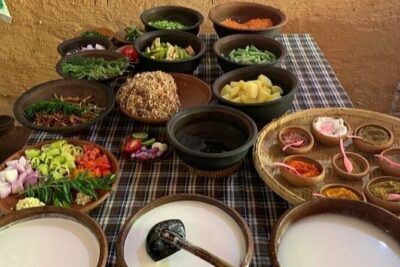 ★ 5.0Galle Unawatuna Cooking ClassFrom $30142 reviews
 ★ 4.6From Mirissa / Galle / Tangalle to Yala Safari & Drop- EllaFrom $11124 reviews
 ★ 4.8YALA SAFARI TOUR from TANGALLE/HIRIKETIYA/MIRISSA/GALLEFrom $43121 reviews
 ★ 4.8Hikkaduwa/Galle/Weligama/Mirissa/Tangalle: Udawalawa SafariFrom $27114 reviews
Browse the lists this tour appears in