
REVIEW · GALLE & GALLE FORT TOURS
Hikkaduwa/Galle/Ahangama: Whale Watching Tour in Mirissa
Mirissa at dawn has a special pull, and whales make it real. This half-day trip pairs an early boat run with a small group setup, live English commentary, and a respectful approach that keeps focus on the animals. I love the combo of comfy pickup logistics and the chance to spot big marine giants in open water, plus the crew’s safety-first mindset. One thing to consider, though, is that the tour is not a great match if you easily get seasick or if your child is under 6.
From the moment you meet your driver for the transfer, the day feels organized without being stiff. You sail out on a well-equipped boat, keep watch for blue whales, sperm whales, and dolphins, and you get refreshments along the way. My one caution is timing, it starts early, and your “on the water” time is built around that, not around sleeping in or long sightseeing stops.
In This Review
- Key highlights you should care about
- Mirissa whale watching with an easy pickup from Hikkaduwa, Galle, or Ahangama
- Getting started early: how the 4-5 hours on this tour really works
- The main event: blue whales, sperm whales, and dolphins in the Indian Ocean
- What the crew and live English commentary do for you
- Eco-friendly wildlife viewing rules, including the no-touch policy
- What to bring for comfort and better spotting
- Price and value: is $87 per person worth it?
- Who this tour is best for, and who should skip it
- Should you book Api Machan Tours whale watching in Mirissa?
- FAQ
- Where does the whale watching tour start from?
- How long is the tour?
- What species might you see?
- Is food included?
- Is the group small?
- What language is the guide?
- Is this tour safe if you get seasick easily?
Key highlights you should care about
- Multiple pickup options (Galle, Hikkaduwa, Ahangama) so you spend less time figuring out transport
- 4 hours of whale watching with a 4-5 hour total outing, so it fits well into a travel schedule
- Small group limit of 8 for a less crowded, easier-to-hear experience
- Live English guidance and expert commentary that helps you understand what you are looking at
- Refreshments plus safety gear included, so you are not scrambling for basics
- Eco-friendly rules, including a strict no-touch policy for marine life
Inside the ramparts and well past them
- Hikkaduwa/Galle/Weligama/Mirissa/Tangalle: Yala Safari Tour
★ 4.8 · 263 reviews - Galle/Mirissa/Tangalle: Transfer to Ella & Yala Safari
★ 4.8 · 235 reviews - Hikkaduwa/Galle/Mirissa/Hiriketiya/Tangalle:Day Trip to ELLA
★ 4.8 · 171 reviews - Hikkaduwa/Galle/Weligama/Mirissa/Tangalle: Udawalawa Safari
★ 4.8 · 114 reviews
Mirissa whale watching with an easy pickup from Hikkaduwa, Galle, or Ahangama
This is a simple way to do whale watching from Sri Lanka’s south coast without turning your morning into a logistics project. You start with pickup from your hotel area in Hikkaduwa, Galle, or Ahangama, then you move to Mirissa to catch the early sail.
The value here is not just convenience, it is time and energy. When you do not have to navigate buses or taxis at dawn, you actually show up ready to enjoy the ocean. And because you are traveling with a small group, the ride and boarding process usually feels calmer than bigger tours.
Also note that the tour is run by Api Machan Tours, based in the Kotapola area. That local setup typically matters for timing, since whale-watching days are all about being ready when conditions allow a good run out to sea.
Getting started early: how the 4-5 hours on this tour really works
The schedule is built around an early morning departure. That usually means leaving before the heat and crowds pick up, and it also lines up with the long stretch of dark-to-golden daylight when wildlife spotting often feels at its best.
Your experience on the water lasts about 4 hours, and the total outing is listed as 4-5 hours from pickup to drop-off. You have enough time to settle into the rhythm of scanning the horizon, spotting spouts, and waiting for animals to surface again.
What makes this format work for most people is that it is not a full-day mission. If you are staying in Hikkaduwa, Galle, or Ahangama, this feels like a smart half-day adventure, followed by a normal lunch and a relaxed afternoon.
Practical tip: start the day prepared for sun and glare. Even when it is early, the water reflects light hard, so your hat and sunscreen are not optional.
The main event: blue whales, sperm whales, and dolphins in the Indian Ocean
The headline sightings are blue whales, sperm whales, and dolphins. That is a big promise, and it is exactly why you are paying for an actual whale watching outing rather than hoping for wildlife from shore.
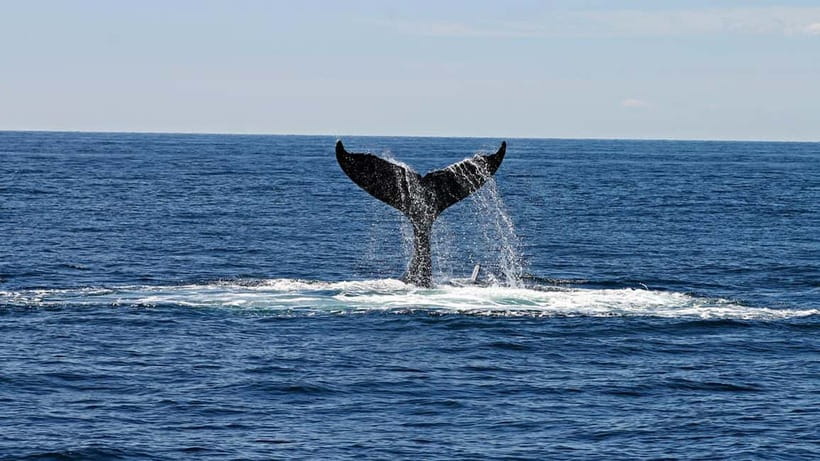
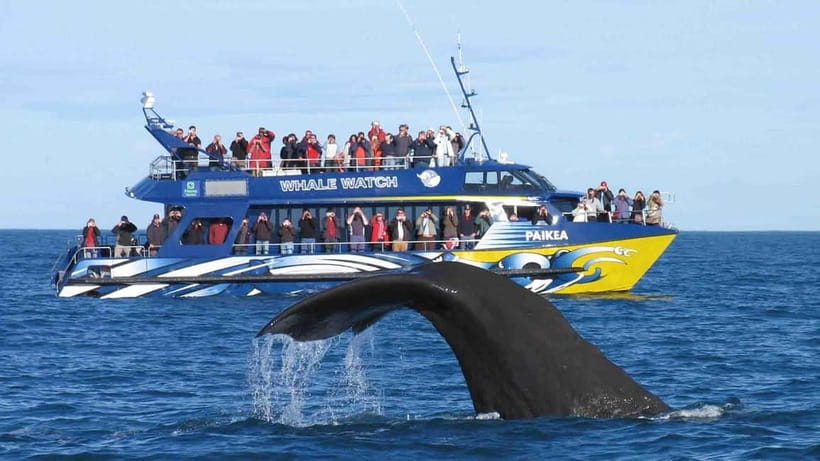
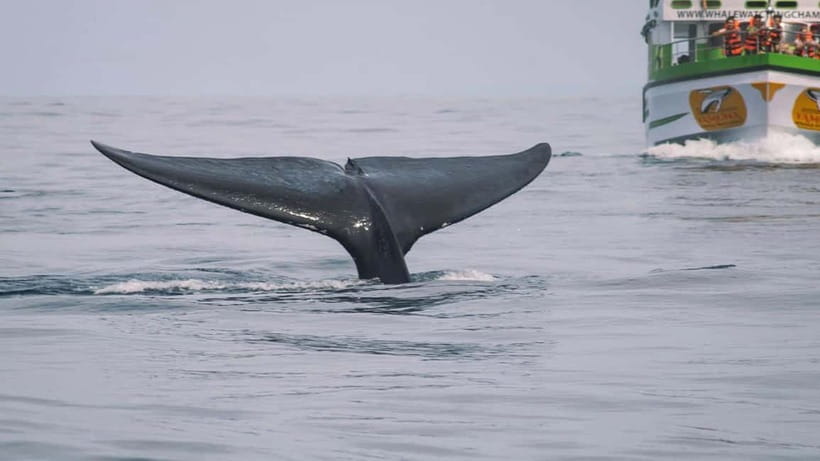
Here is what you are likely to notice while scanning: whales often show up in bursts, you see a blow or spout, then you track direction and timing for the next surfacing. When they surface, tails and body movement can be dramatic, and it is that combination of movement and scale that makes these encounters feel unforgettable.
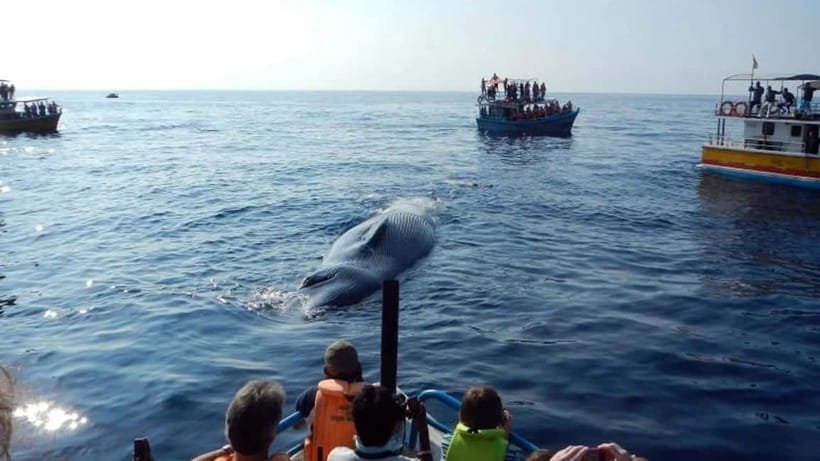
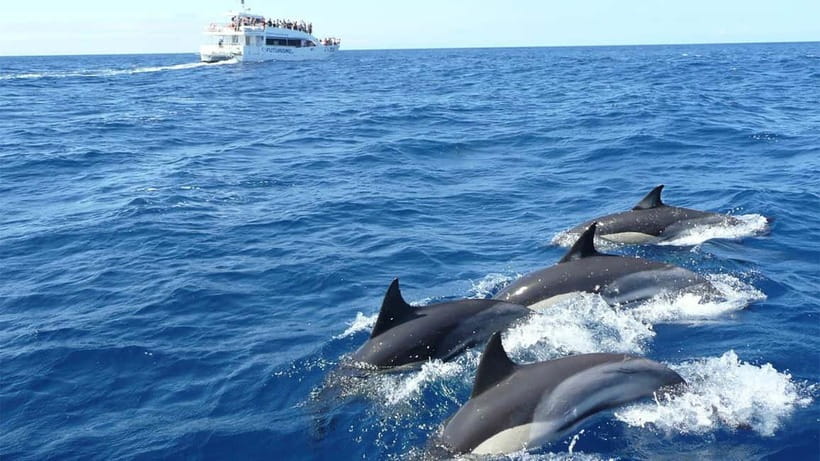
Blue whales are the stars of the show for many people because they are massive, and even brief views can make the whole morning click. Sperm whales are also possible, and they bring a different presence once you spot them. Dolphins, on the other hand, can make the experience feel more playful, since their patterns are often quicker and easier to follow.
I will keep it honest: you cannot control what the ocean brings on a given day. What you can control is choosing a tour that operates with a safety-first crew, enough time on the water, and a respectful approach that protects both you and the animals. This one hits those boxes.
Still in Mirissa? These rated well

What the crew and live English commentary do for you
One of my favorite parts of any wildlife tour is when the guide gives you something to look for besides just hoping. Here, you get expert commentary in English, plus experienced crew members who prioritize both safety and the well-being of ocean inhabitants.
That commentary matters because whale watching has its own “language.” When someone explains what you are seeing, how to read a blow, and why animals may surface in certain patterns, your attention shifts from frantic scanning to purposeful watching. You start to notice small changes faster, and the whole hunt feels less random.
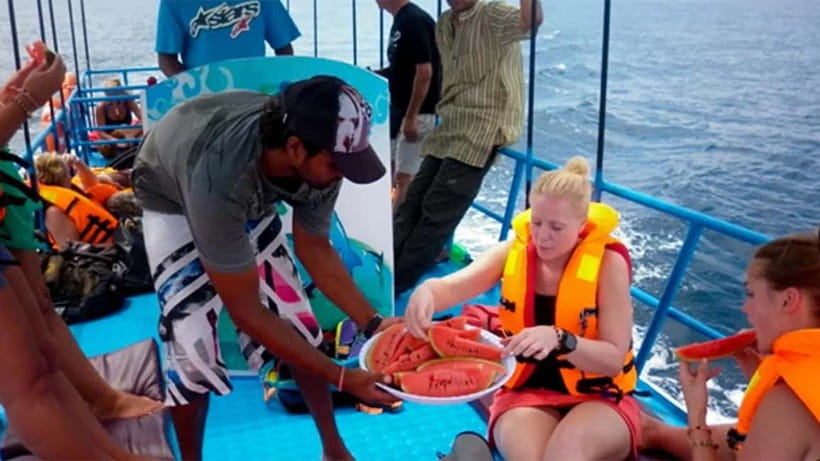
You also get safety gear included, which helps you feel settled right away. And there are refreshments, so you are not operating on coffee and good intentions for a full 4 hours out at sea.
If you bring binoculars, you can use them to keep eyes on more distant parts of the horizon when spouts are too far for a casual glance. Even basic binoculars make a noticeable difference on open water.
Eco-friendly wildlife viewing rules, including the no-touch policy
This tour is described as eco-friendly and respectful. You also have a clear rule: touching marine life is not allowed.
That may sound like a small line item, but it is actually one of the biggest reasons wildlife experiences can feel ethical and responsible. When you are not encouraged to touch or crowd animals, the tour atmosphere stays calmer. And that calm helps you, you get better viewing because you are not constantly repositioning or leaning in.
You also get a crew that focuses on the well-being of the animals. That is the difference between watching wildlife and interfering with it. It is also why your tour experience feels more like observation than performance.
What to bring for comfort and better spotting
You do not need to pack like you are going camping, but you should come prepared. The essentials listed for this tour are:
- A hat (sun and glare can be intense early)
- A camera (short sightings add up fast)
- Sunscreen (even before midday)
- Binoculars (optional, but useful for distant spouts)
Wear sun-protective clothing if you have it. Bring water or snacks only if you already know your preferences, since meals are not included. The tour does include refreshments, so you will not go entirely empty-handed, but you should not plan on a full meal replacement.
Also, if you are worried about seasickness, take that seriously. The tour is not suitable for people prone to seasickness, and that means you should choose another activity if the boat ride is likely to make you miserable.
Price and value: is $87 per person worth it?
At $87 per person, this is not the cheapest thing you can do in Sri Lanka. But it also does not feel overpriced for a whale-watching outing with real costs baked in.
Here is what you are getting for the price:
- Pickup and drop-off from Hikkaduwa, Galle, or Ahangama
- A whale watching boat trip of about 4 hours
- An experienced crew and safety gear
- Live English commentary
- Refreshments
- A small group size (limited to 8)
When you compare that to the cost of private transport plus a standard tour, it starts to look more reasonable. The transfer is a big deal because it removes morning friction, and that alone can be worth quite a bit if you are not already comfortable arranging your own logistics.
So is it worth $87? If you really want whale watching from Mirissa and you want the comfort of a guided, safety-focused setup, it is solid value. If your budget is tight or you are unsure you will enjoy being on the water early, you might want to weigh it against other experiences that are more predictable.
Who this tour is best for, and who should skip it
This outing is best for adults and older kids who can handle early starts and open water conditions. It is not suitable for children under 6, and it is not ideal for people prone to seasickness.
You will also enjoy it more if you like wildlife viewing with structure. The live English commentary and safety gear help you make sense of what you see, instead of just waiting and guessing.
If you are the type who wants a relaxed morning with clear expectations, this tour fits well because it is about a 4-hour whale watching block, plus transfer time. If you hate early departures or you know you get queasy at sea, this is one of those times where skipping is the smart move.
Should you book Api Machan Tours whale watching in Mirissa?
If your travel plan includes staying in Hikkaduwa, Galle, or Ahangama, I think this is one of the easiest ways to add whale watching without turning the day into a transportation puzzle. The small group size, English commentary, and safety gear are all practical wins, and the eco-friendly approach plus no-touch rule helps keep the experience respectful.
I would book it if you want the best chance to spot blue whales, sperm whales, and dolphins and you are comfortable with an early morning start on a boat. I would pass if you are not a fan of the ocean, you are prone to seasickness, or you are traveling with a child under 6.
FAQ
Where does the whale watching tour start from?
You can get pickup from hotels around Hikkaduwa, and pickup options also include Galle and Ahangama.
How long is the tour?
The whale watching portion runs about 4 hours, and the full experience is listed as 4-5 hours.
What species might you see?
The tour focuses on seeing blue whales, sperm whales, and dolphins.
Is food included?
Meals are not included, but the tour does include refreshments.
Is the group small?
Yes. The group is limited to 8 participants.
What language is the guide?
The live tour guide provides English commentary.
Is this tour safe if you get seasick easily?
It is not suitable for people prone to seasickness.
Hikkaduwa Next
More Out of Mirissa
Galle Beyond the Fort Walls
Still browsing Hikkaduwa? Start here
- Snorkeling in Hikkaduwa★ 3.0 · 3 reviews
- Hikkaduwa Snorkeling Tour: 2 Hours of Underwater Adventure★ 4.0 · 3 reviews
- From Bentota – Yala National Park Full Day Safari Tour★ 5.0 · 3 reviews
- Discover Scuba Diving : Hikkaduwa : Scuba Diving★ 4.8 · 3 reviews
- Hikkaduwa/Galle/Unawatuna/Mirissa: Udawalawa Safari★ 5.0 · 4 reviews
Galle & Galle Fort Tours, compared.
 ★ 4.9Galle: Traditional Gems & Jewellery Workshop with TransfersFrom $13539 reviews
 ★ 4.9Galle Fort Walking tourFrom $15285 reviews
 ★ 4.8Hikkaduwa/Galle/Weligama/Mirissa/Tangalle: Yala Safari TourFrom $45263 reviews
 ★ 4.7Galle and Bentota Day-Tour From ColomboFrom $45200 reviews
 ★ 5.0Galle Unawatuna Cooking ClassFrom $30142 reviews
 ★ 4.6From Mirissa / Galle / Tangalle to Yala Safari & Drop- EllaFrom $11124 reviews
 ★ 4.8YALA SAFARI TOUR from TANGALLE/HIRIKETIYA/MIRISSA/GALLEFrom $43121 reviews
 ★ 4.8Hikkaduwa/Galle/Weligama/Mirissa/Tangalle: Udawalawa SafariFrom $27114 reviews
Browse the lists this tour appears in