
REVIEW · SCUBA DIVING
PADI Scuba Diver Course
Your first PADI badge starts with calm water.
This PADI Scuba Diver course is built as your first certification step, with training that takes you from classroom basics to controlled practice, then into open water with a PADI Professional to a max of 12 m. The setting is on Sri Lanka’s south coast, and you start at Divinguru Unawatuna, with pickup available and the whole thing designed for small groups.
I love the way the instruction focuses on safety without turning the day into a lecture. Students get a structured flow of theory first, then confined-water skills, then two open-water sessions, and many past students called out instructors who stayed calm and patient in the water, including Ellie, Norbert, Eliška, Delphine, and instructors like Fabeo and Alex.
One key consideration: this is not the full Open Water Diver path. The PADI paperwork fee of 70 Euros is not included, and the certification limits you to going with a PADI Professional and staying at 12 m, so if you want full buddy independence up to 18 m, you’ll want the PADI Open Water Diver course instead.
In This Review
- Key highlights you should know before you go
- Why this PADI Scuba Diver course is a smart first certification
- Where you start in Sri Lanka, and the Negombo vs Unawatuna note
- Half-day theory, what you learn before you go underwater
- Confined-water skills in the training tank
- Your open-water sessions in the morning window
- Gear, comfort, and the small extras that reduce stress
- Price and extra fees, where the real value is
- Instructors and safety style, what students emphasized most
- Who this course suits best, and who should choose Open Water instead
- Should you book this PADI Scuba Diver course?
- FAQ
- How long is the PADI Scuba Diver course?
- What depth can I reach with this certification?
- Is the 70 Euro PADI fee included in the course price?
- What is included in the $240.23 per person price?
- Do I get pickup from my hotel?
- How many people are in a group?
Key highlights you should know before you go
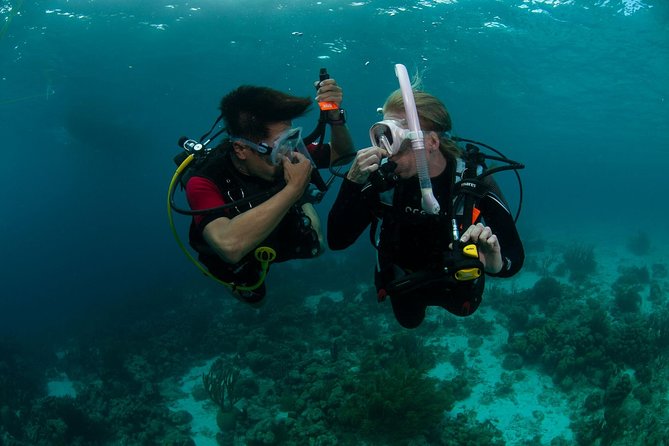
- First PADI certification step: You earn PADI Scuba Diver, the subset of Open Water Diver training.
- Max 12 m with a PADI Professional: Clear limits that match beginner training.
- Small group size: Maximum of 8 travelers, which helps the instructor keep an eye on everyone.
- 2 to 3 day structure: Theory for about half a day, confined water about half a day, plus one morning with two open-water sessions.
- Hands-on gear included: Scuba equipment use is included, so you do not need to source or rent it yourself.
- Extra PADI fee required: The 70 Euro PADI fee for the manual and certification is separate from the course price.
Other dive sites written up
- PADI Scuba Diver Course
★ 5.0 · 11 reviews
Why this PADI Scuba Diver course is a smart first certification
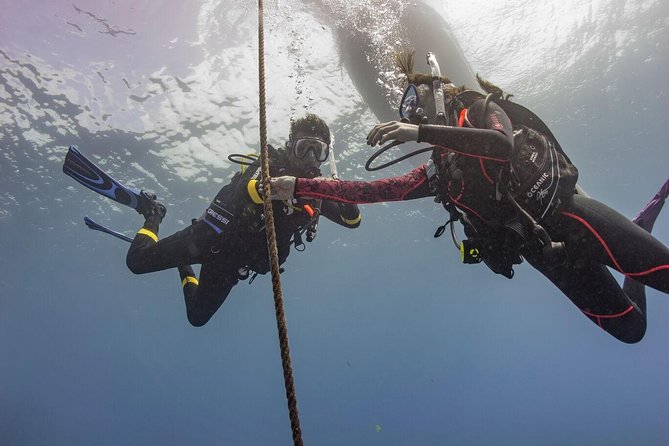
If you have been watching scuba videos and thinking, I want to learn this for real, this course is a straightforward on-ramp. The PADI Scuba Diver credential is designed to get you comfortable with core skills and safety rules, then take you underwater with professional supervision to a beginner-friendly depth limit.
The big value here is structure. You do not just show up for one try-it session and hope for the best. You build knowledge first, then repeat the skills in a controlled space, then apply them in open water with an instructor managing the pace. That matters because scuba is half technique, half nerves, and beginners do best with repetition and clear coaching.
You also get a small-group environment. Maximum 8 travelers means you are less likely to feel like a number. Past students highlighted instructors who kept teaching patient and calm, which is exactly what you want on your first day when everything feels new, your breathing is different, and even simple movements can feel strange.
Where you start in Sri Lanka, and the Negombo vs Unawatuna note
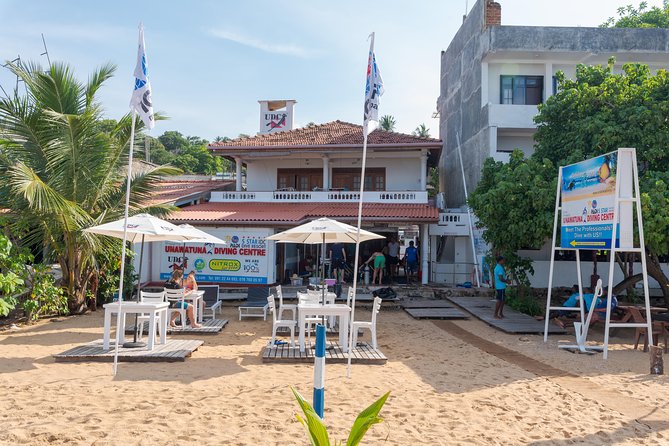
The listing says Negombo, but the actual meeting point is in Unawatuna at Divinguru Unawatuna, PADI 5 Star IDC resort on Matara Road. That is not unusual in Sri Lanka, where operators may market the broader region and then run the training from a specific coast base.
The practical move: when you book, confirm the pickup area with the operator and verify your exact pickup plan. The good news is private transportation is included, and pickup is offered, so you should not have to figure out getting there on your own.
The session ends back at the meeting point, which helps your day planning. Also, the mobile ticket feature means you should be able to handle your proof of booking right from your phone.
Half-day theory, what you learn before you go underwater
This course includes the theoretical part from the early Open Water Diver syllabus. You do the first 3 sections of the PADI Open Water Diver course without the exam, for around half a day.
For you, that matters in two ways. First, you get the foundational ideas before you ever put on a regulator and start practicing buoyancy. Second, skipping the exam for this certification step can make the learning feel less like school and more like training, especially if you are nervous about tests.
The reviews you can find around this center also point to instruction style, including theory explanations in different languages. Even if you already know some scuba basics, those early chapters are where instructors usually spot misunderstandings, like how breathing affects your comfort, or why you always follow the safety process in the right order.
Bring the right mindset: theory is not just reading. It sets the logic for what you will do in the pool-like setup and then in open water.
Confined-water skills in the training tank
After the theory block, you move to confined water training for about half a day. The course follows the first 3 dives from the Open Water Diver curriculum, which in practice means controlled skill sessions focused on safe movement and basic underwater habits.
I like this part because it teaches you how the gear feels as you operate it. You learn how to manage your breathing, how to control your body position, and how to follow instructor cues without panic. In a training tank or confined setup, you can repeat these motions without dealing with open-water surprises like waves and distance.
A common beginner challenge is that your brain is working overtime. You are learning buoyancy, awareness, hand signals, and equipment handling all at once. That is why confined water training exists. It gives you a chance to get your bearings fast, make mistakes safely, and get corrections immediately.
If you have never worn scuba equipment before, this half day can feel like learning a new sport. Give it your attention, listen for the instructor’s cues, and resist the urge to rush through the practice. The students who do best here tend to be the ones who treat it as skill practice, not performance.
Your open-water sessions in the morning window
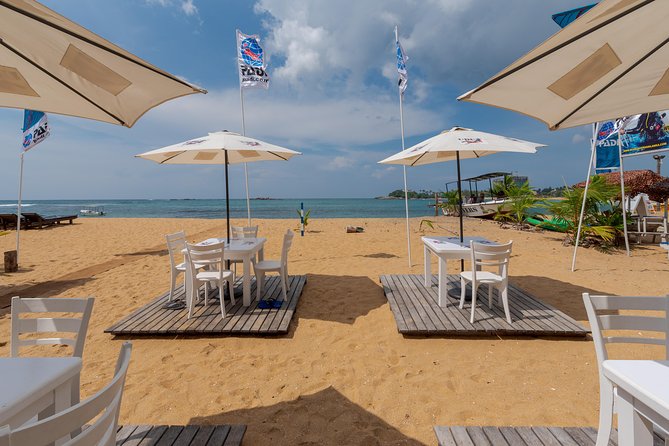
The final day includes one morning with two open-water sessions, scheduled from 8:30 am to around 1 pm. This timing is helpful. You get the key experience earlier in the day, and you are done before the afternoon gets hot or the sea conditions change too much.
This is where the training you did earlier becomes real. Confined water helps you learn the movements, but open water teaches you how to apply them while the environment adds extra variables like distance, natural light, and real water conditions.
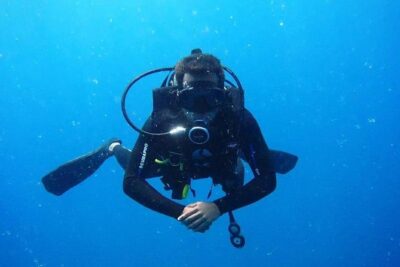
You also get the depth limit and supervision rules clearly defined. The PADI Scuba Diver credential allows you to go underwater together with a PADI Professional to a max of 12 m. Translation for you: you are not sent out as an independent diver on day one. You learn within boundaries that match beginner coaching.
From the feedback I read, students strongly appreciated the instructors’ calm style and the way safety was taken seriously. That is exactly what you want here. The first open-water experience should feel exciting, but still structured and controlled.
One practical note: lunch is not included, and the day ends around 1 pm. Plan to grab food afterward, and keep some water for the journey back if you are doing pickup and returning to the meeting point.
Gear, comfort, and the small extras that reduce stress
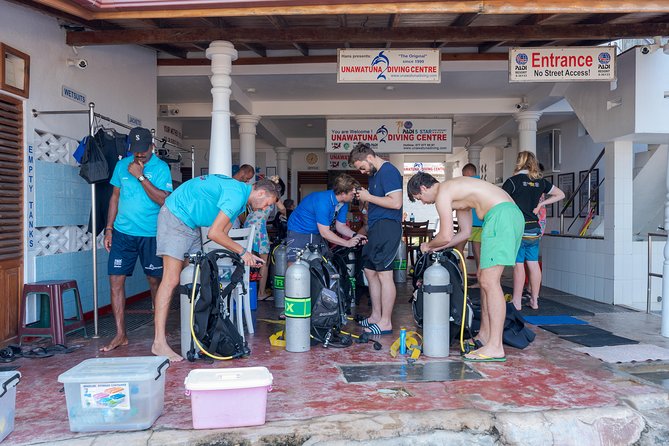
The course fee includes the use of scuba equipment, plus bottled water, coffee and/or tea, and snacks. That is a simple but meaningful bundle. When you are learning a new system, you want the basics handled so you can focus on the training.
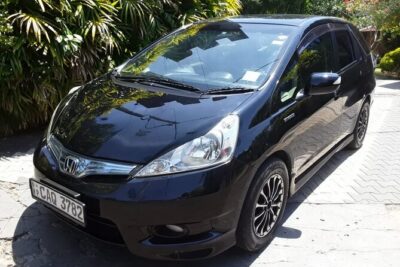
Private transportation is also included, which can make a big difference if you are staying farther away. Beginners often underestimate how tiring it is to commute while you are already mentally preparing for your first underwater session. Pickup removes that friction.
You should still think about comfort. You will want to dress in a way that is easy to change in and out of, and you will likely be moving between the briefing area and training spaces. The course notes also say you should have moderate physical fitness. That is not about being an athlete. It is about being able to manage underwater equipment practice, tolerate being in the water, and follow directions confidently.
In short: you do not need to bring much scuba gear. You do need to show up ready to learn and ready to listen.
Price and extra fees, where the real value is
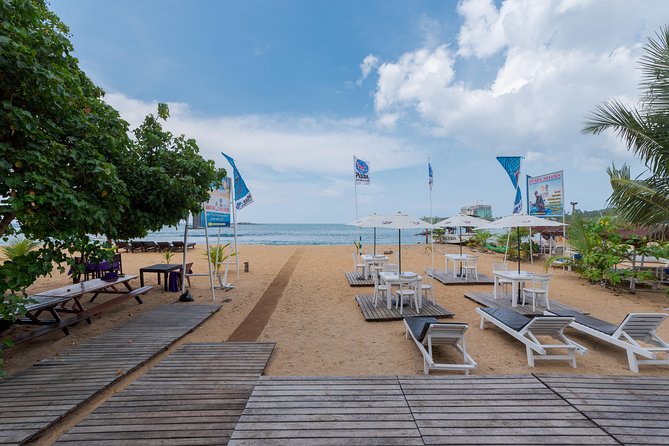
The course price listed is $240.23 per person for a roughly 2-day experience (around 2 to 3 days total). On the surface, that can look like a lot if you think only in terms of the instructor time. But when you break down what you are getting, the value is clearer.
What’s included:
- Private transportation
- Bottled water
- Coffee and/or tea
- Snacks
- Use of scuba equipment
What is not included:
- Lunch
- PADI fee of 70 Euros (for the PADI Scuba Diver manual and certification costs)
So your real budget should include the 70 Euros PADI fee on top of the listed course price. If you plan for that from the start, there are fewer surprises.
Now the deeper value question: is this better than a beginner trial session? For most people, yes, because you leave with a certification path. And this certification has actual boundaries and guidance, not just an experience. It is also a stepping stone. If you want independence up to 18 m with buddy diving, you will need the PADI Open Water Diver course. But for many learners, the Scuba Diver level is the best first credential to build confidence and then decide what to do next.
If you are comparing options, do not just compare prices. Compare what you leave with, how the training is structured, and how much coaching you get. This course has a clear learning sequence and a small group cap, which often leads to better attention and fewer distractions.
Instructors and safety style, what students emphasized most
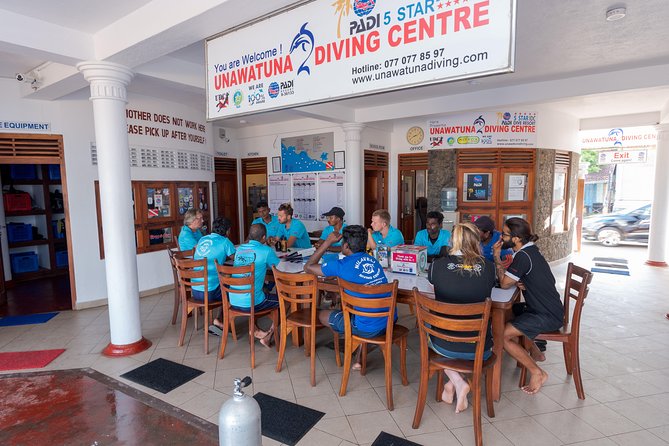
The stand-out theme in the feedback is instructor quality and teaching style. Students specifically named instructors like Ellie, Norbert, Eliška, Delphine, and also mentioned instructors such as Fabeo and Alex. Across those notes, the recurring message is that instruction felt professional, calm, and supportive.
Safety came up as serious, not rigid. That is a fine line. In a beginner course, safety needs structure: good briefings, careful skill demonstrations, and a clear sense that you should not guess. At the same time, the day should still feel fun, because confidence grows when people feel comfortable asking questions and trying again.
If you are the type who gets nervous in new environments, that instructor tone matters a lot. You want someone who can slow down, explain clearly, and guide you through the skills step by step. That seems to be the pattern at this center based on the names and compliments in the course feedback.
Also, online booking and planning ahead seem to be a big convenience factor. Even if you are traveling with limited time, being able to arrange dates and get quick confirmation helps you manage the rest of your itinerary.
Who this course suits best, and who should choose Open Water instead
This PADI Scuba Diver course is a great fit if:
- You want a first PADI certification and a clear training path
- You like the idea of learning with professional supervision
- You prefer a structured 2 to 3 day rhythm rather than an all-in-one day program
- You are comfortable with the idea of a max 12 m limit during supervised training
You should consider the PADI Open Water Diver course instead if:
- You want to be a completely independent diver
- You want to dive with your buddy up to 18 m
That last point is the biggest dividing line. Scuba Diver is a subset. It is meant to get you qualified and confident enough to keep going, and it is totally legitimate as a stepping stone.
Also, think about your comfort level with logistics. You start in Unawatuna even though the course may be marketed for the wider Negombo area. If that mismatch causes confusion, ask before you pay, and confirm pickup details.
Should you book this PADI Scuba Diver course?
If your goal is a first certification with solid coaching, I think it is a strong booking choice. The course includes equipment, transport, and the real learning sequence: theory for half a day, confined-water skills for half a day, then two open-water sessions in the morning. The small group size and the instructor style praised in the feedback are exactly what reduce beginner stress.
I would book with two things in mind. First, budget the additional 70 Euros PADI fee. Second, be honest about your ambitions: if you want 18 m buddy independence, you may be happier going straight to the Open Water Diver course.
If you want, tell me your travel dates and where you are staying in the Negombo to Colombo area, and I’ll help you sanity-check timing for pickup and how to plan the rest of your days around the 8:30 am start.
FAQ
How long is the PADI Scuba Diver course?
The course is listed as about 2 days, and the schedule notes say it takes around 2 to 3 days total.
What depth can I reach with this certification?
The PADI Scuba Diver certification allows you to dive together with a PADI Professional to a maximum depth of 12 m.
Is the 70 Euro PADI fee included in the course price?
No. The PADI fee of 70 Euros for the PADI Scuba Diver manual and certification costs is not included in the course fee.
What is included in the $240.23 per person price?
Included items are bottled water, coffee and/or tea, private transportation, snacks, and use of scuba equipment.
Do I get pickup from my hotel?
Pickup is offered, and private transportation is included. The activity ends back at the meeting point.
How many people are in a group?
The maximum group size is 8 travelers.
Dive Sites near Negombo
More Tour Reviews in Negombo
Still browsing Negombo? Start here
- Colombo Airport (BIA) to Galle Private Airport Transfer★ 5.0 · 3 reviews
- Airport Pick-up from Colombo Airport to Kandy★ 5.0 · 3 reviews
- Airport transfer to Arugambay★ 5.0 · 3 reviews
- 8 Days Tour Sri Lanka (Hotels, Breakfast, Dinner & Luxury Car)★ 5.0 · 3 reviews
- 9 Days Guided Tour Through Sri Lanka★ 5.0 · 4 reviews
Scuba Diving, compared.
 ★ 5.0Discover SCUBA Diving in Beautiful Unawatuna BayFrom $6530 reviews
 ★ 5.0Scuba Diving at UnawatunaFrom $7021 reviews
 ★ 5.0Scuba Diving For BeginnersFrom $8418 reviews
 ★ 5.0Scuba Diving in MirissaFrom $7512 reviews
 ★ 5.0Scuba Diving in UnawatunaFrom $6512 reviews
★ 5.0Scuba Diving For BeginnersFrom $8410 reviews
★ 5.0Scuba Diving in MirissaFrom $1114 reviews
★ 5.0Scuba Diving in UnawatunaFrom $6512 reviews
★ 5.0Scuba Diving For BeginnersFrom $8410 reviews
★ 5.0Scuba Diving in MirissaFrom $1114 reviews
 ★ 4.8Discover Scuba Diving : Hikkaduwa : Scuba DivingFrom $913 reviews
Browse the lists this tour appears in