
REVIEW · SINHARAJA RAINFOREST TOURS
Sri Lanka : Sinharaja Rainforest Guided Trek with Pickup
Green shade, rare birds, and smart guides. This half day to full half day outing puts you in Sri Lanka’s Sinharaja Rainforest UNESCO area with a local guide who knows what to look for, from canopy birds to small forest mammals. I especially like the focus on endemic wildlife you are actually trying to see, not just “walking in a jungle.”
My second favorite part is the small group setup, topped off with hotel pickup and drop-off in a private air-conditioned vehicle. The one drawback to plan around is that this is a real forest trek, and it is not suitable for people with back problems, wheelchair users, or children under 9.
In This Review
- Key things that make this trek worth your time
- Sinharaja Rainforest: what you are really paying for
- Pickup from Mirissa and the private vehicle ride
- Your 3 to 6 hour rainforest walk: how the day flows
- Wildlife spotting in Sinharaja: what you can actually look for
- Endemic birds you may spot
- Mammals and primates: the langur and squirrel search
- Reptiles and amphibians: for the slow, careful look
- Insects: yes, the tiny stuff counts
- Snorkel-free but safety-heavy: what to bring and how to handle leeches and rain
- Guides, group size, and why the experience feels personal
- Price and value: is $96 per person fair?
- Who should book this trek, and who should skip it
- Should you book this Sinharaja guided trek with pickup?
- FAQ
- How long is the Sinharaja trek?
- Where do you get picked up from?
- Is transport included?
- What is included in the tour price?
- Is lunch included?
- What languages are the guides available in?
- What should I bring?
- Who is this tour not suitable for?
Key things that make this trek worth your time
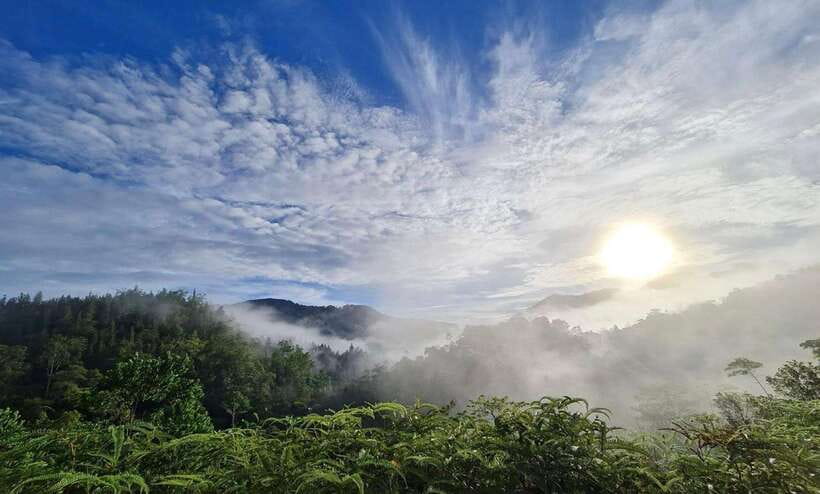
- UNESCO Sinharaja Rainforest: you get access to one of Sri Lanka’s most important protected areas
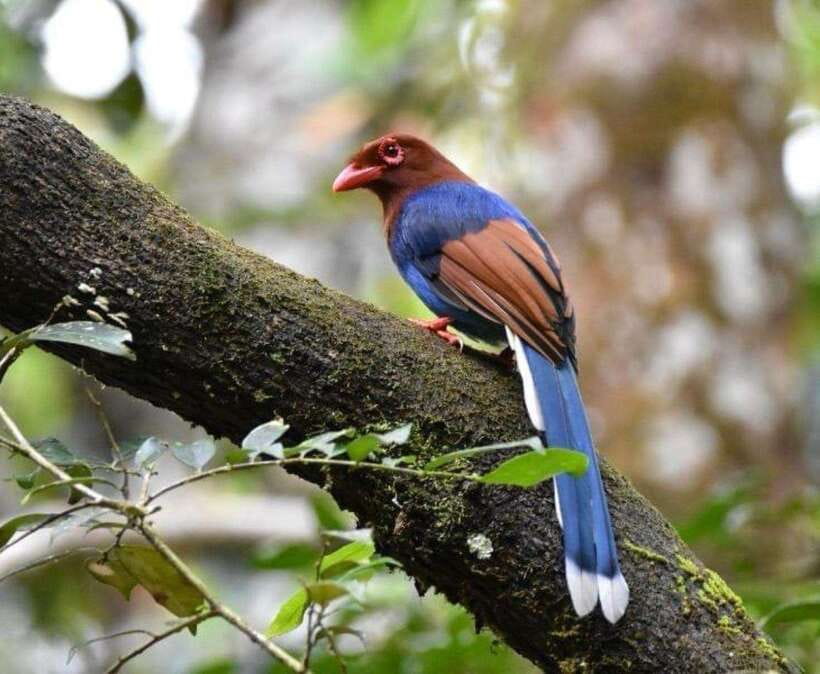
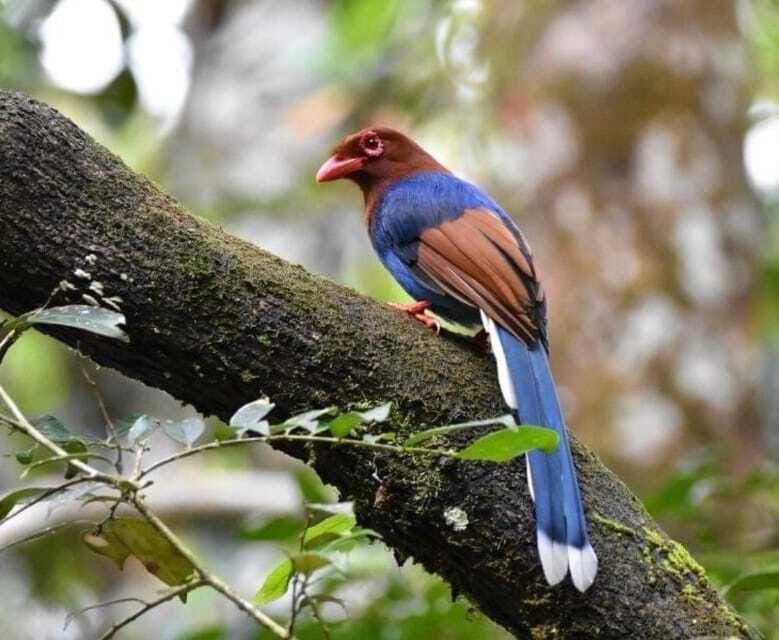
- Endemic bird focus: the Sri Lankan Blue Magpie and other standout species are part of the hunt
- More than birds: langurs, reptiles, amphibians, and insects all fit into the walk
- Local guiding style: guides like Alagaraja, with help from his daughter Thishani, aim to explain what you are seeing
- Trek logistics that reduce stress: private vehicle pickup from Mirissa and nearby towns
More walks under the Sinharaja canopy
- Sinharaja Rainforest Tour
★ 5.0 · 54 reviews - Sinharaja Rainforest Private Half Day Tour with Licensed Guide
★ 5.0 · 39 reviews - Sinharaja Rainforest Private & Customize Tour
★ 4.6 · 38 reviews - Sinharaja Rainforest Day Tour By Rainforest Expedition
★ 5.0 · 15 reviews
Sinharaja Rainforest: what you are really paying for
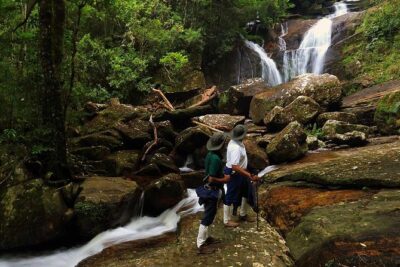
Sinharaja Rainforest is not the place to show up with a vague “I like nature” mood. It is a dense, species-rich forest where your results depend on who is guiding you and how they interpret the habitat around you. That is exactly why this tour works: you’re paying for an experienced local guide plus a route that is designed around spotting animals, not just ticking off time.
What I like about the Sinharaja approach is that it keeps expectations realistic. You are not promised a guaranteed parade of animals, but you are guided to the right conditions and the right spots for your best chance. The tour highlights the Sri Lankan Blue Magpie, plus other endemics and forest birds like the Red-faced Malkoha, Orange-billed Babbler, Crested Drongo, and Green-billed Coucal. Even if birding is hit or miss, the same skills that help you spot one species also help you notice the rest of the forest.
And Sinharaja is not only about birds. The itinerary focuses on mammals such as the Purple-faced Langur and Giant Squirrels, while also encouraging you to look for reptiles and amphibians and to pay attention to insects. In a place like this, those “smaller” things are often what make the day feel special.
Pickup from Mirissa and the private vehicle ride
This is set up for convenience, which matters on a day trip. You get pickup from your hotel area with options including Mirissa, Galle, Bentota, Koggala, Ahangama, Talpe, Weligama, and Unawatuna. Then you travel to the rainforest in a private air-conditioned vehicle with insurance.
Why I think this is good value: Sinharaja is not right next door to the coast. When you are doing a guided trek, losing time to complicated public transport or mismatched schedules can ruin the day. A private transfer protects your start time and keeps the day from feeling rushed.
One small detail that stands out from real experiences: the ride up toward the forest can feel like part of the adventure. In one case, the tuktuk segment into the forest area was described as exciting, and the guide started talking about the surroundings before the walk even began. That kind of momentum is what turns “just getting there” into a warm-up.
Your 3 to 6 hour rainforest walk: how the day flows
The total duration is listed as 6 hours, with the trek itself running about 3 to 6 hours depending on timing and conditions. You’re not expected to sprint through the forest. Instead, you move at a pace that supports scanning, stopping, and listening.
A typical rhythm looks like this:
1) You arrive at the forest entrance area and meet your guide.
2) You start the trek through the rainforest, with planned pauses for spotting wildlife.
3) Along the way, you focus on bird calls, movement in the canopy, and smaller signs on the forest floor.
4) You take a break with bottled water and light snacks included. There’s also an optional lunch add-on if you want a full meal.
5) After the trek, you return to your hotel area for drop-off.
That break with water and snacks is not a throwaway detail. In hot, humid conditions, it changes how you experience the trek. You can stay focused on spotting rather than spending the whole time thinking about thirst or energy.
Other Galle trips readers tend to shortlist
Wildlife spotting in Sinharaja: what you can actually look for
The tour is built around targeted wildlife. This is one of those days where your guide’s attention turns into your best eyesight. You are encouraged to look for the kinds of species that are known from this habitat, with special emphasis on endemic birds.
Endemic birds you may spot
Birds are the headline for a reason: Sinharaja has a reputation for rare and localized species, and the guide’s job is to help you notice them fast. The tour specifically calls out:
- Sri Lankan Blue Magpie (a standout endemic)
- Red-faced Malkoha
- Orange-billed Babbler
- Crested Drongo
- Green-billed Coucal
In practice, this means you’ll likely spend time listening for calls, watching branches for flashes of color, and tracking movement through dense green. If you’ve ever missed birds because you were looking with your eyes only, this style is a fix. You learn how movement and sound fit together.
Mammals and primates: the langur and squirrel search
Your guide also looks for mammals such as:
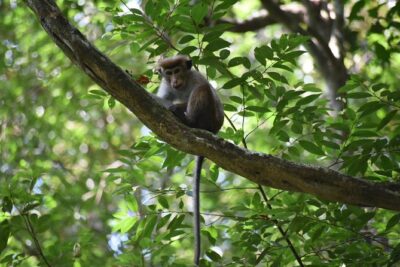
- Purple-faced Langur (endemic monkey)
- Giant Squirrels
These sightings are often about patient scanning, especially in forest cover. The guide approach matters here too. One experience included a guide who pointed out plants and animals as they were found, which is exactly what you want in a forest where “it was there the whole time” is the most common feeling.
Reptiles and amphibians: for the slow, careful look
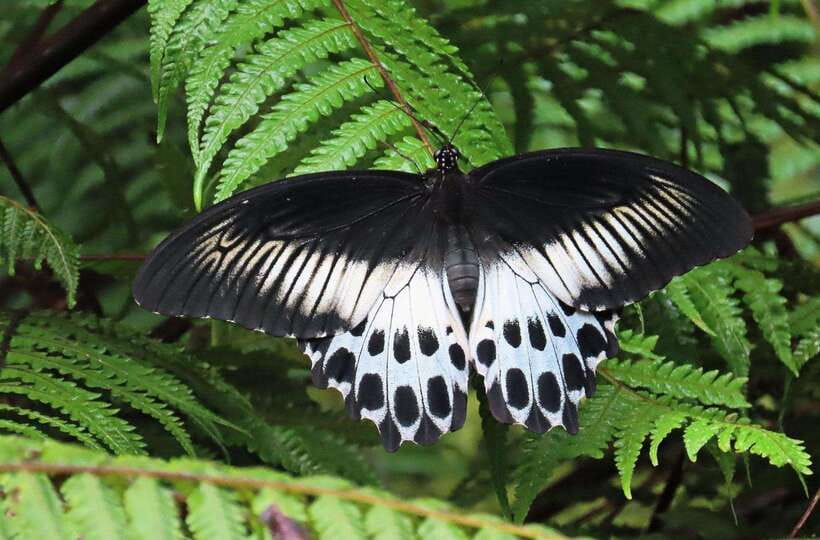
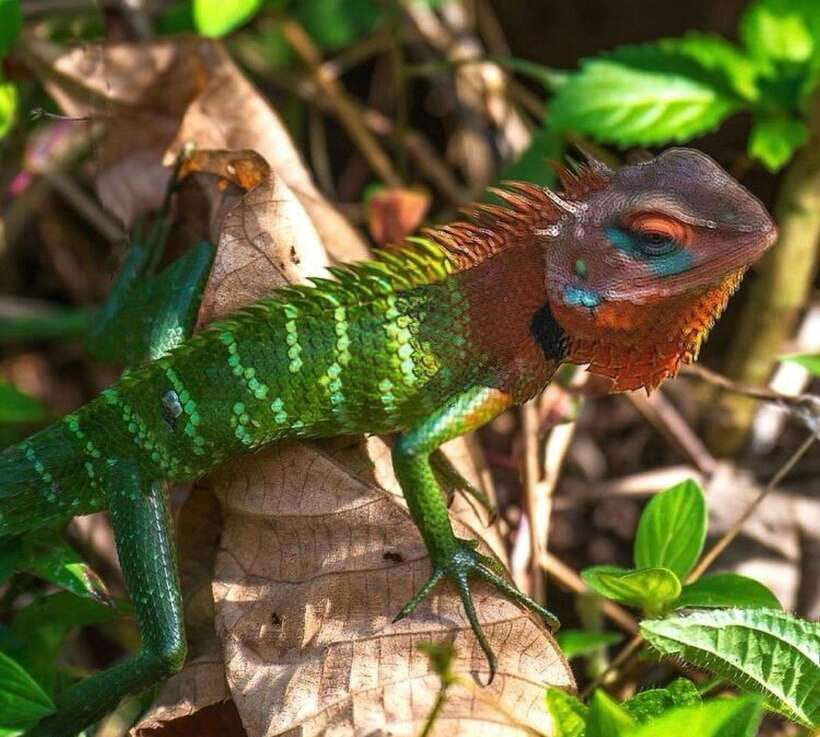
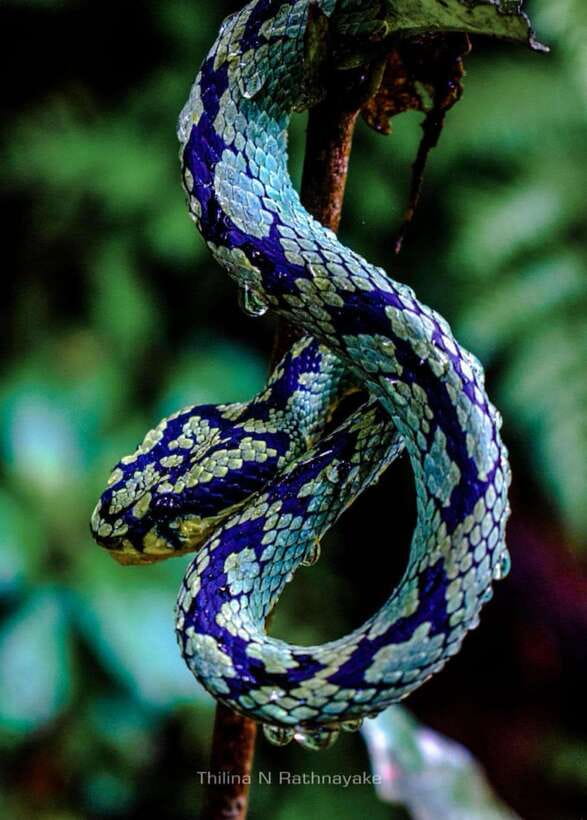
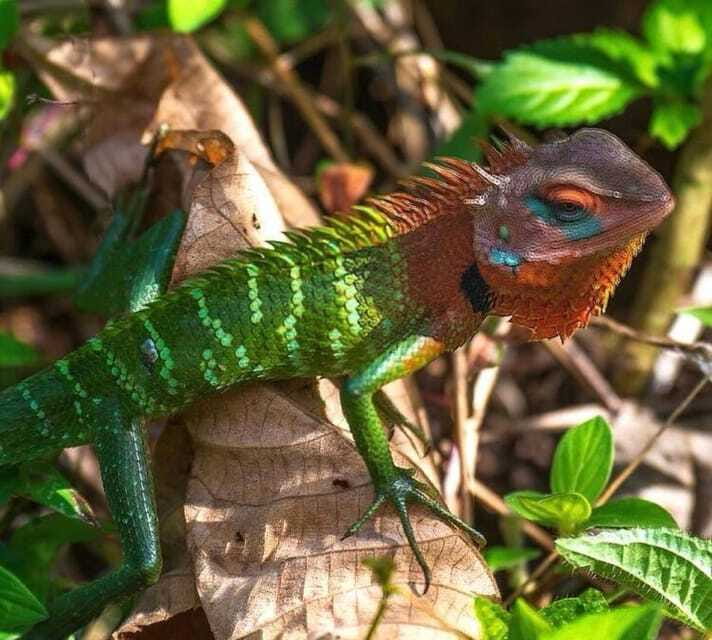
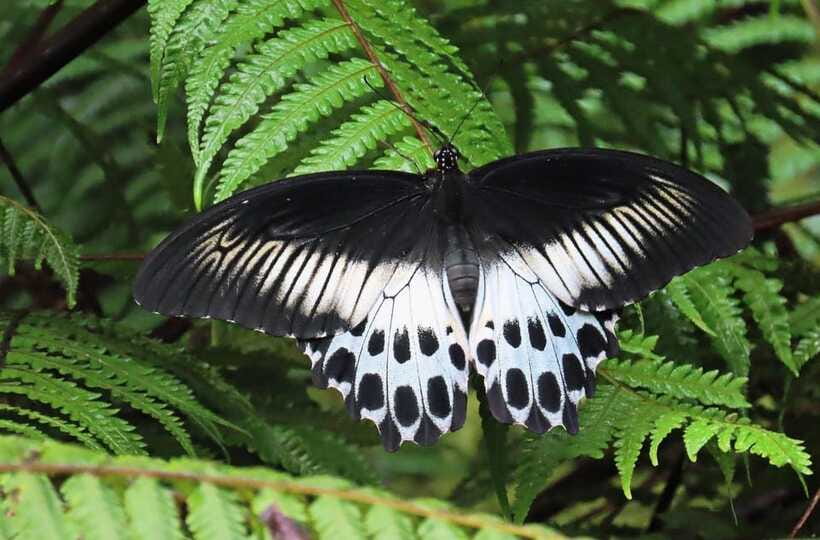
Sinharaja wildlife spotting also includes reptiles and amphibians, and the tour mentions possible viper sightings such as Green Pit Vipers and Hump-nosed Vipers. You are also encouraged to look for colorful tree frogs and butterflies.
A practical note: these animals are not always easy or frequent, and you should treat sightings as a bonus, not a guarantee. Still, having a guide who knows how to check likely spots is the difference between “we walked and saw nothing” and “we saw something we couldn’t have found alone.”
Insects: yes, the tiny stuff counts
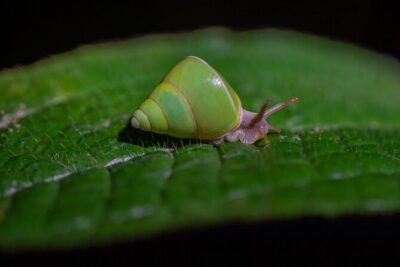
The tour explicitly includes spotting insects. That matters because in tropical forests, insects can be one of the most constant layers of life, even when larger animals keep quiet. When your guide gives you something to look for, like movement on leaves or specific color patterns, you end up feeling like you understood the forest better.
Snorkel-free but safety-heavy: what to bring and how to handle leeches and rain
This tour gives you a clear packing list, and it is worth taking it seriously because Sinharaja conditions can change quickly.
Bring:
- Comfortable shoes
- Hat
- Camera
- Sunscreen
- Water
- Rain gear
- Insect repellent
Also plan like a real forest day. Even if the weather is fine when you start, rain can roll in. One experience described an unexpectedly strong rain shower and recommended rain gear plus changing clothes. That is smart advice. If you only pack a light jacket and don’t have a way to stay dry, the “fun” part can turn into discomfort.
Another helpful detail from a real experience: leech socks were provided and were described as urgently needed once they were put to use. Even though this is not listed as a standard item, it tells you something important for your preparation. Wear footwear that you trust, keep your socks and lower legs covered, and follow your guide’s instructions if they suggest extra protection.
Finally, follow the forest rules:
- No littering
- No touching plants
Those rules matter because Sinharaja is protected, and you are a visitor moving through a living system.
Guides, group size, and why the experience feels personal
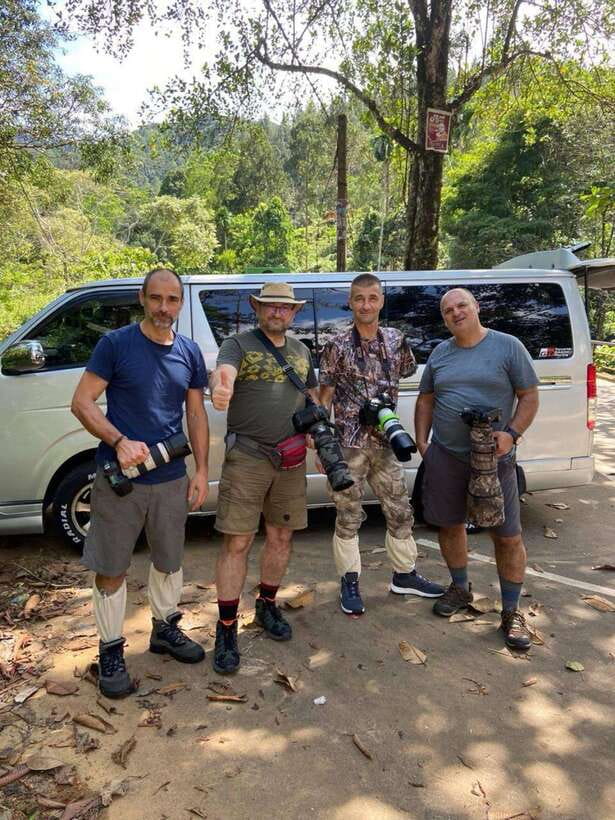
This is a small-group tour capped at 10 participants, which keeps it from turning into a noisy line march. In a forest, small groups are not just nicer, they are more functional. It helps you stay close enough for the guide to call out what matters, and it reduces distractions for everyone scanning for wildlife.
The guiding quality seems to be a major reason people rate this so highly. Guides named in experiences include Alagaraja and Mahinda, with one account noting Alagaraja’s daughter Thishani joining in to explain plants and animals. That kind of shared enthusiasm can make the day feel like more than a wildlife checklist. It feels like you are learning the forest, step by step.
If you speak English, you are set. The tour lists guides in English, Singhalese, and Tamil, so language should not be a barrier if you communicate clearly at the start.
Price and value: is $96 per person fair?
At $96 per person for roughly 6 hours total, this price makes sense when you count what you are getting: private hotel pickup and drop-off, entry fee for Sinharaja, a guided trek (3 to 6 hours), bottled water and light snacks, plus local wildlife focus.
Where the value shows most is the combination. You do not just buy “walking time.” You buy:
- transport in an air-conditioned private vehicle
- a guide who helps you spot endemic species
- entry into the rainforest area
- enough support to keep you comfortable for the trek
Also, small-group size helps justify the cost. If you get a more personal guide-to-visitor ratio, that improves your odds of meaningful sightings and improves your learning.
Optional lunch add-on is extra, and dinner is not included. That is normal for a half-day tour. If you choose the lunch add-on, you’re basically smoothing out the day so you’re not hunting food right after returning.
Who should book this trek, and who should skip it
This fits best if you want a guided nature outing and you enjoy careful observation. If you are into birds, mammals, reptiles, amphibians, and even insects, you will likely feel your curiosity get rewarded.
It is listed as not suitable for:
- children under 9
- people with back problems
- wheelchair users
If your mobility is limited, the uneven forest ground and trek length are the main issue. If your back is sensitive, I would think twice, because even a “moderate” rainforest walk can be hard on posture and footing.
It also helps to be comfortable with being outside for hours. This is not a quick nature stop. You need to be ready for heat, humidity, and the occasional rain change.
Should you book this Sinharaja guided trek with pickup?
I think you should book it if you check at least two boxes: you want a guided Sinharaja Rainforest experience, and you care about seeing more than one type of wildlife. The endemic bird focus, the chance to look for primates like Purple-faced Langur, and the inclusion of reptiles, amphibians, and insects make it a well-rounded forest day.
Skip it if you are looking for a light stroll, or if your body cannot handle uneven, humid walking. Also, go in with flexible expectations about animals. In a tropical rainforest, spotting is weather- and timing-dependent, but a good guide stacks the odds in your favor.
If you want the best shot at a smooth day, pack the rain gear, bring insect repellent, and wear comfortable shoes you can trust on muddy ground. And when the guide starts talking about plants and animals, listen closely. That is where the real value happens.
FAQ
How long is the Sinharaja trek?
The overall activity is listed as 6 hours, with the guided trek lasting about 3 to 6 hours.
Where do you get picked up from?
Pickup is available from Mirissa and also from Galle, Bentota, Koggala, Ahangama, Talpe, Weligama, and Unawatuna.
Is transport included?
Yes. You travel by private air-conditioned vehicle with insurance for the round-trip journey, plus pickup and drop-off.
What is included in the tour price?
Included items are the Sinharaja entry fee, a 3 to 6 hour guided trek, bottled water and light snacks, and guidance for spotting birds, small mammals, reptiles, and amphibians and insects.
Is lunch included?
Lunch is not included, but there is an optional lunch add-on.
What languages are the guides available in?
The live tour guide is listed as English, Singhalese, and Tamil.
What should I bring?
You should bring comfortable shoes, a hat, a camera, sunscreen, water, rain gear, and insect repellent.
Who is this tour not suitable for?
It is not suitable for children under 9 years old, people with back problems, or wheelchair users.
More Guided in Galle
More Tour Reviews in Galle
Under the Sinharaja Canopy
Still browsing Galle? Start here
- From: Ella – YALA Safari – Drop off: Arugam Bay / Arugambay★ 5.0 · 3 reviews
- Galle Instagram Tour: Most Famous Spots (Private & All-Inclusive)★ 5.0 · 3 reviews
- Galle Sightseein Rickshaw Tour★ 4.5 · 3 reviews
- From Colombo: Day Trip to Galle City, Koggala and Unawatuna★ 4.2 · 3 reviews
- Yala National Park Private Safari (All Inclusive) From Mirissa★ 4.5 · 4 reviews
Sinharaja Rainforest Tours, compared.
 ★ 5.0Sinharaja Rainforest TourFrom $11054 reviews
 ★ 5.0Sinharaja Rainforest Private Half Day Tour with Licensed GuideFrom $11039 reviews
 ★ 4.6Sinharaja Rainforest Private & Customize TourFrom $11038 reviews
 ★ 4.5Sri Lanka Sinharaja Rain Forest Tour with TransportFrom $9822 reviews
 ★ 5.0Sinharaja’ rainforest – Discovery Tour (half day)From $2521 reviews
★ 4.8Sinharaja Rainforest TourFrom $5519 reviews
 ★ 5.0Sinharaja Rainforest Day Tour By Rainforest ExpeditionFrom $4215 reviews
 ★ 5.0Sinharaja Rain Forest Tours (Full Day)From $3011 reviews
Browse the lists this tour appears in