
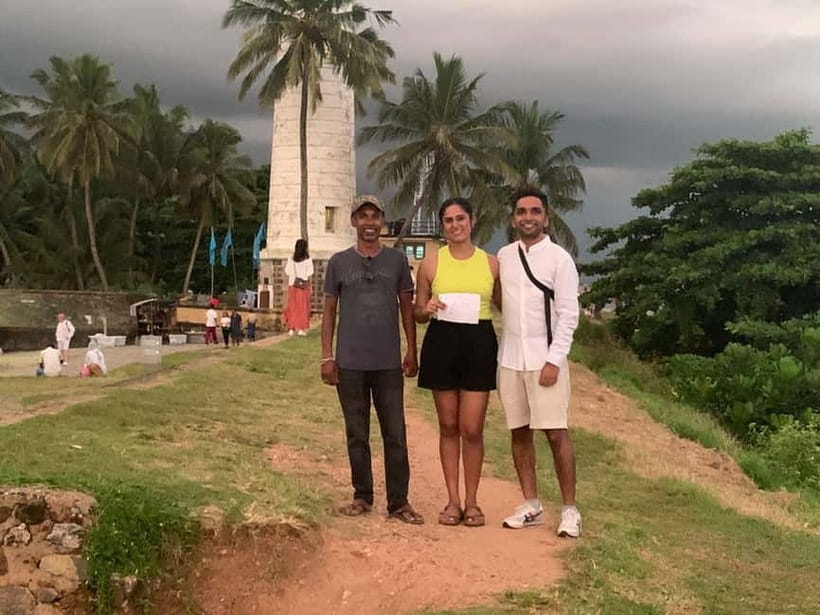
REVIEW · GALLE & GALLE FORT TOURS
Galle Fortt Guided Walking Tour with a Local
Galle Fort feels bigger when someone explains it. A small, focused guided walking tour with Madawa turns the 17th century Dutch fortress into something you can follow, from ramparts to church to bastion views. The best part is his mix of clear facts, strong English, and a relaxed pace that makes the fort feel less like a monument and more like a lived-in town.
I love two things most: you get expert context on Galle Fort and wider Sri Lanka, and you’re never left staring at stone wondering what it was for. The one drawback to consider is that this is a walking tour through ramparts and narrow streets, so it is not a fit for wheelchair users or very small children.
In This Review
- Key highlights at a glance
- Why a guided loop around Galle Fort beats wandering alone
- Meeting at the Clock Tower Basement and getting your bearings fast
- Ramparts and view points: seeing the fort’s design in real time
- Dutch reformed church, court square, and how people used these spaces
- Dutch hospital, bastions, and the old lighthouse remains
- Colonial-house ending and a tour that doesn’t feel rushed
- Timing, comfort tips, and what to bring for a 1.5 hour walk
- Price and value: what $15 buys you in real context
- Should you book the Galle Fort guided walking tour with a local?
- FAQ
- Where do we meet for the tour?
- How long is the guided walking tour?
- What does it cost?
- What language is the tour guide?
- What kinds of places will we visit?
- What is included in the price?
- Do you definitely get king coconut?
- Is the tour suitable for wheelchair users?
- Is free cancellation available?
Key highlights at a glance
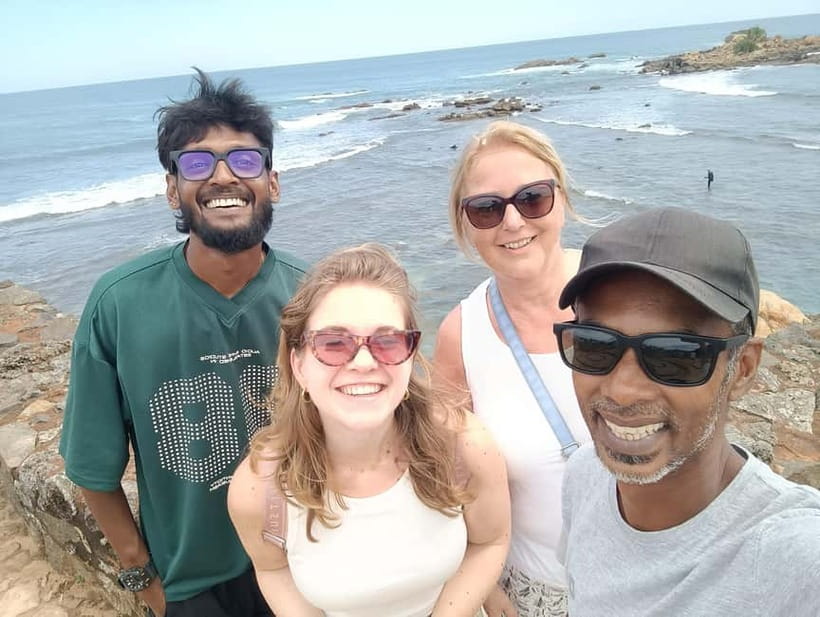
- Licensed national guide who is a local and speaks very good English, so you can ask questions as you go
- Complete walkthrough around the ramparts and old town streets in about 1.5 hours
- Dutch-era stops you will recognize, including the Dutch reformed church, court square, and Dutch hospital
- Lighthouse and bastion views, including remaining parts of the old lighthouse and Flag Rock Bastion area
- Refreshments on availability, such as king coconut, to break up the walk
Inside the ramparts and well past them
- Galle: Traditional Gems & Jewellery Workshop with Transfers
★ 4.9 · 539 reviews - Galle Fort Walking tour
★ 4.9 · 285 reviews - Galle/Mirissa/Hiriketiya: Drop to Ella & Udawalawa Safari
★ 4.9 · 186 reviews - Galle Unawatuna Cooking Class
★ 5.0 · 142 reviews
Why a guided loop around Galle Fort beats wandering alone

Galle Fort is one of those places where you can absolutely “see” a lot, but you might not fully “get” what you’re seeing. The streets, walls, and Dutch buildings are visually striking, yet their purpose can be hard to connect if you’re exploring solo.
On this tour, you’re not just moving from one photo spot to the next. You’re walking a route that builds understanding in the order it makes sense. That matters because Galle Fort is not only about architecture. It is also about trade, changing control, and how people used these structures then, and how they may be used now. Your guide also adds wider Sri Lanka explanations, so the fort doesn’t feel isolated from the rest of the country.
You’ll also appreciate the practical style of the experience. It is designed to fit into 90 minutes. That means you can do it early in your Galle visit, get your bearings, and then explore the rest of the area with far more confidence.
Meeting at the Clock Tower Basement and getting your bearings fast
The tour starts at the basement of the Galle Fort clock tower, which is an easy landmark to find compared to vague meeting points. From there, you begin with a short walk and a quick setup, enough time to orient yourself before you start climbing the fort’s rhythm.
Right away, the guide frames what you are about to see. You’ll get an explanation of the area and history, and then you head toward a view point. Even if you only have a short visit to Galle Fort, this early context helps. You stop treating the walls like a backdrop and start noticing details like how the ramparts shape movement and sight lines.
The walking tempo is steady. It is not an all-day endurance challenge, but you should expect a real walk, not a slow sit-down lecture. Think comfortable shoes and an attitude of short bursts of standing still for explanations, then moving again.
Ramparts and view points: seeing the fort’s design in real time
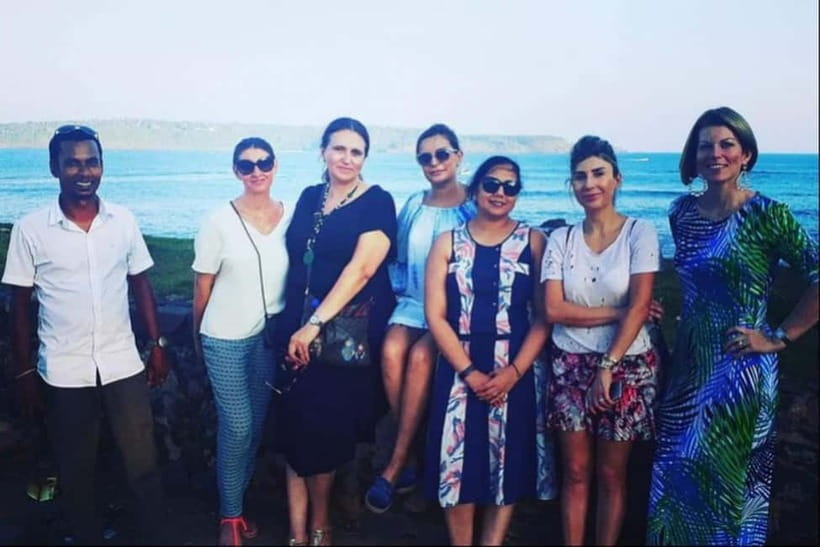
A big reason people love walking tours like this one is simple: the fort reveals itself better on foot. On the ramparts and adjoining streets, you can actually follow the logic of defenses, circulation, and where people would have gathered or watched.
At the view point stop, you’ll have a moment to take everything in while your guide explains what you’re seeing and why it mattered. This is the part that helps your brain build a mental map. After this, the rest of the buildings are easier to place.
I like that you’re not stuck with generic descriptions. The tour is built around specific landmarks and the connections between them. You will hear about Dutch influence and how it shaped what came next, including the way certain spaces have continued to function as part of modern Galle.
If you’re the type who enjoys asking follow-up questions, this is the right format. You can respond in the moment as you learn, which makes the explanations stick.
More on foot in Galle

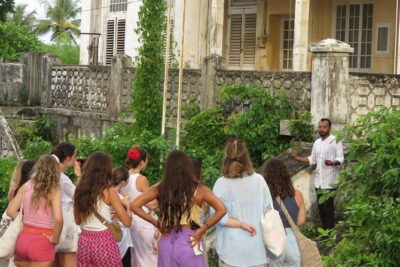
Dutch reformed church, court square, and how people used these spaces
The Dutch reformed church and court square are two stops that can feel similar at first glance if you’re not sure what you are looking for. With a guide, they become clear markers in the story of Galle Fort.
At the Dutch reformed church, your guide ties the structure to the Dutch presence and explains what that meant for the community using the fort area. You’re not just admiring a building. You’re learning how religious and civic spaces fit into the larger fort system.
Then comes court square, another key transition space. Squares like this one are often where multiple roles overlap, from administration to daily movement. The tour helps you interpret how public life would have played out around these kinds of open areas, and you also get a sense of how the site looks and functions in modern day.
One practical benefit here: the explanations help you read the old town street layout. Narrow lanes can look random until someone points out patterns. Once you understand that, you enjoy getting lost less and you enjoy discovering more.
Dutch hospital, bastions, and the old lighthouse remains
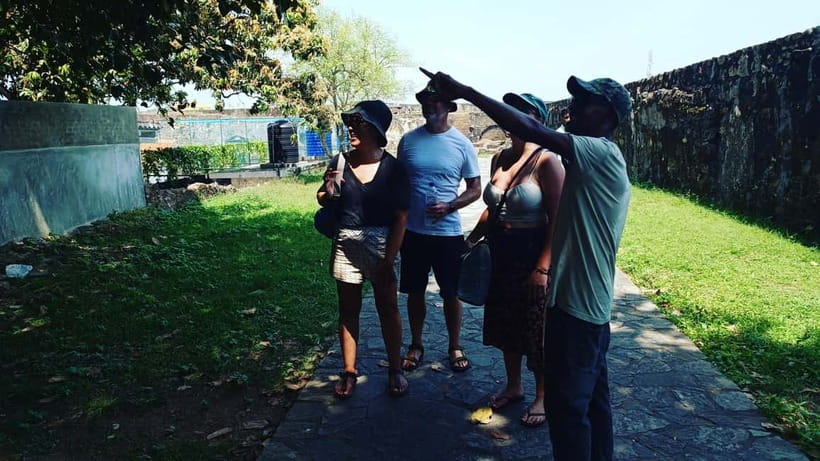
This is where the tour becomes especially memorable for many people, because you start seeing the fort as a system, not just a collection of pretty buildings.
The Dutch hospital stop is a smart inclusion. Hospitals are easy to overlook on a walk like this if you only care about walls and churches. But medical and practical facilities show you how long-term settlement worked. Your guide explains the history and how it was made, helping you connect the building to the needs of the people living and working in and around the fort.
Next, you shift into the defensive and navigational side of the fort with bastions and the lighthouse area. You’ll walk to the lighthouse section, then explore the remaining parts of the old lighthouse, plus the Flag Rock Bastion area. Even if you’ve seen lighthouse structures elsewhere, this one feels different because it is tied directly to the fort’s coastline story and how seafaring and monitoring would have linked to local life.
The ramparts and these shoreline-adjacent points give you a strong sense of scale. You feel how the fort relates to the water and to movement of ships. It helps you understand why the fort’s edges were so important.
Also, you’ll pass through more streets than you might expect for a 1.5 hour walk. The tour includes time in narrow streets, so you get a taste of what it is like to move inside the old town, not just around the outer edge.
Colonial-house ending and a tour that doesn’t feel rushed
The walk ends in a thoughtful way: you finish at a colonial house more than 250 years old, then the tour wraps up at Pedlar’s Inn Cafe and Restaurant.
That matters, because it gives closure. Instead of ending at the same kind of starting landmark (clock tower, ramparts, done), you close with something calmer and more residential-feeling. It is a nice shift after the denser fort landmarks.
If you want to keep exploring on your own right after, Pedlar’s Inn is a convenient finish point. It is an easy place to grab a drink, refill your water, and plan your next move while the information is still fresh.
Timing, comfort tips, and what to bring for a 1.5 hour walk
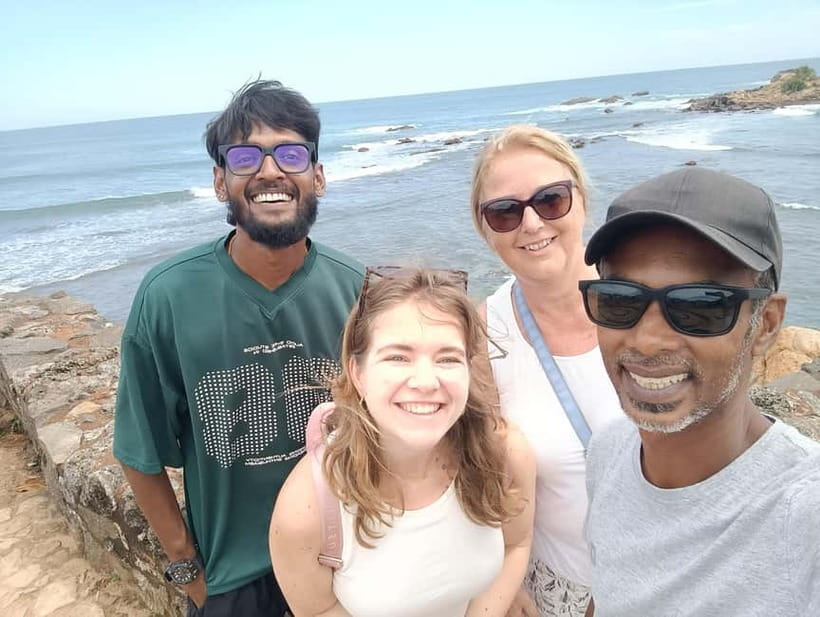
This tour lasts about 1.5 hours. That timeframe is long enough to cover a full set of major sites, but short enough that you can do it on the same day you arrive.
Because it includes ramparts, stairs, and narrow streets, plan for physical movement. This is not wheelchair-friendly, and babies under 1 year are not suitable based on the activity details.
To make it smooth:
- Wear comfortable walking shoes with grip for uneven or stone surfaces
- Bring sun protection and a light layer if you get warm fast
- Carry a small bottle of water, especially if you’re doing it during hotter hours
- If you like history, arrive ready to ask questions, because your guide will handle both fort details and wider Sri Lanka context
The group experience is designed to be leisurely, but it still demands attention. You will be stopping often, listening, then walking again.
Price and value: what $15 buys you in real context
At $15 per person, this is one of the easier “value per minute” options in Galle Fort. Why? Because you are not paying for a long trip or complicated logistics. You are paying for interpretation, structure, and a guide who can connect buildings to the bigger picture.
In 90 minutes, you cover:
- Ramparts and view points
- Several named Dutch-era landmarks, including the Dutch reformed church and Dutch hospital
- Court square
- Lighthouse area and remaining old lighthouse parts
- Fort bastion viewpoints, including Flag Rock Bastion area
- Narrow old town streets
- Ending near a colonial house and at Pedlar’s Inn
Even if you do plenty of self-guided exploring afterward, the guided portion gives you a base layer of knowledge. That changes how you experience everything else, because you stop asking basic questions like where you are and what something was used for. Your mind starts catching details you would normally miss.
And the tour includes refreshments on availability, specifically king coconut. That’s a small thing, but on a walk, small refreshment breaks help keep the pace comfortable.
Should you book the Galle Fort guided walking tour with a local?
Book it if you want the fort to make sense quickly. This is ideal for first-timers who want a strong overview without spending a full day, and for history lovers who enjoy explanations tied to real places.
You should especially consider it if:
- You like asking questions and getting clear answers in English
- You want to understand both Galle Fort and broader Sri Lanka context
- You prefer a structured route over aimless wandering in narrow streets
Skip it if:
- You need wheelchair access, because the route is not suitable
- You are traveling with an infant under 1 year, since the activity is not suitable
- You have no interest in walking steadily and listening for a short period at each stop
If you’re on the fence, here’s the simple test: if you’d rather know what you’re looking at than just photograph it, this guided walk is a smart use of your time in Galle Fort.
FAQ
Where do we meet for the tour?
You meet at the basement of the Galle Fort clock tower.
How long is the guided walking tour?
The duration is about 1.5 hours.
What does it cost?
It costs $15 per person.
What language is the tour guide?
The tour is in English, with a live guide.
What kinds of places will we visit?
You’ll walk the ramparts and streets, and visit key spots such as the Dutch reformed church, court square, Dutch hospital, lighthouse area including remaining parts of the old lighthouse, and bastion areas like Flag Rock Bastion. The walk also includes narrow streets and ends at a colonial house.
What is included in the price?
The tour includes a licensed national tour guide, refreshments of king coconut on availability, and explanations on the history of Sri Lanka.
Do you definitely get king coconut?
King coconut is included on availability, so it may depend on what is available at the time.
Is the tour suitable for wheelchair users?
No, it is not suitable for wheelchair users.
Is free cancellation available?
Yes, you can cancel up to 24 hours in advance for a full refund.
More Tours in Galle
More Tour Reviews in Galle
Galle Beyond the Fort Walls
Still browsing Galle? Start here
- From: Ella – YALA Safari – Drop off: Arugam Bay / Arugambay★ 5.0 · 3 reviews
- Galle Instagram Tour: Most Famous Spots (Private & All-Inclusive)★ 5.0 · 3 reviews
- Galle Sightseein Rickshaw Tour★ 4.5 · 3 reviews
- From Colombo: Day Trip to Galle City, Koggala and Unawatuna★ 4.2 · 3 reviews
- Yala National Park Private Safari (All Inclusive) From Mirissa★ 4.5 · 4 reviews
Galle & Galle Fort Tours, compared.
 ★ 4.9Galle: Traditional Gems & Jewellery Workshop with TransfersFrom $13539 reviews
 ★ 4.9Galle Fort Walking tourFrom $15285 reviews
 ★ 4.8Hikkaduwa/Galle/Weligama/Mirissa/Tangalle: Yala Safari TourFrom $45263 reviews
 ★ 4.7Galle and Bentota Day-Tour From ColomboFrom $45200 reviews
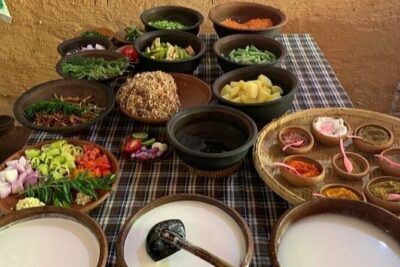 ★ 5.0Galle Unawatuna Cooking ClassFrom $30142 reviews
 ★ 4.6From Mirissa / Galle / Tangalle to Yala Safari & Drop- EllaFrom $11124 reviews
 ★ 4.8YALA SAFARI TOUR from TANGALLE/HIRIKETIYA/MIRISSA/GALLEFrom $43121 reviews
 ★ 4.8Hikkaduwa/Galle/Weligama/Mirissa/Tangalle: Udawalawa SafariFrom $27114 reviews
Browse the lists this tour appears in