
REVIEW · SRI LANKAN COOKING CLASSES
Cooking Classes in Sri Lanka
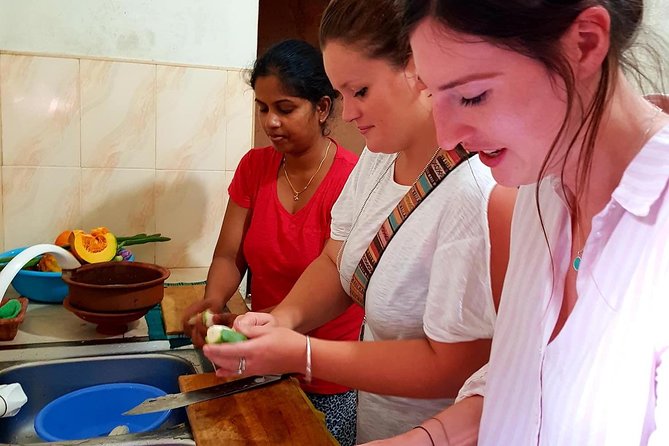
Coconut, knives, and curry in one afternoon. This private cooking class in Negombo is interesting because you learn Sri Lankan home cooking hands-on, then eat it for dinner at your host’s table. I love that it is recipe-free, taught by a local in a real family kitchen, and I also love how practical it feels, from making coconut milk to chopping vegetables for curry. One drawback to consider: it lasts about 3 hours, so if you want a slow, leisurely cooking day, you might feel a bit rushed.
What makes this outing especially useful for your trip is that you do the work yourself, not just watch. You’ll start with a welcome cup of tea or coffee, then move step-by-step through coconut milk, spice and herb basics, vegetable prep, cooking, and finally sitting down to enjoy what you made, including traditional dessert. If you upgrade, you add a market visit for choosing vegetables and learning about local spices and herbs in context.
Logistics are straightforward. The activity starts at Negombo Cooking Class in Andiambalama Katunayake, Negombo 11450, and ends back at the same meeting point, which helps you keep your day simple. It is a private experience, so it is just your group, and you’ll use a mobile ticket.
In This Review
- Key Things I’d Put on Your Must-Know List
- Why A Family Home Class Beats a Recipe Book
- Arriving in Negombo: Tea, Coconut Milk, and Kitchen Warm-Up
- Choosing Vegetables and Learning Sri Lankan Spices
- From Chopping to the Pot: Curry, Rice, and Coconut Milk Skills
- Dinner at the Host Table and Traditional Dessert
- The Market Visit Upgrade: Choosing Produce and Understanding Spices in Context
- Price, Time, and What You’re Really Paying For ($45 for 3 Hours)
- Best Fit for Your Sri Lanka Plan (And Who Might Want to Skip It)
- Should You Book Cooking Classes in Sri Lanka in Negombo?
- FAQ
- What is included in the Negombo cooking class experience?
- How long does the cooking class and dinner take?
- Is this class private or shared?
- Will I have a welcome drink when I arrive?
- Can I choose vegetables for the curry?
- Does the experience work for both non-veg and veggie preferences?
- What is the market visit upgrade?
- Where does the tour start and end?
- What is the cancellation policy?
- Will I receive confirmation after booking?
Key Things I’d Put on Your Must-Know List
- Welcome drink first, tea or coffee, so you ease in before cooking starts.
- Coconut milk basics right away, not later as an afterthought.
- You choose the vegetables, then chop and prepare them yourself for curry.
- Spices and herbs are explained, so you connect what you taste to what you’re adding.
- Private, family-home dinner, including traditional dessert, so you leave fed, not just educated.
- Optional market visit upgrade, for better veg picking and deeper spice context.
Still narrowing it down? These Negombo trips held up well.
- AirPort CMB to Colombo (Private Taxi 24/7) Car, Van, Minibus
★ 5.0 · 604 reviews - 8 Days tour in Sri Lanka with privet driver and accommodations
★ 5.0 · 472 reviews - Negombo city tour by Tuk Tuk Hotel Pickup & Guide
★ 5.0 · 221 reviews - Private Car & Driver for 07 Days Tour In Sri Lanka
★ 5.0 · 199 reviews
Why A Family Home Class Beats a Recipe Book
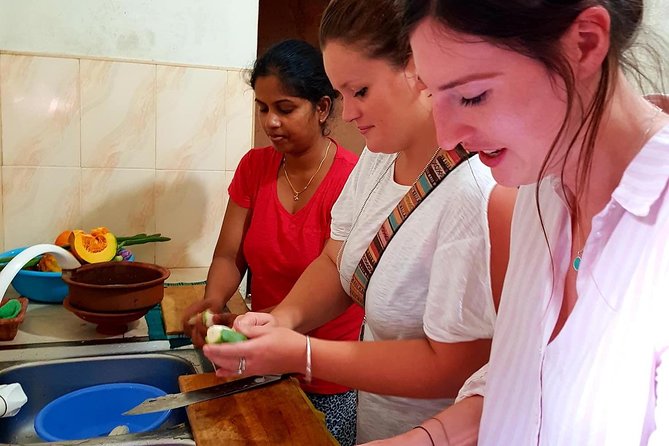
You can learn to cook Sri Lanka-style anywhere that sells a class. But this kind of private family setup is different because it is built around how people actually cook day-to-day. Instead of photocopied instructions and guesswork, you get guided cooking in a real home kitchen.
I like this format because it teaches you the “why,” not only the “what.” Coconut milk, for instance, is not just an ingredient. It changes the body and flavor of curries, and once you understand that, you can cook beyond one single recipe.
There’s also a social value here. Food is served around the host’s table, and you are tasting something meant to be shared, not plated for a photo and sent away. If you enjoy the human side of travel, this will hit the sweet spot.
Arriving in Negombo: Tea, Coconut Milk, and Kitchen Warm-Up
Your experience starts at Negombo Cooking Class in Andiambalama Katunayake, Negombo 11450. From there, you begin with a welcome cup of tea or coffee. It sounds simple, but it matters, because it sets a relaxed pace before knives come out.
After the drink, you’ll get the idea of how to make coconut milk. That step is a big part of why this class works for real home cooking later. Coconut milk is common in Sri Lankan cuisine, but it is not always something you can recreate well without understanding the process and texture.
Then you move into the vegetable portion. Depending on whether you choose the market upgrade, you either pick vegetables during the class or, with the upgrade, choose them on a market stop first. Either way, you should be ready to handle vegetables yourself, since chopping and prepping are part of the lesson.
Choosing Vegetables and Learning Sri Lankan Spices
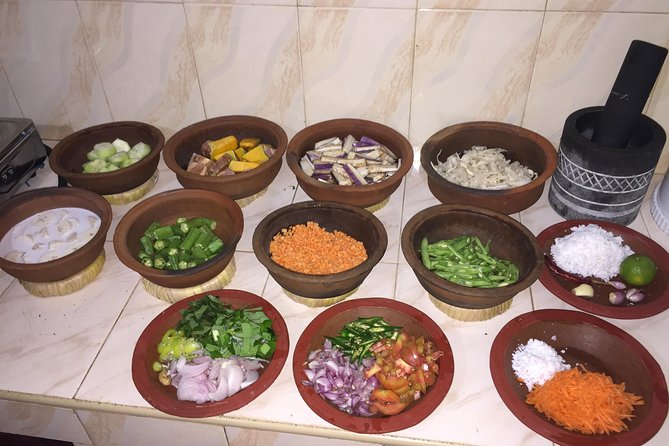
One of the best parts is that you get to choose what you want to cook. The experience works for both non-vegetarians and veggies, so you are not forced into a menu that does not fit your tastes.
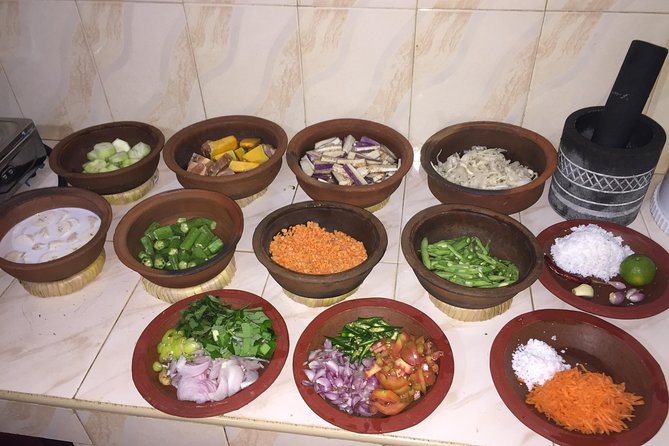
After you pick your vegetables, you cut and chop them yourself. This is where the class earns its keep. You learn practical prep, not just final plating. Plus, you’re more likely to remember the “small steps” later when you try cooking at home.
You’ll also get an idea about Sri Lankan spices and herbs. That talk is key, because it links flavor to ingredients, instead of treating spices as mysterious powders you sprinkle blindly. When you understand what herbs and spices are meant to do, you can adjust portions next time without ruining the dish.


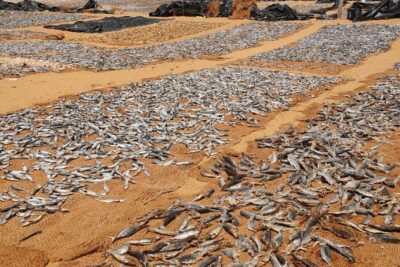
From Chopping to the Pot: Curry, Rice, and Coconut Milk Skills
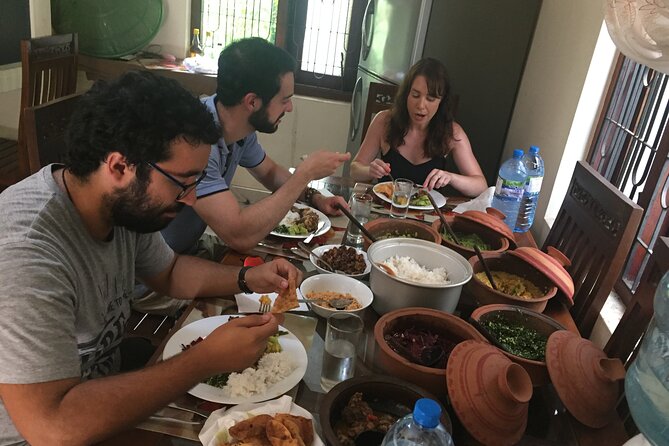
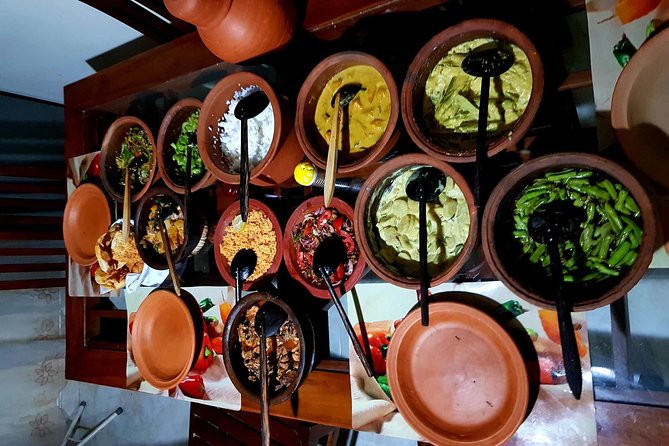
The core of the cooking is building curry and learning how it comes together. Your session includes preparing curry, rice, coconut milk, and other treats, then enjoying the meal you make. The big takeaway is that you’ll work through a full sequence rather than a short “demo” style class.
Here’s what you should watch for as you cook:
- Taste and adjust as you go. Sri Lankan cooking often balances warmth, salt, and coconut richness, so small changes matter.
- Watch the coconut milk stage, because it affects thickness and how flavors settle.
- Treat spice additions like steps, not one-time seasoning. Some spices bloom in hot oil, and that changes the aroma.
Even if you already cook at home, this class can help you spot what you are missing in many versions found elsewhere. Many people can follow a recipe, but they struggle with texture and timing. Doing it with guidance helps you build the muscle memory.
Also, the class is designed so you leave knowing how the dishes work as a system. The curry is not alone. It pairs with rice and coconut elements, so the meal makes sense as a whole.
Dinner at the Host Table and Traditional Dessert
After cooking, you sit down to enjoy your meal. This is not a take-away situation. You’ll taste what you made, and that makes the learning click.
You can also expect a traditional dessert. A dessert at the end is more than a sweet finish. It gives you a fuller picture of what a Sri Lankan home dinner can look like, not only the savory part.
If you care about value, this matters. Many cooking classes teach skills but do not feed you properly. Here, you’re paying for a full experience: cooking time plus a dinner with dessert, guided by the host.
The Market Visit Upgrade: Choosing Produce and Understanding Spices in Context
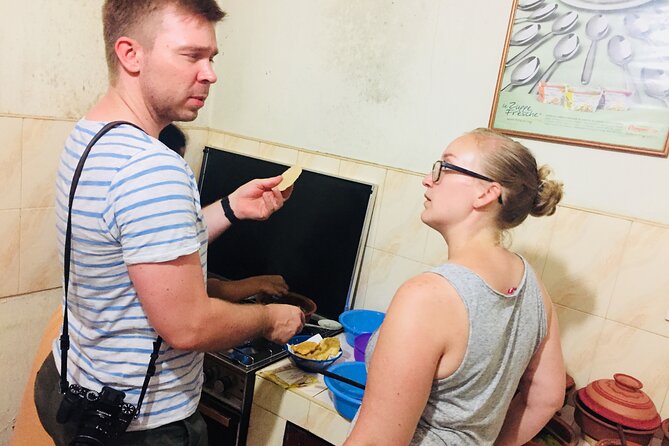
If you upgrade, you add a market visit. The idea is simple and smart: choose your vegetables, then learn about local spices and herbs in a real-world context.
This upgrade is especially worth considering if:
- You want to learn what to look for when buying produce.
- You like understanding spices beyond names, like what varieties smell like and how they get used.
- You want the cooking class to feel more connected to everyday Sri Lanka, not only the home kitchen.
Without the upgrade, you still choose vegetables for your curry and learn the spice and herb basics. So it is not like the market stop is required. But the market adds an extra layer of context that you will not get from chopping alone.
Price, Time, and What You’re Really Paying For ($45 for 3 Hours)
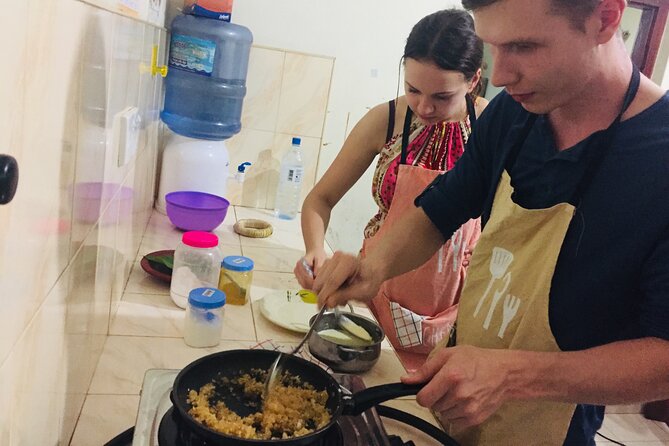
The price is $45.00 per person for about 3 hours, and you get a private class plus dinner in a family home setting. On paper, it sounds like a budget-friendly cooking workshop. In practice, the value is tied to the parts you would struggle to recreate on your own.
Here is what you are paying for:
- A private, guided experience in a home kitchen setting, where you can ask questions as you cook.
- Hands-on learning, including making coconut milk and prepping vegetables.
- A meal you eat, including traditional dessert, so the class ends as an experience, not just instruction.
You also have the benefit of planning timing. It is commonly booked about 36 days in advance on average. That tells me it is popular, likely because people want a home-style cooking day in Negombo. If your dates are set, booking earlier gives you better odds of getting the time that fits your schedule.
Best Fit for Your Sri Lanka Plan (And Who Might Want to Skip It)
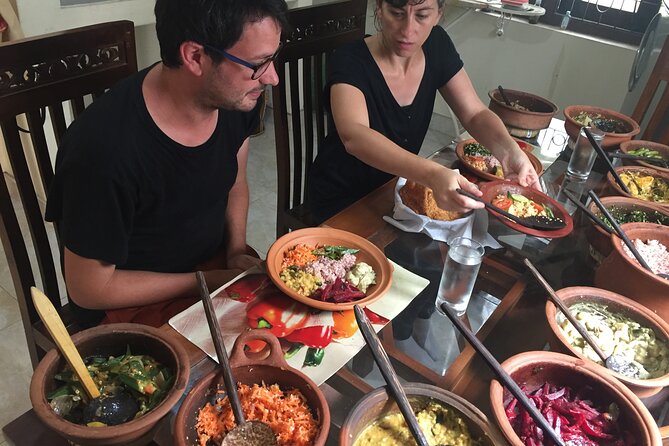
This is a great fit if you:
- Want a practical cooking skill you can use after you get home.
- Prefer intimate, private experiences over large group tours.
- Like food days where you cook and then actually eat what you make.
It is also a solid choice whether you eat meat or prefer veggies, since you can choose vegetables for your curry.
You might skip it if:
- You hate chopping and hands-on prep, because cutting vegetables yourself is part of the plan.
- You want a longer, slow cooking session with lots of downtime. This one moves through key steps within 3 hours.
One more consideration: it requires good weather. If your itinerary is tight or you are traveling during a rainy stretch, plan a bit of flexibility.
Should You Book Cooking Classes in Sri Lanka in Negombo?
I think you should book this class if you want a real taste of Sri Lankan home cooking without guessing. The strongest reasons are the recipe-free, hands-on approach to coconut milk and curry, plus the fact that you eat your meal in a family-home setting with traditional dessert.
If your travel style is about learning small, useful skills and getting fed in the process, this is a great match for a half-day slot in Negombo. Just make sure you are comfortable with chopping and that you have a weather-aware day scheduled.
FAQ
What is included in the Negombo cooking class experience?
You’ll have a private Sri Lankan cooking class at a family home in Negombo. The experience includes making coconut milk, curry and rice, and other treats, then eating your meal for dinner, with traditional dessert.
How long does the cooking class and dinner take?
The duration is about 3 hours.
Is this class private or shared?
It is private. Only your group participates.
Will I have a welcome drink when I arrive?
Yes. You’ll have a cup of tea or coffee as a welcome drink.
Can I choose vegetables for the curry?
Yes. You can choose which vegetables you want to make into curry, and you’ll cut and chop them yourself.
Does the experience work for both non-veg and veggie preferences?
Yes. It is described as ideal for non-veggies and veggies.
What is the market visit upgrade?
The upgrade adds a market visit so you can choose your vegetables and hear about local spices and herbs.
Where does the tour start and end?
The tour starts at Negombo Cooking Class, Andiambalama Katunayake, Negombo 11450, Sri Lanka, and ends back at the meeting point.
What is the cancellation policy?
You can cancel for free up to 24 hours in advance for a full refund. If it is canceled due to poor weather, you’ll be offered a different date or a full refund.
Will I receive confirmation after booking?
Yes. Confirmation is received at the time of booking.
More Tour Reviews in Negombo
Still browsing Negombo? Start here
- Colombo Airport (BIA) to Galle Private Airport Transfer★ 5.0 · 3 reviews
- Airport Pick-up from Colombo Airport to Kandy★ 5.0 · 3 reviews
- Airport transfer to Arugambay★ 5.0 · 3 reviews
- 8 Days Tour Sri Lanka (Hotels, Breakfast, Dinner & Luxury Car)★ 5.0 · 3 reviews
- 9 Days Guided Tour Through Sri Lanka★ 5.0 · 4 reviews
Sri Lankan Cooking Classes, compared.
 ★ 4.9Ella: Traditional Sri Lankan Cooking ClassFrom $19788 reviews
 ★ 5.0Organic cooking class sigiriya (kumara & family)From $28650 reviews
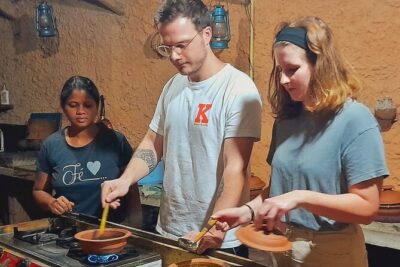 ★ 5.0Kandy Village Cooking ClassFrom $25536 reviews
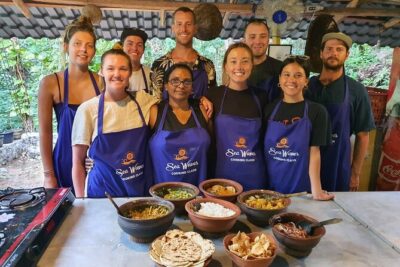 ★ 5.0Sea waves sri lankan cooking classFrom $59467 reviews
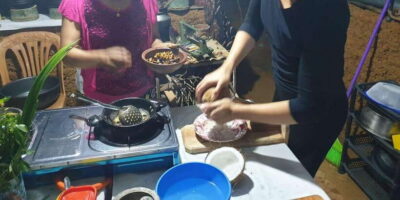 ★ 5.0Ella: Sri Lankan Cooking Class with Neranji at HomestayFrom $19276 reviews
 ★ 5.0Ella : Cooking class with amazing Spice Garden TourFrom $32239 reviews
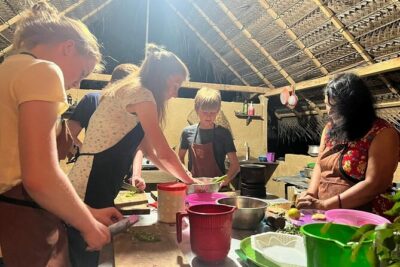 ★ 5.0Sajee’s Place Cooking ClassFrom $35237 reviews
 ★ 5.0Colombo Cooking ClassFrom $60151 reviews
Browse the lists this tour appears in